IN
IN₹
Apparel & Fashion
Loading subcategories...
View More
Description
Greiner Bio-One's 96 well non-binding microplates represent advanced laboratory technology specifically engineered for sensitive biochemical applications where even minimal biomole...
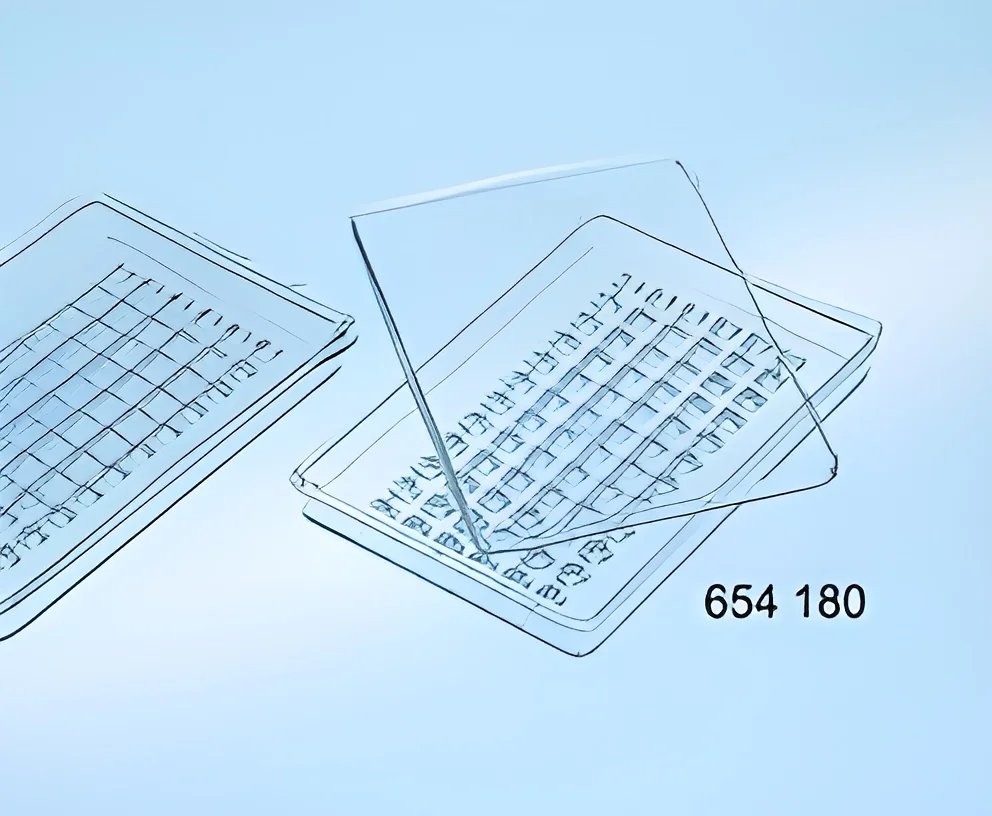
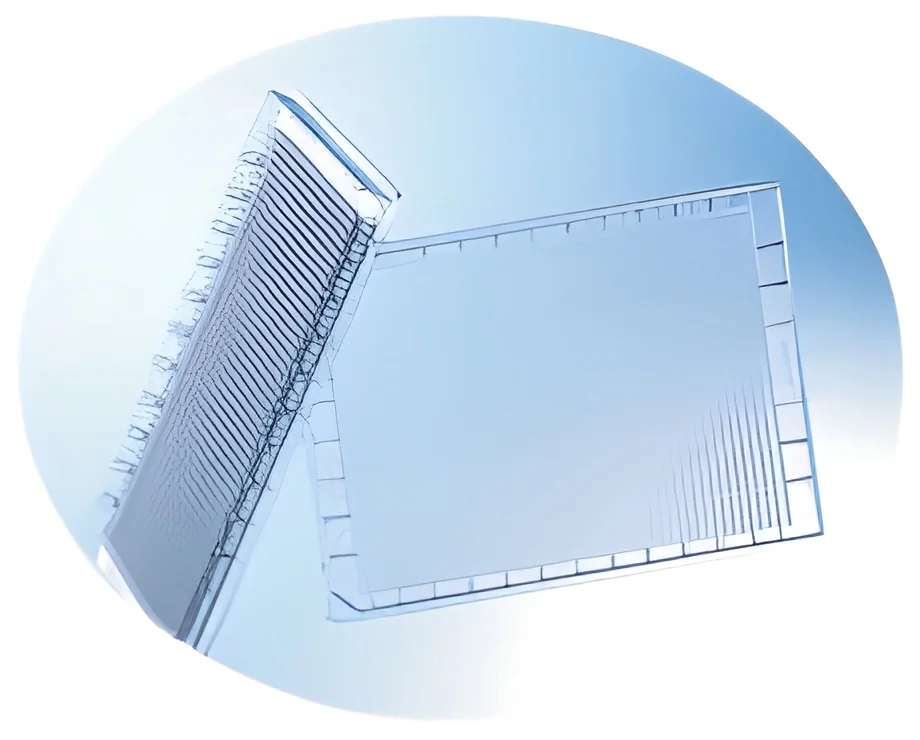
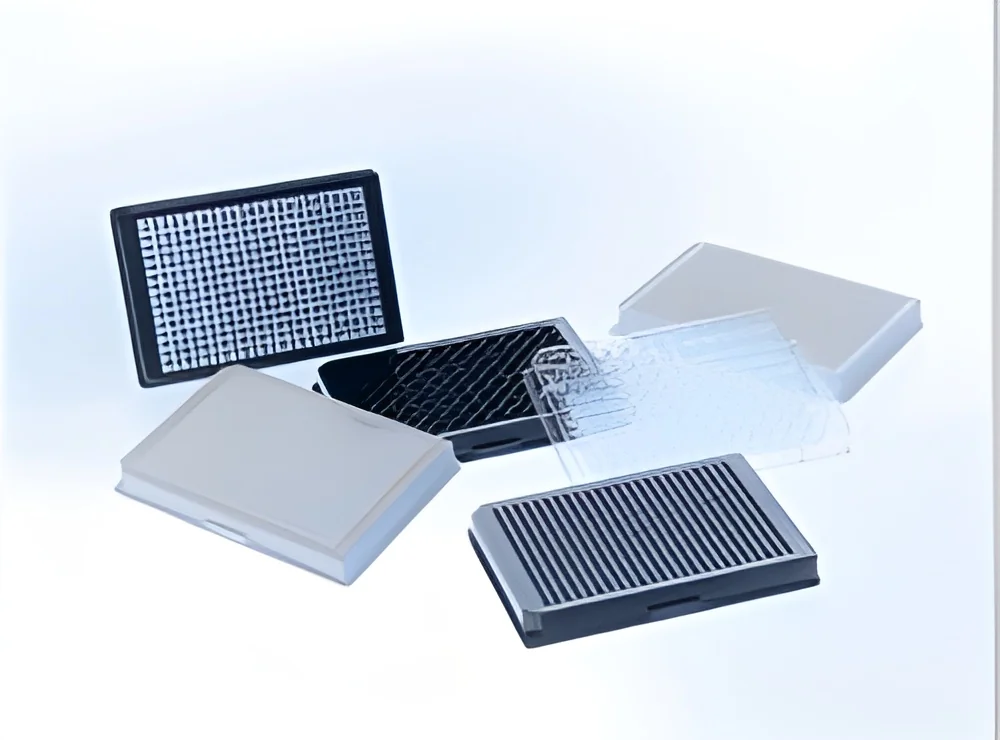
Greiner Bio-One's 96 well non-binding microplates represent advanced laboratory technology specifically engineered for sensitive biochemical applications where even minimal biomolecular binding can compromise results. These microplates feature a stable chemical modification that covalently links functional groups with the base polystyrene polymer, creating a surface that effectively prevents unwanted biomolecular attachment. Under aqueous assay conditions, a hydrate layer forms that blocks dissolved biomolecules from attaching to the microplate surface, ensuring superior performance with ultra-low background interference. Available in various configurations including black, white, and clear options with both solid and micro clear film well bottoms, these microplates provide researchers with reliable tools for critical experimental work requiring maximum signal clarity and data accuracy.

These specialized microplates serve essential roles across multiple scientific sectors including pharmaceutical research, biotechnology development, academic research institutions, and diagnostic laboratories. In drug discovery pipelines, they enable high-throughput screening with enhanced sensitivity and reduced background interference for more accurate compound evaluation. Biotechnology companies utilize them for protein characterization studies and molecular interaction analyses where precise measurements are critical. Academic research facilities benefit from their consistent performance in sensitive biochemical assays, while diagnostic laboratories appreciate their reliability in developing and running precise analytical tests that require minimal non-specific binding for accurate results.

The business value of these non-binding microplates lies in their ability to deliver reproducible results and reduce experimental variability, ultimately saving time and resources while improving research outcomes. Their reliable performance minimizes the need for repeat experiments and ensures data integrity throughout drug discovery and development processes, providing cost savings through reduced reagent waste and improved experimental efficiency. The stable chemical modification prevents surface degradation or leaching under common assay conditions, eliminating potential sources of interference that could compromise valuable research data. This reliability makes them a trustworthy investment for organizations prioritizing accuracy and reproducibility in their scientific work, with consistent quality that supports long-term research objectives and experimental consistency.

Key Features:
- Chemically modified non-binding surface prevents biomolecular attachment
- Stable surface properties with no degradation or leaching under assay conditions
- Available in 96 well format with black, white, and clear color options
- Compatible with both solid and micro clear film well bottoms
- Ultra-low non-specific binding for proteins, DNA, RNA, and peptides

Benefits:
- Ensures reproducible results with minimal experimental variability
- Reduces background interference for clearer signal detection
- Maintains assay integrity throughout experimental procedures
- Saves time and resources by minimizing repeat experiments
- Provides reliable performance across diverse research applications
Specifications
| Additional Information | |
|---|---|
| Country of Origin | India |
| Customisable | No |
Application
These non-binding microplates are engineered for high-throughput screening where minimal biomolecule binding can compromise assay integrity. The chemically modified surface prevents non-specific attachment of proteins, nucleic acids, and peptides, delivering clean background signals essential for sensitive biochemical research and reliable data generation across multiple experimental conditions and storage periods.

Laboratories conducting homogeneous biochemical assays benefit from consistent microplate performance with stable surface properties that resist degradation. This ensures no leaching occurs under common assay environments, maintaining experimental integrity throughout procedures while providing reliable platforms for research requiring precise signal-to-noise ratios and minimal interference in critical scientific applications.
- High-throughput drug screening in pharmaceutical research and development
- Sensitive protein interaction studies and binding affinity measurements
- DNA and RNA analysis workflows requiring minimal background interference
- Peptide-based assay development and research applications
- Biochemical assays demanding precise signal-to-noise ratios for accurate data interpretation
Trade Details
| Available Stock | In Stock |
| Sample Availability | No |
Payment Terms
| Payment Terms |
|
Company Profile
Bio Globus, New Delhi
 New Delhi, India
New Delhi, IndiaRaw Materials & Chemicals•Distributor / WholesalerImporter / Exporter
Factory Details
Factory SizeBelow 1000 sqm
Annual Production Capacity0
Drug Discovery Non Binding 96 Well Microplates For Sensitive Assays
Greiner Bio-One 96 well non-binding microplates prevent biomolecular binding for sensitive drug discovery assays, ensuring reproducible results with ultra-low background interference and stable surface properties.
Min. Order Quantity: 1 units
Shipping
Shipping fee and delivery date to be negotiated. Contact supplier now for more details.
Bio Globus New Delhi, India
New Delhi, IndiaRaw Materials & ChemicalsDistributor / Wholesaler