IN
IN₹
Apparel & Fashion
Loading subcategories...
View More
Description
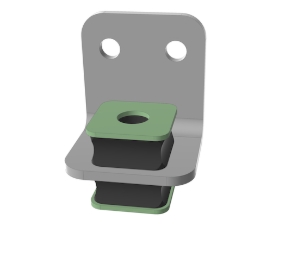
Automotive chassis mounts are precision-engineered components designed to provide essential support between vehicle chassis and frame structures. These mounts utilize advanced rubb...
Automotive chassis mounts are precision-engineered components designed to provide essential support between vehicle chassis and frame structures. These mounts utilize advanced rubber-metal bonding technology to create durable connections that absorb vibrations, reduce noise transmission, and maintain structural integrity. By isolating chassis components from road shocks and engine vibrations, these mounts significantly enhance vehicle stability and passenger comfort while protecting sensitive automotive systems from excessive stress and wear.

These components find extensive use across multiple transportation sectors, including passenger vehicle manufacturing, commercial truck production, and specialized equipment assembly. Automotive manufacturers integrate chassis mounts into their designs to ensure proper alignment, reduce maintenance requirements, and extend vehicle lifespan. Repair facilities and maintenance shops rely on these mounts as essential replacement parts for restoring vehicle performance and safety standards across diverse automotive platforms.

The business value of these chassis mounts lies in their consistent reliability and performance under demanding conditions. Manufacturers benefit from reduced warranty claims and improved customer satisfaction through enhanced vehicle durability. These components demonstrate exceptional resistance to environmental factors, temperature variations, and mechanical stress, ensuring long-term value through extended service intervals and reduced downtime for vehicle operators across various industries.

Key Features:
- Durable rubber-metal bonding construction for enhanced strength and flexibility
- Advanced vibration isolation technology to minimize noise and shock transmission
- Precision engineering for consistent fit and performance across vehicle models
- High load-bearing capacity to support various chassis configurations
- Temperature-resistant materials maintaining performance in diverse conditions

Benefits:
- Extended vehicle component lifespan through reduced vibration stress
- Enhanced passenger comfort with minimized noise and smoother ride quality
- Improved vehicle stability and handling characteristics for safer operation
- Reduced maintenance requirements and associated operational costs
- Reliable performance across diverse automotive applications and environments
Specifications
| Additional Information | |
|---|---|
| Country of Origin | India |
| Customisable | No |
Application
Our automotive chassis mounts provide essential vibration isolation and structural support for various vehicle types. These components are engineered to withstand demanding conditions while maintaining consistent performance across different automotive platforms.

These mounts serve as critical connection points between chassis components and vehicle frames, absorbing shocks and minimizing noise transmission. Their robust construction ensures reliable operation in passenger vehicles, commercial trucks, and specialized automotive equipment where stability and comfort are paramount.

Real-world applications:
- Passenger vehicle chassis systems for improved ride comfort and reduced cabin noise
- Commercial truck suspension systems to handle heavy loads and rough terrain
- Bus and coach chassis mounting for enhanced passenger comfort during transit
- Off-road vehicle applications requiring durable vibration isolation components
- Fleet maintenance and replacement parts for automotive repair facilities
Trade Details
| Available Stock | In Stock |
| Sample Availability | No |
Payment Terms
| Payment Terms |
|
| Payment Methods |
|
Company Profile
Premier Seals (India) (P) Ltd, Maharashtra Maharashtra, India
Maharashtra, IndiaManufacturer
Factory Details
Factory SizeBelow 1000 sqm
Automotive Chassis Mount
Automotive chassis mount from reliable manufacturers supports vehicle chassis with durable rubber-metal bonding, reduces vibration and noise for enhanced stability in automotive applications.
Min. Order Quantity: 100 Pieces
Shipping
Shipping fee and delivery date to be negotiated. Contact supplier now for more details.
Premier Seals (India) (P) Ltd
 Maharashtra, India
Maharashtra, IndiaManufacturer