IN
IN₹
Apparel & Fashion
Loading subcategories...
View More
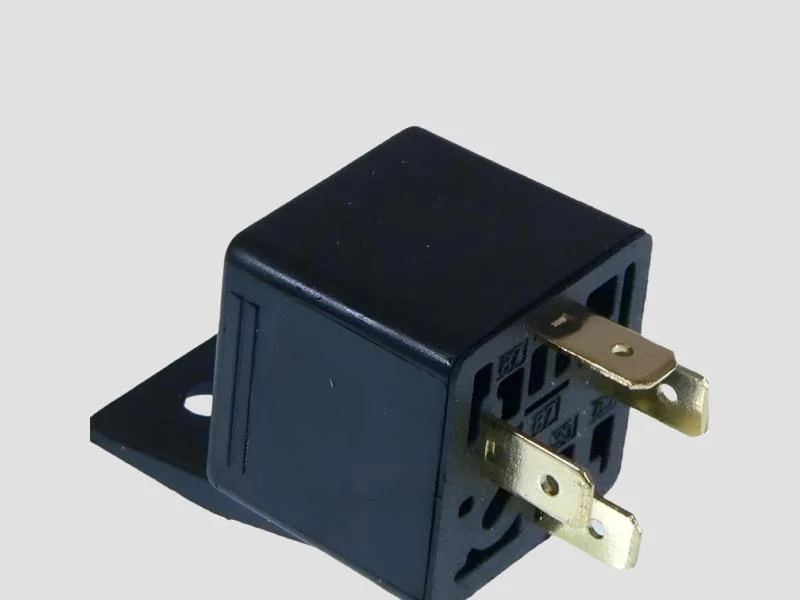
Description
Electrical Power Relays for Protection serve as intelligent guardians for electrical systems, continuously monitoring operational parameters to detect abnormalities before they esc...
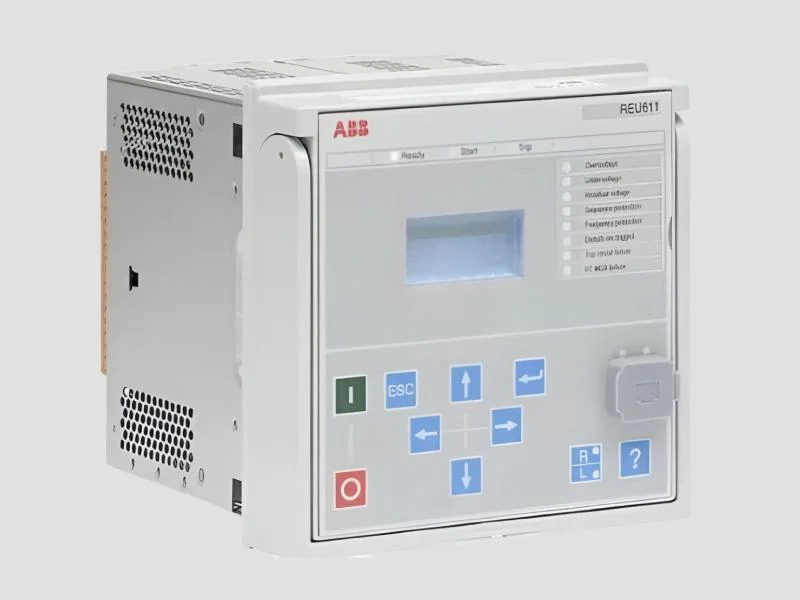
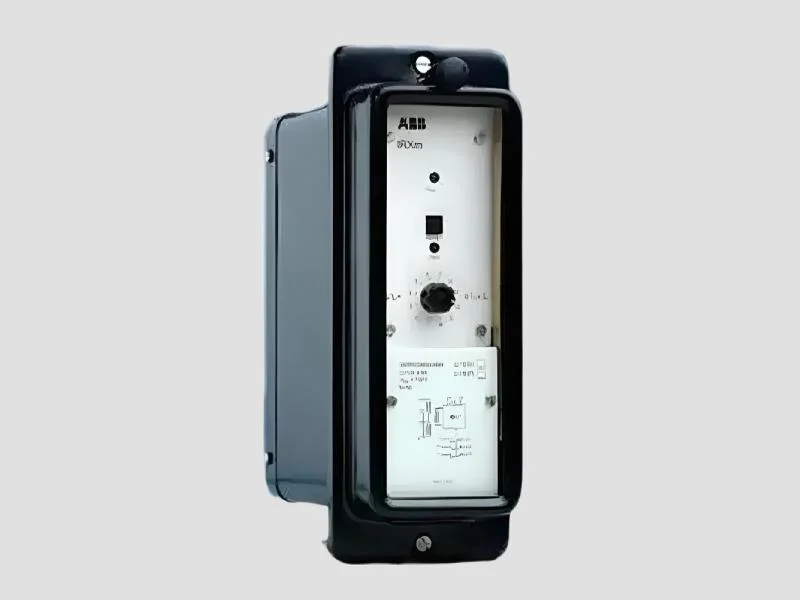
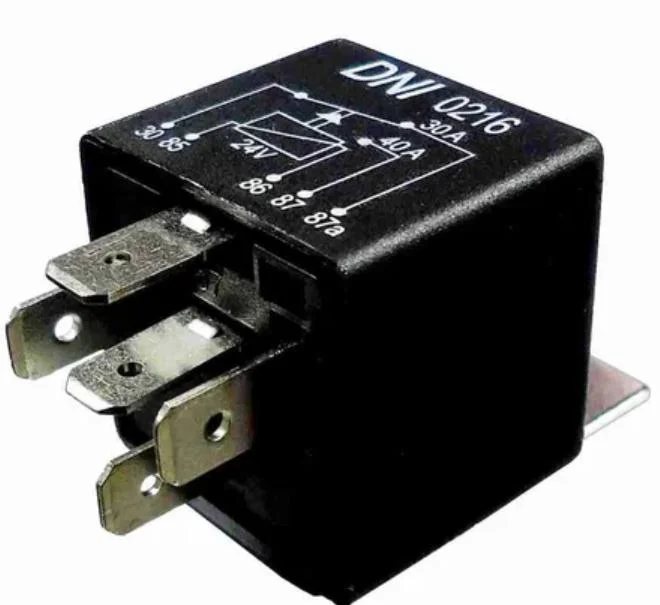
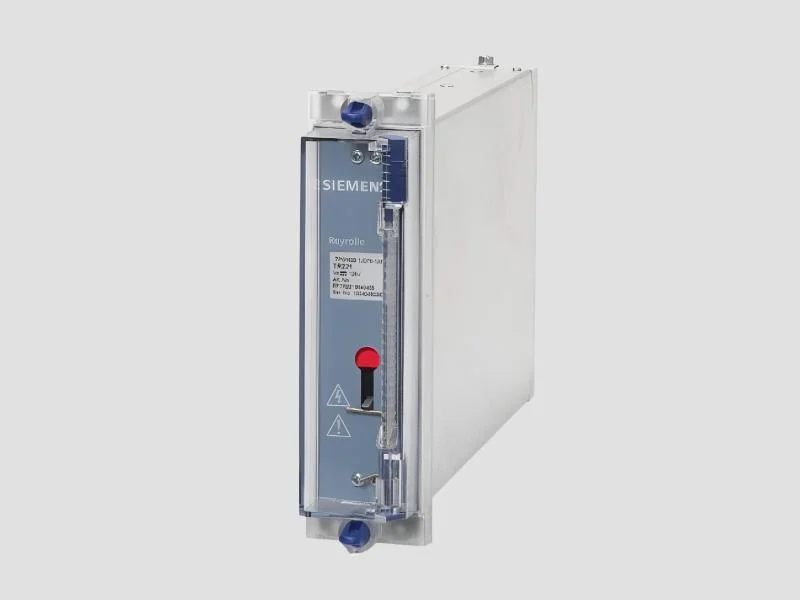
Electrical Power Relays for Protection serve as intelligent guardians for electrical systems, continuously monitoring operational parameters to detect abnormalities before they escalate. These devices automatically initiate protective actions, such as tripping circuit breakers, when they identify conditions like overloads, short circuits, or voltage irregularities. By providing this critical monitoring and control function, they form the first line of defense against electrical failures that could lead to equipment damage, production losses, or safety hazards. Their precision operation ensures electrical systems remain within safe operating limits, maintaining both performance and protection.

Across industries, these protection relays find essential applications in settings where electrical reliability directly impacts operations. In manufacturing facilities, they safeguard expensive machinery and production lines from electrical faults that could cause extended downtime. Utility companies deploy them throughout transmission and distribution networks to maintain grid stability and prevent widespread outages. Commercial buildings rely on them to protect critical infrastructure like data centers and HVAC systems. Industrial plants use them to ensure continuous operation of process equipment, while renewable energy installations incorporate them to protect inverters and balance-of-system components from electrical anomalies.

The business value of these protection relays lies in their ability to prevent costly disruptions while ensuring operational continuity. By automatically responding to electrical abnormalities, they minimize equipment damage that would require expensive repairs or replacements. Their reliability translates to reduced maintenance costs and fewer unexpected shutdowns, protecting both capital investments and production schedules. These relays offer peace of mind through proven performance in demanding conditions, with designs focused on accuracy and durability. Their implementation represents a proactive approach to electrical system management, where prevention proves far more economical than reaction to failures.

Key Features:
- Continuous monitoring of current, voltage, and frequency parameters
- Automatic fault detection for overloads and short circuits
- Integration with circuit breakers for immediate protective action
- Available in electromechanical and numerical relay types
- Robust construction for reliable performance in industrial environments

Benefits:
- Prevents equipment damage by isolating electrical faults quickly
- Ensures operational safety by maintaining system integrity
- Reduces downtime through automatic protection mechanisms
- Extends equipment lifespan by preventing electrical stress
- Provides reliable performance with long service life
Specifications
| Additional Information | |
|---|---|
| SKU | EPR-01 |
| Country of Origin | India |
| Customisable | No |
Application
These protection relays are vital for maintaining electrical system integrity across various settings. They continuously monitor parameters like current and voltage, automatically isolating faults to prevent cascading failures and minimize downtime.

Engineered for demanding environments, these relays integrate seamlessly into existing infrastructure. Their robust design ensures consistent performance in critical applications where electrical safety and equipment protection are non-negotiable priorities.

Real-world applications:
- Electrical substations for grid protection and fault isolation
- HT and LT switchgear panels in industrial facilities
- Power distribution systems for commercial buildings
- Manufacturing plants to protect machinery from electrical faults
- Renewable energy installations for system reliability
Trade Details
| Available Stock | In Stock |
| Sample Availability | No |
Payment Terms
| Payment Terms |
|
| Payment Methods |
|
Shipping & Logistics
| Shipping Internationally | No | |
| Methods | -- | |
| IncoTerms | -- | |
| Port of Dispatch | Mumbai Port | |
| Packaging Type | -- | |
| Units per Package | -- | |
| Barcode / HSN / GTIN / UPC | -- | |
| Dispatch Lead time | -- |
Company Profile

SPARK ENGINEERING, Tamil Nadu Tamil Nadu, India
Tamil Nadu, IndiaConstruction•ManufacturerRetailer
Factory Details
Factory Size1000-5000 sqm
Annual Production Capacity0 a:1:{i:0;s:4:"Sets";}
Main Markets
Iraq
Saudi Arabia
Singapore
United Arab Emirates
Zambia
SKU: EPR-01
Industrial Electrical Power Protection Relay for Overload and Fault Monitoring
Electrical Power Relay for Protection monitors and safeguards electrical systems against overloads, short circuits, and faults, ensuring reliable operation for industrial and utility applications.
Min. Order Quantity: 10 Pieces
Shipping
Shipping fee and delivery date to be negotiated. Contact supplier now for more details.
SPARK ENGINEERING
 Tamil Nadu, India
Tamil Nadu, IndiaConstructionManufacturer