IN
IN₹
Apparel & Fashion
Loading subcategories...
View More
Description
Electronic components form the essential foundation of all modern electronic systems, acting as the core elements that control, manage, and manipulate electrical signals to enable ...
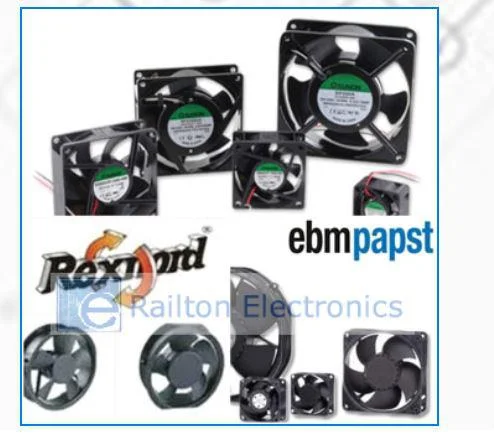
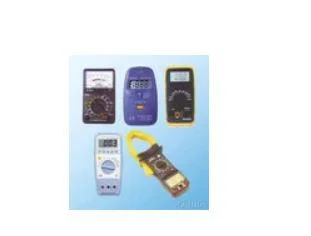
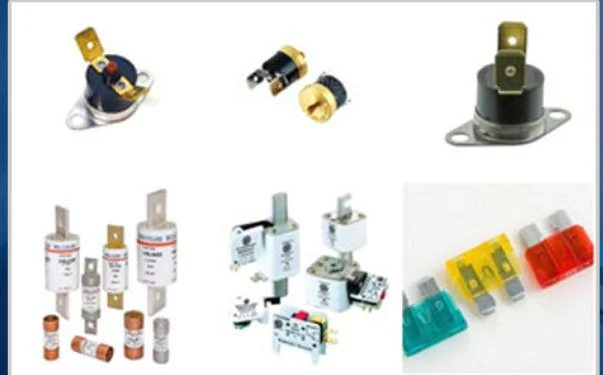
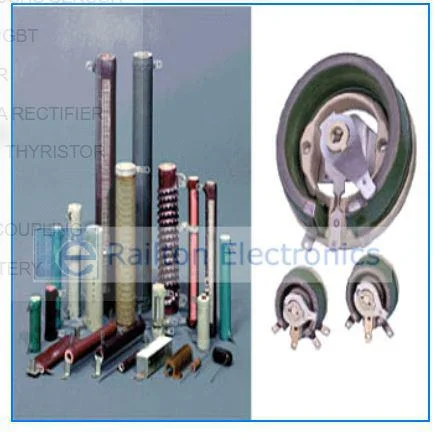
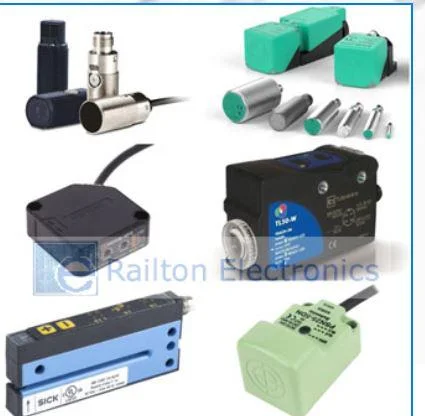
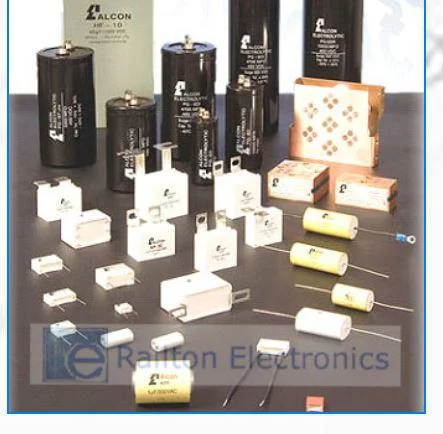
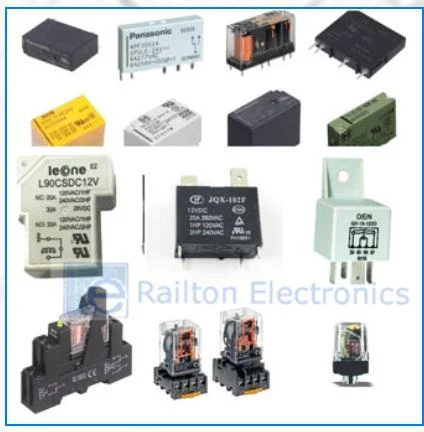
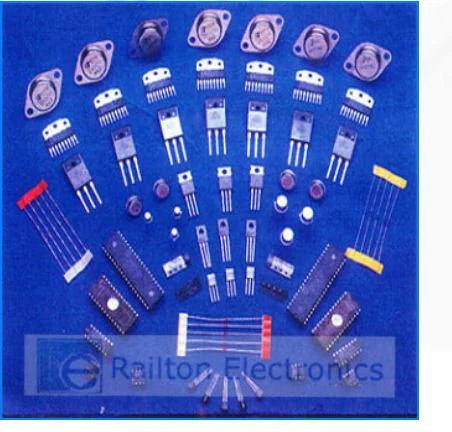
Electronic components form the essential foundation of all modern electronic systems, acting as the core elements that control, manage, and manipulate electrical signals to enable functionality across a vast range of devices. These parts include resistors, capacitors, diodes, transistors, integrated circuits (ICs), and inductors, each performing specific roles in regulating current, voltage, and signal flow within circuits. From basic passive components to advanced microprocessors, they facilitate critical operations like amplification, switching, signal processing, and power conversion. Available in various specifications, packages, and with customization options, these components support both analog and digital technologies, driving innovation and efficiency for businesses that require dependable electronic solutions for their products and systems.

These components are utilized across numerous key industries, providing the technological backbone for consumer electronics, automotive systems, industrial automation, telecommunications, and medical devices. In consumer electronics, they power everyday items like smartphones, televisions, and home appliances. The automotive sector relies on them for engine control units, infotainment systems, and electric vehicle powertrains. Industrial automation uses components for programmable logic controllers and motor drives, while telecommunications depend on them for networking hardware and signal transmission. Medical technology incorporates these parts into diagnostic equipment, patient monitors, and therapeutic devices, where precision and reliability are critical for safety and effectiveness.

For B2B buyers, importers, and distributors, these electronic components deliver significant business value through their reliability, quality, and adaptability. Sourcing high-quality components ensures product longevity, reduces failure rates, and enhances end-user satisfaction, which directly impacts brand reputation and customer trust. The availability of customization options allows businesses to tailor components to specific project requirements, enabling differentiation in competitive markets. By providing consistent performance and supporting technological advancement, these components help companies innovate, streamline production, and meet the growing demands for smarter, more efficient electronic solutions across global supply chains.

Key Features:
- Comprehensive range including resistors, capacitors, diodes, transistors, and integrated circuits (ICs).
- High reliability and consistent performance for demanding applications and long-term use.
- Customization options available to meet specific technical requirements and design specifications.
- Support for both analog and digital signal processing, amplification, and power conversion.
- Various specifications and packages to suit different circuit designs and industry standards.

Benefits:
- Enables innovation and efficiency in product development across multiple industries.
- Reduces system failure rates with dependable quality and durable component construction.
- Enhances operational automation and functionality in consumer and industrial electronics.
- Provides scalability and flexibility for evolving technological needs and market demands.
- Supports global supply chains with essential parts for telecommunications, automotive, and medical sectors.
Specifications
| Additional Information | |
|---|---|
| Country of Origin | India |
| Customisable | No |
Application
Electronic components serve as the fundamental building blocks across modern industries, enabling precise control and functionality in everything from everyday gadgets to critical infrastructure. These parts manage electrical signals, power conversion, and data processing in consumer electronics, automotive systems, and industrial equipment, forming the core of reliable technological operations worldwide. Their versatility supports both simple devices and complex automated systems, making them indispensable for manufacturers and technology developers seeking consistent performance and innovation.

In industrial and commercial settings, electronic components drive automation, communication, and efficiency. They are integral to manufacturing control systems, telecommunications networks, medical diagnostic equipment, and automotive electronics, including electric vehicle technology. These components ensure operational reliability in aerospace, defense applications, and embedded systems, where precision and durability are non-negotiable. Businesses rely on them for scalable solutions that enhance product functionality and support technological advancement across diverse sectors. Real-world applications:
Real-world applications:
- Powering consumer electronics like smartphones, televisions, and home appliances with reliable circuitry.
- Enabling industrial automation and control systems for manufacturing and process industries.
- Supporting automotive electronics and electric vehicle (EV) technology for modern transportation.
- Facilitating telecommunications and networking equipment for global connectivity and data transfer.
- Ensuring precision in medical devices and diagnostic equipment for healthcare and life sciences.
Trade Details
| Available Stock | In Stock |
| Sample Availability | No |
Payment Terms
| Payment Terms |
|
Company Profile

Railton Electronics, West Bengal West Bengal, India
West Bengal, IndiaElectronics & Electrical•Distributor / WholesalerRetailer
Factory Details
Factory SizeBelow 1000 sqm
Premium Electronic Components: Resistors, Capacitors, ICs, Transistors, Diodes
Premium electronic components for B2B buyers: reliable resistors, capacitors, ICs, transistors, and diodes. Essential for consumer electronics, automotive systems, industrial automation, and medical devices. High-quality parts with customization options.
Min. Order Quantity: 1
Shipping
Shipping fee and delivery date to be negotiated. Contact supplier now for more details.
Railton Electronics
 West Bengal, India
West Bengal, IndiaElectronics & ElectricalDistributor / Wholesaler