IN
IN₹
Apparel & Fashion
Loading subcategories...
View More
Description
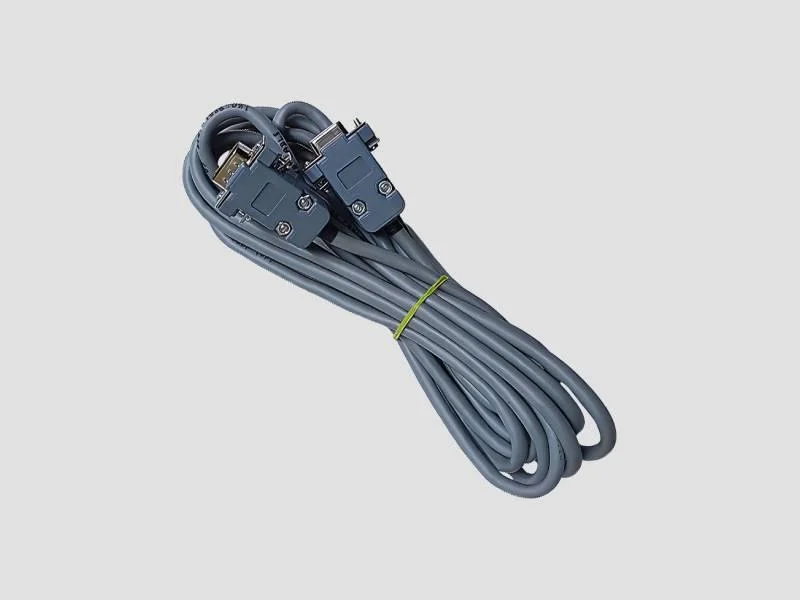
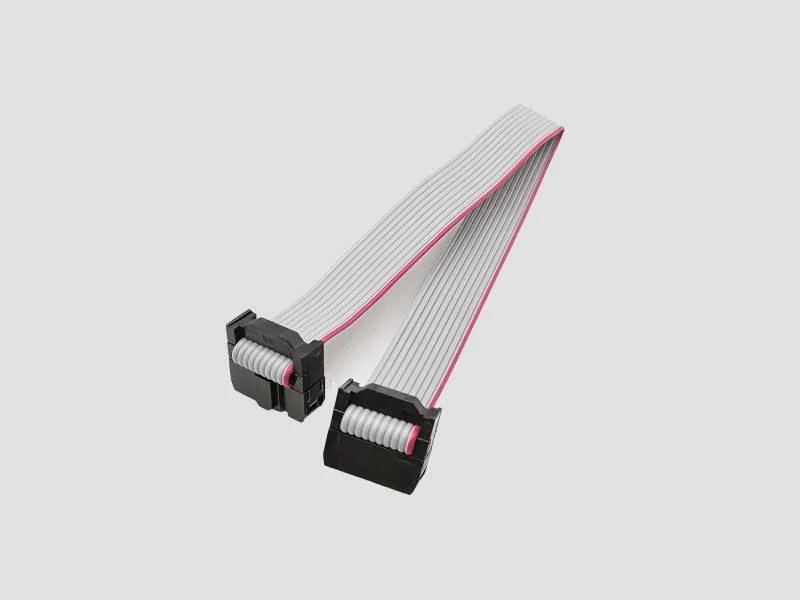
FRC (Flat Ribbon Cable) represents a fundamental component in electronic connectivity, designed specifically for efficient data transmission between multiple points within a system...
FRC (Flat Ribbon Cable) represents a fundamental component in electronic connectivity, designed specifically for efficient data transmission between multiple points within a system. Characterized by its parallel conductors bonded together in a flat, flexible format, this cable type maximizes space utilization while maintaining reliable electrical performance. Constructed with high-conductivity copper or tinned copper conductors, typically in 28 to 32 AWG sizes, and insulated with durable materials like PVC, polyethylene, or Teflon, FRC cables balance electrical efficiency with physical resilience. They are available in various conductor counts, commonly from 10 to 40, and lengths ranging from centimeters to meters, with standard voltage ratings of 30V or 300V to suit different circuit requirements. The option for shielded or unshielded construction provides tailored electromagnetic interference protection, while standard colors like black and grey offer practical identification, with customization available for specific needs.

Industries ranging from computing and telecommunications to automotive manufacturing and industrial automation rely on FRC cables for their internal interconnection needs. In computer hardware, these cables facilitate data flow between motherboards, storage drives, and peripheral interfaces. Telecommunications equipment utilizes them for backplane connections and module interfacing. The automotive sector integrates FRC cables into vehicle electronics for sensor networks and control systems, where their flexibility accommodates vibration and movement. Industrial machinery manufacturers value them for control panel wiring and equipment internal connections, where space optimization and reliable signal transmission are critical. Robotics and automation systems particularly benefit from the cable's flexibility and organized structure for moving assemblies.

The business value of FRC cables lies in their proven reliability, cost-effectiveness, and design suitability for mass production environments. Their standardized construction ensures consistent quality and performance, reducing integration risks and failure rates in final products. The flat ribbon format simplifies installation and routing, saving assembly time and reducing labor costs in manufacturing processes. By providing organized, high-density connectivity, these cables help engineers design more compact and efficient electronic devices. The availability of various insulation materials allows selection based on specific environmental challenges, whether heat resistance, chemical exposure, or mechanical stress. This combination of technical performance and practical advantages makes FRC cables a trusted choice for serious electronics manufacturers seeking dependable component solutions.

Key Features:
- Constructed with high-conductivity copper or tinned copper conductors for reliable signal transmission.
- Insulated with durable materials including PVC, polyethylene, or Teflon for heat resistance and longevity.
- Available in standard conductor gauges (28-32 AWG) and counts (10-40 conductors) to match application requirements.
- Offered in shielded or unshielded variants to provide appropriate electromagnetic interference protection.
- Features flexible, flat ribbon design that optimizes space and simplifies installation in confined areas.

Benefits:
- Enables high-density, organized wiring solutions that save valuable space within electronic devices.
- Provides reliable data transmission with consistent performance across various voltage ratings (30V/300V).
- Reduces assembly time and complexity with easy-to-route flat cable design that simplifies installation.
- Offers durability and flexibility that withstands bending and movement without performance degradation.
- Delivers cost-effective connectivity solution suitable for volume production across multiple industries.
Specifications
| Attribute | Value |
|---|---|
| Conductor MaterialInsulation MaterialConductor GaugeNumber of ConductorsCable LengthVoltage RatingShielding TypeColor |
| Additional Information | |
|---|---|
| Country of Origin | 106 |
| Customisable | No |
Application
FRC cables serve as the essential nervous system for modern electronics, connecting critical components where space is at a premium. Their flat, ribbon-like design allows for organized, high-density wiring in tight spaces, making them indispensable for internal connections within devices. The reliable data transmission and flexibility ensure consistent performance even in constrained environments where traditional round cables would be impractical.

These cables are engineered for diverse operational demands, from standard office equipment to harsh industrial settings. Available in shielded or unshielded variants, they provide necessary electromagnetic interference protection. With voltage ratings suitable for both low-power signals and more demanding circuits, FRC cables deliver dependable connectivity across a spectrum of electronic applications, maintaining signal integrity where it matters most.
- Internal wiring for desktop computers, laptops, and servers, connecting motherboards to drives and peripherals.
- Signal transmission within industrial control panels, PLC systems, and automated manufacturing equipment.
- Automotive electronics integration, linking infotainment systems, sensors, and control modules in vehicles.
- Robotics and automation systems, providing flexible connections for moving parts and articulated joints.
- Consumer electronics assembly, including printers, scanners, and home entertainment devices.
Trade Details
| Available Stock | In Stock |
| Sample Availability | No |
Payment Terms
| Payment Terms |
|
Company Profile

KFTRONICS Electronic Jacquard, Tamil Nadu Tamil Nadu, India
Tamil Nadu, IndiaManufacturer
Factory Details
Factory SizeBelow 1000 sqm
FRC Flat Ribbon Cable For Electronics Data Transmission
FRC Cable (Flat Ribbon Cable) provides compact, flexible, and reliable data transmission for electronics. Featuring copper conductors with PVC, polyethylene, or Teflon insulation, it's ideal for computer systems, industrial equipment, and automotive applications.
Min. Order Quantity: 1 Pieces
Shipping
Shipping fee and delivery date to be negotiated. Contact supplier now for more details.
KFTRONICS Electronic Jacquard
 Tamil Nadu, India
Tamil Nadu, IndiaManufacturer