IN
IN₹
Apparel & Fashion
Loading subcategories...
View More
Description
Hot Rolled Flat Bars represent industrial-grade steel components manufactured through a controlled high-temperature rolling process that enhances their structural integrity and dim...
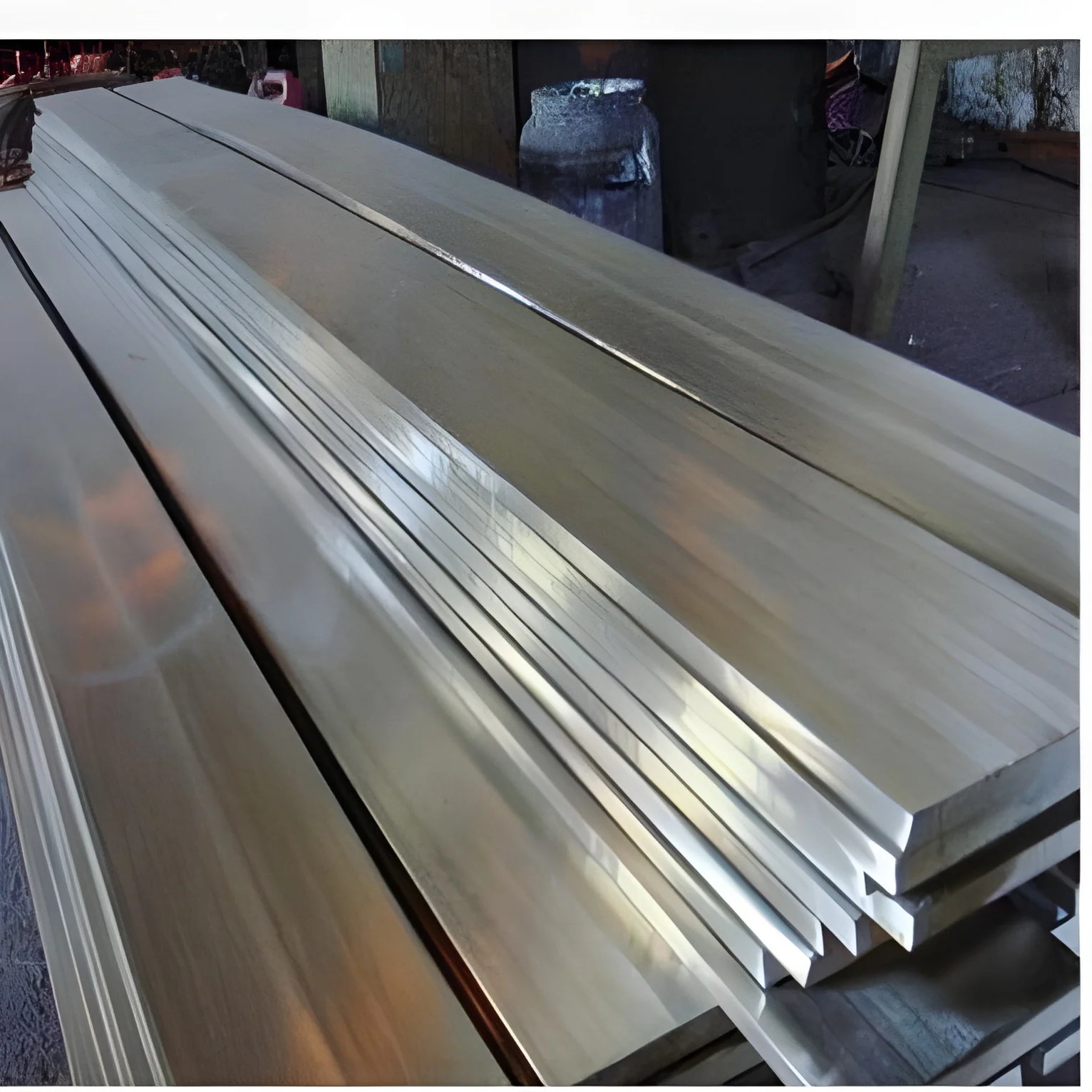
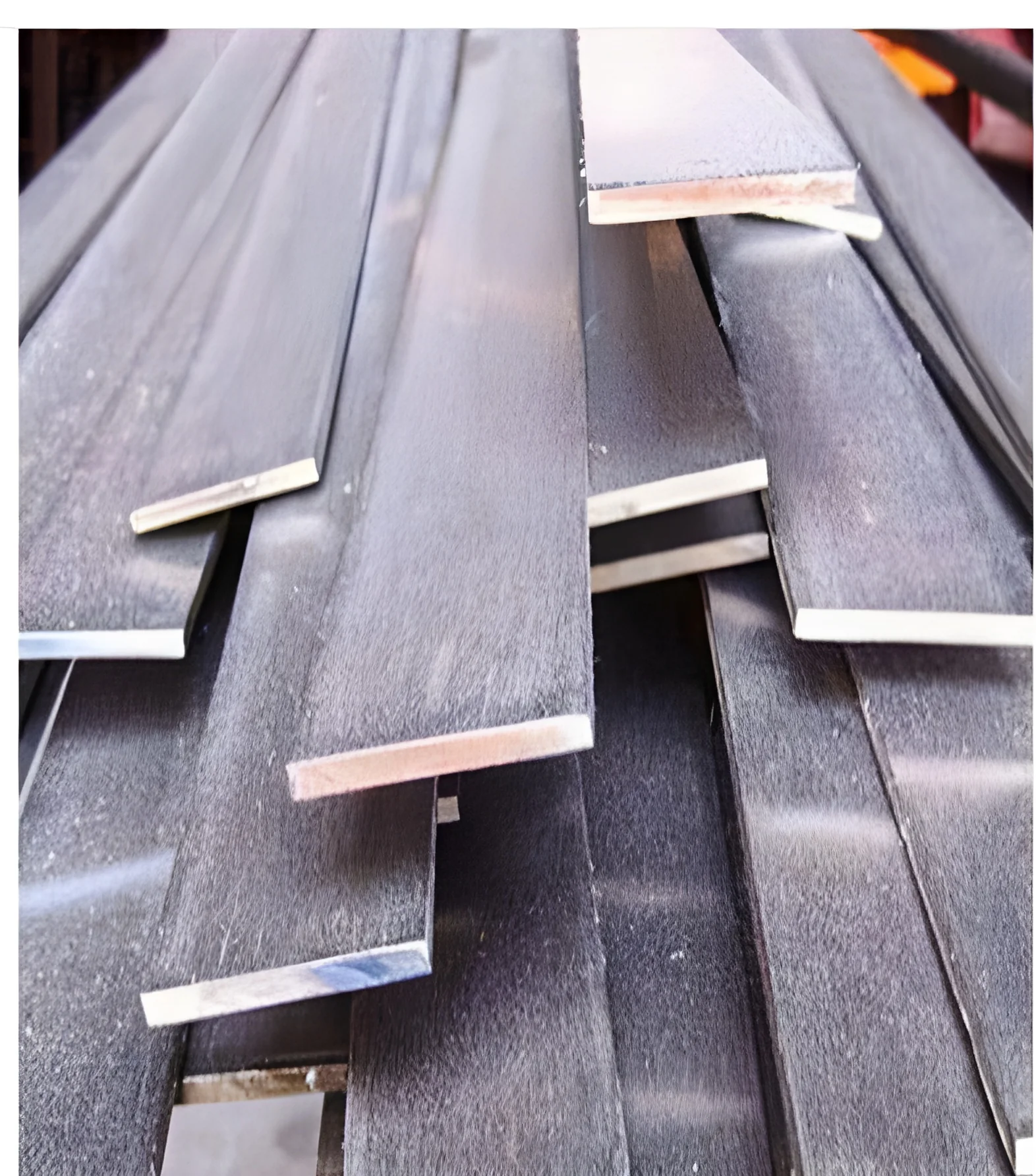
Hot Rolled Flat Bars represent industrial-grade steel components manufactured through a controlled high-temperature rolling process that enhances their structural integrity and dimensional consistency. This production method involves heating steel billets above recrystallization temperature and precisely rolling them into flat rectangular profiles, resulting in bars with superior mechanical strength, excellent surface finish, and reliable performance characteristics. Available in a comprehensive range of sizes from 40x10mm to 150x50mm and multiple steel grades including MS, EN series (EN3B, EN8, EN9, EN18, EN24), SAE grades (1018, 1020), European standards (S355JO, S355JR), and specialized alloys (20MnCr5, 16MnCr5), these bars provide engineers and fabricators with precise material options for diverse application requirements. The hot rolling process ensures uniform grain structure throughout the cross-section, delivering consistent mechanical properties that translate to predictable performance under load.

These flat bars find extensive utilization across multiple industrial sectors where structural reliability is paramount. In construction and infrastructure, they form the backbone of building frameworks, bridge components, and support systems, offering the necessary strength-to-weight ratio for safe, durable structures. The manufacturing and machinery sector employs them for creating equipment bases, machine frames, and industrial tooling that must withstand continuous operational stresses. Automotive and transportation industries incorporate these bars into chassis components, railway fittings, and heavy vehicle parts where impact resistance and fatigue strength are critical. Additionally, shipbuilding, energy infrastructure, and heavy engineering projects rely on their weldability and formability for constructing marine vessels, offshore platforms, and industrial plants that face corrosive environments and dynamic loads.

For businesses prioritizing operational reliability and project success, Hot Rolled Flat Bars deliver measurable value through their proven performance characteristics and material consistency. Their excellent weldability reduces fabrication time and costs while ensuring strong, durable joints in assembled structures. The flat profile provides maximum surface contact for secure bolted connections and stable mounting surfaces. With multiple grade options, engineers can select materials offering specific yield strengths, hardness levels, and corrosion resistance properties to match exact application demands, optimizing both performance and cost-efficiency. This material versatility, combined with consistent quality from batch to batch, minimizes project risks, reduces material waste, and ensures that finished products meet stringent safety and performance standards across all industrial applications.

Key Features:
- Manufactured through high-temperature rolling process ensuring uniform grain structure and enhanced mechanical properties.
- Available in comprehensive size range from 40x10mm to 150x50mm to suit various structural and fabrication requirements.
- Multiple steel grade options including MS, EN series, SAE standards, S355 grades, and specialized alloys for precise application matching.
- Excellent weldability and formability characteristics for easy fabrication and assembly into complex structures.
- Consistent dimensional accuracy and surface finish providing reliable performance in load-bearing applications.

Benefits:
- Superior structural strength and durability for long-lasting performance in demanding industrial environments.
- Versatile material suitable for construction, machinery, automotive, and heavy engineering applications.
- Reduced fabrication time and costs through excellent weldability and easy machining characteristics.
- Multiple grade selection allows optimization of material properties for specific stress, wear, and environmental conditions.
- Reliable batch-to-batch consistency ensures predictable performance and minimizes project risks.
Specifications
| Attribute | Value |
|---|---|
| ShapeSizeGradeMOQ |
| Additional Information | |
|---|---|
| Country of Origin | India |
| Customisable | No |
Application
Hot Rolled Flat Bars serve as fundamental building blocks across heavy industries, providing the essential structural integrity needed for demanding environments. Their high-temperature rolling process yields a product with consistent mechanical properties, making them reliable for load-bearing applications where failure is not an option. The flat profile offers excellent surface contact for welding and bolting, simplifying assembly in complex frameworks and machinery.

From skyscraper skeletons to industrial machine bases, these bars handle significant stress and vibration. Their versatility extends to both temporary construction supports and permanent installations, with various steel grades like CK45, ST52, and EN series allowing engineers to match material properties precisely to specific stress, wear, and environmental requirements. This material selection flexibility ensures optimal performance across diverse operational conditions.
- Structural frameworks and support columns in commercial building and bridge construction.
- Manufacturing of heavy machinery bases, frames, and equipment supports requiring vibration resistance.
- Fabrication of industrial tools, jigs, fixtures, and repair components for maintenance operations.
- Production of chassis, brackets, and reinforced components in automotive and railway manufacturing.
- Construction of hull reinforcements, deck supports, and structural elements in shipbuilding and offshore platforms.
Trade Details
| Available Stock | In Stock |
| Sample Availability | No |
Payment Terms
| Payment Terms |
|
Company Profile
TRIVENI IRON STEEL INDUSTRIES PVT. LTD., Gujarat Gujarat, India
Gujarat, IndiaManufacturerTrading CompanyImporter / Exporter
Factory Details
Factory SizeBelow 1000 sqm
Hot Rolled Flat Bars
Hot Rolled Flat Bars are durable steel bars offering superior strength and excellent weldability for construction, fabrication, and engineering applications. Available in sizes from 40x10mm to 150x50mm and grades including MS, EN8, EN24, SAE 1020, and S355JR.
Min. Order Quantity: 1
Shipping
Shipping fee and delivery date to be negotiated. Contact supplier now for more details.
TRIVENI IRON STEEL INDUSTRIES PVT. LTD.
 Gujarat, India
Gujarat, IndiaManufacturer