
 IN
IN₹
Apparel & Fashion
Loading subcategories...
View More
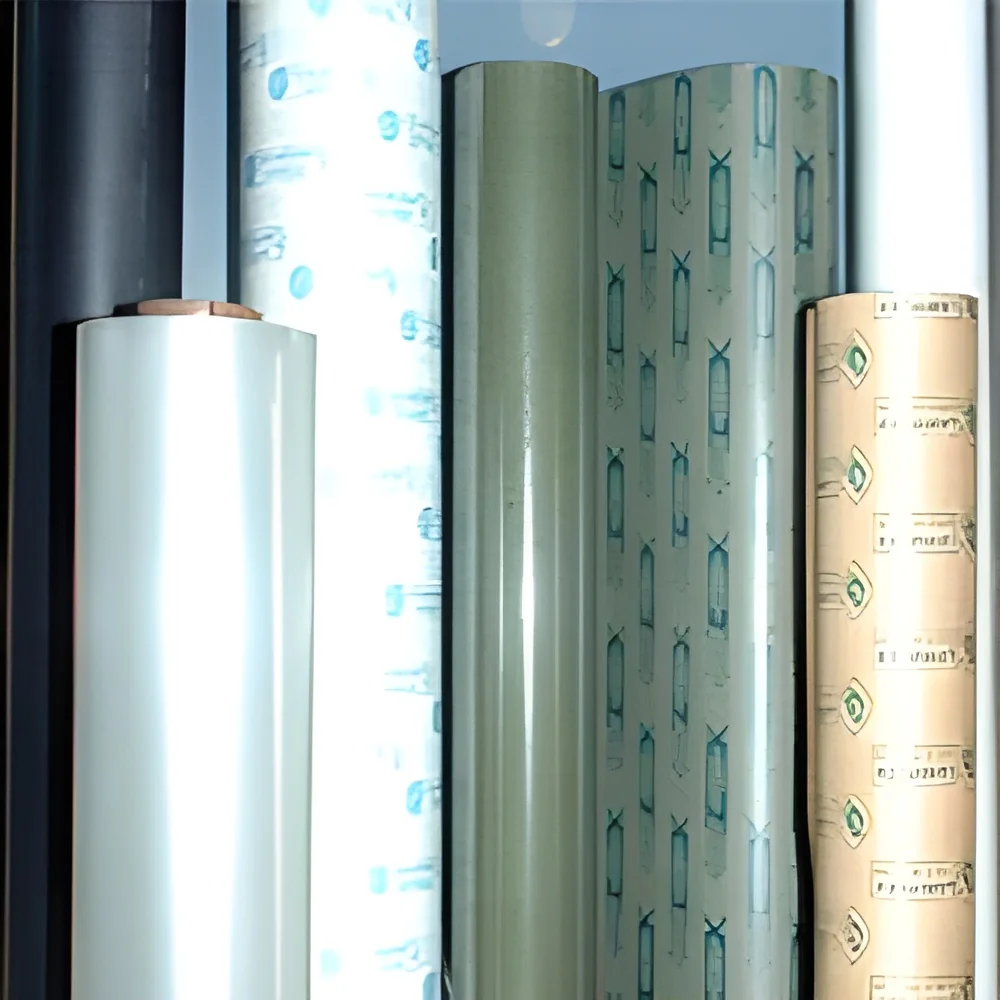
Description
Electrical insulating papers Class B, F, and H represent essential components in electrical insulation systems, engineered to deliver superior physical, electrical, and mechanical ...
Electrical insulating papers Class B, F, and H represent essential components in electrical insulation systems, engineered to deliver superior physical, electrical, and mechanical performance across diverse temperature environments. These specialized papers provide crucial dielectric protection while maintaining structural integrity under thermal stress, mechanical pressure, and challenging environmental conditions. Available in multiple thermal classes including Class B, Class F, and Class H, they offer precise solutions for operational temperature requirements ranging from 130°C to 180°C. Designed for maximum reliability, these papers ensure electrical safety and prevent catastrophic failures in applications where insulation breakdown is unacceptable. The product range accommodates various thicknesses and compositions to meet specific voltage withstand requirements and mechanical durability needs.

These insulating papers serve critical functions across multiple industries where electrical insulation is fundamental. In the power sector, they are indispensable for transformers, generators, and switchgear applications. Manufacturing industries utilize them extensively in electric motors, industrial equipment, and automation systems. The automotive industry depends on these papers for hybrid and electric vehicle components, while aerospace applications benefit from their reliability in avionics and flight control systems. Renewable energy sectors including wind turbine generators and solar power converters specify these materials for their proven performance in harsh environmental conditions and fluctuating operational loads.

The business value of these insulating papers lies in their demonstrated reliability and capacity to minimize downtime while extending equipment service life. These materials directly contribute to operational safety by preventing electrical faults and reducing fire hazards. Their consistent quality ensures compliance with international standards and certification requirements, giving engineers and procurement professionals confidence in specification decisions. The reliable performance allows for precise matching to application requirements, eliminating over-engineering and optimizing material costs. Manufacturers benefit from reduced warranty claims and maintenance expenses while delivering superior end products to their customers.

Key Features:
- Available in thermal classes B (130°C), F (155°C), and H (180°C) insulation ratings
- Superior dielectric strength and electrical insulation capabilities
- High mechanical strength and tear resistance for enhanced durability
- Consistent material composition and performance characteristics
- Reliable operation across wide temperature ranges and environmental conditions

Benefits:
- Enhanced equipment safety through reliable electrical insulation
- Extended component lifespan reducing replacement frequency
- Reduced maintenance costs and operational downtime
- Compliance with international standards and certification requirements
- Consistent performance in demanding industrial environments
Specifications
| Additional Information | |
|---|---|
| Country of Origin | India |
| Customisable | No |
Application
These insulating papers deliver critical electrical insulation where performance and safety cannot be compromised. They maintain structural integrity and dielectric strength through significant temperature fluctuations, preventing electrical failures in demanding environments. Their consistent performance protects vital components where lesser materials would deteriorate, offering durable, long-term insulation for complex electrical assemblies and high-stress applications.

Specified across industries requiring certified thermal class insulation including power generation, heavy machinery, and automotive systems. They meet rigorous international standards for Class B (130°C), Class F (155°C), and Class H (180°C) applications. Manufacturers select these papers for their reliable performance in specific voltage requirements and challenging environmental conditions, ensuring operational safety and equipment longevity.
- Layer insulation between copper windings in power and distribution transformers
- Slot liners and phase separators in electric motors and generators
- Barrier insulation in high-voltage switchgear and control panels
- Insulating layers in industrial heaters and furnace components
- Core insulation in dry-type transformers and electrical reactors
Trade Details
| Available Stock | In Stock |
| Sample Availability | No |
Payment Terms
| Payment Terms |
|
Company Profile
Best Insulations, Tamil Nadu
 Tamil Nadu, India
Tamil Nadu, IndiaConstruction•Distributor / WholesalerRetailerImporter / Exporter
Factory Details
Factory SizeBelow 1000 sqm
Annual Production Capacity0
Electrical Insulating Papers Class B F H Thermal Dielectric Properties
Electrical insulating papers Class B F H provide superior thermal, mechanical, and dielectric properties for transformers, motors, and generators, ensuring reliable electrical insulation across various temperature ranges.
Min. Order Quantity: 1 units
Shipping
Shipping fee and delivery date to be negotiated. Contact supplier now for more details.
Best Insulations Tamil Nadu, India
Tamil Nadu, IndiaConstructionDistributor / Wholesaler