IN
IN₹
Apparel & Fashion
Loading subcategories...
View More
Description
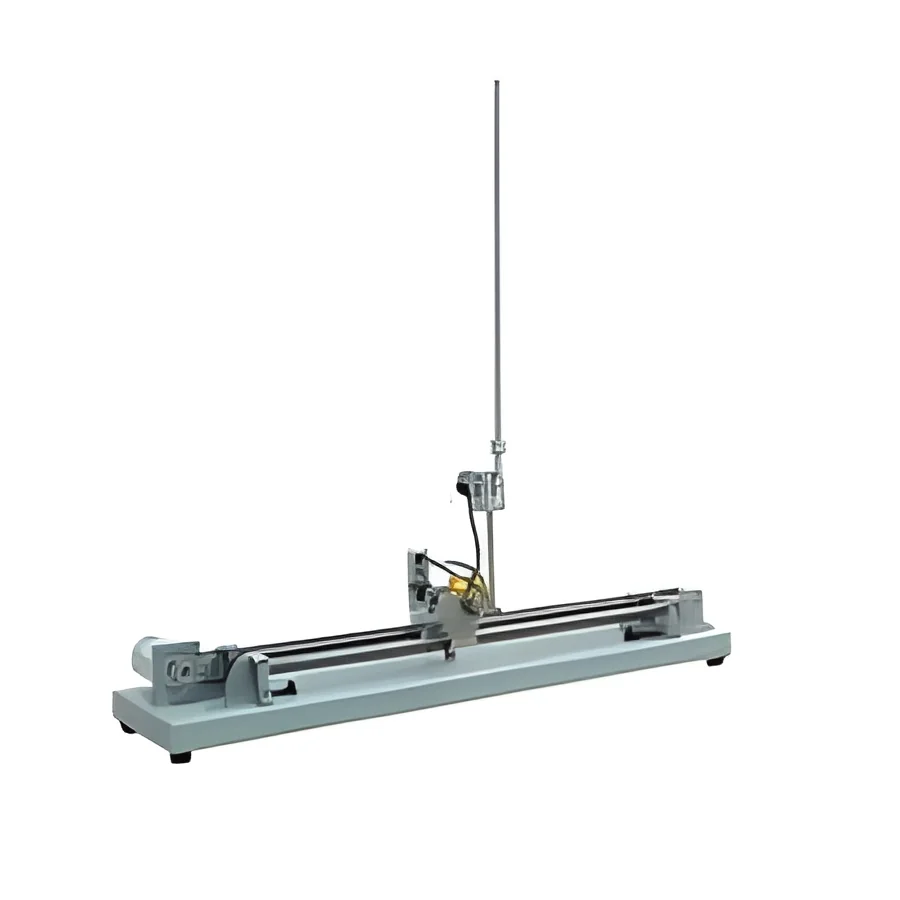
Industrial Automation Linear Inverted Pendulum Systems represent advanced precision motion control solutions engineered for demanding industrial and research applications. These sy...
Industrial Automation Linear Inverted Pendulum Systems represent advanced precision motion control solutions engineered for demanding industrial and research applications. These systems integrate sophisticated mechanical design with control engineering principles to deliver exceptional stability, accuracy, and repeatability in dynamic operational environments. Manufactured using quality-assured components and rigorous production standards, each system is built to maintain consistent performance under continuous use. The robust construction ensures durability while the precision engineering enables exact motion control, making these systems reliable foundations for automation processes where movement accuracy directly impacts operational outcomes and product quality.

These precision motion control systems find extensive application across multiple industrial sectors requiring accurate movement and stability. In manufacturing automation, they enable precise positioning for robotic assembly, component placement, and automated material handling. Research institutions utilize them for developing and testing advanced control algorithms, studying system dynamics, and validating theoretical models. Engineering education facilities incorporate these systems into practical training programs, providing students with hands-on experience in mechatronics, control systems, and industrial automation principles. The versatility of these pendulum systems makes them essential tools in industries where motion precision translates directly to process efficiency and output consistency.

The business value of these Linear Inverted Pendulum Systems lies in their reliability, precision engineering, and contribution to operational efficiency. By providing stable, accurate motion control, these systems reduce production errors, minimize material waste, and enhance overall manufacturing quality. Their durable construction decreases maintenance requirements and downtime, leading to improved production continuity and lower operational costs. The systems' consistent performance ensures predictable outcomes in automated processes, enabling businesses to maintain quality standards and meet production targets reliably. This combination of precision, reliability, and efficiency delivers measurable return on investment through enhanced productivity and reduced operational variability.

Key Features:
- Precision-engineered linear and inverted pendulum mechanisms for accurate motion control
- Robust construction using quality materials for durability in industrial environments
- Advanced stability control systems for maintaining balance in dynamic operations
- Smooth mechanical operation with minimal friction for consistent performance
- Engineered for integration with existing automation and control systems

Benefits:
- Enhanced manufacturing precision through accurate motion control and positioning
- Reduced operational downtime with reliable, durable system construction
- Improved production quality via consistent, repeatable movement in automated processes
- Lower maintenance requirements through robust engineering and quality components
- Increased process efficiency with stable performance in dynamic industrial environments
Specifications
| Additional Information | |
|---|---|
| Country of Origin | India |
| Customisable | No |
Application
Industrial Automation Linear Inverted Pendulum Systems deliver precise motion control essential for modern manufacturing and robotics. These systems provide exceptional stability and positioning accuracy for automated assembly lines, robotic arms, and material handling equipment where consistent, repeatable movement is critical to production quality and throughput. Their robust design ensures reliable performance in demanding industrial environments.

Beyond manufacturing, these pendulum systems serve as vital educational and research tools in engineering disciplines. Universities and research laboratories utilize them for hands-on demonstrations of control theory, system dynamics, and stability algorithms. They enable practical experimentation with feedback loops, PID controllers, and real-time motion analysis, bridging theoretical concepts with tangible engineering applications for students and researchers alike.
- Robotic assembly lines for precise component placement and automated welding operations
- Material handling systems for accurate sorting, packaging, and palletizing in logistics
- Research laboratories for advanced control system development and stability algorithm testing
- Educational institutions for engineering curriculum on dynamics, control theory, and mechatronics
- Quality assurance stations for testing motion accuracy and vibration analysis in manufacturing
Trade Details
| Available Stock | In Stock |
| Sample Availability | No |
Payment Terms
| Payment Terms |
|
Company Profile
Labtech Electronics Pvt Ltd, Tamil Nadu
 Tamil Nadu, India
Tamil Nadu, IndiaElectronics & Electrical•Manufacturer
Factory Details
Factory SizeBelow 1000 sqm
Annual Production Capacity0
Industrial Automation Linear Inverted Pendulum Systems For Precision Motion Control
Industrial Automation Linear Inverted Pendulum Systems for precision motion control in robotics, manufacturing, and engineering research. High-quality, reliable systems built for stability and accuracy in dynamic industrial environments.
Min. Order Quantity: 1 units
Shipping
Shipping fee and delivery date to be negotiated. Contact supplier now for more details.
Labtech Electronics Pvt Ltd Tamil Nadu, India
Tamil Nadu, IndiaElectronics & ElectricalManufacturer