
 IN
IN₹
Apparel & Fashion
Loading subcategories...
View More
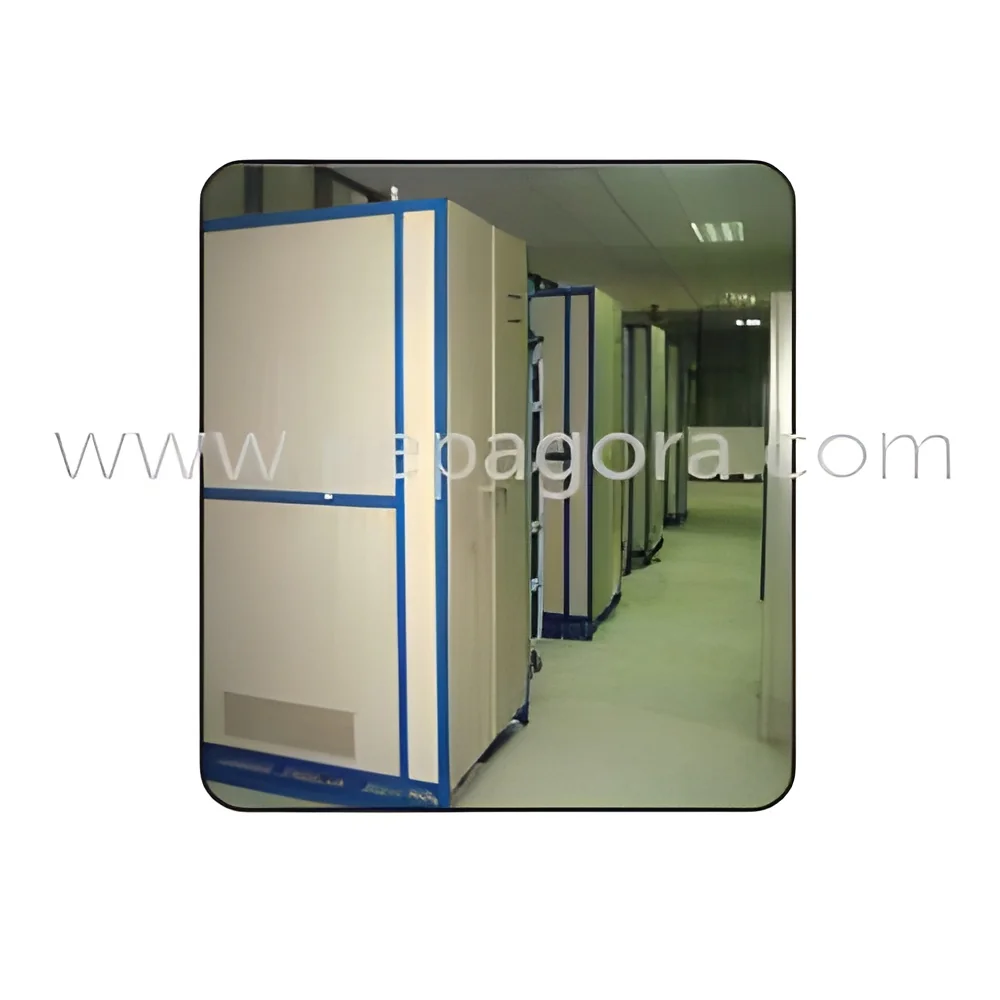
Description
Industrial metal surface treatment phosphating plants provide essential chemical conversion processing that creates stable, non-metallic layers on metal surfaces. This advanced tre...
Industrial metal surface treatment phosphating plants provide essential chemical conversion processing that creates stable, non-metallic layers on metal surfaces. This advanced treatment significantly enhances adhesion properties for both liquid painting and powder coating applications, ensuring superior finish quality and extended product lifespan. The comprehensive system incorporates multiple stages including thorough cleaning, precise rinsing, controlled phosphating, and effective sealing processes. Each stage is critical for achieving optimal surface preparation that meets industrial standards for quality and reliability. These plants are engineered for consistent performance and can be configured to handle various production volumes and specific operational requirements.

Multiple industries depend on phosphating technology for their critical surface treatment needs. The automotive sector utilizes these systems extensively for preparing vehicle bodies, chassis components, and engine parts before painting operations. Appliance manufacturers treat washing machines, refrigerators, and other metal household goods to ensure durable, attractive finishes that withstand daily use. The construction industry employs phosphating for structural steel elements, fasteners, and metal fittings that require enhanced weather resistance. Aerospace applications demand these advanced systems for critical components needing extreme durability and corrosion protection. Furniture manufacturers and hardware producers also rely on phosphating processes for both decorative appeal and protective functionality on their metal products.

Investing in quality phosphating plants delivers substantial business value through improved product durability, reduced rejection rates, and enhanced customer satisfaction. These industrial systems provide reliable performance with minimal maintenance requirements, ensuring consistent, high-quality results across production batches. The technology offers flexibility to accommodate different metal types and component sizes, allowing manufacturers to maintain quality standards while optimizing production efficiency. The unique processing quality translates to superior surface characteristics and better adhesion properties, giving businesses a competitive advantage in markets where finish quality and corrosion resistance are critical purchasing factors for end customers.

Key Features:
- Chemical conversion process creating stable non-metallic surface layer
- Enhanced adhesion properties for liquid painting and powder coating applications
- Improved corrosion resistance for extended product lifespan
- Customizable for various metal types including steel, zinc, and aluminum
- Multiple finish options including clear and black phosphating treatments

Benefits:
- Superior paint adhesion ensuring long-lasting finish quality and appearance
- Enhanced corrosion protection extending product lifespan in demanding environments
- Consistent surface preparation reducing coating failures and rejection rates
- Versatile processing capability handling various metal types and component sizes
- Reliable performance with minimal maintenance requirements for continuous operation
Specifications
| Additional Information | |
|---|---|
| Country of Origin | India |
| Customisable | No |
Application
Industrial phosphating plants deliver essential metal surface preparation through a chemical conversion process that creates a stable, adherent layer. This treatment significantly improves paint adhesion and corrosion resistance, ensuring durable finishes on metal components across various industries. The process involves multiple stages including cleaning, rinsing, phosphating, and sealing to achieve optimal surface preparation for subsequent coating applications.

These surface treatment systems serve critical roles in automotive manufacturing, aerospace production, appliance fabrication, and construction sectors. Manufacturers rely on phosphating to prepare metal surfaces for both functional protection and aesthetic finishes. The technology handles various metal types including steel, zinc, and aluminum components, providing consistent results that meet industry standards for quality and durability in demanding operational environments.
- Automotive manufacturing: Preparing vehicle bodies, chassis components, and engine parts for painting processes
- Aerospace industry: Surface treatment for aircraft components requiring extreme durability and corrosion resistance
- Appliance production: Treating washing machine cabinets, refrigerator panels, and oven surfaces before coating
- Construction sector: Preparing structural steel, fasteners, and metal fittings for enhanced weather resistance
- Industrial equipment: Surface preparation for machinery components, tools, and metal enclosures requiring protective finishes
Trade Details
| Available Stock | In Stock |
| Sample Availability | No |
Payment Terms
| Payment Terms |
|
Company Profile
Om Industries, Haryana
 Haryana, India
Haryana, IndiaIndustrial Equipment & Machinery•ManufacturerImporter / Exporter
Factory Details
Factory SizeBelow 1000 sqm
Annual Production Capacity0
Industrial Metal Surface Treatment Phosphating Plants For Painting And Coating
Industrial phosphating plants for metal surface treatment enhance paint adhesion and corrosion protection. These reliable systems prepare automotive, aerospace, and manufacturing components for liquid painting and powder coating applications with consistent quality results.
Min. Order Quantity: 1 units
Shipping
Shipping fee and delivery date to be negotiated. Contact supplier now for more details.
Om Industries Haryana, India
Haryana, IndiaIndustrial Equipment & MachineryManufacturer