IN
IN₹
Apparel & Fashion
Loading subcategories...
View More
Description
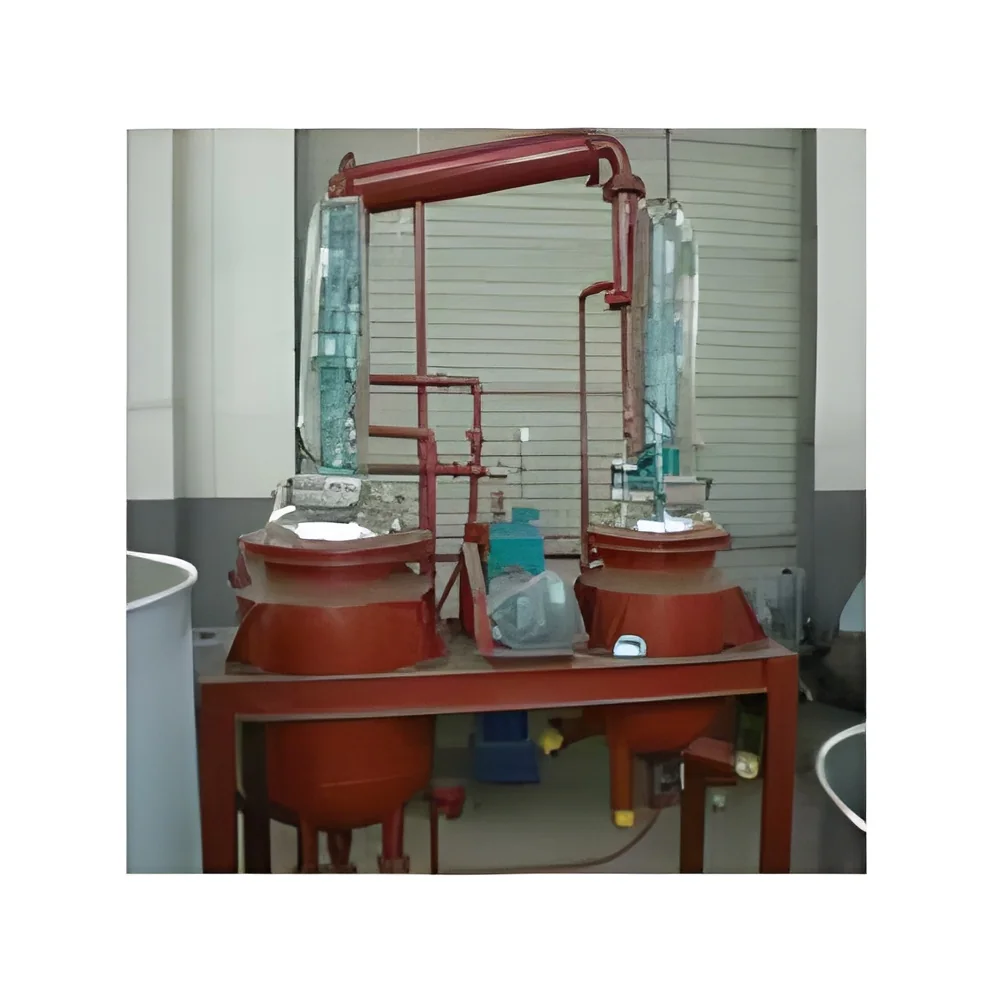
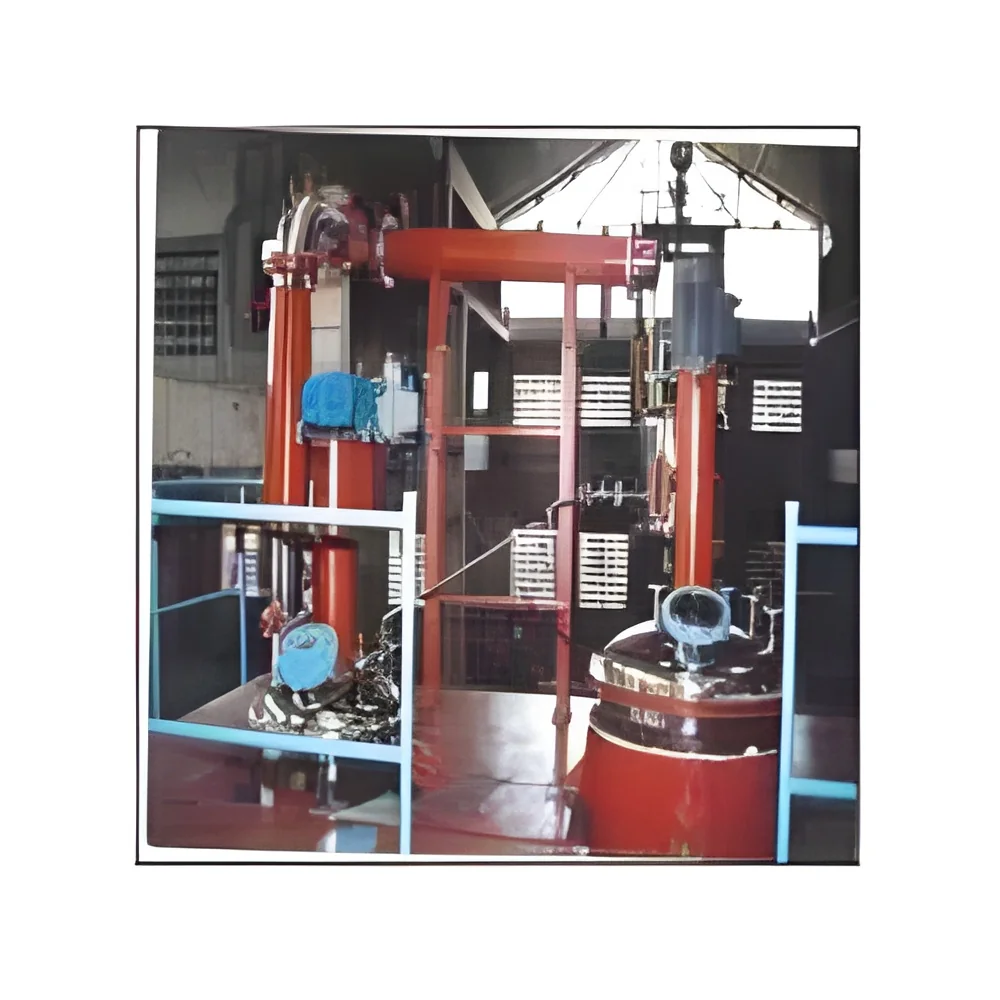
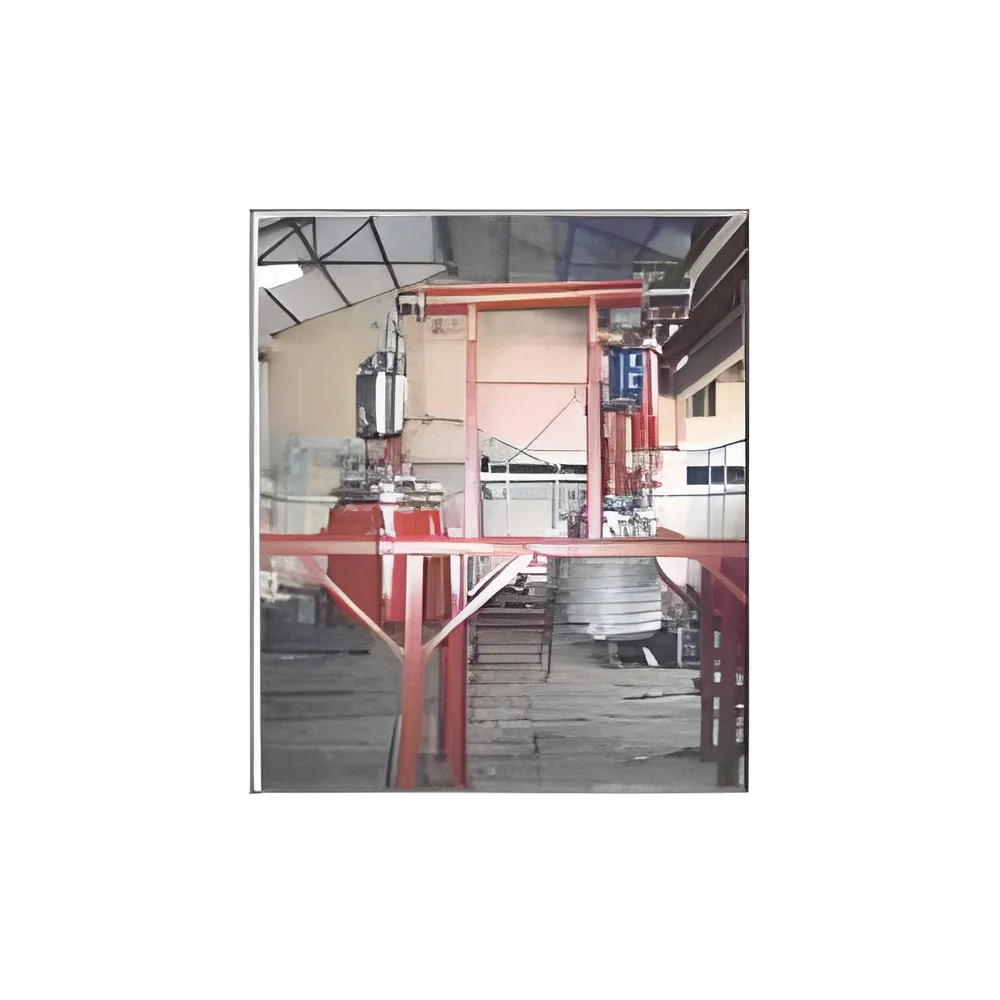
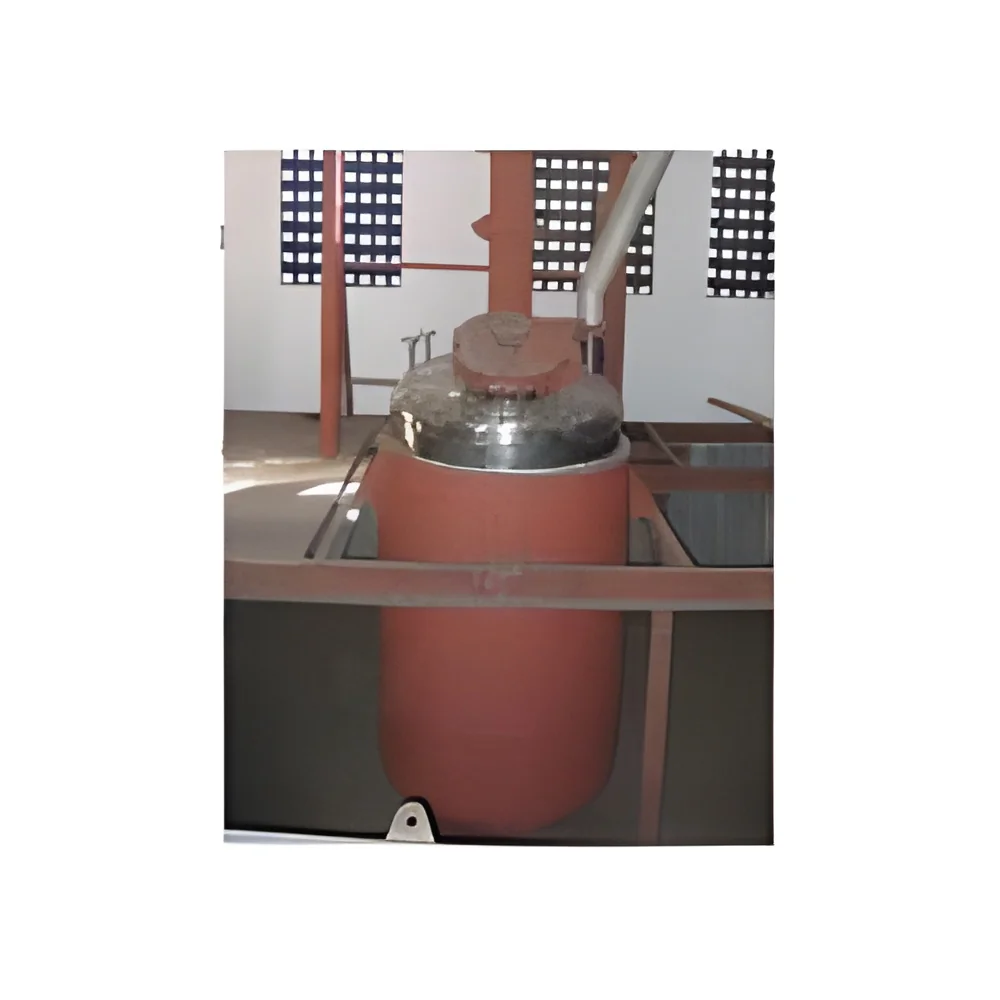
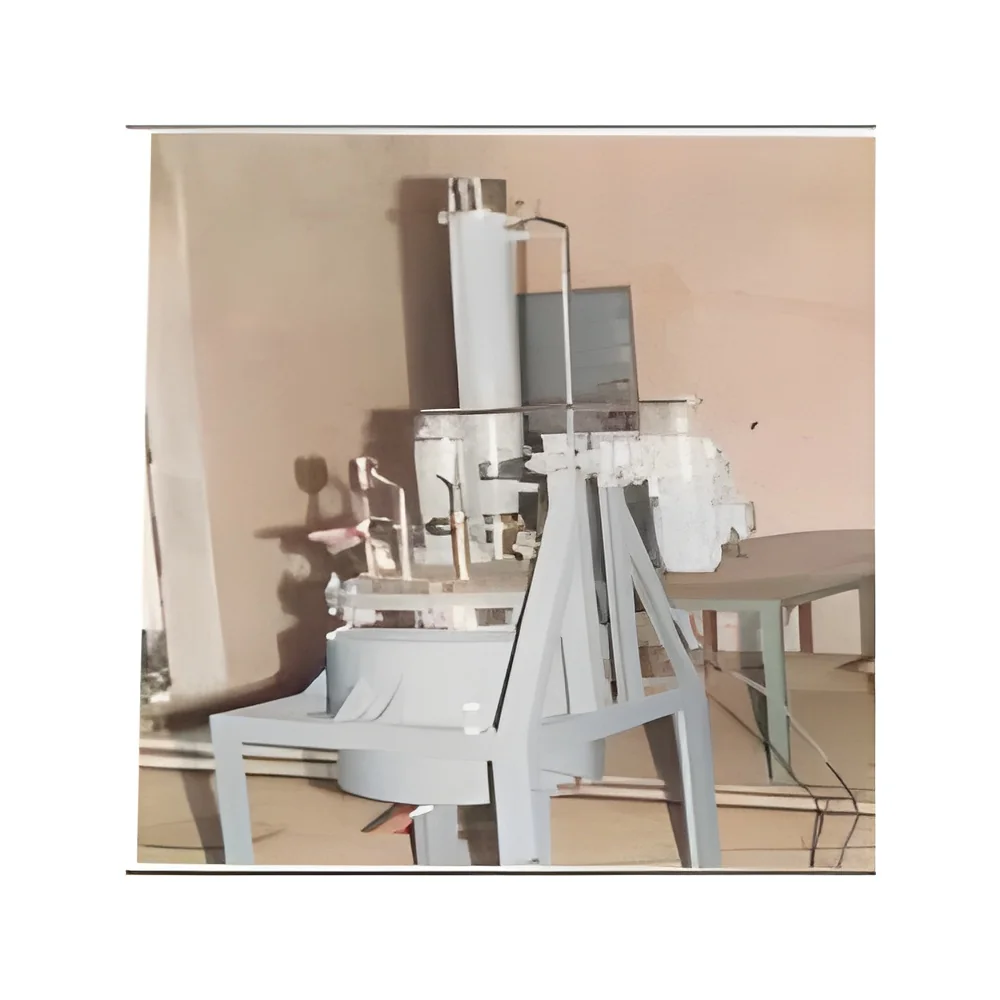
Our R&D Pilot Reactors are precision-engineered systems designed for demanding research, development, and small-scale production environments. Built with high-grade, corrosion-resi...
Our R&D Pilot Reactors are precision-engineered systems designed for demanding research, development, and small-scale production environments. Built with high-grade, corrosion-resistant materials, they reliably withstand aggressive chemicals, high pressures, and extreme temperatures. The core design philosophy centers on providing researchers with unparalleled control and reproducibility, allowing them to accurately mimic and optimize industrial-scale processes in a safe, manageable pilot environment. This capability is fundamental for de-risking scale-up, reducing development costs, and accelerating the path from concept to viable product. Every component is selected for durability and performance, ensuring consistent operation that meets the rigorous demands of advanced scientific investigation.

These reactors serve as a critical backbone for innovation across technology-driven sectors. In the pharmaceutical industry, they are used for process development of new drug compounds, impurity profiling, and crystallization studies. Chemical manufacturers rely on them for catalyst screening, kinetic studies, and pilot production of novel intermediates. The energy sector utilizes them in biofuel research, carbon capture process development, and catalyst formulation for hydrogen production. Furthermore, they are essential in material science for polymer synthesis, nanomaterial fabrication, and battery component testing. Their adaptability makes them a staple in university laboratories, corporate R&D centers, and quality control facilities worldwide, driving progress from initial discovery to pre-commercial validation.

Choosing our pilot reactors translates into tangible business value through enhanced R&D throughput and mitigated commercialization risk. Their proven reliability minimizes unscheduled downtime and maintenance, protecting your research timeline and budget. The precise control systems deliver accurate, repeatable data, which is crucial for making informed scale-up decisions and securing regulatory approvals. By enabling thorough process understanding and optimization at a small scale, these units prevent costly errors and rework during full-scale implementation. They represent a strategic investment that safeguards capital, accelerates time-to-market for new products, and strengthens your competitive position through more efficient and innovative development cycles.

Key Features:
- Constructed from high-grade stainless steel and specialized alloys for corrosion resistance and long-term durability.
- Integrated precise temperature control systems with heating mantles and cooling jackets for accurate thermal management.
- Advanced pressure control and monitoring systems for safe operation under varied reaction conditions.
- Modular and scalable design suitable for volumes from benchtop R&D to small-batch pilot production.
- User-centric interface with data logging capabilities for precise parameter control and experimental documentation.

Benefits:
- Accelerates process development and scale-up by providing reliable, representative small-scale data.
- Reduces operational risk and potential cost overruns by identifying process issues early in development.
- Ensures experimental consistency and repeatability, leading to higher-quality research outcomes.
- Durable construction lowers total cost of ownership by minimizing maintenance and replacement needs.
- Enhances research flexibility and capability, supporting a wide range of chemical and material synthesis applications.
Specifications
| Additional Information | |
|---|---|
| Country of Origin | India |
| Customisable | No |
Application
These pilot reactors bridge the gap between laboratory discovery and full-scale manufacturing. They provide a controlled, scalable environment to test reaction parameters, optimize yields, and validate process safety before committing to expensive production lines. This critical step reduces technical and financial risk, ensuring new products and formulations are viable and efficient when scaled up.

Engineered for versatility, the reactors handle diverse processes from synthesis to crystallization under varying conditions of temperature and pressure. Their robust design accommodates corrosive chemicals and sensitive biological materials alike. This makes them indispensable for industries where precise, repeatable small-batch results are non-negotiable for innovation and quality assurance.
- Developing and scaling new active pharmaceutical ingredients (APIs) and drug intermediates.
- Testing catalyst efficiency and lifetime for petrochemical refining and green chemistry processes.
- Synthesizing and characterizing novel polymers, composites, and advanced materials.
- Optimizing fermentation and biocatalysis parameters for bio-based chemical production.
- Formulating and batch-testing specialty chemicals, adhesives, and performance additives.
Trade Details
| Available Stock | In Stock |
| Sample Availability | No |
Payment Terms
| Payment Terms |
|
Company Profile
Alphamech, Maharashtra
 Maharashtra, India
Maharashtra, IndiaManufacturer
Factory Details
Factory Size1000-5000 sqm
Annual Production Capacity0
R&D Pilot Reactors For Chemical Pharmaceutical Material Testing
Premium R&D pilot reactors for chemical, pharmaceutical, and material testing. Robust construction ensures reliable small-batch production and process development with precise control for critical research applications.
Min. Order Quantity: 1 units
Shipping
Shipping fee and delivery date to be negotiated. Contact supplier now for more details.
Alphamech Maharashtra, India
Maharashtra, IndiaManufacturer