IN
IN₹
Apparel & Fashion
Loading subcategories...
View More
Description
Premium PVC engineering plastic represents a versatile thermoplastic solution engineered for demanding industrial applications. Available in three primary formulations—Rigid PVC (U...
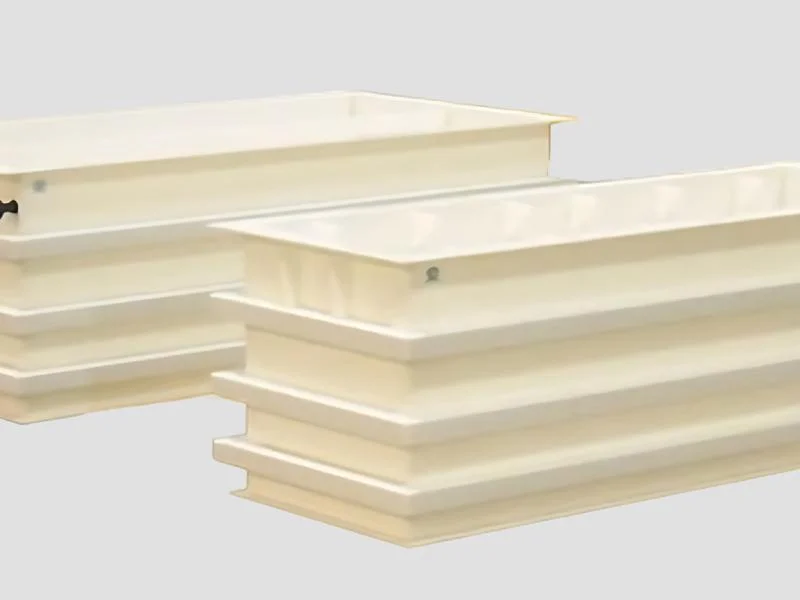
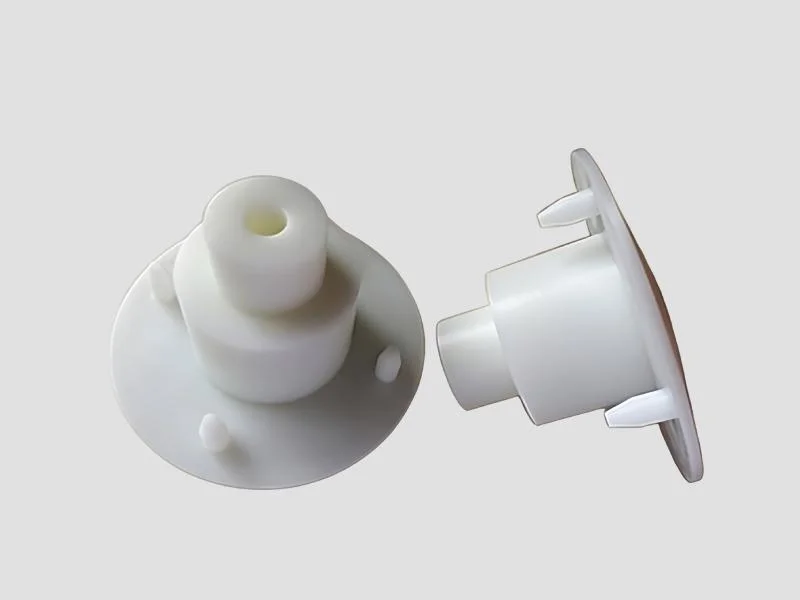
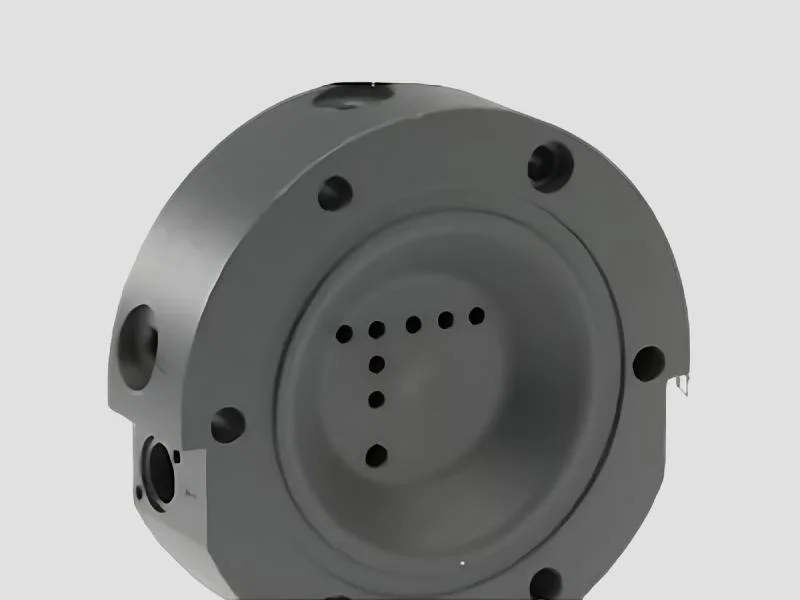
Premium PVC engineering plastic represents a versatile thermoplastic solution engineered for demanding industrial applications. Available in three primary formulations—Rigid PVC (UPVC) for structural stability, Flexible PVC for pliable products, and CPVC for enhanced temperature performance—this material family delivers consistent mechanical strength, chemical resistance, and flame retardancy. Each variant maintains core PVC advantages while offering specific characteristics tailored to particular requirements. The material's compatibility with various additives allows for performance optimization, though the base formulations already provide exceptional properties suitable for most industrial needs. This engineering plastic combines reliability with practical functionality, making it a preferred choice for manufacturers seeking durable materials that perform consistently under challenging conditions.

Across multiple industries, PVC demonstrates remarkable adaptability and proven performance. In construction, it serves as the material of choice for piping systems, window profiles, and roofing membranes due to its weather resistance and structural integrity. The electrical industry relies on PVC for cable insulation, conduit systems, and wiring sheathing where its high dielectric strength and flame retardant properties ensure safety and longevity. Medical applications benefit from PVC's reliability in tubing, fluid containers, and equipment housings. Automotive manufacturers utilize it for interior components and wiring systems, while industrial equipment makers employ PVC for chemical-resistant parts and protective components. This broad applicability stems from the material's consistent performance across diverse operating environments.

The value proposition of PVC extends beyond technical specifications to encompass significant operational advantages. Manufacturers benefit from the material's cost-effectiveness compared to alternative engineering plastics, without compromising performance or reliability. PVC's ease of fabrication—readily processed into sheets, rods, pipes, and custom profiles—reduces manufacturing complexity and production costs. The material's proven track record in demanding applications builds trust among serious buyers, while its compliance with international safety standards ensures regulatory acceptance across global markets. This combination of technical excellence, practical benefits, and established reliability makes PVC a smart investment for businesses seeking materials that deliver consistent results over extended service life.

Key Features:
- High mechanical strength and long-term wear resistance
- Excellent chemical resistance to acids, alkalis, and corrosion
- Inherent flame retardancy with self-extinguishing properties
- Superior electrical insulation with high dielectric strength
- Multiple formulations including Rigid PVC, Flexible PVC, and CPVC

Benefits:
- Cost-effective solution compared to alternative engineering materials
- Versatile applications across construction, electrical, and medical sectors
- Reliable performance and durability in demanding environments
- Compliance with international safety and quality standards
- Proven track record of success in industrial applications
Specifications
| Attribute | Value |
|---|---|
| Material Types | Rigid PVC (UPVC), Flexible PVC, CPVC |
| Durability | High mechanical strength and long-term wear resistance |
| Chemical Resistance | Excellent resistance to acids, alkalis, and corrosion |
| Flame Retardancy | Self-extinguishing properties |
| Electrical Insulation | High dielectric strength for electrical applications |
| Additional Information | |
|---|---|
| Country of Origin | 106 |
| Customisable | No |
Application
Premium PVC engineering plastic serves as a fundamental material across numerous industrial sectors due to its balanced properties. Its exceptional mechanical strength ensures components withstand physical stress, while its chemical resistance protects against corrosive substances commonly encountered in industrial environments. The material's inherent flame retardancy adds a critical safety layer, making it suitable for applications where fire safety is paramount. These combined characteristics create a versatile solution that meets the rigorous demands of modern manufacturing and infrastructure projects.

Engineers and designers value PVC for its adaptability through different formulations. Rigid PVC provides structural integrity for pipes and profiles, flexible PVC offers pliability for tubing and cables, while CPVC delivers enhanced temperature resistance for demanding conditions. This versatility allows for precise material selection based on specific application requirements. The material's excellent electrical insulation properties make it indispensable for wiring systems, and its durability ensures long service life even in harsh operating conditions, reducing maintenance needs and replacement costs.
- Construction industry: pipes, window frames, roofing membranes, and siding materials
- Electrical systems: cable insulation, wiring sheathing, conduit pipes, and junction boxes
- Medical field: fluid tubing, IV bags, equipment housings, and protective covers
- Automotive sector: interior trim, dashboard components, under-hood wiring, and seals
- Industrial equipment: chemical tanks, protective linings, machine guards, and ducting
Trade Details
| Available Stock | In Stock |
| Sample Availability | No |
Payment Terms
| Payment Terms |
|
Company Profile

Spectra Plast India, Tamil Nadu Tamil Nadu, India
Tamil Nadu, IndiaIndustrial Equipment & Machinery•ManufacturerImporter / Exporter
Factory Details
Factory Size1000-5000 sqm
Annual Production Capacity0
Premium PVC Engineering Plastic: High Strength, Chemical & Flame Resistant
Premium PVC engineering plastic offers high strength, chemical resistance, and flame retardancy for construction, electrical, and medical applications. This durable material provides reliable performance and cost-effectiveness for industrial use.
Min. Order Quantity: 1 Pieces
Shipping
Shipping fee and delivery date to be negotiated. Contact supplier now for more details.
Spectra Plast India
 Tamil Nadu, India
Tamil Nadu, IndiaIndustrial Equipment & MachineryManufacturer