
 IN
IN₹
Apparel & Fashion
Loading subcategories...
View More
Description
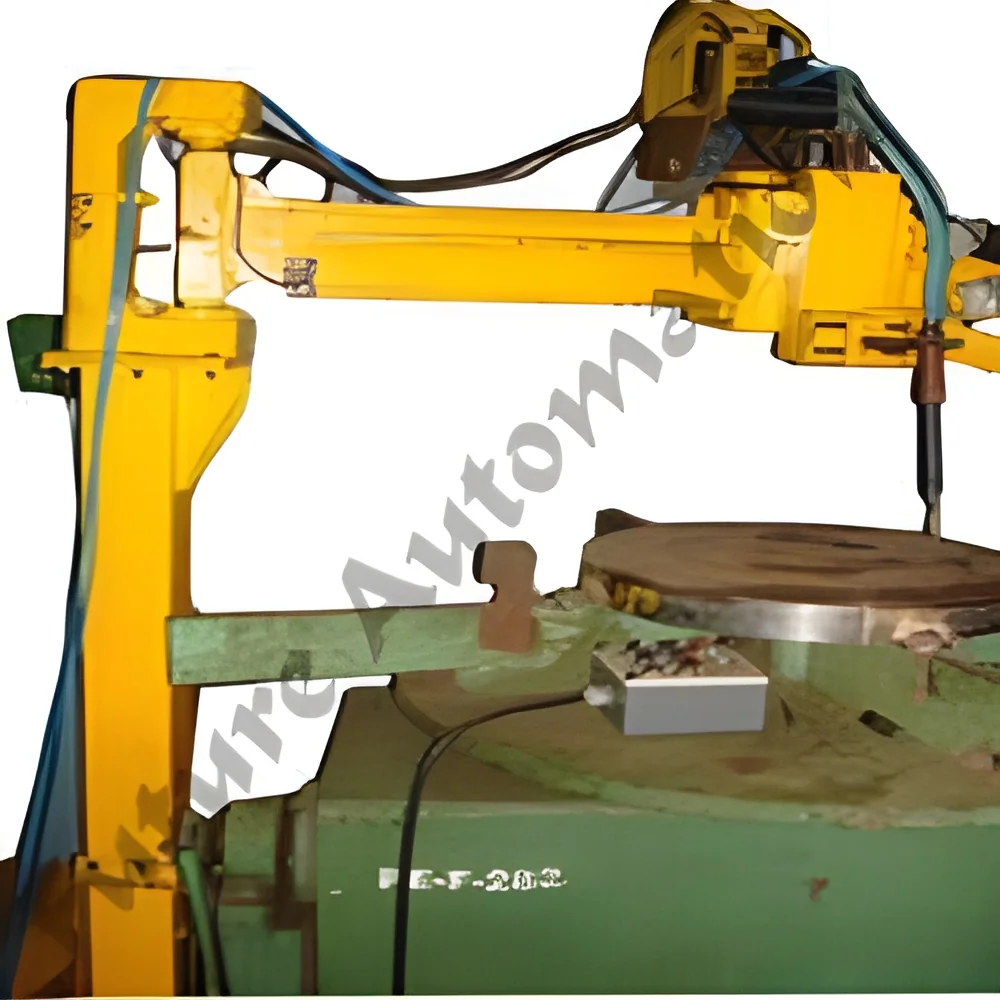
Industrial weld overlay cladding systems represent advanced surface engineering technology that applies specialized alloy layers onto base metals through controlled fusion welding ...
Industrial weld overlay cladding systems represent advanced surface engineering technology that applies specialized alloy layers onto base metals through controlled fusion welding processes. This method creates permanent metallurgical bonds between the protective cladding material and the substrate, forming robust barriers against corrosion, erosion, and mechanical wear. Unlike temporary coatings or mechanical attachments, the weld overlay process ensures complete molecular integration that withstands extreme operational stresses. These systems utilize automated and semi-automated welding technologies that maintain precise control over deposition parameters, ensuring consistent quality across large surface areas and complex geometries. The technology is particularly valuable for industries where equipment faces aggressive environments that would rapidly degrade unprotected metal surfaces, offering a reliable solution for extending asset lifespan and maintaining operational integrity.

These cladding systems serve critical functions across multiple industrial sectors where equipment durability directly impacts operational efficiency and safety. In the oil and gas industry, they protect drill pipes, valves, pressure vessels, and pipeline components from corrosive elements and abrasive materials encountered during extraction and processing. Power generation facilities utilize weld overlays to extend the service life of turbine components, boiler tubes, and heat exchangers exposed to high temperatures and thermal cycling. Chemical processing plants rely on these systems for reactors, storage tanks, and processing equipment handling aggressive substances. Mining operations apply cladding technology to protect heavy equipment from abrasive wear, while marine applications use it to combat saltwater corrosion on ships, offshore platforms, and coastal infrastructure.

The business value of weld overlay cladding systems lies in their ability to significantly reduce maintenance costs, extend equipment replacement cycles, and minimize operational downtime. These systems deliver exceptional reliability through automated processes that eliminate human error and ensure consistent joint strength and material properties. The technology enables customized solutions tailored to specific application requirements and environmental conditions. Higher production rates and optimized material usage translate to lower processing costs while maintaining superior quality standards. The reduced physical demands on operators during extended projects further enhances workplace safety and operational efficiency, making these systems a smart investment for long-term asset management.

Key Features:
- Metallurgical bonding creates permanent fusion between cladding and substrate
- Controlled arc environment ensures consistent quality and reliability
- Automated and semi-automated processes suitable for various project scales
- Fusion welding technology applicable for all corrosion and wear applications
- Continuous processing capability for higher production rates

Benefits:
- Significantly extends equipment lifespan in demanding environments
- Reduces maintenance costs and operational downtime
- Provides reliable protection against corrosion and erosion
- Ensures consistent quality through automated processes
- Offers customized solutions for specific industrial applications
Specifications
| Additional Information | |
|---|---|
| Country of Origin | India |
| Customisable | No |
Application
Weld overlay cladding systems deliver essential surface protection for industrial equipment facing extreme operational conditions. These systems apply specialized alloy layers through metallurgical bonding, creating permanent barriers against corrosive chemicals, abrasive materials, and high-temperature environments. The process ensures superior durability for critical components that would otherwise suffer rapid degradation and frequent replacement cycles in harsh industrial settings.

These advanced cladding solutions serve vital roles across multiple heavy industries including oil and gas extraction, power generation facilities, chemical processing plants, mining operations, and marine applications. The technology protects essential equipment components like pressure vessels, reactors, pipelines, valves, and structural elements from premature failure. Automated and semi-automated processes guarantee consistent, high-quality results while reducing manual labor requirements and maintaining strict quality standards across large-scale industrial projects.
- Protecting internal surfaces of chemical reactors and storage tanks from corrosive acids and alkalis
- Extending service life of mining equipment including crushers, conveyors, and slurry transport systems
- Rebuilding and protecting turbine components, boiler tubes, and heat exchangers in power plants
- Cladding drill pipes, valves, and wellhead components in oil and gas extraction operations
- Restoring and reinforcing industrial machinery parts in manufacturing and processing facilities
Trade Details
| Available Stock | In Stock |
| Sample Availability | No |
Payment Terms
| Payment Terms |
|
Company Profile

Future automation Technologies , Tamil Nadu
 Tamil Nadu, India
Tamil Nadu, IndiaTools & Hardware•ManufacturerDistributor / WholesalerImporter / Exporter
Factory Details
Factory SizeBelow 1000 sqm
Annual Production Capacity0
Industrial Weld Overlay Cladding Systems For Corrosion And Erosion Protection
Industrial weld overlay cladding systems provide superior corrosion and erosion protection for metal equipment. Our automated processes create reliable metallurgical bonds that significantly extend operational lifespan in demanding industrial environments.
Min. Order Quantity: 1 units
Shipping
Shipping fee and delivery date to be negotiated. Contact supplier now for more details.
Future automation Technologies  Tamil Nadu, India
Tamil Nadu, IndiaTools & HardwareManufacturer