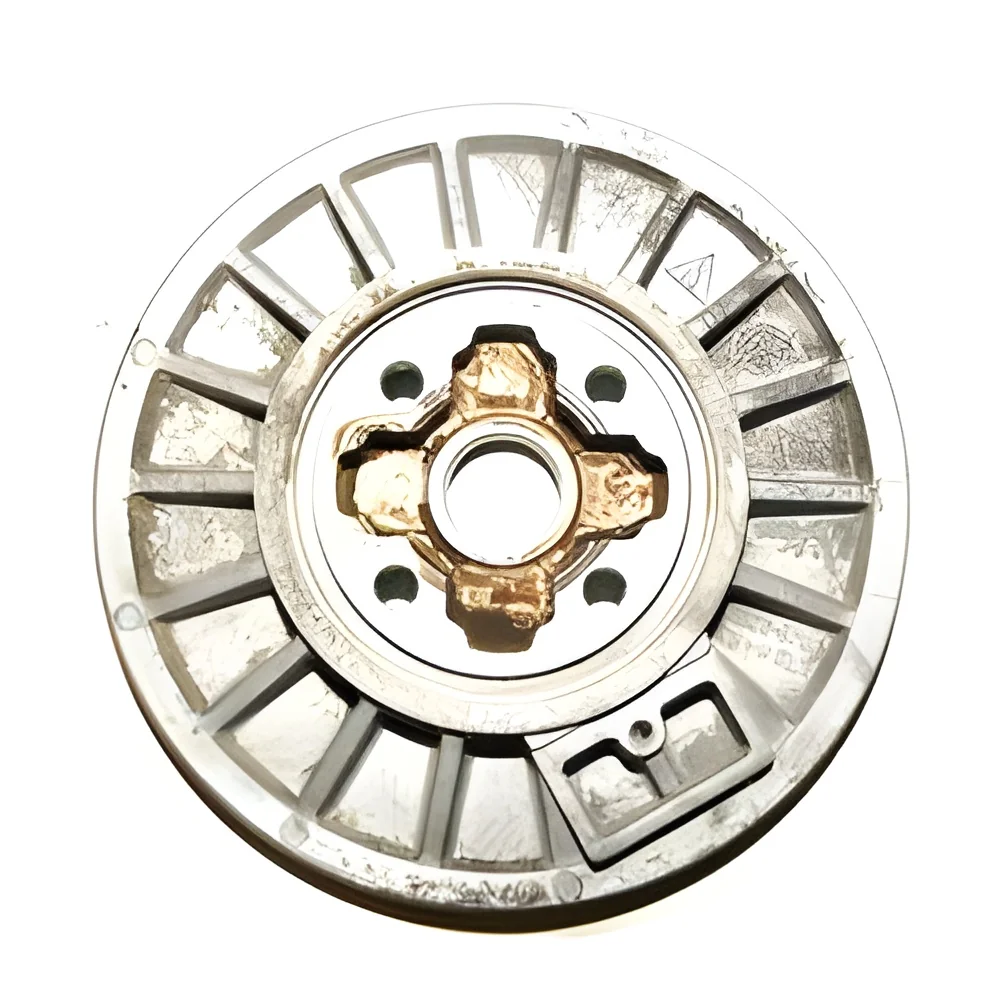
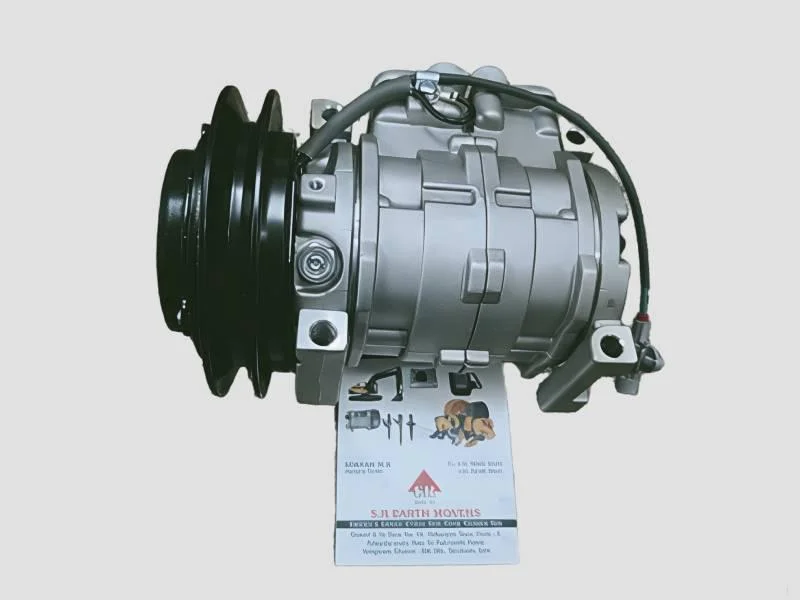
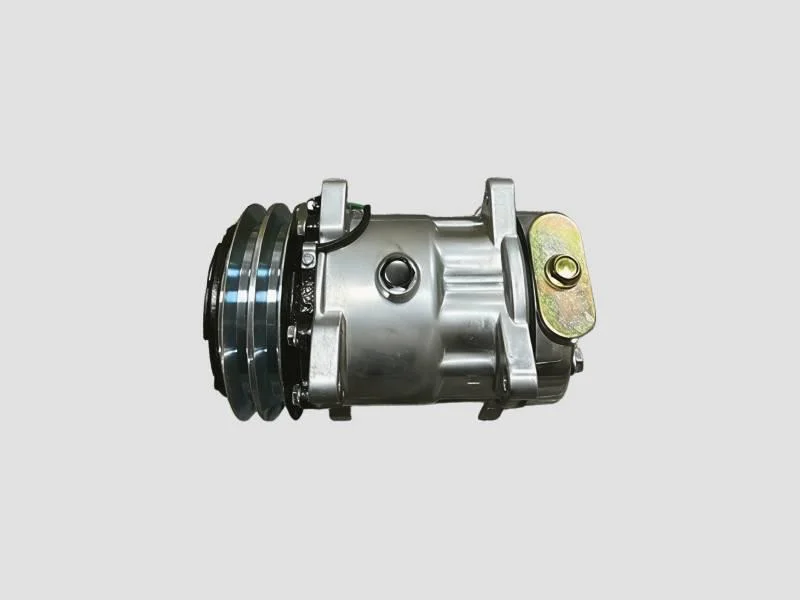
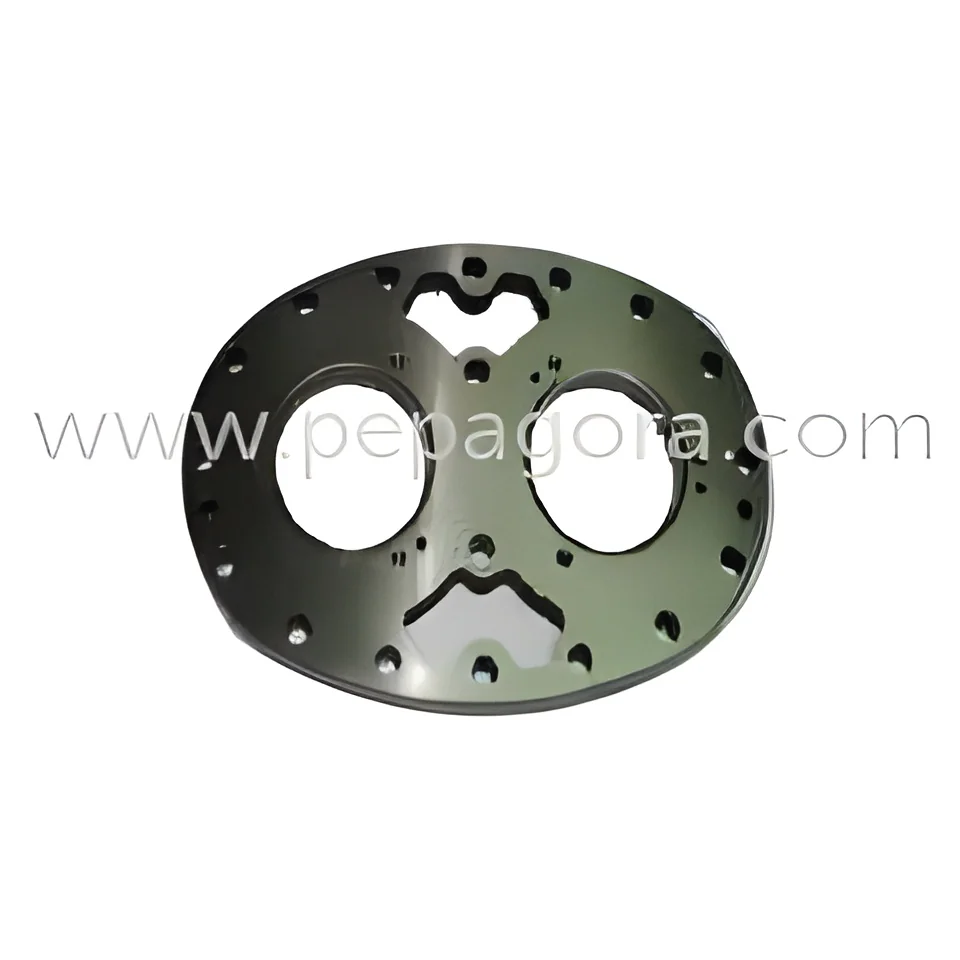
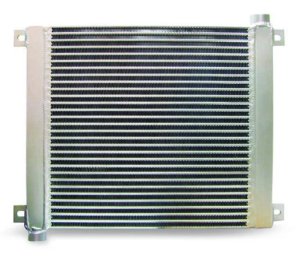
𝗪𝗵𝗮𝘁 𝗮𝗿𝗲 𝗔𝗖 𝗖𝗼𝗺𝗽𝗿𝗲𝘀𝘀𝗼𝗿𝘀?
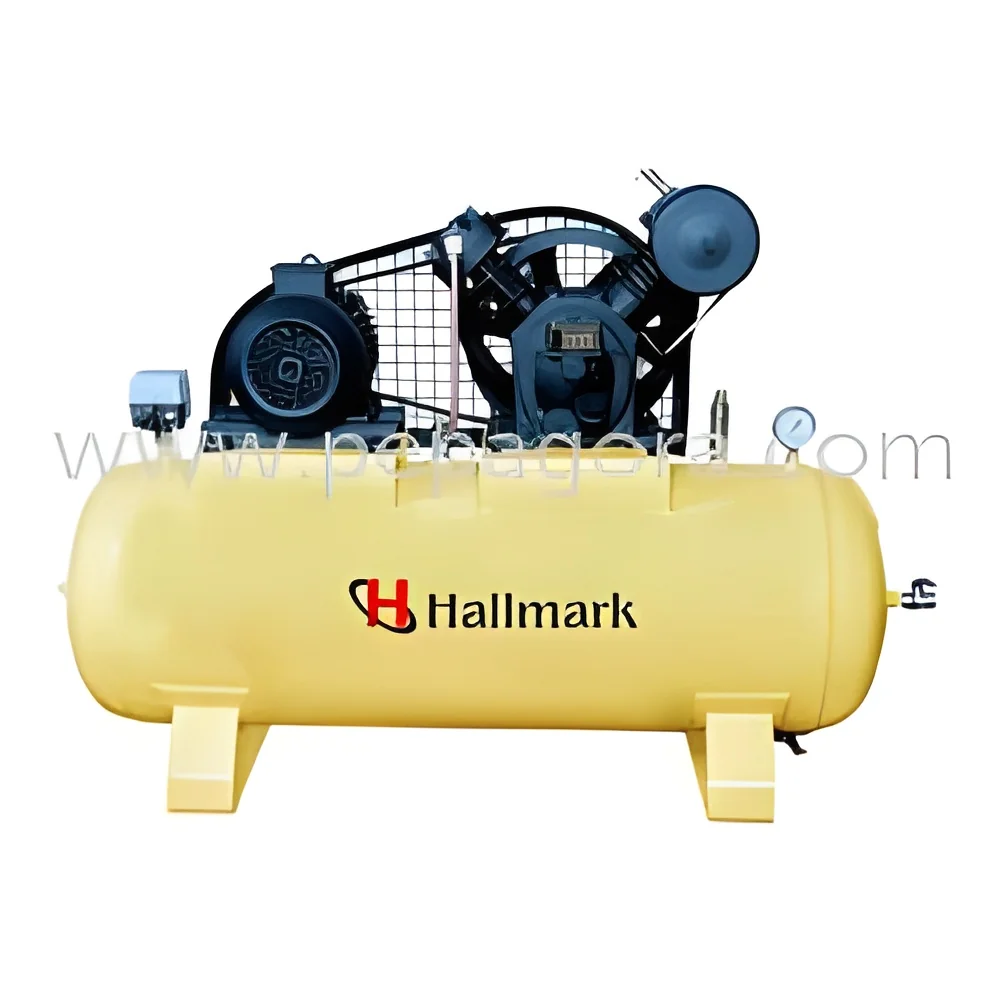
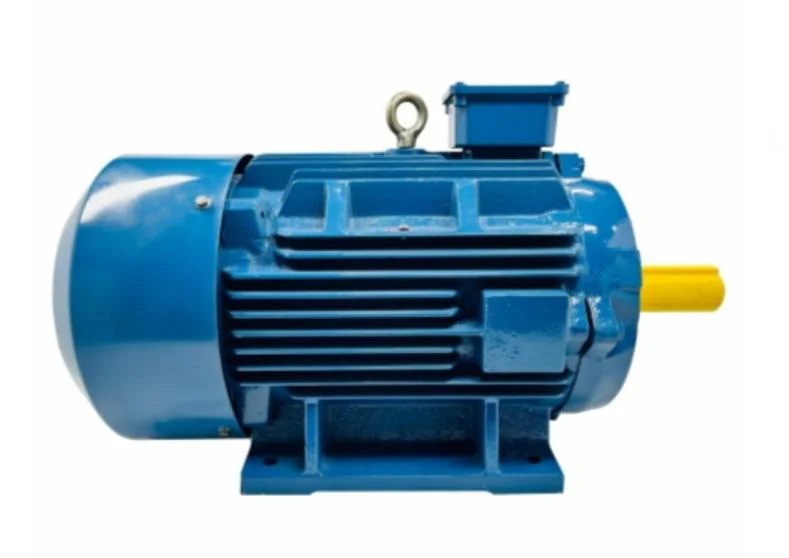
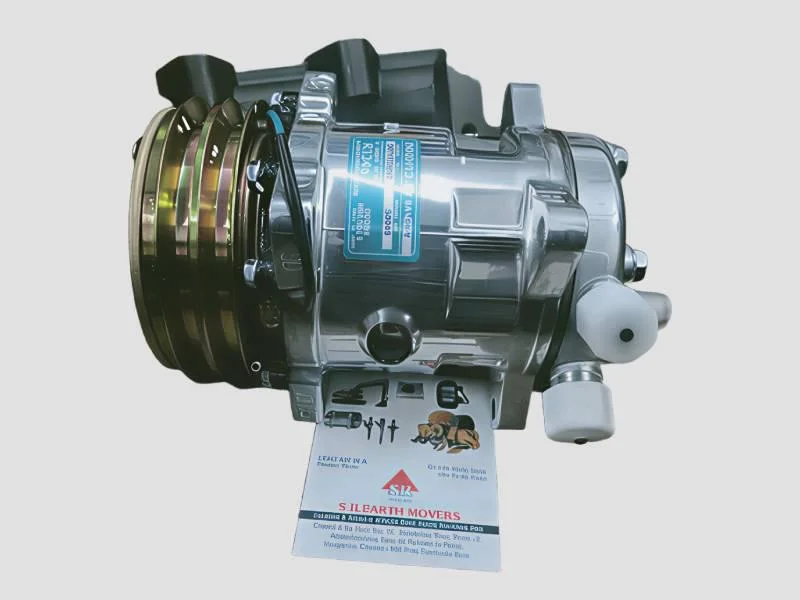
AC compressors are integral components in air conditioning systems, responsible for compressing and circulating refrigerant. This process allows for the absorption of heat from the indoor environment, facilitating effective cooling. The compressor takes low-pressure refrigerant gas and compresses it into a high-pressure gas, enabling it to flow through the rest of the air conditioning system.
These compressors find applications across various sectors, including commercial and industrial settings. They are essential in HVAC systems, refrigeration units, and automotive air conditioning systems. Their role is crucial in maintaining optimal temperature and humidity levels in both residential and commercial spaces. With the growing demand for energy-efficient solutions, AC compressors are becoming increasingly relevant in today's market, emphasizing the need for advanced technology and sustainable practices in cooling systems.
𝗞𝗲𝘆 𝗙𝗲𝗮𝘁𝘂𝗿𝗲𝘀 𝗮𝗻𝗱 𝗦𝗽𝗲𝗰𝗶𝗳𝗶𝗰𝗮𝘁𝗶𝗼𝗻𝘀
AC compressors come with various features and specifications that enhance their performance and reliability. Understanding these specifications is vital for selecting the right compressor for specific applications.
Key specifications include:
1. Power Consumption
- This specification indicates the electrical power required for operation.
- Typically measured in kilowatts (kW).
2. Cooling Capacity
- Refers to the amount of heat the compressor can remove from the air per hour.
- Measured in British Thermal Units (BTU) or tons.
3. Operating Pressure
- The pressure levels at which the compressor operates effectively.
- Usually specified in pounds per square inch (PSI).
4. Refrigerant Type
- The type of refrigerant the compressor is designed to use.
- Common types include R-22, R-410A, and R-134A.
5. Noise Level
- Indicates the sound produced during operation.
- Measured in decibels (dB).
6. Size and Weight
- These specifications affect installation and mobility.
- Dimensions are usually provided in inches or millimeters.
7. Efficiency Ratings
- These ratings, such as SEER (Seasonal Energy Efficiency Ratio), indicate energy efficiency.
- Higher ratings suggest better performance.
8. Warranty Period
- The duration of coverage provided by the manufacturer.
- Typically ranges from 1 to 5 years.
In summary, understanding these specifications is crucial for businesses looking to invest in AC compressors to ensure they meet operational needs and efficiency standards.
𝗖𝗼𝗺𝗺𝗼𝗻 𝗔𝗽𝗽𝗹𝗶𝗰𝗮𝘁𝗶𝗼𝗻𝘀 𝗮𝗻𝗱 𝗨𝘀𝗲 𝗖𝗮𝘀𝗲𝘀
AC compressors are utilized in a variety of industries and applications, demonstrating their versatility.
1. HVAC Systems: In heating, ventilation, and air conditioning systems, compressors are essential for regulating indoor climate and maintaining comfort.
2. Refrigeration: Used in commercial refrigeration units, compressors help preserve perishable goods by maintaining low temperatures.
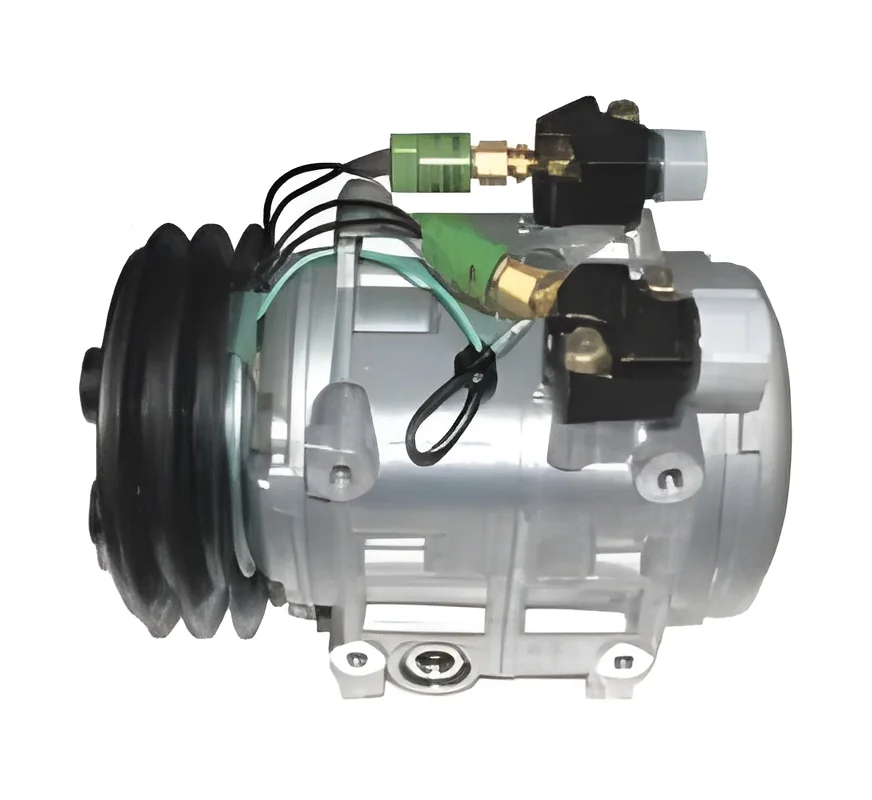
3. Automotive: In vehicles, AC compressors are crucial for providing cooling in passenger cabins, enhancing comfort during travel.
4. Industrial Processes: Many manufacturing processes require controlled environments, making AC compressors vital for temperature regulation.
5. Cold Storage Facilities: These compressors maintain appropriate temperatures in warehouses storing temperature-sensitive products.
6. Data Centers: AC compressors help regulate the temperature of sensitive electronic equipment, preventing overheating.
7. Pharmaceutical: In the pharmaceutical industry, compressors maintain controlled environments for drug storage and production.
𝗣𝗿𝗼𝗱𝘂𝗰𝘁 𝗩𝗮𝗿𝗶𝗮𝗻𝘁𝘀 𝗮𝗻𝗱 𝗦𝘂𝗯𝗰𝗮𝘁𝗲𝗴𝗼𝗿𝗶𝗲𝘀
AC compressors come in various types, each designed for specific applications and operational needs.
Scroll Compressor: This type uses a rotating mechanism to compress refrigerant, making it efficient and quiet. It is commonly used in residential air conditioning systems.
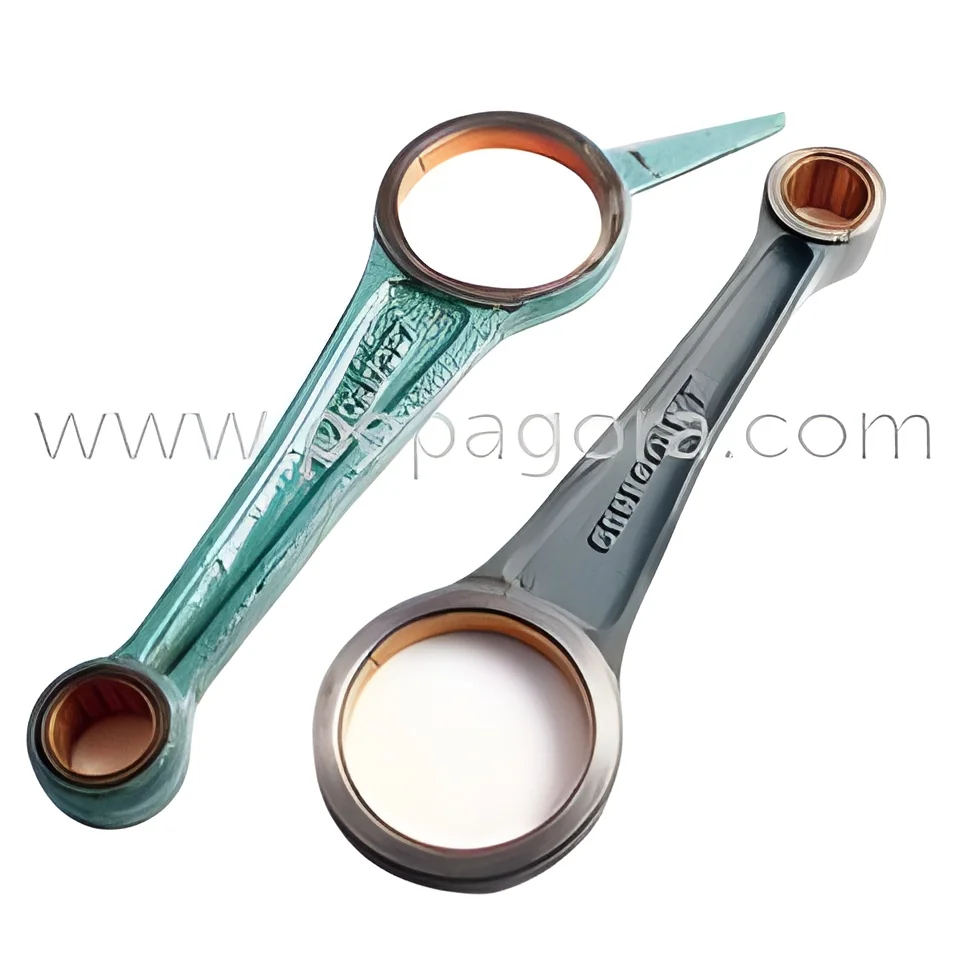
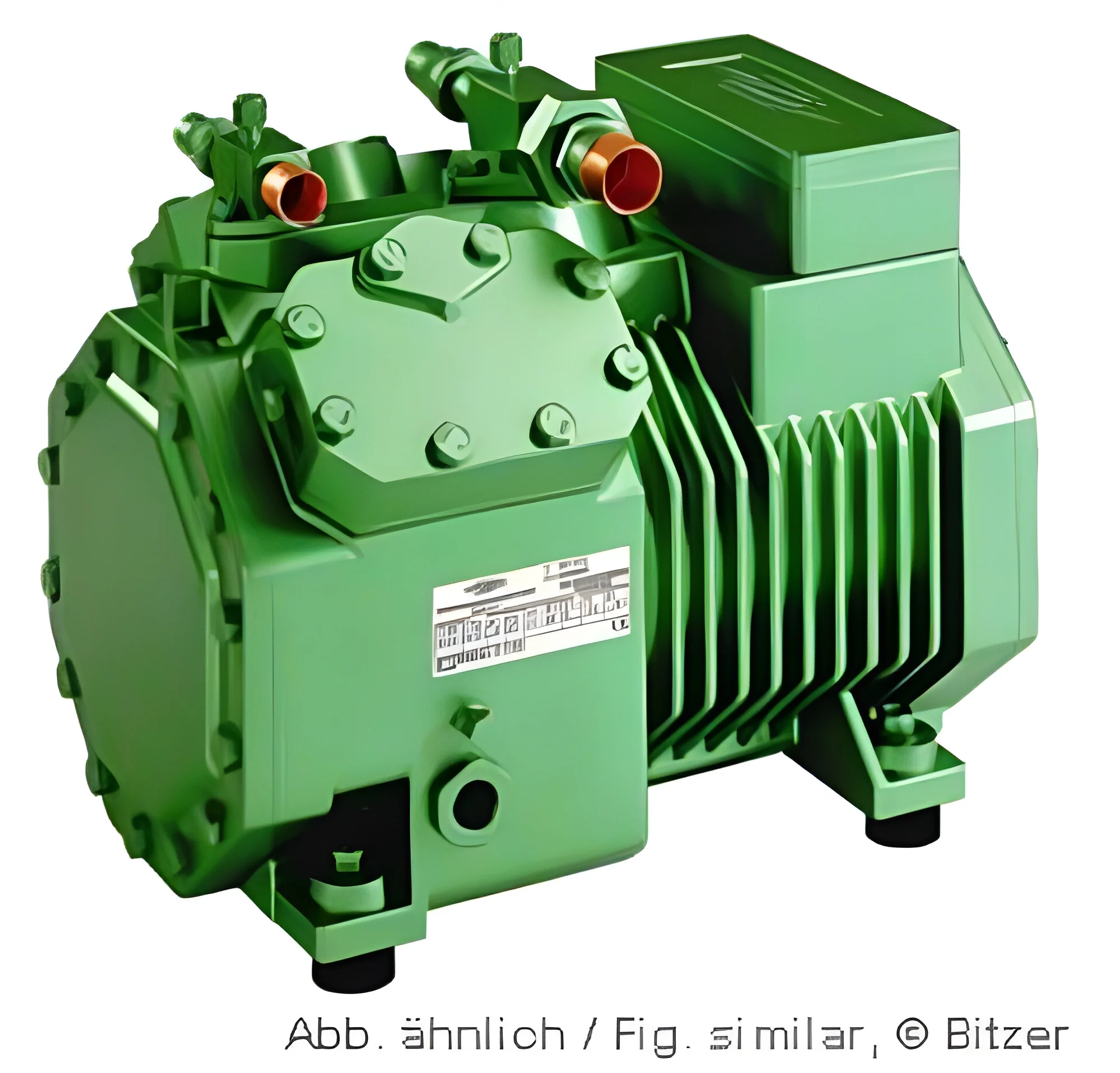
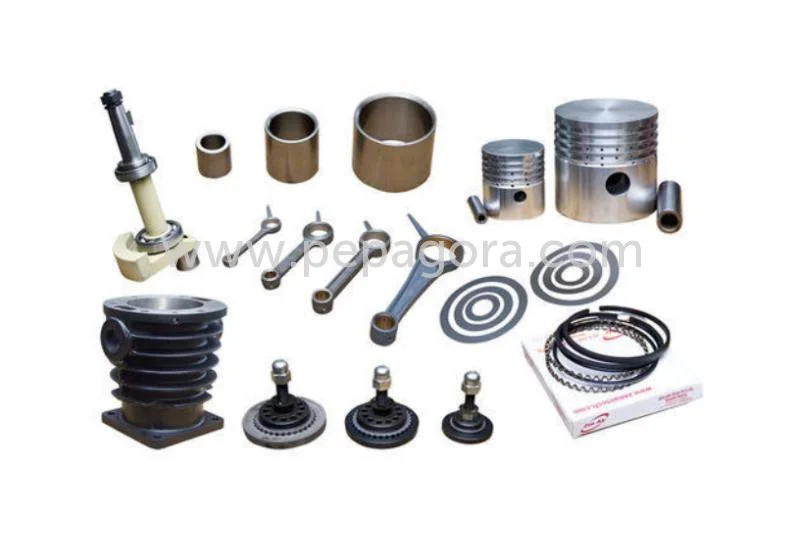
Reciprocating Compressor: These compressors utilize pistons to compress refrigerant. They are versatile and found in various applications, including industrial cooling systems.
Rotary Compressor: Known for their compact size and efficiency, rotary compressors are often used in small refrigeration units and air conditioners.
Scroll and Reciprocating Hybrid: This variant combines the benefits of both scroll and reciprocating technologies, offering enhanced efficiency and reliability for larger systems.
𝗕𝗲𝗻𝗲𝗳𝗶𝘁𝘀 𝗮𝗻𝗱 𝗔𝗱𝘃𝗮𝗻𝘁𝗮𝗴𝗲𝘀
Choosing AC compressors provides several benefits that can enhance operational efficiency and reliability.
1. Energy Efficiency: Modern AC compressors are designed to consume less power, leading to cost savings on energy bills.
2. Enhanced Comfort: By effectively regulating temperatures, these compressors ensure a comfortable environment in residential and commercial spaces.
3. Longevity: High-quality compressors are built to last, reducing the need for frequent replacements.
4. Low Noise Levels: Many AC compressors operate quietly, minimizing disruptions in workplaces and homes.
5. Versatility: AC compressors are available in various types, making them suitable for multiple applications across different industries.
6. Improved Air Quality: By controlling humidity and temperature, these compressors help maintain better indoor air quality.
𝗕𝘂𝘆𝗶𝗻𝗴 𝗚𝘂𝗶𝗱𝗲 𝗳𝗼𝗿 𝗕𝟮𝗕 𝗕𝘂𝘆𝗲𝗿𝘀
When sourcing AC compressors, businesses should consider several key factors to ensure they make informed purchasing decisions.
1. Quality Assessment: Evaluate the quality of the compressors based on manufacturer reputation and product reviews. Look for certifications that indicate compliance with industry standards.
2. Supplier Verification: Vet potential suppliers by checking their backgrounds and customer feedback. Ensure they have a track record of reliability and quality service.
3. Pricing and MOQ: Understand the pricing structures and minimum order quantities (MOQ) of different suppliers. Compare costs to ensure you are getting a competitive offer.
4. Delivery and Lead Times: Consider the logistics involved in acquiring AC compressors. Check the expected delivery times to avoid disruptions in your operations.
5. Compliance Requirements: Ensure that the compressors meet all necessary regulatory and safety standards for your industry. This may include certifications such as CE.
𝗖𝗼𝗺𝗽𝗹𝗶𝗮𝗻𝗰𝗲 𝗮𝗻𝗱 𝗖𝗲𝗿𝘁𝗶𝗳𝗶𝗰𝗮𝘁𝗶𝗼𝗻𝘀
AC compressors must adhere to various compliance and certification standards to ensure safety and quality.
ISO 9001 is a widely recognized quality management standard that ensures organizations maintain consistent quality in their products and services. Compliance with this standard indicates a commitment to quality and continual improvement.
CE certification is crucial for products sold in the European market. It signifies that the product meets health, safety, and environmental protection standards.
Additionally, safety and testing requirements are essential to ensure that compressors operate safely under designated conditions. Regular testing and adherence to safety standards help prevent accidents and failures.
Regional compliance considerations may vary, so businesses should be aware of local regulations that affect the installation and operation of AC compressors.
𝗪𝗵𝘆 𝗦𝗼𝘂𝗿𝗰𝗲 𝗔𝗖 𝗖𝗼𝗺𝗽𝗿𝗲𝘀𝘀𝗼𝗿𝘀 𝗳𝗿𝗼𝗺 𝗣𝗲𝗽𝗮𝗴𝗼𝗿𝗮?
Pepagora offers a trusted platform for sourcing AC compressors, providing several key advantages for B2B buyers.
Verified Supplier Network: Pepagora connects buyers with a network of verified suppliers. This ensures that businesses can source high-quality compressors from reputable manufacturers.
Streamlined RFQ Process: The platform simplifies the request for quotation (RFQ) process, allowing buyers to receive multiple quotes quickly and efficiently. This saves time and helps in making informed purchasing decisions.
Trade Assurance and Support: Pepagora provides trade assurance to protect buyers from potential fraud. The platform also offers customer support to address any questions or concerns during the purchasing process.
Regional Coverage: With a strong presence in India, the Gulf Cooperation Council (GCC), and Southeast Asia, Pepagora ensures that buyers can access a diverse range of AC compressors tailored to their regional needs.
AC Compressors are essential components in air conditioning systems that compress and circulate refrigerant. They play a crucial role in the refrigeration cycle by converting low-pressure refrigerant gas into high-pressure gas, allowing for the cooling process to take place.
2
What are the different types of AC Compressors?
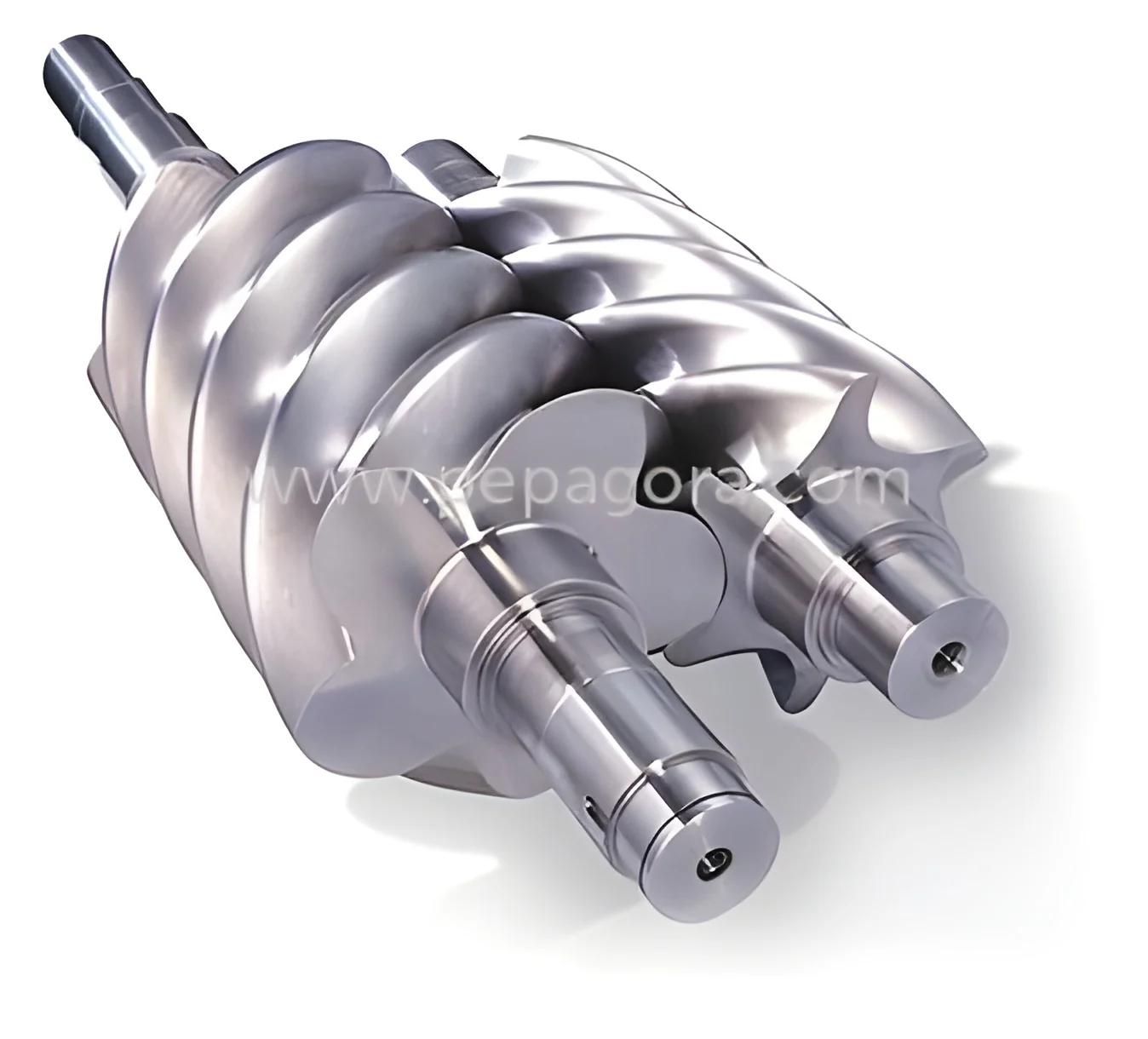
There are several types of AC Compressors, including reciprocating, scroll, rotary, and screw compressors. Each type varies in design, efficiency, and application suitability, with some being better for residential use and others for commercial or industrial applications.
3
How do I choose the right AC Compressors?
Choosing the right AC Compressor involves considering factors such as the cooling capacity required, energy efficiency ratings, and the specific application it will be used for. Additionally, it is important to assess compatibility with existing AC systems and the compressor's reliability.
4
What are the standard specifications for AC Compressors?
Standard specifications for AC Compressors typically include cooling capacity (measured in BTU/hr), voltage and phase requirements, refrigerant type compatibility, and efficiency ratings such as SEER or EER. These specifications help in determining the compressor's performance and suitability for specific applications.
5
What is the price range for AC Compressors?
The price range for AC Compressors can vary widely based on type, manufacturer, and specifications, generally starting from around INR 5,000 and going up to INR 50,000 or more. It is advisable to compare options to find a compressor that fits both budget and performance needs.
6
What quality standards apply to AC Compressors?
AC Compressors are subject to various quality standards, including ISO 9001 for quality management systems and specific energy efficiency standards such as BEE ratings in India. Compliance with these standards ensures that the compressors are reliable and efficient.
7
Where can I find AC Compressors suppliers in India?
You can find AC Compressors suppliers in India through online B2B marketplaces like Pepagora, industry trade shows, and local distributors. It is beneficial to research suppliers based on their reputation, product range, and customer reviews.
8
Can AC Compressors be customized?
Yes, many manufacturers offer customization options for AC Compressors to meet specific requirements of different applications. Customization may include adjustments in size, capacity, and compatibility with various refrigerants.
9
What is the typical minimum order quantity for AC Compressors?
The typical minimum order quantity (MOQ) for AC Compressors varies by supplier and can range from a single unit for small orders to larger quantities for bulk purchases. It is advisable to check with individual suppliers for their specific MOQs.
10
What is the typical lead time for AC Compressors?
The typical lead time for AC Compressors can vary based on the supplier and the complexity of the order, generally ranging from 2 to 6 weeks. Factors such as customization, stock availability, and shipping logistics can also impact the lead time.
Why Businesses Trust Pepagora
Thousands of companies trust Pepagora to source smarter and sell faster
Expand Your Sales Globally
25000+Products listed.Get discovered by global buyers

 IN
IN