𝗪𝗵𝗮𝘁 𝗮𝗿𝗲 𝗔𝗱𝗷𝘂𝘀𝘁𝗮𝗯𝗹𝗲 𝗛𝗼𝘀𝗽𝗶𝘁𝗮𝗹 𝗕𝗲𝗱𝘀?
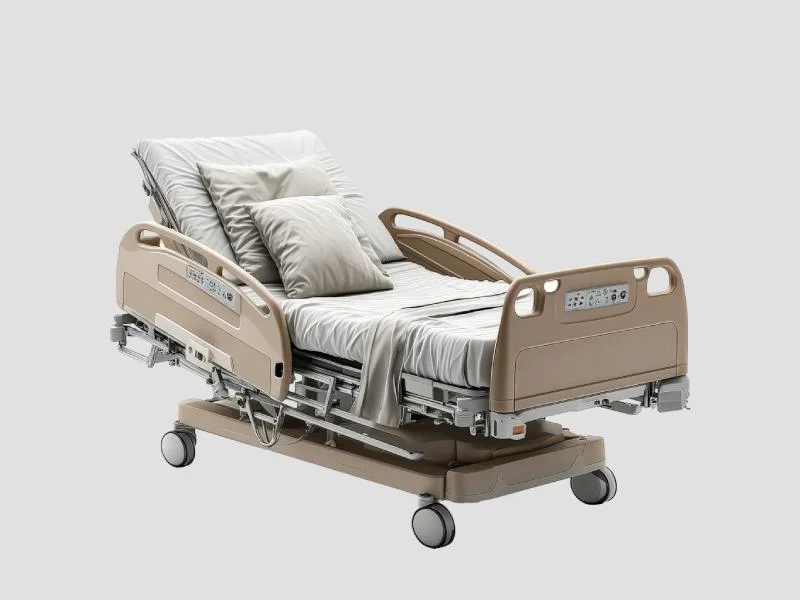
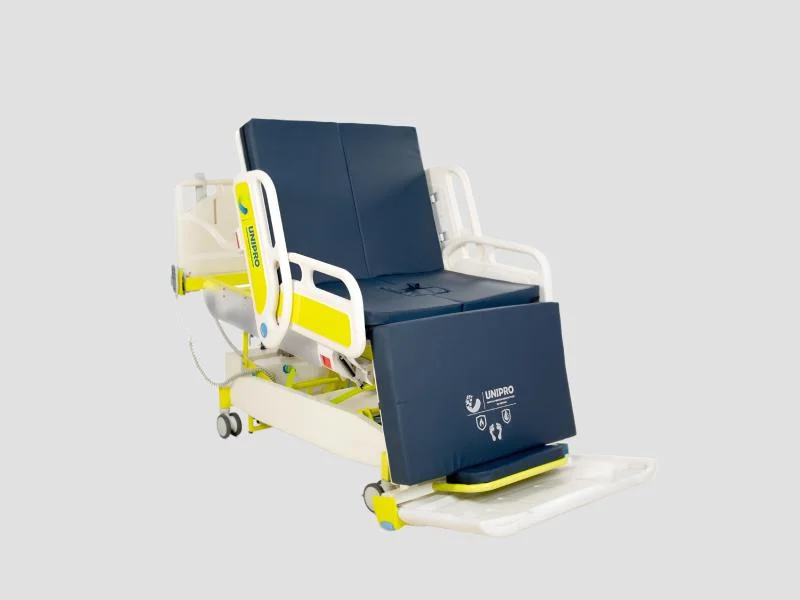
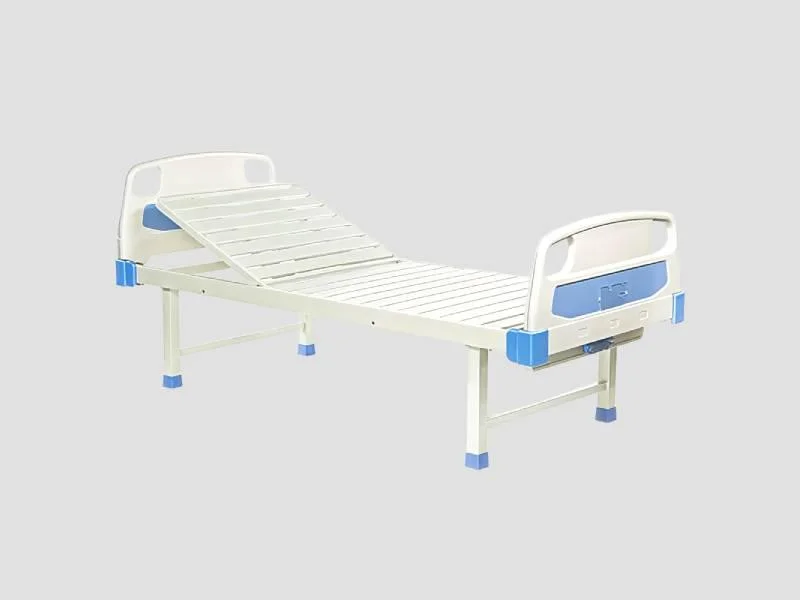
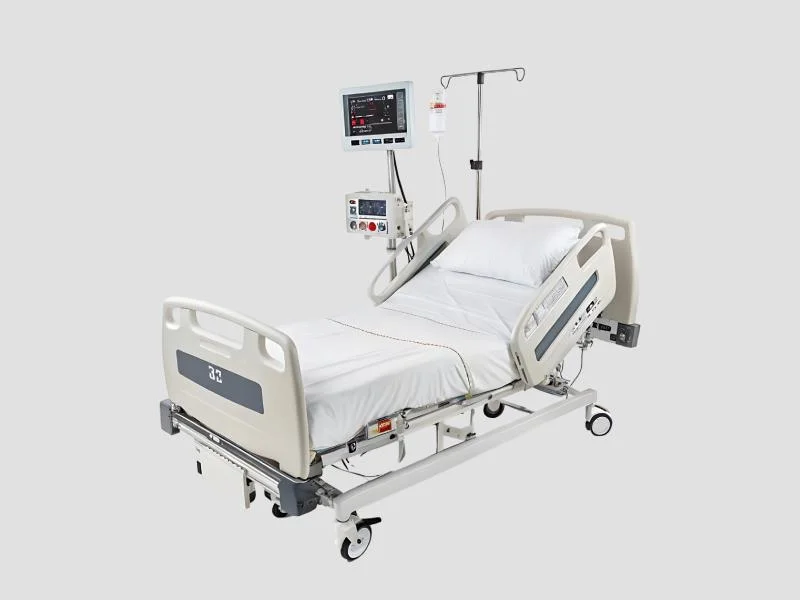
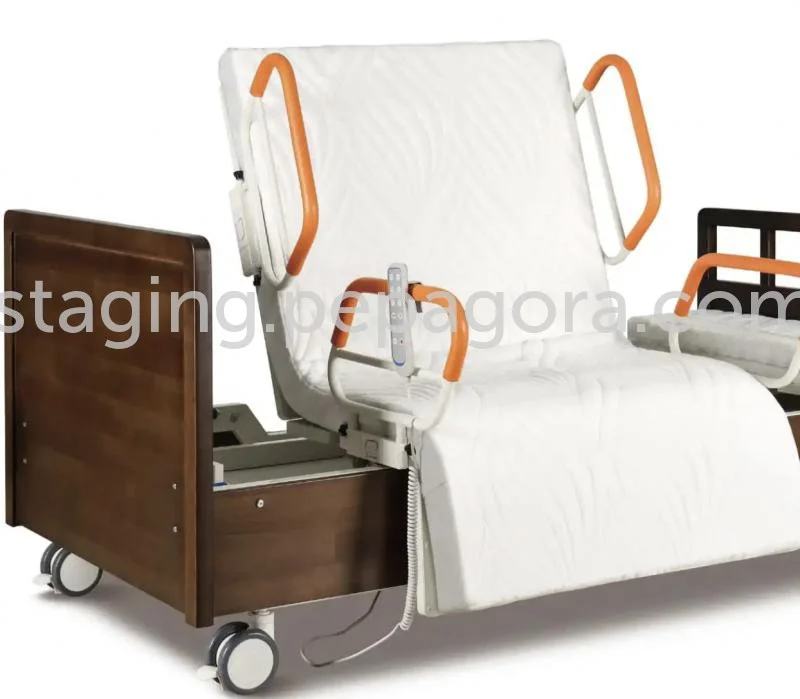
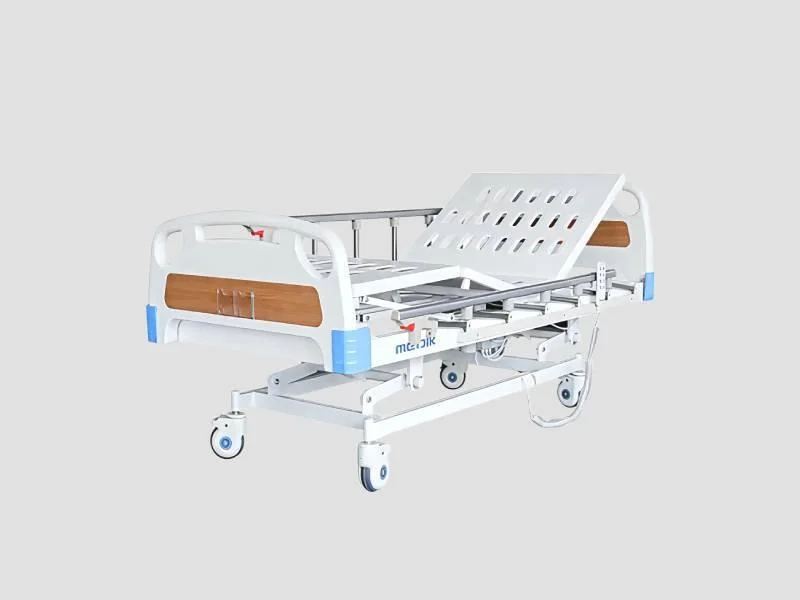
Adjustable hospital beds are specialized medical beds designed to provide comfort and support to patients in healthcare settings. These beds can be adjusted in various ways, including raising or lowering the head and foot sections, to accommodate the specific needs of patients. This adjustability helps enhance patient comfort, aids in medical assessments, and facilitates care delivery by healthcare professionals.
The primary uses of adjustable hospital beds include post-operative recovery, long-term patient care, and palliative care. They are particularly beneficial for elderly patients and those with mobility challenges, allowing caregivers to position patients for better access and comfort. In addition to hospitals, these beds are utilized in nursing homes, rehabilitation facilities, and home care environments, making them a vital component of the healthcare industry.
In the context of market relevance, adjustable hospital beds have seen increasing demand due to the aging population and a growing emphasis on patient-centered care. The market is driven by advancements in technology and healthcare practices, which emphasize the need for versatile and comfortable patient care solutions.
𝗞𝗲𝘆 𝗙𝗲𝗮𝘁𝘂𝗿𝗲𝘀 𝗮𝗻𝗱 𝗦𝗽𝗲𝗰𝗶𝗳𝗶𝗰𝗮𝘁𝗶𝗼𝗻𝘀
Adjustable hospital beds are characterized by a range of features that enhance their functionality and usability. Understanding the key specifications is crucial for healthcare providers when selecting the right beds for their facilities.
Key specifications include:
1. Adjustment Mechanism
- Electric or manual adjustment options
- Varying ranges for head and foot elevation
2. Weight Capacity
- Standard weight limits typically ranging from 300 to 600 pounds
- Options available for heavier patients
3. Bed Size
- Common sizes include standard twin, full, and bariatric dimensions
- Custom sizes may be available
4. Material Quality
- Frame construction using steel or aluminum for durability
- Mattress compatibility with pressure-relief systems
5. Safety Features
- Side rails to prevent falls
- Locking wheels for stability during use
6. Mattress Type
- Options for foam, gel, or air mattresses
- Pressure-relieving properties for enhanced comfort
7. Mobility Features
- Easy maneuverability with wheels
- Height adjustability for caregiver convenience
8. Accessories Compatibility
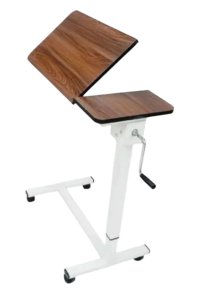
- Options for adding accessories like overbed tables and IV poles
- Customization for specific patient needs
In summary, adjustable hospital beds are versatile solutions that combine comfort, safety, and functionality, making them essential in various healthcare settings.
𝗖𝗼𝗺𝗺𝗼𝗻 𝗔𝗽𝗽𝗹𝗶𝗰𝗮𝘁𝗶𝗼𝗻𝘀 𝗮𝗻𝗱 𝗨𝘀𝗲 𝗖𝗮𝘀𝗲𝘀
Adjustable hospital beds serve a wide range of industries, each with specific applications tailored to patient needs.
1. Hospitals: These beds are standard in patient rooms and intensive care units, facilitating easier monitoring and treatment of patients.
2. Nursing Homes: Adjustable beds enhance the comfort of elderly residents, making it easier for caregivers to assist with daily activities.
3. Rehabilitation Centers: These beds support patients recovering from surgery or injury, allowing for optimal positioning during therapy.
4. Home Health Care: Adjustable beds are increasingly used in home settings to ensure patient comfort and safety during recovery.
5. Palliative Care Facilities: These beds provide necessary support for patients with chronic illnesses, allowing for better pain management and comfort.
𝗕𝗲𝗻𝗲𝗳𝗶𝘁𝘀 𝗮𝗻𝗱 𝗔𝗱𝘃𝗮𝗻𝘁𝗮𝗴𝗲𝘀
Adjustable hospital beds offer numerous benefits that enhance patient care and caregiver efficiency.
1. Enhanced Comfort: The ability to adjust the bed position promotes patient comfort, reducing stress and discomfort during recovery.
2. Improved Accessibility: Caregivers can easily access patients, which streamlines care delivery and enhances safety.
3. Better Patient Outcomes: Proper positioning can lead to improved health outcomes by reducing pressure sores and promoting better circulation.
4. Versatility: These beds can be used in various settings, from hospitals to home care, making them adaptable to different patient needs.
5. Increased Independence: Patients can adjust their beds to a comfortable position, promoting self-sufficiency and dignity.
6. Safety Features: Built-in safety mechanisms, such as side rails, minimize the risk of falls and enhance patient security.
𝗕𝘂𝘆𝗶𝗻𝗴 𝗚𝘂𝗶𝗱𝗲 𝗳𝗼𝗿 𝗕𝟮𝗕 𝗕𝘂𝘆𝗲𝗿𝘀
When sourcing adjustable hospital beds, it is essential for B2B buyers to consider several important factors to ensure a successful purchase.
1. Quality Assessment: Evaluate the durability and build quality of the beds by reviewing materials and construction standards. Opt for beds that meet industry benchmarks for patient safety and comfort.
2. Supplier Verification: Conduct thorough research to verify supplier credentials. Ensure they have a proven track record and positive reviews from other healthcare providers.
3. Pricing and MOQ: Be aware of the price ranges for adjustable hospital beds and inquire about minimum order quantities. Understanding the pricing structure will help in budgeting and procurement planning.
4. Delivery and Lead Times: Discuss logistics with suppliers to ensure timely delivery. Establish clear timelines to avoid disruptions in patient care.
5. Compliance Requirements: Ensure that the beds meet local regulatory standards and certifications, such as CE marking, to guarantee safety and compliance with healthcare regulations.
𝗖𝗼𝗺𝗽𝗹𝗶𝗮𝗻𝗰𝗲 𝗮𝗻𝗱 𝗖𝗲𝗿𝘁𝗶𝗳𝗶𝗰𝗮𝘁𝗶𝗼𝗻𝘀
Adjustable hospital beds must adhere to various quality standards and certifications to ensure patient safety and product reliability. Commonly recognized quality standards include ISO 9001, which emphasizes quality management systems, and HACCP, which focuses on ensuring patient safety in healthcare environments.
Additionally, industry certifications such as CE indicate compliance with European safety standards, demonstrating that the product meets essential health and safety requirements.
Safety is paramount in the healthcare industry, and adjustable hospital beds undergo rigorous testing to meet safety guidelines. This includes assessments for structural integrity, stability, and functionality under various conditions.
Regional compliance considerations are also crucial, as regulations may vary by country or region. Buyers should confirm that products are compliant with local laws to avoid any legal issues.
𝗪𝗵𝘆 𝗦𝗼𝘂𝗿𝗰𝗲 𝗔𝗱𝗷𝘂𝘀𝘁𝗮𝗯𝗹𝗲 𝗛𝗼𝘀𝗽𝗶𝘁𝗮𝗹 𝗕𝗲𝗱𝘀 𝗳𝗿𝗼𝗺 𝗣𝗲𝗽𝗮𝗴𝗼𝗿𝗮?
Pepagora offers a trusted platform for sourcing adjustable hospital beds, providing several key advantages for B2B buyers.
Verified Supplier Network: Pepagora maintains a rigorous verification process for suppliers, ensuring that buyers have access to reputable manufacturers. This minimizes risks associated with procurement and enhances the overall buying experience.
Streamlined RFQ Process: The request for quotation (RFQ) process on Pepagora is designed to be user-friendly, enabling buyers to easily compare offers from multiple suppliers. This transparency aids in making informed purchasing decisions.
Trade Assurance and Support: Buyers benefit from trade assurance features that protect their purchases. Pepagora offers support throughout the buying process, ensuring that any issues are addressed promptly and effectively.
Regional Coverage: Pepagora's platform has a broad geographic reach, covering markets in India, the GCC, and Southeast Asia. This allows buyers to access a diverse range of suppliers and products tailored to their specific regional requirements.
Adjustable Hospital Beds are specialized medical beds designed to provide comfort and support for patients in healthcare settings. These beds can be adjusted in various positions to cater to the medical needs of patients, making it easier for caregivers to perform tasks and improving patient outcomes.
2
What are the different types of Adjustable Hospital Beds?
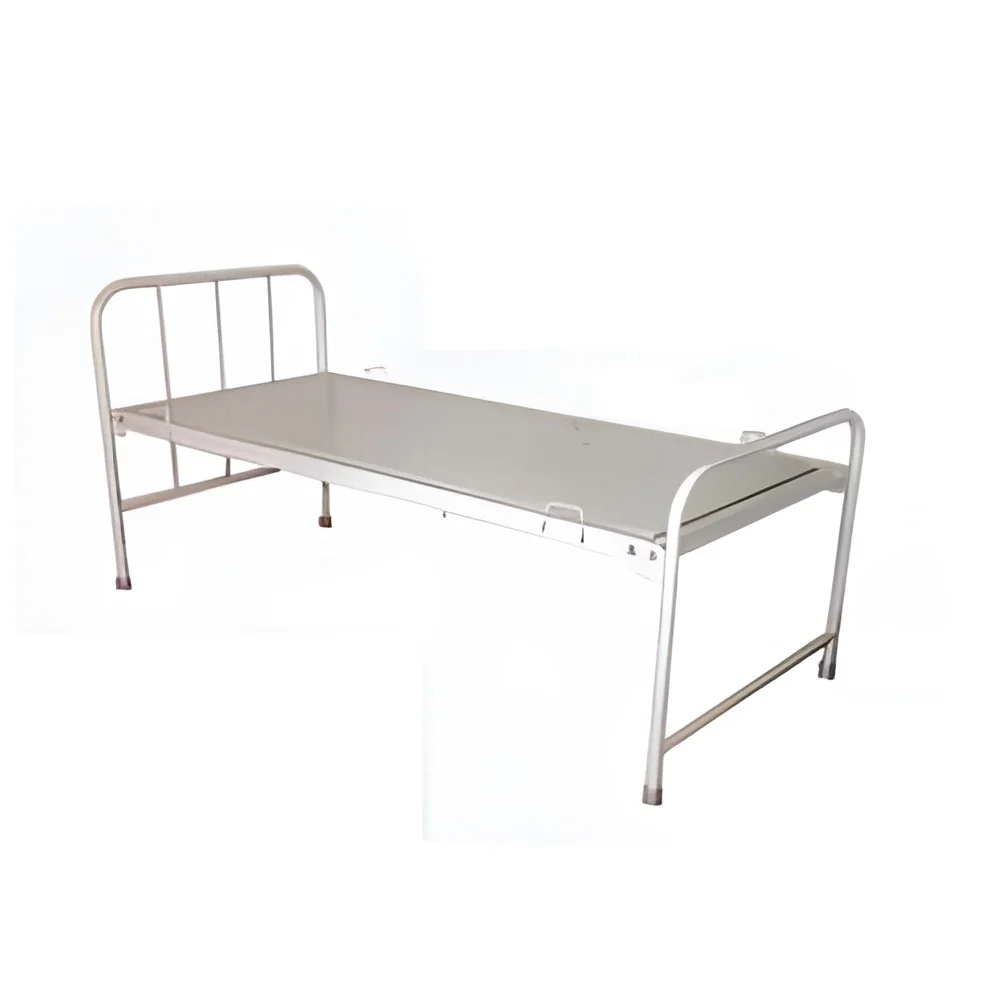
There are several types of Adjustable Hospital Beds, including manual, semi-electric, and fully electric beds. Manual beds require manual adjustment of the bed position, while semi-electric beds allow for motorized adjustments of the head and foot sections, and fully electric beds provide complete motorized control for all adjustments.
3
How do I choose the right Adjustable Hospital Beds?
Choosing the right Adjustable Hospital Bed depends on factors such as the patient's medical condition, the required features, and available space. Consider aspects like weight capacity, ease of use, and adjustability options to ensure the bed meets the specific needs of the patient and caregivers.
4
What are the standard specifications for Adjustable Hospital Beds?
Standard specifications for Adjustable Hospital Beds typically include adjustable height, head and foot sections, weight capacity, and overall dimensions. Most beds also comply with safety standards, ensuring stability and durability for patient use.
5
What is the price range for Adjustable Hospital Beds?
The price range for Adjustable Hospital Beds varies significantly based on features and specifications, typically ranging from INR 15,000 to INR 70,000. Higher-end models with advanced features may cost more, while basic models are available at lower prices.
6
What quality standards apply to Adjustable Hospital Beds?
Adjustable Hospital Beds are required to meet various quality standards, including ISO certifications and compliance with medical device regulations. These standards ensure that the beds are safe, reliable, and suitable for use in healthcare environments.
7
Where can I find Adjustable Hospital Beds suppliers in India?
You can find Adjustable Hospital Beds suppliers in India through online B2B marketplaces, medical equipment expos, and trade directories. Websites like Pepagora.com offer a comprehensive listing of manufacturers and suppliers, making it easier to source these products.
8
Can Adjustable Hospital Beds be customized?
Yes, many manufacturers offer customization options for Adjustable Hospital Beds to meet specific requirements. Custom features may include different sizes, additional support accessories, or specific adjustments based on patient needs.
9
What is the typical minimum order quantity for Adjustable Hospital Beds?
The typical minimum order quantity (MOQ) for Adjustable Hospital Beds can vary by supplier, but it usually ranges from 1 to 10 units. It's advisable to check with individual suppliers for their specific MOQ policies.
10
What is the typical lead time for Adjustable Hospital Beds?
The typical lead time for Adjustable Hospital Beds varies depending on the supplier and order size, generally ranging from 2 to 6 weeks. Factors like customization and current stock levels can also affect delivery times.
Why Businesses Trust Pepagora
Thousands of companies trust Pepagora to source smarter and sell faster
Expand Your Sales Globally
25000+Products listed.Get discovered by global buyers

 IN
IN