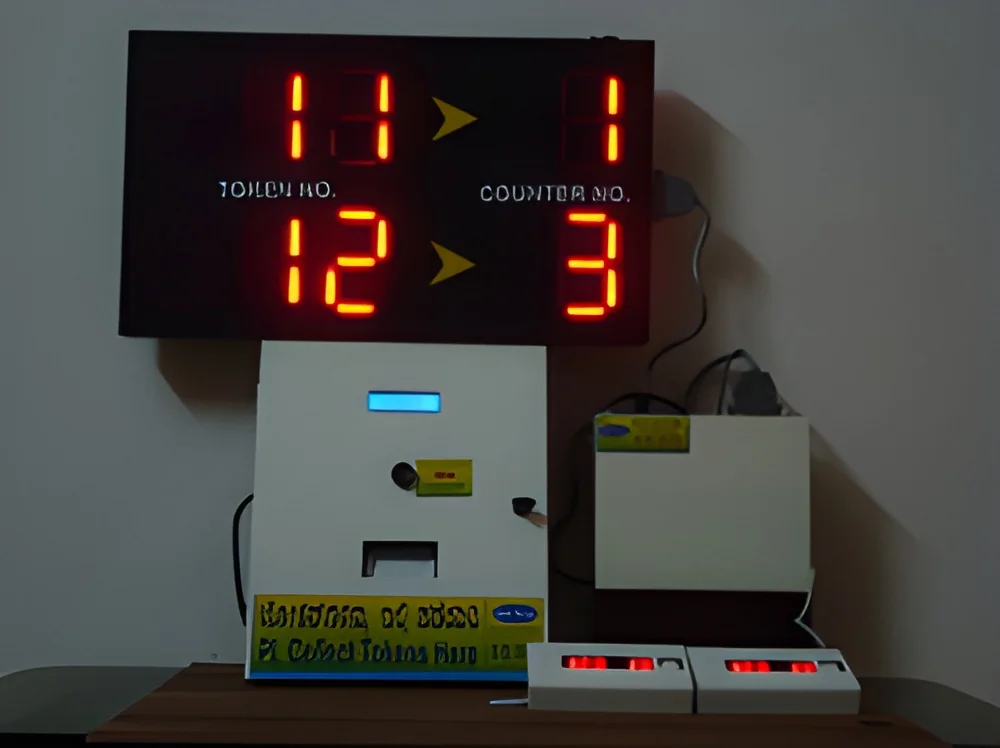
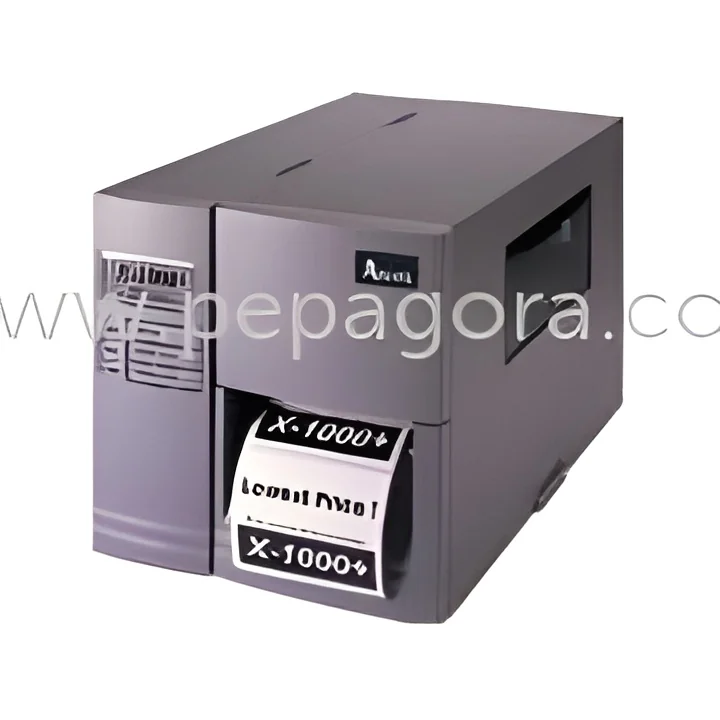
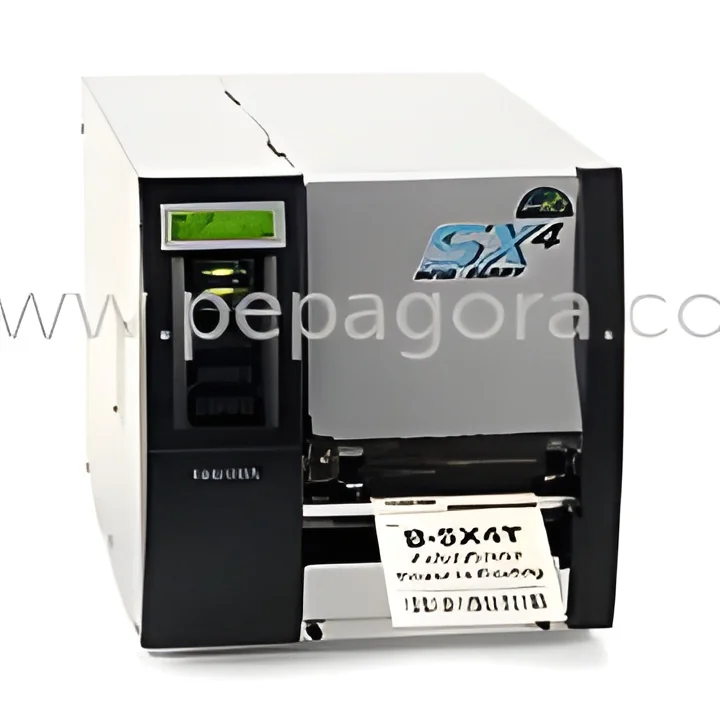
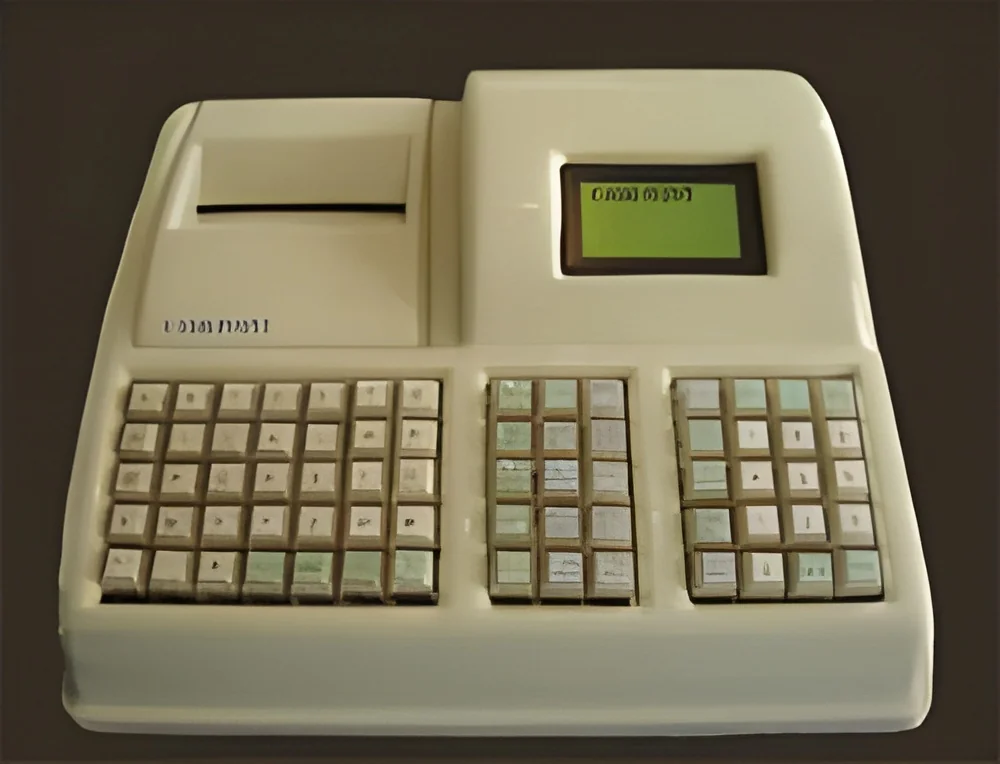
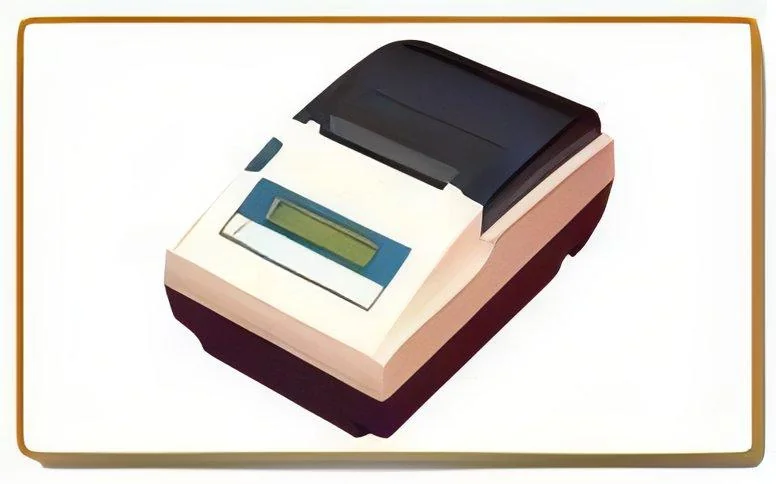
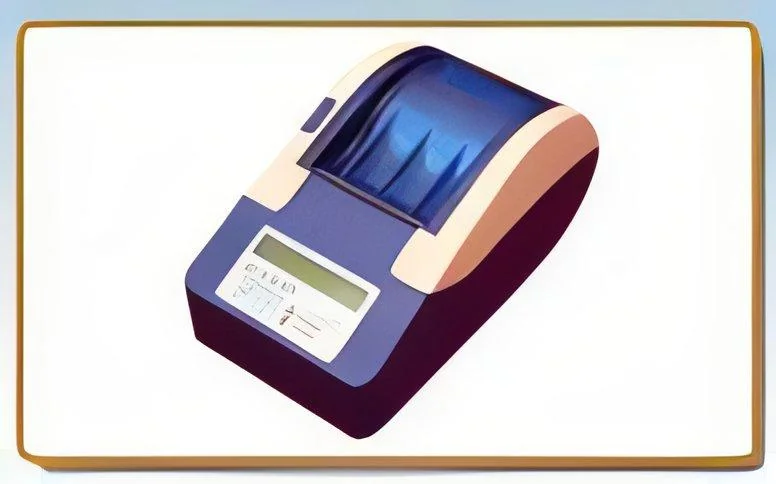
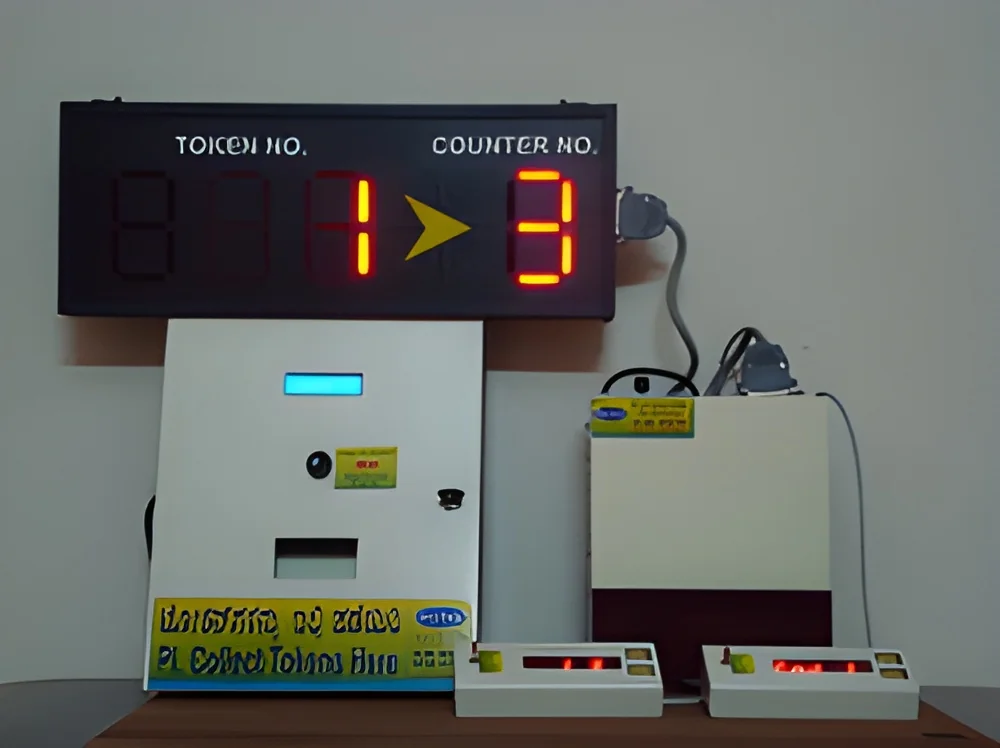
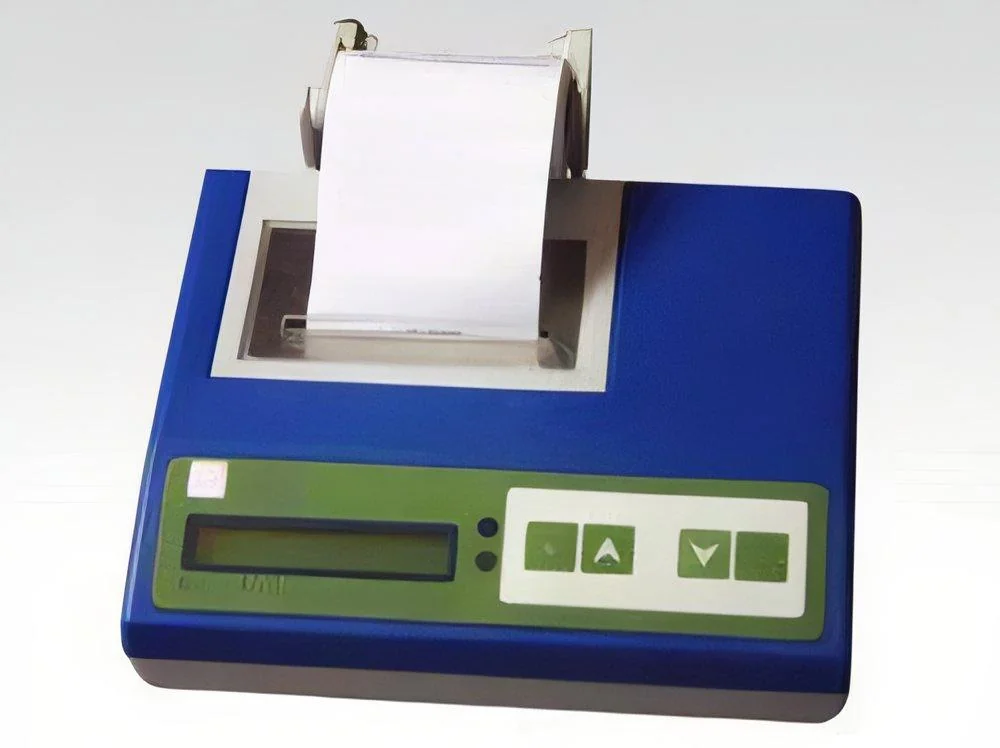
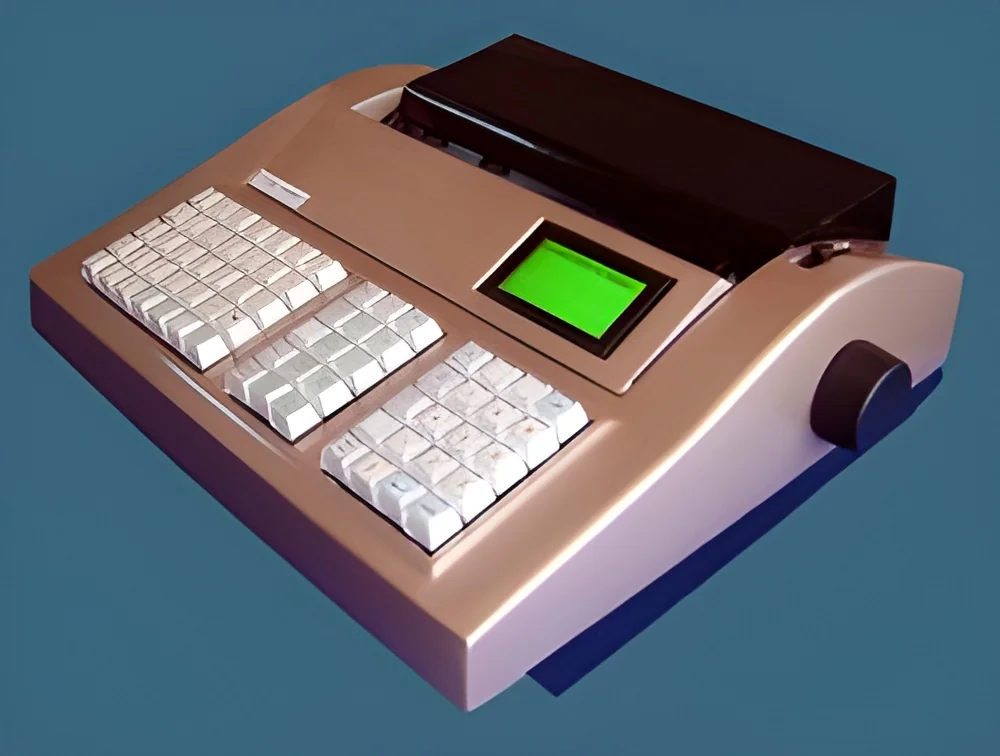
𝗪𝗵𝗮𝘁 𝗮𝗿𝗲 𝗔𝗽𝗽𝗮𝗿𝗲𝗹 𝗦𝘁𝗼𝗿𝗲 𝗣𝗢𝗦 𝗦𝘆𝘀𝘁𝗲𝗺𝘀?
Apparel Store POS Systems are specialized point-of-sale solutions tailored for retail businesses in the clothing and fashion industry. These systems streamline the sales process by integrating various functions such as inventory management, sales tracking, and customer relationship management into a single platform. With a focus on enhancing the shopping experience, these systems provide retailers with the tools needed to efficiently manage their operations and engage with customers.
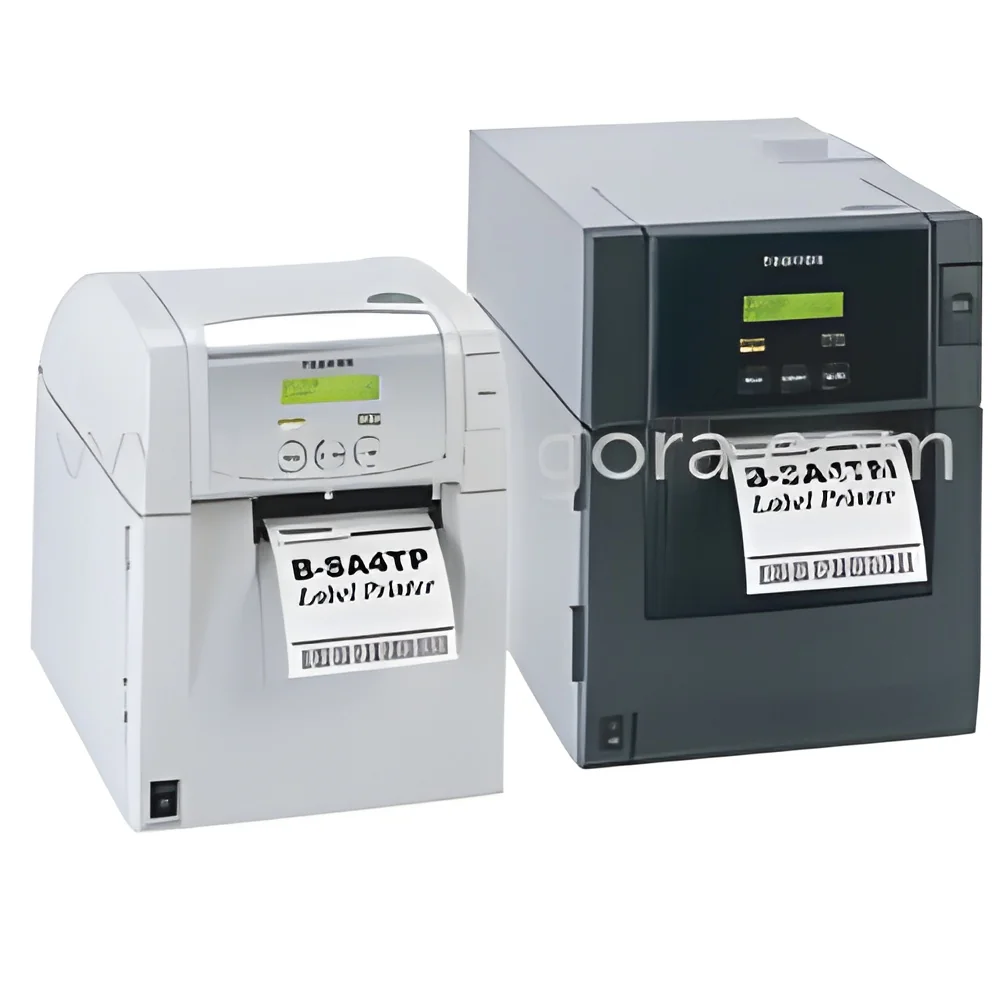
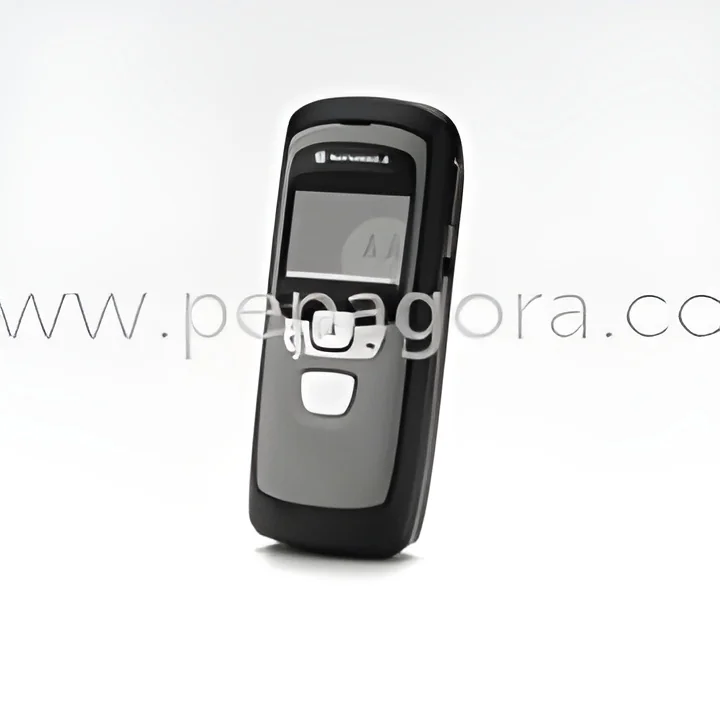
The primary uses of Apparel Store POS Systems include processing transactions, tracking inventory levels, and analyzing sales data to inform business decisions. Retailers can benefit from features such as barcode scanning, receipt printing, and sales reporting. By consolidating these functions, retailers can reduce errors, improve efficiency, and ultimately drive revenue growth. Additionally, these systems can be customized to meet the unique needs of different apparel businesses, whether they are small boutiques or large department stores.
In the current market, the relevance of Apparel Store POS Systems is underscored by the increasing shift towards digital solutions in retail. As consumer expectations evolve, retailers are leveraging technology to provide seamless shopping experiences. These systems support this transition by offering real-time data insights and automation, allowing businesses to remain competitive in a rapidly changing landscape.
𝗞𝗲𝘆 𝗙𝗲𝗮𝘁𝘂𝗿𝗲𝘀 𝗮𝗻𝗱 𝗦𝗽𝗲𝗰𝗶𝗳𝗶𝗰𝗮𝘁𝗶𝗼𝗻𝘀
Apparel Store POS Systems come with a variety of features designed to meet the specific needs of retailers. These features enhance operational efficiency and improve customer engagement. Understanding the key specifications can help businesses select the right system for their requirements.
Key specifications include:
1. User-Friendly Interface
- Designed for easy navigation and operation
- Reduces training time for new employees
2. Inventory Management
- Tracks stock levels in real-time
- Alerts for low inventory and automated reordering options
3. Sales Reporting and Analytics
- Provides detailed sales reports and trends
- Helps in making informed decisions based on data
4. Customer Management
- Maintains customer profiles and purchase histories
- Supports loyalty programs and targeted promotions
5. Payment Processing Options
- Accepts various payment methods including credit/debit cards and mobile payments
- Ensures secure transactions for customer safety
6. Integration Capabilities
- Compatible with e-commerce platforms and accounting software
- Streamlines overall business processes
7. Cloud-Based Solutions
- Offers remote access and data backup
- Reduces the need for on-site hardware
8. Technical Support and Updates
- Regular software updates for improved features
- Access to customer support for troubleshooting
Overall, Apparel Store POS Systems are equipped with essential features that cater to the modern retail environment, ensuring businesses can operate smoothly and efficiently.
𝗖𝗼𝗺𝗺𝗼𝗻 𝗔𝗽𝗽𝗹𝗶𝗰𝗮𝘁𝗶𝗼𝗻𝘀 𝗮𝗻𝗱 𝗨𝘀𝗲 𝗖𝗮𝘀𝗲𝘀
Apparel Store POS Systems serve a variety of industries beyond just retail clothing stores. Their adaptability makes them suitable for numerous applications.
1. Fashion Boutiques: These systems help small fashion boutiques manage inventory, sales, and customer relationships effectively, allowing for personalized service.
2. Department Stores: Larger department stores benefit from advanced analytics and inventory management, helping them to optimize stock levels and improve customer experience.
3. E-commerce Retailers: Online apparel businesses utilize POS systems integrated with their websites to handle transactions and manage inventory across multiple sales channels.
4. Franchise Operations: Franchises in the apparel sector use POS systems to maintain consistency in operations and branding while tracking individual store performance.
5. Rental Services: Apparel rental services can leverage POS systems to track item availability, manage customer accounts, and process rental transactions seamlessly.
6. Sporting Goods Stores: These stores can benefit from specialized features tailored to their inventory, allowing for precise stock tracking and customer management.
7. Thrift Stores: Thrift shops can utilize POS systems to efficiently process sales and manage diverse inventory, enhancing the shopping experience for customers.
𝗣𝗿𝗼𝗱𝘂𝗰𝘁 𝗩𝗮𝗿𝗶𝗮𝗻𝘁𝘀 𝗮𝗻𝗱 𝗦𝘂𝗯𝗰𝗮𝘁𝗲𝗴𝗼𝗿𝗶𝗲𝘀
Apparel Store POS Systems come in various forms to address the diverse needs of retailers. Each variant offers unique features to cater to different operational requirements.
Mobile POS Systems: These portable solutions enable sales associates to process transactions anywhere in the store, enhancing customer service and reducing wait times at checkout.
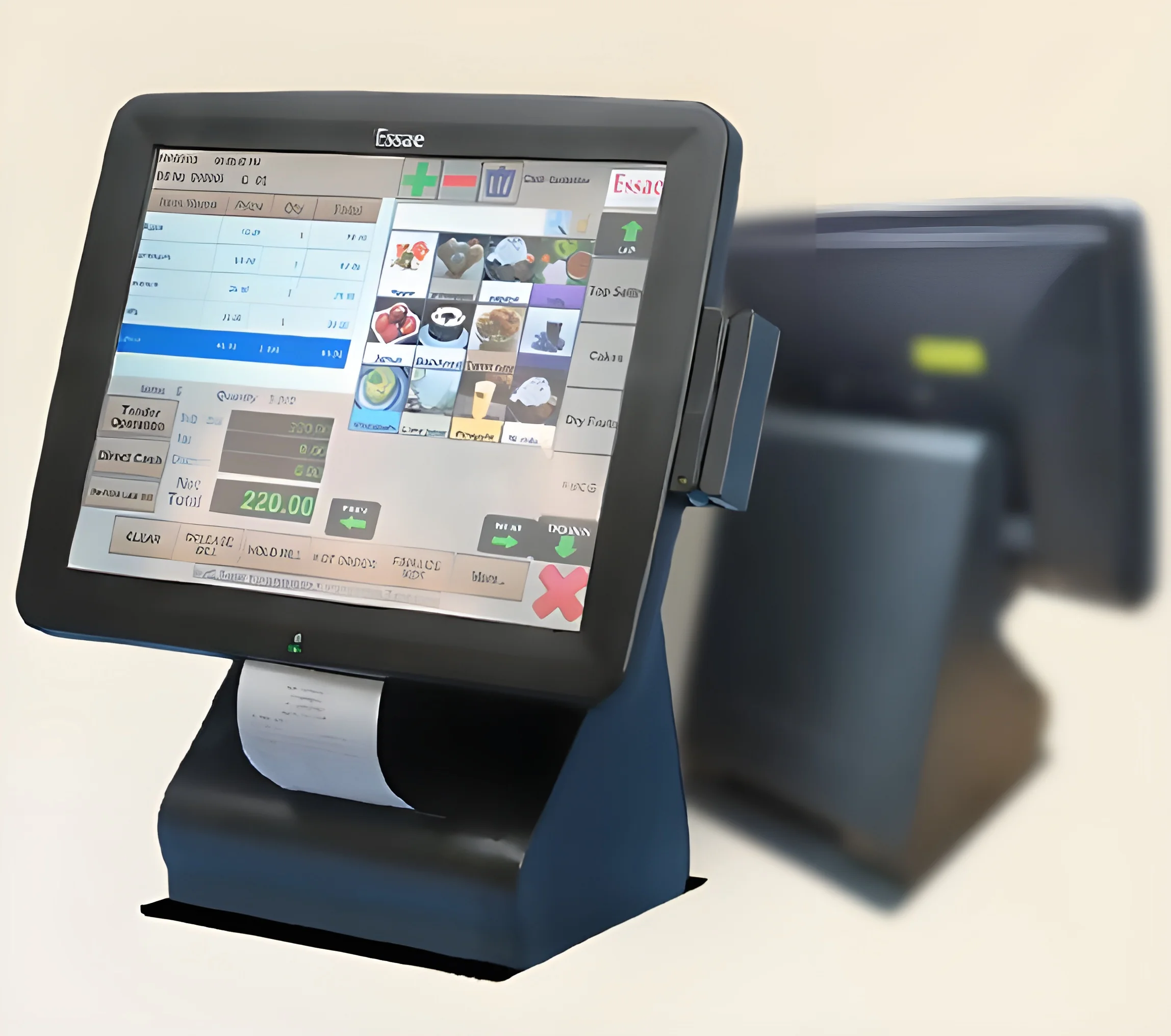
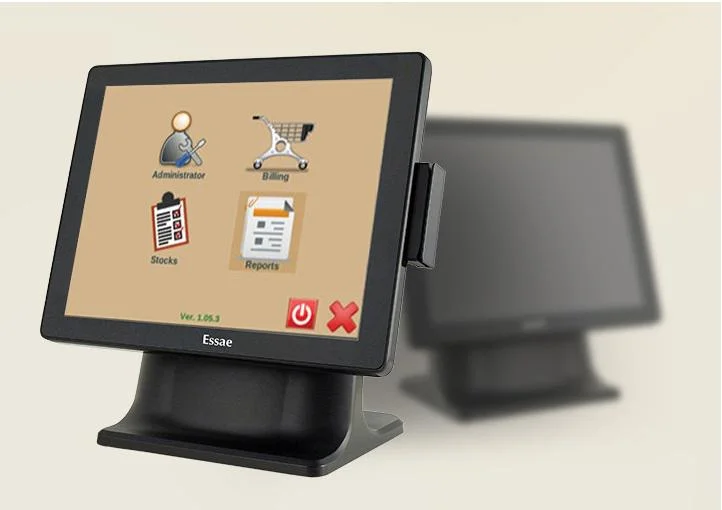
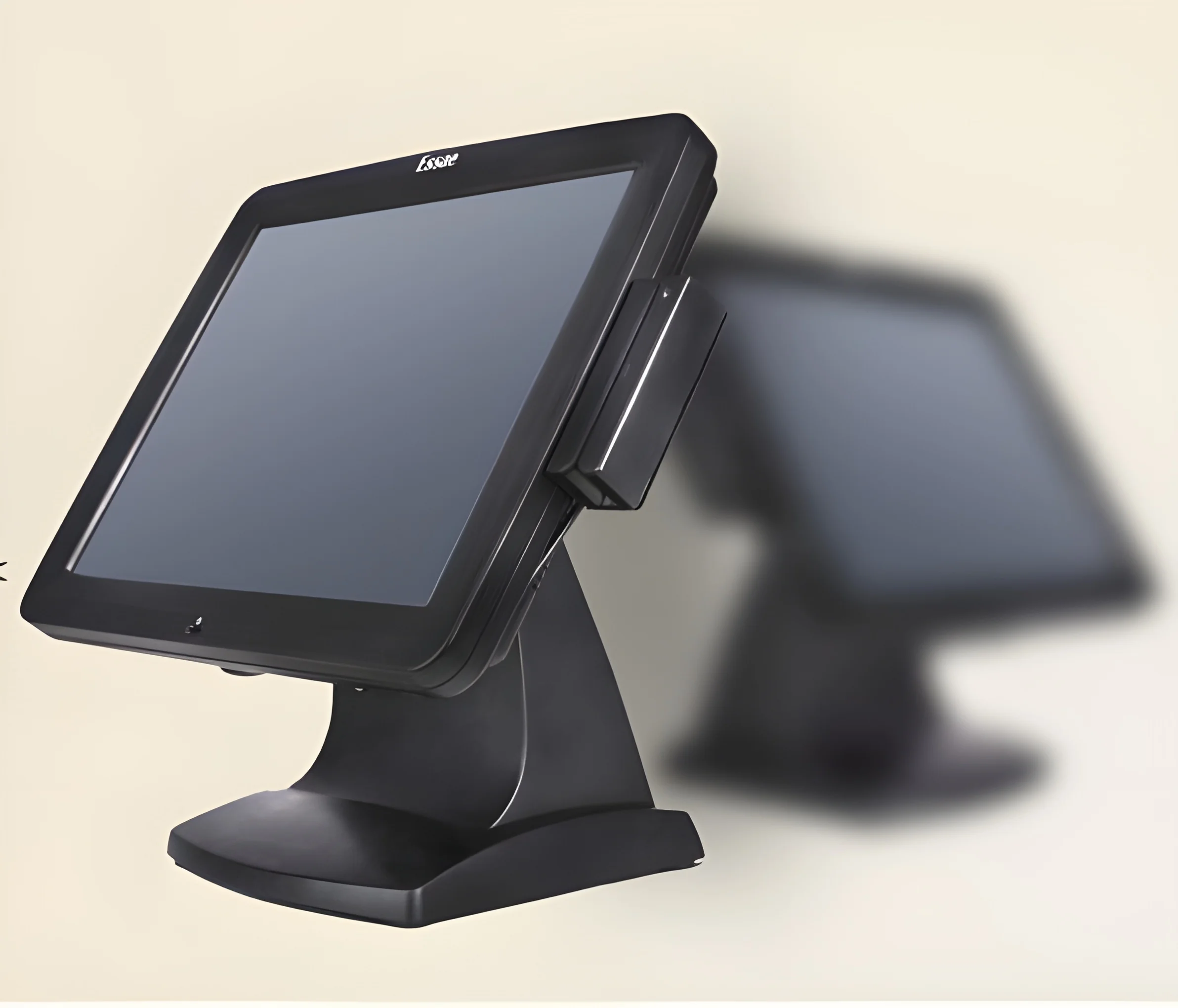
All-in-One POS Systems: Combining hardware and software in a single package, these systems provide everything needed for retail operations, including a touchscreen interface and integrated payment processing.
Cloud-Based POS Systems: Offering remote access and automatic updates, these systems ensure that retailers have the latest features without the need for extensive on-site infrastructure.
Self-Service Kiosks: These systems allow customers to browse and purchase items on their own, streamlining the checkout process and improving the shopping experience.
𝗕𝗲𝗻𝗲𝗳𝗶𝘁𝘀 𝗮𝗻𝗱 𝗔𝗱𝘃𝗮𝗻𝘁𝗮𝗴𝗲𝘀
Apparel Store POS Systems offer numerous benefits that can significantly enhance retail operations. These advantages make them an essential investment for apparel businesses.
Key benefits include:
1. Improved Efficiency: Automating sales and inventory processes reduces manual errors and saves time for staff, allowing them to focus on customer service.
2. Enhanced Customer Experience: Features like loyalty programs and personalized recommendations improve customer satisfaction and encourage repeat business.
3. Real-Time Inventory Tracking: Retailers can monitor stock levels instantly, reducing the risk of stockouts and overstock situations.
4. Data-Driven Insights: Access to sales analytics helps businesses make informed decisions about inventory management, marketing strategies, and customer engagement.
5. Flexibility and Scalability: POS systems can adapt to the changing needs of a growing business, making it easy to add features or expand operations.
6. Cost Savings: By improving operational efficiency and reducing errors, businesses can lower operational costs over time.
𝗕𝘂𝘆𝗶𝗻𝗴 𝗚𝘂𝗶𝗱𝗲 𝗳𝗼𝗿 𝗕𝟮𝗕 𝗕𝘂𝘆𝗲𝗿𝘀
When sourcing Apparel Store POS Systems, B2B buyers should consider several critical factors to ensure they choose the right solution for their business needs.
1. Quality Assessment: Evaluate the system's reliability and performance through product reviews and case studies. A system with a proven track record will minimize risks.
2. Supplier Verification: Vet suppliers by checking their credentials, customer feedback, and industry experience to ensure they are reputable and can offer support.
3. Pricing and MOQ: Understand the pricing structure and any minimum order quantities. This information is vital for budgeting and assessing overall value.
4. Delivery and Lead Times: Confirm logistics details, including delivery timelines, to ensure systems can be implemented in a timely manner.
5. Compliance Requirements: Research any regulatory needs specific to your region or industry, ensuring that the POS systems meet necessary standards.
𝗖𝗼𝗺𝗽𝗹𝗶𝗮𝗻𝗰𝗲 𝗮𝗻𝗱 𝗖𝗲𝗿𝘁𝗶𝗳𝗶𝗰𝗮𝘁𝗶𝗼𝗻𝘀
Compliance is a crucial aspect for Apparel Store POS Systems, as they must adhere to various quality standards and regulations. Relevant quality standards such as ISO 9001 ensure that systems meet international quality management criteria. This certification indicates that the system has undergone rigorous testing and adheres to best practices in manufacturing and service delivery.
Additionally, the CE certification is important for products sold in European markets, signifying compliance with health, safety, and environmental protection standards. Retailers should also be aware of safety and testing requirements specific to their region, ensuring that their systems are safe for both employees and customers.
Finally, regional compliance considerations can vary significantly. Retailers should stay informed about local regulations concerning data protection and payment processing to ensure that their POS systems operate within legal boundaries.
𝗪𝗵𝘆 𝗦𝗼𝘂𝗿𝗰𝗲 𝗔𝗽𝗽𝗮𝗿𝗲𝗹 𝗦𝘁𝗼𝗿𝗲 𝗣𝗢𝗦 𝗦𝘆𝘀𝘁𝗲𝗺𝘀 𝗳𝗿𝗼𝗺 𝗣𝗲𝗽𝗮𝗴𝗼𝗿𝗮?
Pepagora offers a trusted platform for sourcing Apparel Store POS Systems with several key advantages that cater to the needs of B2B buyers.
Verified Supplier Network: Pepagora's extensive network of verified suppliers ensures that buyers can select from reputable sources, minimizing risks associated with quality and reliability.
Streamlined RFQ Process: The platform simplifies the request for quotation process, allowing buyers to quickly compare multiple options and select the best solution for their business.
Trade Assurance and Support: Pepagora provides trade assurance, giving buyers peace of mind with protection against potential issues. Customer support is readily available to assist throughout the purchasing process.
Regional Coverage: With a focus on markets in India, the GCC, and Southeast Asia, Pepagora offers localized solutions that cater to the specific needs and preferences of businesses in these regions. This geographic reach enhances accessibility and support for B2B buyers looking for Apparel Store POS Systems.
Apparel Store POS Systems are point-of-sale solutions specifically designed for clothing and fashion retailers. They facilitate transactions, inventory management, and customer relationship management, enabling stores to operate efficiently and enhance the shopping experience.
2
What are the different types of Apparel Store POS Systems?
There are several types of Apparel Store POS Systems, including cloud-based systems, on-premise systems, and mobile POS solutions. Each type offers unique features, such as remote access or portability, catering to different business needs and operational styles.
3
How do I choose the right Apparel Store POS Systems?
To choose the right Apparel Store POS System, consider your store's size, budget, and specific operational requirements. Evaluate features such as inventory management, ease of use, integration capabilities, and customer support from suppliers.
4
What are the standard specifications for Apparel Store POS Systems?
Standard specifications for Apparel Store POS Systems typically include a user-friendly interface, compatibility with various payment methods, inventory tracking features, and reporting capabilities. Additionally, many systems offer integration with e-commerce platforms and accounting software.
5
What is the price range for Apparel Store POS Systems?
The price range for Apparel Store POS Systems can vary widely depending on features and deployment type. Generally, prices can start from a few thousand rupees for basic systems and can go up to several lakhs for advanced, feature-rich solutions.
6
What quality standards apply to Apparel Store POS Systems?
Quality standards for Apparel Store POS Systems generally include reliability, security, and user-friendliness. Systems should comply with industry regulations regarding data protection and often undergo rigorous testing to ensure performance in a retail environment.
7
Where can I find Apparel Store POS Systems suppliers in India?
You can find Apparel Store POS Systems suppliers in India through online B2B marketplaces like Pepagora, trade shows, and industry directories. Additionally, networking with other retailers can provide recommendations for reputable suppliers.
8
Can Apparel Store POS Systems be customized?
Yes, many Apparel Store POS Systems offer customization options to meet specific business needs. Customizations may include tailored features, branding elements, and integration with existing software applications.
9
What is the typical minimum order quantity for Apparel Store POS Systems?
The typical minimum order quantity (MOQ) for Apparel Store POS Systems can vary by supplier and system type. Generally, MOQs can range from one unit for standalone systems to larger quantities for bulk orders or integrated solutions.
10
What is the typical lead time for Apparel Store POS Systems?
The typical lead time for Apparel Store POS Systems can range from a few days to several weeks, depending on the supplier and customization requirements. It is advisable to confirm lead times with suppliers when placing an order to ensure timely delivery.
Why Businesses Trust Pepagora
Thousands of companies trust Pepagora to source smarter and sell faster
Expand Your Sales Globally
25000+Products listed.Get discovered by global buyers

 IN
IN