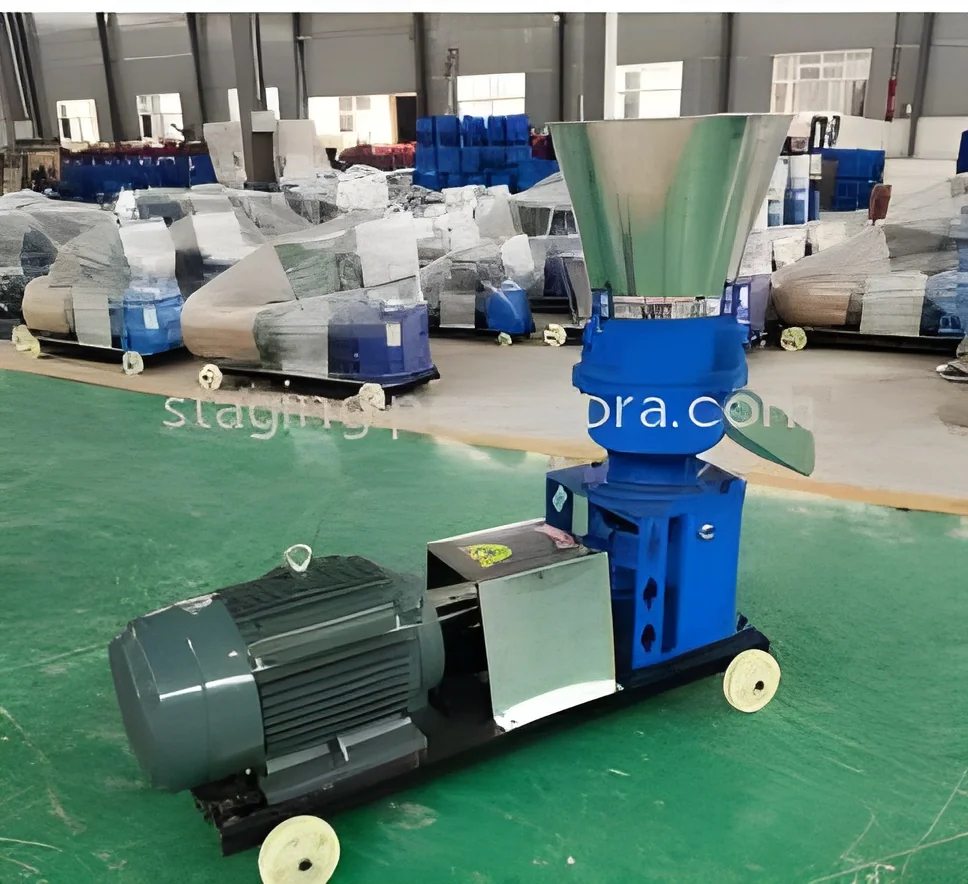
𝗪𝗵𝗮𝘁 𝗮𝗿𝗲 𝗔𝘂𝘁𝗼𝗺𝗮𝘁𝗶𝗰 𝗖𝗮𝘁𝘁𝗹𝗲 𝗙𝗲𝗲𝗱𝗲𝗿𝘀?
Automatic cattle feeders are innovative devices designed to streamline the feeding process for livestock, particularly cattle. These systems automate the distribution of feed at scheduled intervals, ensuring that animals receive the right amount of nutrition without the need for manual intervention. This technology not only saves time but also promotes consistent feeding practices, which can enhance the overall health and productivity of the herd.
The primary applications of automatic cattle feeders are found in large-scale farming operations and dairy farms. By using these feeders, farm managers can optimize feed usage, reduce waste, and maintain better control over the feeding schedule. This approach is particularly beneficial in environments where labor resources are limited or where efficiency is paramount. The relevance of automatic cattle feeders in today’s agricultural landscape is underscored by the growing demand for efficiency and productivity in livestock management.
In the context of the agricultural market, automatic cattle feeders are gaining traction as farmers look for ways to improve operational efficiency. As the industry embraces technology to enhance productivity, these feeders are becoming integral to modern farming practices, aligning with the broader trends of automation and precision agriculture.
𝗞𝗲𝘆 𝗙𝗲𝗮𝘁𝘂𝗿𝗲𝘀 𝗮𝗻𝗱 𝗦𝗽𝗲𝗰𝗶𝗳𝗶𝗰𝗮𝘁𝗶𝗼𝗻𝘀
Automatic cattle feeders come with several key features that enhance their functionality and usability. Understanding these specifications is crucial for buyers looking to invest in such systems.
Key specifications include:
1. Capacity
- Varies based on feeder size
- Commonly ranges from 100 to 1,000 kilograms
2. Feeding Mechanism
- Can include auger, conveyor, or gravity-fed systems
- Designed for specific types of feed
3. Control System
- Often equipped with programmable timers
- May allow for remote access via mobile applications
4. Material Construction
- Typically made from durable materials such as stainless steel or high-density polyethylene
- Designed to withstand harsh environmental conditions
5. Power Source
- Can be electric, solar-powered, or battery-operated
- Options available depending on farm infrastructure
6. Weight Sensors
- Some models feature weight sensors to monitor feed levels
- Provides data for optimizing feed usage
7. Design
- Ergonomic designs to facilitate easy cleaning and maintenance
- Options for customization based on farm layout
8. Safety Features
- May include emergency shut-off mechanisms
- Designed to ensure safe operation around livestock
These features contribute to the efficiency and reliability of automatic cattle feeders, making them a valuable investment for livestock operations.
𝗖𝗼𝗺𝗺𝗼𝗻 𝗔𝗽𝗽𝗹𝗶𝗰𝗮𝘁𝗶𝗼𝗻𝘀 𝗮𝗻𝗱 𝗨𝘀𝗲 𝗖𝗮𝘀𝗲𝘀
Automatic cattle feeders serve a variety of industries, enhancing efficiency and productivity in livestock management.
1. Dairy Farms: These feeders are commonly used in dairy operations to ensure that lactating cows receive a consistent supply of feed, which is essential for milk production.
2. Beef Cattle Ranches: Beef operations utilize automatic feeders to manage feed intake effectively, helping to optimize weight gain and improve feed conversion ratios.
3. Livestock Auctions: Many livestock auctions implement automatic feeding systems to maintain the health and condition of animals being sold, ensuring they are well-nourished.
4. Organic Farms: Organic cattle operations benefit from automatic feeders by ensuring that feed is distributed evenly and efficiently without manual labor.
5. Research Institutions: Agricultural research facilities may use automatic feeders in studies related to animal nutrition and feed efficiency.
6. Poultry Farms: Some feeders can be adapted for use in poultry farms, providing a similar automated feeding solution for birds.
7. Aquaculture: Although primarily designed for cattle, certain automatic feeding technologies are being adapted for aquaculture applications.
𝗣𝗿𝗼𝗱𝘂𝗰𝘁 𝗩𝗮𝗿𝗶𝗮𝗻𝘁𝘀 𝗮𝗻𝗱 𝗦𝘂𝗯𝗰𝗮𝘁𝗲𝗴𝗼𝗿𝗶𝗲𝘀
Automatic cattle feeders come in various designs and configurations to meet specific needs. Each variant may offer unique features tailored to different operational requirements.
Standard Automatic Feeders: These feeders are designed for general use and can accommodate various feed types. They are suitable for most farming operations looking for reliable feeding solutions.
Programmable Automatic Feeders: These advanced feeders allow users to program feeding schedules and quantities, offering increased flexibility. They are ideal for farms that require precise control over feed distribution.
Mobile Automatic Feeders: Designed for versatility, these feeders can be easily relocated within the farm. They are particularly useful for operations that manage multiple feeding sites.
𝗕𝗲𝗻𝗲𝗳𝗶𝘁𝘀 𝗮𝗻𝗱 𝗔𝗱𝘃𝗮𝗻𝘁𝗮𝗴𝗲𝘀
Investing in automatic cattle feeders offers several key benefits for livestock operations.
1. Labor Efficiency: These systems reduce the need for manual feeding, allowing staff to focus on other critical tasks on the farm.
2. Consistency: Automated feeding ensures that all animals receive the same amount of feed at the same time, promoting uniform growth and health.
3. Reduced Feed Waste: By accurately dispensing the right amount of feed, these feeders minimize waste, which can lead to cost savings.
4. Improved Animal Health: Regular and timely feeding can enhance the overall health of livestock, positively impacting production metrics.
5. Data Tracking: Many automatic feeders come with monitoring capabilities, allowing farmers to track feed consumption and make data-driven decisions.
6. Customization Options: Some models offer customization features to cater to specific feeding needs, ensuring that various livestock requirements are met.
𝗕𝘂𝘆𝗶𝗻𝗴 𝗚𝘂𝗶𝗱𝗲 𝗳𝗼𝗿 𝗕𝟮𝗕 𝗕𝘂𝘆𝗲𝗿𝘀
When sourcing automatic cattle feeders, it is essential to consider several important factors to ensure a successful purchase.
1. Quality Assessment: Look for feeders made from high-quality materials that can withstand the rigors of farm life. Evaluate durability and reliability through product reviews and manufacturer reputation.
2. Supplier Verification: Vet suppliers carefully to ensure they have a track record of delivering reliable products and excellent customer service. Check for certifications and customer feedback.
3. Pricing and MOQ: Understand the pricing structure and minimum order quantities (MOQ) required by suppliers. This will help you plan your budget and procurement strategy.
4. Delivery and Lead Times: Inquire about delivery schedules and lead times to ensure that the feeders arrive when needed. Timely delivery is crucial for maintaining farm operations.
5. Compliance Requirements: Be aware of any regulatory standards that the feeders must meet, including safety certifications and industry-specific requirements.
𝗖𝗼𝗺𝗽𝗹𝗶𝗮𝗻𝗰𝗲 𝗮𝗻𝗱 𝗖𝗲𝗿𝘁𝗶𝗳𝗶𝗰𝗮𝘁𝗶𝗼𝗻𝘀
Automatic cattle feeders are subject to various industry standards and certifications that ensure quality and safety. Common quality standards include ISO 9001, which governs quality management systems, and HACCP, which addresses food safety concerns.
CE certification is often required for equipment used in European markets, indicating compliance with health and safety regulations. Safety and testing requirements may vary by region, so it is essential to verify compliance specific to the area of operation.
Additionally, factors such as environmental regulations and animal welfare standards must be considered when sourcing equipment for livestock management. Buyers should ensure that their chosen suppliers meet these compliance requirements to avoid potential legal issues.
𝗪𝗵𝘆 𝗦𝗼𝘂𝗿𝗰𝗲 𝗔𝘂𝘁𝗼𝗺𝗮𝘁𝗶𝗰 𝗖𝗮𝘁𝘁𝗹𝗲 𝗙𝗲𝗲𝗱𝗲𝗿𝘀 𝗳𝗿𝗼𝗺 𝗣𝗲𝗽𝗮𝗴𝗼𝗿𝗮?
Pepagora provides a trusted platform for sourcing automatic cattle feeders, offering numerous advantages to B2B buyers.
Verified Supplier Network: Pepagora maintains a network of vetted suppliers, ensuring that buyers can access high-quality products from reliable manufacturers. This reduces the risk associated with sourcing equipment.
Streamlined RFQ Process: The platform features an efficient request for quotation (RFQ) process, allowing buyers to compare multiple suppliers quickly. This simplifies decision-making and helps secure the best deals.
Trade Assurance and Support: Buyers benefit from trade assurance, which protects their purchases and provides support throughout the transaction process. This added layer of security fosters confidence in sourcing decisions.
Regional Coverage: Pepagora has a broad geographic reach, serving customers in India, the GCC, and Southeast Asia. This wide coverage ensures that buyers can find suppliers that meet their specific regional needs and preferences.
Automatic cattle feeders are mechanized systems designed to dispense feed to livestock at predetermined intervals. These feeders help ensure that animals receive the right amount of nutrition without manual intervention, improving efficiency in feeding operations.
2
What are the different types of Automatic Cattle Feeders?
There are several types of automatic cattle feeders, including electronic feeders, pneumatic feeders, and gravity-fed systems. Each type varies in terms of operation, capacity, and suitability for different herd sizes and feeding requirements.
3
How do I choose the right Automatic Cattle Feeders?
When selecting automatic cattle feeders, consider factors such as herd size, feeding frequency, and the type of feed used. It's also important to assess the durability and maintenance needs of the feeder to ensure it meets your operational demands.
4
What are the standard specifications for Automatic Cattle Feeders?
Standard specifications for automatic cattle feeders typically include feed capacity, power requirements, and material construction. Additionally, features such as programmable feeding schedules, ease of cleaning, and safety mechanisms may also be specified.
5
What is the price range for Automatic Cattle Feeders?
The price range for automatic cattle feeders can vary significantly based on type and features, typically ranging from INR 20,000 to INR 1,50,000. Factors such as brand reputation and additional functionalities can also affect pricing.
6
What quality standards apply to Automatic Cattle Feeders?
Automatic cattle feeders are generally required to meet industry-specific quality standards, which may include safety certifications and material quality specifications. Compliance with national and international standards is essential for ensuring reliability and performance.
7
Where can I find Automatic Cattle Feeders suppliers in India?
You can find suppliers of automatic cattle feeders in India through online B2B marketplaces like Pepagora and local agricultural equipment stores. Additionally, attending agricultural fairs and exhibitions may provide opportunities to connect with manufacturers and distributors.
8
Can Automatic Cattle Feeders be customized?
Yes, many manufacturers offer customization options for automatic cattle feeders to meet specific operational needs. Customizations may include adjustments in size, feed type compatibility, and additional features like remote monitoring.
9
What is the typical minimum order quantity for Automatic Cattle Feeders?
The typical minimum order quantity (MOQ) for automatic cattle feeders can vary by supplier but is generally around 5 to 10 units. Larger orders may be eligible for bulk pricing discounts.
10
What is the typical lead time for Automatic Cattle Feeders?
The typical lead time for automatic cattle feeders can range from 2 to 6 weeks, depending on the supplier and whether the feeders are standard or customized. It's advisable to confirm lead times during the ordering process to ensure timely delivery.
Why Businesses Trust Pepagora
Thousands of companies trust Pepagora to source smarter and sell faster
Expand Your Sales Globally
25000+Products listed.Get discovered by global buyers

 IN
IN