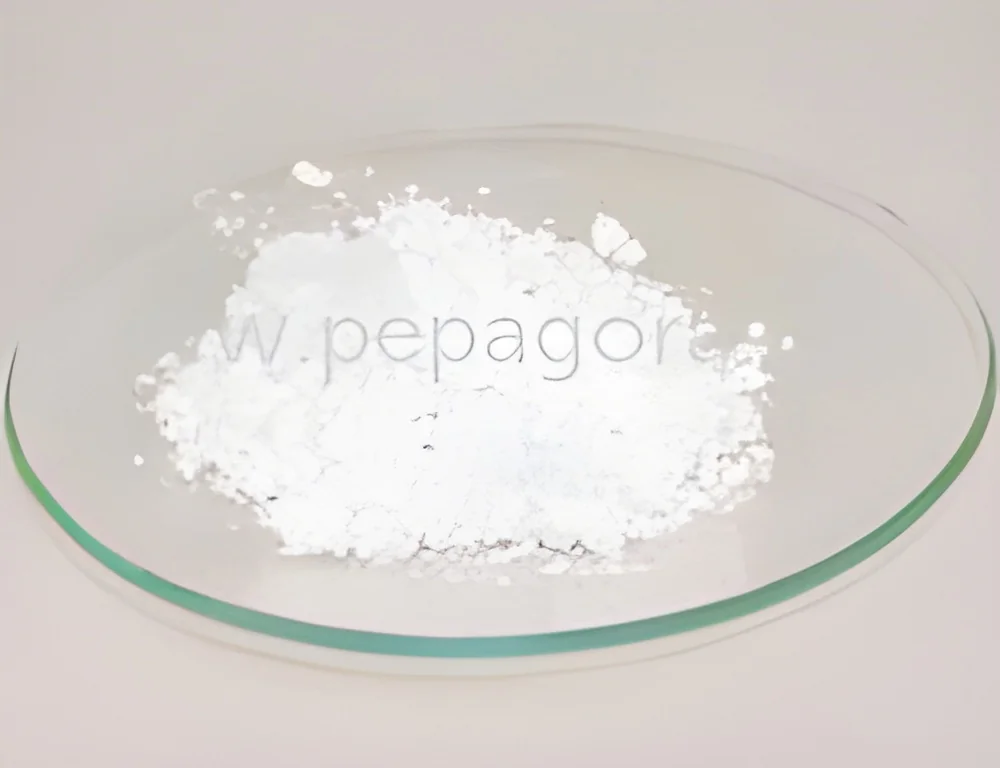
𝗪𝗵𝗮𝘁 𝗮𝗿𝗲 𝗕𝗮𝗿𝗶𝘂𝗺 𝗖𝗮𝗿𝗯𝗼𝗻𝗮𝘁𝗲?
Barium Carbonate is a white crystalline compound with the chemical formula BaCO3. It is primarily used in various industrial applications due to its unique properties. Barium Carbonate is insoluble in water and can be produced through several methods, including the reaction of barium hydroxide with carbon dioxide or the reaction of barium sulfide with sodium carbonate. Its stable nature and low solubility make it a valuable material in various manufacturing processes.
The primary uses of Barium Carbonate encompass multiple industries, including glass manufacturing, ceramics, and chemicals. In glass production, it acts as a flux, lowering the melting temperature of silica and improving the clarity and durability of the glass. In ceramics, it is employed as a glaze and helps enhance the strength and aesthetic qualities of ceramic products. Additionally, Barium Carbonate serves as a precursor for producing other barium compounds, which are essential in various chemical processes. As industries continue to evolve, the demand for Barium Carbonate remains relevant in the context of growing manufacturing needs.
𝗞𝗲𝘆 𝗙𝗲𝗮𝘁𝘂𝗿𝗲𝘀 𝗮𝗻𝗱 𝗦𝗽𝗲𝗰𝗶𝗳𝗶𝗰𝗮𝘁𝗶𝗼𝗻𝘀
Barium Carbonate possesses several key features that make it suitable for industrial applications. Its chemical stability, low solubility, and high purity are vital for ensuring consistent performance across various manufacturing processes.
Key specifications include:
1. Purity
- Typically above 99%
- Ensures high-quality output in applications
2. Appearance
- White crystalline powder
- Uniform particle size for consistent performance
3. Moisture Content
- Low moisture levels
- Important for storage and handling
4. Particle Size Distribution
- Typically ranges from 100 to 200 mesh
- Ensures effective mixing and application
5. Chemical Composition
- Contains barium and carbonate ions
- Specific ratios are essential for various applications
6. Bulk Density
- Generally around 1.5 to 2.0 g/cm³
- Important for storage and logistics
7. Solubility
- Insoluble in water
- Contributes to its effectiveness in glass and ceramic applications
8. Melting Point
- Approximately 1800°C
- High melting point makes it suitable for high-temperature applications
In summary, Barium Carbonate's unique features and specifications make it indispensable for various industrial applications, ensuring quality and efficiency in production processes.
𝗖𝗼𝗺𝗺𝗼𝗻 𝗔𝗽𝗽𝗹𝗶𝗰𝗮𝘁𝗶𝗼𝗻𝘀 𝗮𝗻𝗱 𝗨𝘀𝗲 𝗖𝗮𝘀𝗲𝘀
Barium Carbonate serves various industries, each benefiting from its unique properties.
1. Glass Manufacturing: Barium Carbonate is used as a flux in glass production, enhancing clarity and reducing melting temperatures, which improves energy efficiency.
2. Ceramics: In the ceramics industry, it is employed as a glaze component, providing strength and aesthetic qualities to ceramic products like tiles and tableware.
3. Chemicals Production: Barium Carbonate acts as a precursor for producing other barium compounds, which are vital in the manufacturing of pigments, plastics, and pharmaceuticals.
4. Electronics: It is used in the production of certain types of electronic components, including capacitors, due to its dielectric properties.
5. Oil and Gas: Barium Carbonate finds applications in the oil and gas industry as a drilling fluid additive, helping to control fluid density and prevent formation damage.
6. Environmental Applications: It is utilized in wastewater treatment processes to remove sulfate ions, contributing to environmental protection efforts.
7. Agriculture: Barium Carbonate is used in some fertilizer formulations, providing essential nutrients for crop growth.
𝗣𝗿𝗼𝗱𝘂𝗰𝘁 𝗩𝗮𝗿𝗶𝗮𝗻𝘁𝘀 𝗮𝗻𝗱 𝗦𝘂𝗯𝗰𝗮𝘁𝗲𝗴𝗼𝗿𝗶𝗲𝘀
Barium Carbonate is available in various forms to cater to different industrial needs.
Granular Barium Carbonate: This variant is designed for applications requiring bulk handling. Its larger particle size facilitates easy transportation and mixing in manufacturing processes.
Powdered Barium Carbonate: This fine variant is suitable for applications that require a high surface area, such as in ceramics and glass production. Its uniform particle size ensures consistent performance.
Coated Barium Carbonate: This variant is treated to enhance its properties, such as improved moisture resistance. It is often used in specialized applications where specific performance criteria are necessary.
𝗕𝗲𝗻𝗲𝗳𝗶𝘁𝘀 𝗮𝗻𝗱 𝗔𝗱𝘃𝗮𝗻𝘁𝗮𝗴𝗲𝘀
Barium Carbonate offers several benefits that make it a preferred choice for many industries.
1. High Purity: The high purity levels ensure that the end products meet stringent quality standards, reducing the risk of contamination.
2. Versatility: Its wide range of applications across multiple industries highlights its adaptability to various manufacturing processes.
3. Cost-Effective: Barium Carbonate's ability to improve production efficiency helps reduce overall manufacturing costs, making it an economically viable option.
4. Enhanced Performance: It improves the physical properties of final products, such as strength and durability, leading to better performance in end-use applications.
5. Environmental Compliance: The use of Barium Carbonate in certain applications supports environmental regulations by providing safer alternatives in manufacturing processes.
6. Reliable Supply: Established suppliers ensure a steady supply of Barium Carbonate, allowing businesses to maintain consistent production schedules.
𝗕𝘂𝘆𝗶𝗻𝗴 𝗚𝘂𝗶𝗱𝗲 𝗳𝗼𝗿 𝗕𝟮𝗕 𝗕𝘂𝘆𝗲𝗿𝘀
When sourcing Barium Carbonate, it is essential for B2B buyers to consider several factors to ensure they make informed decisions.
1. Quality Assessment: Buyers should evaluate the purity and consistency of Barium Carbonate to ensure it meets their specific application requirements. This can involve requesting certificates of analysis.
2. Supplier Verification: It is crucial to vet suppliers for reliability and reputation in the market. Buyers should look for reviews, certifications, and past client experiences to establish trust.
3. Pricing and MOQ: Understanding the pricing structure and minimum order quantities is vital for budget planning. Buyers should compare quotes from different suppliers to ensure competitive pricing.
4. Delivery and Lead Times: Assessing delivery schedules and lead times is important for maintaining production timelines. Buyers should communicate their needs clearly to ensure timely supply.
5. Compliance Requirements: Buyers must ensure that the Barium Carbonate meets all regulatory standards, including safety and environmental regulations, to avoid compliance issues.
𝗖𝗼𝗺𝗽𝗹𝗶𝗮𝗻𝗰𝗲 𝗮𝗻𝗱 𝗖𝗲𝗿𝘁𝗶𝗳𝗶𝗰𝗮𝘁𝗶𝗼𝗻𝘀
Barium Carbonate must meet various compliance and certification standards to be suitable for industrial applications. Key quality standards include ISO 9001, which ensures a consistent quality management system, and CE certification, indicating compliance with EU safety, health, and environmental protection standards.
Safety and testing requirements are essential to ensure that Barium Carbonate is handled and utilized safely in industrial settings. Proper labeling, handling procedures, and Material Safety Data Sheets (MSDS) should be provided by suppliers.
Regionally, compliance considerations may vary, so it is vital for buyers to be aware of specific regulations in their operational regions. This ensures that Barium Carbonate is sourced and used in accordance with local laws and standards.
𝗪𝗵𝘆 𝗦𝗼𝘂𝗿𝗰𝗲 𝗕𝗮𝗿𝗶𝘂𝗺 𝗖𝗮𝗿𝗯𝗼𝗻𝗮𝘁𝗲 𝗳𝗿𝗼𝗺 𝗣𝗲𝗽𝗮𝗴𝗼𝗿𝗮?
Pepagora provides a trusted platform for sourcing Barium Carbonate with several key advantages.
Verified Supplier Network: Pepagora connects buyers with a network of verified suppliers, ensuring that they can source high-quality Barium Carbonate from reputable manufacturers. This network facilitates trust and reliability in sourcing.
Streamlined RFQ Process: The platform offers a straightforward request for quotation (RFQ) system, allowing buyers to efficiently compare prices and specifications from multiple suppliers. This process saves time and enhances decision-making.
Trade Assurance and Support: Pepagora provides buyer protection through trade assurance, ensuring that transactions are secure and that buyers receive the products as promised. Additionally, customer support is available to assist with any concerns or inquiries.
Regional Coverage: Pepagora's geographic reach spans India, the GCC, and Southeast Asia, making it a convenient platform for businesses looking to source Barium Carbonate across different markets. This regional coverage helps buyers find local suppliers, reducing shipping costs and lead times.
Barium Carbonate (BaCO<sub>3</sub>) is a white crystalline compound that occurs naturally as the mineral witherite. It is commonly used in various industrial applications, including ceramics, glass, and as a precursor for barium chemicals.
2
What are the different types of Barium Carbonate?
Barium Carbonate can be categorized into two main types: technical grade and reagent grade. Technical grade is used primarily in industrial applications, while reagent grade is purer and utilized for laboratory purposes.
3
How do I choose the right Barium Carbonate?
Choosing the right Barium Carbonate involves considering factors such as the intended application, purity level, and specific industry requirements. It is advisable to consult with suppliers to select a product that meets your needs.
4
What are the standard specifications for Barium Carbonate?
Standard specifications for Barium Carbonate typically include purity levels (often above 98%), moisture content, and particle size distribution. Specific requirements may vary depending on its intended use.
5
What is the price range for Barium Carbonate?
The price range for Barium Carbonate can vary based on factors such as purity, quantity, and supplier. Generally, prices may range from INR 30 to INR 150 per kilogram, but it is advisable to check quotes from multiple suppliers.
6
What quality standards apply to Barium Carbonate?
Quality standards for Barium Carbonate often include compliance with specifications set by organizations such as ASTM or ISO. Suppliers should provide certificates of analysis to confirm the quality and purity of their products.
7
Where can I find Barium Carbonate suppliers in India?
Barium Carbonate suppliers in India can be found through various online B2B marketplaces, industry directories, and trade shows. Websites like Pepagora.com offer a platform to connect with reputable manufacturers and suppliers.
8
Can Barium Carbonate be customized?
Yes, Barium Carbonate can be customized in terms of particle size and packaging based on customer requirements. It is advisable to discuss customization options with suppliers to ensure the product meets specific needs.
9
What is the typical minimum order quantity for Barium Carbonate?
The typical minimum order quantity (MOQ) for Barium Carbonate can vary significantly among suppliers, but it generally ranges from 100 kg to 500 kg. Buyers should confirm MOQs directly with their chosen supplier.
10
What is the typical lead time for Barium Carbonate?
The typical lead time for Barium Carbonate orders can range from 1 to 4 weeks, depending on the supplier's inventory and the order size. It is advisable to check with the supplier for specific lead times related to your order.
Why Businesses Trust Pepagora
Thousands of companies trust Pepagora to source smarter and sell faster
Expand Your Sales Globally
25000+Products listed.Get discovered by global buyers

 IN
IN