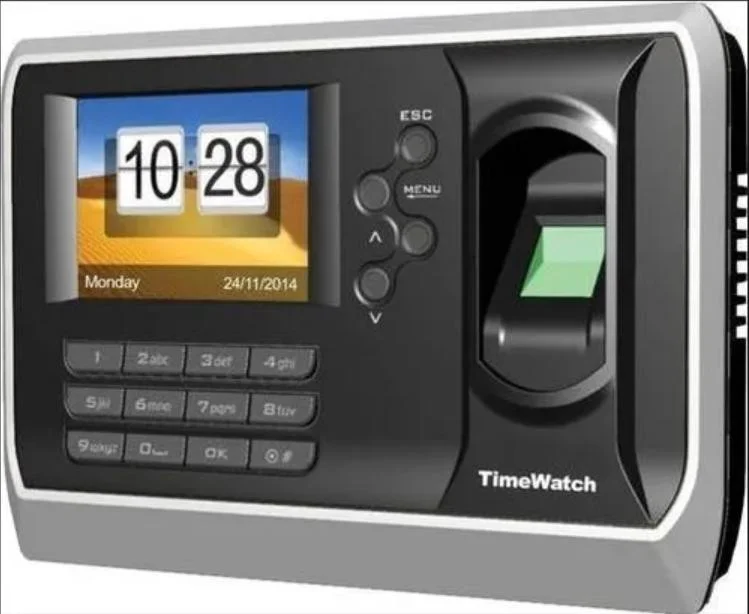
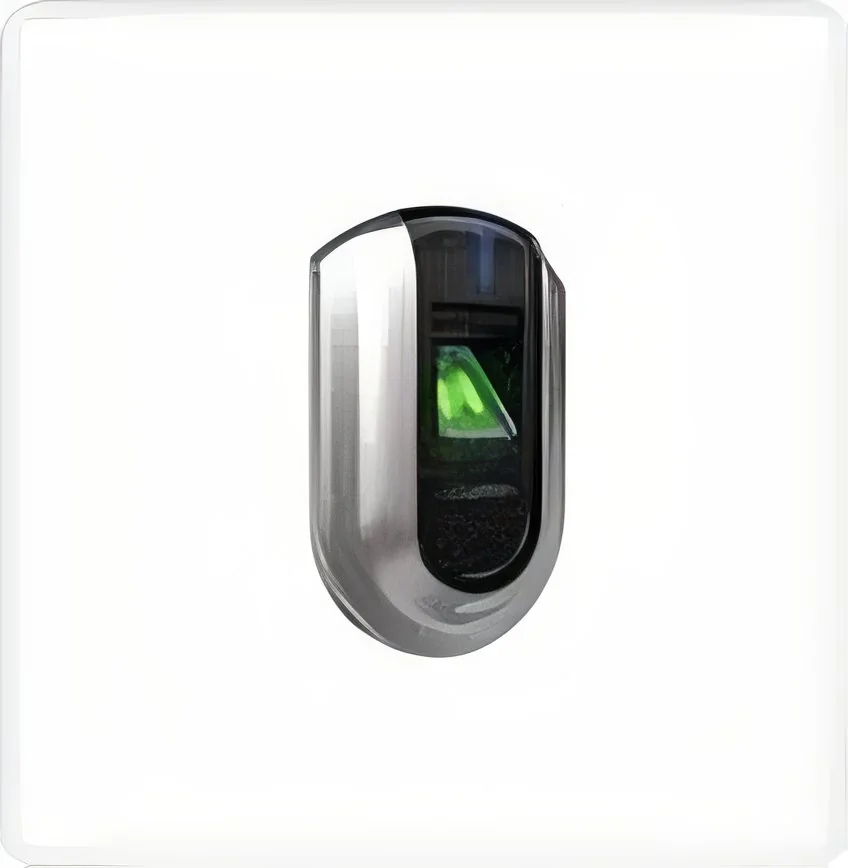
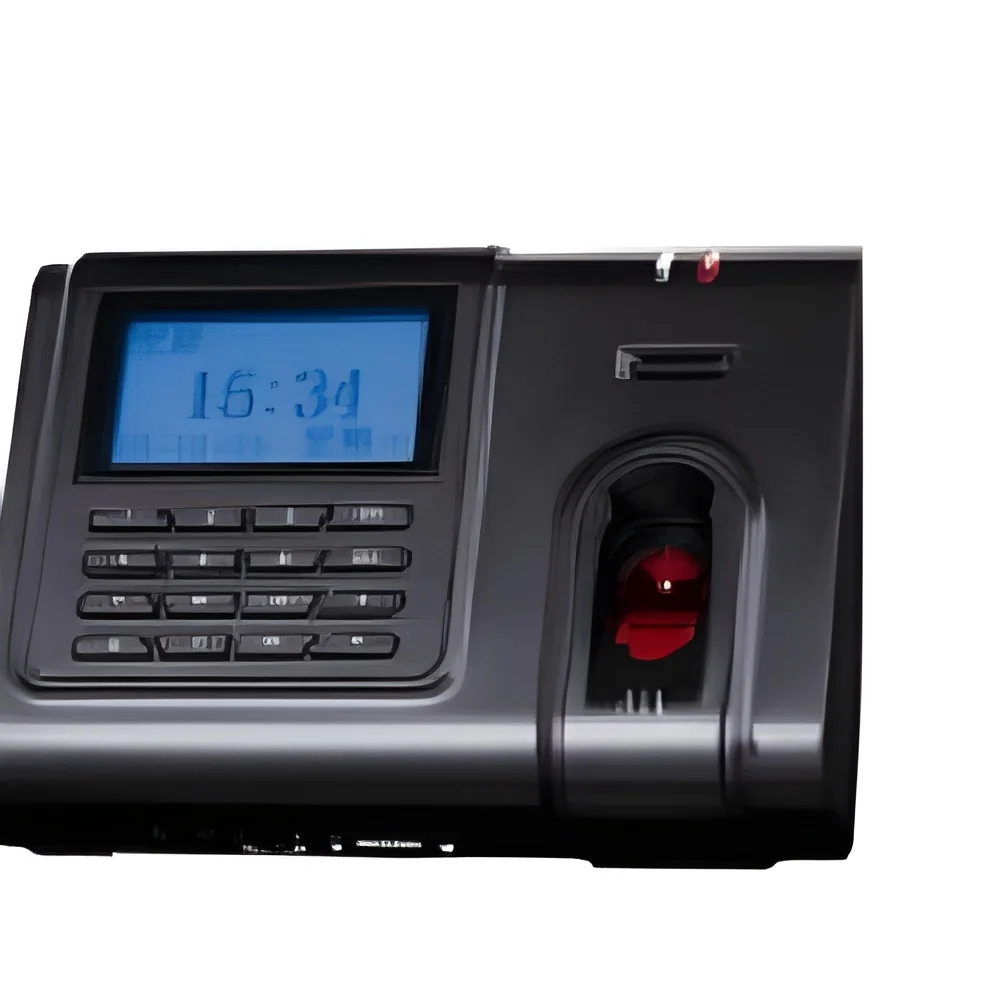
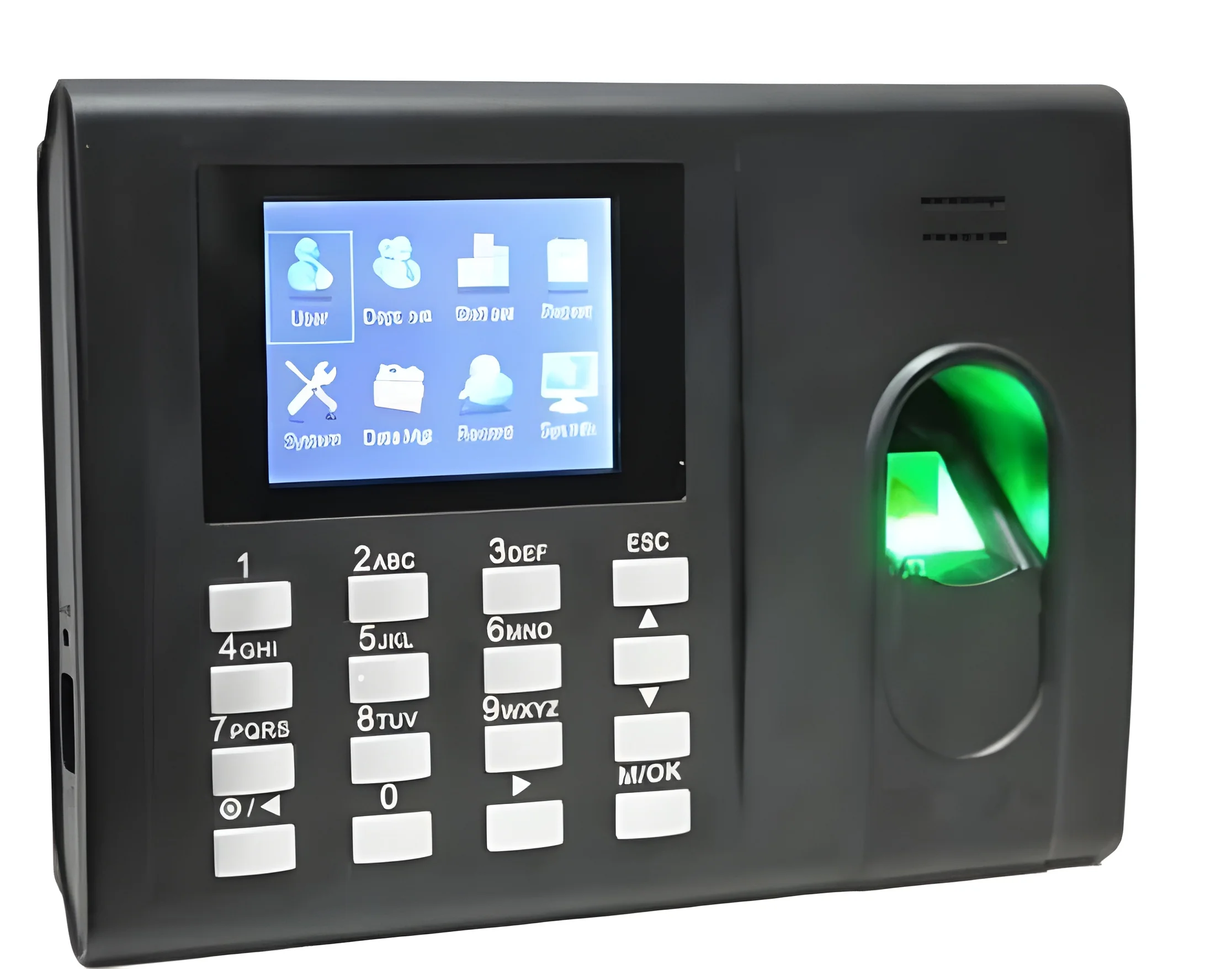
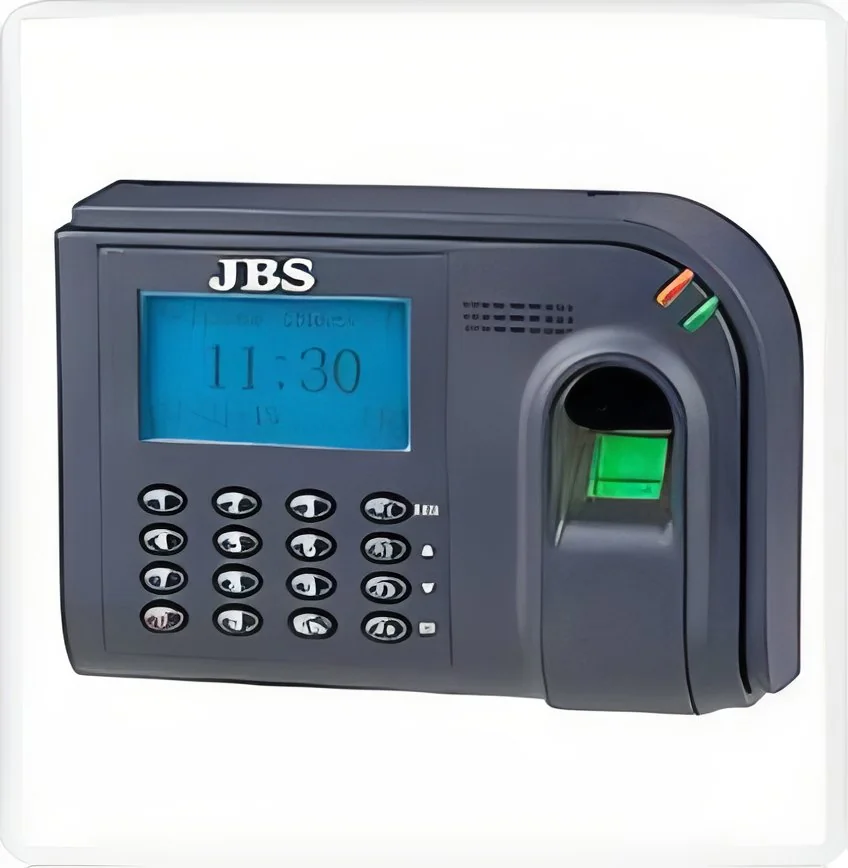
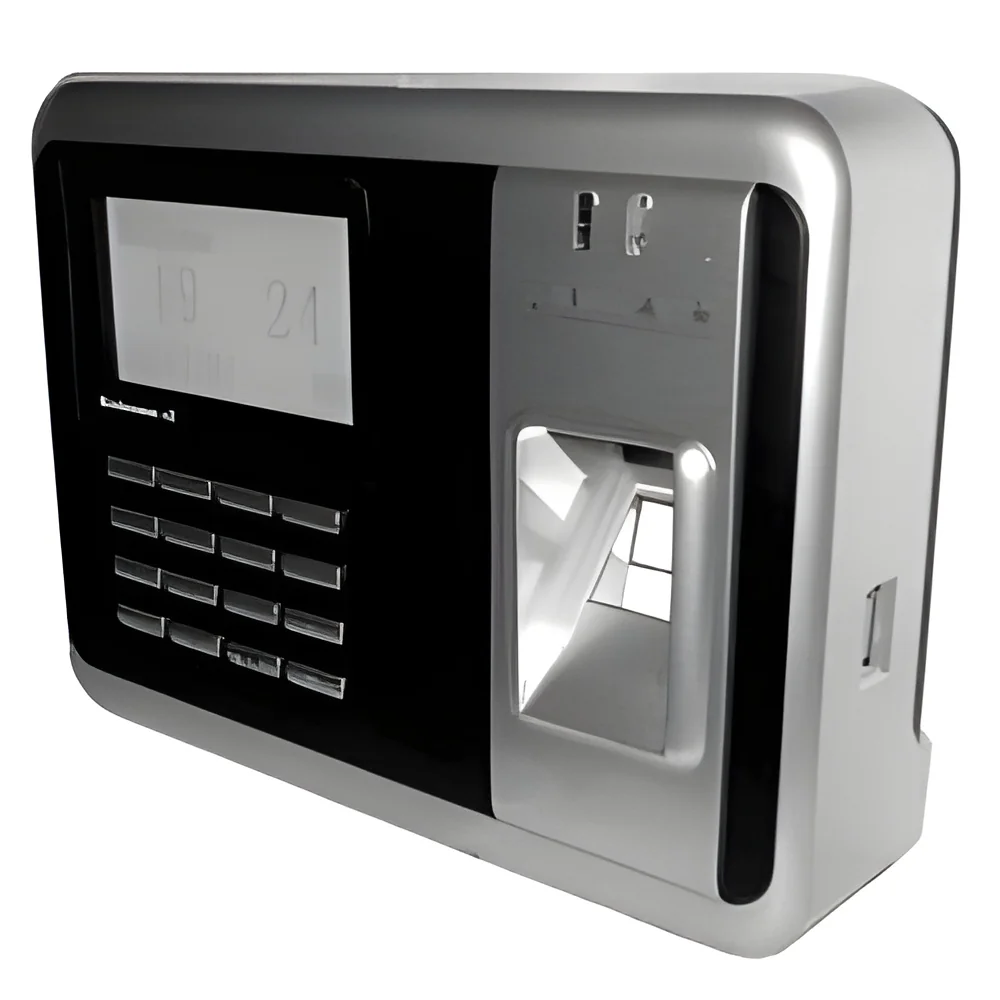
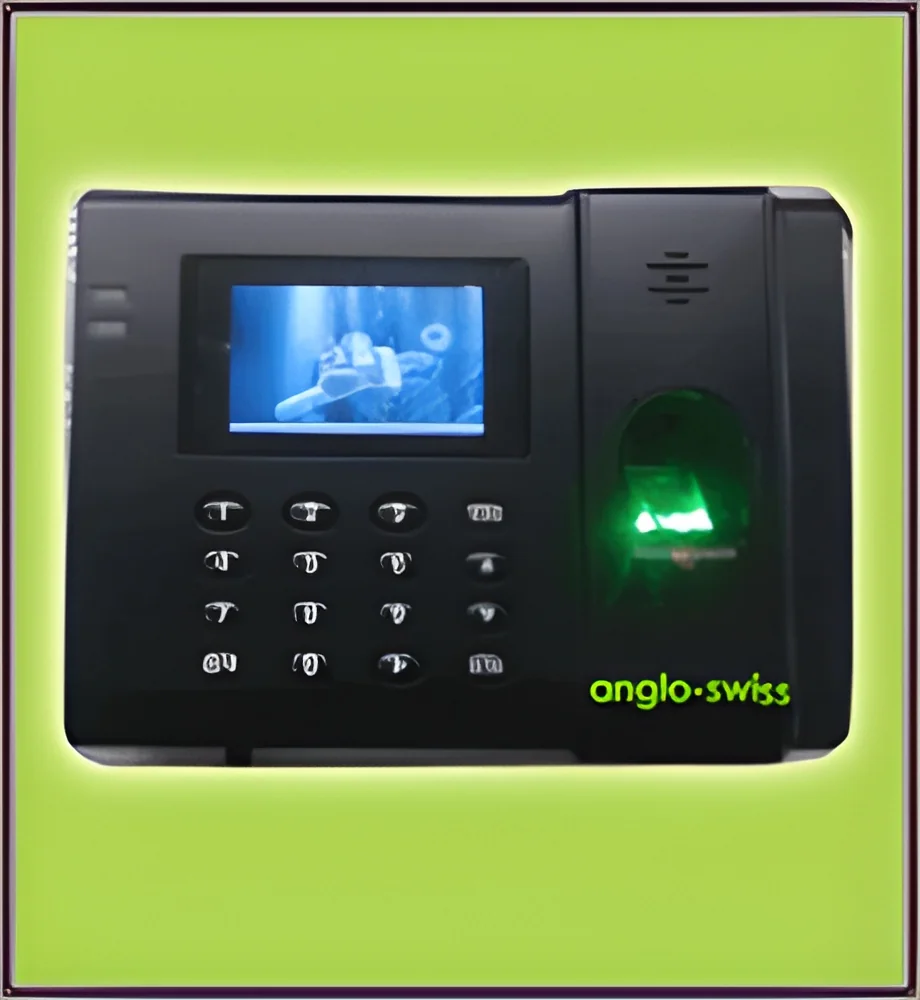
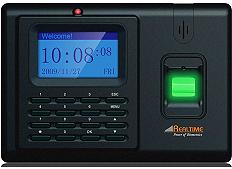
𝗪𝗵𝗮𝘁 𝗮𝗿𝗲 𝗕𝗶𝗼𝗺𝗲𝘁𝗿𝗶𝗰 𝗔𝘁𝘁𝗲𝗻𝗱𝗮𝗻𝗰𝗲 𝗗𝗲𝘃𝗶𝗰𝗲𝘀?
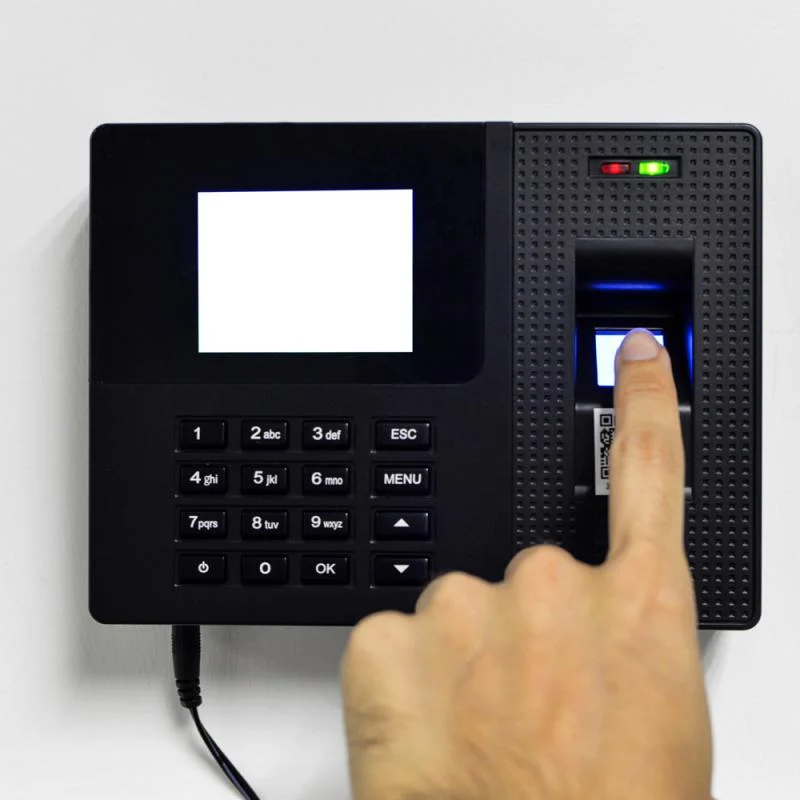
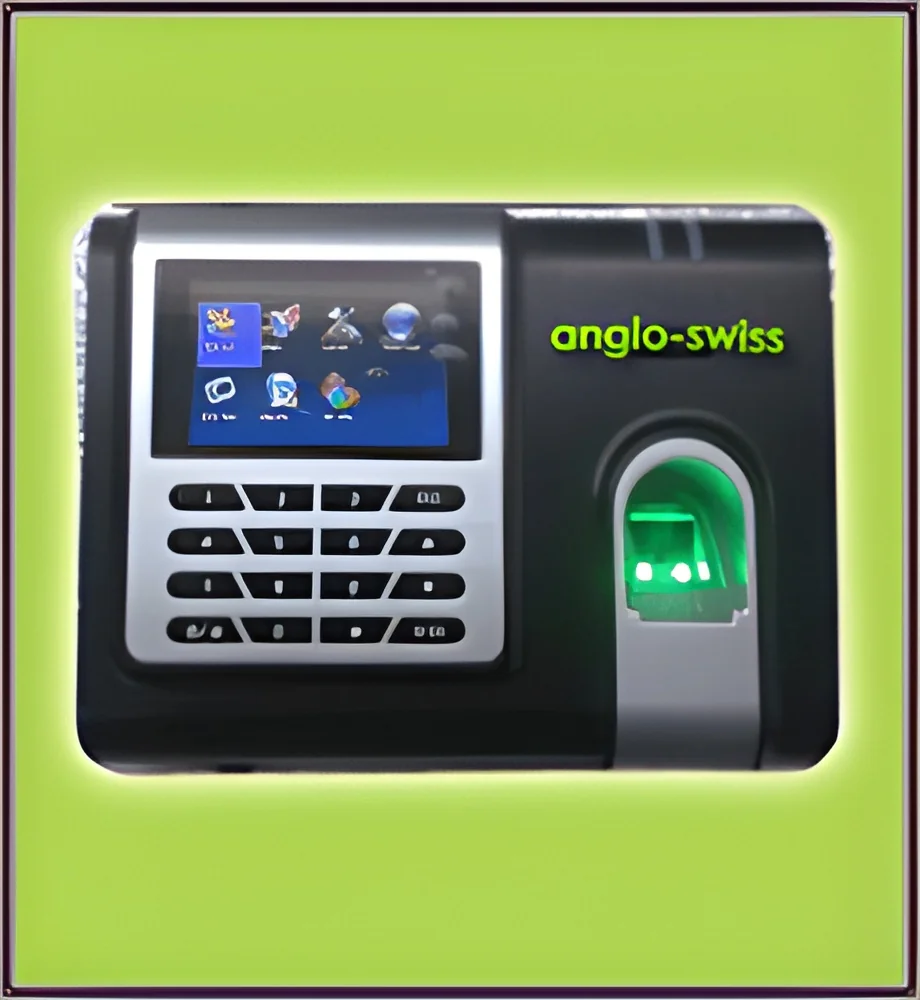
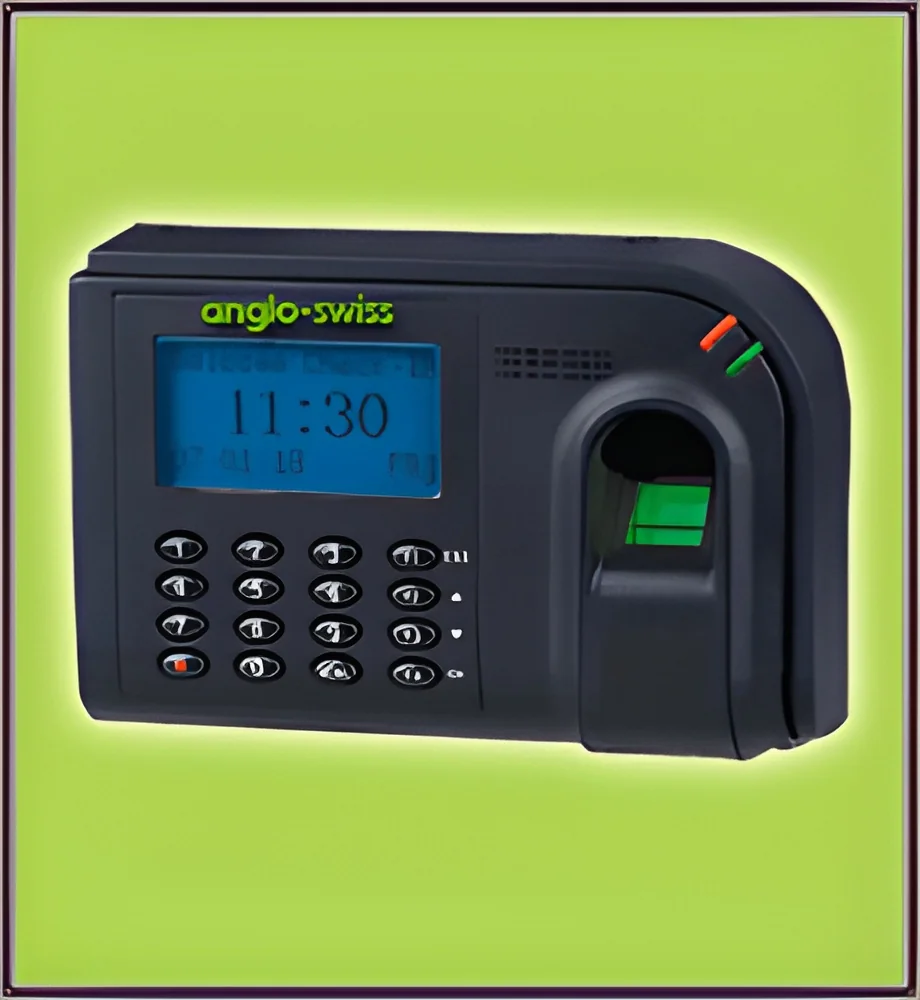
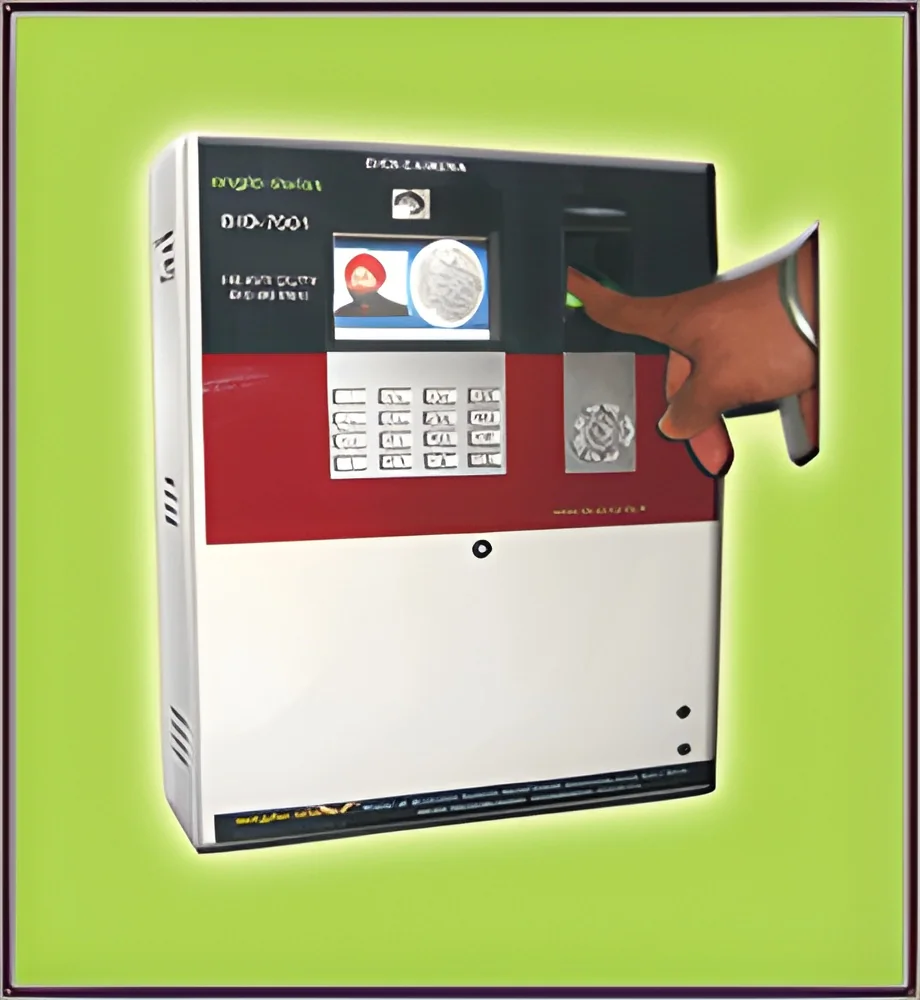
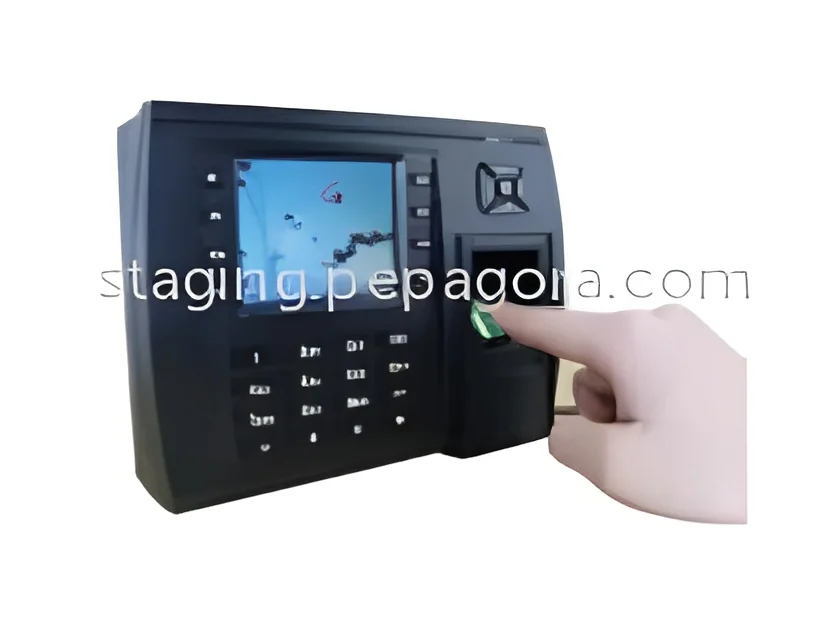
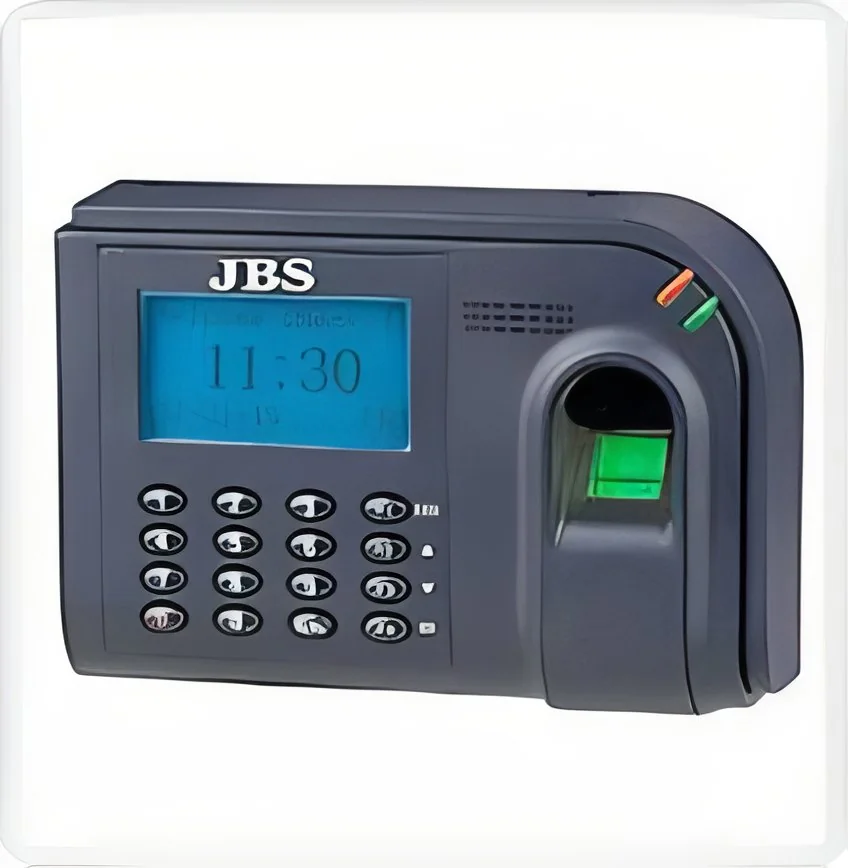
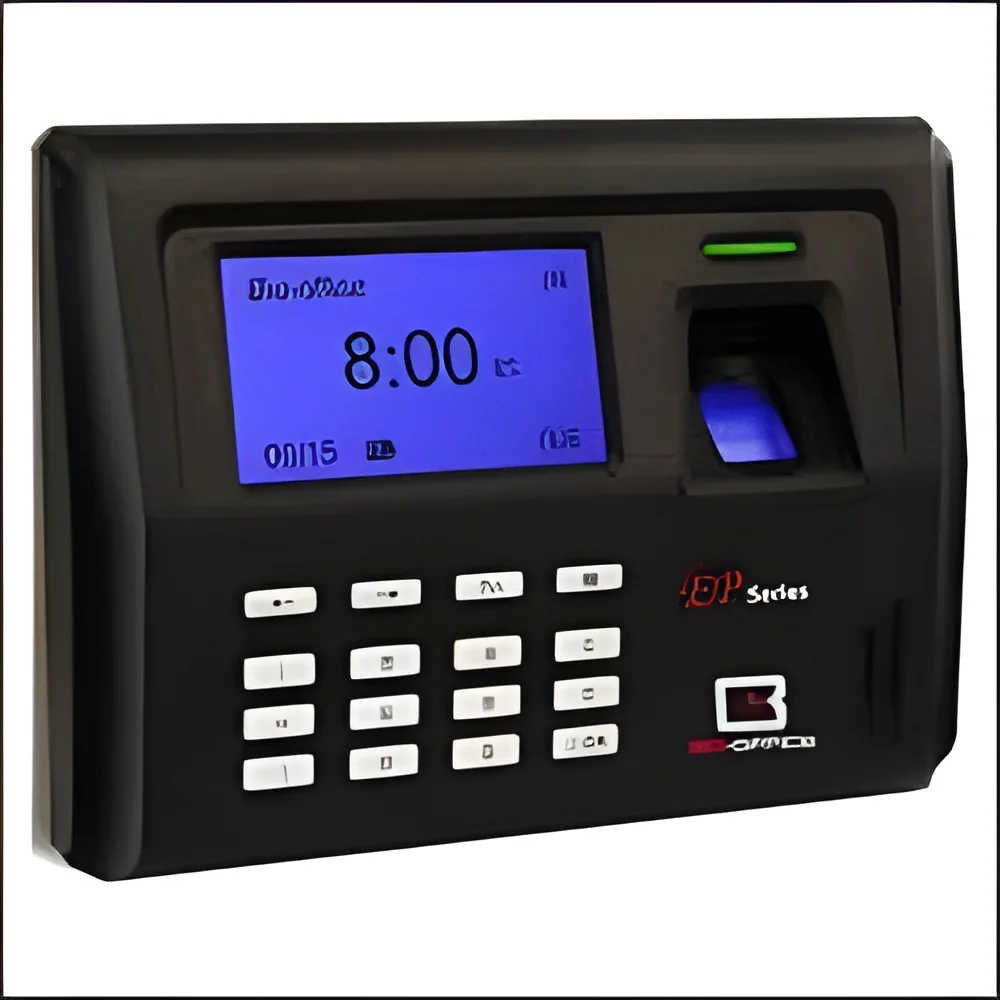
Biometric attendance devices are advanced systems that utilize unique physiological traits to verify an individual's identity for attendance tracking. These devices often employ technologies such as fingerprint scanning, facial recognition, or iris scanning to ensure accurate identification. By capturing these biometric data points, organizations can automate attendance management, reduce human error, and enhance security protocols.
The primary applications of biometric attendance devices are found in various business environments, including corporate offices, educational institutions, and manufacturing facilities. Companies use these systems to monitor employee attendance, streamline payroll processes, and ensure compliance with labor regulations. Additionally, educational institutions leverage biometric devices to track student attendance, enhancing accountability and safety.
In a rapidly evolving market, biometric attendance devices are gaining traction due to their ability to improve operational efficiency and security. Industries are increasingly adopting these solutions not only for attendance management but also for access control. With the growing emphasis on data privacy and security, biometric systems are seen as a reliable alternative to traditional methods such as ID cards and manual registers.
𝗞𝗲𝘆 𝗙𝗲𝗮𝘁𝘂𝗿𝗲𝘀 𝗮𝗻𝗱 𝗦𝗽𝗲𝗰𝗶𝗳𝗶𝗰𝗮𝘁𝗶𝗼𝗻𝘀
Biometric attendance devices come equipped with numerous features designed to enhance usability and security. These features cater to the specific needs of businesses, ensuring that the devices can handle various attendance management challenges.
Key specifications include:
1. Identification Method
- Fingerprint, facial recognition, or iris scanning
- Accuracy rates typically exceeding 99%
2. User Capacity
- Ability to store thousands of user profiles
- Common ranges from 1,000 to 10,000 users
3. Connectivity Options
- Wired and wireless connectivity
- Common protocols include Wi-Fi, Ethernet, and USB
4. Power Supply
- Options for AC and battery backup
- Battery life typically lasts several hours during outages
5. Software Compatibility
- Integration with existing attendance management software
- Supports real-time data transfer and reporting
6. Environmental Durability
- Designed to withstand various environmental conditions
- Operating temperature ranges typically from -10 to 50 degrees Celsius
7. Security Features
- Encrypted data storage and transmission
- Multi-factor authentication options available
8. User Interface
- Touchscreen or keypad entry
- User-friendly interface for easy operation
These specifications highlight the versatility and reliability of biometric attendance devices, making them an attractive choice for organizations seeking to modernize their attendance tracking systems.
𝗖𝗼𝗺𝗺𝗼𝗻 𝗔𝗽𝗽𝗹𝗶𝗰𝗮𝘁𝗶𝗼𝗻𝘀 𝗮𝗻𝗱 𝗨𝘀𝗲 𝗖𝗮𝘀𝗲𝘀
Biometric attendance devices are widely applicable across various industries, enhancing operational efficiency and security.
1. Corporate Offices: Many companies use biometric attendance devices to streamline employee attendance tracking, minimizing issues related to buddy punching and time theft.
2. Educational Institutions: Schools and universities implement these devices to monitor student attendance in real time, helping to improve safety and accountability.
3. Manufacturing Facilities: In industrial settings, biometric attendance devices help manage shift timings and ensure that only authorized personnel access sensitive areas.
4. Healthcare: Hospitals utilize these devices to track staff attendance and ensure compliance with regulatory standards.
5. Retail: Retailers adopt biometric solutions to manage employee hours accurately and improve labor cost management.
6. Government Facilities: Many government organizations implement biometric attendance systems for enhanced security and accurate tracking of personnel.
7. Hospitality: Hotels and resorts use biometric devices to monitor staff attendance, ensuring efficient service delivery while maintaining security.
𝗣𝗿𝗼𝗱𝘂𝗰𝘁 𝗩𝗮𝗿𝗶𝗮𝗻𝘁𝘀 𝗮𝗻𝗱 𝗦𝘂𝗯𝗰𝗮𝘁𝗲𝗴𝗼𝗿𝗶𝗲𝘀
The diversity of biometric attendance devices allows organizations to choose solutions that best fit their specific needs.
Fingerprint Attendance Device
This variant uses advanced fingerprint recognition technology to accurately identify users. It is ideal for environments with high employee turnover and is known for its quick processing times.
Facial Recognition Attendance Device
Utilizing facial recognition technology, this variant provides contactless attendance tracking. It is perfect for high-traffic areas and environments where hygiene is a priority.
Iris Recognition Attendance Device
This high-security variant scans the unique patterns in an individual's iris. It is suitable for organizations that require elevated security measures and accurate identification.
𝗕𝗲𝗻𝗲𝗳𝗶𝘁𝘀 𝗮𝗻𝗱 𝗔𝗱𝘃𝗮𝗻𝘁𝗮𝗴𝗲𝘀
Investing in biometric attendance devices offers numerous benefits for businesses.
1. Enhanced Accuracy: Biometric devices significantly reduce errors associated with manual attendance tracking, ensuring precise records.
2. Improved Security: These devices provide a higher level of security compared to traditional methods, preventing unauthorized access and time fraud.
3. Streamlined Processes: By automating attendance tracking, organizations can streamline payroll processes and reduce administrative burdens.
4. Increased Accountability: Biometric systems foster a culture of accountability among employees, as attendance records are accurately maintained.
5. Cost Efficiency: Over time, these devices can lead to cost savings by reducing time theft and improving workforce management.
6. Real-Time Reporting: Many biometric attendance devices offer real-time reporting features that provide immediate access to attendance data for better decision-making.
𝗕𝘂𝘆𝗶𝗻𝗴 𝗚𝘂𝗶𝗱𝗲 𝗳𝗼𝗿 𝗕𝟮𝗕 𝗕𝘂𝘆𝗲𝗿𝘀
When sourcing biometric attendance devices, buyers should consider several key factors to ensure they make informed decisions.
1. Quality Assessment: Evaluate the quality of the devices by looking for established brands and user reviews. Consider performance metrics such as accuracy and reliability.
2. Supplier Verification: Vet suppliers by checking their credentials and previous customer feedback. Ensuring that suppliers are reputable will help prevent future issues.
3. Pricing and MOQ: Understand the pricing structure and minimum order quantities. Compare multiple suppliers to find competitive pricing while ensuring quality.
4. Delivery and Lead Times: Inquire about the expected delivery times and logistics to ensure devices arrive when needed. This is crucial for business continuity.
5. Compliance Requirements: Ensure that the biometric devices meet relevant compliance standards and regulations within your industry to avoid legal issues.
𝗖𝗼𝗺𝗽𝗹𝗶𝗮𝗻𝗰𝗲 𝗮𝗻𝗱 𝗖𝗲𝗿𝘁𝗶𝗳𝗶𝗰𝗮𝘁𝗶𝗼𝗻𝘀
Biometric attendance devices must adhere to various compliance and certification standards to ensure quality and reliability.
Relevant quality standards include ISO 9001, which focuses on quality management systems, ensuring that manufacturers maintain consistent quality in their products. HACCP and GDP standards may apply in specific industries, especially in food safety and distribution, ensuring that devices do not compromise operational integrity.
In terms of industry certifications, CE certification is crucial as it signifies that the products meet European health, safety, and environmental protection standards. This is particularly important for devices used in sensitive environments like healthcare.
Safety and testing requirements are also vital, as devices must undergo rigorous testing to ensure they function correctly under various conditions. Additionally, regional compliance considerations may vary, requiring manufacturers to adapt their products to meet local regulations.
𝗪𝗵𝘆 𝗦𝗼𝘂𝗿𝗰𝗲 𝗕𝗶𝗼𝗺𝗲𝘁𝗿𝗶𝗰 𝗔𝘁𝘁𝗲𝗻𝗱𝗮𝗻𝗰𝗲 𝗗𝗲𝘃𝗶𝗰𝗲𝘀 𝗳𝗿𝗼𝗺 𝗣𝗲𝗽𝗮𝗴𝗼𝗿𝗮?
Pepagora offers a reliable platform for sourcing biometric attendance devices, presenting several key advantages for B2B buyers.
Verified Supplier Network: Pepagora connects buyers with a network of verified suppliers, ensuring quality and reliability. This vetting process helps businesses find trustworthy partners in their procurement journey.
Streamlined RFQ Process: The platform features a simplified request for quotation (RFQ) system, allowing buyers to easily compare offers from multiple suppliers. This efficient process saves time and ensures competitive pricing.
Trade Assurance and Support: Pepagora provides trade assurance, offering buyers protection and support throughout the purchasing process. This assurance helps build trust and confidence in supplier transactions.
Regional Coverage: With a strong presence in India, the GCC, and Southeast Asia, Pepagora caters to a wide geographic area. This regional coverage allows businesses to access local suppliers and facilitate easier logistics and support.
Biometric Attendance Devices are electronic systems used to record the attendance of individuals based on unique biological traits. These devices typically utilize fingerprints, facial recognition, or iris patterns to authenticate and log attendance accurately.
2
What are the different types of Biometric Attendance Devices?
The primary types of Biometric Attendance Devices include fingerprint scanners, facial recognition systems, and iris recognition devices. Each type varies in terms of technology, accuracy, and user convenience.
3
How do I choose the right Biometric Attendance Devices?
Choosing the right Biometric Attendance Devices depends on factors such as the size of your organization, the environment in which they will be used, and the specific features you require. It is also important to consider user-friendliness and integration capabilities with existing systems.
4
What are the standard specifications for Biometric Attendance Devices?
Standard specifications for Biometric Attendance Devices often include biometric recognition accuracy, storage capacity for user data, connectivity options (like USB, Wi-Fi, or Ethernet), and battery life. Additionally, devices should meet certain performance metrics for speed and reliability.
5
What is the price range for Biometric Attendance Devices?
The price range for Biometric Attendance Devices can vary widely based on features and technology, typically ranging from ₹5,000 to ₹30,000 or more. Basic fingerprint scanners are generally less expensive, while advanced facial recognition systems may cost significantly more.
6
What quality standards apply to Biometric Attendance Devices?
Biometric Attendance Devices should comply with quality standards such as ISO/IEC 19794 for biometric data interchange formats. Manufacturers often adhere to specific safety and performance certifications to ensure reliability and user safety.
7
Where can I find Biometric Attendance Devices suppliers in India?
You can find Biometric Attendance Devices suppliers in India through various online B2B marketplaces, trade shows, and industry directories. Websites like Pepagora.com are also excellent resources to connect with reputable manufacturers and suppliers.
8
Can Biometric Attendance Devices be customized?
Yes, many manufacturers offer customization options for Biometric Attendance Devices to meet specific business needs. Customization can include branding, additional features, and software integration tailored to your organizational requirements.
9
What is the typical minimum order quantity for Biometric Attendance Devices?
The typical minimum order quantity (MOQ) for Biometric Attendance Devices can range from 5 to 50 units, depending on the supplier and the type of device. It is advisable to check with specific manufacturers for their MOQ policies.
10
What is the typical lead time for Biometric Attendance Devices?
The typical lead time for Biometric Attendance Devices can range from 1 to 4 weeks, depending on the supplier and availability of the devices. Custom orders may require additional time for production and quality checks.
Why Businesses Trust Pepagora
Thousands of companies trust Pepagora to source smarter and sell faster
Expand Your Sales Globally
25000+Products listed.Get discovered by global buyers

 IN
IN