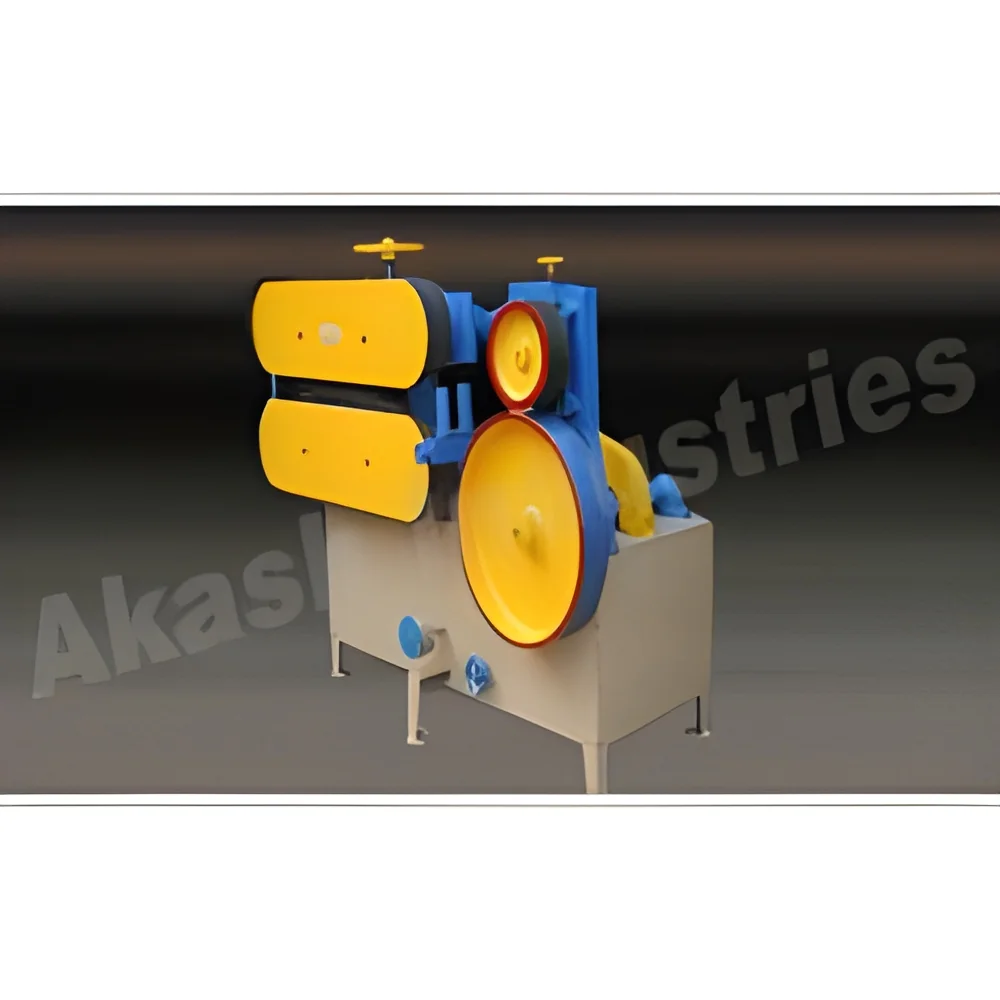
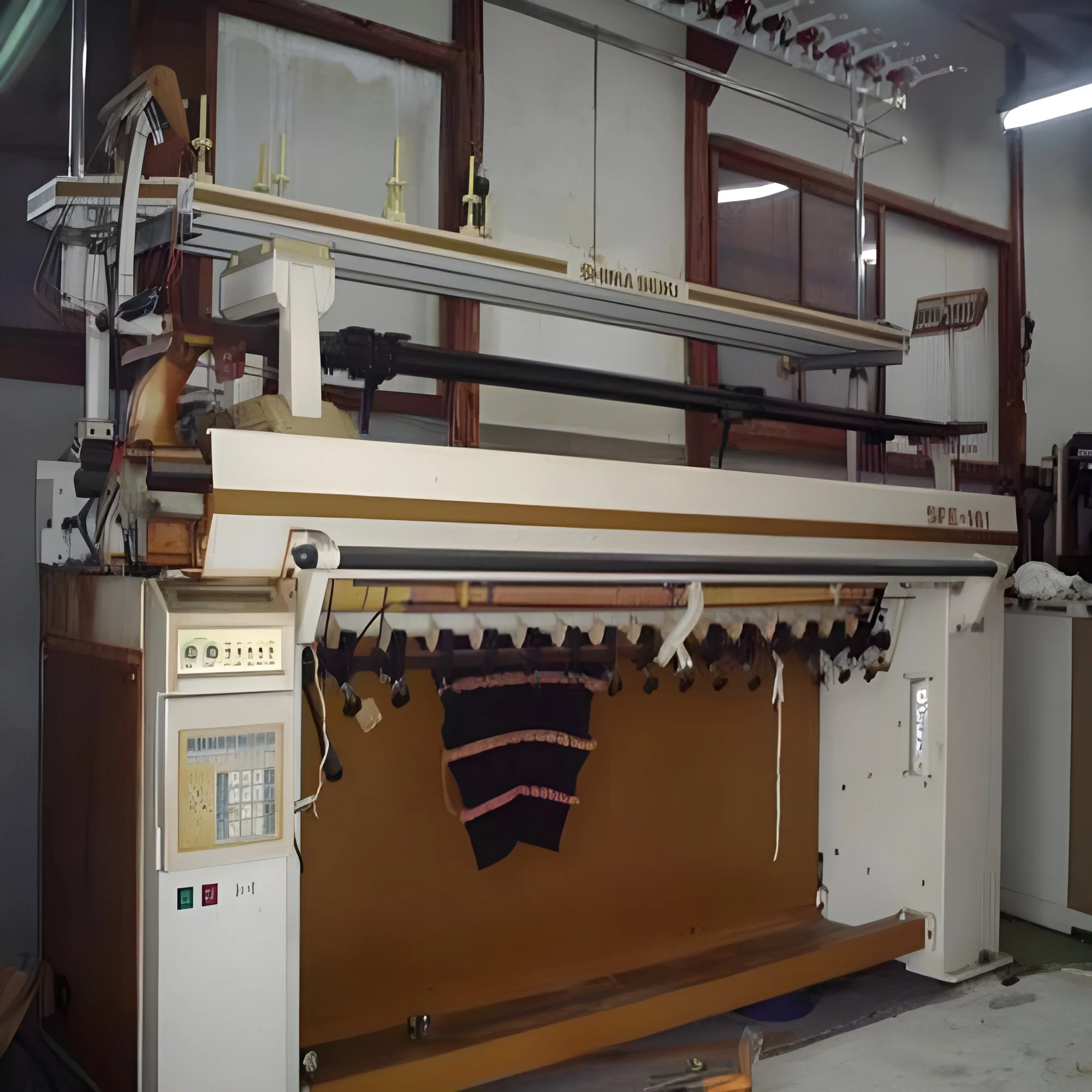
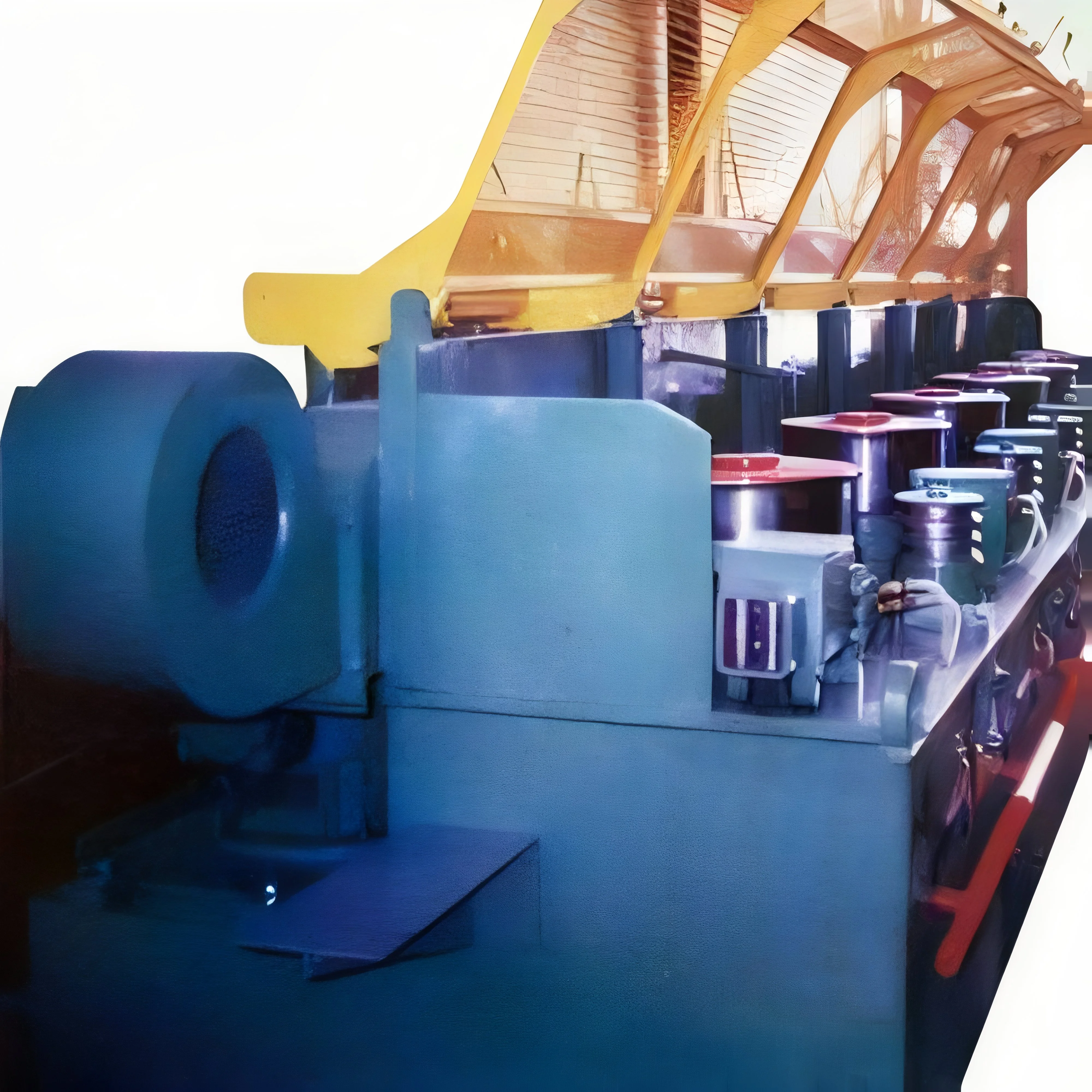
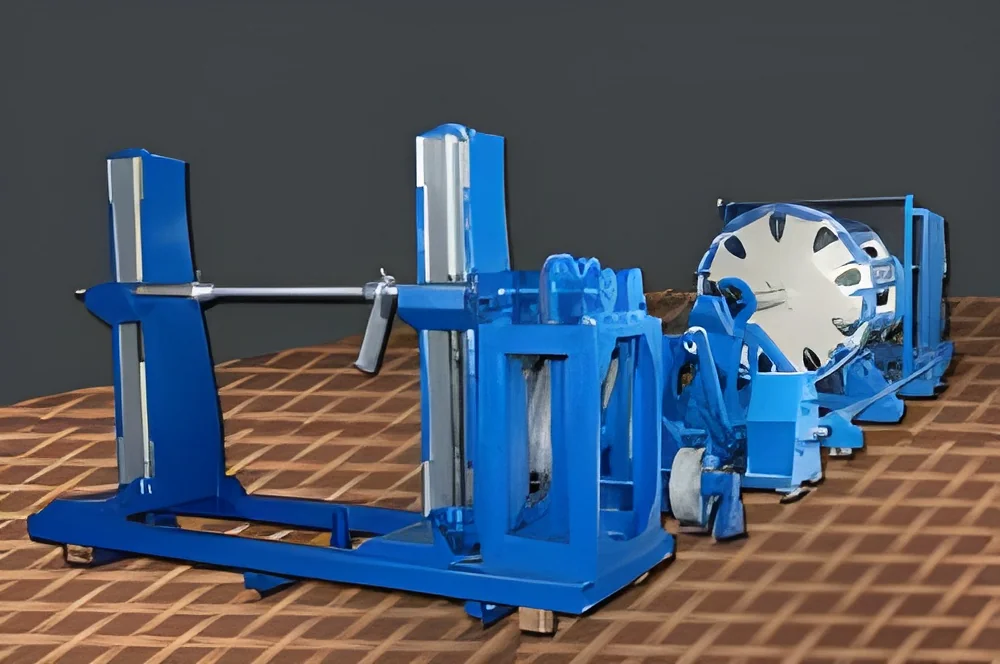
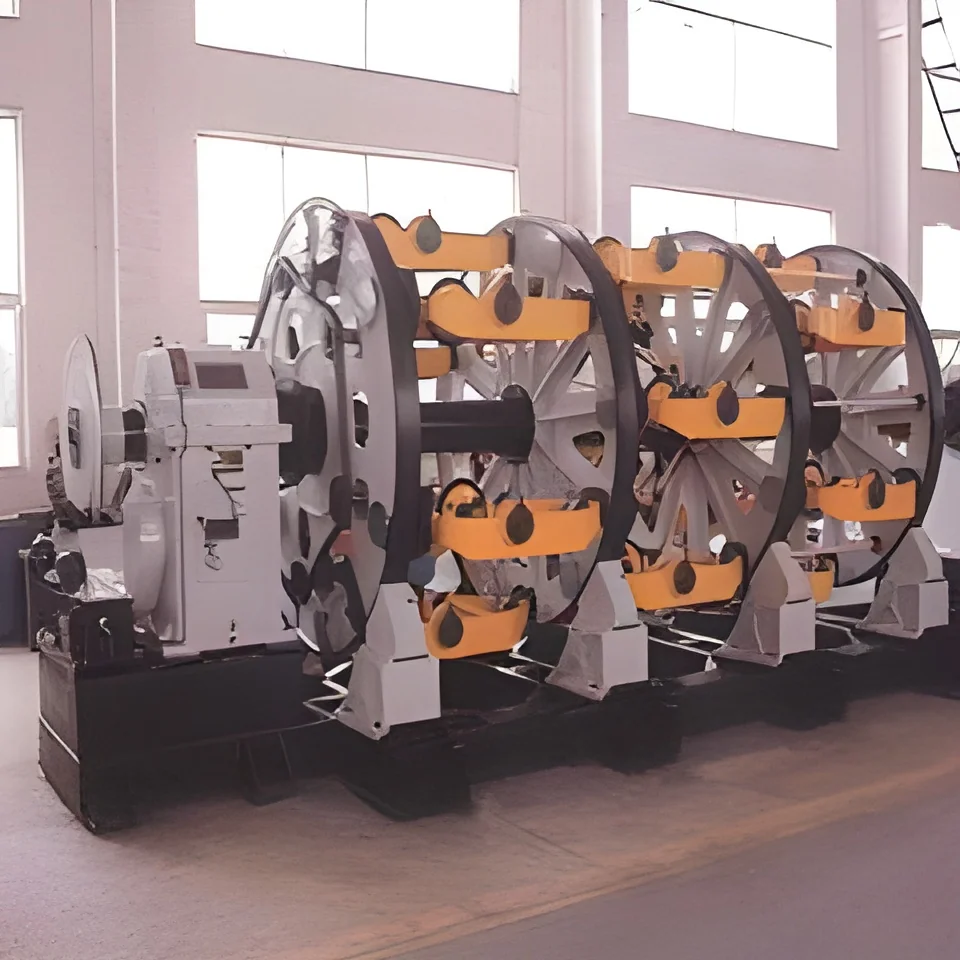
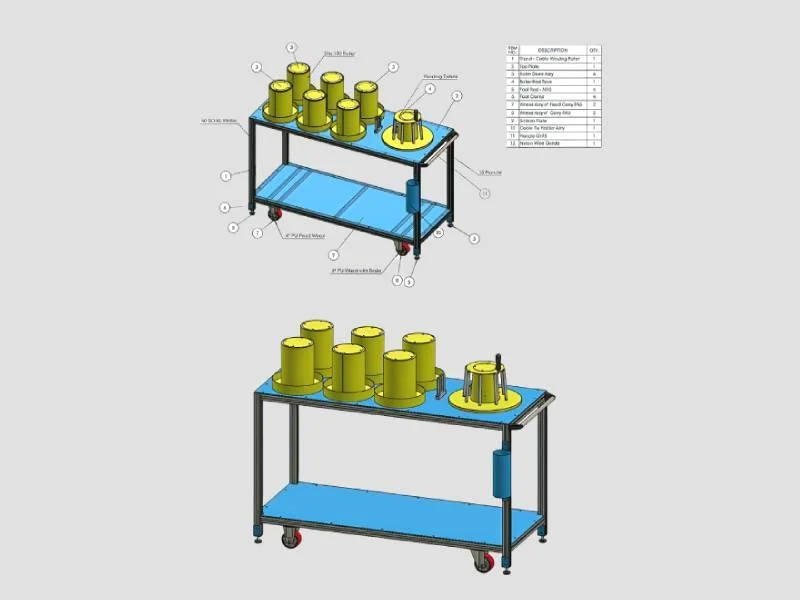
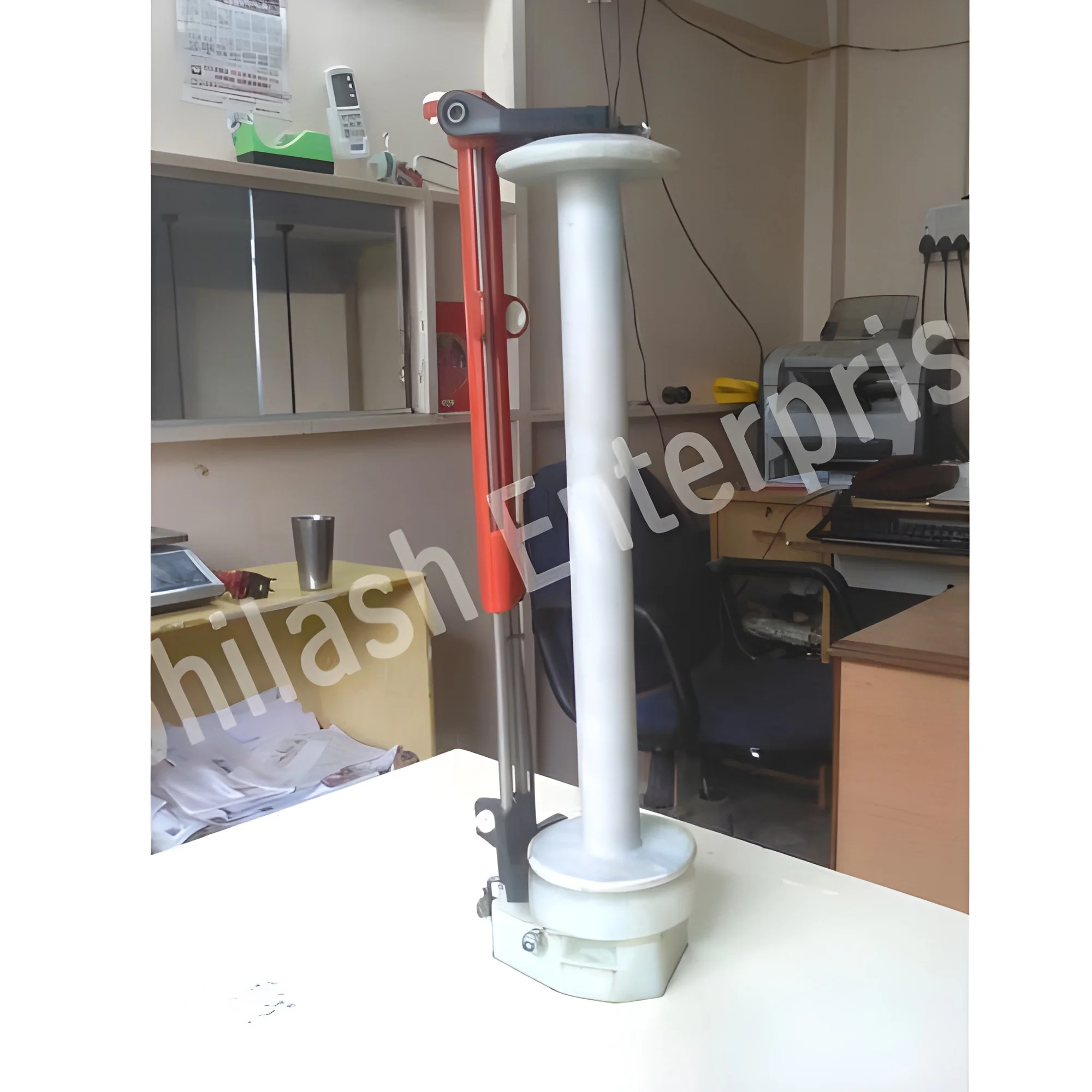
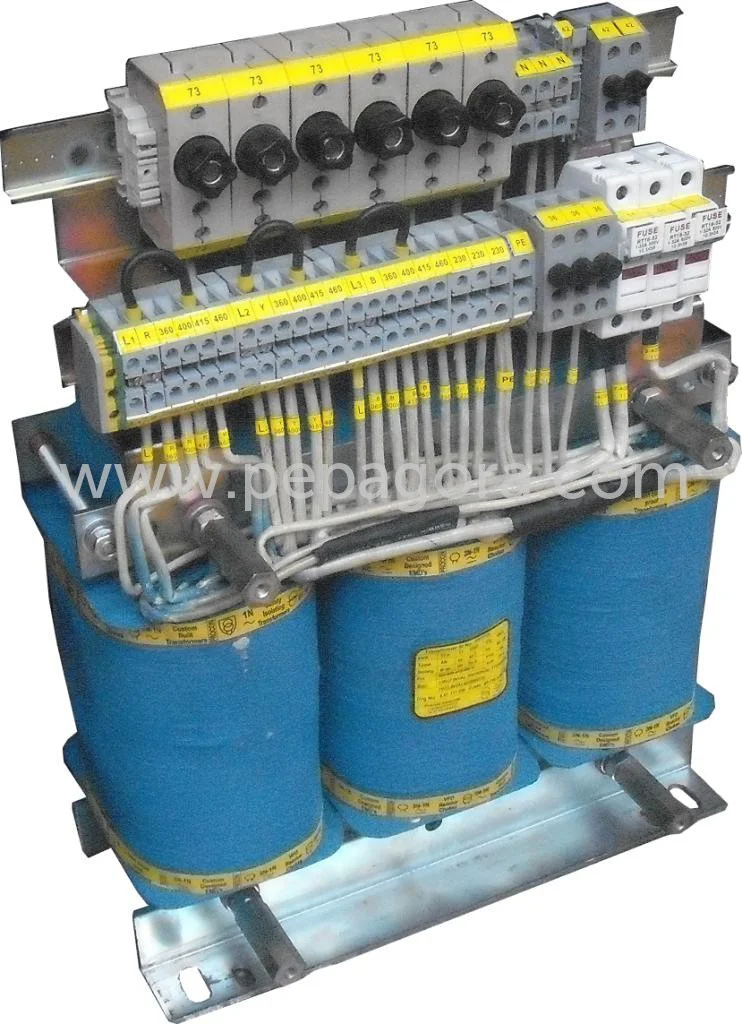
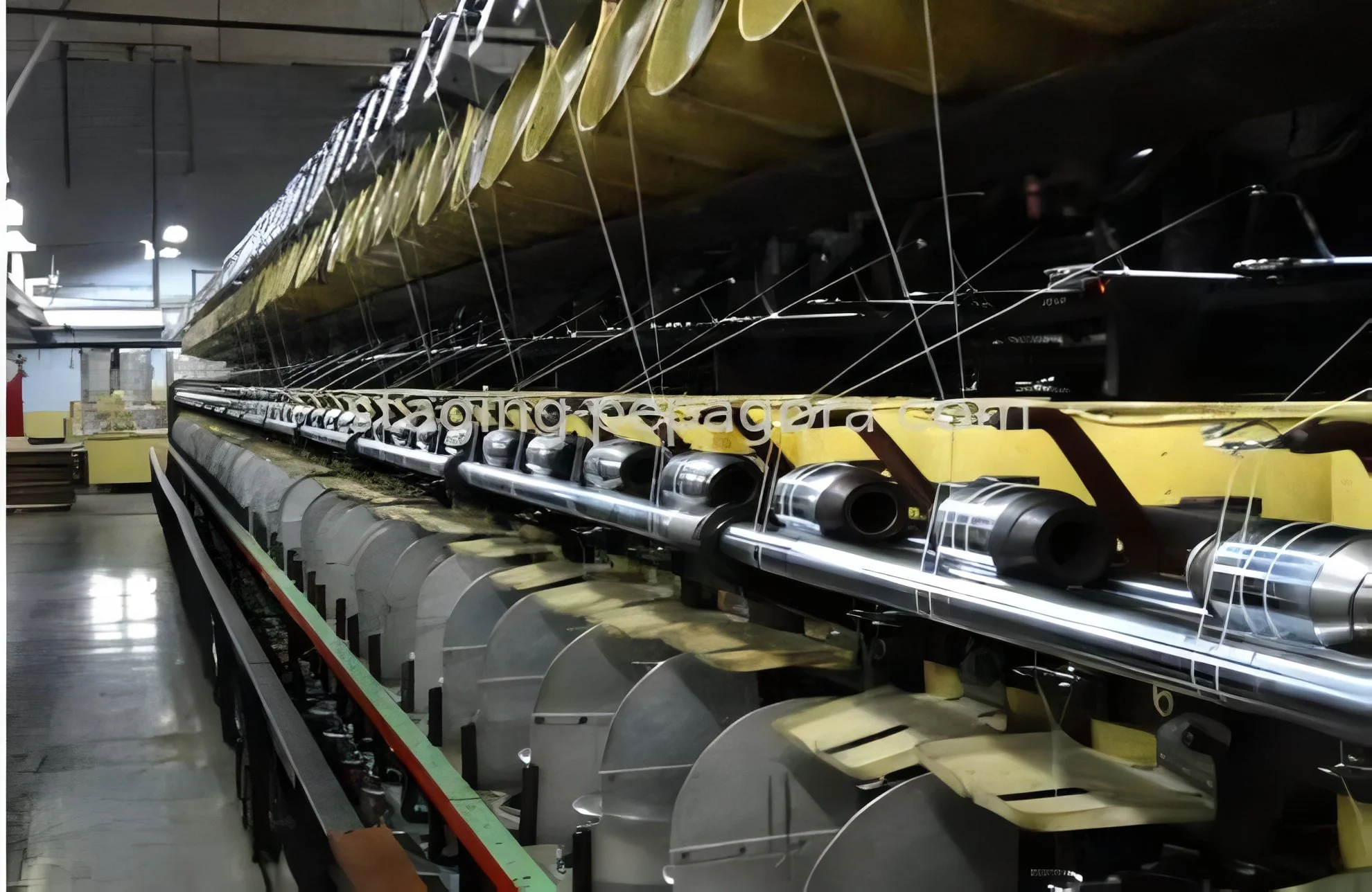
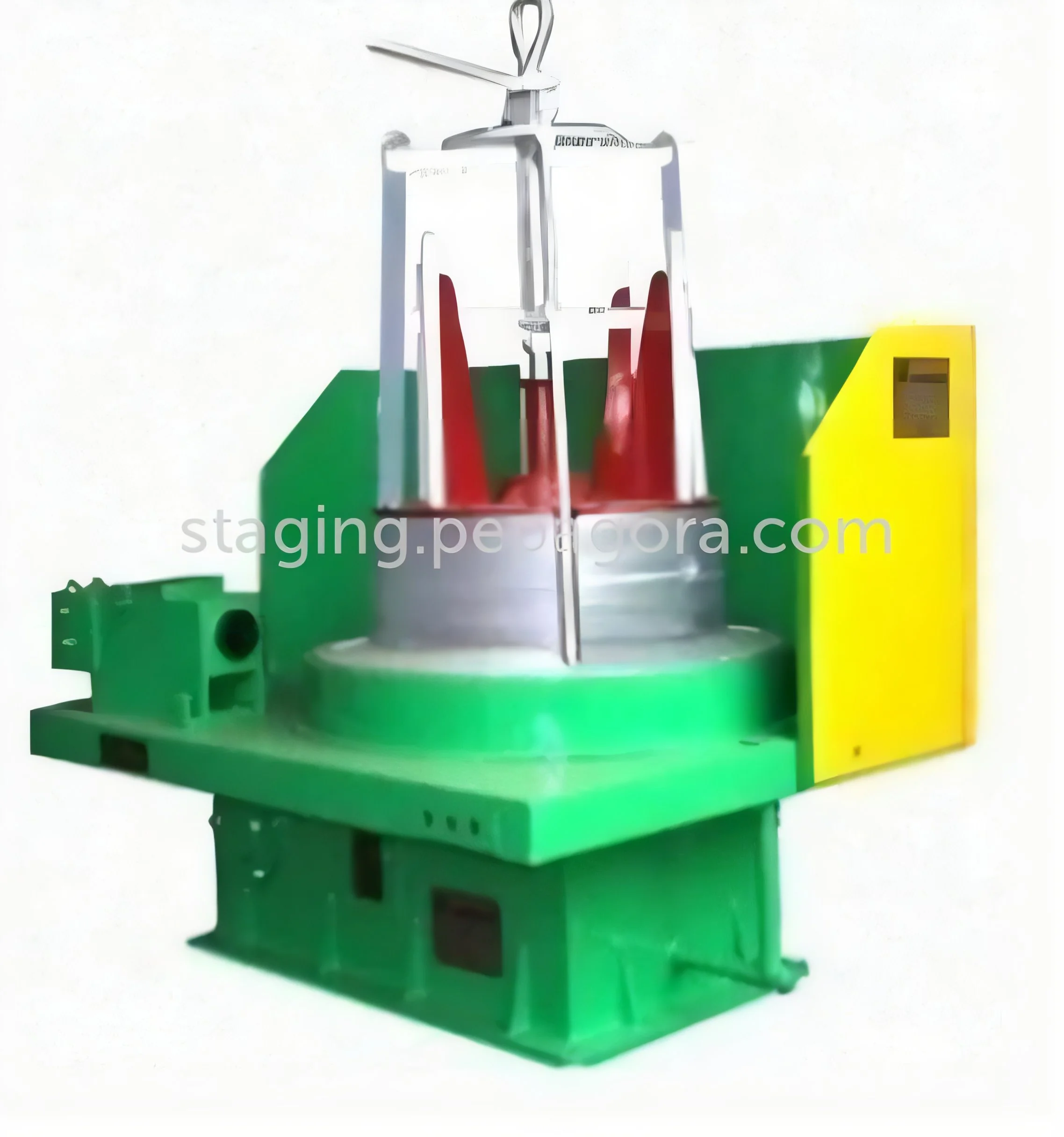
𝗪𝗵𝗮𝘁 𝗮𝗿𝗲 𝗕𝗿𝗮𝗶𝗱𝗶𝗻𝗴 𝗠𝗮𝗰𝗵𝗶𝗻𝗲𝘀?
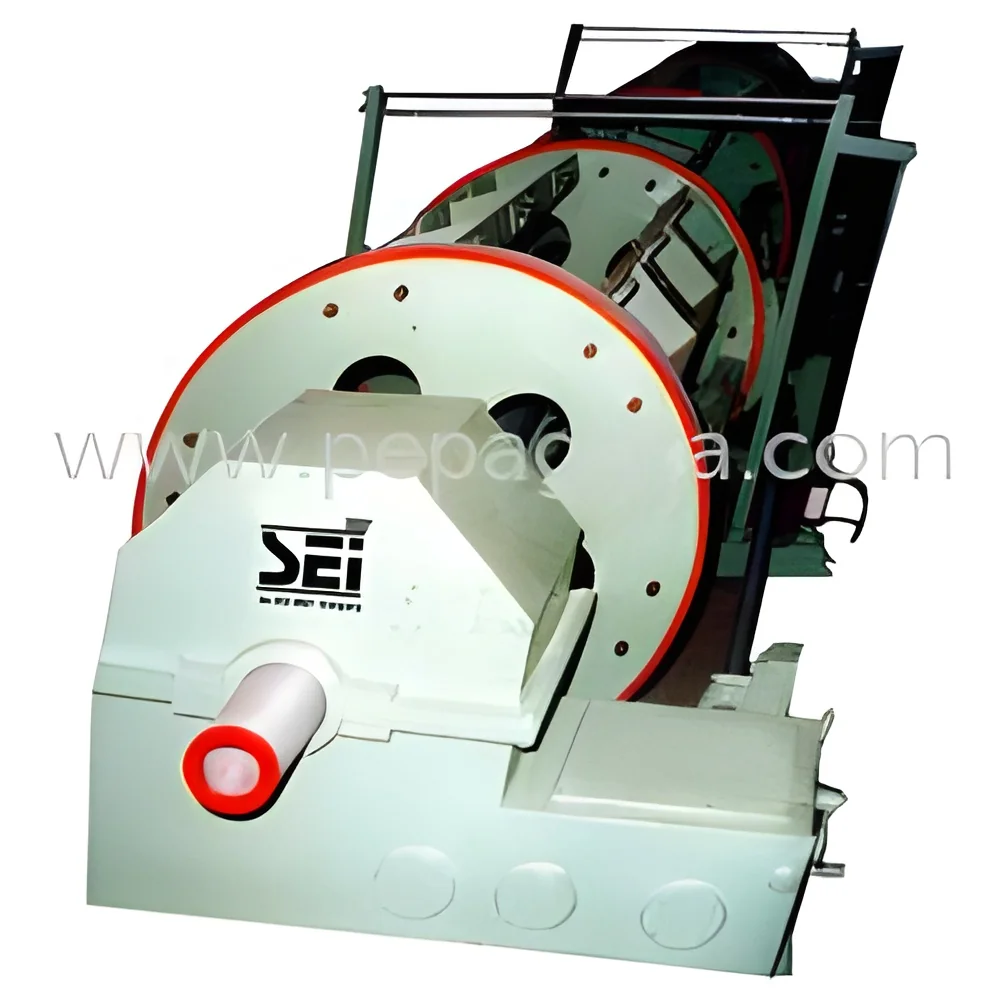
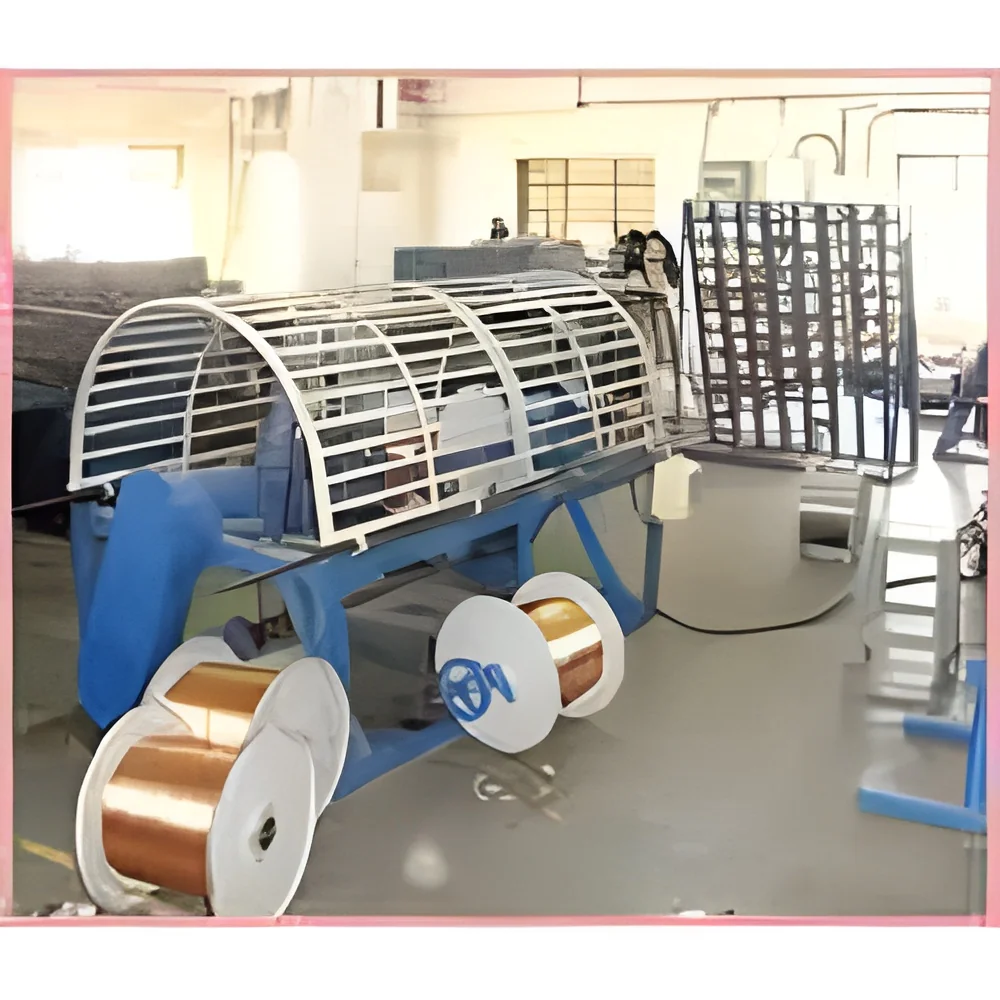
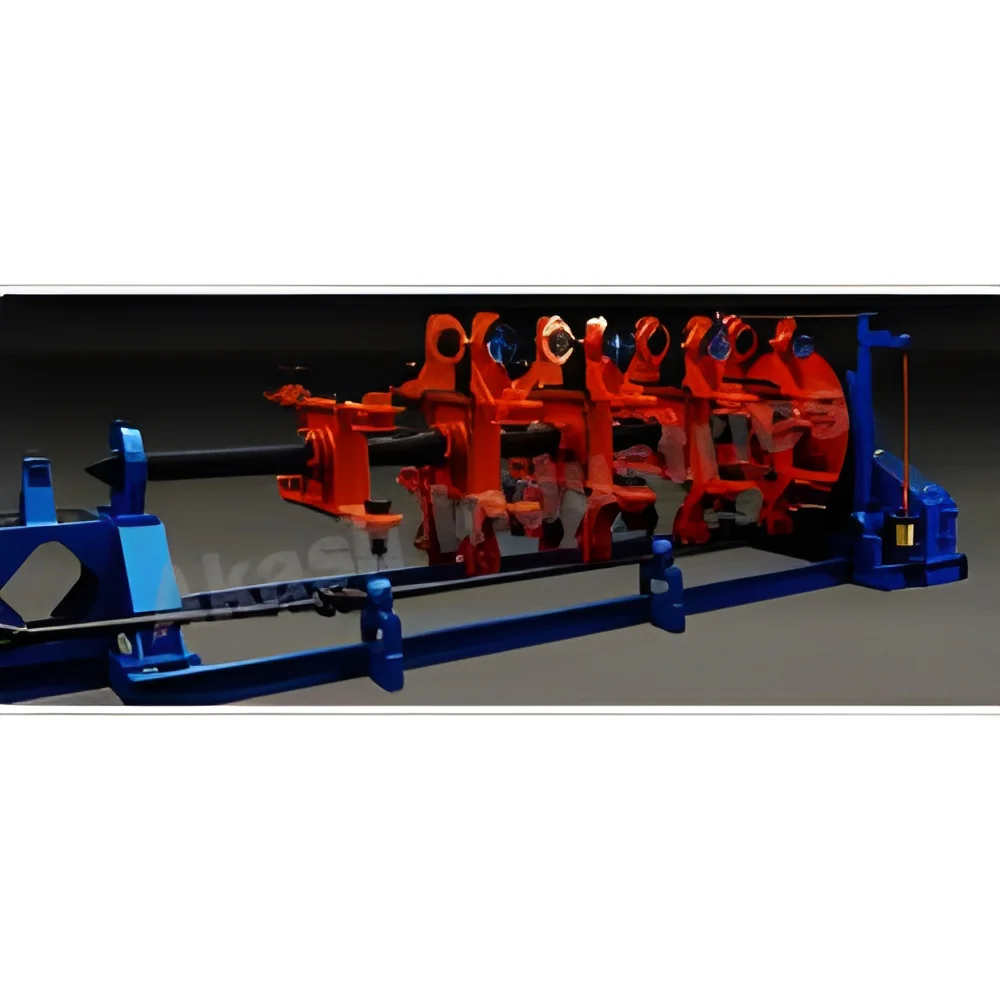
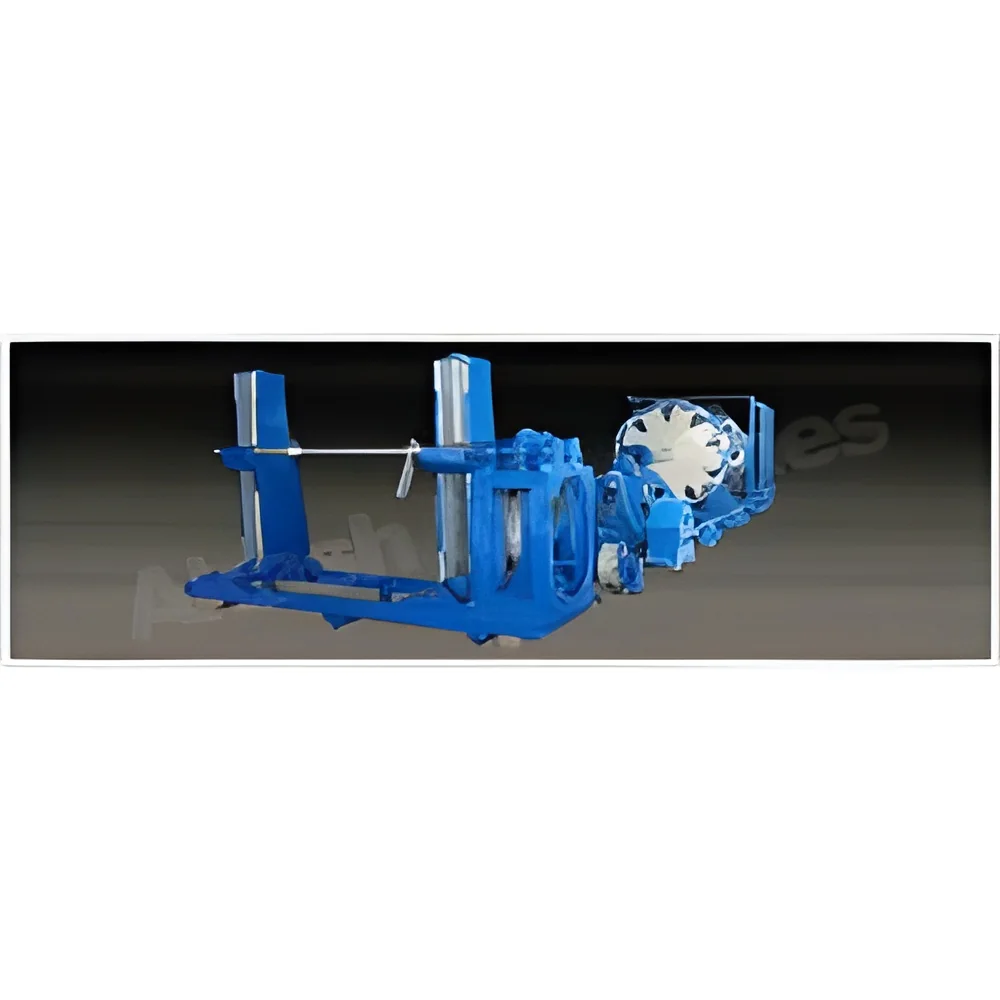
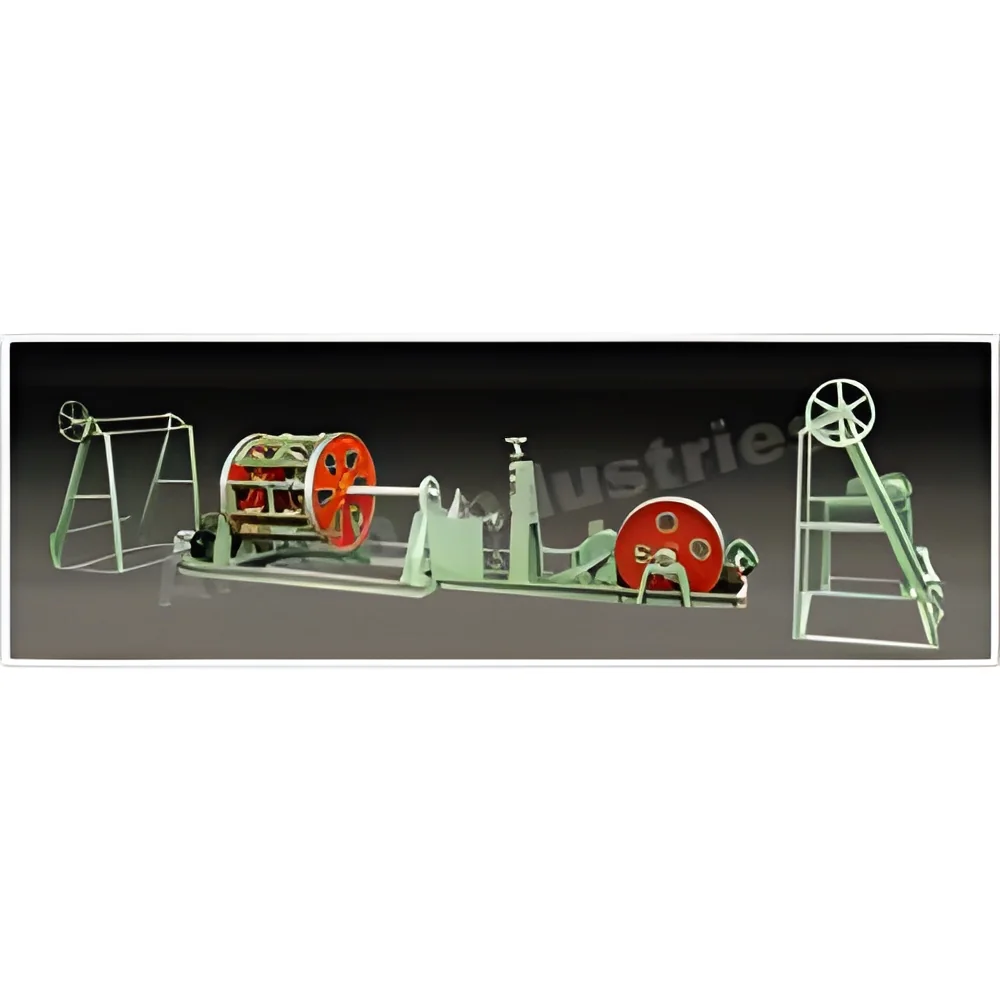
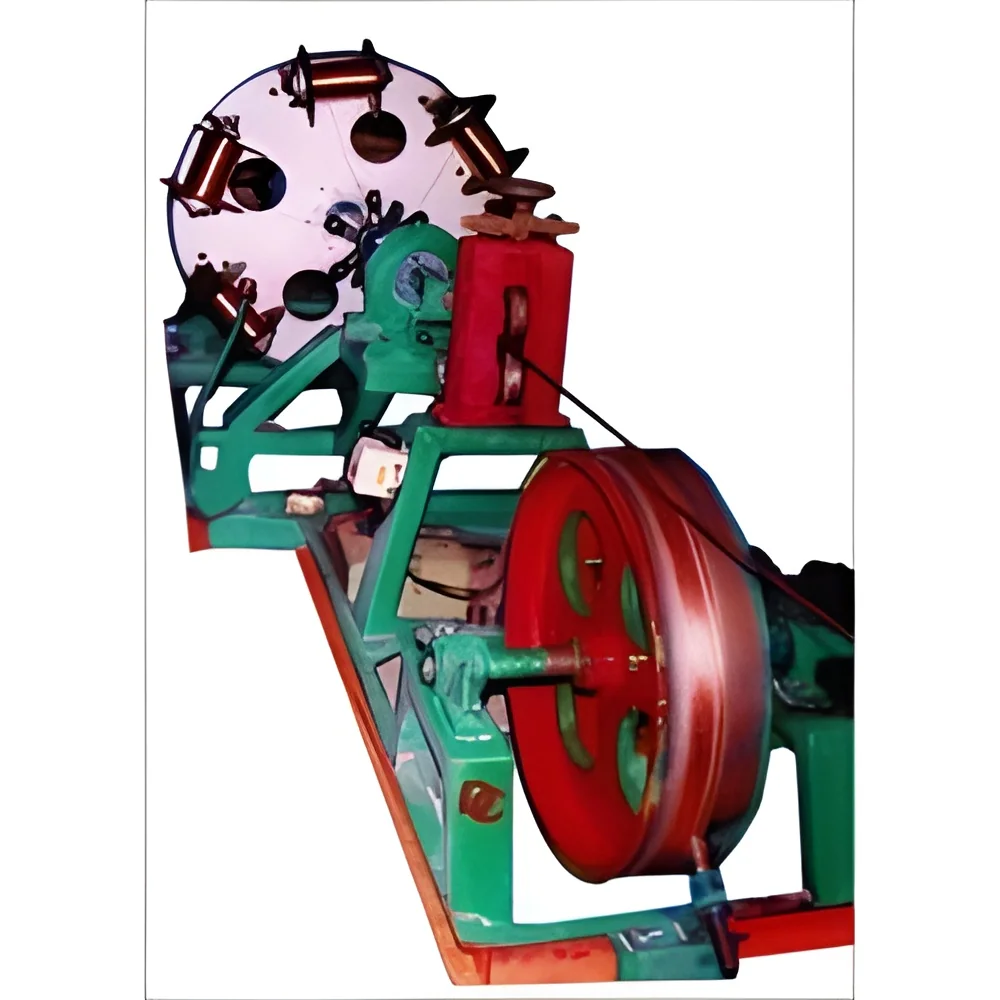
Braiding machines are specialized industrial equipment designed for the intertwining of multiple strands of material, such as yarns, wires, or fibers, to create a braided product. These machines utilize a series of spools and a mechanical braid head to produce intricate patterns and structures, enabling manufacturers to create strong and durable products. The braiding process is essential for various applications, ensuring that the final output meets specific performance and aesthetic requirements.
These machines find primary use in sectors like textiles, automotive, and telecommunications. In textiles, they are instrumental in producing cords, laces, and straps, while in automotive applications, they are used for manufacturing wire harnesses and protective coverings. The telecommunications industry uses braiding machines to create high-quality cable assemblies. The relevance of braiding machines in these industries is underscored by their ability to enhance product performance, improve durability, and meet the specific needs of various applications.
𝗞𝗲𝘆 𝗙𝗲𝗮𝘁𝘂𝗿𝗲𝘀 𝗮𝗻𝗱 𝗦𝗽𝗲𝗰𝗶𝗳𝗶𝗰𝗮𝘁𝗶𝗼𝗻𝘀
Braiding machines are equipped with a range of features that enhance their functionality and efficiency. Understanding these specifications is crucial for selecting the right machine for your business needs.
Key specifications include:
1. Number of Carriers
- Determines the number of strands that can be braided simultaneously.
- Common configurations include 8, 16, or 24 carriers.
2. Braiding Speed
- Refers to the maximum speed at which the machine can operate.
- Typical speeds range from 100 to 300 RPM.
3. Control System
- Modern braiding machines often include computerized control systems for precision.
- Features may include programmable settings for different braiding patterns.
4. Build Material
- Construction materials can impact durability and maintenance.
- Common materials include high-grade steel and aluminum.
5. Dimensions
- Overall size of the machine can affect installation space.
- Standard dimensions vary based on machine capacity.
6. Power Consumption
- Indicates the energy efficiency of the machine.
- Average power ratings are around 1.5 to 5 kW.
7. Customization Options
- Many machines offer customization for specific applications.
- Options may include different head designs or additional spools.
8. Safety Features
- Essential for ensuring operator safety during operation.
- Features may include emergency stop buttons and safety covers.
In summary, understanding the key features and specifications of braiding machines will help businesses select the right equipment to meet their production needs while ensuring efficiency and safety.
𝗖𝗼𝗺𝗺𝗼𝗻 𝗔𝗽𝗽𝗹𝗶𝗰𝗮𝘁𝗶𝗼𝗻𝘀 𝗮𝗻𝗱 𝗨𝘀𝗲 𝗖𝗮𝘀𝗲𝘀
Braiding machines serve various industries, providing versatile solutions for different applications.
1. Textiles: In the textile industry, braiding machines are used to produce high-strength cords and laces used in clothing and accessories. These products require precise braiding to ensure durability and performance.
2. Automotive: The automotive sector employs braiding machines to create wire harnesses and protective coverings for cables. These components must be meticulously braided to ensure reliability and safety in vehicles.
3. Telecommunications: Braiding machines are essential in the telecommunications industry for producing high-quality cable assemblies. The braided structure enhances signal integrity and protects against external interference.
4. Medical Devices: In the medical field, braiding machines are used to manufacture components for devices such as catheters and surgical sutures. The braiding process ensures strength and flexibility.
5. Aerospace: The aerospace industry utilizes braiding machines to produce lightweight, high-strength components for aircraft. These products must meet stringent safety and performance standards.
6. Electrical Wiring: Braiding machines are crucial in producing insulated wiring and cables. The braided design provides added protection and reduces the risk of electrical interference.
7. Marine Applications: In marine industries, braiding machines create ropes and lines used in boating and fishing. The durability of braided products is essential in harsh marine environments.
𝗣𝗿𝗼𝗱𝘂𝗰𝘁 𝗩𝗮𝗿𝗶𝗮𝗻𝘁𝘀 𝗮𝗻𝗱 𝗦𝘂𝗯𝗰𝗮𝘁𝗲𝗴𝗼𝗿𝗶𝗲𝘀
Braiding machines come in various types, each designed to cater to specific production needs.
Standard Braiding Machines
These machines are designed for general-purpose braiding tasks. They are versatile and can handle a wide range of materials. Standard machines are ideal for businesses looking to produce various braided products without the need for specialized equipment.
High-Speed Braiding Machines
Tailored for high-volume production, these machines operate at faster speeds while maintaining precision. They are suitable for industries that require quick turnaround times without compromising on quality.
Multi-Head Braiding Machines
These machines feature multiple braid heads, allowing for simultaneous braiding of different products. They are beneficial for manufacturers looking to diversify their product lines efficiently.
Portable Braiding Machines
Designed for flexibility and ease of use, portable machines are ideal for smaller production runs or on-site applications. Their compact design allows for easy transport and setup.
𝗕𝗲𝗻𝗲𝗳𝗶𝘁𝘀 𝗮𝗻𝗱 𝗔𝗱𝘃𝗮𝗻𝘁𝗮𝗴𝗲𝘀
Investing in braiding machines offers several key benefits for businesses.
1. Enhanced Durability: Braided products typically exhibit greater strength and durability compared to non-braided alternatives, making them ideal for demanding applications.
2. Versatile Applications: Braiding machines can be used to produce a wide range of products across various industries, allowing businesses to diversify their offerings.
3. Increased Production Efficiency: Modern braiding machines are designed for high-speed operation, enabling manufacturers to increase their output and meet market demands effectively.
4. Customization Capabilities: Many braiding machines offer options for customization, allowing businesses to tailor products to specific requirements.
5. Improved Product Quality: The precision of braiding machines ensures consistent quality across all products, reducing waste and improving customer satisfaction.
6. Cost-Effective Manufacturing: By enhancing efficiency and productivity, braiding machines can lead to lower production costs and higher profit margins.
𝗕𝘂𝘆𝗶𝗻𝗴 𝗚𝘂𝗶𝗱𝗲 𝗳𝗼𝗿 𝗕𝟮𝗕 𝗕𝘂𝘆𝗲𝗿𝘀
When sourcing braiding machines, it is essential to consider several factors to ensure you make the right choice for your business needs.
1. Quality Assessment: Evaluate the build quality and reliability of the machines. Look for reputable manufacturers known for producing high-quality equipment that meets industry standards.
2. Supplier Verification: Vet potential suppliers to ensure they are credible and have a track record of delivering reliable products and services. Request references and check reviews from other customers.
3. Pricing and MOQ: Consider the pricing structure of the machines and any minimum order quantities (MOQ) set by suppliers. Compare quotes to find a balance between cost and quality.
4. Delivery and Lead Times: Understand the delivery timelines for the machines you are considering. Ensure that lead times align with your production schedules to avoid disruptions.
5. Compliance Requirements: Be aware of any regulatory compliance and quality standards relevant to your industry. Ensure that the machines meet necessary certifications to avoid legal issues.
𝗖𝗼𝗺𝗽𝗹𝗶𝗮𝗻𝗰𝗲 𝗮𝗻𝗱 𝗖𝗲𝗿𝘁𝗶𝗳𝗶𝗰𝗮𝘁𝗶𝗼𝗻𝘀
Compliance and certifications are critical factors in the manufacturing of braiding machines. Many braiding machines adhere to international quality standards such as ISO 9001, which ensures consistent quality in production processes.
Additionally, specific industry certifications like CE mark indicate that the machines comply with EU safety, health, and environmental protection standards. These certifications help businesses ensure that they are purchasing reliable and safe equipment.
Safety and testing requirements are also vital, as they ensure that machines operate without posing risks to operators. Manufacturers must conduct rigorous testing to meet these safety standards.
Regional compliance considerations may vary depending on the market. Understanding local regulations can help businesses avoid costly penalties and ensure smooth operations.
𝗪𝗵𝘆 𝗦𝗼𝘂𝗿𝗰𝗲 𝗕𝗿𝗮𝗶𝗱𝗶𝗻𝗴 𝗠𝗮𝗰𝗵𝗶𝗻𝗲𝘀 𝗳𝗿𝗼𝗺 𝗣𝗲𝗽𝗮𝗴𝗼𝗿𝗮?
Pepagora provides a trusted platform for sourcing braiding machines with several key advantages.
Verified Supplier Network: Pepagora connects buyers with a network of verified suppliers, ensuring that you can find reputable manufacturers who meet your quality standards.
Streamlined RFQ Process: The request for quotation (RFQ) system simplifies the sourcing process, allowing buyers to receive competitive quotes from multiple suppliers quickly.
Trade Assurance and Support: Pepagora offers trade assurance, providing buyers with protection and support throughout the purchasing process. This commitment helps build trust between buyers and suppliers.
Regional Coverage: With a presence in India, the GCC, and Southeast Asia, Pepagora offers extensive regional coverage, making it easier for businesses to find and source braiding machines tailored to their specific needs.
By choosing Pepagora, businesses can ensure a smooth and efficient sourcing experience for braiding machines while benefiting from the support of a dedicated platform.
Braiding machines are specialized equipment used to intertwine multiple strands of materials, such as textiles, wires, or plastics, to create braided products. These machines are commonly used in various industries, including textile, automotive, and electrical, for applications ranging from making ropes to producing intricate decorative items.
2
What are the different types of Braiding Machines?
There are several types of braiding machines, including conventional braiders, circular braiders, and flat braiders. Conventional braiders are used for standard braiding tasks, while circular braiders are designed for continuous production of tubular braids. Flat braiders, on the other hand, are used for creating flat braids, which are often used in belts and straps.
3
How do I choose the right Braiding Machines?
When selecting a braiding machine, consider factors such as the type of material you will be using, the required production speed, and the complexity of the braiding pattern. It's also important to evaluate the machine's capacity and compatibility with your production line, ensuring it meets your specific manufacturing needs.
4
What are the standard specifications for Braiding Machines?
Standard specifications for braiding machines typically include the number of spindles, the braiding speed (measured in meters per minute), and the maximum diameter of the braid produced. Additionally, specifications may outline the power requirements and the types of materials that can be processed.
5
What is the price range for Braiding Machines?
The price of braiding machines can vary significantly based on their type, features, and production capacity. Typically, prices can range from a few thousand to several lakhs of Indian Rupees, depending on the specifications and manufacturer.
6
What quality standards apply to Braiding Machines?
Braiding machines must adhere to various quality standards, including ISO certifications, to ensure reliability and safety. Manufacturers often follow specific guidelines related to material quality, performance efficiency, and durability to meet industry requirements.
7
Where can I find Braiding Machines suppliers in India?
You can find braiding machine suppliers in India through B2B marketplaces like Pepagora.com, industry trade shows, and manufacturer directories. It's advisable to compare different suppliers based on their product offerings, customer reviews, and after-sales support.
8
Can Braiding Machines be customized?
Yes, many manufacturers offer customization options for braiding machines to meet specific production requirements. Customizations may include modifications in size, speed, and functionality to suit particular materials or braiding patterns.
9
What is the typical minimum order quantity for Braiding Machines?
The typical minimum order quantity (MOQ) for braiding machines can vary by supplier and the type of machine ordered. Generally, the MOQ can range from one unit for standard models to multiple units for custom or specialized machines.
10
What is the typical lead time for Braiding Machines?
The lead time for braiding machines usually depends on the manufacturer's production schedule and the complexity of the order. On average, lead times can range from a few weeks to several months, especially for custom machines.
Why Businesses Trust Pepagora
Thousands of companies trust Pepagora to source smarter and sell faster
Expand Your Sales Globally
25000+Products listed.Get discovered by global buyers

 IN
IN