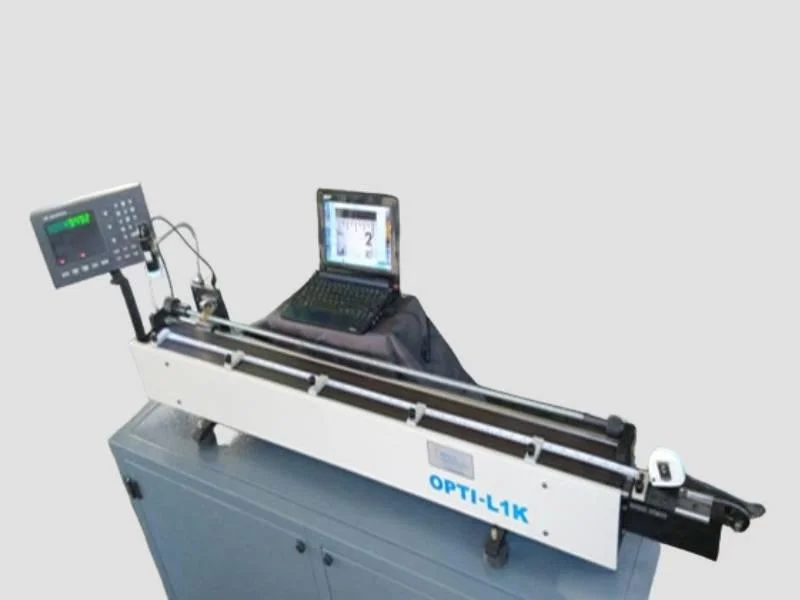
𝗪𝗵𝗮𝘁 𝗮𝗿𝗲 𝗖𝗮𝗹𝗶𝗯𝗿𝗮𝘁𝗶𝗼𝗻 𝗼𝗳 𝗠𝗲𝗮𝘀𝘂𝗿𝗶𝗻𝗴 𝗧𝗮𝗽𝗲𝘀 & 𝗥𝘂𝗹𝗲𝗿𝘀?
Calibration of measuring tapes and rulers is the process of verifying and adjusting these tools to ensure their accuracy. This involves comparing the measurements taken by these instruments against known standards and making necessary adjustments. Calibration is crucial for maintaining precision in measurements, which is essential in various fields such as construction, manufacturing, and engineering.
The primary uses of calibrated measuring tapes and rulers extend to industries where precision is critical. Businesses rely on these tools for accurate lengths, widths, and heights in projects ranging from building structures to manufacturing components. Inaccuracies can lead to significant issues, including increased costs, project delays, and safety hazards. Therefore, calibration ensures that businesses operate with reliable measurement tools, fostering efficiency and quality in their operations.
In terms of industry relevance, calibration of measuring tapes and rulers is an integral part of quality control processes. Many industries are governed by strict regulations and standards, making calibration not only a best practice but often a requirement. The market for calibration services is growing, as more companies recognize the importance of ensuring measurement accuracy to comply with industry standards and enhance their operational effectiveness.
𝗞𝗲𝘆 𝗙𝗲𝗮𝘁𝘂𝗿𝗲𝘀 𝗮𝗻𝗱 𝗦𝗽𝗲𝗰𝗶𝗳𝗶𝗰𝗮𝘁𝗶𝗼𝗻𝘀
Calibration of measuring tapes and rulers incorporates several key features that enhance their functionality and reliability. Understanding these specifications is crucial for businesses aiming to choose the right tools for their operations.
Key specifications include:
1. Accuracy
- The degree to which the measurement tool reflects the true value.
- Typical accuracy ranges from ±0.5 mm to ±1 mm.
2. Length Range
- The maximum and minimum lengths the measuring tape or ruler can effectively measure.
- Common lengths range from 1 meter to 50 meters.
3. Material Quality
- The type of material used, which affects durability and flexibility.
- Options include steel, fiberglass, and plastic.
4. Graduation Marks
- The precision of the markings on the tape or ruler.
- Available in metric and imperial units.
5. Temperature Stability
- The tool's performance under varying temperature conditions.
- Ideal tools maintain accuracy across a temperature range of -10°C to 50°C.
6. Humidity Resistance
- The ability to function in high humidity environments without deterioration.
- Tools may have coatings to resist moisture.
7. Calibration Frequency
- Recommendations for how often the tool should be calibrated.
- Typically suggested every 6 to 12 months.
8. Certifications
- Compliance with quality and safety standards.
- Common certifications include CE and UL.
In summary, understanding these key features and specifications helps businesses select the right calibration tools that meet their operational needs and industry standards.
𝗖𝗼𝗺𝗺𝗼𝗻 𝗔𝗽𝗽𝗹𝗶𝗰𝗮𝘁𝗶𝗼𝗻𝘀 𝗮𝗻𝗱 𝗨𝘀𝗲 𝗖𝗮𝘀𝗲𝘀
Calibration of measuring tapes and rulers finds applications across various industries. Each industry benefits from precise measurements to maintain quality and efficiency.
1. Construction: In construction, accurate measurements are essential for ensuring structural integrity. Calibrated measuring tapes help builders verify dimensions in blueprints and ensure that materials are cut to the correct lengths.
2. Manufacturing: In manufacturing, precision is critical. Calibrated tools are used to measure components, ensuring they fit together correctly and function as intended in the final product.
3. Engineering: Engineers rely on accurate measurements for design and testing. Calibration ensures that the tools used in prototyping and production maintain the required specifications.
4. Retail: Retail environments use calibrated measuring tools to ensure product displays and shelving are set up correctly, enhancing customer experience and safety.
5. Healthcare: In healthcare, accurate measurements are vital for patient care equipment. Calibration ensures that measuring devices like height and weight scales provide precise readings.
6. Education: Educational institutions use calibrated measuring tapes for teaching purposes in geometry and physics, ensuring students learn with accurate tools.
7. Aerospace: In aerospace, precision measurement is critical for safety and performance. Calibration ensures all measuring tools meet stringent industry standards.
𝗣𝗿𝗼𝗱𝘂𝗰𝘁 𝗩𝗮𝗿𝗶𝗮𝗻𝘁𝘀 𝗮𝗻𝗱 𝗦𝘂𝗯𝗰𝗮𝘁𝗲𝗴𝗼𝗿𝗶𝗲𝘀
The diversity of calibration tools for measuring tapes and rulers allows businesses to select products that best fit their specific needs.
Professional Measuring Tapes
These tapes are designed for heavy-duty use in construction and engineering. They typically feature durable materials, easy-to-read markings, and are often equipped with automatic locking mechanisms for enhanced usability.
Digital Measuring Tapes
Digital versions provide electronic displays that offer instant readings. They often come with additional features such as memory functions, unit conversions, and Bluetooth connectivity for data transfer.
Flexible Measuring Tapes
These tapes are ideal for measuring irregular shapes and contours. Made from soft materials, they are commonly used in tailoring, design, and various crafts.
Retractable Measuring Tapes
Retractable options are convenient for quick measurements. They come in various lengths and are commonly used in both professional and domestic settings.
𝗕𝗲𝗻𝗲𝗳𝗶𝘁𝘀 𝗮𝗻𝗱 𝗔𝗱𝘃𝗮𝗻𝘁𝗮𝗴𝗲𝘀
Calibration of measuring tapes and rulers offers numerous benefits that enhance operational efficiency and product quality.
Key benefits include:
1. Improved Accuracy: Regular calibration ensures that measurements are precise, reducing errors in production processes.
2. Enhanced Compliance: Adhering to industry standards through calibration helps businesses meet regulatory requirements.
3. Cost Efficiency: Accurate measurements minimize waste and rework, leading to significant cost savings over time.
4. Increased Safety: Precise measurements reduce the risk of accidents caused by faulty dimensions in construction and manufacturing.
5. Quality Assurance: Calibration contributes to maintaining high-quality standards in products and services, fostering customer trust.
6. Long-term Reliability: Regular calibration extends the lifespan of measuring tools, ensuring consistent performance over time.
𝗕𝘂𝘆𝗶𝗻𝗴 𝗚𝘂𝗶𝗱𝗲 𝗳𝗼𝗿 𝗕𝟮𝗕 𝗕𝘂𝘆𝗲𝗿𝘀
When sourcing calibration of measuring tapes and rulers, it is essential for B2B buyers to consider several factors to ensure they make informed decisions.
1. Quality Assessment: Evaluate the quality of the measuring tools by checking materials used and accuracy ratings. Look for certifications that indicate compliance with industry standards.
2. Supplier Verification: Vet suppliers by reviewing their reputation and experience in the market. Consider seeking references or customer reviews to ensure reliability.
3. Pricing and MOQ: Analyze pricing structures and minimum order quantities. This helps in budgeting and ensures that you receive the best value for your investment.
4. Delivery and Lead Times: Consider logistics and the expected delivery timelines. Ensure suppliers can meet your operational deadlines without compromising quality.
5. Compliance Requirements: Be aware of any specific compliance standards relevant to your industry. Ensure that the products meet all necessary regulations to avoid potential legal issues.
𝗖𝗼𝗺𝗽𝗹𝗶𝗮𝗻𝗰𝗲 𝗮𝗻𝗱 𝗖𝗲𝗿𝘁𝗶𝗳𝗶𝗰𝗮𝘁𝗶𝗼𝗻𝘀
Calibration of measuring tapes and rulers is subject to various quality standards and certifications that ensure they meet industry requirements. ISO 9001 is a widely recognized standard that outlines criteria for quality management systems, promoting consistent quality in products and services.
Additionally, industry certifications such as CE and UL signify that products have been tested for safety and compliance with relevant regulations. These certifications provide assurance to buyers that the measuring tools adhere to established safety standards.
Safety and testing requirements are also critical in ensuring that measuring tools perform reliably without posing risks to users. Regular testing helps to maintain these standards and confirm that the products can withstand the conditions they are used in.
Regional compliance considerations may vary, with specific requirements depending on the location of use. Buyers should familiarize themselves with local regulations to ensure their calibration tools meet all necessary legal and safety standards.
𝗪𝗵𝘆 𝗦𝗼𝘂𝗿𝗰𝗲 𝗖𝗮𝗹𝗶𝗯𝗿𝗮𝘁𝗶𝗼𝗻 𝗼𝗳 𝗠𝗲𝗮𝘀𝘂𝗿𝗶𝗻𝗴 𝗧𝗮𝗽𝗲𝘀 & 𝗥𝘂𝗹𝗲𝗿𝘀 𝗳𝗿𝗼𝗺 𝗣𝗲𝗽𝗮𝗴𝗼𝗿𝗮?
Pepagora offers a trusted platform for sourcing calibration of measuring tapes and rulers, providing several key advantages to B2B buyers.
Verified Supplier Network: Pepagora ensures that all suppliers on the platform are thoroughly vetted, offering buyers confidence in the quality of products and services provided. This verification process minimizes the risk of dealing with unreliable vendors.
Streamlined RFQ Process: The platform features a streamlined Request for Quotation (RFQ) process, enabling buyers to quickly obtain competitive quotes from multiple suppliers. This helps in making informed purchasing decisions while saving time.
Trade Assurance and Support: Buyers benefit from trade assurance, which protects their transactions and provides support in case of disputes. This assurance fosters trust and security in online sourcing.
Regional Coverage: With a strong presence in India, the GCC, and Southeast Asia, Pepagora offers extensive regional coverage. This geographic reach allows businesses to find suppliers that are conveniently located and capable of meeting their specific needs.
Calibration of Measuring Tapes & Rulers refers to the process of verifying and adjusting the accuracy of measuring tools to ensure precision in measurements. This process is essential in various industries, including construction, manufacturing, and quality control.
2
What are the different types of Calibration of Measuring Tapes & Rulers?
Different types of Calibration of Measuring Tapes & Rulers include standard calibration, digital calibration, and specialized calibration for specific applications. Each type is designed to meet varying accuracy needs and industry standards.
3
How do I choose the right Calibration of Measuring Tapes & Rulers?
To choose the right Calibration of Measuring Tapes & Rulers, consider the accuracy requirements for your specific application, the type of measuring tape or ruler, and the environment in which it will be used. Additionally, evaluate the reputation of the supplier and any certifications they hold.
4
What are the standard specifications for Calibration of Measuring Tapes & Rulers?
Standard specifications for Calibration of Measuring Tapes & Rulers typically include measurement accuracy, material quality, and compliance with relevant industry standards such as ISO or ASTM. These specifications ensure that the tools provide reliable and precise measurements.
5
What is the price range for Calibration of Measuring Tapes & Rulers?
The price range for Calibration of Measuring Tapes & Rulers can vary significantly based on the type, brand, and specifications required. Generally, prices can start from a few hundred rupees and go up to several thousand rupees for high-precision models.
6
What quality standards apply to Calibration of Measuring Tapes & Rulers?
Quality standards for Calibration of Measuring Tapes & Rulers include ISO 9001 for quality management systems and ISO/IEC 17025 for testing and calibration laboratories. Adhering to these standards ensures that the calibration process meets international quality and accuracy benchmarks.
7
Where can I find Calibration of Measuring Tapes & Rulers suppliers in India?
You can find Calibration of Measuring Tapes & Rulers suppliers in India through online B2B marketplaces, industry trade shows, and local directories. Websites like Pepagora.com can help connect you with reputable manufacturers and suppliers.
8
Can Calibration of Measuring Tapes & Rulers be customized?
Yes, Calibration of Measuring Tapes & Rulers can often be customized to meet specific measurement needs or industry requirements. Customizations may include specific lengths, materials, or calibration standards.
9
What is the typical minimum order quantity for Calibration of Measuring Tapes & Rulers?
The typical minimum order quantity (MOQ) for Calibration of Measuring Tapes & Rulers varies by supplier and product type. Generally, MOQs can range from a single unit for specialized items to larger quantities for bulk orders.
10
What is the typical lead time for Calibration of Measuring Tapes & Rulers?
The typical lead time for Calibration of Measuring Tapes & Rulers can vary depending on the supplier and the complexity of the calibration process. Generally, you can expect lead times to range from a few days to several weeks.
Why Businesses Trust Pepagora
Thousands of companies trust Pepagora to source smarter and sell faster
Expand Your Sales Globally
25000+Products listed.Get discovered by global buyers

 IN
IN