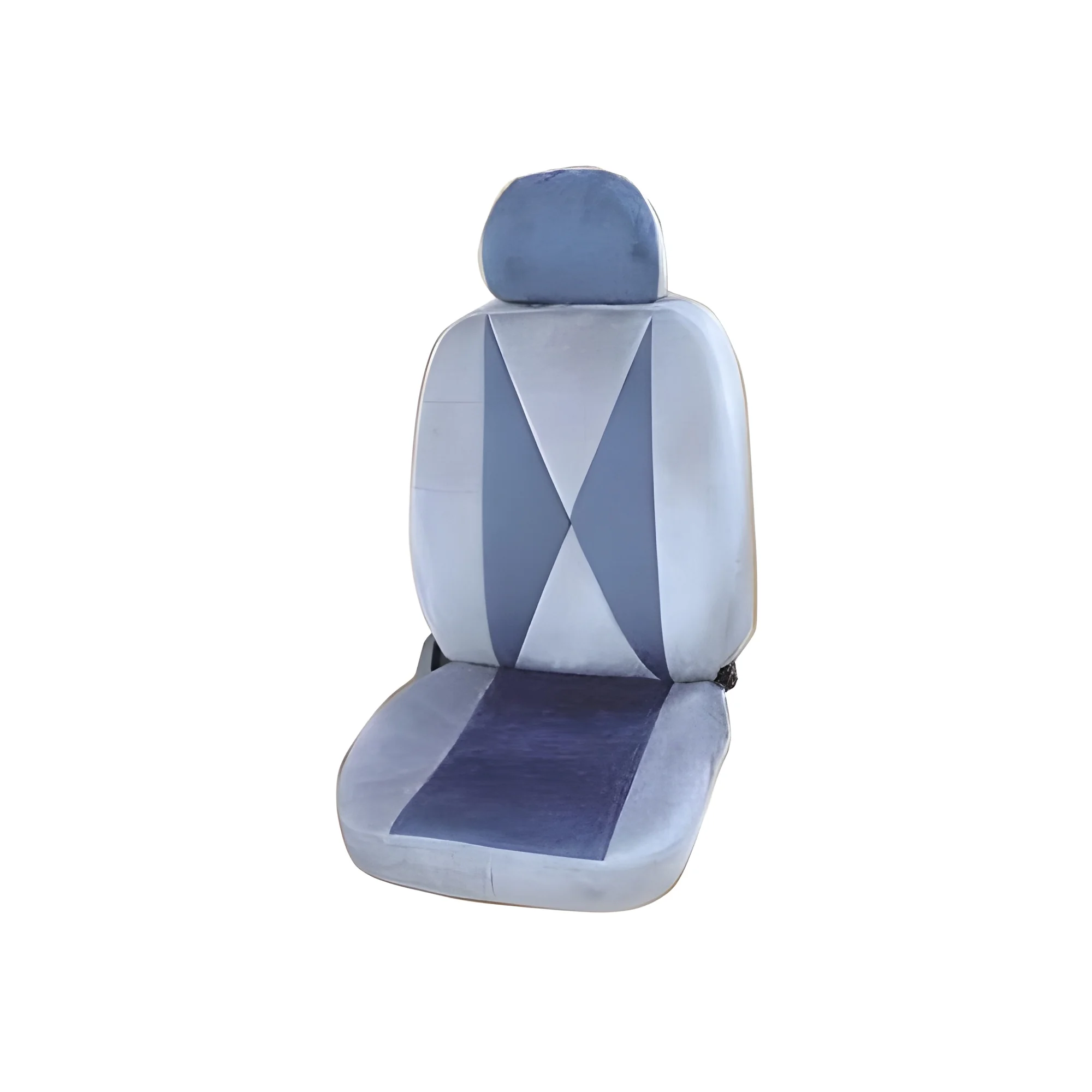
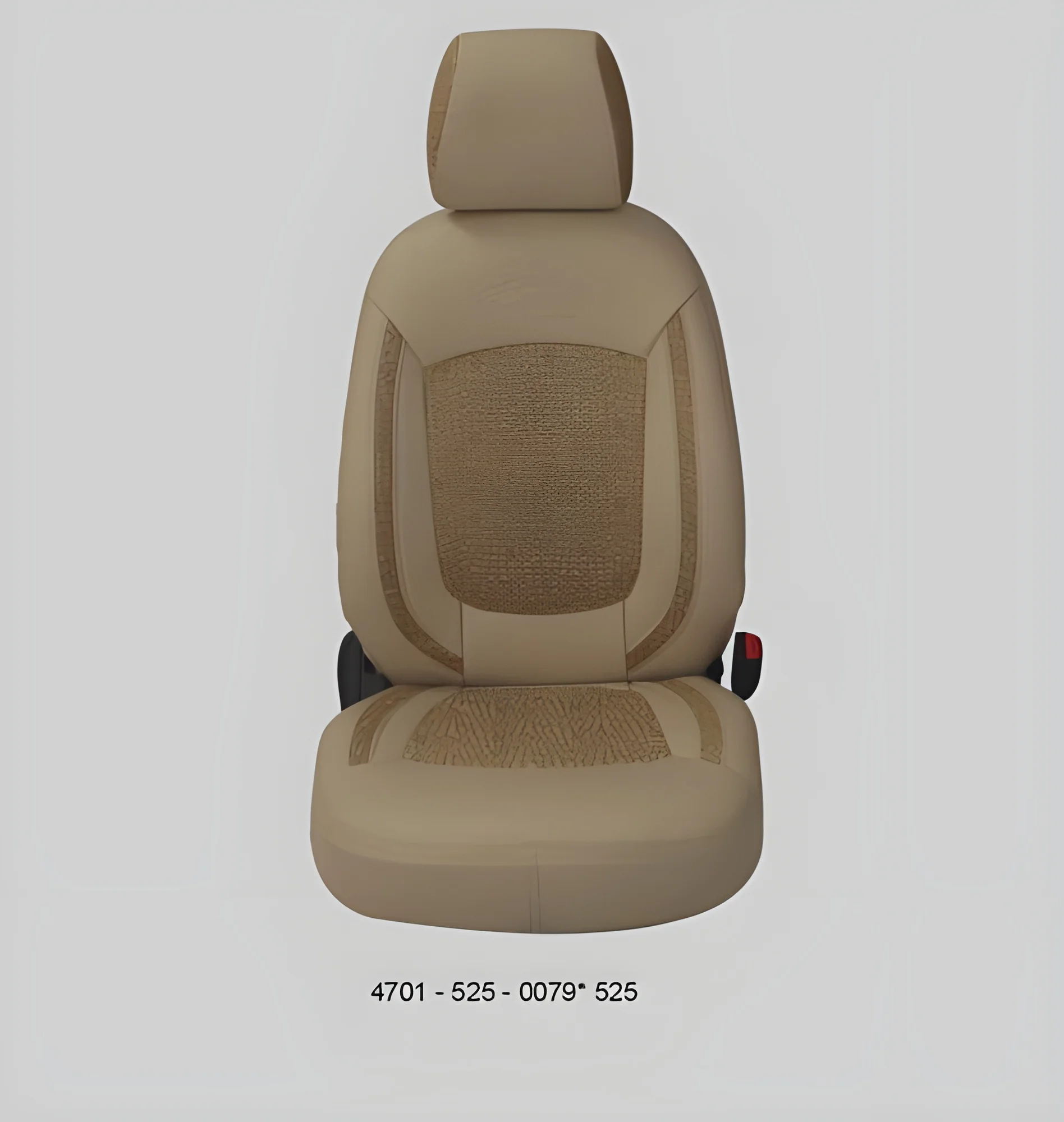
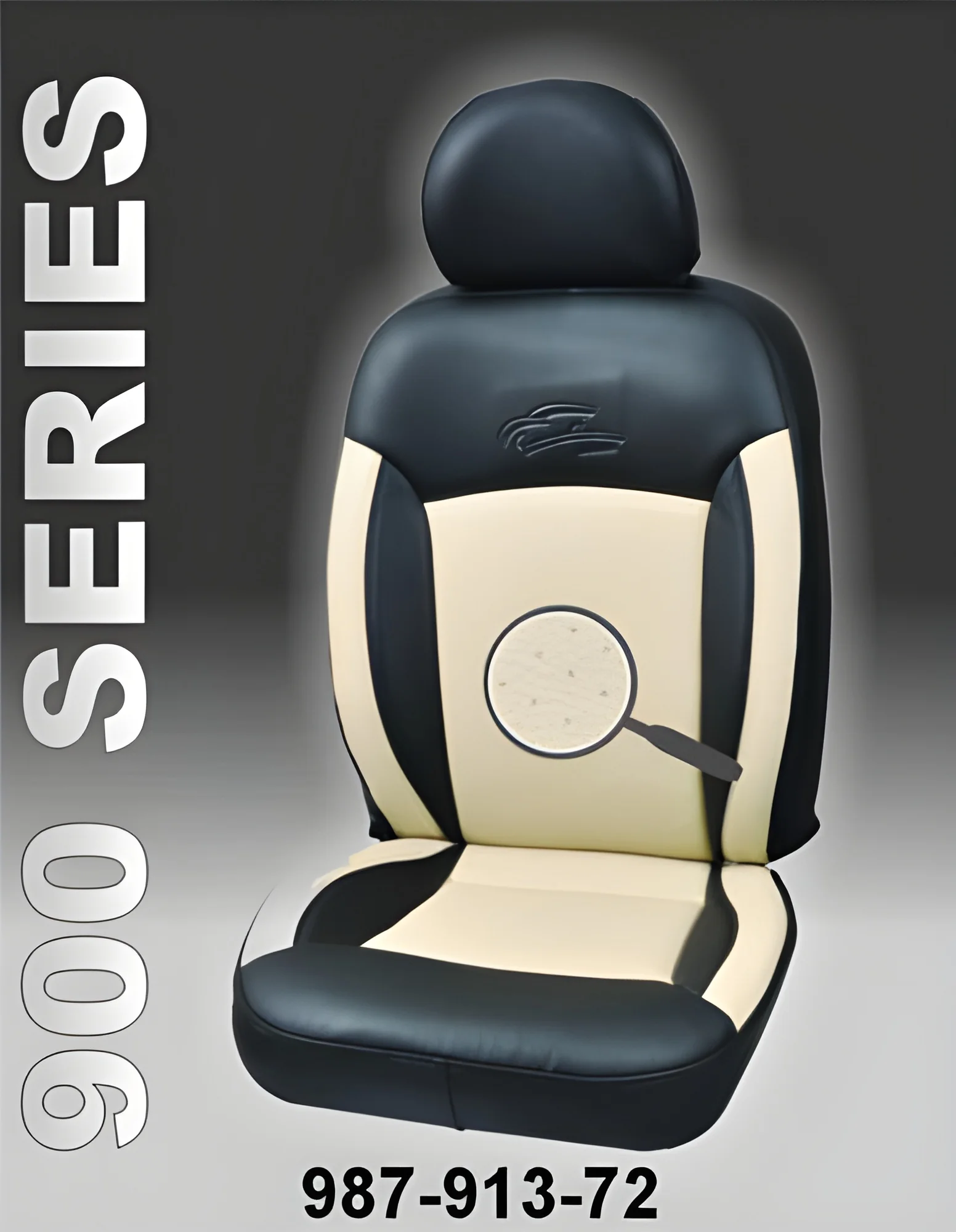
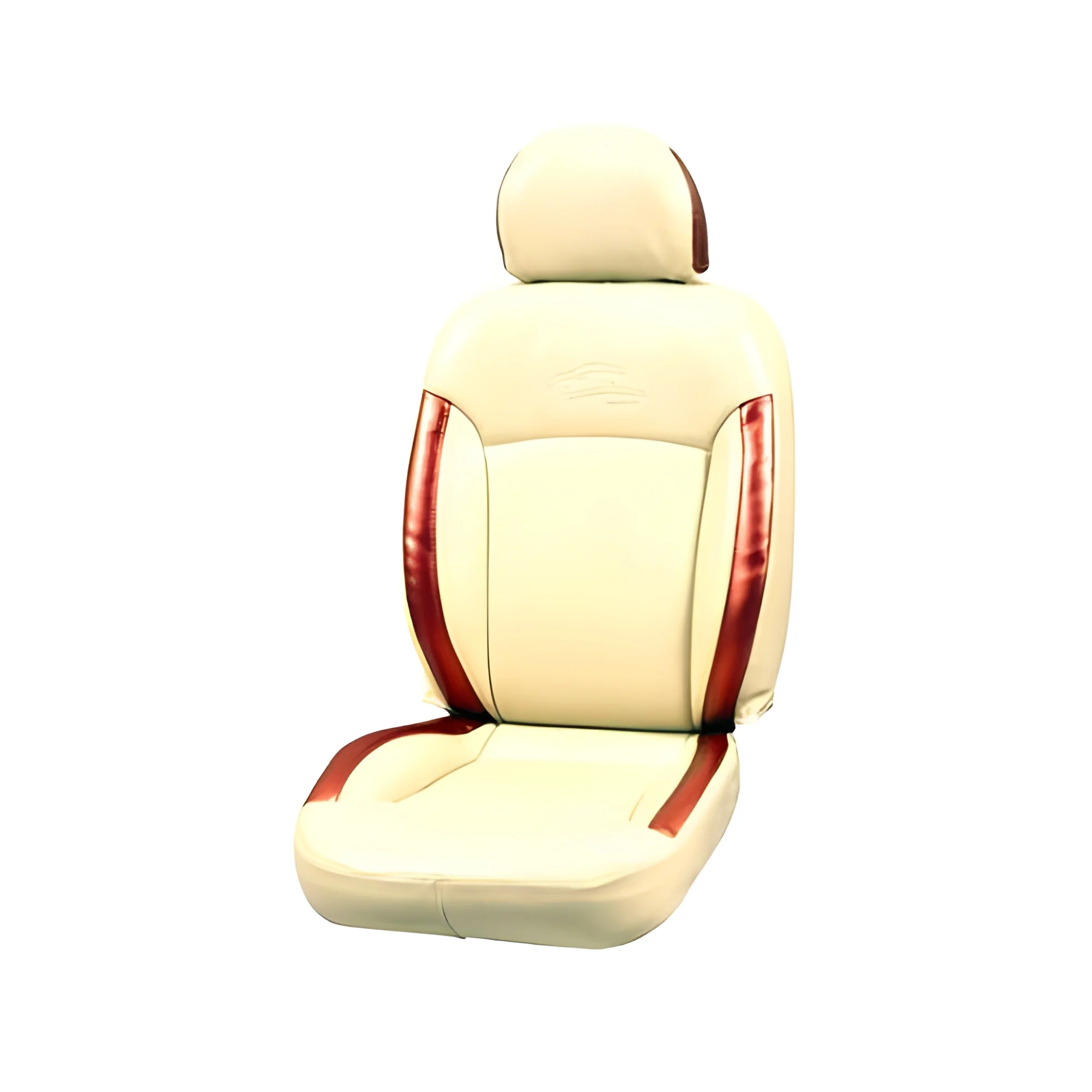
𝗪𝗵𝗮𝘁 𝗮𝗿𝗲 𝗖𝗮𝗿 𝗦𝗲𝗮𝘁𝘀?
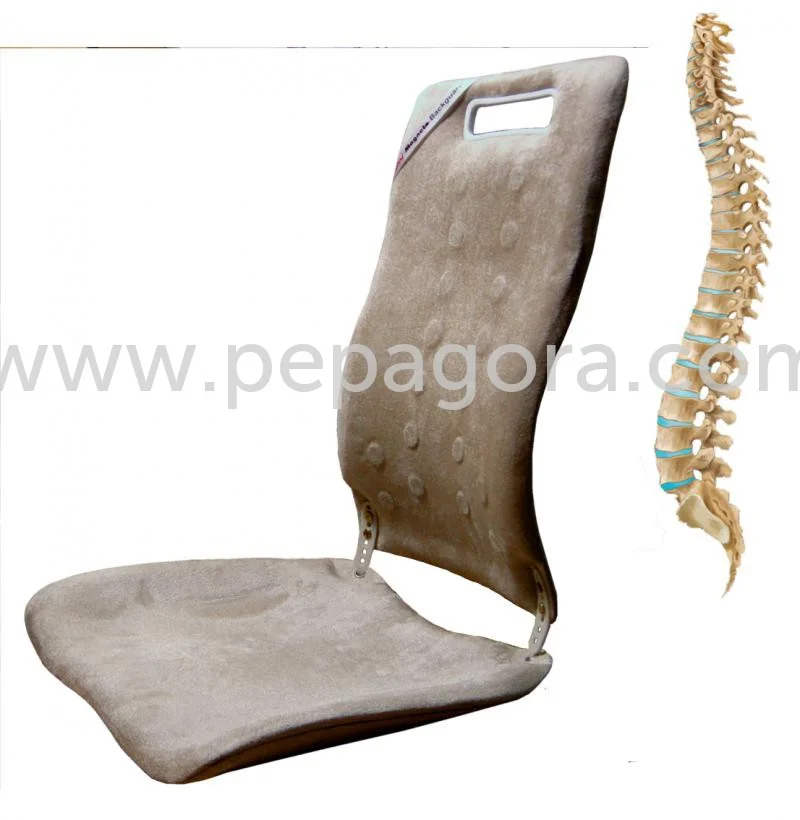
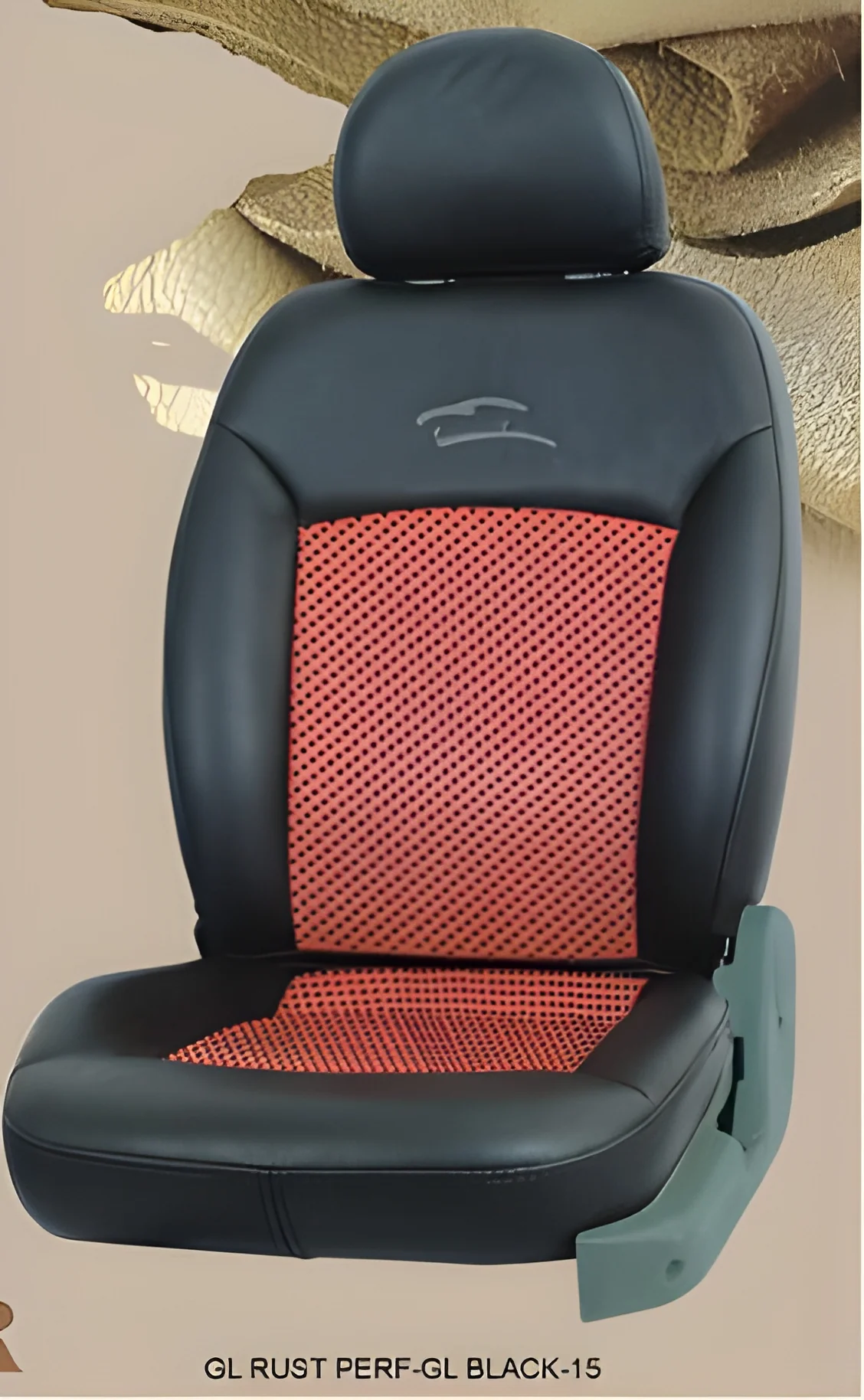
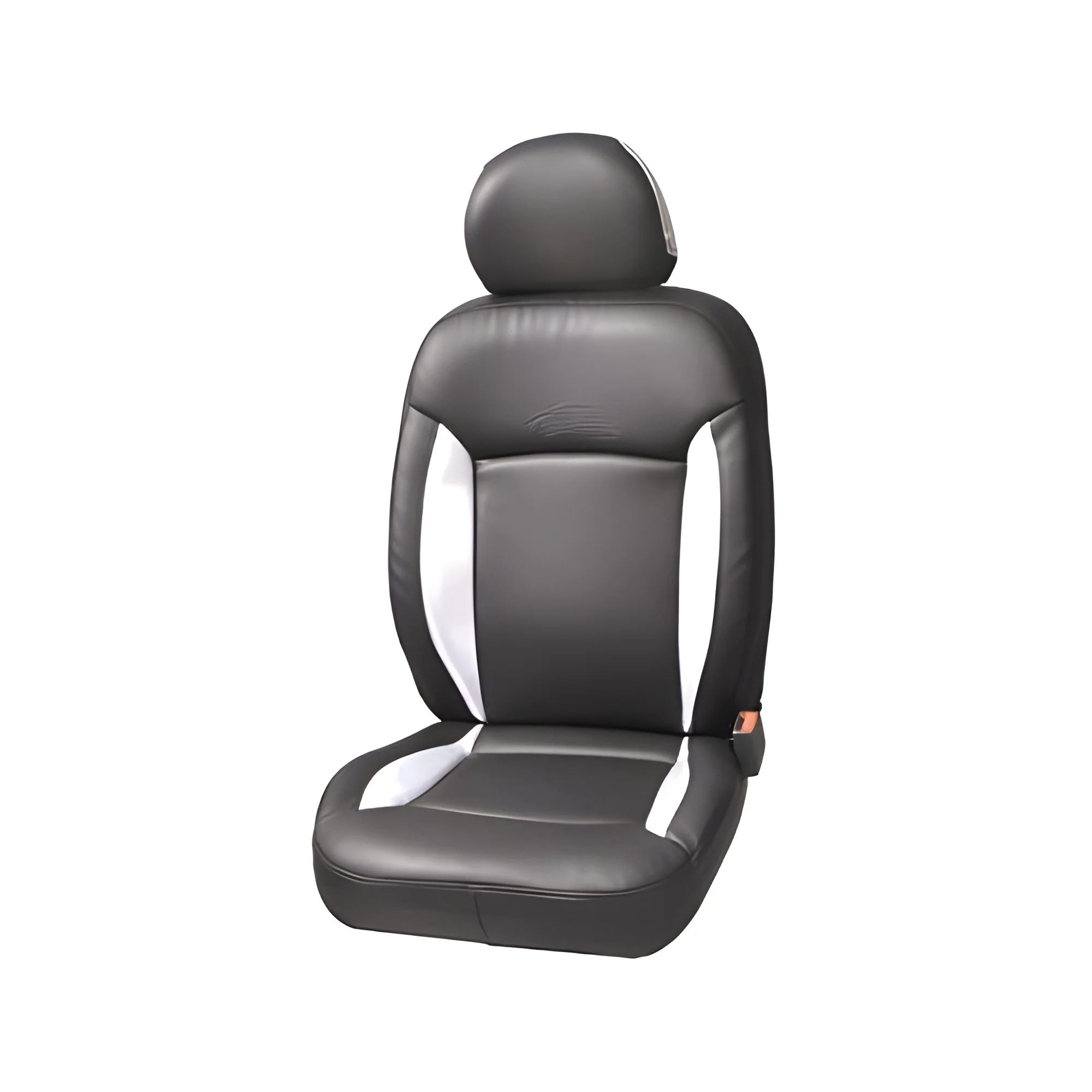
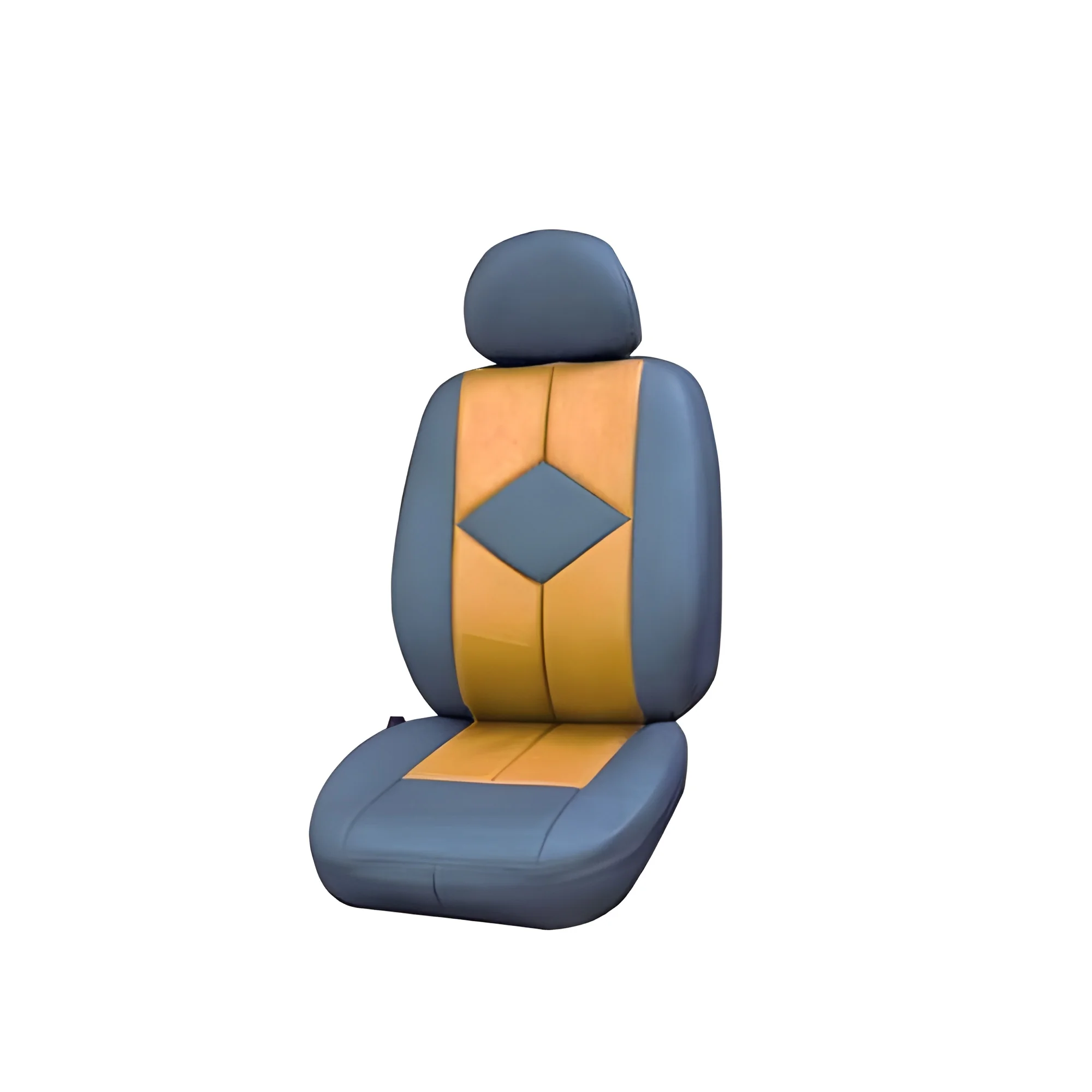
Car seats are specialized seating devices designed to safely accommodate passengers in vehicles. They are crafted to provide comfort and security, particularly for children and infants. Car seats come in various sizes and configurations, ensuring that they meet the specific needs of different age groups and body types. The primary function of a car seat is to protect the occupant during travel, minimizing the risk of injury in the event of an accident.
In a business context, car seats are essential in industries such as automotive manufacturing, transportation services, and child care. Businesses involved in these sectors must prioritize safety and compliance with regulations. Car seats are also pivotal for fleet operators who transport children, ensuring that all safety measures are adhered to. The market for car seats has been growing steadily, driven by increasing safety awareness and regulatory requirements in many regions.
𝗞𝗲𝘆 𝗙𝗲𝗮𝘁𝘂𝗿𝗲𝘀 𝗮𝗻𝗱 𝗦𝗽𝗲𝗰𝗶𝗳𝗶𝗰𝗮𝘁𝗶𝗼𝗻𝘀
Car seats are equipped with a variety of features and specifications that enhance their usability and safety. These specifications can vary based on the type of car seat and its intended use. Understanding these features is crucial for buyers looking to make informed purchasing decisions.
Key specifications include:
1. Safety Standards
- Compliance with regulations such as those set by the National Highway Traffic Safety Administration (NHTSA)
- Testing for crash safety and durability
2. Design Type
- Available as rear-facing, forward-facing, booster seats, and convertible seats
- Each design serves different age groups and weight limits
3. Material Composition
- Use of high-quality fabrics that are easy to clean and maintain
- Padding materials that enhance comfort and safety
4. Weight Capacity
- Ranges from infant seats supporting 4-35 lbs to booster seats accommodating up to 100 lbs
- Important for ensuring the right fit for the child
5. Installation Mechanism
- Options for LATCH (Lower Anchors and Tethers for Children) or seat belt installation
- Ease of installation influences consumer preference
6. Adjustability Features
- Harness systems that can be adjusted as the child grows
- Recline options for comfort during travel
7. Additional Safety Features
- Side impact protection
- Energy-absorbing foam for added security
8. Price Range
- Typically ranges from budget options to premium models
- Pricing can reflect brand reputation and additional features
These features collectively contribute to the overall effectiveness and safety of car seats, making them an essential consideration for businesses in relevant industries.
𝗖𝗼𝗺𝗺𝗼𝗻 𝗔𝗽𝗽𝗹𝗶𝗰𝗮𝘁𝗶𝗼𝗻𝘀 𝗮𝗻𝗱 𝗨𝘀𝗲 𝗖𝗮𝘀𝗲𝘀
Car seats are utilized across a range of industries, ensuring safety and compliance in transportation.
1. Automotive Manufacturing: Car seats are integrated into vehicle designs, focusing on safety and comfort for all passengers.
2. Child Care Services: Facilities that transport children must use certified car seats to comply with safety regulations and protect young passengers.
3. Family Transportation Services: Companies offering rideshare or shuttle services for families often require car seats to cater to clients with children.
4. School Transportation: School buses may be equipped with specialized seats to ensure child safety on school routes.
5. Rental Car Services: Rental agencies often provide car seats as an option for families traveling with young children.
6. Emergency Services: Ambulances and emergency vehicles may use specialized car seats to safely transport infants and children during medical emergencies.
7. Research and Development: Companies focused on safety innovations conduct studies to enhance car seat designs and improve safety standards.
𝗣𝗿𝗼𝗱𝘂𝗰𝘁 𝗩𝗮𝗿𝗶𝗮𝗻𝘁𝘀 𝗮𝗻𝗱 𝗦𝘂𝗯𝗰𝗮𝘁𝗲𝗴𝗼𝗿𝗶𝗲𝘀
Car seats come in various forms, each designed to cater to specific needs and preferences.
Infant Car Seats
These seats are designed for newborns and infants, typically suitable for babies weighing between 4 and 35 pounds. They offer a rear-facing design for optimal safety and come with a base for easy installation in vehicles.
Convertible Car Seats
Convertible seats can transition from rear-facing to forward-facing as a child grows. They accommodate a wider weight range, making them a long-term solution for parents.
Booster Seats
Booster seats are intended for older children who have outgrown their forward-facing seats. They elevate the child to ensure proper seat belt positioning, enhancing safety during travel.
Combination Seats
These seats combine the features of a forward-facing seat and a booster, allowing them to be used for a longer period as the child grows.
𝗕𝗲𝗻𝗲𝗳𝗶𝘁𝘀 𝗮𝗻𝗱 𝗔𝗱𝘃𝗮𝗻𝘁𝗮𝗴𝗲𝘀
Investing in quality car seats offers significant benefits for businesses and consumers alike.
1. Enhanced Safety: Car seats are designed to meet rigorous safety standards, providing protection in the event of an accident.
2. Compliance with Regulations: Using certified car seats helps businesses adhere to legal requirements, reducing liability risks.
3. Comfort for Passengers: High-quality materials and adjustable features ensure that children remain comfortable during travel.
4. Long-Term Use: Many car seats are designed to grow with the child, providing a cost-effective solution over time.
5. Positive Brand Image: Businesses that prioritize safety enhance their reputation, attracting customers who value child safety.
6. Improved Customer Satisfaction: Providing safe transportation options can lead to increased customer loyalty and repeat business.
𝗕𝘂𝘆𝗶𝗻𝗴 𝗚𝘂𝗶𝗱𝗲 𝗳𝗼𝗿 𝗕𝟮𝗕 𝗕𝘂𝘆𝗲𝗿𝘀
When sourcing car seats for business needs, there are several important factors to consider.
1. Quality Assessment: Evaluate the quality of materials and construction. Look for car seats that comply with safety standards and have undergone rigorous testing.
2. Supplier Verification: Research suppliers to ensure they are reputable and provide reliable products. Consider their certifications and customer reviews.
3. Pricing and MOQ: Understand the price range for car seats and inquire about minimum order quantities to meet your business needs.
4. Delivery and Lead Times: Discuss logistics with suppliers to determine delivery schedules and ensure timely availability of products.
5. Compliance Requirements: Familiarize yourself with regional regulations regarding car seat safety to ensure that the products you source meet legal standards.
𝗖𝗼𝗺𝗽𝗹𝗶𝗮𝗻𝗰𝗲 𝗮𝗻𝗱 𝗖𝗲𝗿𝘁𝗶𝗳𝗶𝗰𝗮𝘁𝗶𝗼𝗻𝘀
Car seats are subject to various quality standards and regulations. Compliance is critical for ensuring safety and reliability.
Quality standards such as ISO 9001 ensure that manufacturers maintain consistent quality in their production processes. This certification indicates a commitment to quality management systems.
The CE marking is a vital certification in Europe, signifying that a product meets health, safety, and environmental protection standards. For car seats, this certification assures consumers of their safety and compliance with EU regulations.
Safety and testing requirements are stringent, with car seats undergoing crash tests to evaluate their effectiveness in protecting passengers. Manufacturers must adhere to these testing protocols to gain certifications.
Regional compliance considerations vary, with different countries having specific regulations that govern car seat safety. Businesses must stay informed about these regulations to ensure compliance in their respective markets.
𝗪𝗵𝘆 𝗦𝗼𝘂𝗿𝗰𝗲 𝗖𝗮𝗿 𝗦𝗲𝗮𝘁𝘀 𝗳𝗿𝗼𝗺 𝗣𝗲𝗽𝗮𝗴𝗼𝗿𝗮?
Pepagora provides a trusted platform for sourcing car seats, offering several key advantages for B2B buyers.
Verified Supplier Network: Pepagora connects buyers with a network of verified suppliers, ensuring that all vendors meet industry standards for quality and safety. This reduces the risk of sourcing subpar products.
Streamlined RFQ Process: The request for quotation (RFQ) process on Pepagora is designed to be straightforward, allowing buyers to receive competitive quotes from multiple suppliers quickly. This efficiency can save time and facilitate better purchasing decisions.
Trade Assurance and Support: Pepagora offers trade assurance, providing buyers with protection against non-compliance and product quality issues. This support fosters confidence in transactions.
Regional Coverage: With a strong presence in regions such as India, the GCC, and Southeast Asia, Pepagora facilitates sourcing across diverse markets. This geographic reach enables businesses to find the right products tailored to their local needs.
Car seats are specially designed seats for vehicles that provide safety and comfort for passengers. They are essential for ensuring the secure transportation of both adults and children, complying with safety regulations to minimize injury in the event of a crash.
2
What are the different types of Car Seats?
The different types of car seats include infant car seats, convertible car seats, booster seats, and all-in-one car seats. Each type is designed to accommodate various age groups and weight limits, ensuring optimal safety and comfort.
3
How do I choose the right Car Seats?
To choose the right car seat, consider the child's age, weight, and height, as well as the vehicle's compatibility. Additionally, review safety ratings and features such as harness systems, ease of installation, and adjustability to ensure the best fit.
4
What are the standard specifications for Car Seats?
Standard specifications for car seats include compliance with safety regulations, weight and height limits, and material quality. Car seats should also feature secure harness systems, side-impact protection, and ease of use for installation and adjustment.
5
What is the price range for Car Seats?
The price range for car seats varies widely based on type, brand, and features, typically ranging from INR 3,000 to INR 30,000. Higher-end models may include advanced safety features and additional comfort options.
6
What quality standards apply to Car Seats?
Car seats must meet quality standards set by regulatory bodies, such as the Bureau of Indian Standards (BIS) in India. Compliance with these standards ensures that the car seats provide adequate safety and performance during use.
7
Where can I find Car Seats suppliers in India?
You can find car seat suppliers in India through B2B marketplaces, trade shows, and industry directories. Websites like Pepagora.com offer a range of verified suppliers, making it easier to connect with manufacturers and distributors.
8
Can Car Seats be customized?
Yes, car seats can often be customized to meet specific requirements, such as fabric choice, color, and additional features. Manufacturers may offer customization options to cater to individual preferences or branding needs.
9
What is the typical minimum order quantity for Car Seats?
The typical minimum order quantity (MOQ) for car seats can vary by supplier but generally ranges from 50 to 100 units. It's advisable to check with specific manufacturers for their MOQ requirements.
10
What is the typical lead time for Car Seats?
The typical lead time for car seats can range from 2 to 8 weeks, depending on the supplier and whether the seats are customized. Factors such as production schedules and shipping logistics also influence the delivery timeframe.
Why Businesses Trust Pepagora
Thousands of companies trust Pepagora to source smarter and sell faster
Expand Your Sales Globally
25000+Products listed.Get discovered by global buyers

 IN
IN