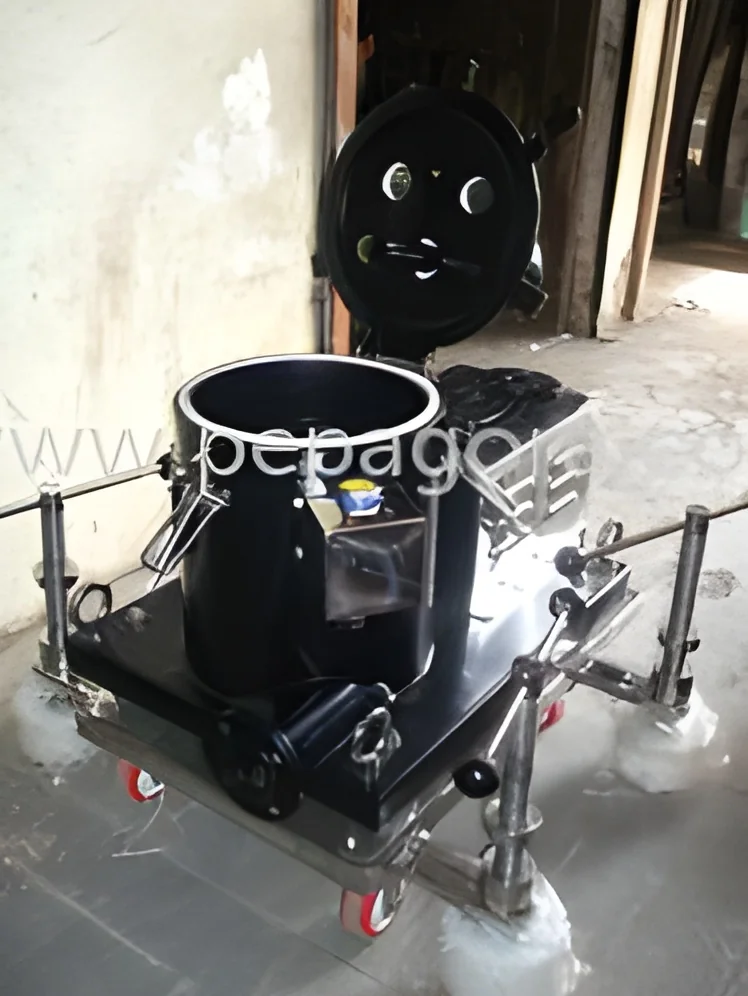
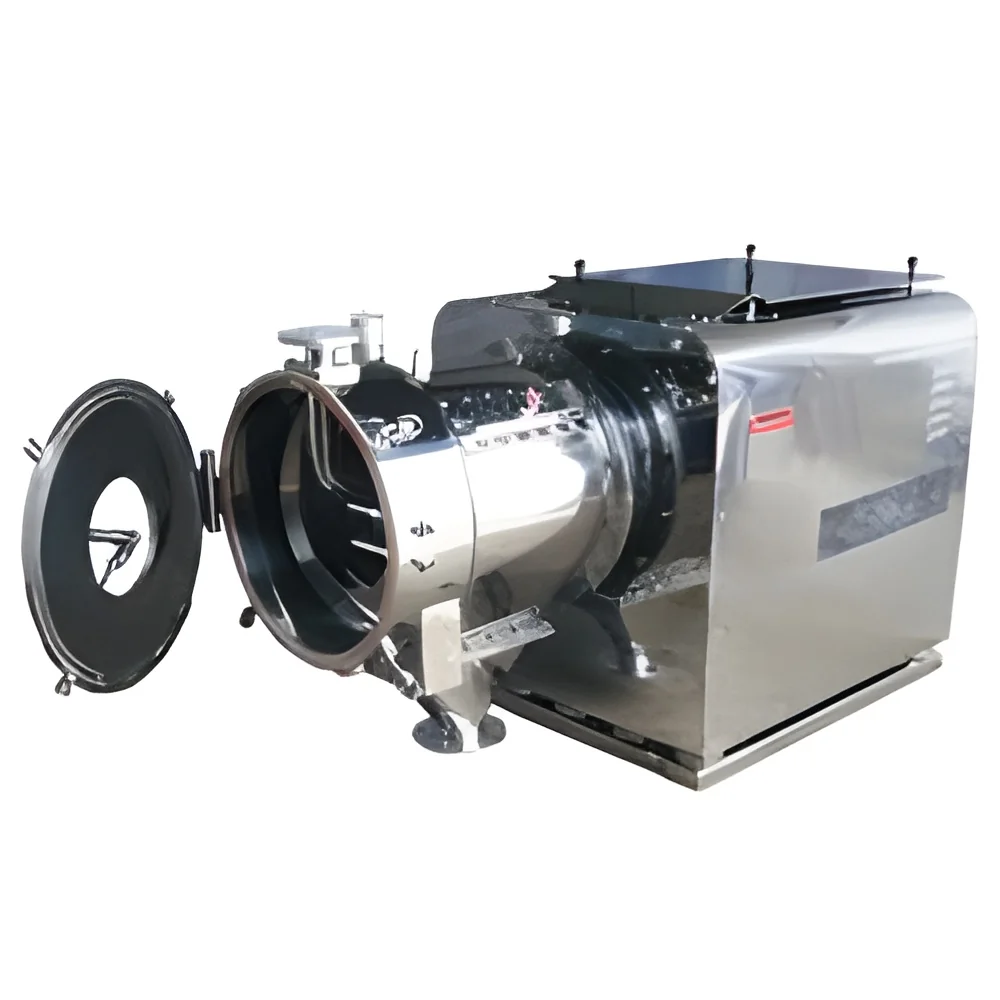
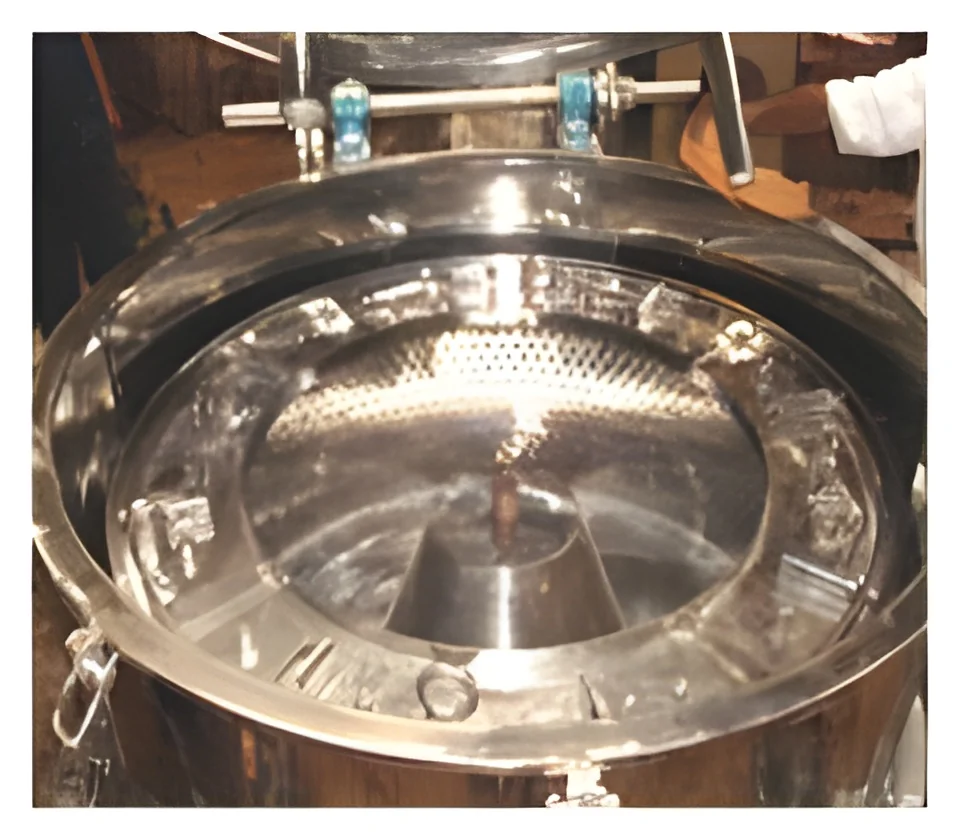
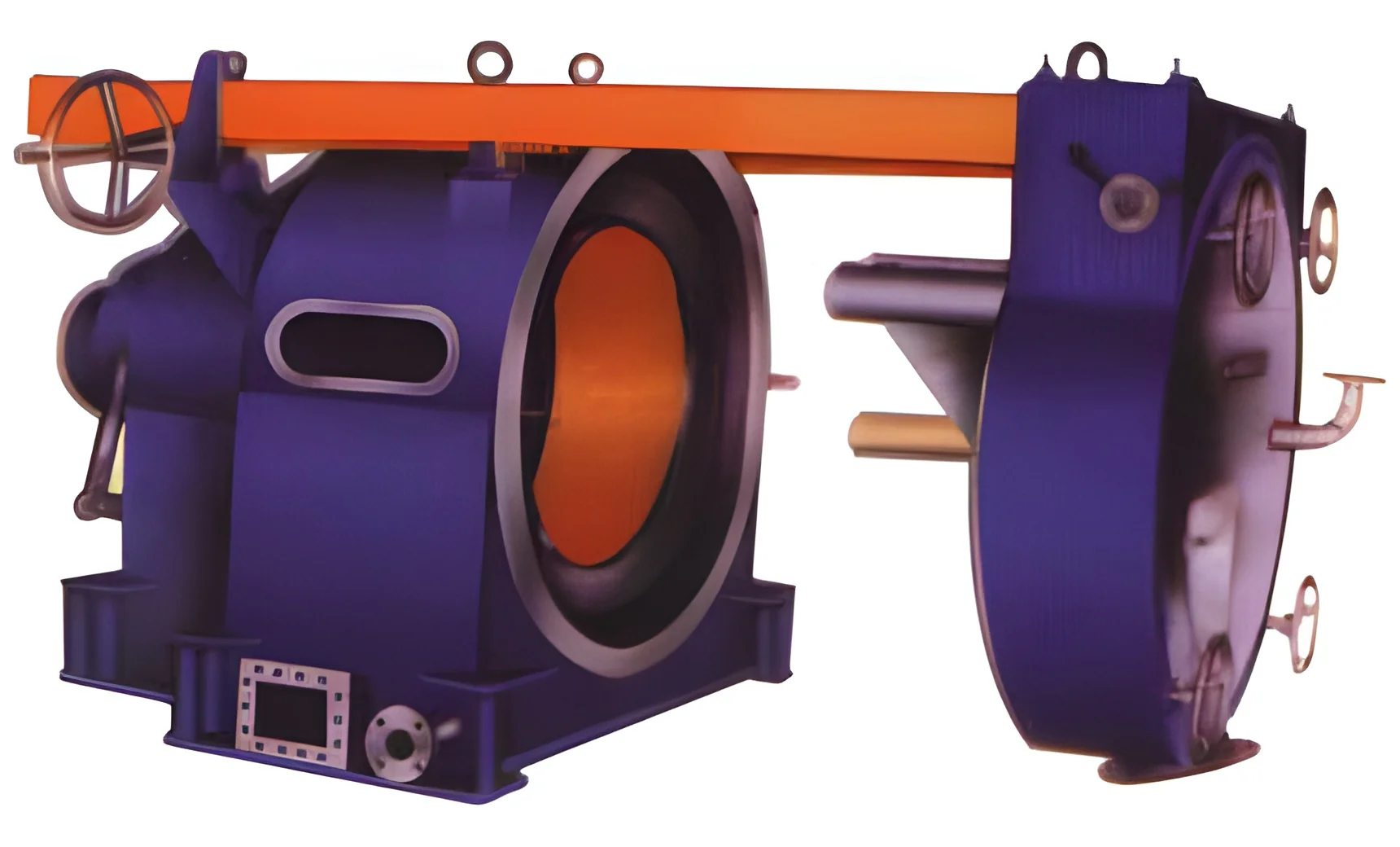
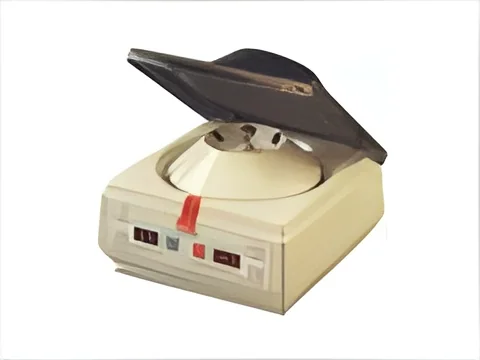
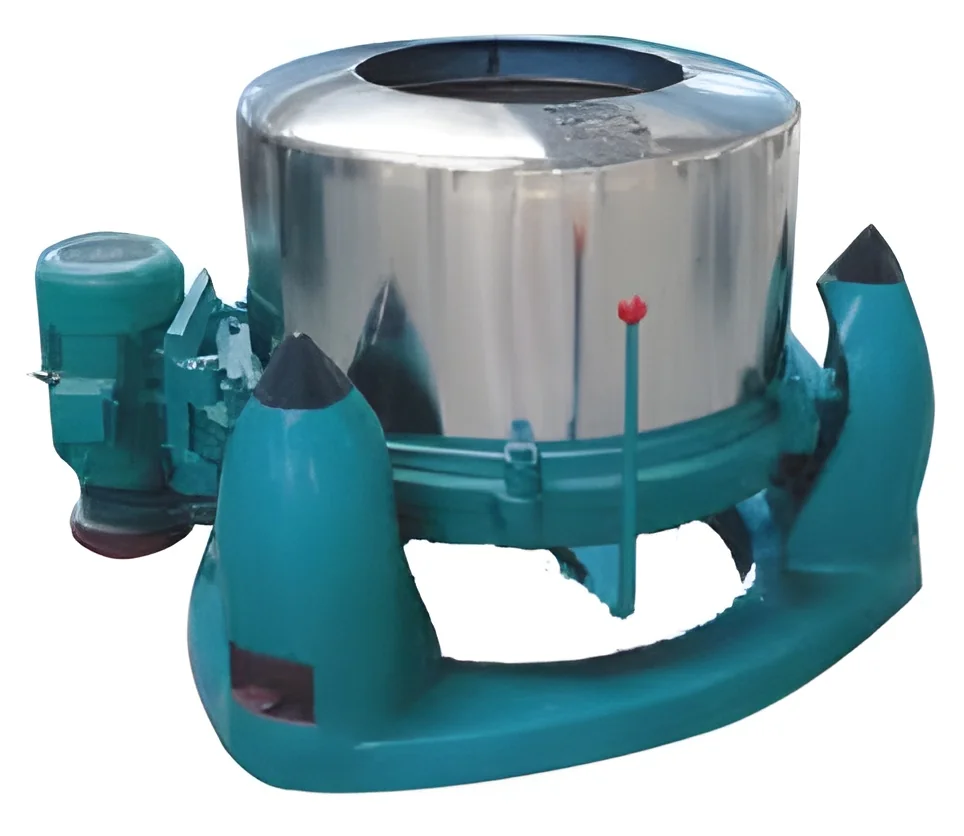
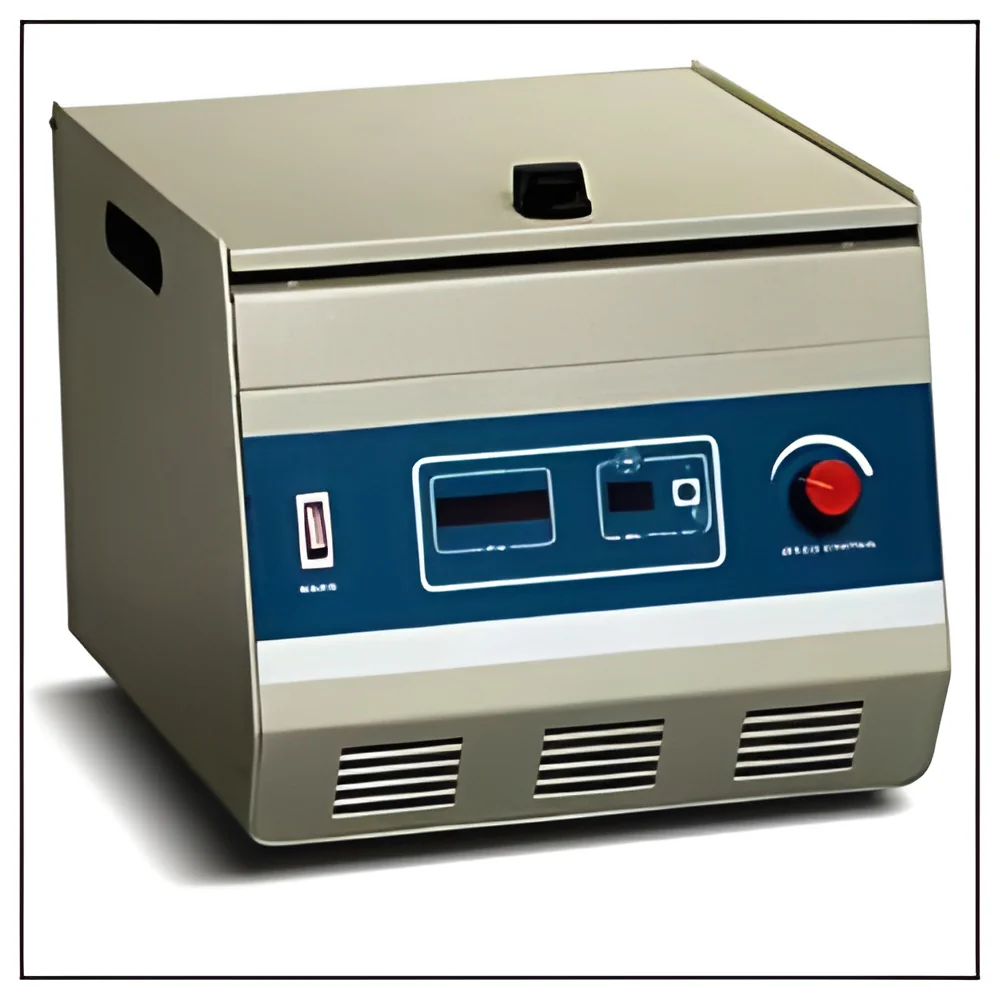
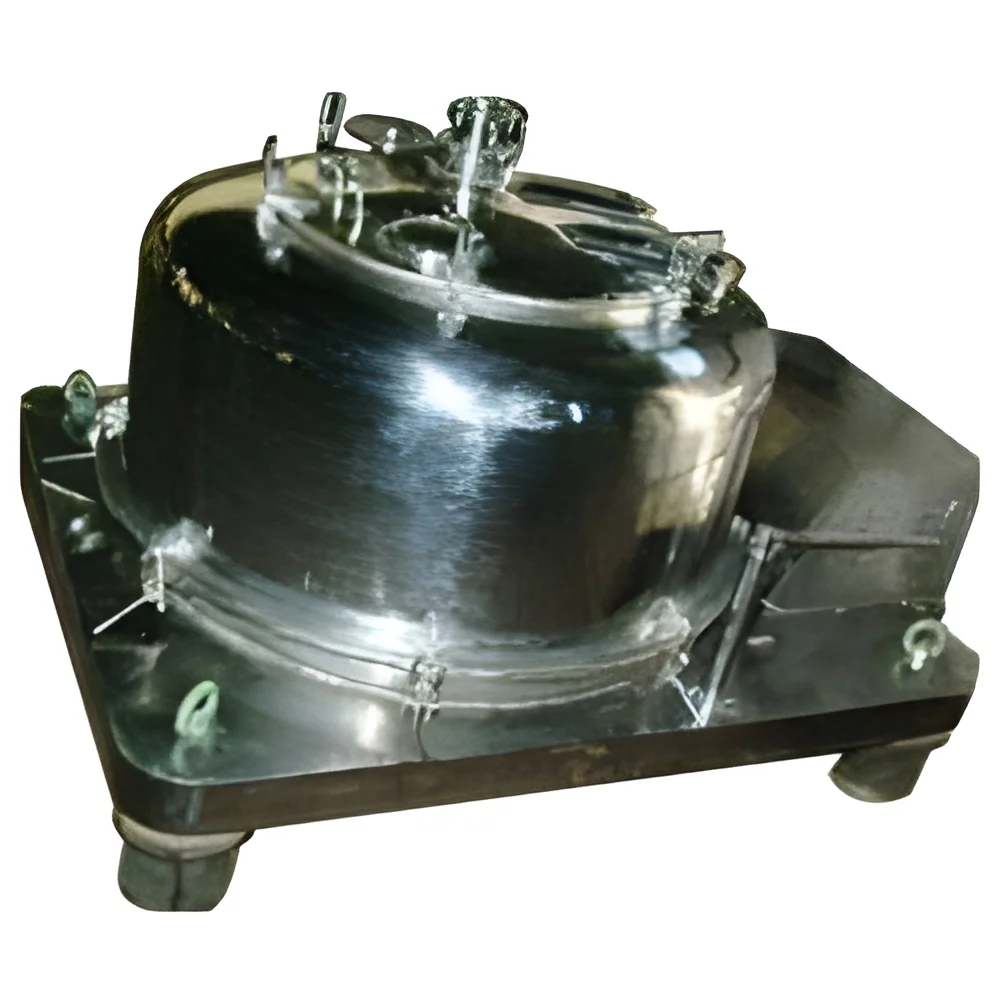
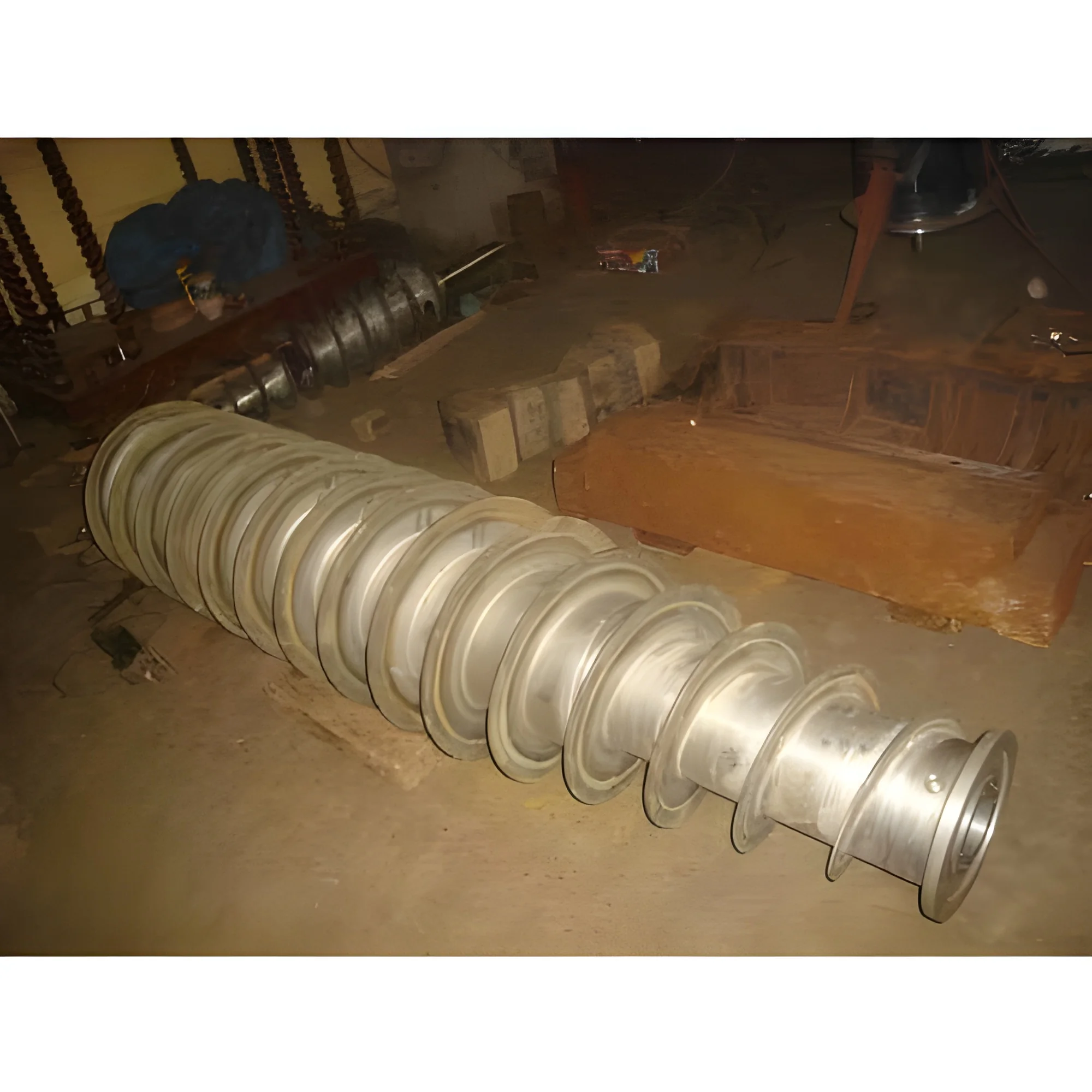
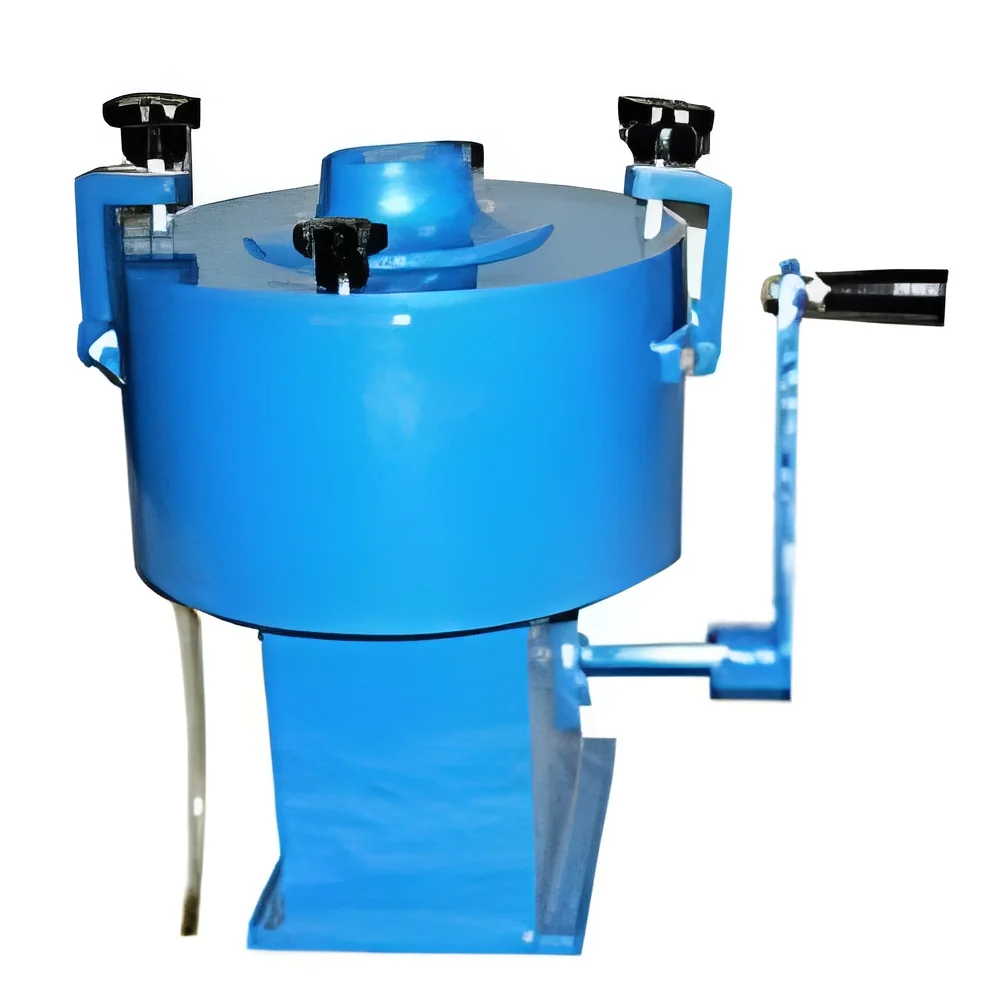
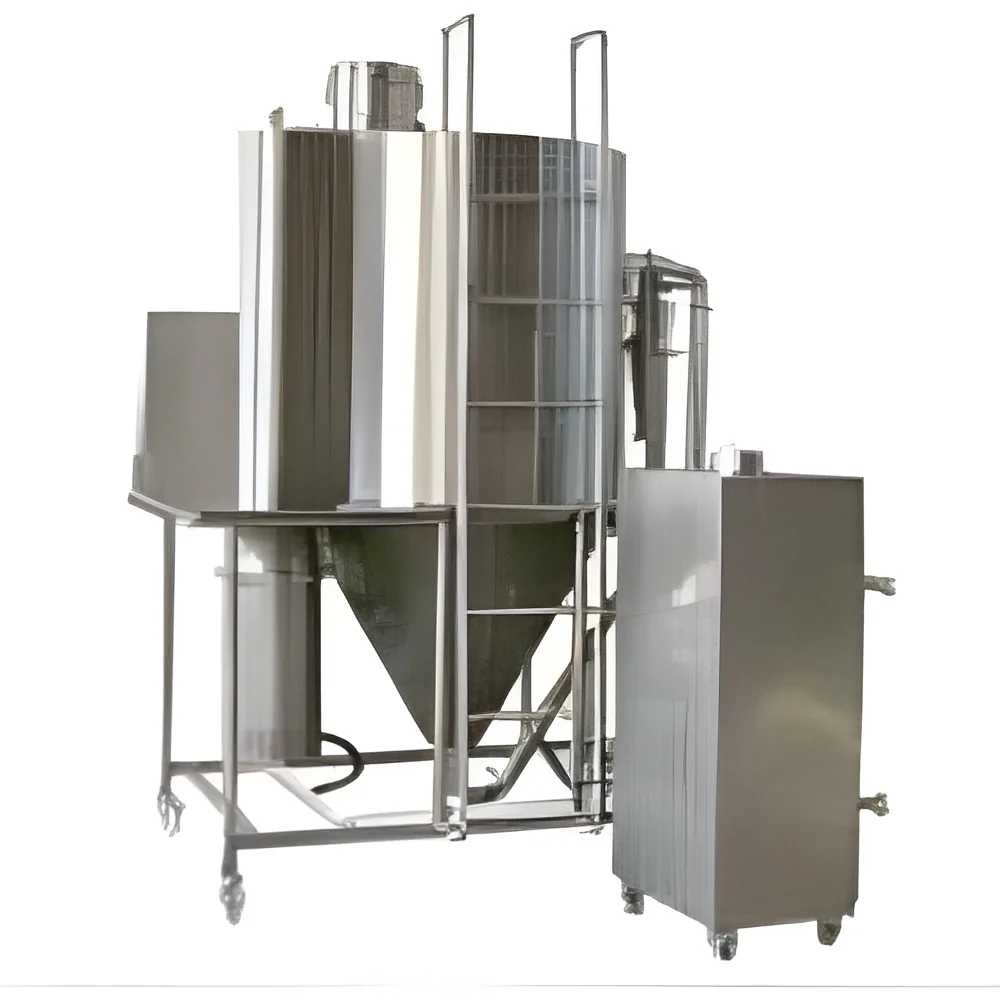
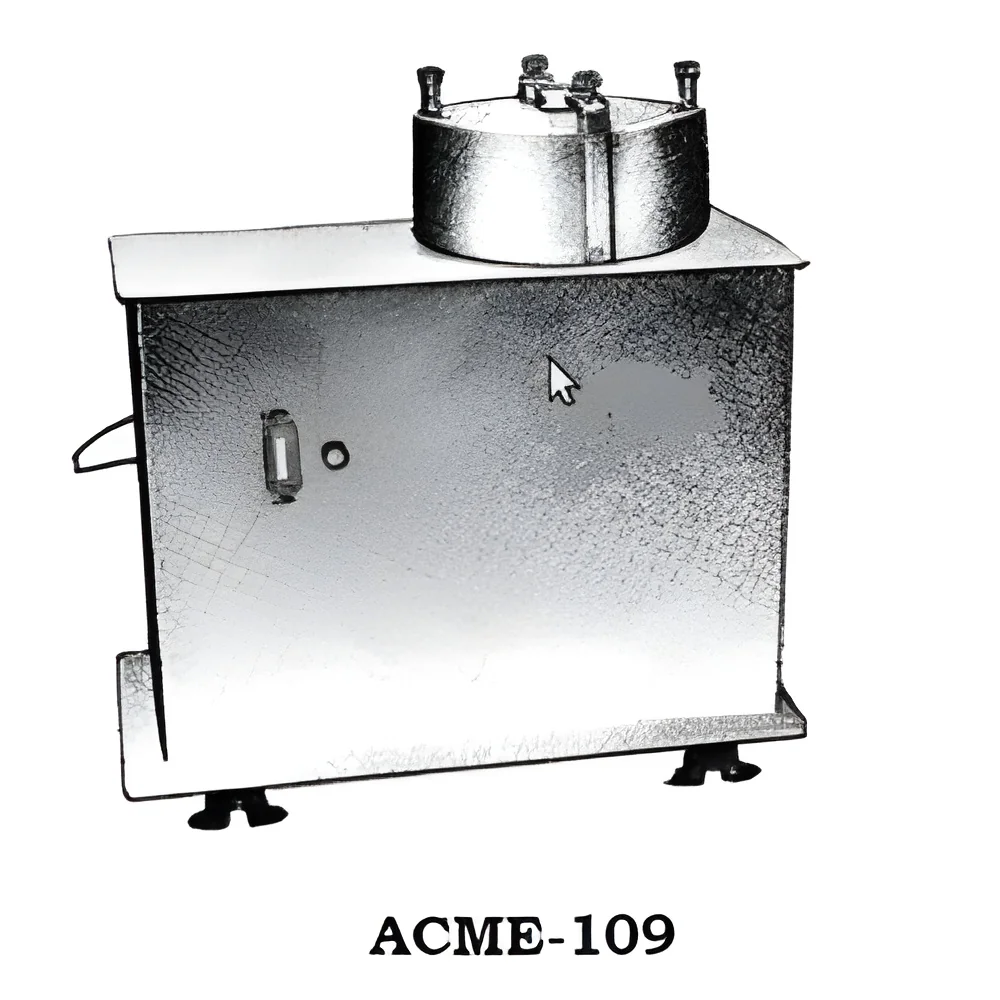
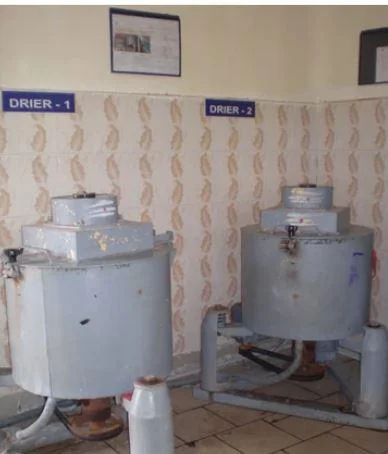
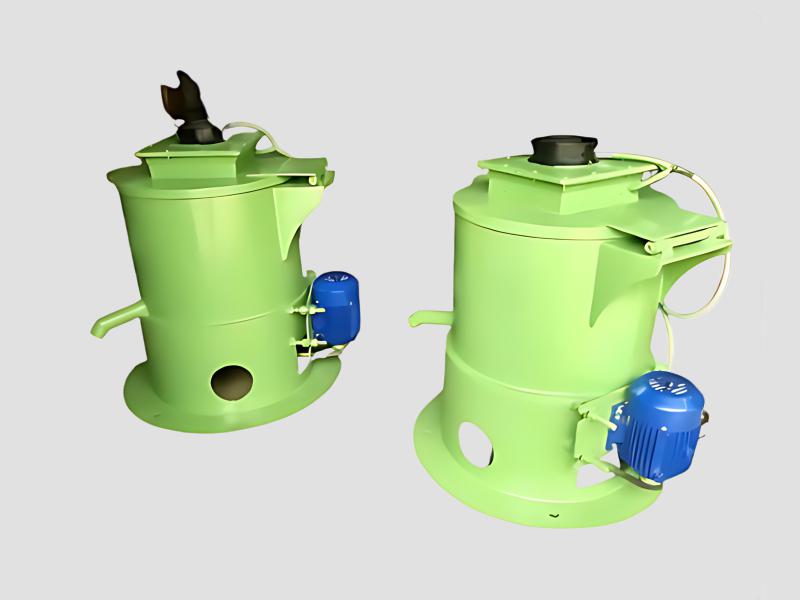
What are Centrifuges (Decanter, Basket, Peeler)?
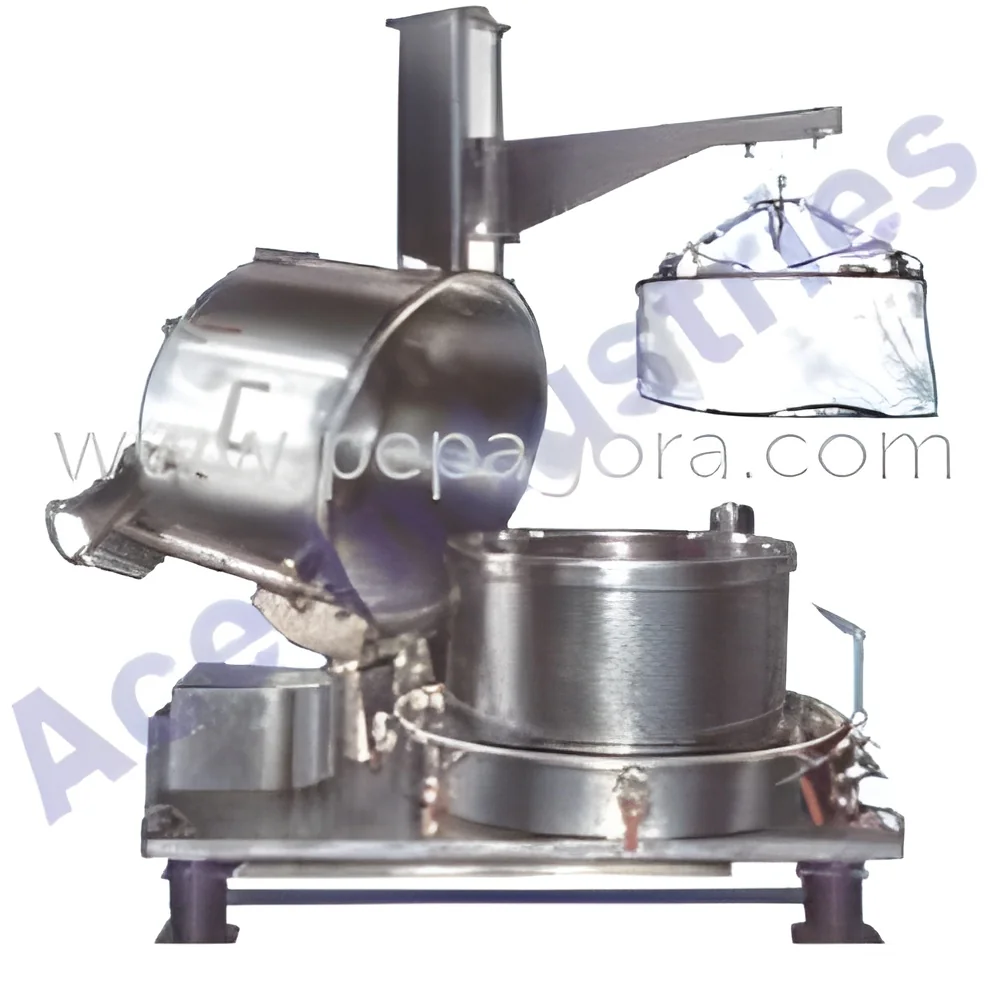
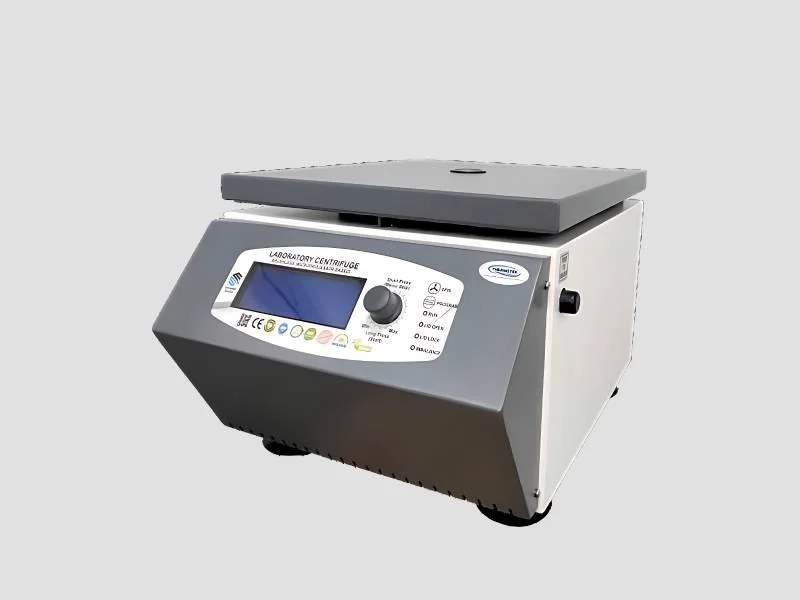
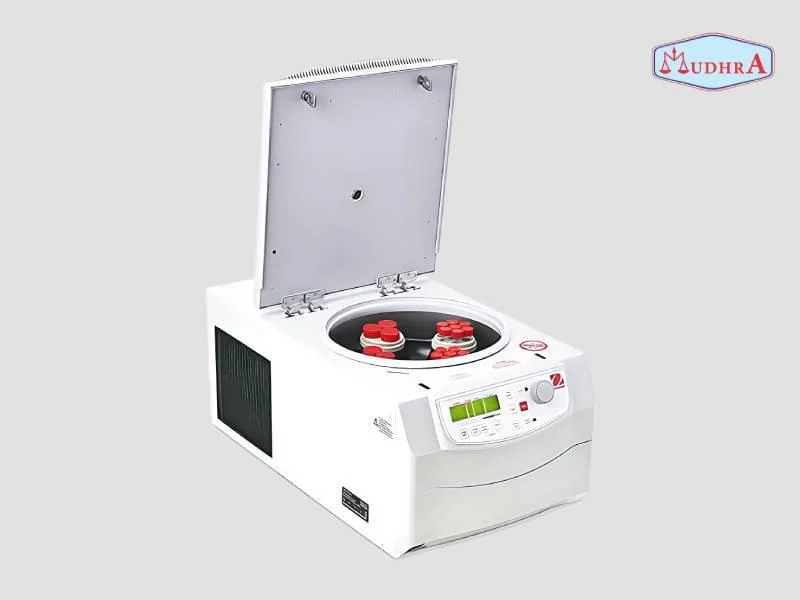
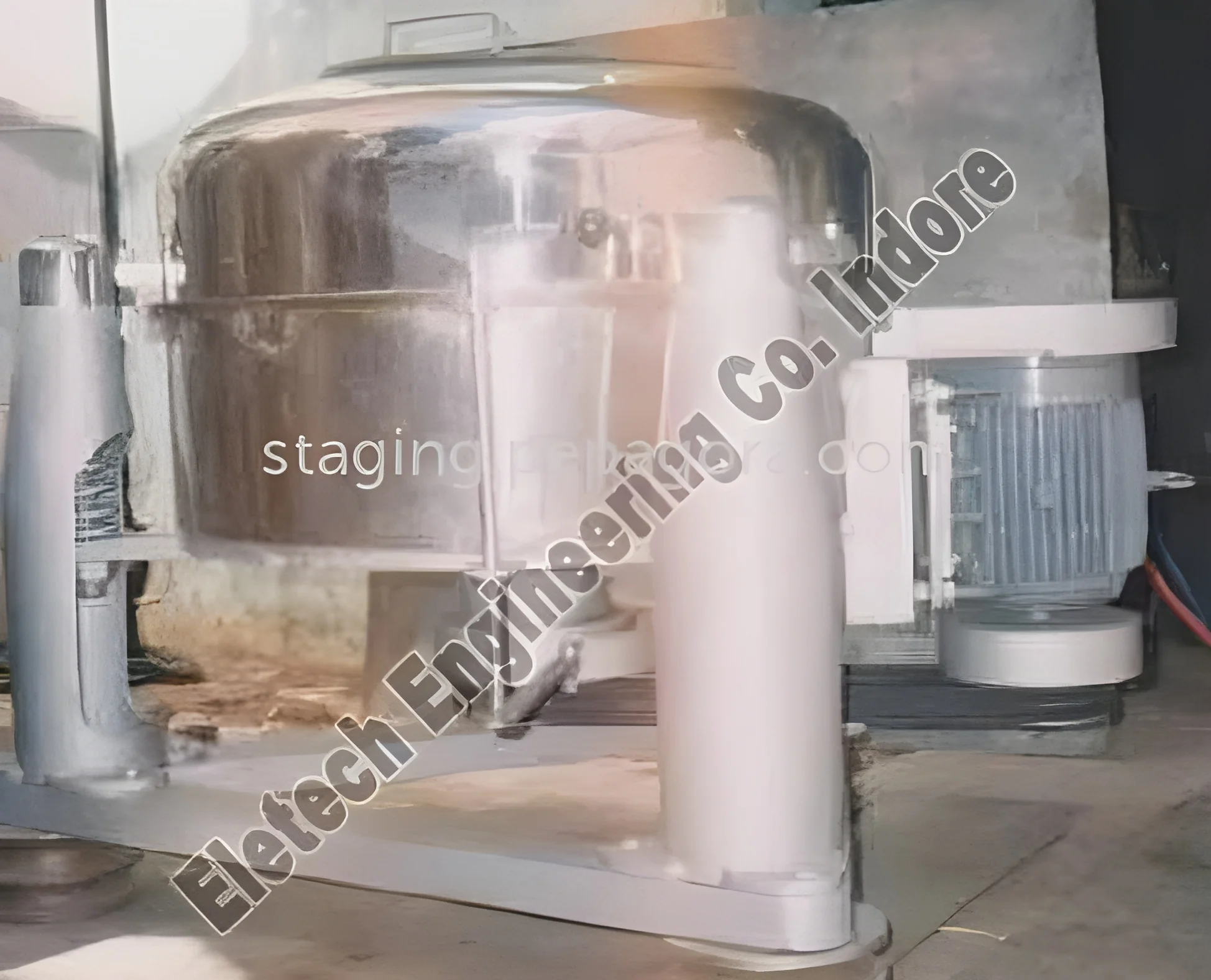
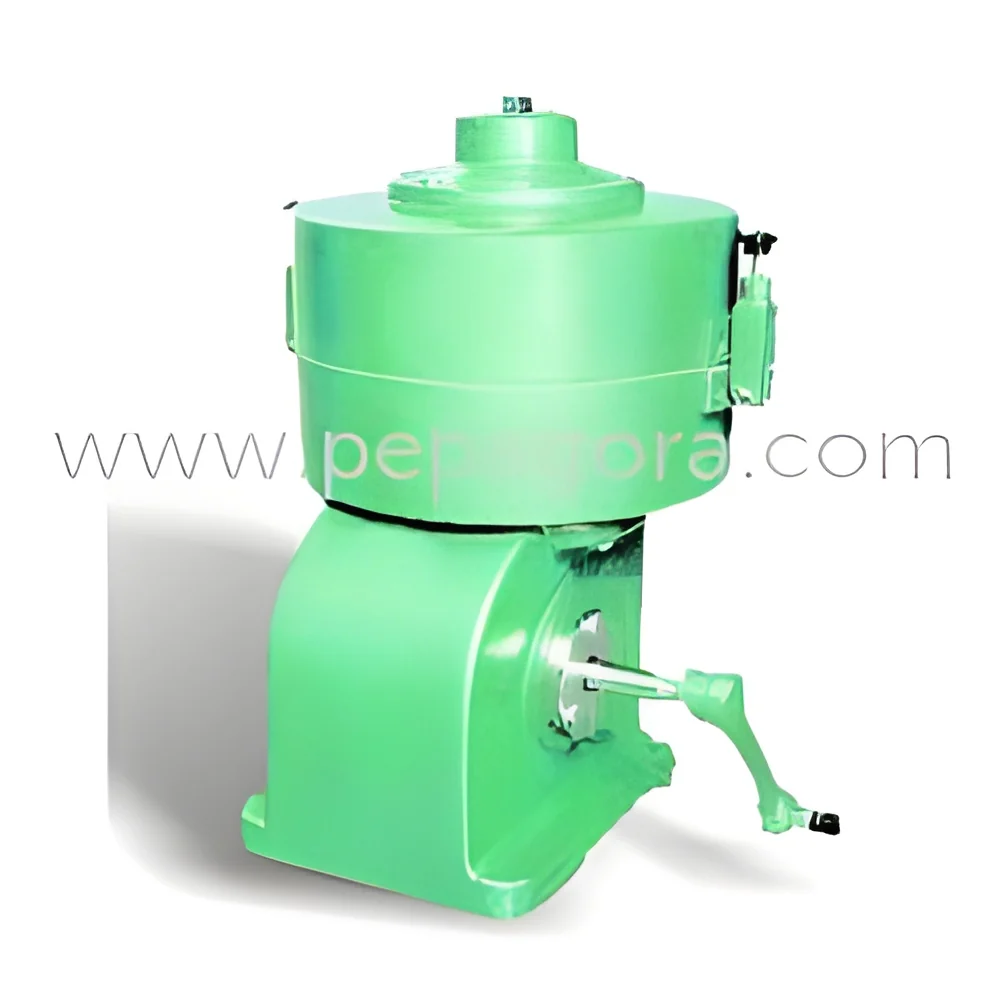
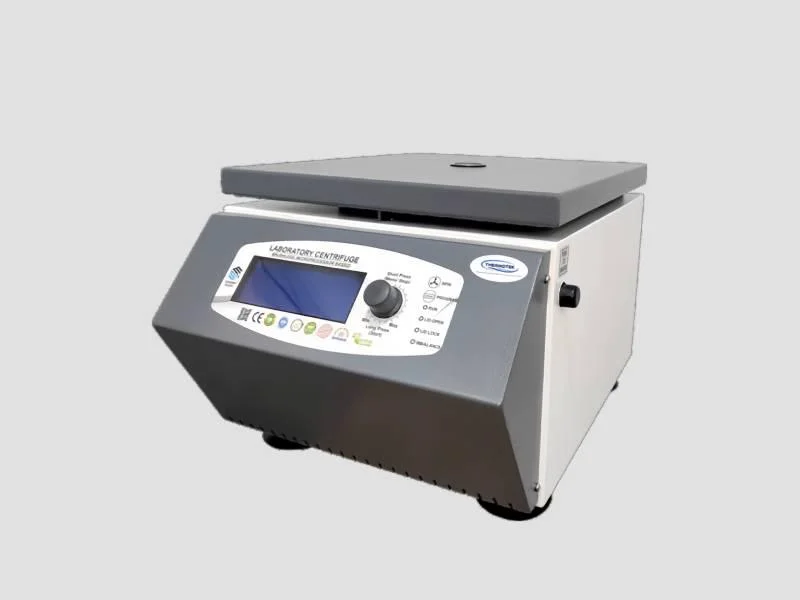
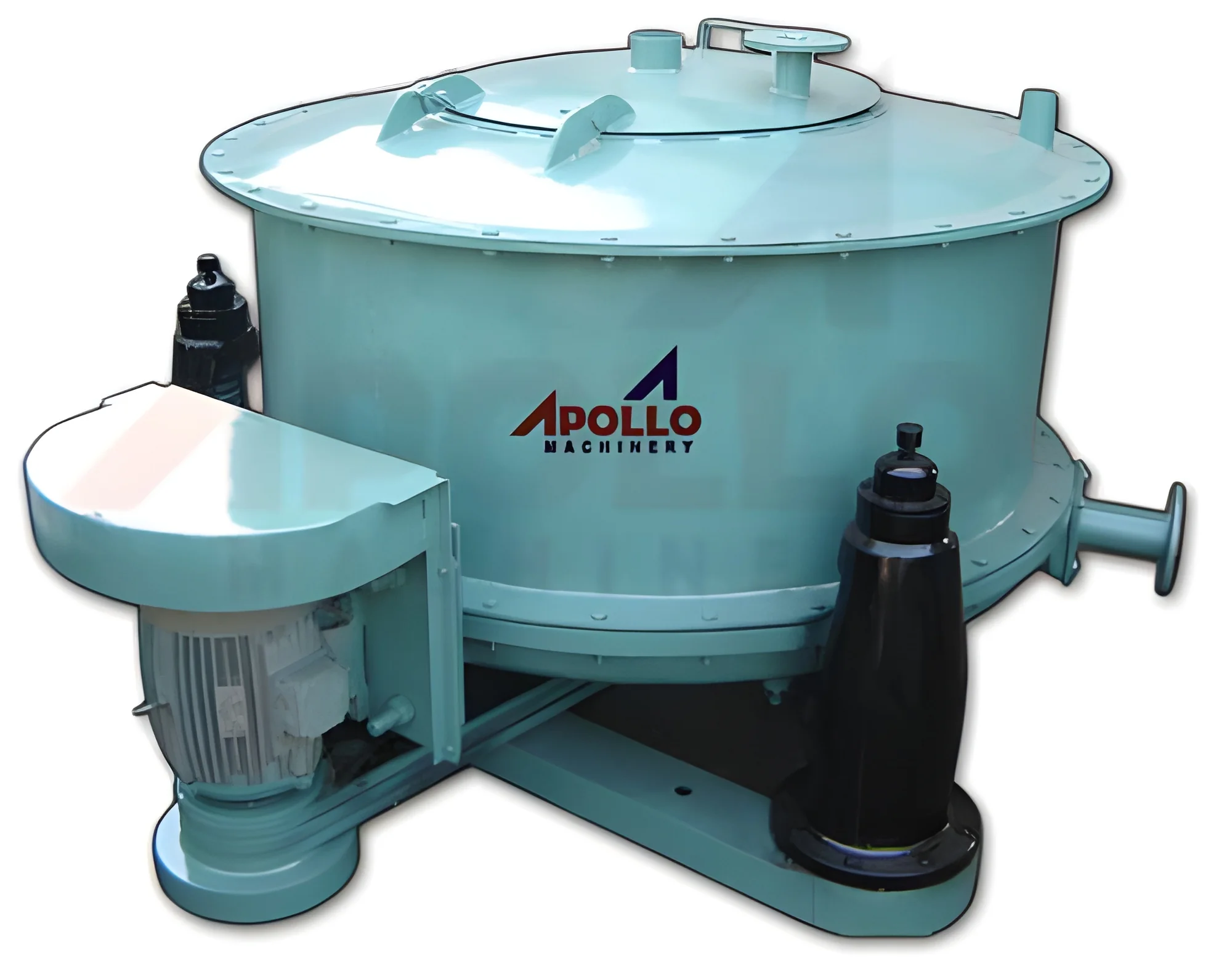
Centrifuges are essential machines in various industrial processes that harness the principle of centrifugal force to separate substances of different densities. The three main types of centrifuges used in industrial applications are decanter centrifuges, basket centrifuges, and peeler centrifuges. Each type is designed to perform specific separation tasks, making them pivotal in industries such as food processing, wastewater treatment, and pharmaceuticals.
Decanter centrifuges are primarily used for continuous liquid-solid separation. Basket centrifuges can handle both batch and continuous processes, often utilized for solid-liquid separation. Peeler centrifuges facilitate the efficient removal of solids from liquids and are known for their ease of operation and cleaning. These machines are crucial in enhancing product quality and operational efficiency across various sectors, ensuring that businesses can meet production demands effectively.
The relevance of centrifuges in the market is underscored by their ability to improve productivity and reduce waste. As industries strive for efficiency and sustainability, the demand for high-performance centrifuges continues to grow. Furthermore, with advancements in technology, modern centrifuges are equipped with features that enhance their operational capabilities, making them indispensable in the ever-evolving industrial landscape.
𝗞𝗲𝘆 𝗙𝗲𝗮𝘁𝘂𝗿𝗲𝘀 𝗮𝗻𝗱 𝗦𝗽𝗲𝗰𝗶𝗳𝗶𝗰𝗮𝘁𝗶𝗼𝗻𝘀
Centrifuges come with a range of features that cater to specific industrial needs. These machines are designed to optimize separation processes, improve efficiency, and ensure user safety. Key specifications must be considered when selecting the right centrifuge for your application.
Key specifications include:
1. Capacity
- Refers to the volume of material the centrifuge can process.
- Typically ranges from small (a few liters) to large capacities (thousands of liters).
2. Maximum Speed
- Indicates the highest rotational speed the centrifuge can achieve.
- Measured in revolutions per minute (RPM) and can vary widely depending on the model.
3. Separation Efficiency
- Defines how effectively the centrifuge separates solids from liquids.
- Efficiency rates can be influenced by factors like design and operational parameters.
4. Power Consumption
- Represents the energy required to operate the centrifuge.
- Important for assessing operational costs and environmental impact.
5. Materials of Construction
- Refers to the materials used in the centrifuge's construction.
- Common options include stainless steel for durability and corrosion resistance.
6. Automation Features
- Includes any automated functions for improved operation.
- Can enhance user experience and reduce labor costs.
7. Safety Features
- Essential for protecting operators and ensuring compliance with safety standards.
- May include emergency shut-offs and protective enclosures.
8. Maintenance Requirements
- Details the maintenance needs to ensure optimal performance.
- Regular maintenance is crucial for longevity and reliability.
In summary, understanding the key features and specifications of centrifuges is vital for selecting the right equipment for specific industrial applications.
𝗖𝗼𝗺𝗺𝗼𝗻 𝗔𝗽𝗽𝗹𝗶𝗰𝗮𝘁𝗶𝗼𝗻𝘀 𝗮𝗻𝗱 𝗨𝘀𝗲 𝗖𝗮𝘀𝗲𝘀
Centrifuges find applications across a broad range of industries due to their efficiency in separating materials.
1. Food Processing: In this industry, decanter centrifuges are used for clarifying juices and separating fats from oils, ensuring product purity and quality.
2. Wastewater Treatment: Centrifuges play a critical role in separating solids from liquids in wastewater, aiding in the treatment process and ensuring compliance with environmental regulations.
3. Pharmaceuticals: In pharmaceutical manufacturing, basket and peeler centrifuges are employed for separating active ingredients from solvents and other materials, ensuring high-quality end products.
4. Chemical Processing: These machines are used for solid-liquid separation in various chemical processes, helping manufacturers achieve desired purity levels.
5. Mining and Minerals: Centrifuges are utilized to extract valuable minerals from ores, enhancing recovery rates and reducing waste.
6. Biotechnology: They assist in separating cells and proteins during the production of biopharmaceuticals, ensuring efficient processing.
7. Oil and Gas: In the oil industry, centrifuges separate drilling fluids from solids, improving operational efficiency and reducing costs.
𝗣𝗿𝗼𝗱𝘂𝗰𝘁 𝗩𝗮𝗿𝗶𝗮𝗻𝘁𝘀 𝗮𝗻𝗱 𝗦𝘂𝗯𝗰𝗮𝘁𝗲𝗴𝗼𝗿𝗶𝗲𝘀
Centrifuges come in various types and designs, each tailored to specific needs within different industries.
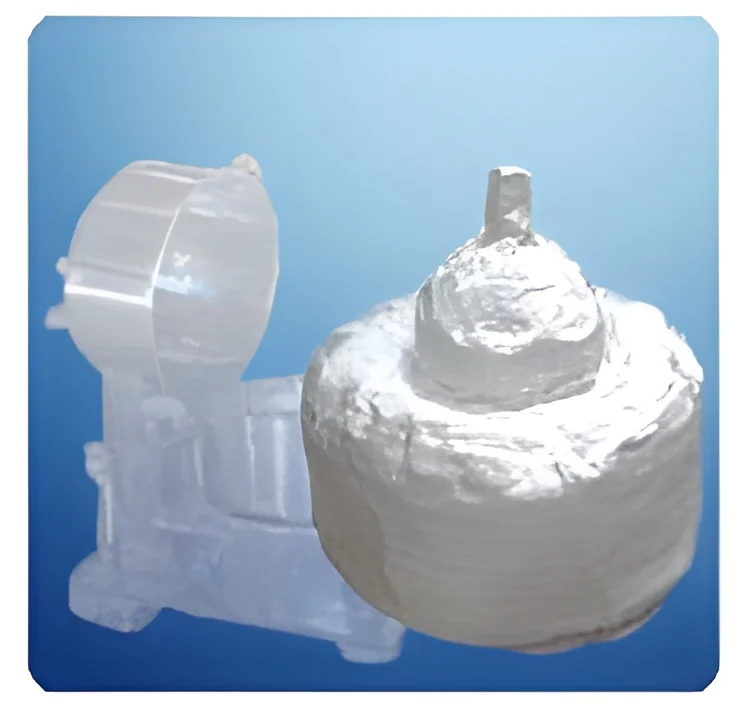
Decanter Centrifuge: This variant is designed for continuous separation of solids from liquids. It is highly efficient for applications requiring large volumes of material to be processed rapidly.
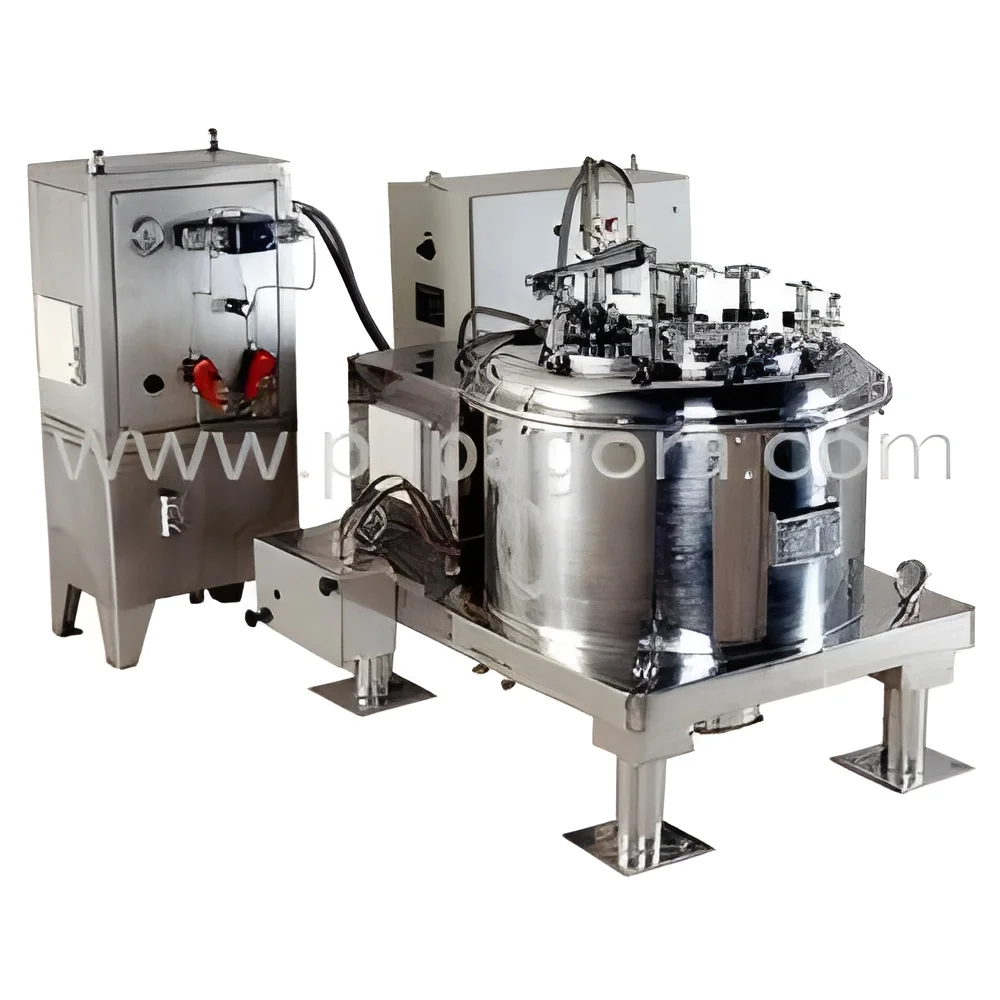
Basket Centrifuge: A versatile option that can handle both batch and continuous processing, the basket centrifuge is ideal for applications requiring high separation efficiency and is widely used in the food and chemical industries.
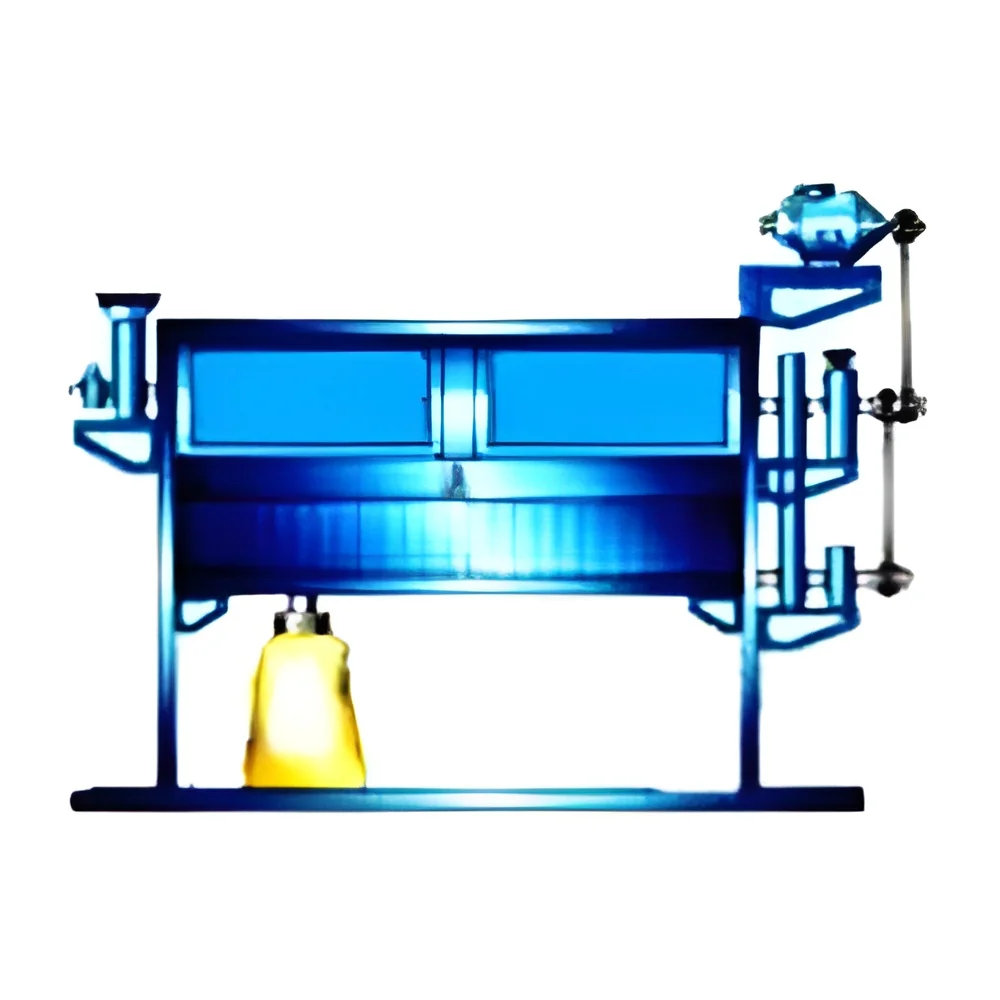
Peeler Centrifuge: Known for its automated operation, the peeler centrifuge efficiently removes solids from liquids. It is particularly valued in industries where hygiene and ease of cleaning are paramount.
𝗕𝗲𝗻𝗲𝗳𝗶𝘁𝘀 𝗮𝗻𝗱 𝗔𝗱𝘃𝗮𝗻𝘁𝗮𝗴𝗲𝘀
Centrifuges offer numerous advantages that can significantly enhance operational efficiency in various industries.
1. High Efficiency: These machines provide rapid separation of materials, reducing processing time and increasing throughput.
2. Cost Savings: By optimizing separation processes, centrifuges help minimize waste and lower operational costs, contributing to overall profitability.
3. Versatility: Different types of centrifuges can be used across multiple industries, making them adaptable to various applications and processes.
4. Improved Product Quality: Centrifuges ensure that products meet required purity levels through effective separation, enhancing the overall quality of the final product.
5. Automation Capabilities: Many modern centrifuges come with automated features, reducing the need for manual intervention and improving safety.
6. Compact Design: Centrifuges are often designed to occupy minimal space, making them suitable for facilities with limited floor space.
𝗕𝘂𝘆𝗶𝗻𝗴 𝗚𝘂𝗶𝗱𝗲 𝗳𝗼𝗿 𝗕𝟮𝗕 𝗕𝘂𝘆𝗲𝗿𝘀
When sourcing centrifuges, it is essential for buyers to consider several critical factors to ensure they make informed purchasing decisions.
1. Quality Assessment: Evaluate the quality of the centrifuge by checking manufacturer credentials, customer reviews, and product performance data. High-quality centrifuges will have a track record of reliability and efficiency.
2. Supplier Verification: Conduct thorough research to verify suppliers' credibility. Look for certifications, references, and a history of successful transactions to ensure you partner with reputable manufacturers.
3. Pricing and MOQ: Understand the pricing structure and any minimum order quantities (MOQ) that may apply. This will help in budgeting and ensuring that the purchase aligns with financial plans.
4. Delivery and Lead Times: Consider logistics, including delivery times and shipping costs. Timely delivery is crucial to prevent disruptions in production schedules.
5. Compliance Requirements: Ensure the centrifuges meet industry-specific compliance and regulatory standards. This may include safety certifications and environmental regulations that vary by region.
𝗖𝗼𝗺𝗽𝗹𝗶𝗮𝗻𝗰𝗲 𝗮𝗻𝗱 𝗖𝗲𝗿𝘁𝗶𝗳𝗶𝗰𝗮𝘁𝗶𝗼𝗻𝘀
Centrifuges must adhere to various quality standards and regulations to ensure safety and performance in industrial applications. Relevant quality standards include ISO 9001, which focuses on quality management systems, and HACCP, which is critical in food safety. Additionally, compliance with GDP (Good Distribution Practice) may be necessary in pharmaceuticals.
Centrifuges often come with industry certifications, such as CE marking, which indicates conformity with health, safety, and environmental protection standards within the European Economic Area. Safety and testing requirements are also paramount, ensuring that the equipment operates safely under various conditions.
Moreover, regional compliance considerations may vary, making it essential for buyers to be aware of specific local regulations that apply to the use of centrifuges in their industry. Staying compliant not only protects the business but also enhances credibility and trust among clients.
Why Source Centrifuges (Decanter, Basket, Peeler) from Pepagora?
Pepagora provides a trusted platform for sourcing centrifuges, offering several key advantages that cater to the needs of B2B buyers.
Verified Supplier Network: Pepagora boasts a robust network of verified suppliers, ensuring that buyers have access to high-quality centrifuges from reputable manufacturers. This minimizes the risk associated with sourcing equipment.
Streamlined RFQ Process: The platform features a user-friendly Request for Quotation (RFQ) process that simplifies the procurement journey. Buyers can easily submit their requirements and receive competitive quotes from multiple suppliers.
Trade Assurance and Support: Pepagora offers trade assurance to protect buyers, ensuring that transactions are secure and that products meet the specified standards. This support enhances buyer confidence in their sourcing decisions.
Regional Coverage: With strong geographic reach across India, the Gulf Cooperation Council (GCC), and Southeast Asia, Pepagora connects buyers with suppliers in key markets, facilitating smooth transactions and timely deliveries.
Centrifuges (Decanter, Basket, Peeler) are specialized machines used to separate substances based on their density through centrifugal force. They are commonly utilized in various industries, including food processing, pharmaceuticals, and wastewater treatment.
2
What are the different types of Centrifuges (Decanter, Basket, Peeler)?
The main types of centrifuges include decanter centrifuges, basket centrifuges, and peeler centrifuges. Decanter centrifuges are ideal for liquid-solid separation, basket centrifuges are used for batch processing, while peeler centrifuges offer continuous operation and are effective for sticky materials.
3
How do I choose the right Centrifuges (Decanter, Basket, Peeler)?
Choosing the right centrifuge involves considering factors such as the material to be processed, the required separation efficiency, and the production capacity. Additionally, evaluating the specific application requirements and consulting with manufacturers can help in making an informed decision.
4
What are the standard specifications for Centrifuges (Decanter, Basket, Peeler)?
Standard specifications for centrifuges typically include factors such as capacity, speed (RPM), power consumption, and materials of construction. These specifications may vary based on the type of centrifuge and the intended application.
5
What is the price range for Centrifuges (Decanter, Basket, Peeler)?
The price for centrifuges can vary widely depending on the type, size, and features. Generally, decanter centrifuges can range from several lakhs to crores, while basket and peeler centrifuges may have different pricing based on their complexity and specifications.
6
What quality standards apply to Centrifuges (Decanter, Basket, Peeler)?
Quality standards for centrifuges often include compliance with international certifications such as ISO 9001 and CE marking. Manufacturers may also adhere to industry-specific standards depending on the application, ensuring reliability and performance.
7
Where can I find Centrifuges (Decanter, Basket, Peeler) suppliers in India?
You can find suppliers of Centrifuges (Decanter, Basket, Peeler) in India through online B2B marketplaces like Pepagora, industry trade shows, and directories. These platforms provide a comprehensive list of manufacturers and distributors in the sector.
8
Can Centrifuges (Decanter, Basket, Peeler) be customized?
Yes, many manufacturers offer customization options for centrifuges to meet specific operational requirements. Customizations may include size, materials, and additional features to enhance functionality based on the user's needs.
9
What is the typical minimum order quantity for Centrifuges (Decanter, Basket, Peeler)?
The typical minimum order quantity (MOQ) for centrifuges can vary by supplier and the type of centrifuge being ordered. Generally, MOQs may range from one unit for smaller models to several units for larger, industrial-scale centrifuges.
10
What is the typical lead time for Centrifuges (Decanter, Basket, Peeler)?
The lead time for centrifuges typically ranges from a few weeks to several months, depending on the type, customization requirements, and manufacturer. It is advisable to check with the supplier for specific timelines based on your order.
Why Businesses Trust Pepagora
Thousands of companies trust Pepagora to source smarter and sell faster
Expand Your Sales Globally
25000+Products listed.Get discovered by global buyers

 IN
IN