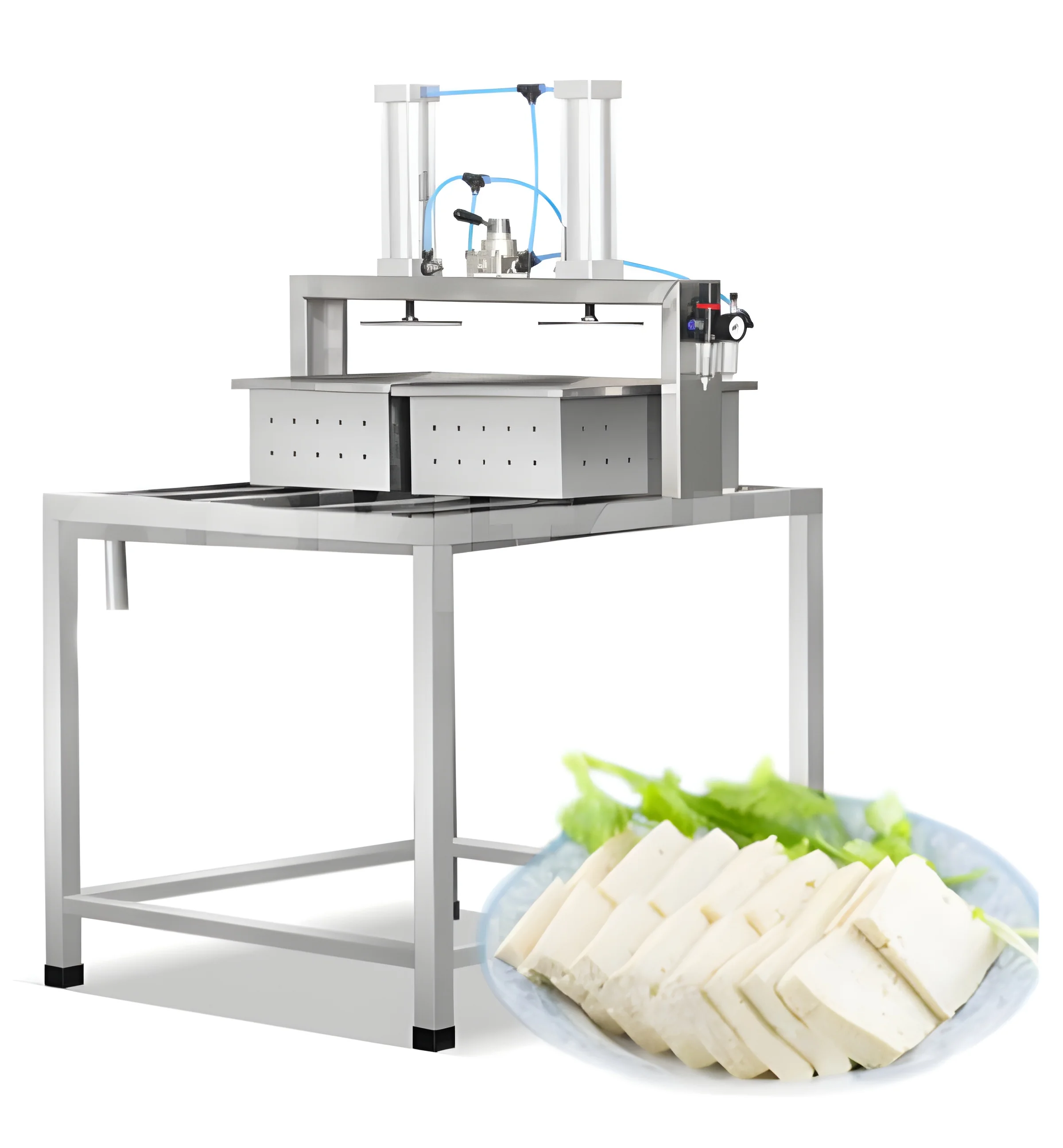
𝗪𝗵𝗮𝘁 𝗮𝗿𝗲 𝗖𝗵𝗲𝗲𝘀𝗲 𝗣𝗿𝗼𝗰𝗲𝘀𝘀𝗶𝗻𝗴 𝗠𝗮𝗰𝗵𝗶𝗻𝗲𝘀?
Cheese processing machines are specialized equipment designed to handle various stages of cheese production. These machines facilitate tasks such as curd formation, whey separation, and cheese maturation. They are essential in transforming raw milk into a variety of cheese products, ensuring that the process is efficient, safe, and consistent. Cheese processing machines can vary in size and complexity, ranging from small-scale units suitable for artisanal cheese makers to large industrial machines used by major dairy producers.
The primary uses of cheese processing machines include the automation of time-consuming tasks, precise control over temperature and humidity, and monitoring of production parameters. These machines are vital in the dairy industry, where quality and consistency are paramount. Businesses use them to improve production efficiency, maintain hygiene standards, and reduce labor costs. The relevance of cheese processing machines in the market has grown, driven by increased consumer demand for cheese products and the need for food safety compliance.
𝗞𝗲𝘆 𝗙𝗲𝗮𝘁𝘂𝗿𝗲𝘀 𝗮𝗻𝗱 𝗦𝗽𝗲𝗰𝗶𝗳𝗶𝗰𝗮𝘁𝗶𝗼𝗻𝘀
Cheese processing machines come equipped with several key features and specifications that enhance their functionality and efficiency. Understanding these specifications helps businesses choose the right equipment for their needs.
Key specifications include:
1. Production Capacity
- This specification indicates the volume of cheese that can be processed in a given time frame.
- Typical ranges can vary from 100 liters to several thousand liters per hour, depending on the machine's size.
2. Temperature Control
- Essential for maintaining optimal conditions during cheese production.
- Machines often feature adjustable temperature settings, typically ranging from 0 to 100 degrees Celsius.
3. Humidity Control
- Critical for the maturation process of cheese.
- Machines are designed to maintain humidity levels between 30% to 90%.
4. Automation Level
- Indicates how much of the process is automated.
- Machines can be fully automated or semi-automated, allowing for flexible operation.
5. Material Construction
- Machines are generally made from stainless steel to ensure hygiene and durability.
- This material choice helps prevent contamination and is easy to clean.
6. Compliance with Safety Standards
- Machines are designed to meet relevant safety regulations.
- Compliance with standards such as CE certification is common.
7. User Interface
- Modern machines often include digital displays and programmable controls.
- User-friendly interfaces help operators monitor and adjust settings easily.
8. Energy Efficiency
- Machines are designed to minimize energy consumption.
- Energy-efficient models can significantly reduce operational costs.
In summary, cheese processing machines incorporate critical features that enhance production efficiency, safety, and compliance with industry standards.
𝗖𝗼𝗺𝗺𝗼𝗻 𝗔𝗽𝗽𝗹𝗶𝗰𝗮𝘁𝗶𝗼𝗻𝘀 𝗮𝗻𝗱 𝗨𝘀𝗲 𝗖𝗮𝘀𝗲𝘀
Cheese processing machines find applications across various industries.
1. Dairy Industry: These machines are fundamental in large dairy processing plants where mass cheese production occurs. They streamline the conversion of milk to various cheese types.
2. Artisan Cheese Makers: Small-scale producers utilize cheese processing machines for making specialty cheeses. These machines allow for precise control over the cheese-making process.
3. Food Manufacturing: Companies that incorporate cheese into their products, such as sauces and snacks, often rely on cheese processing machines for consistency and quality.
4. Research and Development: Food scientists and researchers use cheese processing machines to experiment with new cheese varieties and formulations.
5. Culinary Schools: Educational institutions invest in cheese processing machines to train aspiring chefs in cheese production techniques.
6. Export and Distribution: Businesses involved in cheese export use these machines to ensure that their products meet international quality standards.
𝗣𝗿𝗼𝗱𝘂𝗰𝘁 𝗩𝗮𝗿𝗶𝗮𝗻𝘁𝘀 𝗮𝗻𝗱 𝗦𝘂𝗯𝗰𝗮𝘁𝗲𝗴𝗼𝗿𝗶𝗲𝘀
Cheese processing machines come in various forms to meet different production needs.
Batch Processing Machines
These machines are designed to handle smaller batches of cheese, making them ideal for artisanal producers. They offer flexibility in production and allow for experimentation with different cheese types.
Continuous Processing Machines
These systems are suited for large-scale production, enabling continuous flow of milk through various stages of cheese making. They are efficient and designed for high-volume output.
Curd Cutter Machines
Specialized for cutting curds into uniform sizes, these machines ensure consistency in the cheese-making process. They are critical for achieving the desired texture in cheese.
Whey Processing Equipment
These machines focus on the recovery and processing of whey, a byproduct of cheese production. They allow producers to utilize whey effectively, adding value to the overall production process.
𝗕𝗲𝗻𝗲𝗳𝗶𝘁𝘀 𝗮𝗻𝗱 𝗔𝗱𝘃𝗮𝗻𝘁𝗮𝗴𝗲𝘀
Investing in cheese processing machines offers several benefits to businesses.
1. Increased Efficiency: Automation reduces the time and labor required for cheese production, enabling faster turnaround times.
2. Consistent Quality: Machines provide precision and control, ensuring that every batch of cheese meets the same high standards.
3. Cost Savings: By streamlining production and reducing waste, businesses can lower operational costs significantly.
4. Enhanced Safety: Compliance with industry standards ensures that food safety is prioritized throughout the production process.
5. Flexibility: Various machine types allow businesses to adapt to changing market demands and experiment with new cheese varieties.
6. Improved Hygiene: Stainless steel construction and automated cleaning cycles contribute to superior hygiene, reducing the risk of contamination.
𝗕𝘂𝘆𝗶𝗻𝗴 𝗚𝘂𝗶𝗱𝗲 𝗳𝗼𝗿 𝗕𝟮𝗕 𝗕𝘂𝘆𝗲𝗿𝘀
When sourcing cheese processing machines, several factors should be considered to ensure a successful purchase.
1. Quality Assessment: Evaluate the build quality and materials used in the machines. Look for reputable manufacturers with a history of producing reliable equipment.
2. Supplier Verification: Vet potential suppliers to ensure they have the necessary certifications and a good track record in the industry. Ask for references and reviews from other buyers.
3. Pricing and MOQ: Understand the price range for cheese processing machines and inquire about the minimum order quantities. This helps in budgeting and planning your purchase.
4. Delivery and Lead Times: Discuss logistics with suppliers to determine delivery times. Timely delivery is crucial for maintaining production schedules.
5. Compliance Requirements: Ensure that the machines comply with relevant industry standards and regulations. This includes certifications such as CE and adherence to food safety practices.
𝗖𝗼𝗺𝗽𝗹𝗶𝗮𝗻𝗰𝗲 𝗮𝗻𝗱 𝗖𝗲𝗿𝘁𝗶𝗳𝗶𝗰𝗮𝘁𝗶𝗼𝗻𝘀
Cheese processing machines must adhere to various compliance and certification standards to ensure safety and quality.
ISO 9001 is a quality management standard that helps manufacturers maintain consistent quality in their production processes. Compliance with this standard is a sign of a manufacturer’s commitment to quality.
HACCP (Hazard Analysis and Critical Control Points) is a systematic preventive approach to food safety. Machines that comply with HACCP standards are designed to minimize risks associated with food production.
CE certification is essential for machines sold in the European market. It indicates that the equipment meets EU safety and health requirements, making it vital for international trade.
In addition to these standards, manufacturers must also consider regional compliance regulations that may vary by country. Understanding these requirements is essential for ensuring that machines are suitable for their intended market.
𝗪𝗵𝘆 𝗦𝗼𝘂𝗿𝗰𝗲 𝗖𝗵𝗲𝗲𝘀𝗲 𝗣𝗿𝗼𝗰𝗲𝘀𝘀𝗶𝗻𝗴 𝗠𝗮𝗰𝗵𝗶𝗻𝗲𝘀 𝗳𝗿𝗼𝗺 𝗣𝗲𝗽𝗮𝗴𝗼𝗿𝗮?
Pepagora offers a trusted platform for sourcing cheese processing machines, providing numerous advantages to B2B buyers.
Verified Supplier Network: Pepagora connects buyers with a network of verified suppliers. This ensures that businesses can source high-quality machines from reputable manufacturers with a proven track record.
Streamlined RFQ Process: The platform simplifies the request for quotation (RFQ) process, allowing buyers to compare options and make informed decisions quickly. This efficiency saves time and resources.
Trade Assurance and Support: Pepagora offers buyer protection through trade assurance policies, ensuring that transactions are secure. Buyers can feel confident in their purchases, knowing they have support throughout the process.
Regional Coverage: With a presence in India, the GCC, and Southeast Asia, Pepagora provides extensive geographic reach. This allows businesses to access a wide range of suppliers and products tailored to their specific regional needs.
Cheese Processing Machines are specialized equipment used in the production and processing of cheese. They assist in various stages of cheese manufacturing, including curdling, shaping, aging, and packaging, ensuring efficiency and consistency in the final product.
2
What are the different types of Cheese Processing Machines?
There are several types of Cheese Processing Machines, including curd cutters, cheese vats, molds, and packaging machines. Each type serves a specific function in the cheese-making process, catering to different production scales and cheese varieties.
3
How do I choose the right Cheese Processing Machines?
Choosing the right Cheese Processing Machines involves considering factors such as production capacity, type of cheese being produced, and available space. It's also important to evaluate the machine's efficiency, ease of use, and maintenance requirements.
4
What are the standard specifications for Cheese Processing Machines?
Standard specifications for Cheese Processing Machines typically include materials used in construction, power consumption, production capacity, and dimensions. Additionally, machines should comply with food safety and hygiene regulations to ensure safe cheese production.
5
What is the price range for Cheese Processing Machines?
The price range for Cheese Processing Machines can vary widely based on the type, capacity, and features. Generally, small-scale machines may start from a few thousand INR, while large, industrial-grade machines can cost several lakhs of INR.
6
What quality standards apply to Cheese Processing Machines?
Cheese Processing Machines must meet various quality standards, including those set by food safety authorities. Compliance with ISO standards and other relevant certifications is crucial to ensure the machines are safe, reliable, and efficient.
7
Where can I find Cheese Processing Machines suppliers in India?
You can find Cheese Processing Machines suppliers in India through B2B marketplaces like Pepagora.com, trade shows, and industry directories. It's advisable to research suppliers' reputations and product offerings before making a purchase.
8
Can Cheese Processing Machines be customized?
Yes, many manufacturers offer customization options for Cheese Processing Machines to meet specific production needs. Customizations can include size adjustments, additional features, and specialized materials to enhance performance.
9
What is the typical minimum order quantity for Cheese Processing Machines?
The typical minimum order quantity (MOQ) for Cheese Processing Machines can vary by supplier and machine type. Generally, MOQs may range from one unit for smaller machines to multiple units for larger or specialized equipment.
10
What is the typical lead time for Cheese Processing Machines?
The typical lead time for Cheese Processing Machines can vary based on the manufacturer and the complexity of the machine. Generally, lead times can range from a few weeks to several months, especially for customized orders.
Why Businesses Trust Pepagora
Thousands of companies trust Pepagora to source smarter and sell faster
Expand Your Sales Globally
25000+Products listed.Get discovered by global buyers

 IN
IN