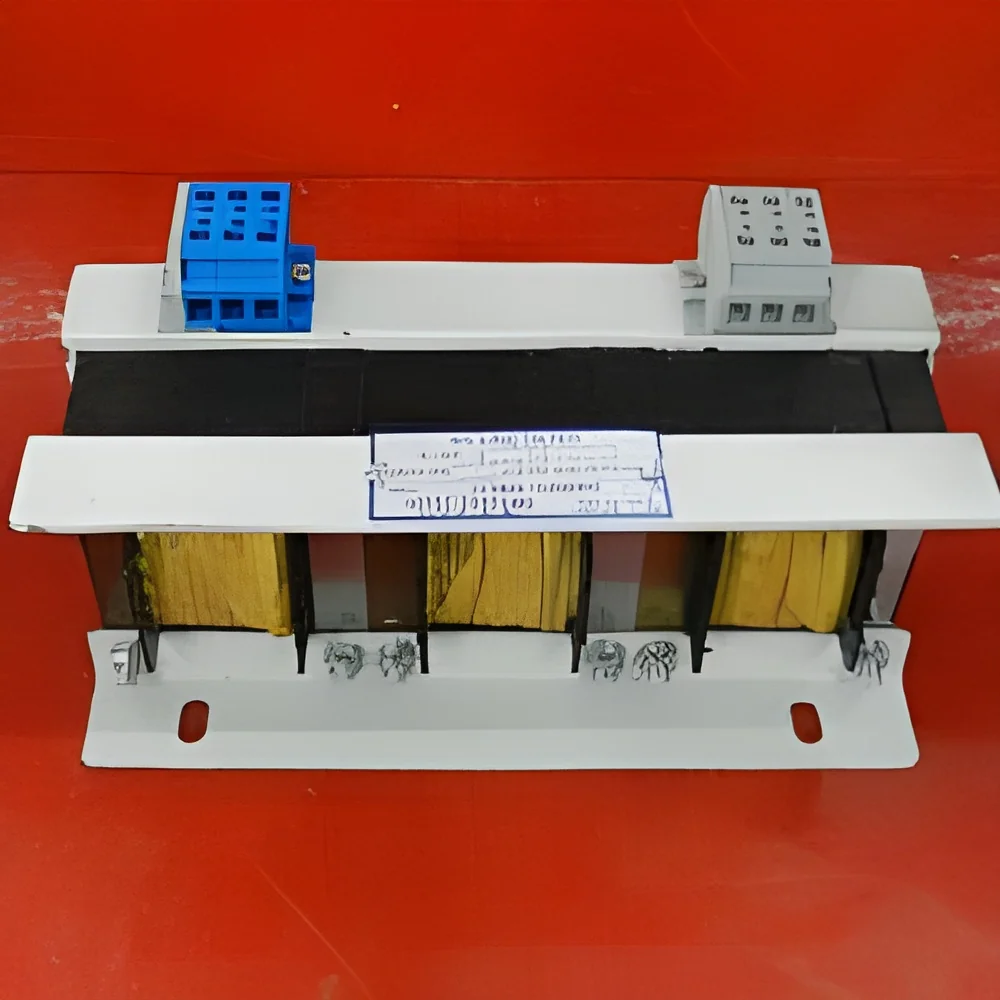
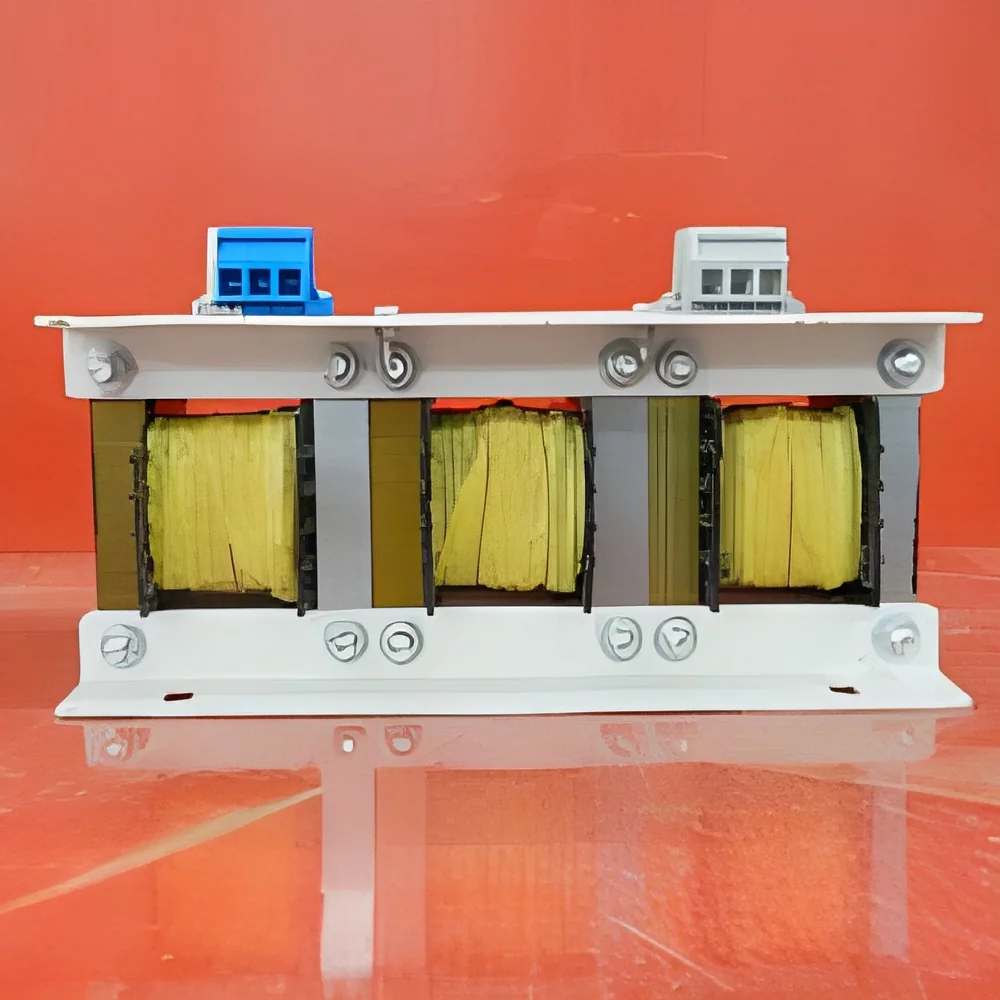
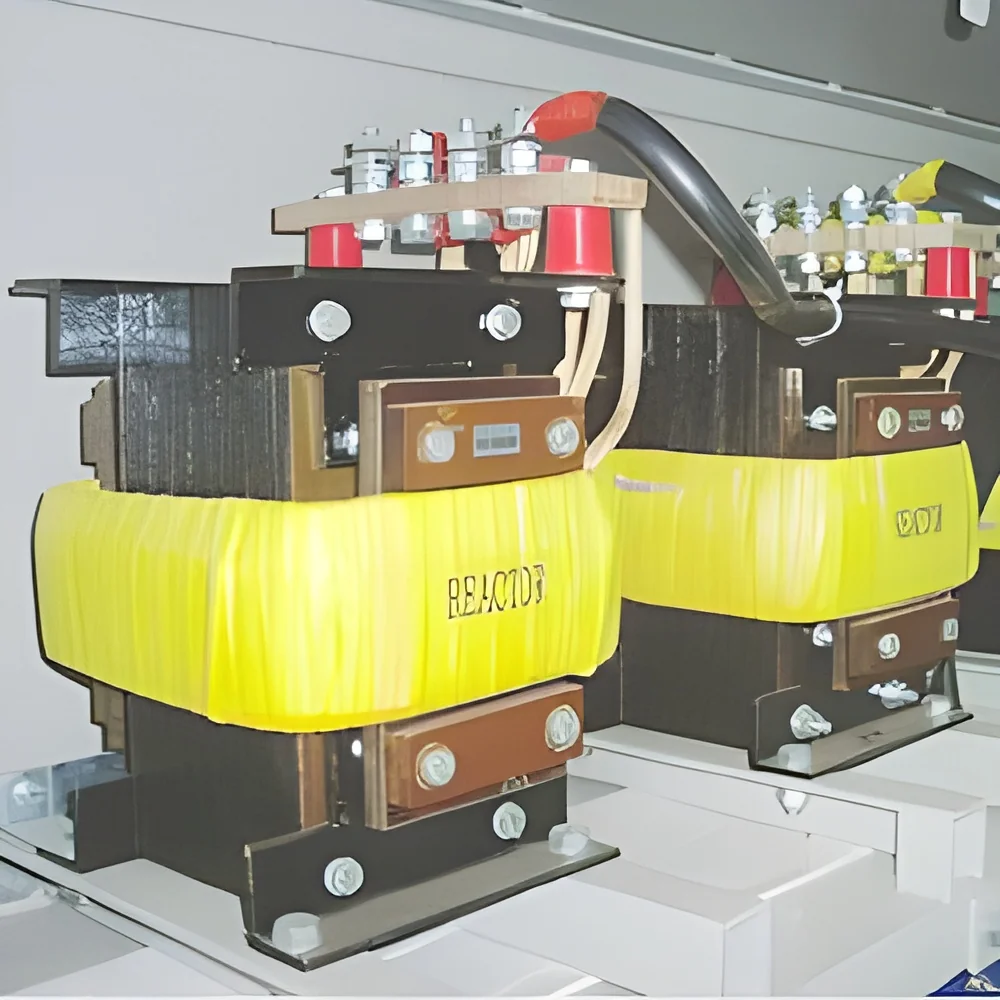
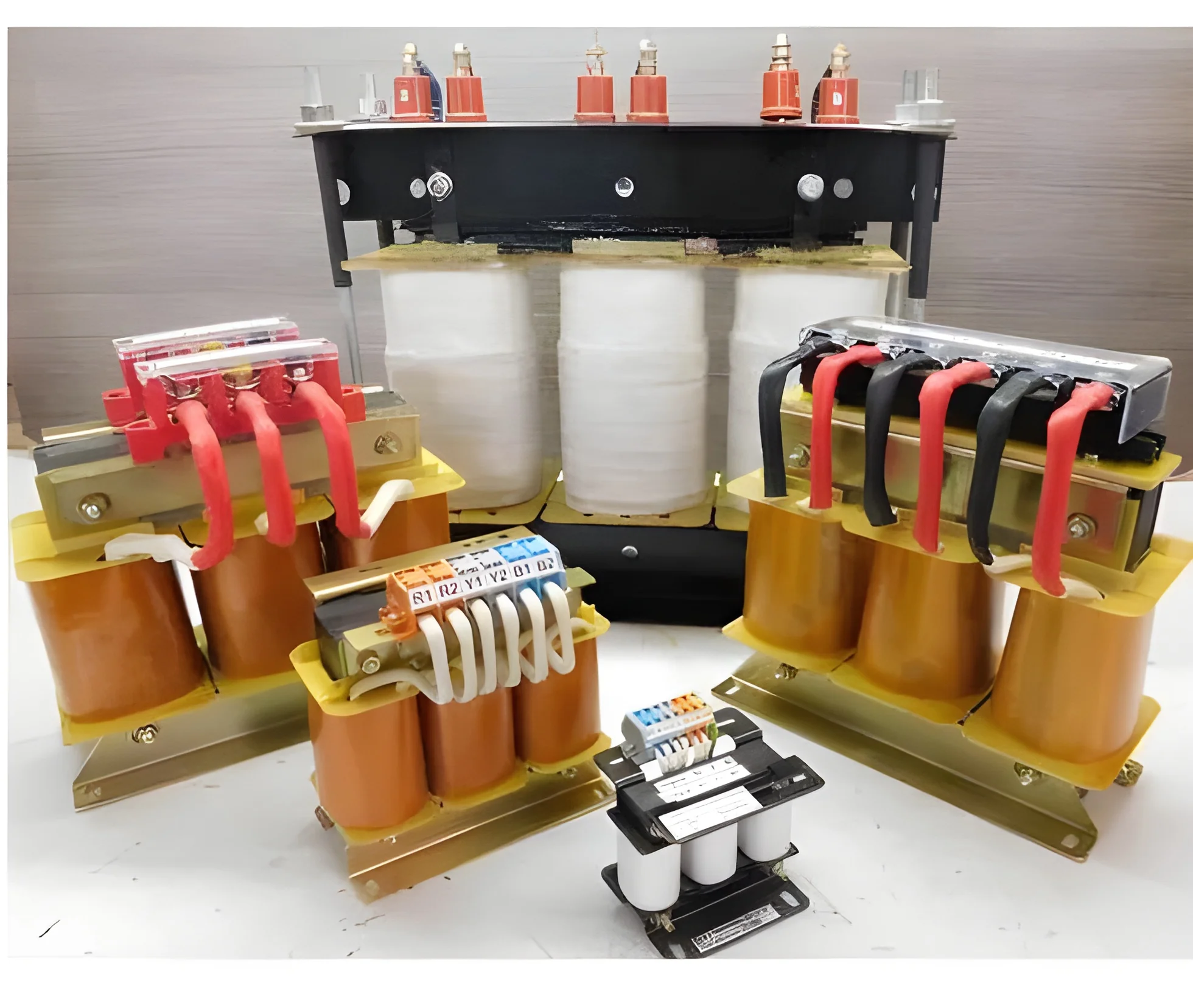
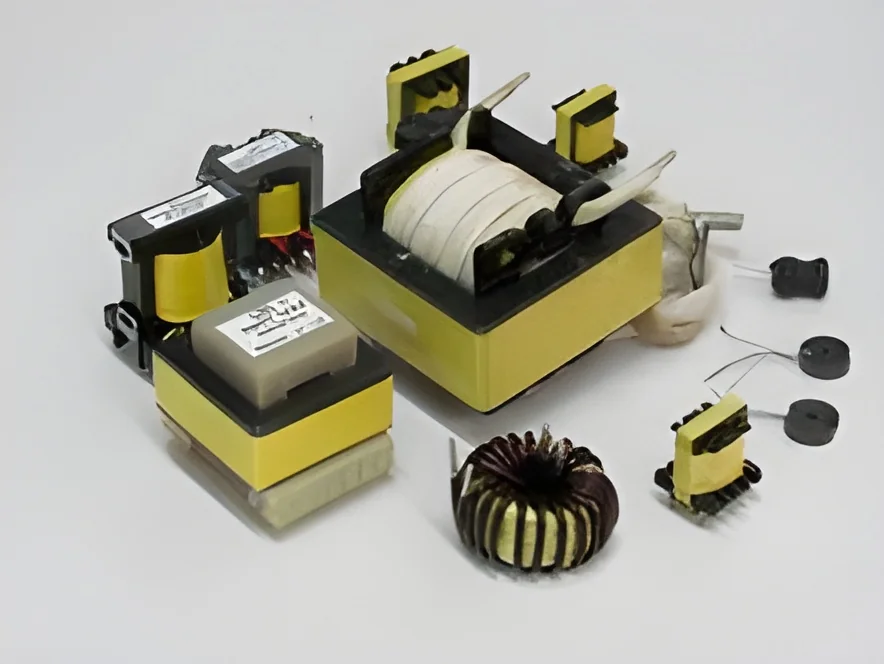
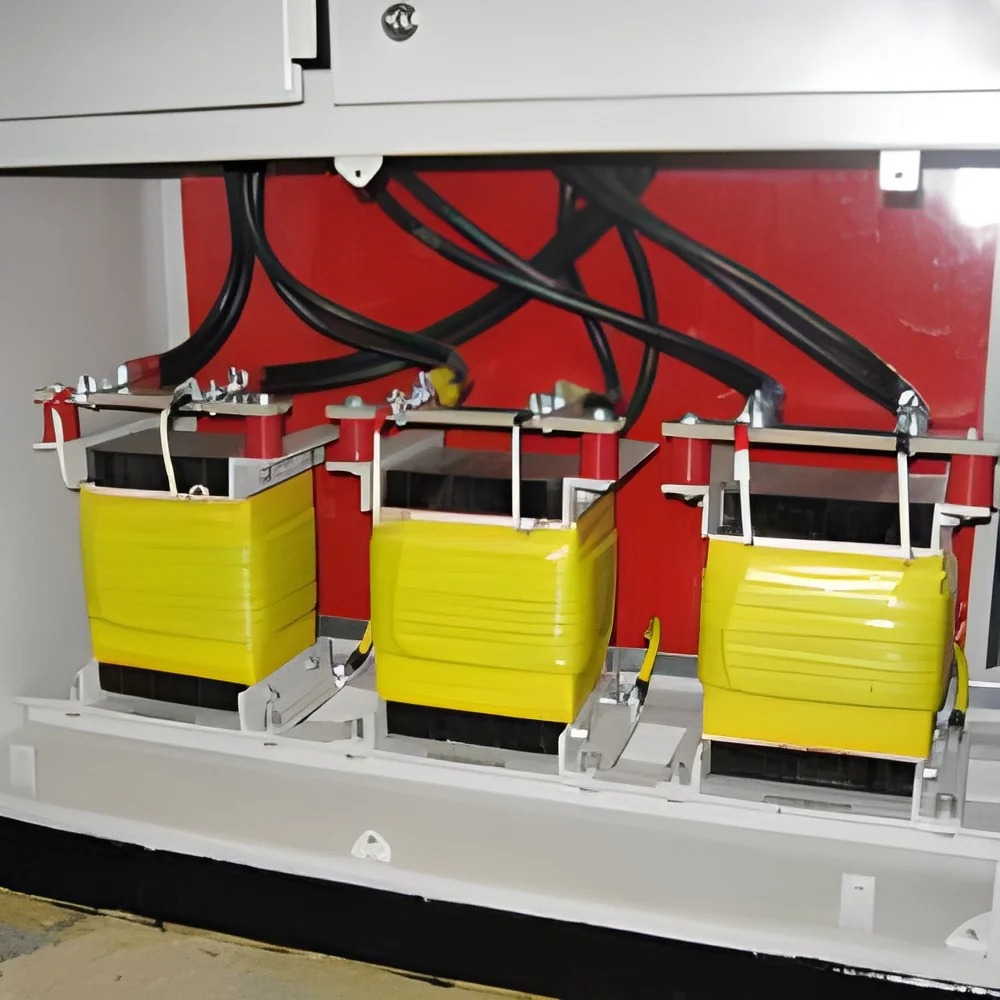
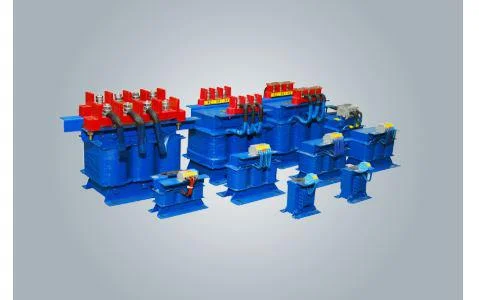
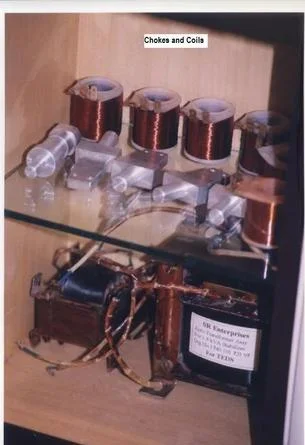
What are Chokes (Power, RF, Common Mode)?
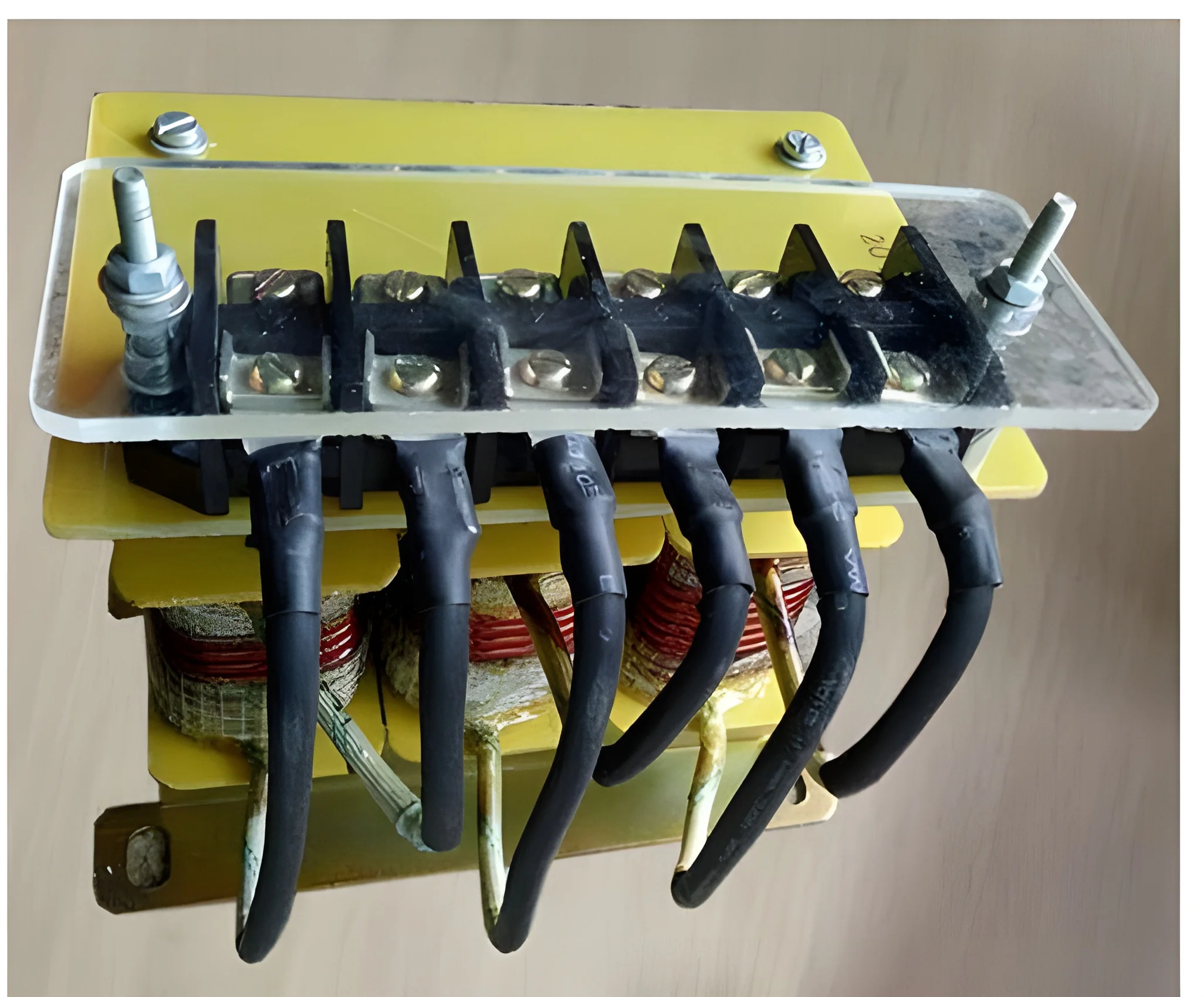
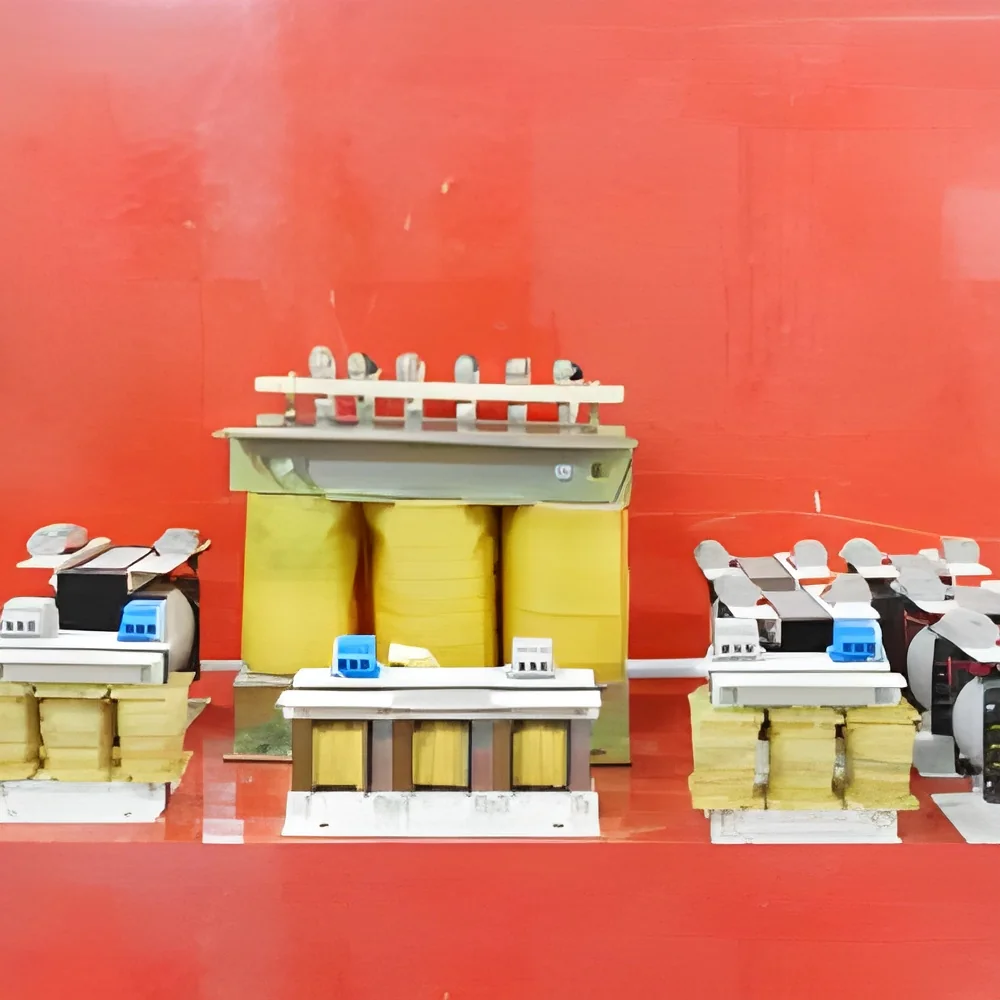
Chokes are passive electrical components used to block or restrict alternating current (AC) while allowing direct current (DC) to pass. They are commonly utilized in various electronic circuits to filter out noise and stabilize current flows. In essence, chokes act as inductors that store energy in a magnetic field when an electrical current passes through them, thus controlling the flow of current in different applications.
The primary uses of chokes include power supply filtering, radio frequency (RF) applications, and common mode noise suppression. Businesses across multiple sectors, including telecommunications, industrial automation, and consumer electronics, employ chokes to enhance the performance and reliability of their equipment. By minimizing electromagnetic interference (EMI) and ensuring a steady power supply, chokes play a vital role in maintaining the integrity of electrical systems.
In the current market context, the demand for efficient power management solutions is growing as industries move towards automation and smart technologies. Chokes are increasingly relevant in sectors that require high-performance electronic devices, making them essential components for manufacturers and service providers alike.
𝗞𝗲𝘆 𝗙𝗲𝗮𝘁𝘂𝗿𝗲𝘀 𝗮𝗻𝗱 𝗦𝗽𝗲𝗰𝗶𝗳𝗶𝗰𝗮𝘁𝗶𝗼𝗻𝘀
Chokes come with a variety of features and specifications tailored to different applications. Understanding these specifications is crucial for selecting the right choke for your needs.
Key specifications include:
1. Inductance Value
- The inductance value determines how effectively the choke can store energy in its magnetic field.
- Values can range from microhenries (µH) to henries (H) depending on the choke type and application.
2. Current Rating
- This specification defines the maximum current the choke can handle without overheating.
- Ratings typically range from a few milliamps to several amperes depending on the choke's design.
3. DC Resistance
- DC resistance indicates the resistive losses within the choke when DC current is applied.
- Lower resistance values are preferred for higher efficiency in power applications.
4. Frequency Range
- This specification defines the range of frequencies the choke is designed to filter or block.
- Chokes may be optimized for specific frequency bands, such as low, medium, or high frequencies.
5. Temperature Rating
- The temperature rating indicates the maximum operating temperature for the choke.
- Ratings can vary widely, with common ranges from -40°C to +125°C.
6. Size and Form Factor
- Chokes come in various sizes and form factors, impacting their fit within electronic assemblies.
- Compact designs are essential for space-constrained applications.
7. Shielding Options
- Some chokes come with shielding to minimize EMI effects.
- Shielded chokes are important in sensitive applications where external interference must be reduced.
8. Compliance Standards
- Many chokes meet industry compliance standards, ensuring safety and performance.
- Look for certifications, such as CE, indicating adherence to quality benchmarks.
In summary, understanding the key features and specifications of chokes is essential for making informed procurement decisions in a B2B context.
𝗖𝗼𝗺𝗺𝗼𝗻 𝗔𝗽𝗽𝗹𝗶𝗰𝗮𝘁𝗶𝗼𝗻𝘀 𝗮𝗻𝗱 𝗨𝘀𝗲 𝗖𝗮𝘀𝗲𝘀
Chokes are versatile components used across various industries for different applications.
1. Telecommunications: Chokes are used for RF filtering in communication equipment, reducing signal interference and enhancing transmission quality.
2. Industrial Automation: They are employed in power supply circuits to ensure stable operation of motors and actuators, helping to prevent voltage spikes.
3. Consumer Electronics: Chokes are found in devices like televisions and computers, where they filter out noise and improve signal clarity.
4. Automotive: In electric vehicles, chokes play a role in managing power supply and improving the efficiency of onboard electronics.
5. Medical Equipment: Chokes are critical in medical devices to ensure reliable power and minimize interference, which is essential for accurate diagnostics.
6. Renewable Energy: In solar inverters, chokes help manage the conversion of DC to AC power, optimizing performance and efficiency.
7. Home Appliances: Chokes are used in various household appliances to ensure that motors operate smoothly and quietly by reducing electrical noise.
𝗣𝗿𝗼𝗱𝘂𝗰𝘁 𝗩𝗮𝗿𝗶𝗮𝗻𝘁𝘀 𝗮𝗻𝗱 𝗦𝘂𝗯𝗰𝗮𝘁𝗲𝗴𝗼𝗿𝗶𝗲𝘀
Chokes are available in various variants, each designed for specific applications and requirements.
Ferrite Core Chokes: These chokes utilize ferrite materials to enhance inductance and reduce high-frequency noise. They are commonly used in RF applications and power supplies.
Air Core Chokes: With no magnetic core, air core chokes are designed for high-frequency applications. They are often used in radio transmitters and receivers to prevent signal distortion.
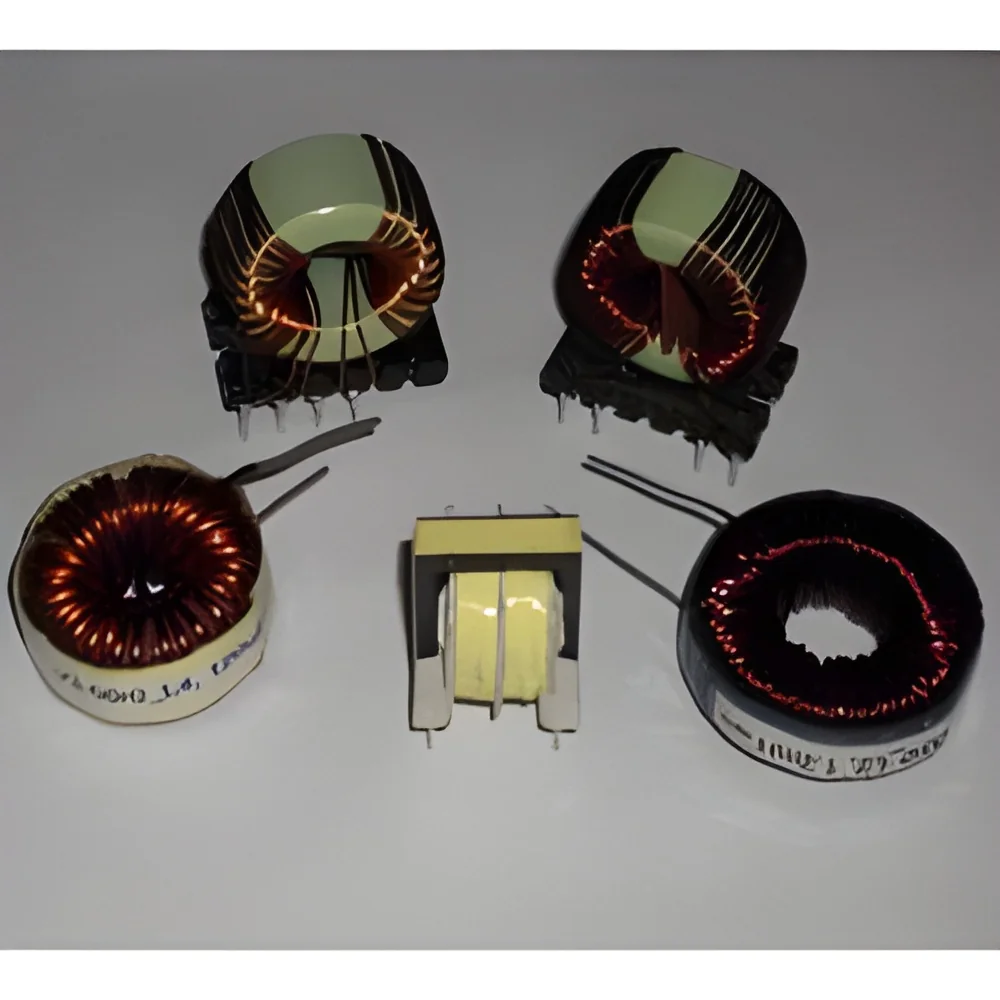
Toroidal Chokes: This variant features a donut-shaped core that provides high inductance with minimal space. They are used in compact electronic devices and power circuits.
Common Mode Chokes: These chokes are specifically designed to filter out common mode noise, making them ideal for differential signal applications in telecommunications and data transmission.
𝗕𝗲𝗻𝗲𝗳𝗶𝘁𝘀 𝗮𝗻𝗱 𝗔𝗱𝘃𝗮𝗻𝘁𝗮𝗴𝗲𝘀
Chokes offer numerous benefits that enhance the performance of electronic systems.
Key benefits include:
1. Noise Reduction: Chokes effectively filter out unwanted noise, improving signal clarity and reducing interference in electronic devices.
2. Energy Efficiency: By minimizing resistive losses, chokes contribute to better energy efficiency in power supply circuits.
3. Enhanced Reliability: Chokes help stabilize current flows, leading to improved reliability and longevity of electrical components.
4. Versatility: Available in various types and specifications, chokes can be tailored for diverse applications across multiple industries.
5. Compliance Assurance: Many chokes meet industry standards, ensuring safety and performance in critical applications.
6. Cost-Effectiveness: Investing in quality chokes can lead to long-term savings by reducing maintenance costs and improving overall system performance.
𝗕𝘂𝘆𝗶𝗻𝗴 𝗚𝘂𝗶𝗱𝗲 𝗳𝗼𝗿 𝗕𝟮𝗕 𝗕𝘂𝘆𝗲𝗿𝘀
When sourcing Chokes (Power, RF, Common Mode), it is essential to consider several factors to ensure you select the right product for your needs.
1. Quality Assessment: Evaluate the quality of the chokes by reviewing their specifications and performance metrics. Look for products that meet industry standards and certifications.
2. Supplier Verification: Vet potential suppliers thoroughly to ensure they have a reliable track record. Check for customer reviews and industry reputation.
3. Pricing and MOQ: Understand the pricing structure and minimum order quantities (MOQ) required by suppliers. This will help you budget effectively and manage inventory.
4. Delivery and Lead Times: Consider the delivery options and lead times offered by suppliers. Timely delivery is crucial for maintaining project schedules.
5. Compliance Requirements: Ensure that the chokes meet relevant compliance and regulatory standards necessary for your industry to avoid legal and operational issues.
𝗖𝗼𝗺𝗽𝗹𝗶𝗮𝗻𝗰𝗲 𝗮𝗻𝗱 𝗖𝗲𝗿𝘁𝗶𝗳𝗶𝗰𝗮𝘁𝗶𝗼𝗻𝘀
Compliance and certifications are critical aspects when selecting chokes for industrial applications.
Chokes may adhere to several quality standards, including ISO 9001, which ensures consistent product quality and manufacturing processes. Other relevant standards may include HACCP and GDP, particularly for applications in sensitive industries such as food processing and pharmaceuticals.
In addition to quality standards, industry certifications like CE indicate that the chokes meet European safety and environmental requirements. This certification is vital for manufacturers looking to sell products in the European market.
Safety and testing requirements are also essential, as chokes must undergo rigorous testing to ensure they operate safely under specified conditions. Manufacturers should provide documentation and testing results to verify compliance.
Regional compliance considerations are important as well. Different regions may have specific regulations regarding electromagnetic compatibility (EMC) and safety standards, which must be adhered to for market access.
Why Source Chokes (Power, RF, Common Mode) from Pepagora?
Pepagora provides a trusted platform for sourcing Chokes (Power, RF, Common Mode) with several key advantages that benefit B2B buyers.
Verified Supplier Network: Pepagora connects buyers with a network of verified suppliers, ensuring quality and reliability. Each supplier undergoes a rigorous vetting process to maintain high standards.
Streamlined RFQ Process: The platform offers a streamlined request for quotation (RFQ) process, making it easy for buyers to obtain quotes from multiple suppliers. This efficiency helps in making informed purchasing decisions.
Trade Assurance and Support: Pepagora offers trade assurance and buyer protection, ensuring that transactions are secure. This support provides peace of mind for buyers when making significant investments.
Regional Coverage: With a broad geographic reach covering India, the GCC, and Southeast Asia, Pepagora facilitates access to a diverse range of suppliers. This regional coverage allows buyers to connect with local manufacturers, reducing lead times and shipping costs.
Chokes are passive electrical components used to block high-frequency AC signals while allowing low-frequency DC signals to pass through. They are essential in power supply circuits, RF applications, and to suppress common mode noise in various electronic devices.
2
What are the different types of Chokes (Power, RF, Common Mode)?
The main types of chokes include power chokes, RF chokes, and common mode chokes. Power chokes are used in power supply circuits, RF chokes are designed for radio frequency applications, and common mode chokes are utilized to reduce electromagnetic interference in cables.
3
How do I choose the right Chokes (Power, RF, Common Mode)?
Selecting the right choke involves considering factors such as the frequency range, impedance, and current rating. It is also important to assess the application's specific requirements, including environmental conditions and size constraints.
4
What are the standard specifications for Chokes (Power, RF, Common Mode)?
Standard specifications for chokes generally include inductance value, current rating, DC resistance, and self-resonant frequency. Additionally, temperature ratings and physical dimensions may also be specified based on the application's requirements.
5
What is the price range for Chokes (Power, RF, Common Mode)?
The price of chokes can vary widely based on type, specifications, and manufacturer. Generally, you can find chokes ranging from a few hundred to several thousand Indian Rupees, depending on the application and quality.
6
What quality standards apply to Chokes (Power, RF, Common Mode)?
Quality standards for chokes often include compliance with international safety and performance standards, such as ISO, RoHS, and UL certifications. Manufacturers typically adhere to these standards to ensure reliability and safety in various applications.
7
Where can I find Chokes (Power, RF, Common Mode) suppliers in India?
You can find suppliers of chokes in India through B2B marketplaces like Pepagora, industry trade shows, and online directories. Searching online can yield a list of manufacturers and distributors specializing in these components.
8
Can Chokes (Power, RF, Common Mode) be customized?
Yes, many manufacturers offer customization options for chokes to meet specific application needs. Customizations can include variations in inductance, size, and material to optimize performance for particular requirements.
9
What is the typical minimum order quantity for Chokes (Power, RF, Common Mode)?
The minimum order quantity (MOQ) for chokes can vary by supplier and product type. Typically, MOQs may range from 100 to 1000 units, but it is best to check with individual suppliers for their specific terms.
10
What is the typical lead time for Chokes (Power, RF, Common Mode)?
Lead times for chokes can vary based on factors such as order size and customization. Generally, standard orders may have a lead time of 2 to 4 weeks, while customized orders could take longer, depending on the complexity.
Why Businesses Trust Pepagora
Thousands of companies trust Pepagora to source smarter and sell faster
Expand Your Sales Globally
25000+Products listed.Get discovered by global buyers

 IN
IN