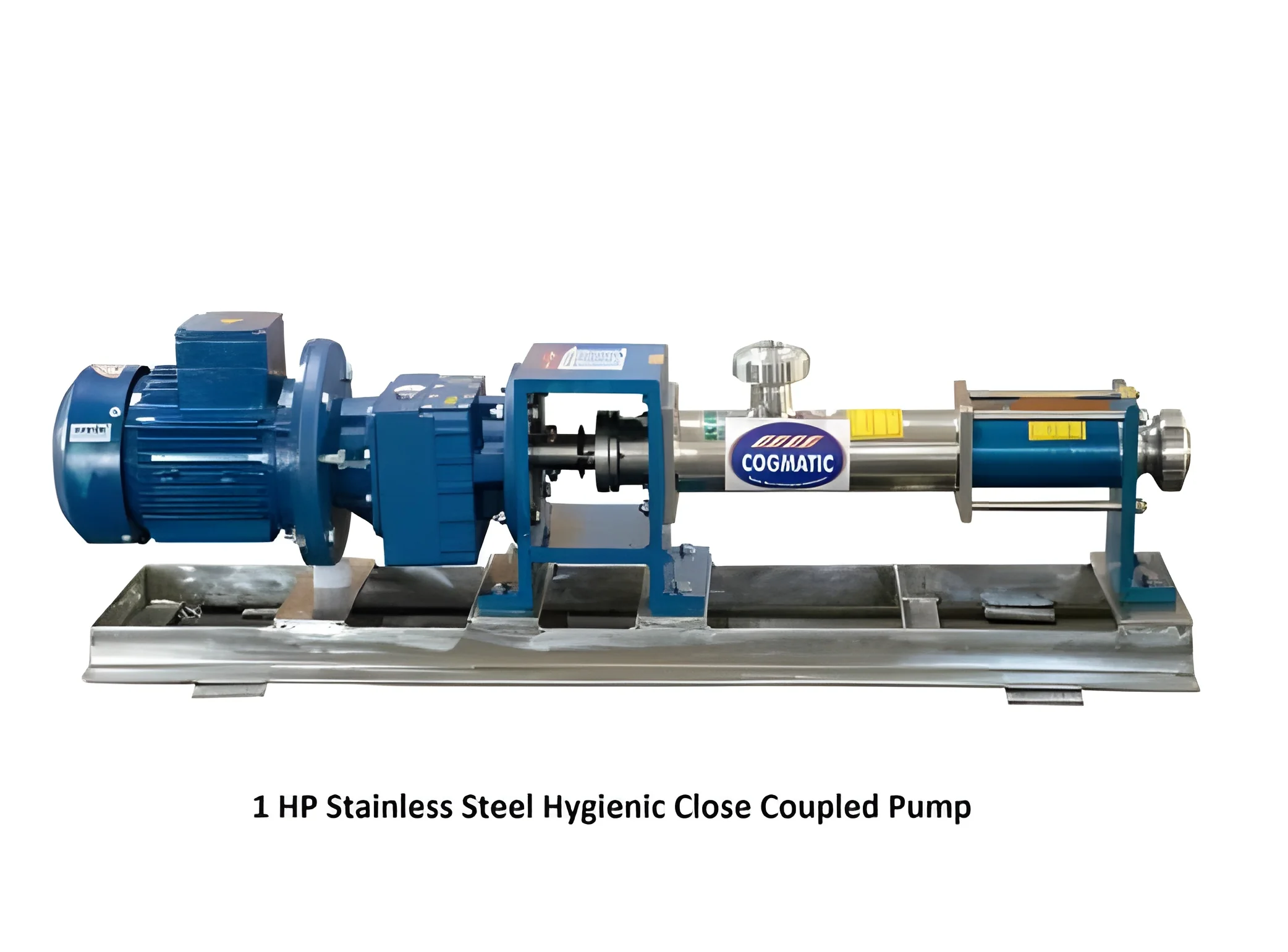
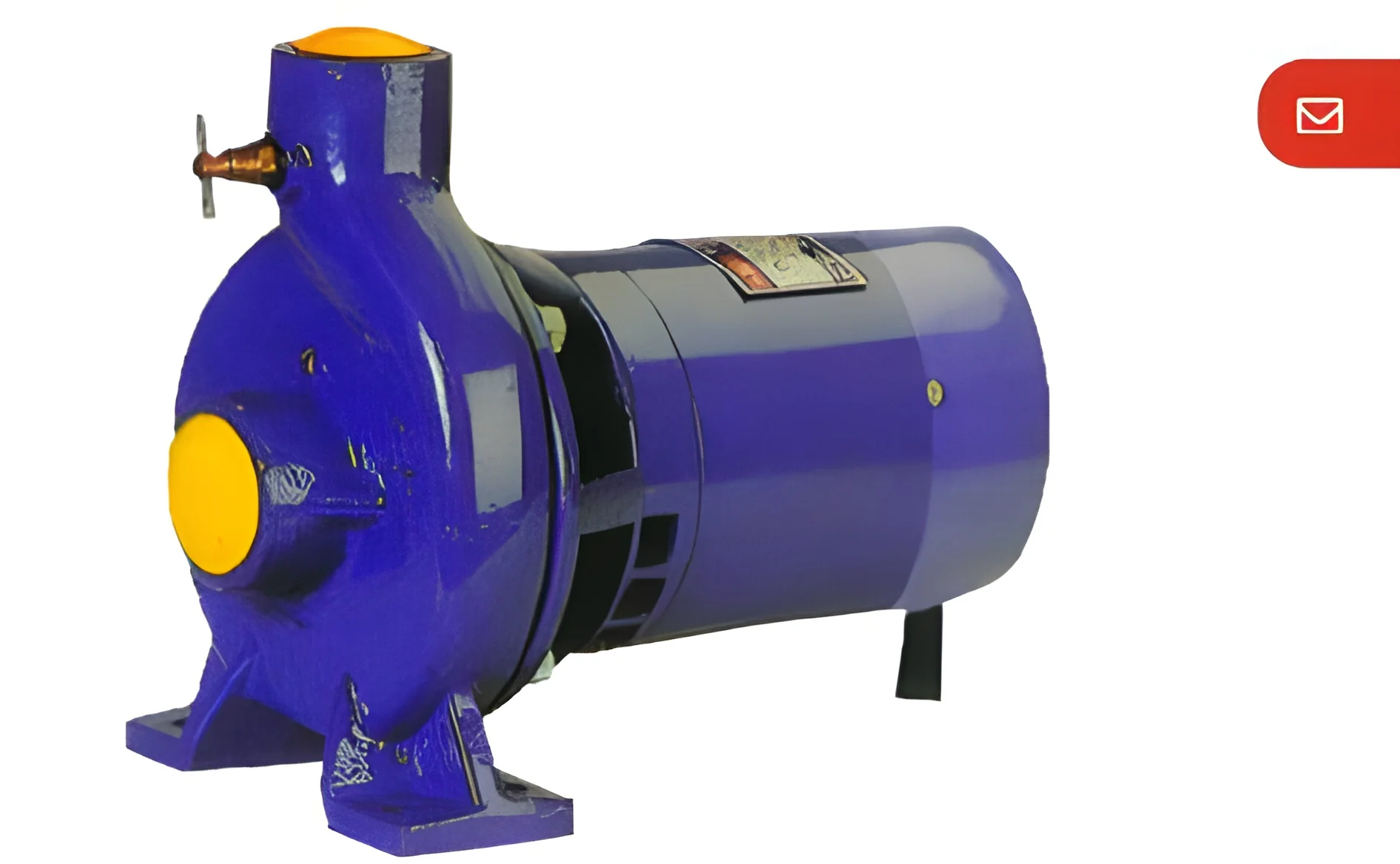
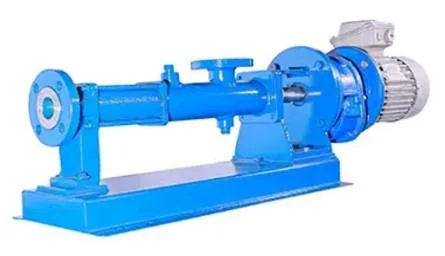
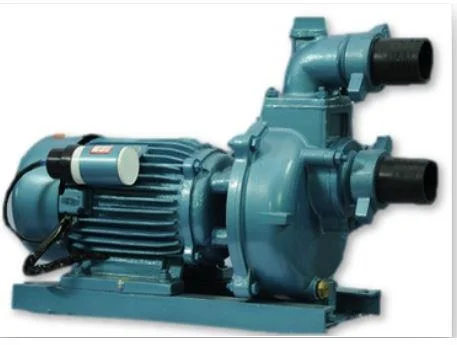
𝗪𝗵𝗮𝘁 𝗮𝗿𝗲 𝗖𝗹𝗼𝘀𝗲 𝗖𝗼𝘂𝗽𝗹𝗲𝗱 𝗣𝘂𝗺𝗽𝘀?
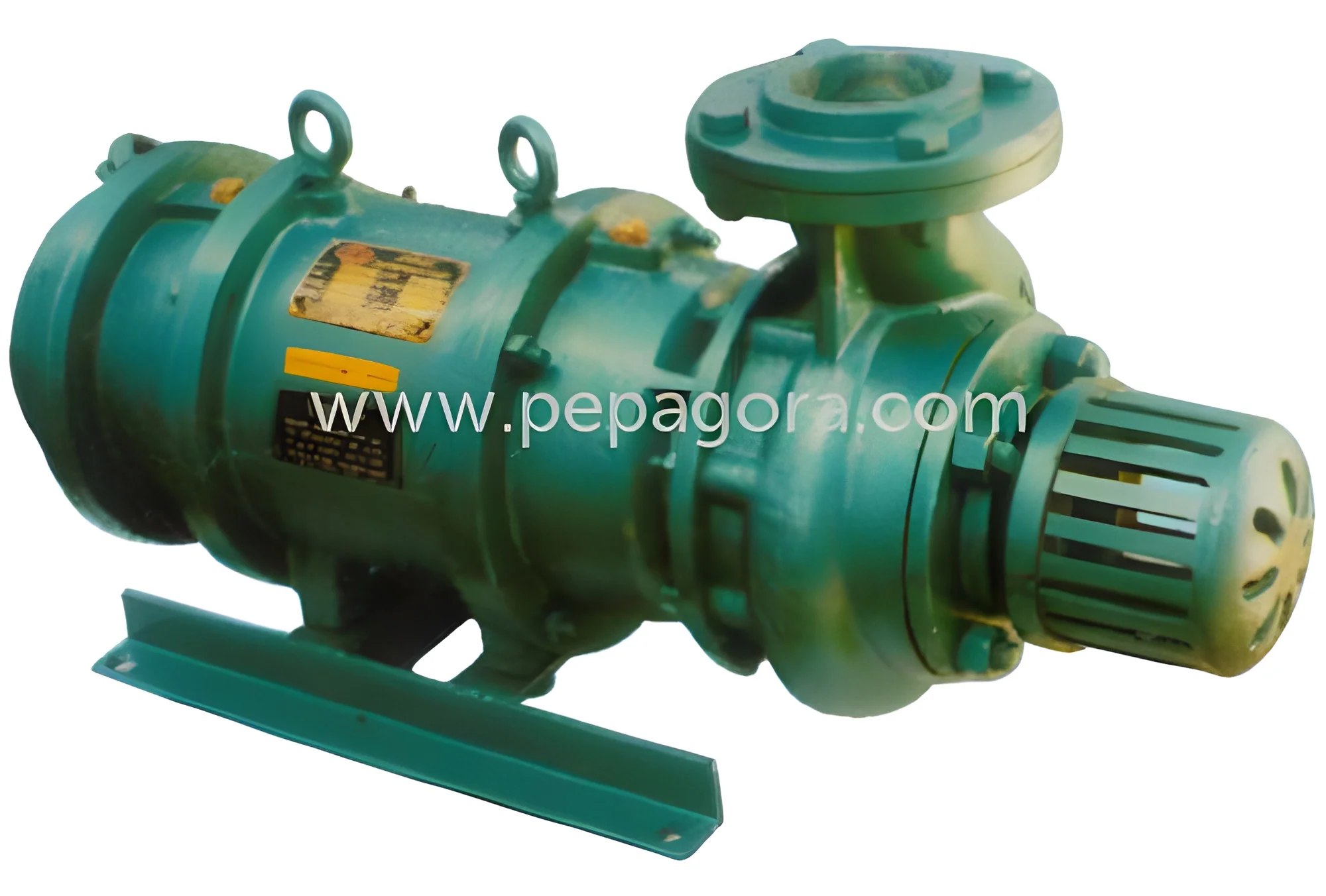
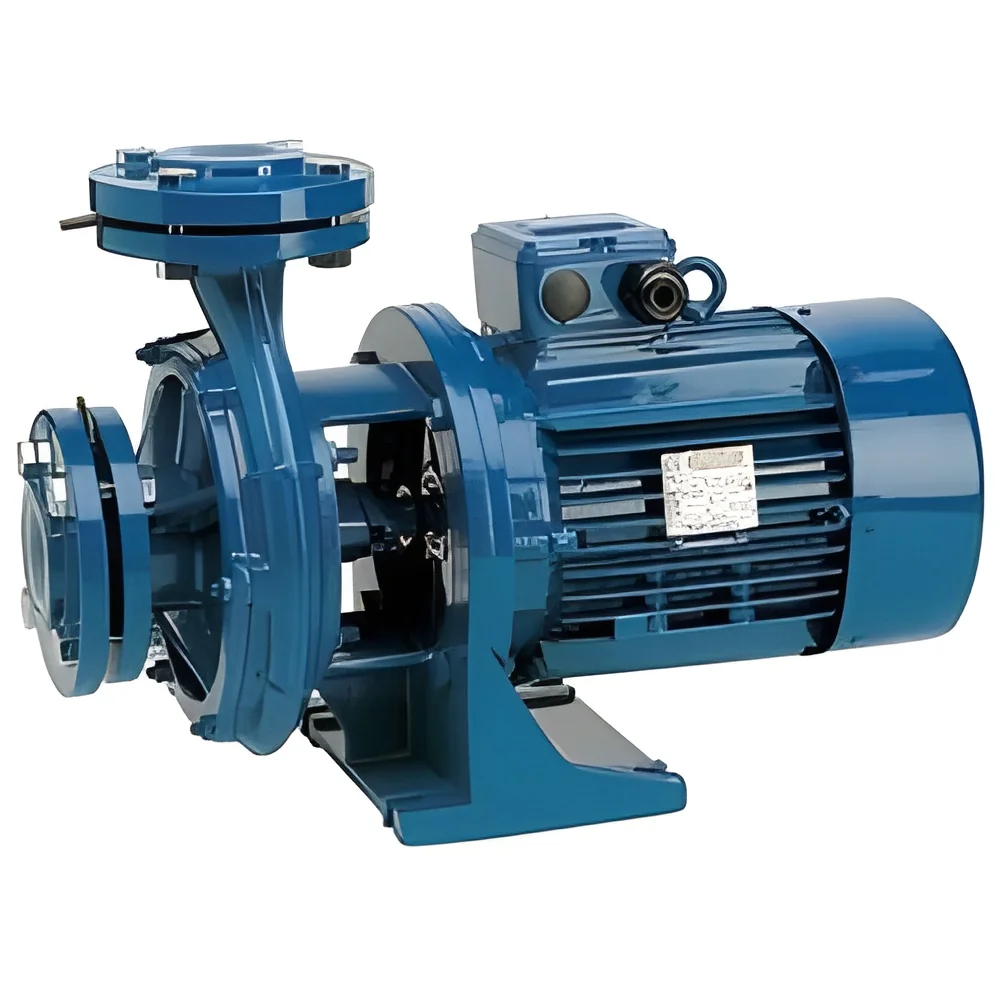
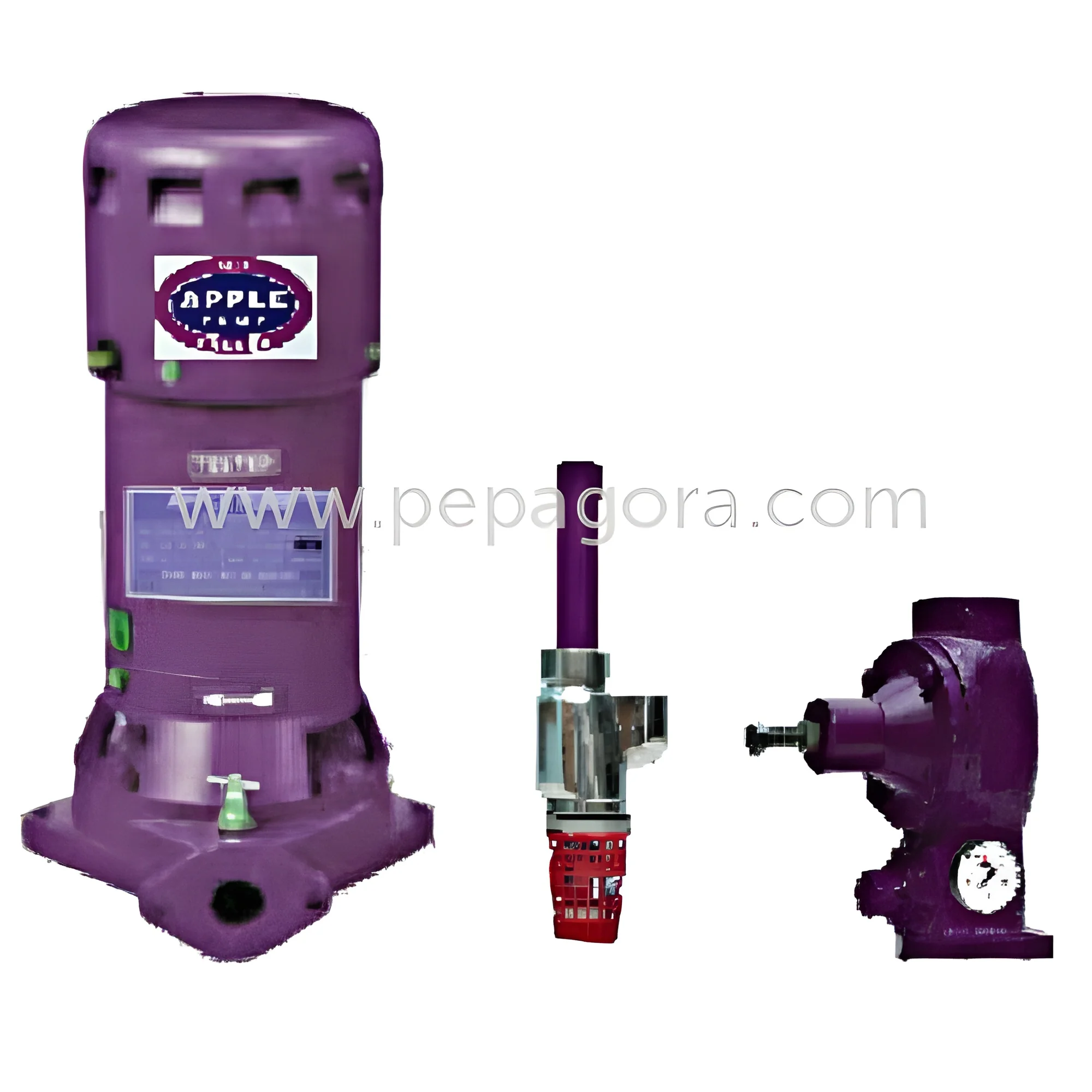
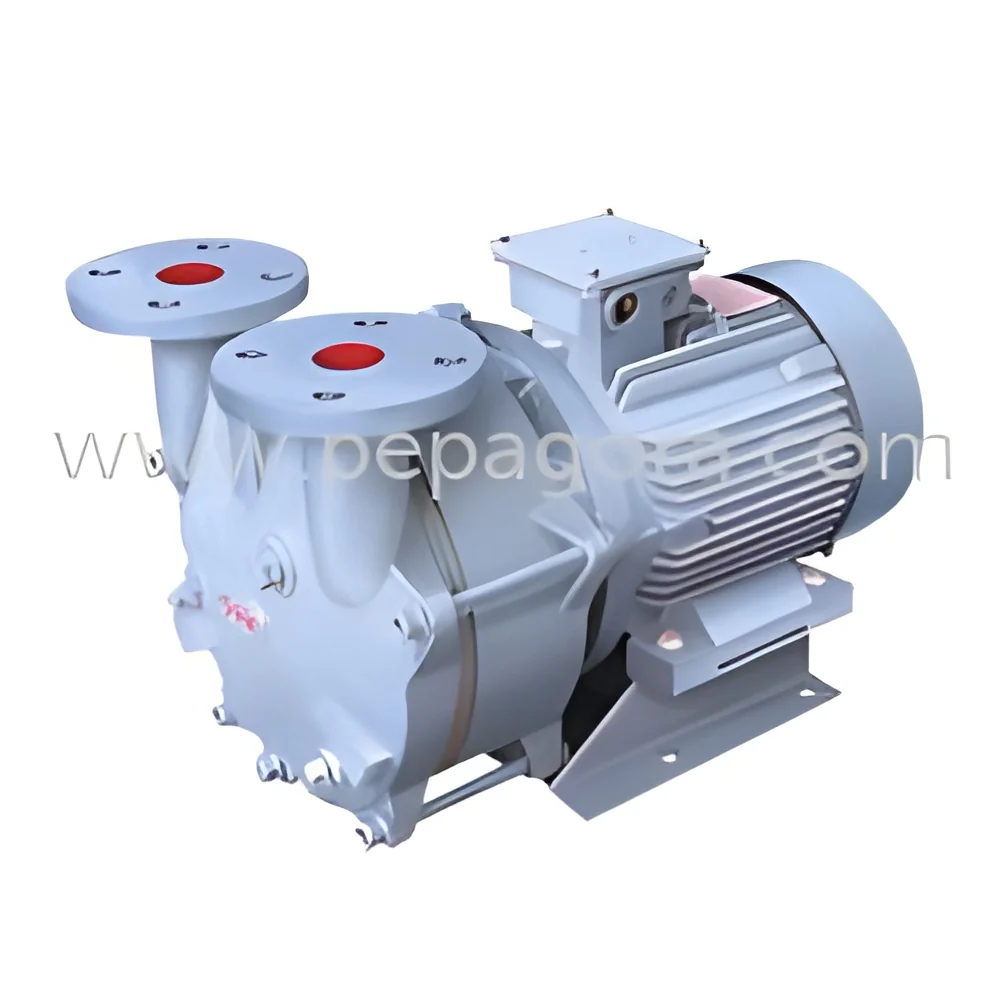
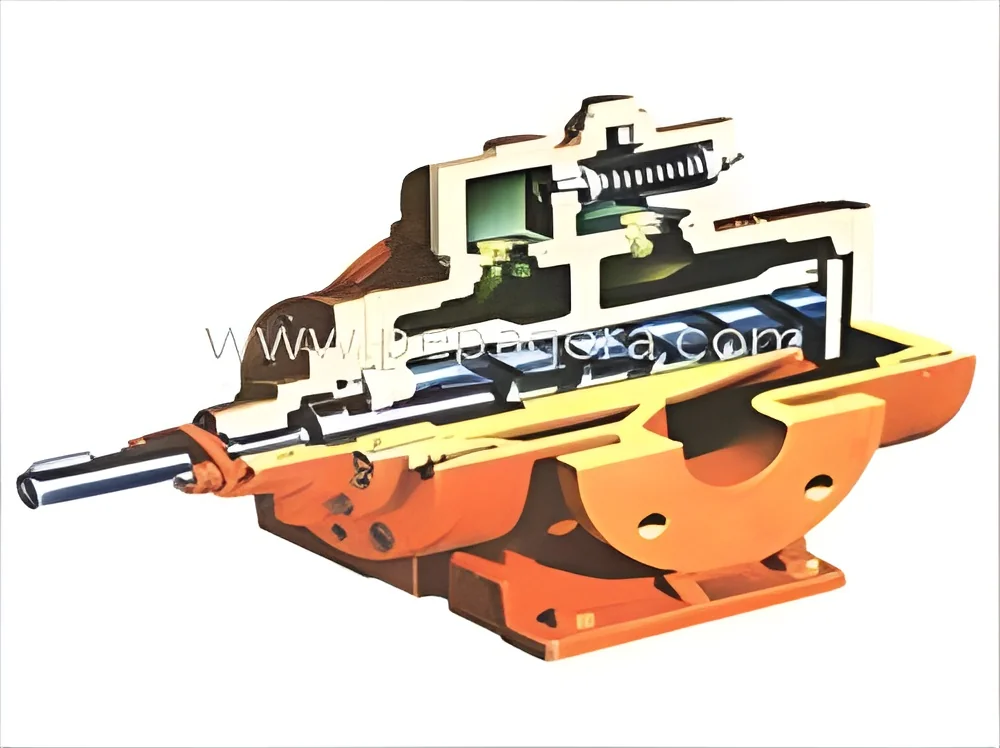
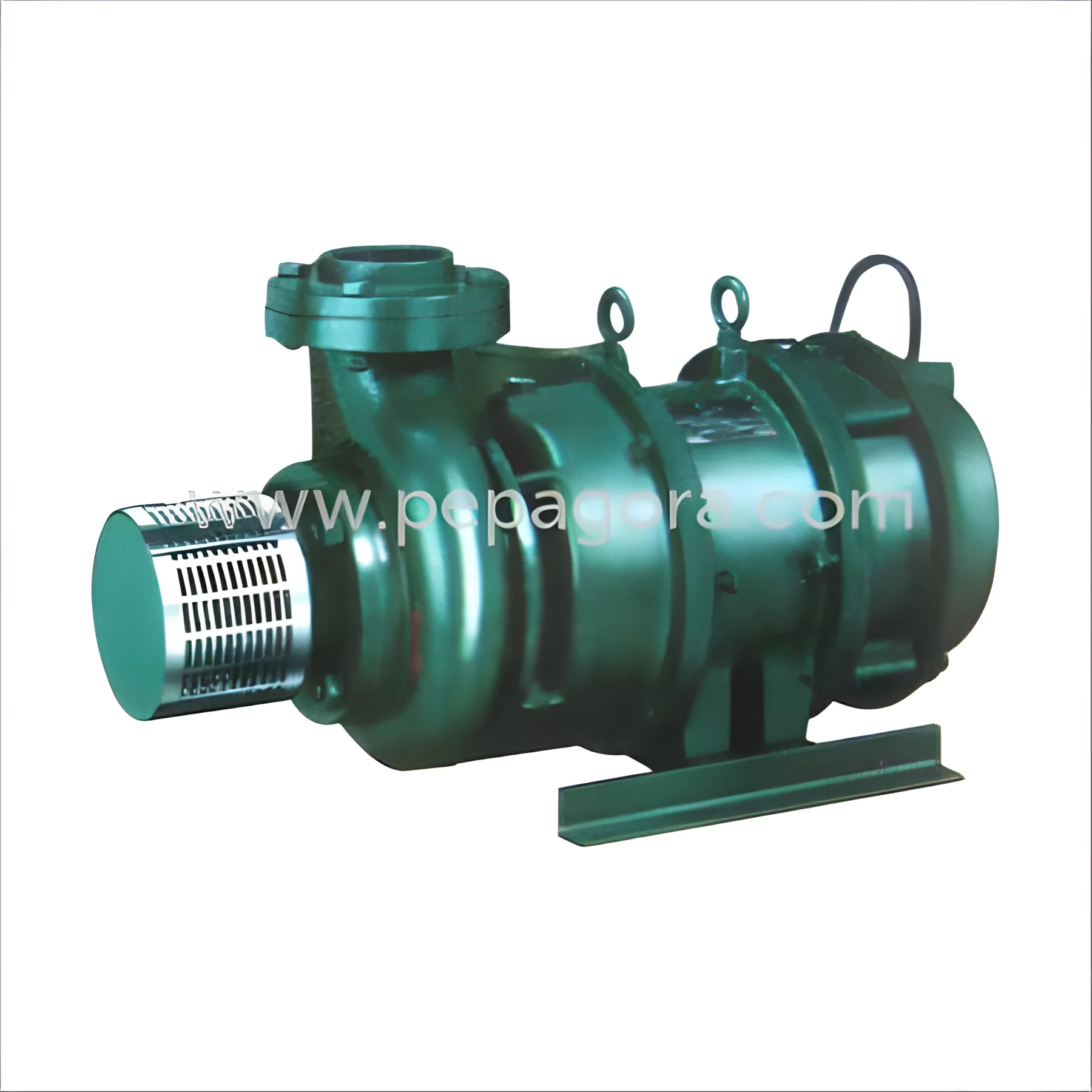
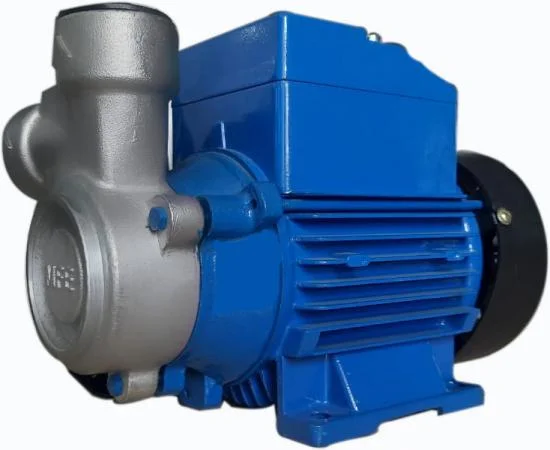
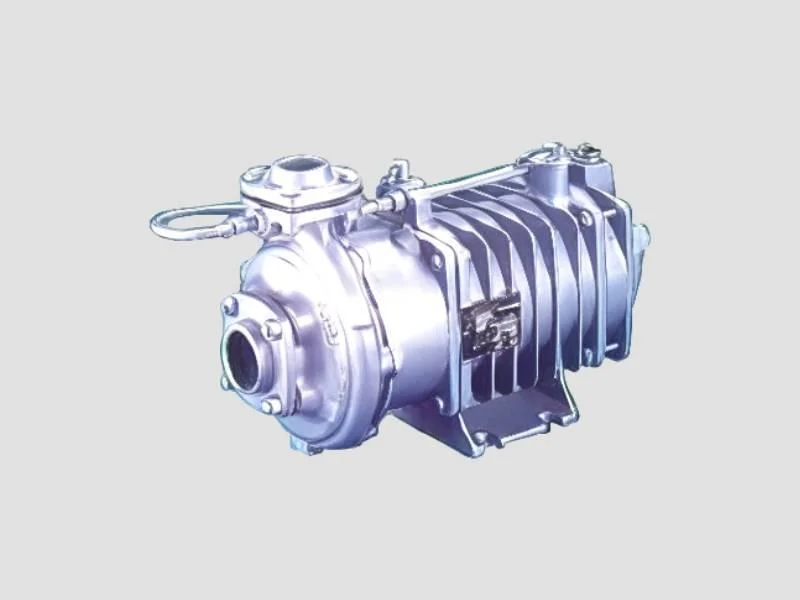
Close coupled pumps are a type of centrifugal pump where the pump and motor are mounted together on a single base. This design eliminates the need for a long shaft, resulting in a compact unit. Close coupled pumps are known for their efficiency and reliability, making them suitable for a variety of applications in industrial settings.
These pumps are primarily used for transferring liquids in various processes, including water supply, irrigation, and chemical processing. Their compact design allows for easy installation and maintenance, making them a popular choice in industries such as manufacturing, agriculture, and building services. The close coupled design minimizes vibration and noise, contributing to a safer and more pleasant working environment.
In the market context, close coupled pumps are relevant due to the growing demand for efficient and space-saving pumping solutions. As industries evolve towards automation and increased productivity, these pumps are becoming integral to modern fluid handling systems.
𝗞𝗲𝘆 𝗙𝗲𝗮𝘁𝘂𝗿𝗲𝘀 𝗮𝗻𝗱 𝗦𝗽𝗲𝗰𝗶𝗳𝗶𝗰𝗮𝘁𝗶𝗼𝗻𝘀
Close coupled pumps come with several features that enhance their performance and usability. These features make them versatile and suitable for a wide range of applications across different industries.
Key specifications include:
1. Design:
- Compact and efficient design
- Integrated motor and pump for reduced footprint
2. Flow Rate:
- Varying flow rates to suit different applications
- Typically ranges from a few liters per minute to several hundred liters per minute
3. Power Rating:
- Motor power ratings generally range from 0.5 kW to 30 kW
- Options for both single-phase and three-phase motors
4. Materials:
- Constructed from durable materials such as cast iron or stainless steel
- Options for corrosion-resistant finishes available
5. Temperature Range:
- Designed to handle a wide temperature range
- Specific limits may vary based on model and application
6. Sealing:
- Mechanical seals to prevent leakage
- Options for different sealing materials based on fluid compatibility
7. Efficiency:
- High-efficiency impellers for optimal performance
- Energy-saving designs available
8. Maintenance:
- Easy access for maintenance and servicing
- Minimal downtime due to robust construction
The combination of these features ensures that close coupled pumps deliver reliable performance across various industrial applications.
𝗖𝗼𝗺𝗺𝗼𝗻 𝗔𝗽𝗽𝗹𝗶𝗰𝗮𝘁𝗶𝗼𝗻𝘀 𝗮𝗻𝗱 𝗨𝘀𝗲 𝗖𝗮𝘀𝗲𝘀
Close coupled pumps are utilized in many different industries due to their versatility and efficiency.
1. Water Supply: These pumps are widely used in municipal water systems and irrigation, providing reliable water transfer for agricultural and residential needs.
2. Chemical Processing: In the chemical industry, close coupled pumps handle various fluids, including acids and solvents, due to their robust construction and compatibility with diverse materials.
3. HVAC Systems: They are essential components in heating, ventilation, and air conditioning systems, circulating water or refrigerants efficiently.
4. Food and Beverage: Close coupled pumps are used in food processing to transfer liquids while adhering to sanitary standards.
5. Oil and Gas: These pumps are employed in oil extraction and processing, managing the transfer of crude oil and refined products.
6. Pharmaceuticals: In the pharmaceutical sector, close coupled pumps facilitate the movement of sensitive liquids, ensuring that stringent hygiene and safety requirements are met.
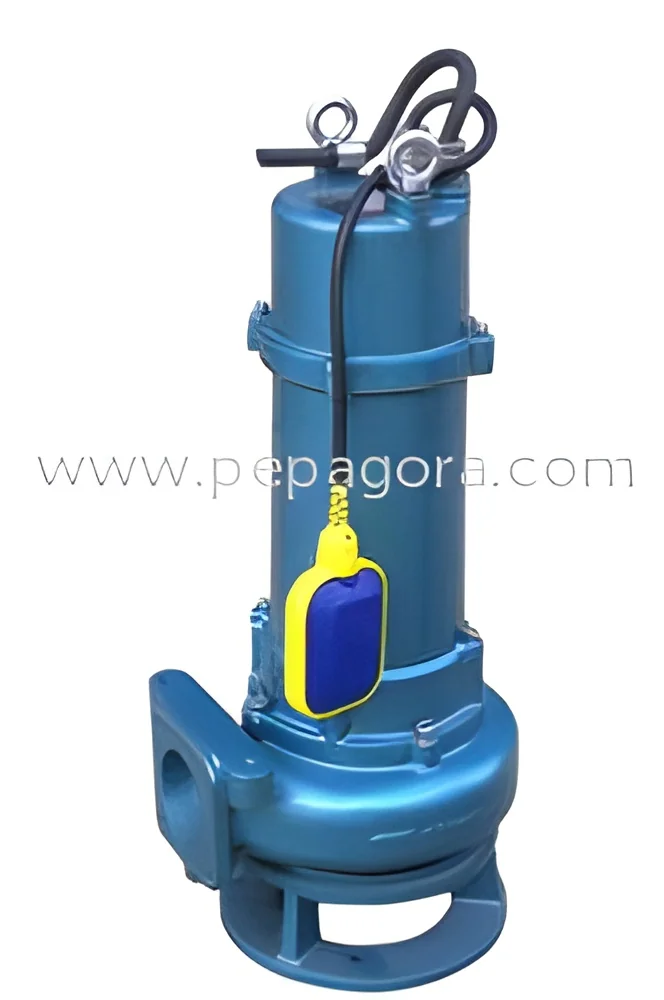
7. Wastewater Management: They play a crucial role in wastewater treatment plants, transferring sewage and other waste fluids effectively.
𝗣𝗿𝗼𝗱𝘂𝗰𝘁 𝗩𝗮𝗿𝗶𝗮𝗻𝘁𝘀 𝗮𝗻𝗱 𝗦𝘂𝗯𝗰𝗮𝘁𝗲𝗴𝗼𝗿𝗶𝗲𝘀
Close coupled pumps are available in various configurations to meet specific industrial needs.
Standard Close Coupled Pumps: These are the most common type, offering a straightforward design that is suitable for general-purpose applications. They provide reliable performance and easy installation.
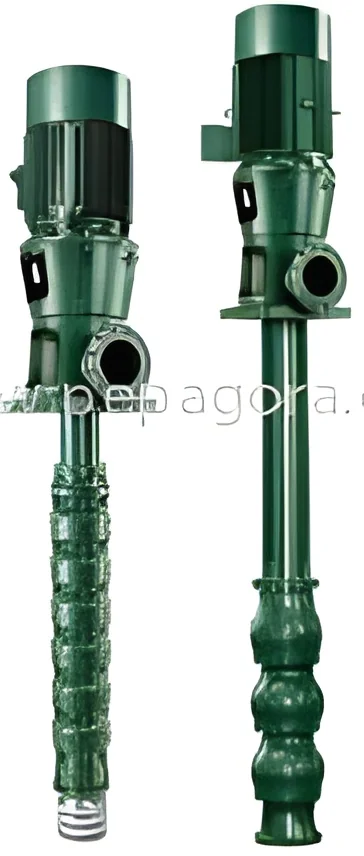
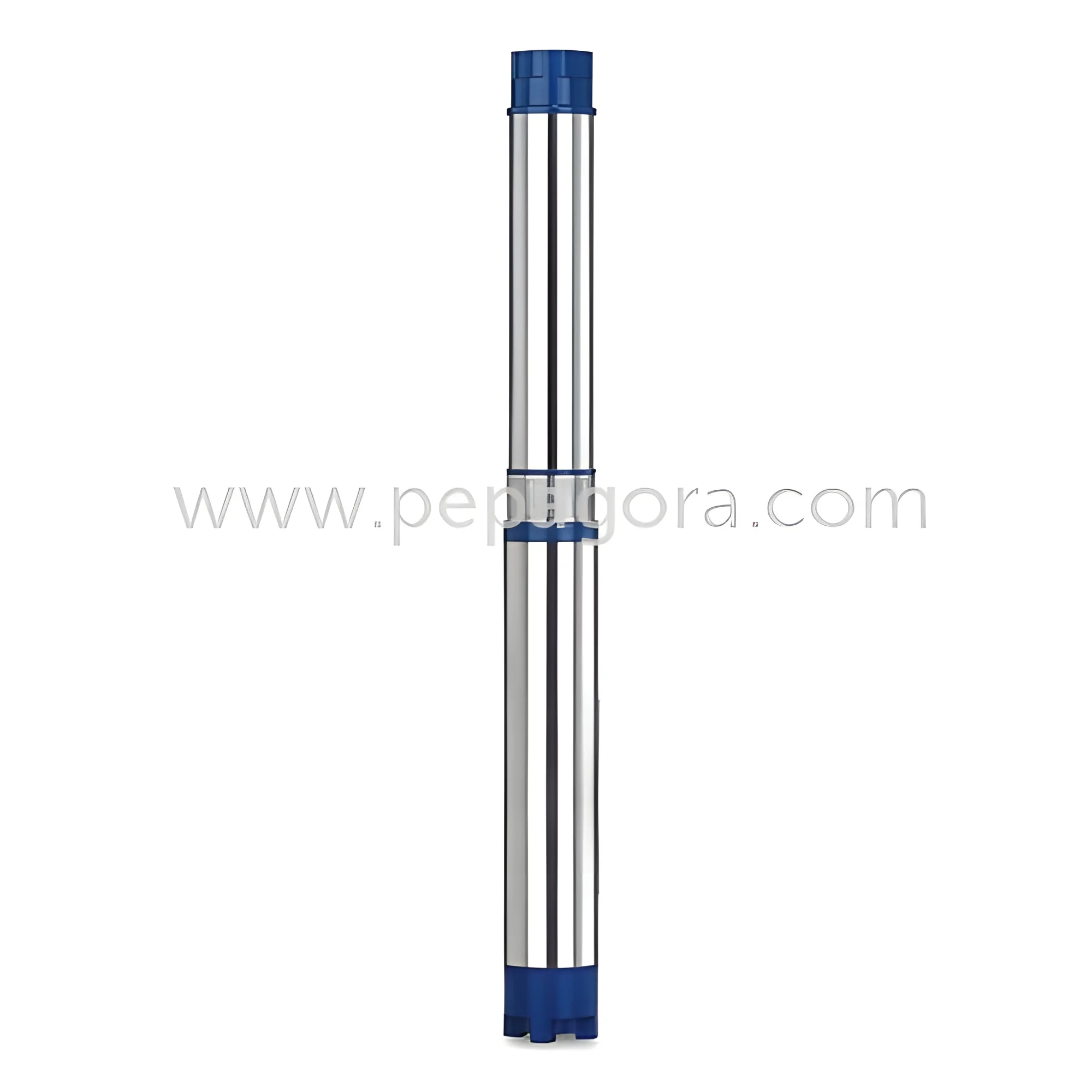
Vertical Close Coupled Pumps: This variant is designed for applications with limited space, utilizing a vertical orientation to save floor space. They are ideal for high-rise buildings and industrial settings.
Self-Priming Close Coupled Pumps: These pumps can prime themselves, making them suitable for applications where the pump may need to draw fluid from a lower level. They are commonly used in agricultural and firefighting applications.
Multistage Close Coupled Pumps: Designed for high-pressure applications, these pumps can handle multiple stages of pumping within a single unit. They are often used in water supply systems and pressure boosting.
𝗕𝗲𝗻𝗲𝗳𝗶𝘁𝘀 𝗮𝗻𝗱 𝗔𝗱𝘃𝗮𝗻𝘁𝗮𝗴𝗲𝘀
Close coupled pumps offer numerous benefits that make them an attractive choice for businesses.
1. Space Efficiency: The compact design of close coupled pumps allows for installation in areas where space is limited, reducing the need for extensive piping and mounting.
2. Reduced Maintenance: With fewer components and a simpler design, these pumps often require less maintenance, leading to lower operational costs.
3. High Efficiency: The integrated design minimizes energy loss, resulting in higher efficiency and lower energy consumption.
4. Versatile Applications: Close coupled pumps are suitable for a wide range of fluids and applications, making them adaptable to various industries.
5. Enhanced Reliability: The robust construction and fewer moving parts increase the reliability of these pumps, reducing the risk of breakdowns.
6. Improved Safety: With a design that minimizes vibrations and noise, close coupled pumps contribute to a safer working environment for operators.
𝗕𝘂𝘆𝗶𝗻𝗴 𝗚𝘂𝗶𝗱𝗲 𝗳𝗼𝗿 𝗕𝟮𝗕 𝗕𝘂𝘆𝗲𝗿𝘀
When sourcing close coupled pumps, it is essential to consider several key factors to ensure the right fit for your business needs.
1. Quality Assessment: Look for pumps that meet industry standards and have a proven track record of reliability. Check for certifications and quality control processes to ensure high performance.
2. Supplier Verification: Vet potential suppliers by checking their reputation, customer reviews, and certifications. A reliable supplier can provide ongoing support and service.
3. Pricing and MOQ: Understand the pricing structure and minimum order quantities required by suppliers. This will help you budget effectively and ensure you meet your project needs.
4. Delivery and Lead Times: Confirm the expected delivery times and logistics details. Timely delivery is crucial for maintaining your operations without delays.
5. Compliance Requirements: Ensure that the pumps meet all relevant regulatory and safety standards in your region. Compliance is critical in maintaining operational integrity and safety.
𝗖𝗼𝗺𝗽𝗹𝗶𝗮𝗻𝗰𝗲 𝗮𝗻𝗱 𝗖𝗲𝗿𝘁𝗶𝗳𝗶𝗰𝗮𝘁𝗶𝗼𝗻𝘀
Close coupled pumps must comply with various quality and safety standards to ensure they perform effectively and safely in industrial applications.
ISO 9001 is a widely recognized standard that ensures quality management systems are in place. Manufacturers of close coupled pumps should adhere to this standard to guarantee consistent quality in their products.
CE certification indicates that the products meet European safety, health, and environmental protection requirements. This is particularly important for businesses operating in or exporting to European markets.
Safety and testing requirements often include assessments for operational efficiency, durability, and reliability under specific conditions. Manufacturers should conduct rigorous testing to validate the performance of their pumps.
Additionally, regional compliance considerations may vary. It is essential to stay informed about local regulations to ensure that the pumps you source meet all necessary safety and performance standards.
𝗪𝗵𝘆 𝗦𝗼𝘂𝗿𝗰𝗲 𝗖𝗹𝗼𝘀𝗲 𝗖𝗼𝘂𝗽𝗹𝗲𝗱 𝗣𝘂𝗺𝗽𝘀 𝗳𝗿𝗼𝗺 𝗣𝗲𝗽𝗮𝗴𝗼𝗿𝗮?
Pepagora provides a trusted platform for sourcing close coupled pumps, offering numerous advantages for businesses looking to make informed purchasing decisions.
Verified Supplier Network: Pepagora connects you with a network of verified suppliers, ensuring that you have access to quality products from reputable manufacturers. This reduces the risk of sourcing inferior products.
Streamlined RFQ Process: The platform simplifies the request for quotation process, allowing buyers to easily compare offers from multiple suppliers. This transparency helps in making better purchasing decisions.
Trade Assurance and Support: Pepagora offers trade assurance to protect buyers during the purchasing process. This includes support for any issues that may arise, ensuring a smooth transaction.
Regional Coverage: With a focus on markets in India, the GCC, and Southeast Asia, Pepagora provides a comprehensive solution for sourcing close coupled pumps across these regions. This broad coverage ensures that businesses can find the right products tailored to their needs.
Close Coupled Pumps are a type of centrifugal pump where the pump and motor are mounted together as a single unit. This design minimizes the need for additional couplings and supports, making them compact and efficient for various applications.
2
What are the different types of Close Coupled Pumps?
The different types of Close Coupled Pumps include horizontal and vertical configurations, as well as single-stage and multi-stage pumps. Each type is suited for specific applications based on flow rate and pressure requirements.
3
How do I choose the right Close Coupled Pumps?
Choosing the right Close Coupled Pumps involves considering factors such as flow rate, head pressure, fluid characteristics, and operating conditions. It is also important to consult with manufacturers to determine the best pump model for your specific needs.
4
What are the standard specifications for Close Coupled Pumps?
Standard specifications for Close Coupled Pumps include power ratings, flow rates, maximum head, impeller diameter, and material construction. These specifications ensure that the pump performs efficiently in its intended application.
5
What is the price range for Close Coupled Pumps?
The price range for Close Coupled Pumps can vary widely depending on specifications and manufacturers, typically ranging from INR 10,000 to INR 1,00,000. Custom features and high-performance models may cost more.
6
What quality standards apply to Close Coupled Pumps?
Close Coupled Pumps are subject to various quality standards, including ISO 9001 for manufacturing processes and IS 1520 for centrifugal pumps in India. Compliance with these standards ensures reliability and performance.
7
Where can I find Close Coupled Pumps suppliers in India?
You can find Close Coupled Pumps suppliers in India through online B2B marketplaces like Pepagora.com, trade directories, or by attending industry trade shows. These platforms can connect you with reputable manufacturers and distributors.
8
Can Close Coupled Pumps be customized?
Yes, many manufacturers offer customization options for Close Coupled Pumps to meet specific requirements such as size, material, and performance characteristics. It is advisable to discuss your needs directly with the supplier.
9
What is the typical minimum order quantity for Close Coupled Pumps?
The typical minimum order quantity (MOQ) for Close Coupled Pumps varies by supplier, but it generally ranges from 1 to 10 units. Larger orders may qualify for discounts, so it's beneficial to inquire with the manufacturer.
10
What is the typical lead time for Close Coupled Pumps?
The typical lead time for Close Coupled Pumps is usually between 4 to 6 weeks, depending on the manufacturer's production schedule and the complexity of the order. Custom orders may require additional time.
Why Businesses Trust Pepagora
Thousands of companies trust Pepagora to source smarter and sell faster
Expand Your Sales Globally
25000+Products listed.Get discovered by global buyers

 IN
IN