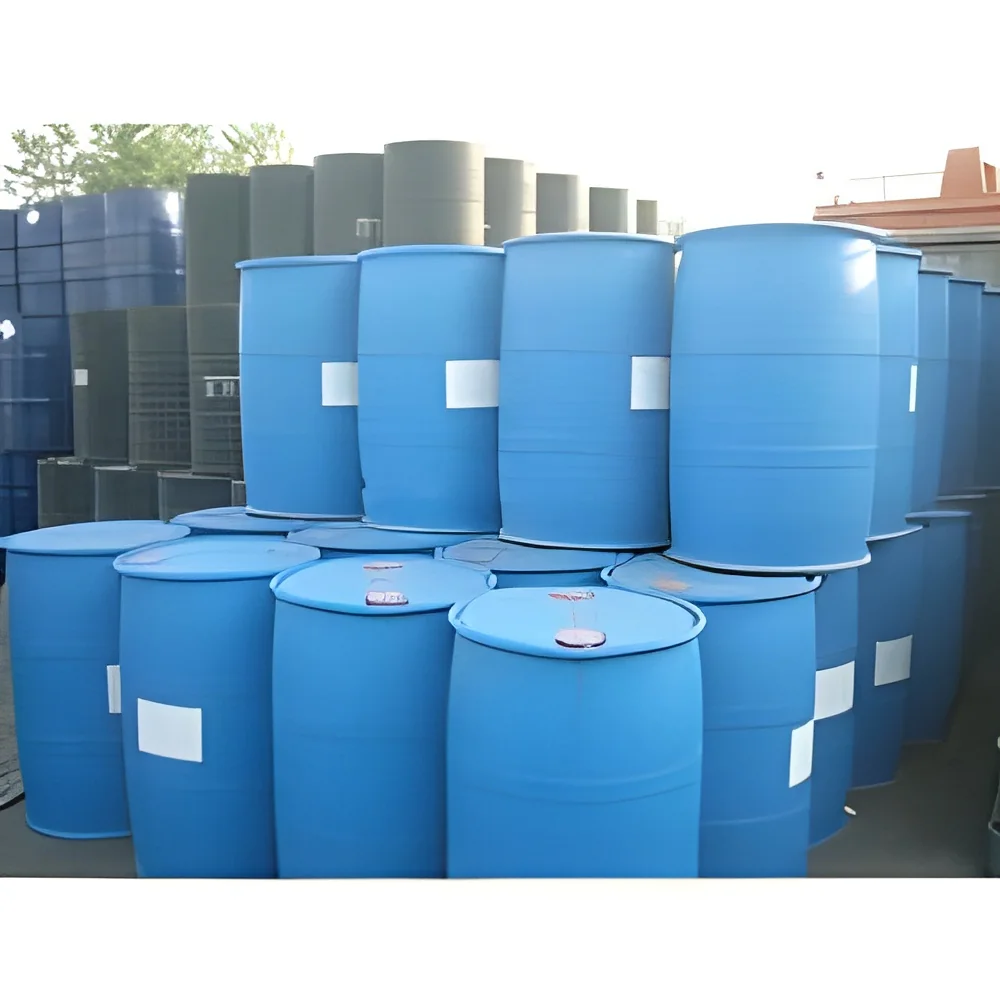
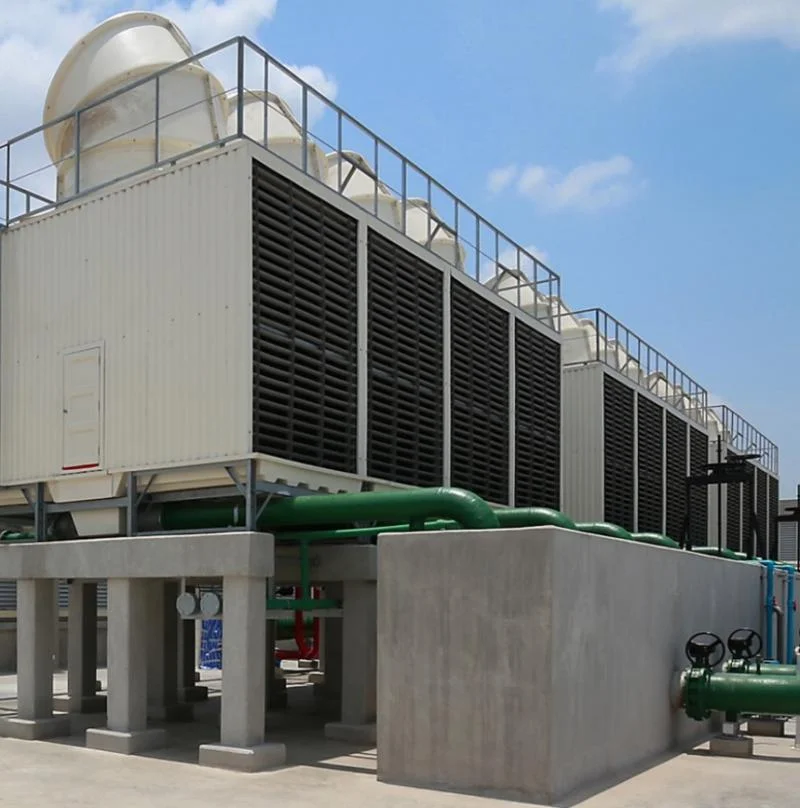
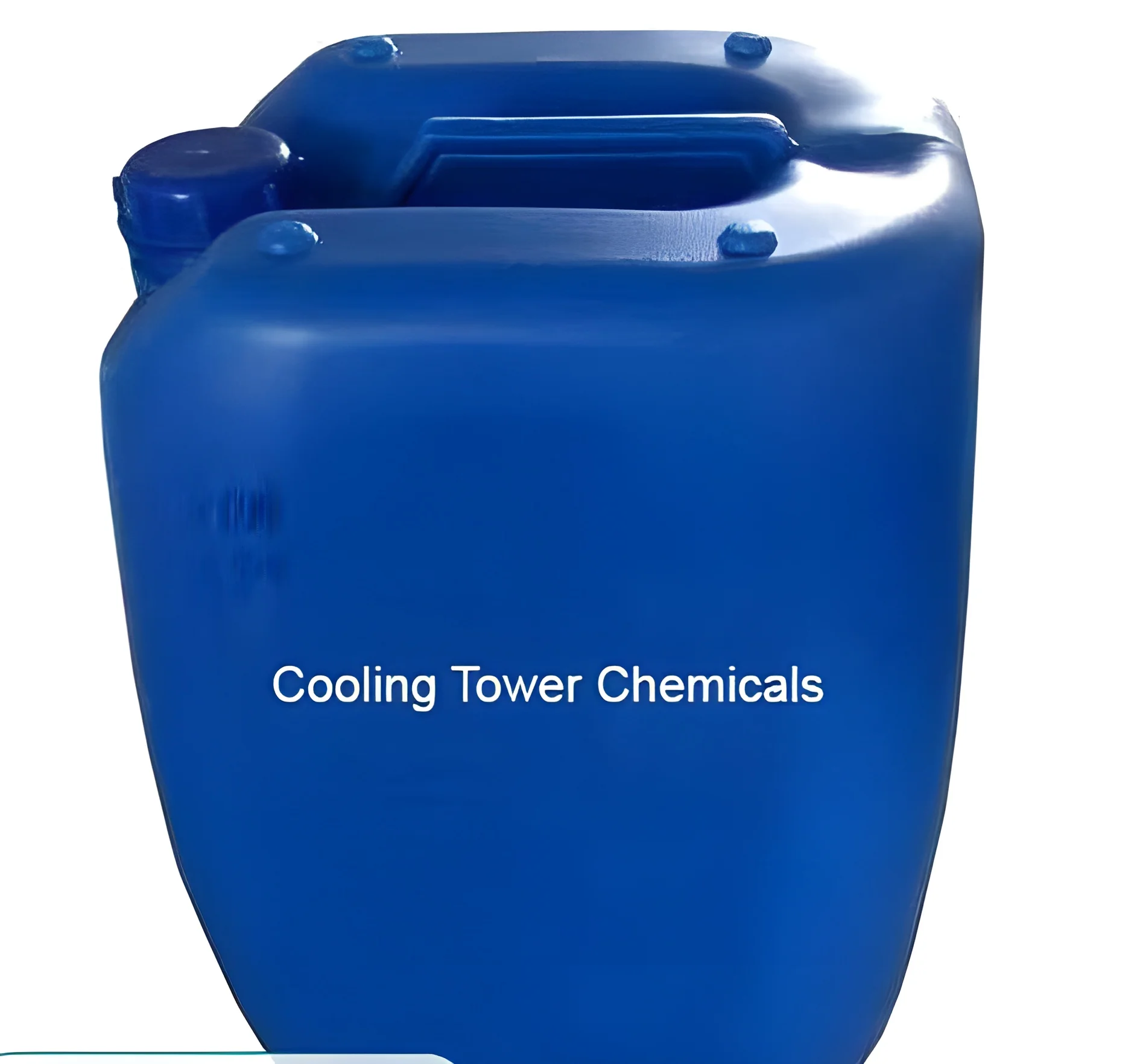
𝗪𝗵𝗮𝘁 𝗮𝗿𝗲 𝗖𝗼𝗼𝗹𝗶𝗻𝗴 𝗧𝗼𝘄𝗲𝗿 𝗖𝗵𝗲𝗺𝗶𝗰𝗮𝗹𝘀?
Cooling tower chemicals are specialized formulations designed to enhance the efficiency and performance of cooling towers. These chemicals play a critical role in maintaining water quality by controlling scale, corrosion, and biological growth within the cooling system. They help ensure that the cooling tower operates effectively by preventing the buildup of harmful contaminants that can impair heat transfer and lead to system failures.
The primary uses of cooling tower chemicals include water treatment, scale inhibition, corrosion control, and biocide application. Industries such as manufacturing, power generation, and HVAC systems utilize these chemicals to safeguard their cooling systems. Proper treatment not only enhances operational efficiency but also extends the lifespan of equipment, leading to significant cost savings. As industries increasingly focus on sustainability, the relevance of cooling tower chemicals has grown, aligning with broader environmental regulations and efficiency standards in various markets.
𝗞𝗲𝘆 𝗙𝗲𝗮𝘁𝘂𝗿𝗲𝘀 𝗮𝗻𝗱 𝗦𝗽𝗲𝗰𝗶𝗳𝗶𝗰𝗮𝘁𝗶𝗼𝗻𝘀
Cooling tower chemicals offer a range of features that are essential for optimal performance and safety. Understanding these specifications is crucial for businesses when selecting the right products for their cooling systems.
Key specifications include:
1. Scale Inhibitors
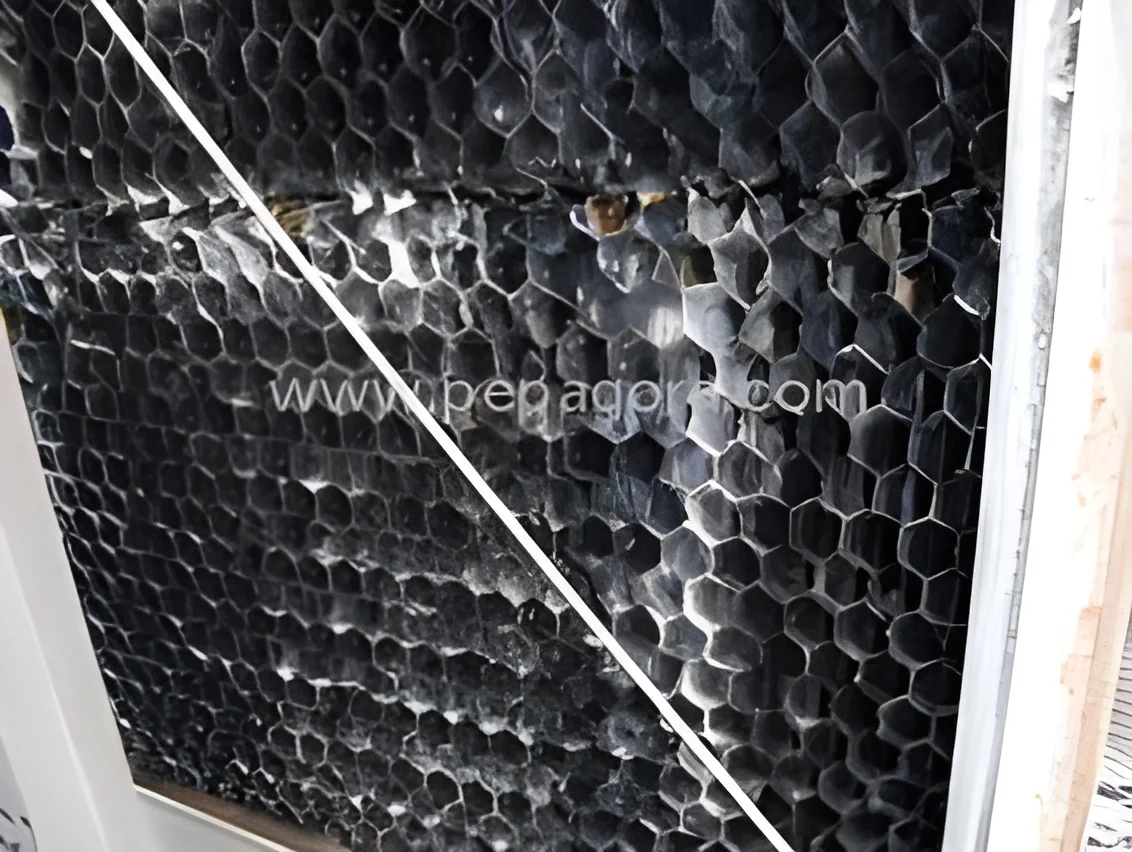
- Prevents mineral deposits from forming on the heat exchange surfaces.
- Effective in varying water hardness levels.
2. Corrosion Inhibitors
- Protects metal surfaces from corrosion caused by water and environmental factors.
- Suitable for different metal types used in cooling tower construction.
3. Biocides
- Controls microbiological growth, including bacteria and algae.
- Compliant with safety standards for water treatment.
4. pH Adjusters
- Maintains optimal pH levels for system stability.
- Ensures compatibility with other treatment chemicals.
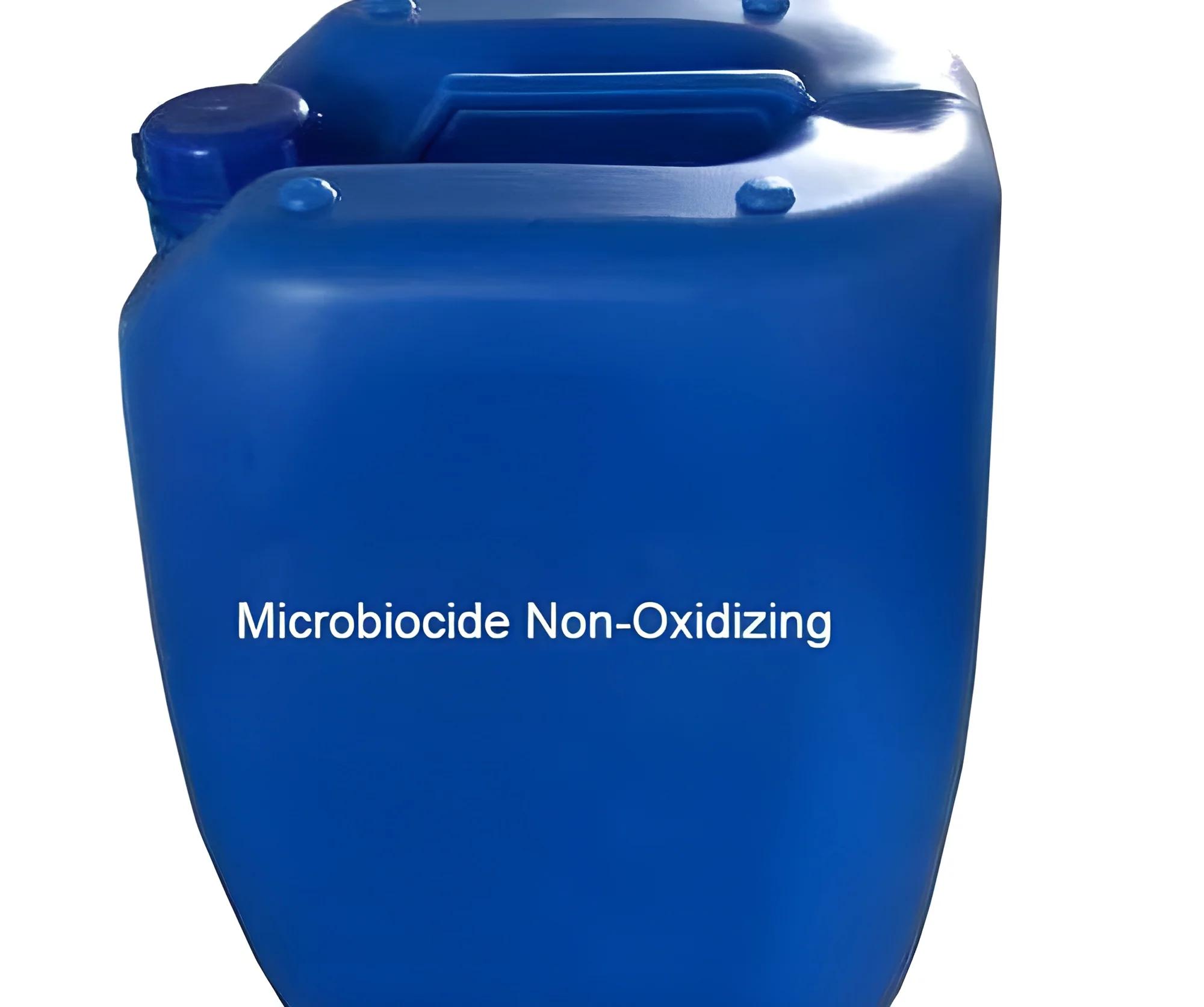
5. Non-Oxidizing Biocides
- Offers effective microbial control without damaging sensitive equipment.
- Ideal for systems sensitive to oxidative damage.
6. Compatibility
- Formulated to work with various water chemistries and temperatures.
- Ensures seamless integration with existing water treatment protocols.
7. Environmental Safety
- Complies with environmental regulations and safety standards.
- Minimizes harmful impacts on surrounding ecosystems.
8. User-Friendly Application
- Easy to handle and apply in various cooling tower configurations.
- Available in concentrated forms for cost-effective treatment.
In summary, selecting cooling tower chemicals with the right specifications ensures efficient system performance and compliance with industry standards.
𝗖𝗼𝗺𝗺𝗼𝗻 𝗔𝗽𝗽𝗹𝗶𝗰𝗮𝘁𝗶𝗼𝗻𝘀 𝗮𝗻𝗱 𝗨𝘀𝗲 𝗖𝗮𝘀𝗲𝘀
Cooling tower chemicals are utilized across diverse industries, each with specific applications that enhance operational efficiencies.
1. Manufacturing: In manufacturing settings, cooling tower chemicals help maintain water quality in processes such as metal fabrication and chemical production, ensuring equipment longevity and reducing downtime.
2. Power Generation: Power plants use these chemicals to regulate heat transfer in cooling systems, which are crucial for efficient energy production and compliance with environmental regulations.
3. HVAC Systems: Heating, ventilation, and air conditioning systems benefit from cooling tower chemicals by ensuring that the cooling towers operate effectively, thereby enhancing overall building comfort and energy efficiency.
4. Food and Beverage: The food and beverage industry employs cooling tower chemicals to maintain hygienic water conditions, ensuring product safety and quality during manufacturing processes.
5. Pharmaceuticals: In pharmaceutical manufacturing, these chemicals are essential for keeping cooling systems free from contaminants, thereby upholding stringent industry standards.
6. Data Centers: Cooling towers in data centers require precise temperature control, and appropriate chemicals help maintain optimal cooling efficiency while preventing biological growth.
7. Textile Industry: The textile sector utilizes cooling tower chemicals to optimize dyeing and finishing processes, ensuring consistent quality and reducing water usage.
𝗣𝗿𝗼𝗱𝘂𝗰𝘁 𝗩𝗮𝗿𝗶𝗮𝗻𝘁𝘀 𝗮𝗻𝗱 𝗦𝘂𝗯𝗰𝗮𝘁𝗲𝗴𝗼𝗿𝗶𝗲𝘀
Cooling tower chemicals encompass a variety of formulations tailored to meet specific operational needs. The diversity in product offerings ensures that businesses can find the right solutions for their unique applications.
Scale Inhibitor Solutions
These solutions are designed to specifically prevent scale formation in cooling systems. They are formulated to be effective in high-hardness water conditions, ensuring that heat exchange surfaces remain clear and efficient.
Corrosion Inhibitor Formulations
Corrosion inhibitors are critical for protecting metal surfaces against oxidation and deterioration. These products are tailored to different metal types commonly found in cooling towers, offering targeted protection.
Biocide Treatments
Biocide treatments are specialized for controlling microbial growth in cooling systems. They are formulated to be effective against a broad spectrum of algae and bacteria, ensuring a hygienic environment.
Algaecide Products
Algaecides are a specific type of biocide focused on inhibiting algae growth within cooling towers. They help maintain clear water and enhance system efficiency.
𝗕𝗲𝗻𝗲𝗳𝗶𝘁𝘀 𝗮𝗻𝗱 𝗔𝗱𝘃𝗮𝗻𝘁𝗮𝗴𝗲𝘀
Investing in cooling tower chemicals yields numerous benefits that can enhance operational efficiency and reduce costs.
1. Improved System Efficiency: Effective cooling tower chemicals enhance heat transfer capabilities, leading to improved system efficiency and reduced energy consumption.
2. Extended Equipment Lifespan: Regular use of these chemicals prevents scale and corrosion, significantly extending the life of cooling tower components.
3. Reduced Maintenance Costs: By minimizing buildup and biological growth, cooling tower chemicals reduce maintenance frequency and associated costs.
4. Compliance with Regulations: These chemicals help businesses stay compliant with industry regulations regarding water treatment and environmental safety.
5. Enhanced Water Quality: Cooling tower chemicals ensure that water remains clean and suitable for efficient cooling processes.
6. Customizable Solutions: Many suppliers offer tailored solutions that meet specific operational needs, ensuring optimal performance in unique settings.
𝗕𝘂𝘆𝗶𝗻𝗴 𝗚𝘂𝗶𝗱𝗲 𝗳𝗼𝗿 𝗕𝟮𝗕 𝗕𝘂𝘆𝗲𝗿𝘀
When sourcing cooling tower chemicals, it is essential to consider various factors that can impact your purchasing decision.
1. Quality Assessment: Evaluate the quality of products by reviewing certifications and performance data. Look for suppliers who adhere to recognized standards to ensure reliability.
2. Supplier Verification: Conduct thorough due diligence on potential suppliers. Check their reputation, customer reviews, and history of compliance with industry standards.
3. Pricing and MOQ: Understand the pricing structure and minimum order quantities. Ensure that you are getting competitive pricing while considering your budget constraints.
4. Delivery and Lead Times: Inquire about logistics, including delivery schedules and lead times. Timely delivery is crucial for maintaining uninterrupted operations.
5. Compliance Requirements: Ensure that the products you choose meet relevant regulatory compliance standards. This includes understanding local environmental regulations and safety guidelines.
𝗖𝗼𝗺𝗽𝗹𝗶𝗮𝗻𝗰𝗲 𝗮𝗻𝗱 𝗖𝗲𝗿𝘁𝗶𝗳𝗶𝗰𝗮𝘁𝗶𝗼𝗻𝘀
Compliance with industry standards is critical when dealing with cooling tower chemicals. Relevant quality standards such as ISO 9001 ensure that manufacturers maintain consistent quality in their products.
Industry certifications, such as CE, indicate that the chemicals meet European safety and environmental requirements. These certifications provide assurance to buyers about the reliability and safety of the products.
Safety and testing requirements are also paramount. Cooling tower chemicals must undergo rigorous testing to ensure they do not pose risks to human health or the environment.
Regional compliance considerations may vary, necessitating that suppliers are aware of local regulations and align their products accordingly. Understanding these compliance factors helps businesses choose the right chemicals while minimizing legal and operational risks.
𝗪𝗵𝘆 𝗦𝗼𝘂𝗿𝗰𝗲 𝗖𝗼𝗼𝗹𝗶𝗻𝗴 𝗧𝗼𝘄𝗲𝗿 𝗖𝗵𝗲𝗺𝗶𝗰𝗮𝗹𝘀 𝗳𝗿𝗼𝗺 𝗣𝗲𝗽𝗮𝗴𝗼𝗿𝗮?
Pepagora provides a trusted platform for sourcing cooling tower chemicals, offering several key advantages for businesses in need of reliable solutions.
Verified Supplier Network: Pepagora connects buyers with a network of verified suppliers who meet strict quality and compliance standards. This network ensures that businesses can rely on the products they purchase.
Streamlined RFQ Process: The request for quotation process on Pepagora is designed to be efficient and user-friendly. Buyers can easily compare offers from multiple suppliers, ensuring they get the best value.
Trade Assurance and Support: Pepagora offers trade assurance and support, providing buyers with confidence in their transactions. This includes buyer protection policies that safeguard against potential issues.
Regional Coverage: With a strong presence in India, GCC, and Southeast Asia, Pepagora offers extensive regional coverage, ensuring that businesses can access cooling tower chemicals tailored to their local needs. This geographic reach enhances the convenience and reliability of sourcing essential industrial products.
Cooling Tower Chemicals are specialized chemical formulations used to maintain the efficiency and longevity of cooling towers. They help in controlling scale, corrosion, and biological growth, ensuring optimal performance of the cooling system.
2
What are the different types of Cooling Tower Chemicals?
The different types of Cooling Tower Chemicals include biocides, corrosion inhibitors, scale inhibitors, and pH adjusters. Each type serves a specific purpose, such as preventing microbial growth or reducing mineral deposits.
3
How do I choose the right Cooling Tower Chemicals?
Choosing the right Cooling Tower Chemicals involves assessing the specific needs of your cooling system, including water quality and operational conditions. Consulting with a chemical supplier or manufacturer can provide insights into the best formulations for your application.
4
What are the standard specifications for Cooling Tower Chemicals?
Standard specifications for Cooling Tower Chemicals typically include concentration levels, pH range, and compatibility with various materials. These specifications ensure that the chemicals perform effectively without damaging the cooling system.
5
What is the price range for Cooling Tower Chemicals?
The price range for Cooling Tower Chemicals can vary significantly based on the type and concentration of the chemicals. Generally, prices can range from a few hundred to several thousand Indian Rupees per unit, depending on the supplier and quantity.
6
What quality standards apply to Cooling Tower Chemicals?
Cooling Tower Chemicals are subject to various quality standards, including ISO certifications and industry-specific regulations. Ensuring that products meet these standards is crucial for safety and effectiveness.
7
Where can I find Cooling Tower Chemicals suppliers in India?
You can find Cooling Tower Chemicals suppliers in India through B2B marketplaces like Pepagora, industry trade shows, and online directories. It's advisable to compare multiple suppliers to find reliable options.
8
Can Cooling Tower Chemicals be customized?
Yes, many manufacturers offer customization options for Cooling Tower Chemicals based on specific requirements. This may include adjustments in formulation or packaging to better suit the customer's needs.
9
What is the typical minimum order quantity for Cooling Tower Chemicals?
The typical minimum order quantity (MOQ) for Cooling Tower Chemicals can vary by supplier but generally ranges from 100 to 1000 liters. It's best to check with individual suppliers for their specific MOQs.
10
What is the typical lead time for Cooling Tower Chemicals?
The typical lead time for Cooling Tower Chemicals can vary depending on the supplier and order size, usually ranging from 1 to 4 weeks. It is advisable to confirm the lead time at the time of order placement.
Why Businesses Trust Pepagora
Thousands of companies trust Pepagora to source smarter and sell faster
Expand Your Sales Globally
25000+Products listed.Get discovered by global buyers

 IN
IN