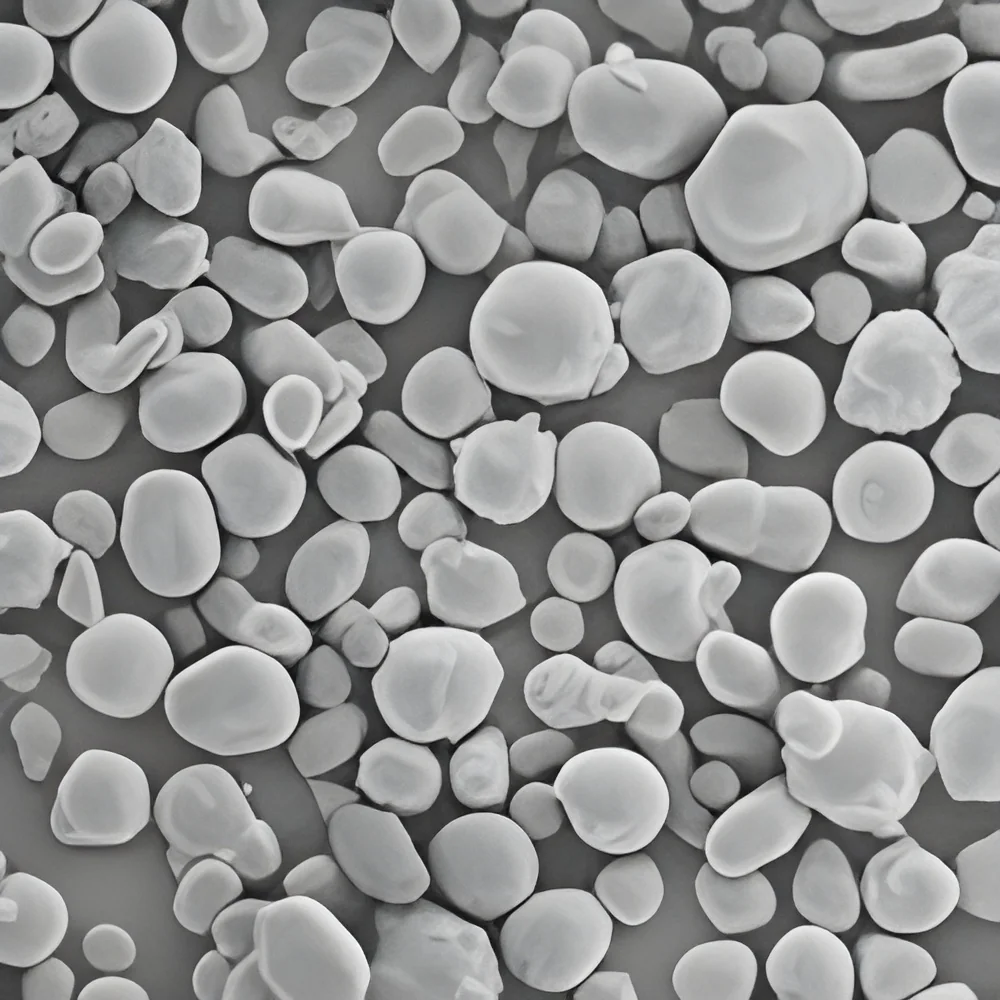
𝗪𝗵𝗮𝘁 𝗮𝗿𝗲 𝗖𝗼𝗿𝗻 𝗦𝘁𝗮𝗿𝗰𝗵?
Corn starch is a fine, white powder derived from the endosperm of corn kernels. It is primarily composed of carbohydrates and serves as a versatile ingredient in various industries. Corn starch is produced through a milling process that separates the starch from the corn grain, resulting in a product that is gluten-free, odorless, and tasteless. Its unique properties make it an essential ingredient in numerous applications, ranging from food production to industrial uses.
The primary applications of corn starch include its role as a thickening agent in food products, a stabilizer in sauces and dressings, and a binding agent in baked goods. Additionally, it is widely used in the paper and textile industries for its adhesive properties. Corn starch's ability to absorb moisture and form a gel-like substance when heated enhances its functionality across various applications. The growing demand for gluten-free alternatives in the food industry continues to bolster the relevance of corn starch, making it a critical component in many formulations.
𝗞𝗲𝘆 𝗙𝗲𝗮𝘁𝘂𝗿𝗲𝘀 𝗮𝗻𝗱 𝗦𝗽𝗲𝗰𝗶𝗳𝗶𝗰𝗮𝘁𝗶𝗼𝗻𝘀
Corn starch is characterized by its unique properties that make it suitable for different applications. Understanding its specifications is essential for businesses looking to incorporate it into their products.
Key specifications include:
1. Purity Level
- Typically 98% pure or higher
- Essential for food-grade applications
2. Moisture Content
- Generally ranges from 10% to 12%
- Important for storage and shelf life
3. Granulation Size
- Available in fine and coarse textures
- Affects the thickening ability and mouthfeel
4. pH Level
- Usually falls between 5.5 and 7.0
- Critical for maintaining stability in food products
5. Bulk Density
- Ranges from 0.5 to 0.8 g/cm³
- Impacts packaging and transportation efficiency
6. Gelatinization Temperature
- Typically between 60°C to 75°C
- Important for cooking applications
7. Viscosity
- Varies depending on concentration and temperature
- Key for determining effectiveness in formulations
In summary, understanding these specifications can help businesses select the right type of corn starch for their specific needs.
𝗖𝗼𝗺𝗺𝗼𝗻 𝗔𝗽𝗽𝗹𝗶𝗰𝗮𝘁𝗶𝗼𝗻𝘀 𝗮𝗻𝗱 𝗨𝘀𝗲 𝗖𝗮𝘀𝗲𝘀
Corn starch serves various industries due to its versatile properties and functionality.
1. Food Industry: Corn starch is widely used as a thickening agent in sauces, soups, and gravies. It also acts as a stabilizer in processed foods and contributes to the texture of baked goods.
2. Paper Industry: In paper manufacturing, corn starch is utilized as a sizing agent to improve the strength and surface qualities of paper products.
3. Textile Industry: Corn starch is employed as a finishing agent in textiles to enhance fabric stiffness and improve printability.
4. Pharmaceutical Industry: It is used as a binding agent in tablet formulations and as a filler in capsules, improving the consistency and stability of medications.
5. Cosmetics Industry: Corn starch acts as an absorbent and thickening agent in cosmetic products, enhancing texture and performance.
6. Adhesives: In the production of adhesives, corn starch serves as a key component that improves bonding and viscosity.
7. Bioplastics: Corn starch is increasingly used in the development of biodegradable plastics, contributing to sustainable packaging solutions.
𝗣𝗿𝗼𝗱𝘂𝗰𝘁 𝗩𝗮𝗿𝗶𝗮𝗻𝘁𝘀 𝗮𝗻𝗱 𝗦𝘂𝗯𝗰𝗮𝘁𝗲𝗴𝗼𝗿𝗶𝗲𝘀
Corn starch is a diverse product that can be tailored to meet specific industrial needs.
Native Corn Starch: This is the most common form of corn starch, used primarily in food applications. It is characterized by its high viscosity and excellent thickening properties.
Modified Corn Starch: This variant has been chemically treated to enhance its functional properties. It is often used in applications requiring higher stability and resistance to heat and acid.
Pre-gelatinized Corn Starch: This type is pre-cooked and dried, allowing it to thicken without the need for heating. It is ideal for instant food products and sauces.
Corn Starch Granules: Available in different sizes, these granules can be selected based on the desired texture and application, providing flexibility in product formulation.
𝗕𝗲𝗻𝗲𝗳𝗶𝘁𝘀 𝗮𝗻𝗱 𝗔𝗱𝘃𝗮𝗻𝘁𝗮𝗴𝗲𝘀
Sourcing corn starch offers several advantages for businesses looking to enhance their products.
1. Versatility: Corn starch can be used across various industries, making it a valuable ingredient for multiple applications.
2. Gluten-Free: As a naturally gluten-free product, corn starch caters to the growing demand for gluten-free alternatives in food products.
3. Cost-Effective: Corn starch is generally affordable, making it a cost-effective solution for businesses without compromising on quality.
4. Natural Sourcing: Derived from corn, it is a natural ingredient that aligns with consumer preferences for clean label products.
5. Excellent Thickening Properties: Corn starch provides reliable thickening and stabilizing effects, enhancing the texture of various formulations.
6. Sustainable Options: With the rise of biodegradable materials, corn starch is increasingly being used in environmentally friendly products.
𝗕𝘂𝘆𝗶𝗻𝗴 𝗚𝘂𝗶𝗱𝗲 𝗳𝗼𝗿 𝗕𝟮𝗕 𝗕𝘂𝘆𝗲𝗿𝘀
When sourcing corn starch, businesses should consider several factors to ensure they choose the right product for their needs.
1. Quality Assessment: Evaluating the purity and moisture content is crucial. High-quality corn starch should meet industry standards for food and industrial applications.
2. Supplier Verification: It is essential to vet suppliers to ensure they provide consistent quality and adhere to regulatory standards. Look for certifications and customer reviews to gauge reliability.
3. Pricing and MOQ: Understanding the pricing structure and minimum order quantities (MOQ) can help businesses plan their procurement effectively. Compare prices from multiple suppliers to find the best deal.
4. Delivery and Lead Times: Assess logistics capabilities to ensure timely delivery. Clear communication with suppliers regarding lead times can help avoid production delays.
5. Compliance Requirements: Be aware of relevant regulations and quality standards for corn starch in your region. Ensuring compliance with safety and testing requirements is vital for product integrity.
𝗖𝗼𝗺𝗽𝗹𝗶𝗮𝗻𝗰𝗲 𝗮𝗻𝗱 𝗖𝗲𝗿𝘁𝗶𝗳𝗶𝗰𝗮𝘁𝗶𝗼𝗻𝘀
Corn starch must meet various quality standards and certifications to ensure its safety and effectiveness across industries. Key standards include ISO 9001, which outlines quality management systems, and HACCP, which focuses on food safety management. Compliance with Good Distribution Practices (GDP) is also essential for maintaining product quality during transportation and storage.
In terms of industry certifications, corn starch often carries the CE mark, indicating conformity with European safety standards. This certification is crucial for businesses looking to market their products in the European Union.
Additionally, safety and testing requirements should be met to ensure the product is free from contaminants and suitable for consumption or use in industrial applications. Businesses should also consider regional compliance, as various markets may have specific regulations governing corn starch usage.
𝗪𝗵𝘆 𝗦𝗼𝘂𝗿𝗰𝗲 𝗖𝗼𝗿𝗻 𝗦𝘁𝗮𝗿𝗰𝗵 𝗳𝗿𝗼𝗺 𝗣𝗲𝗽𝗮𝗴𝗼𝗿𝗮?
Pepagora provides a trusted platform for sourcing corn starch with several key advantages.
Verified Supplier Network: Pepagora connects buyers with a network of verified suppliers who have undergone rigorous vetting processes. This ensures that businesses receive high-quality products that meet their specifications.
Streamlined RFQ Process: The platform offers an efficient request for quotation (RFQ) system, enabling buyers to easily compare prices and product offerings from multiple suppliers. This saves time and enhances decision-making.
Trade Assurance and Support: Pepagora provides trade assurance, protecting buyers through secure payment options and support services. This builds trust and confidence in the sourcing process.
Regional Coverage: With a presence in India, the GCC, and Southeast Asia, Pepagora offers extensive regional coverage, ensuring access to a diverse range of suppliers and products. This geographic reach enhances sourcing flexibility for businesses operating in different markets.
Corn starch is a carbohydrate extracted from the endosperm of corn kernels. It is commonly used as a thickening agent in cooking, and is also utilized in various industrial applications, including food production, paper manufacturing, and textile processing.
2
What are the different types of Corn Starch?
There are primarily two types of corn starch: regular corn starch and modified corn starch. Regular corn starch is used for thickening and stabilizing, while modified corn starch undergoes chemical or physical alterations to enhance its properties for specific applications, such as improved stability under heat or acid.
3
How do I choose the right Corn Starch?
To choose the right corn starch, consider the intended application and required properties, such as thickening ability, texture, and stability. Additionally, assess the quality and specifications of the product, and verify that it meets any relevant industry standards.
4
What are the standard specifications for Corn Starch?
Standard specifications for corn starch typically include moisture content, pH level, and viscosity. It is also important to check for the presence of any contaminants and ensure that the product complies with food safety regulations if intended for consumption.
5
What is the price range for Corn Starch?
The price range for corn starch can vary based on factors such as quality, supplier, and order quantity. Generally, corn starch may cost between INR 30 to INR 100 per kilogram, but bulk purchases can often lead to better pricing.
6
What quality standards apply to Corn Starch?
Quality standards for corn starch often include compliance with food safety regulations such as FSSAI in India. Additionally, suppliers may adhere to ISO certifications which ensure consistent quality and safety in production processes.
7
Where can I find Corn Starch suppliers in India?
You can find corn starch suppliers in India through B2B marketplaces like Pepagora.com, trade directories, and industry trade shows. It's advisable to compare different suppliers based on quality, pricing, and customer reviews.
8
Can Corn Starch be customized?
Yes, corn starch can be customized based on specific requirements such as particle size, viscosity, and additional functional properties. However, customization may increase the lead time and cost, so it is essential to discuss these needs with suppliers.
9
What is the typical minimum order quantity for Corn Starch?
The typical minimum order quantity (MOQ) for corn starch varies by supplier but usually ranges from 100 kg to 1 ton. It is advisable to confirm the MOQ with the specific supplier you are considering.
10
What is the typical lead time for Corn Starch?
The typical lead time for corn starch can vary depending on the supplier and order size, generally ranging from 7 to 30 days. Factors such as customization and shipping distance may also affect the delivery timeline.
Why Businesses Trust Pepagora
Thousands of companies trust Pepagora to source smarter and sell faster
Expand Your Sales Globally
25000+Products listed.Get discovered by global buyers

 IN
IN