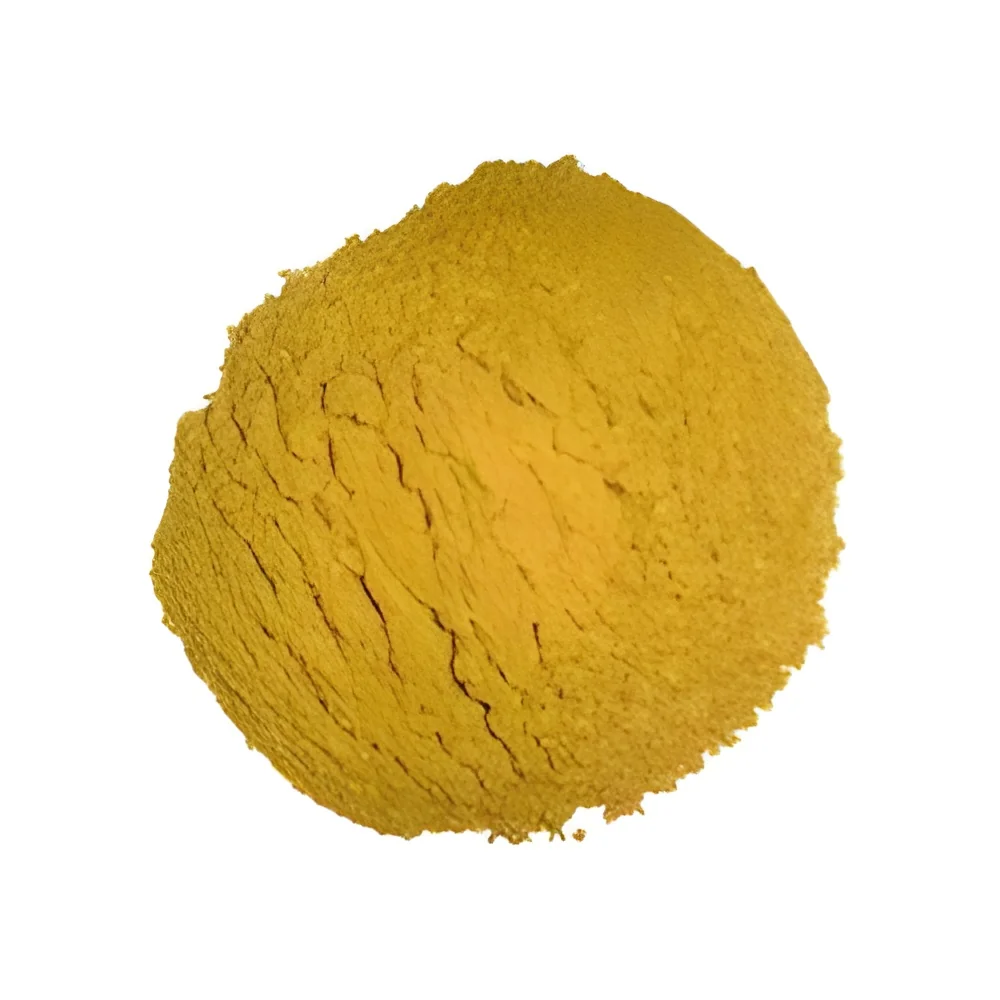
𝗪𝗵𝗮𝘁 𝗮𝗿𝗲 𝗖𝘂𝗺𝗶𝗻 𝗣𝗼𝘄𝗱𝗲𝗿?
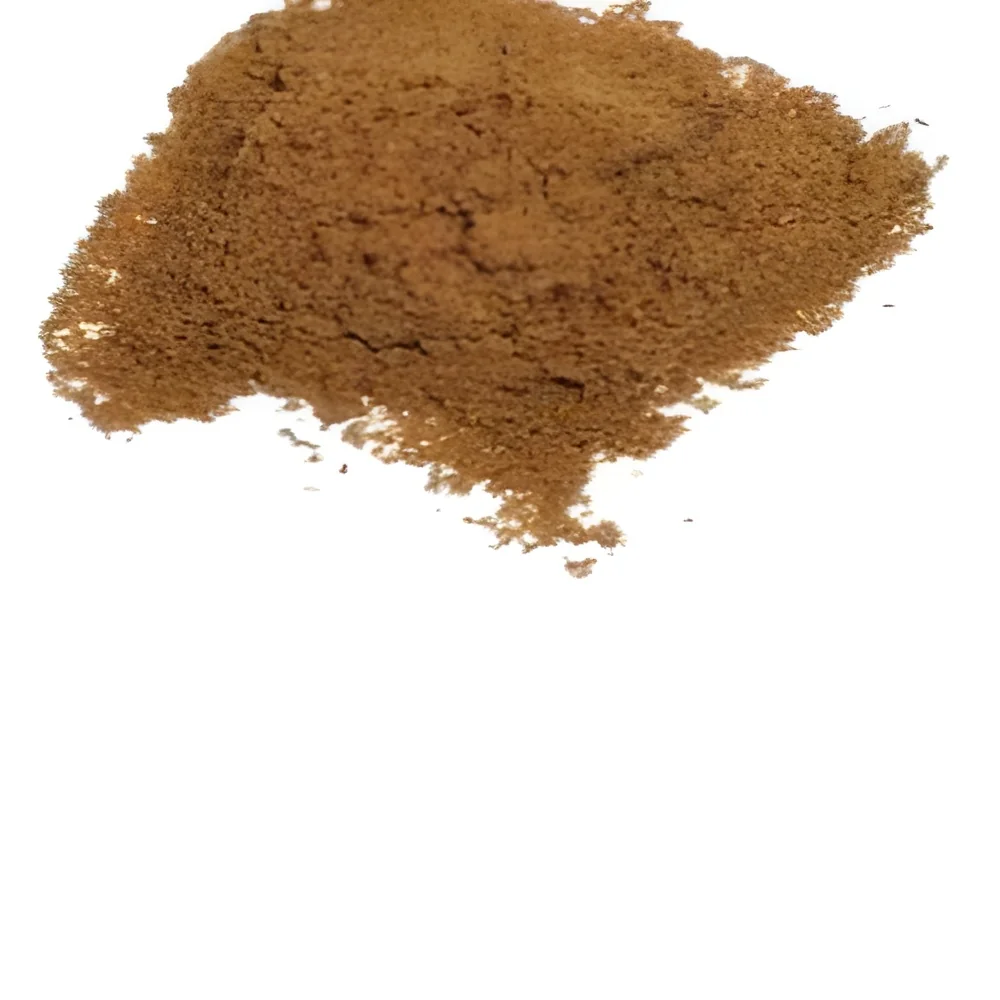
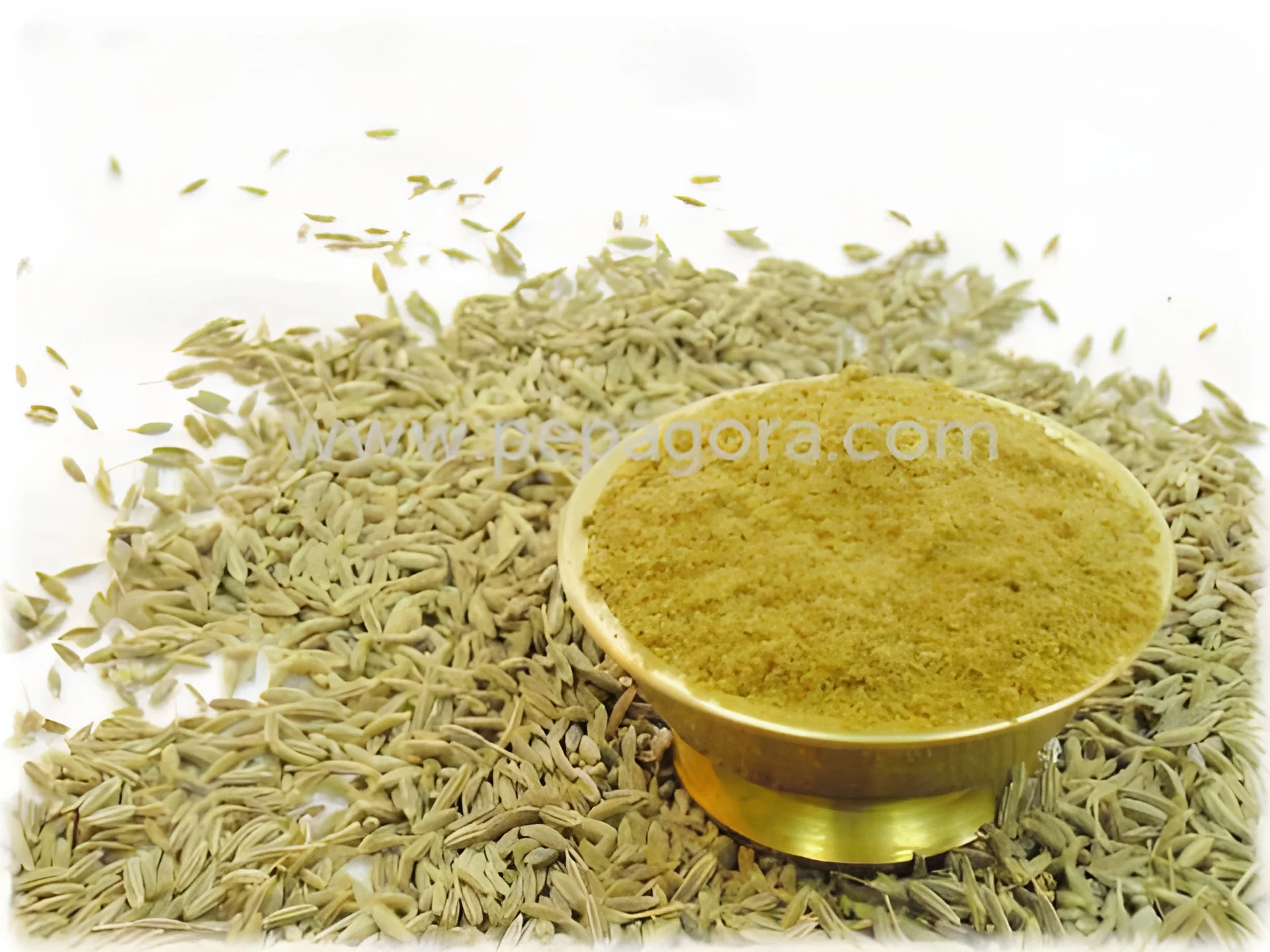
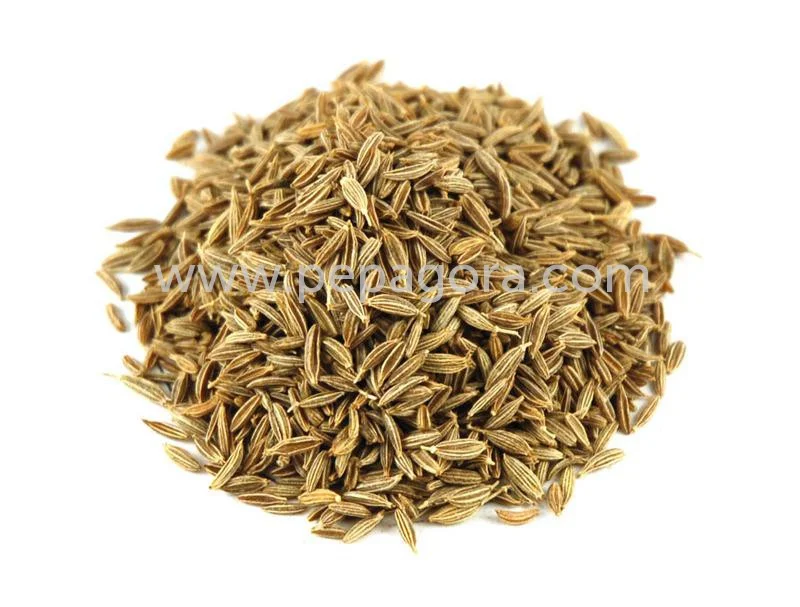
Cumin powder is a spice made from the seeds of the Cuminum cyminum plant. It is widely utilized in cooking for its distinct earthy flavor and warm aroma. The seeds are harvested, dried, and then ground to produce the fine powder commonly found in kitchens globally. Cumin powder is an essential ingredient in various cuisines, especially in Indian, Middle Eastern, and Mediterranean dishes.
In the business context, cumin powder is used not only in food production but also in the creation of spice blends, sauces, and prepared meals. Its versatility makes it a popular choice among food manufacturers and restaurants looking to enhance flavor profiles. As a widely traded commodity, cumin powder holds significant market relevance, particularly in regions where spice production is a key agricultural sector.
𝗞𝗲𝘆 𝗙𝗲𝗮𝘁𝘂𝗿𝗲𝘀 𝗮𝗻𝗱 𝗦𝗽𝗲𝗰𝗶𝗳𝗶𝗰𝗮𝘁𝗶𝗼𝗻𝘀
Cumin powder is known for its unique flavor and aroma, making it an invaluable ingredient in culinary applications. The following specifications highlight its essential characteristics:
1. Flavor Profile
- Earthy and warm with a slightly nutty taste
- Complements a variety of dishes from different cuisines
2. Color
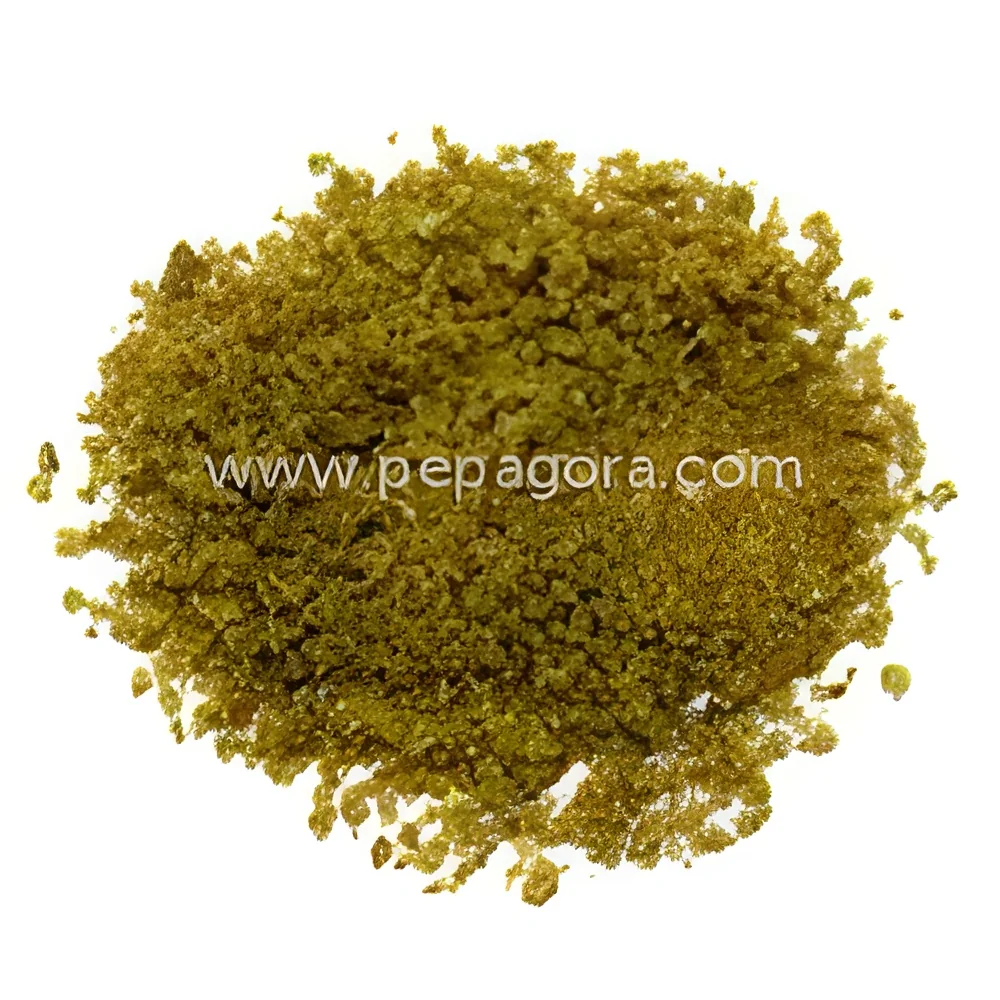
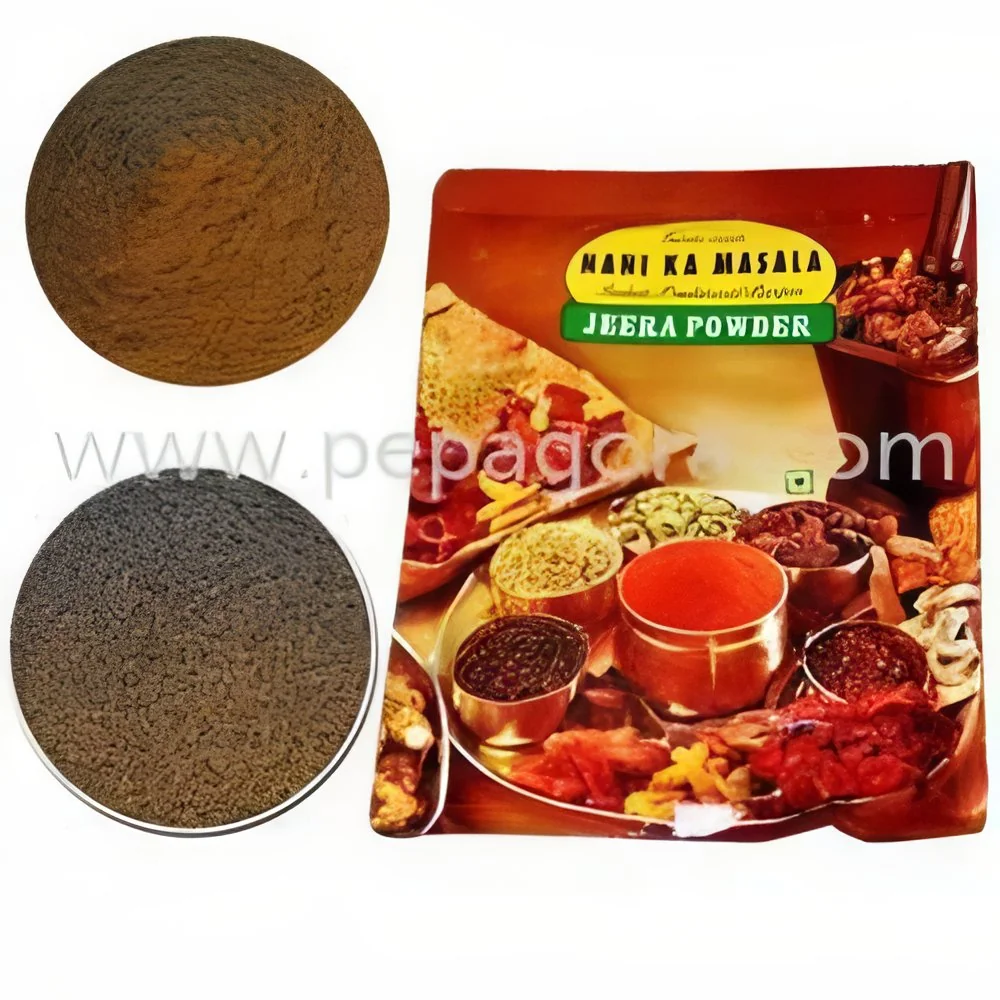
- Rich brown color that indicates quality and freshness
- Uniformity in color signals proper processing and storage
3. Particle Size
- Fine powder consistency for easy blending and cooking
- Typically ranges from 60 to 80 mesh for optimal use
4. Moisture Content
- Should not exceed 8% to maintain quality and shelf life
- Lower moisture levels prevent spoilage and clumping
5. Packaging
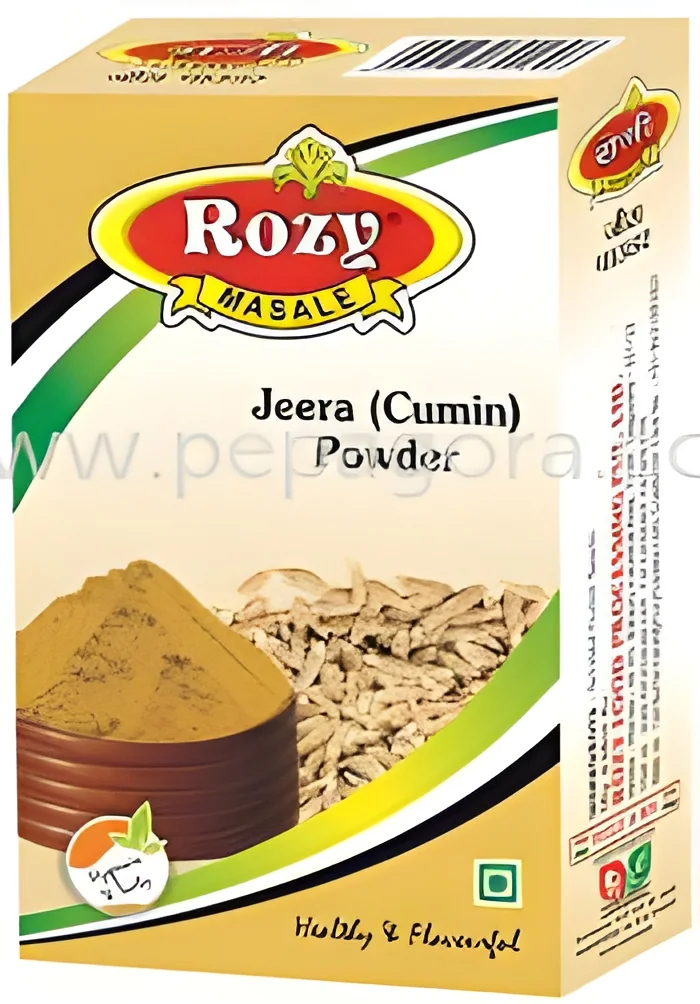
- Available in bulk bags, jars, or vacuum-sealed packs
- Packaging must ensure protection from moisture and light
6. Shelf Life
- Typically lasts for 12 to 24 months when stored properly
- Best used within six months of opening for maximum flavor
7. Storage Conditions
- Should be kept in a cool, dry place away from direct sunlight
- Ideal storage temperature is between 15 to 25 degrees Celsius
Cumin powder's specifications ensure its quality and usability in various food applications, making it a staple in many kitchens and food production facilities.
𝗖𝗼𝗺𝗺𝗼𝗻 𝗔𝗽𝗽𝗹𝗶𝗰𝗮𝘁𝗶𝗼𝗻𝘀 𝗮𝗻𝗱 𝗨𝘀𝗲 𝗖𝗮𝘀𝗲𝘀
Cumin powder serves various industries, enhancing flavors and providing distinctive profiles in a range of products.
1. Food and Beverage Industry: Cumin powder is widely used in spice blends, marinades, and sauces. It plays a crucial role in dishes such as curries, stews, and grilled meats.
2. Snack Foods: Many snack manufacturers incorporate cumin powder to add flavor to chips, crackers, and other savory snacks, appealing to consumer preferences for bold tastes.
3. Culinary Products: Cumin is featured in ready-to-eat meals and packaged food items. Its presence enhances the authenticity of ethnic cuisines in the prepared food market.
4. Health and Nutraceuticals: Cumin powder is valued for its potential health benefits, including digestive support and antioxidant properties. It is often included in dietary supplements.
5. Catering and Food Service: Restaurants and catering businesses utilize cumin powder to enhance flavor in various dishes, contributing to their unique offerings.
6. Organic and Natural Products: There is a growing demand for organic cumin powder among health-conscious consumers, leading to its use in organic food products.
7. Spice Trade: Cumin powder is a significant export product, impacting global trade and agricultural economies.
𝗣𝗿𝗼𝗱𝘂𝗰𝘁 𝗩𝗮𝗿𝗶𝗮𝗻𝘁𝘀 𝗮𝗻𝗱 𝗦𝘂𝗯𝗰𝗮𝘁𝗲𝗴𝗼𝗿𝗶𝗲𝘀
Cumin powder offers diversity in its sourcing and processing methods.
Whole Cumin Seeds: Whole seeds provide a stronger flavor and aroma when toasted and ground fresh. They are favored by chefs who prefer robust seasoning in their dishes.
Organic Cumin Powder: This variant is sourced from organically grown cumin seeds, appealing to health-conscious consumers and manufacturers focused on organic labeling.
Ground Cumin Blends: Pre-mixed with other spices, ground cumin blends offer convenience for food manufacturers and chefs seeking ready-to-use seasoning options.
𝗕𝗲𝗻𝗲𝗳𝗶𝘁𝘀 𝗮𝗻𝗱 𝗔𝗱𝘃𝗮𝗻𝘁𝗮𝗴𝗲𝘀
Cumin powder offers numerous advantages for businesses and consumers alike.
1. Flavor Enhancement: It significantly boosts the flavor of dishes, making them more appealing to consumers.
2. Versatile Usage: Cumin powder can be used in various applications, from cooking to food manufacturing, providing flexibility for businesses.
3. Health Benefits: Known for its digestive properties, cumin powder can attract health-conscious consumers looking for functional foods.
4. Cost-Effective: Cumin powder is an affordable spice option that can enhance value in food products without significantly increasing costs.
5. Long Shelf Life: When stored correctly, cumin powder has a long shelf life, making it a practical choice for businesses needing stable inventory.
6. Global Demand: The consistent demand for cumin powder in international markets opens up export opportunities for suppliers.
𝗕𝘂𝘆𝗶𝗻𝗴 𝗚𝘂𝗶𝗱𝗲 𝗳𝗼𝗿 𝗕𝟮𝗕 𝗕𝘂𝘆𝗲𝗿𝘀
When sourcing cumin powder, several factors must be considered to ensure optimal quality and supply chain efficiency.
1. Quality Assessment: Evaluate the quality of cumin powder by checking for consistency in color, aroma, and taste. Request samples to assess quality before making bulk purchases.
2. Supplier Verification: Vet suppliers for reliability and reputation in the market. Look for certifications and reviews to ensure they meet industry standards.
3. Pricing and MOQ: Understand the pricing structure and minimum order quantities. Compare prices among suppliers to ensure competitive rates while considering quality.
4. Delivery and Lead Times: Confirm lead times for delivery and ensure that suppliers can meet your schedule to avoid disruptions in production.
5. Compliance Requirements: Ensure that the cumin powder meets necessary regulatory and safety standards in your region. Check for certifications such as CE to ensure compliance.
𝗖𝗼𝗺𝗽𝗹𝗶𝗮𝗻𝗰𝗲 𝗮𝗻𝗱 𝗖𝗲𝗿𝘁𝗶𝗳𝗶𝗰𝗮𝘁𝗶𝗼𝗻𝘀
Cumin powder must adhere to various quality standards and certifications to ensure safety and reliability.
ISO 9001 is a quality management standard that ensures suppliers implement effective processes to produce high-quality cumin powder. This certification helps businesses identify reliable suppliers.
HACCP (Hazard Analysis and Critical Control Points) is essential for food safety management. Suppliers of cumin powder should follow HACCP principles to minimize risks associated with foodborne hazards.
CE certification is relevant for products sold in the European market, indicating compliance with health, safety, and environmental protection standards.
Safety testing is crucial to ensure that cumin powder is free from contaminants and meets food safety guidelines. Regular testing by suppliers helps maintain product integrity.
Regional compliance considerations must be taken into account, as regulations may vary by country. Buyers should ensure that their suppliers meet local compliance requirements for food products.
𝗪𝗵𝘆 𝗦𝗼𝘂𝗿𝗰𝗲 𝗖𝘂𝗺𝗶𝗻 𝗣𝗼𝘄𝗱𝗲𝗿 𝗳𝗿𝗼𝗺 𝗣𝗲𝗽𝗮𝗴𝗼𝗿𝗮?
Pepagora provides a trusted platform for sourcing cumin powder, offering several key advantages for B2B buyers.
Verified Supplier Network: Pepagora connects buyers with a network of verified suppliers. Each supplier undergoes a thorough vetting process to ensure quality and reliability, minimizing the risk of sourcing issues.
Streamlined RFQ Process: The platform features a user-friendly request for quotation process, allowing buyers to easily obtain pricing and product information from multiple suppliers. This transparency fosters competitive pricing and informed decision-making.
Trade Assurance and Support: Pepagora offers trade assurance, providing buyers with protection against issues such as product quality or delivery delays. The platform also offers customer support to assist with any inquiries.
Regional Coverage: With a strong presence in India, GCC, and Southeast Asia, Pepagora facilitates sourcing for buyers across these regions. This geographic reach allows buyers to access a diverse range of cumin powder suppliers, enhancing options for procurement.
Cumin Powder is a spice made by grinding the seeds of the Cuminum cyminum plant. It is commonly used in various cuisines for its distinct flavor and aroma, often enhancing dishes such as curries, stews, and marinades.
2
What are the different types of Cumin Powder?
The main types of Cumin Powder include roasted and unroasted varieties. Roasted Cumin Powder has a deeper flavor profile due to the roasting process, while unroasted Cumin Powder retains a lighter taste, making it suitable for different culinary applications.
3
How do I choose the right Cumin Powder?
To choose the right Cumin Powder, consider factors such as aroma, color, and origin. It’s advisable to select high-quality powder that is freshly ground and sourced from reputable suppliers to ensure optimal flavor in your dishes.
4
What are the standard specifications for Cumin Powder?
Standard specifications for Cumin Powder typically include moisture content, particle size, and purity level. High-quality Cumin Powder should have a moisture content of less than 10% and be free from contaminants.
5
What is the price range for Cumin Powder?
The price range for Cumin Powder can vary based on quality, source, and packaging. Generally, it can range from INR 100 to INR 500 per kilogram in the Indian market, depending on these factors.
6
What quality standards apply to Cumin Powder?
Cumin Powder is subject to various quality standards, including food safety regulations and specifications set by the Food Safety and Standards Authority of India (FSSAI). Ensuring compliance with these standards is crucial for maintaining product quality.
7
Where can I find Cumin Powder suppliers in India?
You can find Cumin Powder suppliers in India through various online B2B marketplaces, trade directories, and local spice markets. Platforms like Pepagora offer a comprehensive list of manufacturers and suppliers for easy access.
8
Can Cumin Powder be customized?
Yes, Cumin Powder can be customized based on specific requirements such as flavor intensity, packaging size, and blends with other spices. Many manufacturers offer customization options to cater to the needs of their clients.
9
What is the typical minimum order quantity for Cumin Powder?
The typical minimum order quantity (MOQ) for Cumin Powder can vary by supplier, but it generally ranges from 1 kg to 25 kg based on the packaging and supplier policies. It is advisable to check with individual suppliers for their specific MOQs.
10
What is the typical lead time for Cumin Powder?
The typical lead time for Cumin Powder can range from 3 to 14 days, depending on the supplier's location, order quantity, and current stock availability. It is recommended to confirm the lead time with the supplier at the time of order.
Why Businesses Trust Pepagora
Thousands of companies trust Pepagora to source smarter and sell faster
Expand Your Sales Globally
25000+Products listed.Get discovered by global buyers

 IN
IN