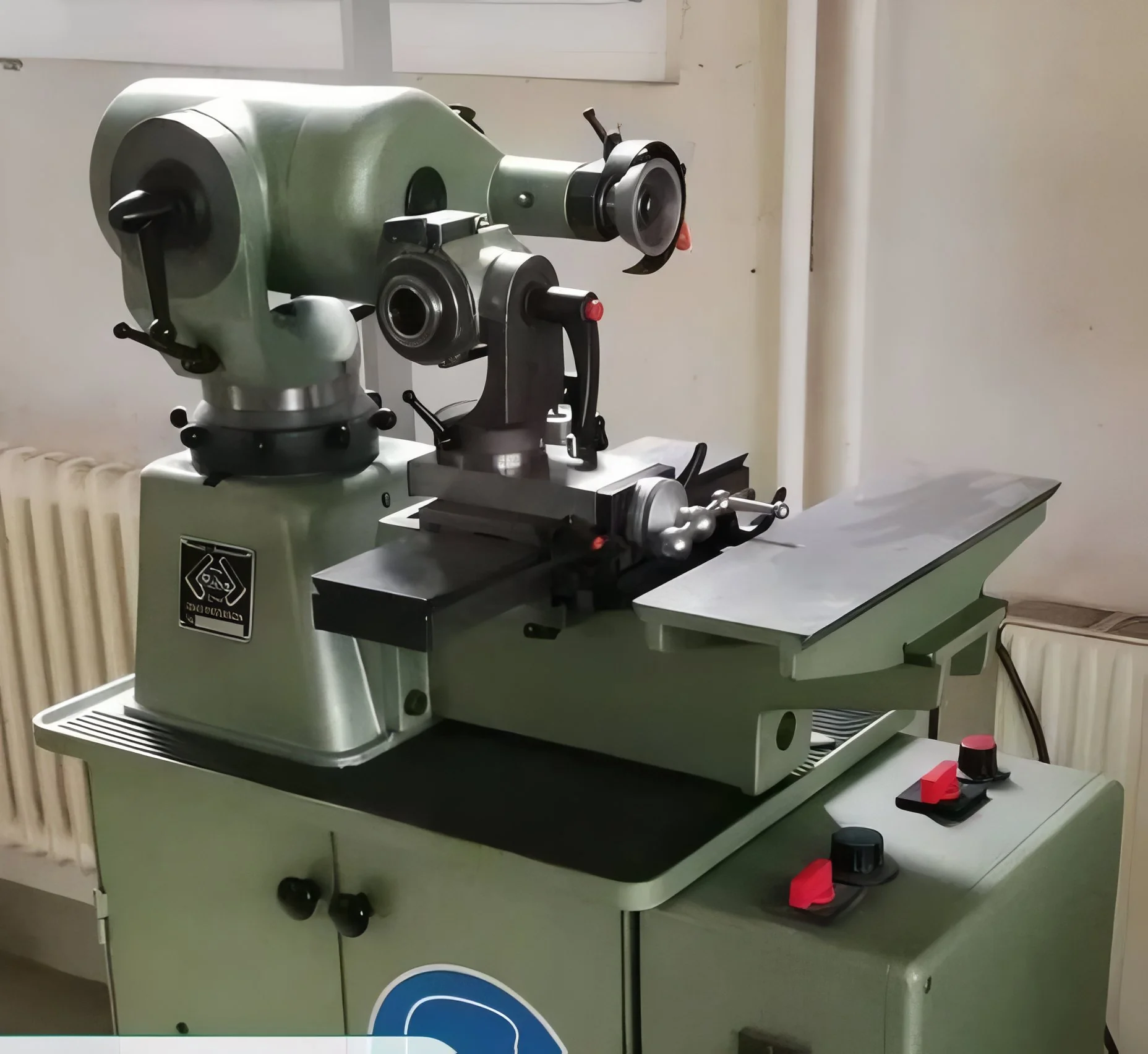
𝗪𝗵𝗮𝘁 𝗮𝗿𝗲 𝗖𝘂𝘁𝘁𝗶𝗻𝗴 𝗧𝗼𝗼𝗹 𝗥𝗲𝘀𝗵𝗮𝗿𝗽𝗲𝗻𝗶𝗻𝗴 𝗦𝘆𝘀𝘁𝗲𝗺𝘀?
Cutting Tool Resharpening Systems are specialized machines designed for the maintenance and restoration of cutting tools. These systems allow for the precise grinding and sharpening of various types of cutting tools, enhancing their performance and extending their lifespan. By restoring the cutting edges of tools such as drills, end mills, and inserts, these systems help in reducing waste and improving productivity in manufacturing processes.
The primary uses of Cutting Tool Resharpening Systems span across multiple industries, including metalworking, woodworking, and plastics manufacturing. Businesses utilize these systems to ensure that their tools maintain optimal cutting performance, which is critical for achieving high-quality results in production. Furthermore, these systems play a vital role in cost-saving strategies by minimizing the need for new tool purchases and maximizing the utilization of existing resources.
In today's competitive market, the relevance of Cutting Tool Resharpening Systems cannot be overstated. As industries seek to optimize their operations and reduce costs, the demand for efficient and reliable resharpening solutions continues to grow. With advancements in technology, these systems are becoming increasingly sophisticated, offering features that cater to the diverse needs of manufacturers across various sectors.
𝗞𝗲𝘆 𝗙𝗲𝗮𝘁𝘂𝗿𝗲𝘀 𝗮𝗻𝗱 𝗦𝗽𝗲𝗰𝗶𝗳𝗶𝗰𝗮𝘁𝗶𝗼𝗻𝘀
Cutting Tool Resharpening Systems are equipped with a variety of features that enhance their functionality and ease of use. Understanding these specifications is crucial for selecting the right system for your business needs.
Key specifications include:
1. Grinding Wheel Type
- Options may include diamond, CBN, or conventional wheels
- Each type offers different benefits based on the materials being sharpened
2. Tool Compatibility
- Systems may accommodate various tool shapes and sizes
- Compatibility with specific tools can increase versatility
3. Automation Level
- Systems range from manual to fully automated operations
- Automation can improve efficiency and reduce labor costs
4. Precision Tolerance
- Many systems offer high precision settings
- Tolerance levels may vary, typically within microns for accuracy
5. Speed Adjustability
- Adjustable grinding speeds cater to different materials and applications
- Speed settings can enhance the quality of the sharpening process
6. User Interface
- Some models feature digital displays for ease of operation
- Intuitive controls can improve user experience and reduce training time
7. Safety Features
- Includes guards, emergency stops, and dust collection systems
- Safety enhancements protect operators and maintain a clean workspace
8. Maintenance Requirements
- Systems may vary in maintenance needs, impacting operational downtime
- Regular maintenance can prolong the lifespan of the equipment
In summary, understanding the key features and specifications of Cutting Tool Resharpening Systems is essential for making an informed purchasing decision. The right system can significantly impact productivity and operational costs.
𝗖𝗼𝗺𝗺𝗼𝗻 𝗔𝗽𝗽𝗹𝗶𝗰𝗮𝘁𝗶𝗼𝗻𝘀 𝗮𝗻𝗱 𝗨𝘀𝗲 𝗖𝗮𝘀𝗲𝘀
Cutting Tool Resharpening Systems find application in a variety of industries, each benefiting from the precision and efficiency these tools provide.
1. Metalworking: These systems are crucial in the metalworking industry for maintaining cutting tools used in machining processes. They ensure that drills and milling cutters remain sharp, which is essential for producing high-quality metal components.
2. Woodworking: In woodworking, resharpening systems help maintain the sharpness of router bits and saw blades, leading to cleaner cuts and reduced material waste. This is particularly important for high-precision carpentry and cabinetry work.
3. Plastics Manufacturing: Resharpening systems in plastics manufacturing keep cutting tools effective for shaping and cutting plastic materials. Sharp tools minimize the risk of melting or damaging the material during processing.
4. Aerospace: The aerospace sector relies on sharp cutting tools for manufacturing components with tight tolerances. Resharpening systems ensure that tools meet stringent quality standards necessary for safety and performance.
5. Automotive: In the automotive industry, cutting tools must be regularly resharpened to maintain efficiency in production lines. These systems help ensure that tools can handle the rigorous demands of automotive manufacturing.
6. Medical Device Manufacturing: Precision is critical in medical device manufacturing. Cutting Tool Resharpening Systems help maintain the sharpness of tools used for producing intricate medical components.
7. Construction: In construction, tools such as drill bits and saw blades require regular resharpening to ensure optimal performance. Resharpening systems help contractors maintain their tools for various building tasks.
𝗣𝗿𝗼𝗱𝘂𝗰𝘁 𝗩𝗮𝗿𝗶𝗮𝗻𝘁𝘀 𝗮𝗻𝗱 𝗦𝘂𝗯𝗰𝗮𝘁𝗲𝗴𝗼𝗿𝗶𝗲𝘀
Cutting Tool Resharpening Systems come in various configurations, catering to different operational needs. While specific subcategories are not available, the diversity in design allows businesses to select systems that fit their unique applications.
Manual Resharpening Systems: These systems require operator involvement for the grinding process. They are often more cost-effective and suitable for smaller operations or workshops with limited production needs.
Semi-Automatic Resharpening Systems: These systems offer a balance between manual and fully automated processes. They provide some automated features while still requiring operator input, making them versatile for medium-sized businesses.
Fully Automatic Resharpening Systems: Designed for high-volume operations, these systems automate the entire resharpening process. They are ideal for large manufacturing facilities that require consistent and rapid tool maintenance.
𝗕𝗲𝗻𝗲𝗳𝗶𝘁𝘀 𝗮𝗻𝗱 𝗔𝗱𝘃𝗮𝗻𝘁𝗮𝗴𝗲𝘀
Choosing Cutting Tool Resharpening Systems offers numerous benefits that can enhance operational efficiency and reduce costs.
1. Cost Savings: Regularly resharpening tools minimizes the need for new tool purchases, leading to significant cost reductions over time.
2. Increased Tool Lifespan: By maintaining cutting tools, businesses can extend their usable life, ensuring that investments in tools are maximized.
3. Enhanced Performance: Sharp tools perform better, resulting in higher quality outputs and reduced rework in manufacturing processes.
4. Waste Reduction: Resharpening tools contributes to sustainability efforts by reducing material waste associated with discarded tools.
5. Improved Productivity: Efficient cutting tools lead to faster production rates, allowing businesses to meet demand without compromising quality.
6. Customization Options: Many resharpening systems can be tailored to specific tool types, providing versatility for businesses with diverse tool inventories.
𝗕𝘂𝘆𝗶𝗻𝗴 𝗚𝘂𝗶𝗱𝗲 𝗳𝗼𝗿 𝗕𝟮𝗕 𝗕𝘂𝘆𝗲𝗿𝘀
When sourcing Cutting Tool Resharpening Systems, it is important to consider several key factors to ensure a suitable purchase.
1. Quality Assessment: Evaluate the quality of the resharpening system by reviewing manufacturer specifications, customer testimonials, and industry reviews. High-quality systems often lead to better performance and durability.
2. Supplier Verification: Vet potential suppliers thoroughly. Check for their reputation in the market, customer service capabilities, and after-sales support to ensure a reliable partnership.
3. Pricing and MOQ: Understand the pricing structure and minimum order quantity (MOQ) requirements. Compare different suppliers to find competitive pricing while aligning with budget constraints.
4. Delivery and Lead Times: Inquire about the delivery schedules and lead times for orders. Efficient logistics are crucial for maintaining production schedules.
5. Compliance Requirements: Ensure the systems adhere to relevant industry regulations and standards. Compliance with safety and quality standards is essential for operational success.
𝗖𝗼𝗺𝗽𝗹𝗶𝗮𝗻𝗰𝗲 𝗮𝗻𝗱 𝗖𝗲𝗿𝘁𝗶𝗳𝗶𝗰𝗮𝘁𝗶𝗼𝗻𝘀
Cutting Tool Resharpening Systems must meet various compliance standards to ensure safety and effectiveness in industrial applications.
Relevant quality standards, such as ISO 9001, are important indicators of a manufacturer’s commitment to quality management and continuous improvement. These standards help ensure that the systems produced meet consistent quality levels.
Additionally, certifications such as CE indicate that the systems comply with European safety standards. This certification is crucial for ensuring that the equipment is safe for use and meets regulatory requirements in various markets.
Safety and testing requirements are also critical, as they govern the operational safety of the equipment. Manufacturers must ensure their systems are tested for reliability and safety to avoid potential hazards during operation.
Regional compliance considerations may vary based on geographical location, necessitating that manufacturers and suppliers stay informed about local regulations and standards. This attention to compliance ensures that businesses can operate without legal or safety issues.
𝗪𝗵𝘆 𝗦𝗼𝘂𝗿𝗰𝗲 𝗖𝘂𝘁𝘁𝗶𝗻𝗴 𝗧𝗼𝗼𝗹 𝗥𝗲𝘀𝗵𝗮𝗿𝗽𝗲𝗻𝗶𝗻𝗴 𝗦𝘆𝘀𝘁𝗲𝗺𝘀 𝗳𝗿𝗼𝗺 𝗣𝗲𝗽𝗮𝗴𝗼𝗿𝗮?
Pepagora provides a trusted platform for sourcing Cutting Tool Resharpening Systems, offering several key advantages that simplify the purchasing process.
Verified Supplier Network: Pepagora features a network of verified suppliers, ensuring that buyers can connect with reputable manufacturers. This verification process helps mitigate risks associated with sourcing equipment.
Streamlined RFQ Process: The request for quotation (RFQ) system on Pepagora allows buyers to easily compare offerings from multiple suppliers. This streamlining simplifies decision-making, ensuring businesses find the best solutions for their needs.
Trade Assurance and Support: Pepagora offers trade assurance, providing buyers with protection during transactions. This support builds trust and confidence in the purchasing process, ensuring that businesses receive quality products.
Regional Coverage: With coverage in regions such as India, the GCC, and Southeast Asia, Pepagora can facilitate sourcing for businesses looking to expand their supplier base. This geographic reach allows companies to tap into diverse markets and find competitive options for cutting tool resharpening systems.
Cutting Tool Resharpening Systems are specialized machines designed to restore the cutting edges of tools that have become dull or worn. These systems ensure that tools maintain their efficiency and precision, ultimately prolonging their lifespan and reducing waste.
2
What are the different types of Cutting Tool Resharpening Systems?
There are various types of Cutting Tool Resharpening Systems, including manual grinders, CNC resharpening machines, and automated robotic systems. Each type is suited for specific applications and offers varying levels of precision and efficiency.
3
How do I choose the right Cutting Tool Resharpening Systems?
Selecting the appropriate Cutting Tool Resharpening System depends on factors such as the types of tools you need to resharpen, the volume of work, and your budget. It is essential to assess your specific requirements and consider consulting with manufacturers or suppliers for advice.
4
What are the standard specifications for Cutting Tool Resharpening Systems?
Standard specifications for Cutting Tool Resharpening Systems typically include motor power, spindle speed, tool size capacity, and precision tolerance levels. Additionally, the ease of operation and safety features are important aspects to consider.
5
What is the price range for Cutting Tool Resharpening Systems?
The price range for Cutting Tool Resharpening Systems can vary significantly based on the type, features, and manufacturer. Generally, prices can start from a few thousand Indian Rupees for manual systems and go up to several lakhs for advanced CNC machines.
6
What quality standards apply to Cutting Tool Resharpening Systems?
Quality standards for Cutting Tool Resharpening Systems often include ISO certifications and adherence to specific industry standards. Ensuring that a system meets these quality benchmarks is crucial for reliable performance and durability.
7
Where can I find Cutting Tool Resharpening Systems suppliers in India?
You can find Cutting Tool Resharpening Systems suppliers in India through B2B marketplaces such as Pepagora, trade shows, and industry directories. Additionally, online searches and referrals from industry contacts can help identify reputable suppliers.
8
Can Cutting Tool Resharpening Systems be customized?
Yes, many manufacturers offer customization options for Cutting Tool Resharpening Systems to meet specific operational needs. Customization can include modifications in size, features, and software integration based on user requirements.
9
What is the typical minimum order quantity for Cutting Tool Resharpening Systems?
The typical minimum order quantity (MOQ) for Cutting Tool Resharpening Systems can vary by supplier and the specific system being ordered. It is advisable to check with individual manufacturers or suppliers for their specific MOQ requirements.
10
What is the typical lead time for Cutting Tool Resharpening Systems?
The typical lead time for Cutting Tool Resharpening Systems can range from a few weeks to several months, depending on the complexity of the system and the manufacturer's production capacity. It's best to confirm the lead time with the supplier at the time of order.
Why Businesses Trust Pepagora
Thousands of companies trust Pepagora to source smarter and sell faster
Expand Your Sales Globally
25000+Products listed.Get discovered by global buyers

 IN
IN