𝗪𝗵𝗮𝘁 𝗮𝗿𝗲 𝗖𝘆𝗹𝗶𝗻𝗱𝗿𝗶𝗰𝗮𝗹 𝗥𝗼𝗹𝗹𝗲𝗿 𝗕𝗲𝗮𝗿𝗶𝗻𝗴𝘀?
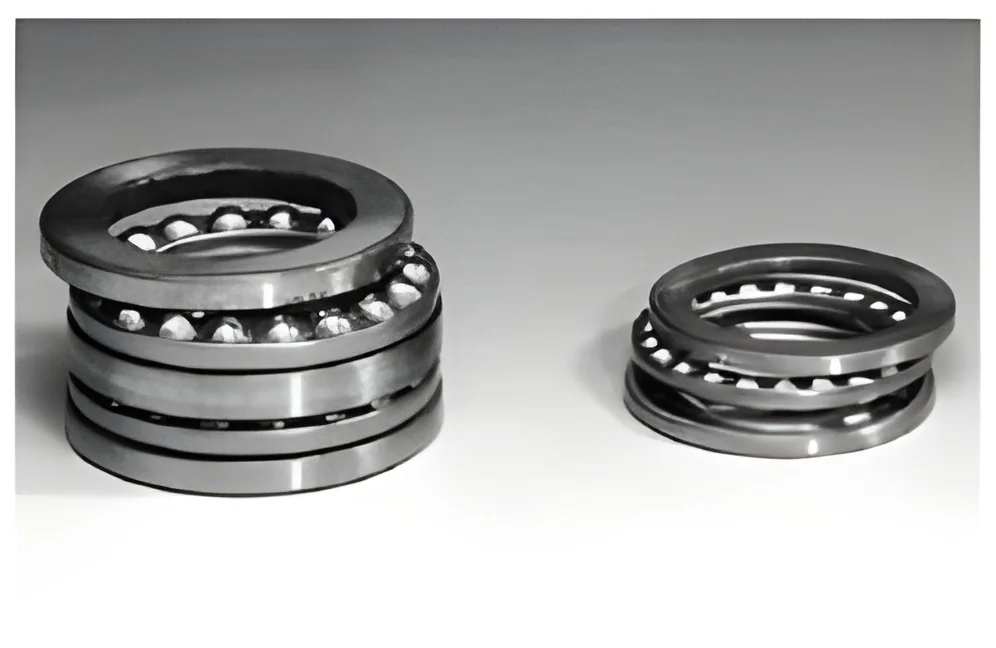
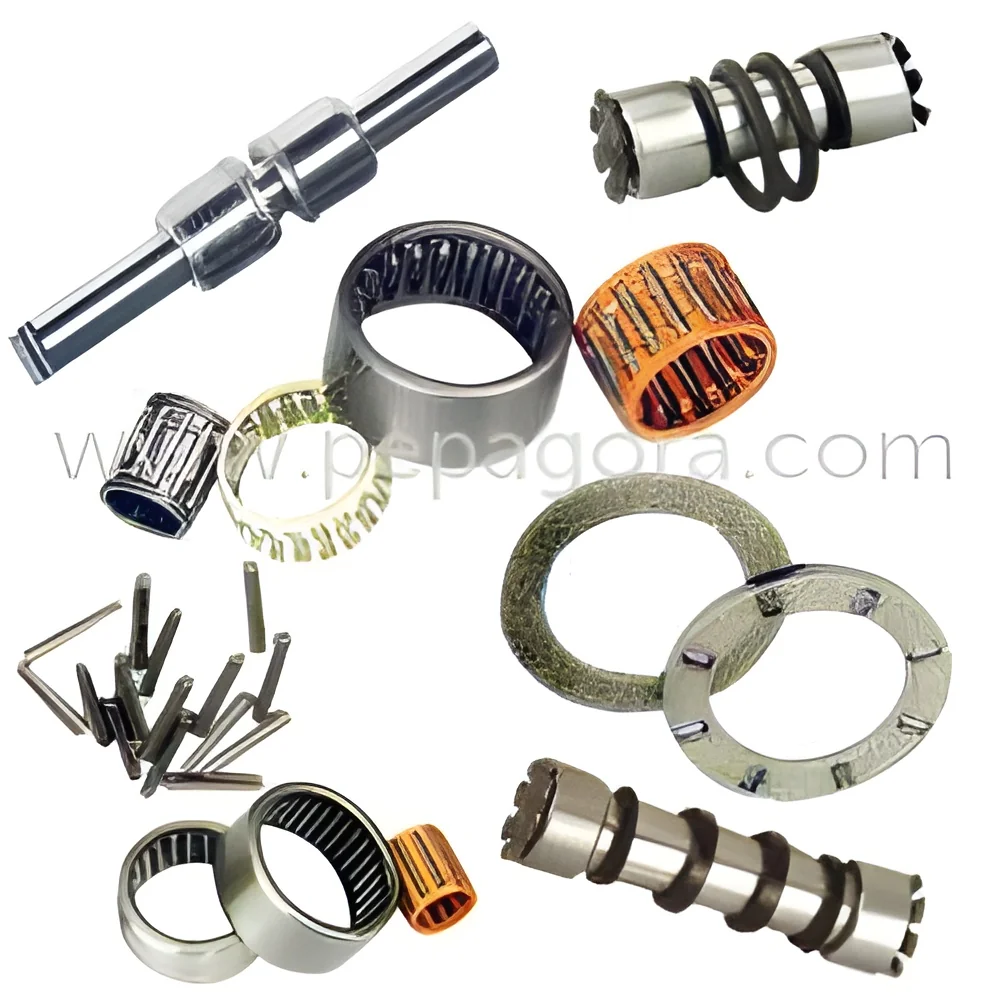
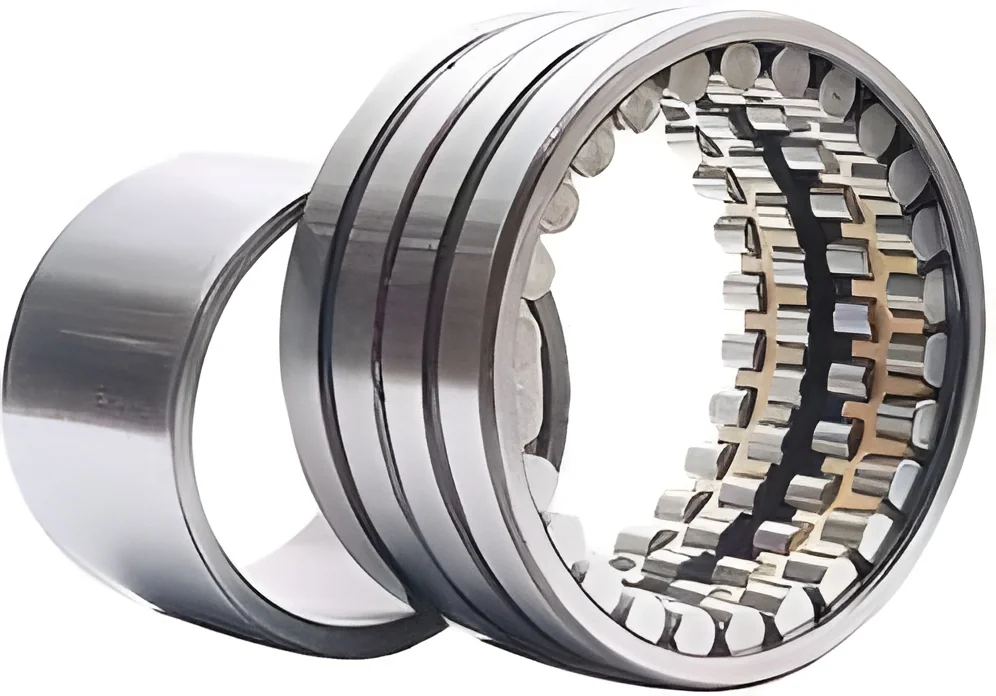
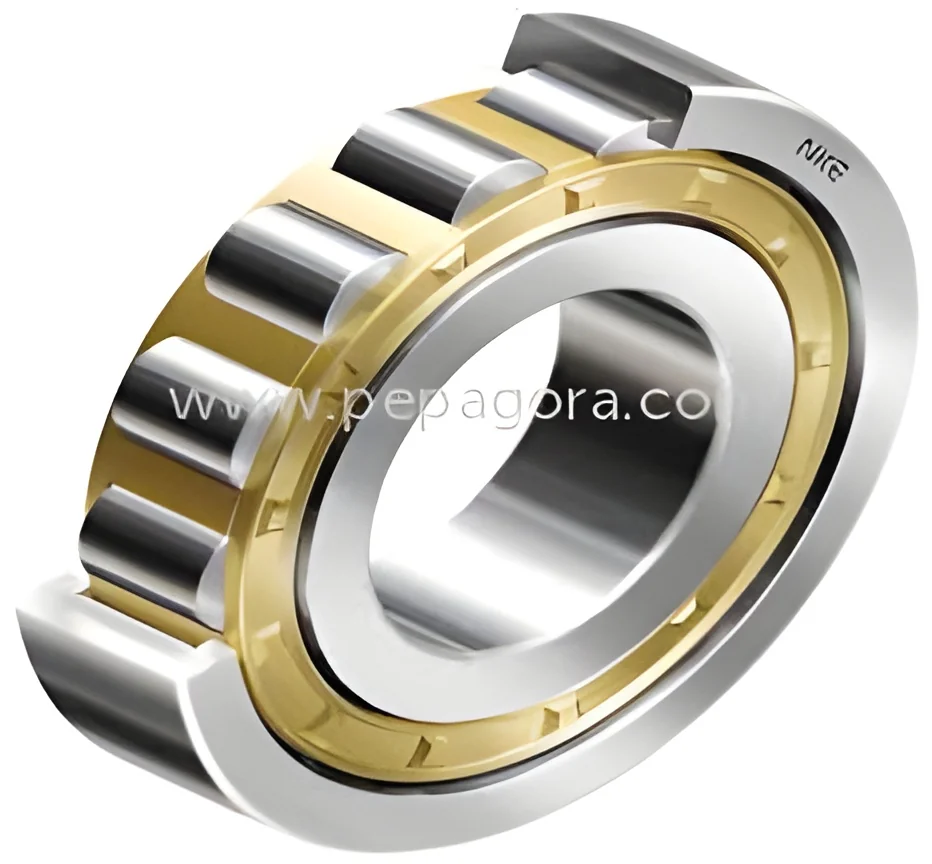
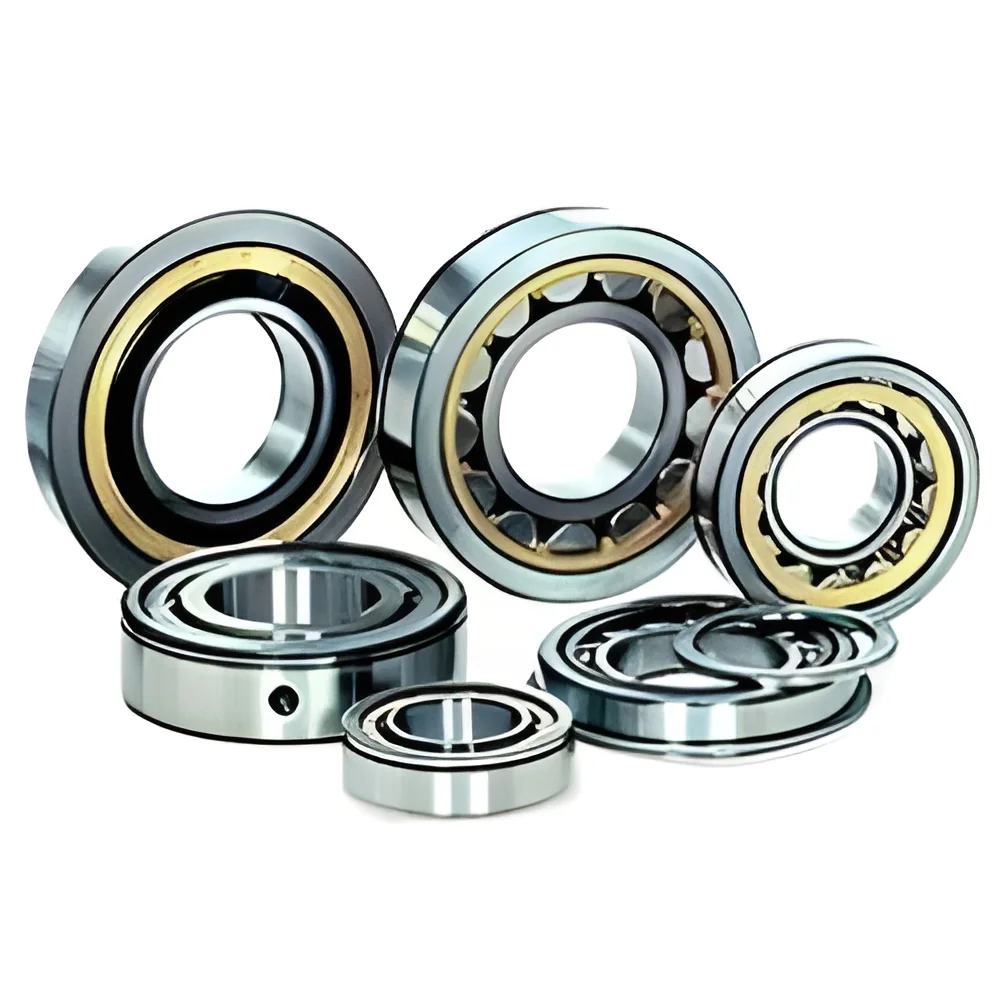
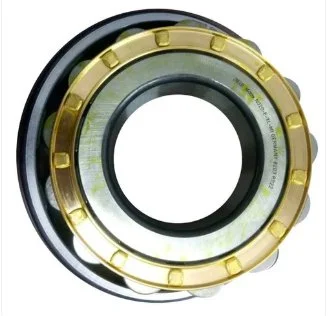
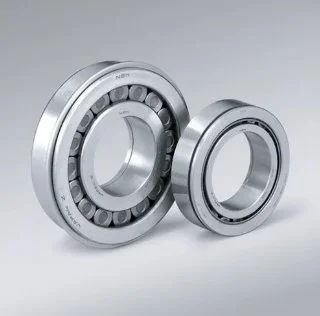
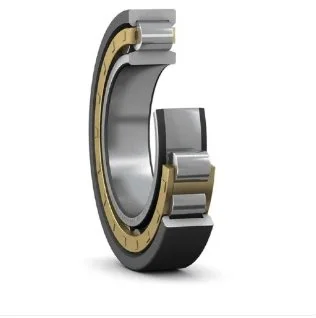
Cylindrical roller bearings are a type of rolling element bearing that utilizes cylindrical rollers to maintain the separation between the moving parts of the bearing. This design allows for greater radial load capacity and improved performance in high-speed applications compared to traditional ball bearings. The cylindrical shape of the rollers enables them to distribute loads evenly, which minimizes wear and enhances the lifespan of the bearing.
These bearings are commonly used in various industrial applications where high radial loads and moderate axial loads are present. Industries such as automotive, aerospace, and manufacturing frequently employ cylindrical roller bearings in gearboxes, electric motors, pumps, and other machinery. The versatility and reliability of these bearings make them crucial components in many mechanical systems, ensuring smooth and efficient operation.
In the current market, the demand for cylindrical roller bearings is on the rise due to the increasing automation in industries and the need for high-performance machinery. Manufacturers are continuously innovating to develop products that meet stringent quality standards and provide enhanced durability. As a result, cylindrical roller bearings play a vital role in the advancement of modern engineering and manufacturing processes.
𝗞𝗲𝘆 𝗙𝗲𝗮𝘁𝘂𝗿𝗲𝘀 𝗮𝗻𝗱 𝗦𝗽𝗲𝗰𝗶𝗳𝗶𝗰𝗮𝘁𝗶𝗼𝗻𝘀
Cylindrical roller bearings are known for their distinct features that contribute to their performance in various applications. These bearings are designed to handle high radial loads while allowing for some axial movement. They are available in different configurations to meet specific operational needs.
Key specifications include:
1. Load Capacity
- Designed to support high radial loads.
- Suitable for both heavy-duty and light-duty applications.
2. Axial Movement
- Allows limited axial displacement.
- Provides flexibility in applications with thermal expansion.
3. Material Composition
- Typically made from high-quality steel or other alloys.
- Offers durability and resistance to wear and corrosion.
4. Design Variations
- Available in single-row and multi-row configurations.
- Customizable designs to suit specific requirements.
5. Temperature Range
- Suitable for a variety of operating temperatures.
- Data not available for specific temperature ranges.
6. Sealing Options
- Can be equipped with seals to protect against contaminants.
- Helps maintain lubrication and prolongs bearing life.
7. Noise and Vibration Levels
- Designed to operate with minimal noise.
- Reduces vibrations in high-speed applications.
8. Compliance with Standards
- Manufactured to meet industry standards such as CE.
- Ensures reliability and safety in operation.
In summary, cylindrical roller bearings offer a combination of high load capacity, durability, and flexibility, making them suitable for a wide range of industrial applications.
𝗖𝗼𝗺𝗺𝗼𝗻 𝗔𝗽𝗽𝗹𝗶𝗰𝗮𝘁𝗶𝗼𝗻𝘀 𝗮𝗻𝗱 𝗨𝘀𝗲 𝗖𝗮𝘀𝗲𝘀
Cylindrical roller bearings are utilized across various industries due to their robustness and reliability.
1. Automotive Industry: These bearings are commonly used in engine components, transmissions, and wheel hubs to support high-speed and heavy loads.
2. Aerospace Sector: Cylindrical roller bearings are essential in aircraft engines and landing gear systems, where they must withstand extreme conditions and high performance.
3. Manufacturing Equipment: Found in machine tools and conveyor systems, these bearings enhance the efficiency of manufacturing processes by ensuring smooth movement.
4. Energy Sector: Used in wind turbines and generators, cylindrical roller bearings help maintain operational efficiency under varying load conditions.
5. Construction Machinery: These bearings support heavy equipment like excavators and cranes, where they must endure significant stress and provide stability.
6. Marine Applications: In ships and offshore platforms, cylindrical roller bearings are used in propulsion systems and heavy machinery to withstand harsh environments.
7. Rail Transport: Employed in locomotives and railway cars, these bearings ensure safe and efficient operation at high speeds.
𝗣𝗿𝗼𝗱𝘂𝗰𝘁 𝗩𝗮𝗿𝗶𝗮𝗻𝘁𝘀 𝗮𝗻𝗱 𝗦𝘂𝗯𝗰𝗮𝘁𝗲𝗴𝗼𝗿𝗶𝗲𝘀
Cylindrical roller bearings come in various designs to cater to specific operational needs.
Single-Row Cylindrical Roller Bearings: This variant is designed for high radial load capacity in applications that require axial movement. They are commonly used in electric motors and gearboxes.
Double-Row Cylindrical Roller Bearings: Engineered for increased load capacity, these bearings are ideal for heavy-duty applications such as construction equipment and industrial machinery.
Narrow-Width Cylindrical Roller Bearings: Suitable for compact spaces, these bearings provide reliable performance in applications where space is limited, such as in small motors.
Full Complement Cylindrical Roller Bearings: These bearings contain the maximum number of rollers, providing a higher load capacity without the use of a cage. They are often used in applications where high load and low speed are critical.
𝗕𝗲𝗻𝗲𝗳𝗶𝘁𝘀 𝗮𝗻𝗱 𝗔𝗱𝘃𝗮𝗻𝘁𝗮𝗴𝗲𝘀
Cylindrical roller bearings offer several advantages that make them a preferred choice in various industrial applications.
1. High Load Capacity: They can support heavy radial loads, making them suitable for demanding applications.
2. Enhanced Durability: The robust design and high-quality materials contribute to a longer service life, reducing maintenance costs.
3. Flexibility: These bearings allow for limited axial movement, accommodating thermal expansion and misalignment.
4. Low Friction: The cylindrical design minimizes friction, which leads to improved efficiency and reduced energy consumption.
5. Customizability: Manufacturers can tailor designs to meet specific application requirements, providing solutions for unique challenges.
6. Compliance with Standards: Adhering to industry standards ensures reliability, safety, and quality in performance.
𝗕𝘂𝘆𝗶𝗻𝗴 𝗚𝘂𝗶𝗱𝗲 𝗳𝗼𝗿 𝗕𝟮𝗕 𝗕𝘂𝘆𝗲𝗿𝘀
When sourcing cylindrical roller bearings, it is important for B2B buyers to consider several key factors to ensure they make informed decisions.
1. Quality Assessment: Evaluate the quality of bearings by reviewing certifications and testing standards. Look for suppliers that adhere to ISO 9001 and other relevant quality standards.
2. Supplier Verification: Conduct thorough research on potential suppliers. Check their reputation, customer reviews, and history in the industry to ensure reliability.
3. Pricing and MOQ: Understand the pricing structure and minimum order quantities. Compare quotes from multiple suppliers to find competitive pricing while ensuring quality.
4. Delivery and Lead Times: Inquire about delivery schedules and lead times. Timely delivery is crucial for maintaining production schedules and avoiding downtime.
5. Compliance Requirements: Ensure that the bearings meet any necessary regulatory compliance standards relevant to your industry, such as CE certification.
𝗖𝗼𝗺𝗽𝗹𝗶𝗮𝗻𝗰𝗲 𝗮𝗻𝗱 𝗖𝗲𝗿𝘁𝗶𝗳𝗶𝗰𝗮𝘁𝗶𝗼𝗻𝘀
Cylindrical roller bearings are subject to various quality standards and regulations to ensure their safety and performance.
ISO 9001 is a standard that outlines the requirements for a quality management system. Manufacturers of cylindrical roller bearings should comply with this standard to demonstrate their commitment to quality and customer satisfaction.
CE certification is also important, especially for products sold in Europe. This certification indicates that the bearings meet European safety, health, and environmental protection standards.
Additionally, safety and testing requirements may vary by industry, so it is essential for manufacturers to conduct rigorous testing to ensure their products meet the necessary specifications. Regional compliance considerations may also play a role in the sourcing of cylindrical roller bearings, particularly in diverse markets.
𝗪𝗵𝘆 𝗦𝗼𝘂𝗿𝗰𝗲 𝗖𝘆𝗹𝗶𝗻𝗱𝗿𝗶𝗰𝗮𝗹 𝗥𝗼𝗹𝗹𝗲𝗿 𝗕𝗲𝗮𝗿𝗶𝗻𝗴𝘀 𝗳𝗿𝗼𝗺 𝗣𝗲𝗽𝗮𝗴𝗼𝗿𝗮?
Pepagora is a trusted platform for sourcing cylindrical roller bearings, offering several key advantages to B2B buyers.
Verified Supplier Network: Pepagora connects buyers with verified suppliers who have undergone thorough vetting processes. This ensures that you are sourcing from reliable manufacturers with a proven track record.
Streamlined RFQ Process: The platform features a user-friendly request for quotation (RFQ) system, allowing buyers to easily compare quotes and specifications from multiple suppliers, making the procurement process efficient.
Trade Assurance and Support: Pepagora provides buyer protection through trade assurance, ensuring that your investment is safeguarded. Additionally, the platform offers support services to assist buyers throughout the purchasing process.
Regional Coverage: With a strong presence in India, the GCC, and Southeast Asia, Pepagora expands your sourcing options and allows access to a wide range of manufacturers, ensuring that you find the right cylindrical roller bearings for your needs.
Cylindrical roller bearings are a type of rolling-element bearing that features cylindrical rollers. These bearings are designed to handle radial loads, making them suitable for a variety of applications such as electric motors, gearboxes, and heavy machinery.
2
What are the different types of Cylindrical Roller Bearings?
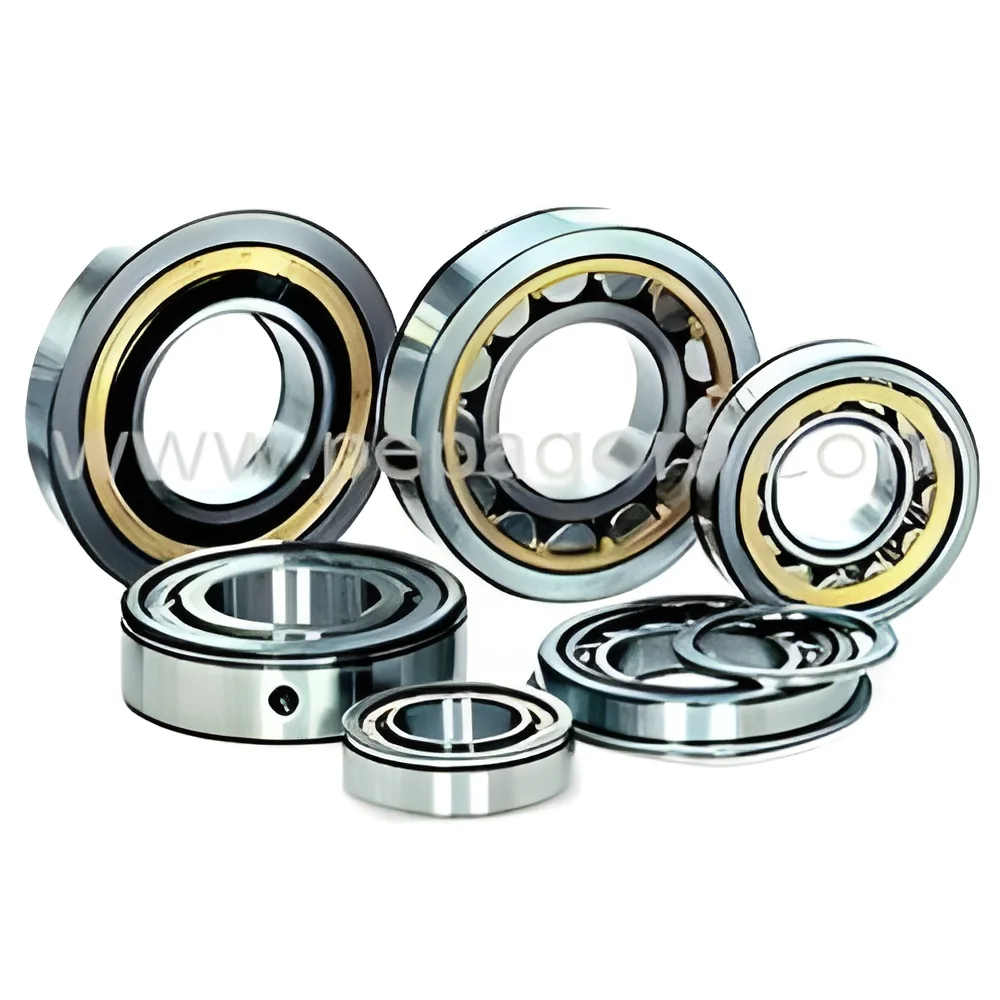
There are several types of cylindrical roller bearings, including single-row, double-row, and multi-row configurations. Additionally, they can be categorized based on features such as cage type (with or without cage) and inner ring design (with flanges or without).
3
How do I choose the right Cylindrical Roller Bearings?
When selecting cylindrical roller bearings, consider factors such as load capacity, speed rating, and the operating environment. It's also important to assess the specific requirements of your application to ensure compatibility and optimal performance.
4
What are the standard specifications for Cylindrical Roller Bearings?
Standard specifications for cylindrical roller bearings include dimensions like outer diameter, inner diameter, and width, along with tolerances and radial clearance. These specifications are governed by international standards such as ISO and ABMA.
5
What is the price range for Cylindrical Roller Bearings?
The price of cylindrical roller bearings can vary widely depending on size, type, and manufacturer. Generally, prices can range from a few hundred to several thousand Indian Rupees per unit, depending on the specifications and quality.
6
What quality standards apply to Cylindrical Roller Bearings?
Cylindrical roller bearings must meet various quality standards, including ISO 9001 for quality management systems. Additionally, specific performance standards such as ISO 281 for dynamic load ratings may apply to ensure reliability and durability.
7
Where can I find Cylindrical Roller Bearings suppliers in India?
You can find cylindrical roller bearings suppliers in India through B2B marketplaces like Pepagora.com, trade shows, or industry directories. It's advisable to verify supplier credentials and product quality before making a purchase.
8
Can Cylindrical Roller Bearings be customized?
Yes, cylindrical roller bearings can often be customized to meet specific application requirements. Customizations may include alterations in size, material, or design features depending on the manufacturer's capabilities.
9
What is the typical minimum order quantity for Cylindrical Roller Bearings?
The minimum order quantity (MOQ) for cylindrical roller bearings can vary by supplier and product type. Typically, MOQs may range from 10 to 100 units, but it's best to check with individual suppliers for their specific policies.
10
What is the typical lead time for Cylindrical Roller Bearings?
The lead time for cylindrical roller bearings typically ranges from a few days to several weeks, depending on factors such as stock availability, order quantity, and shipping method. It's advisable to confirm lead times with your supplier at the time of ordering.
Why Businesses Trust Pepagora
Thousands of companies trust Pepagora to source smarter and sell faster
Expand Your Sales Globally
25000+Products listed.Get discovered by global buyers

 IN
IN