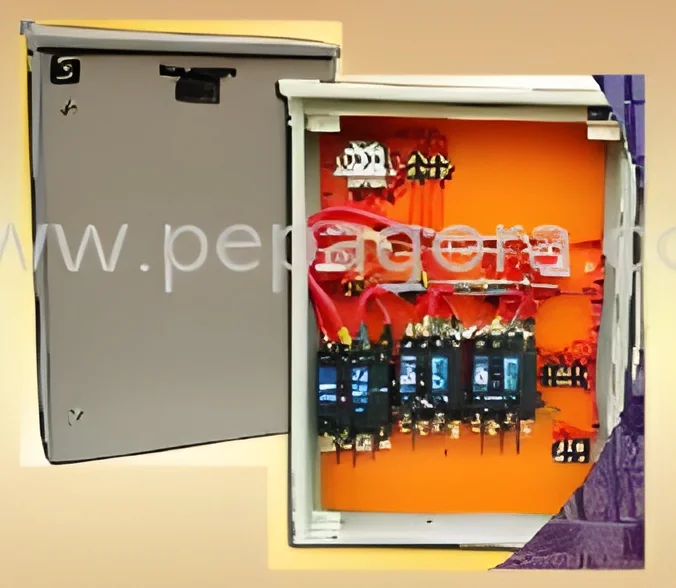
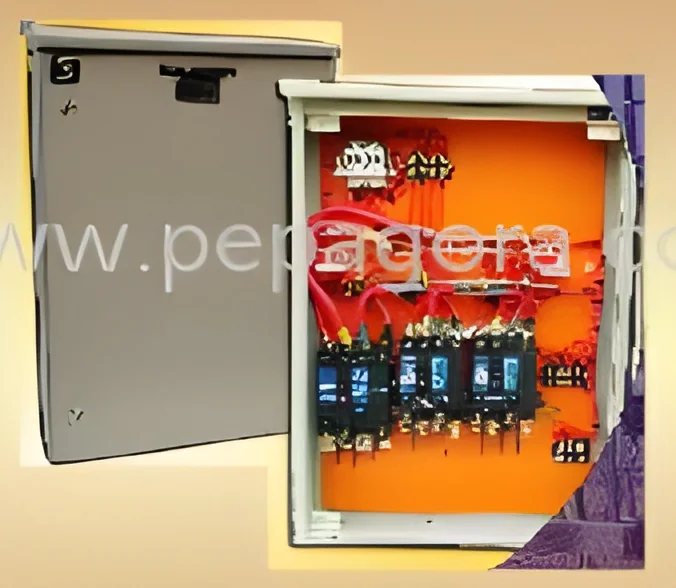
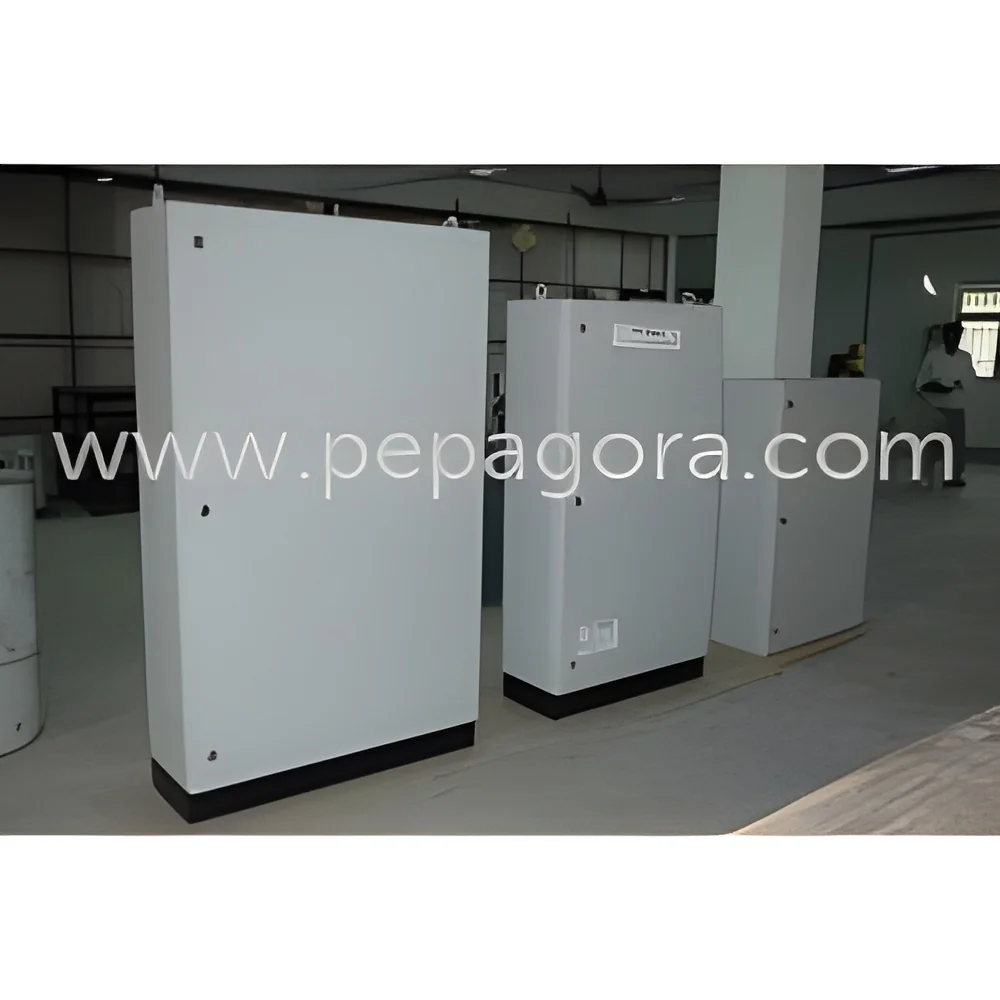
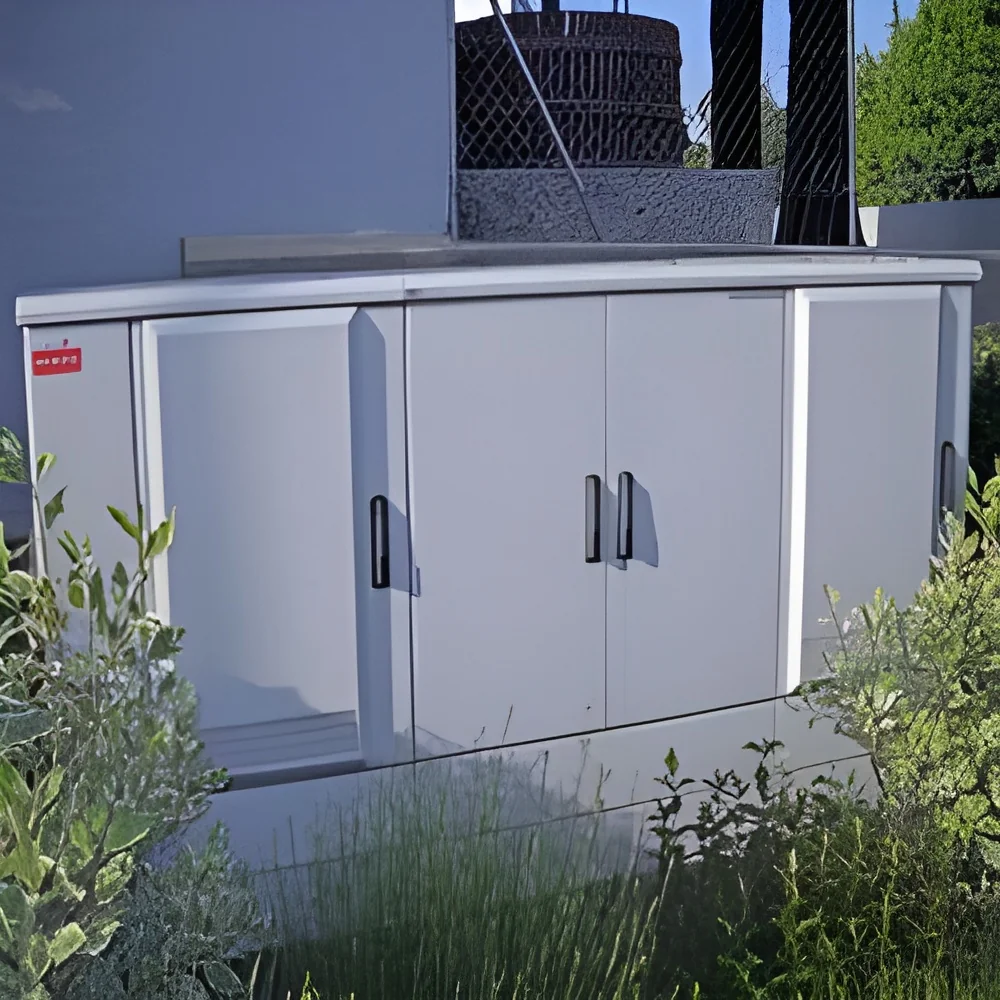
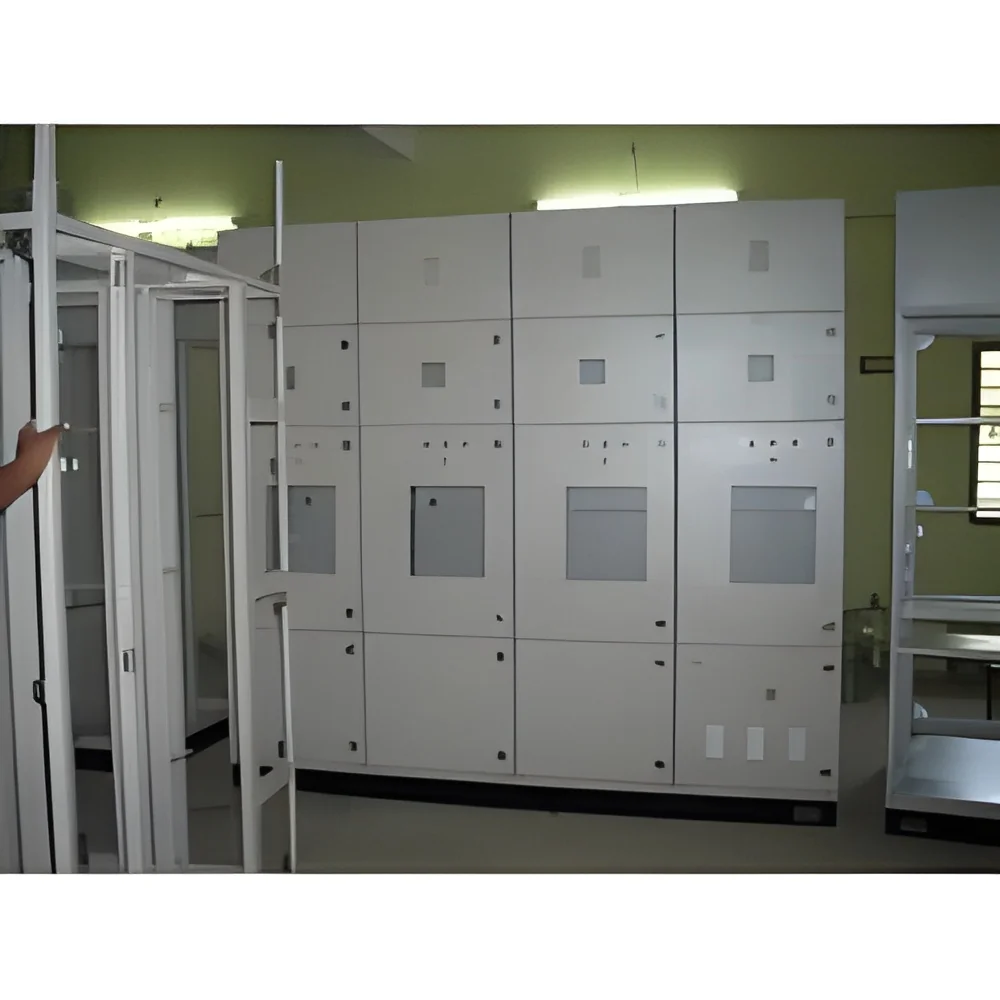
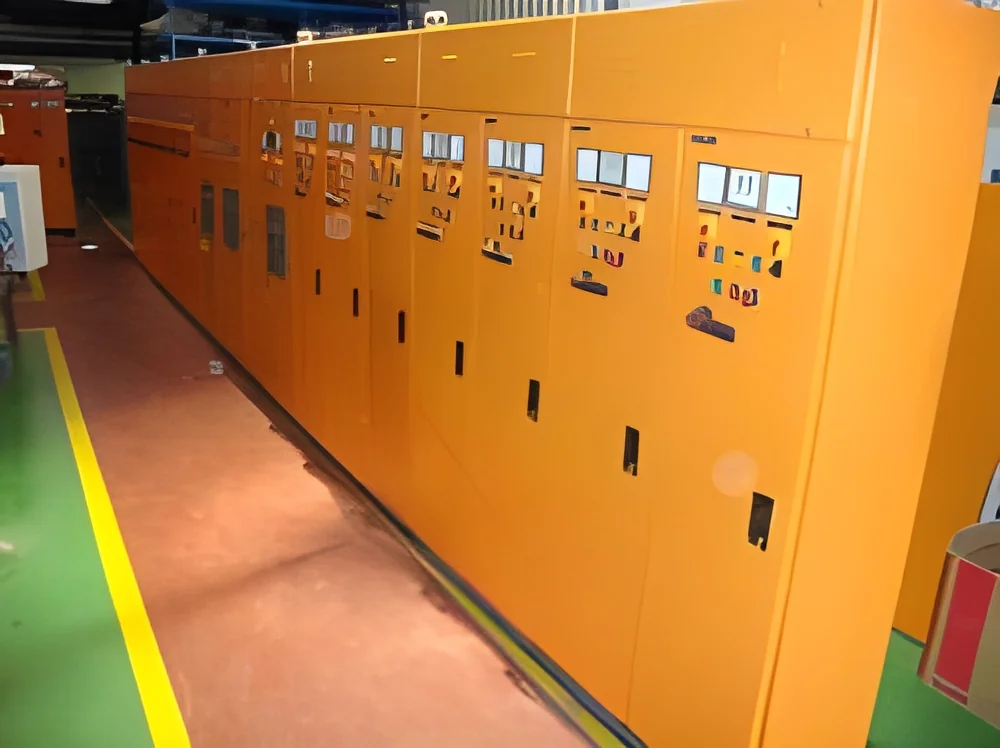
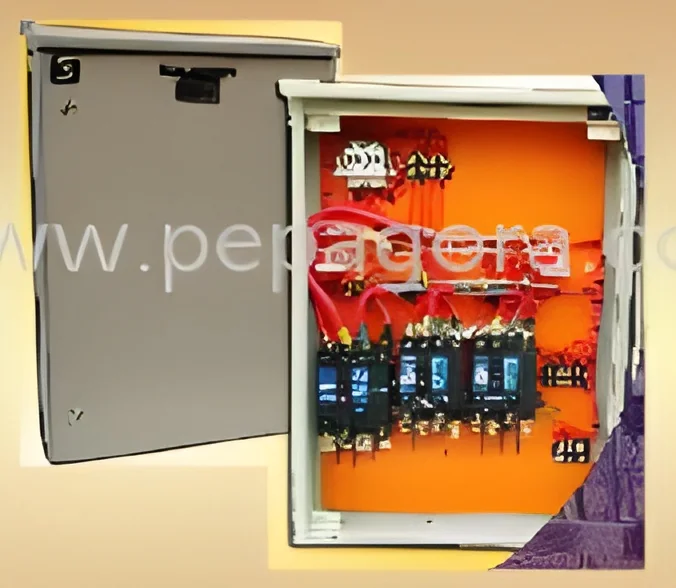
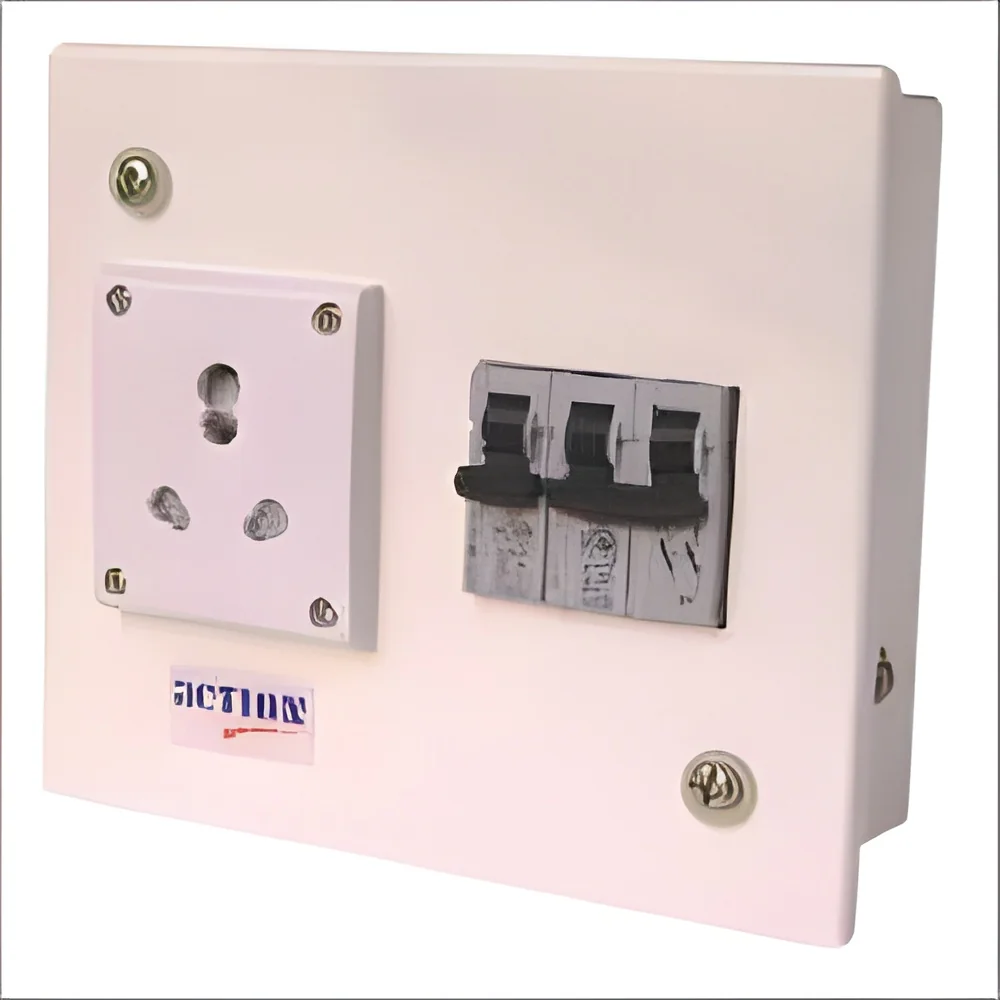
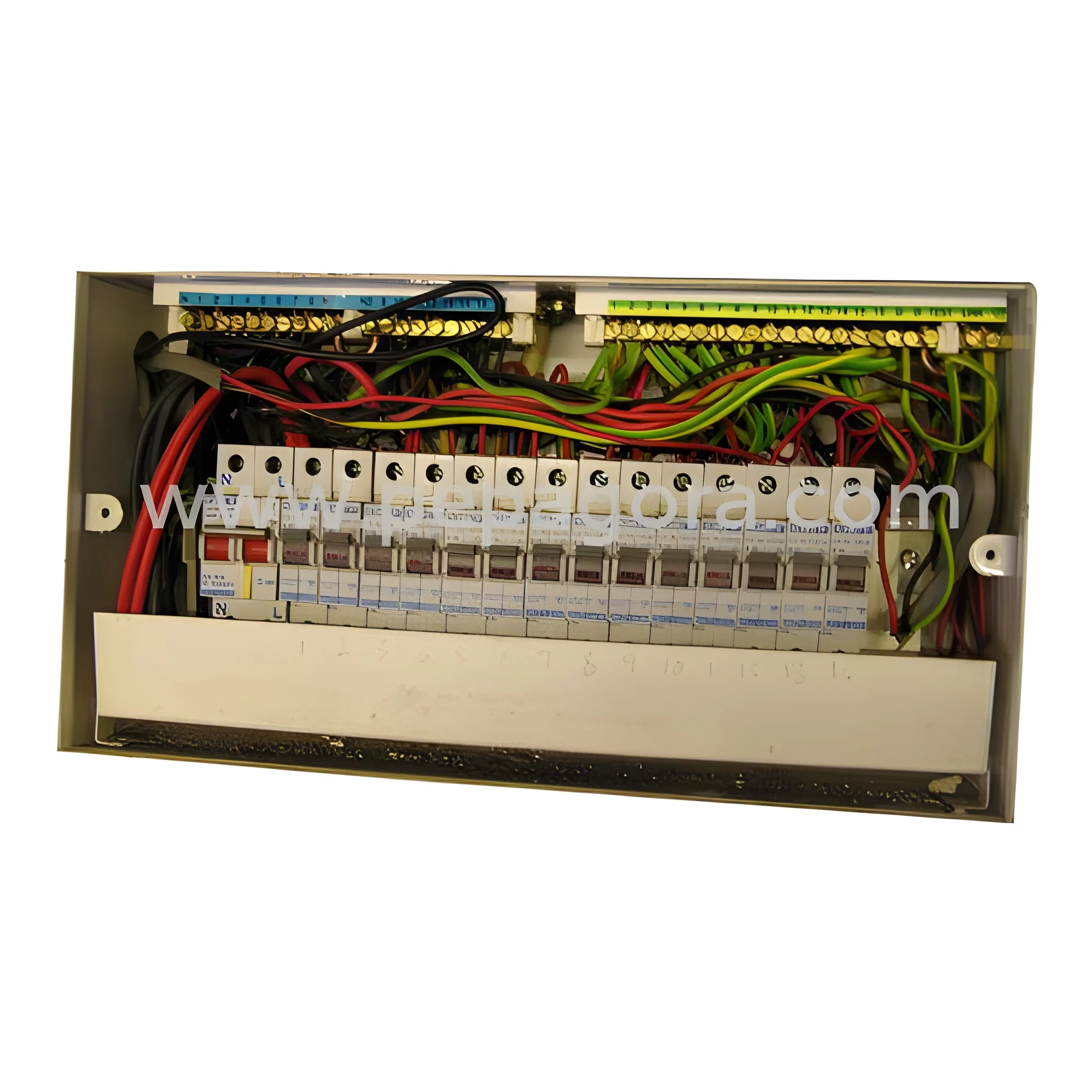
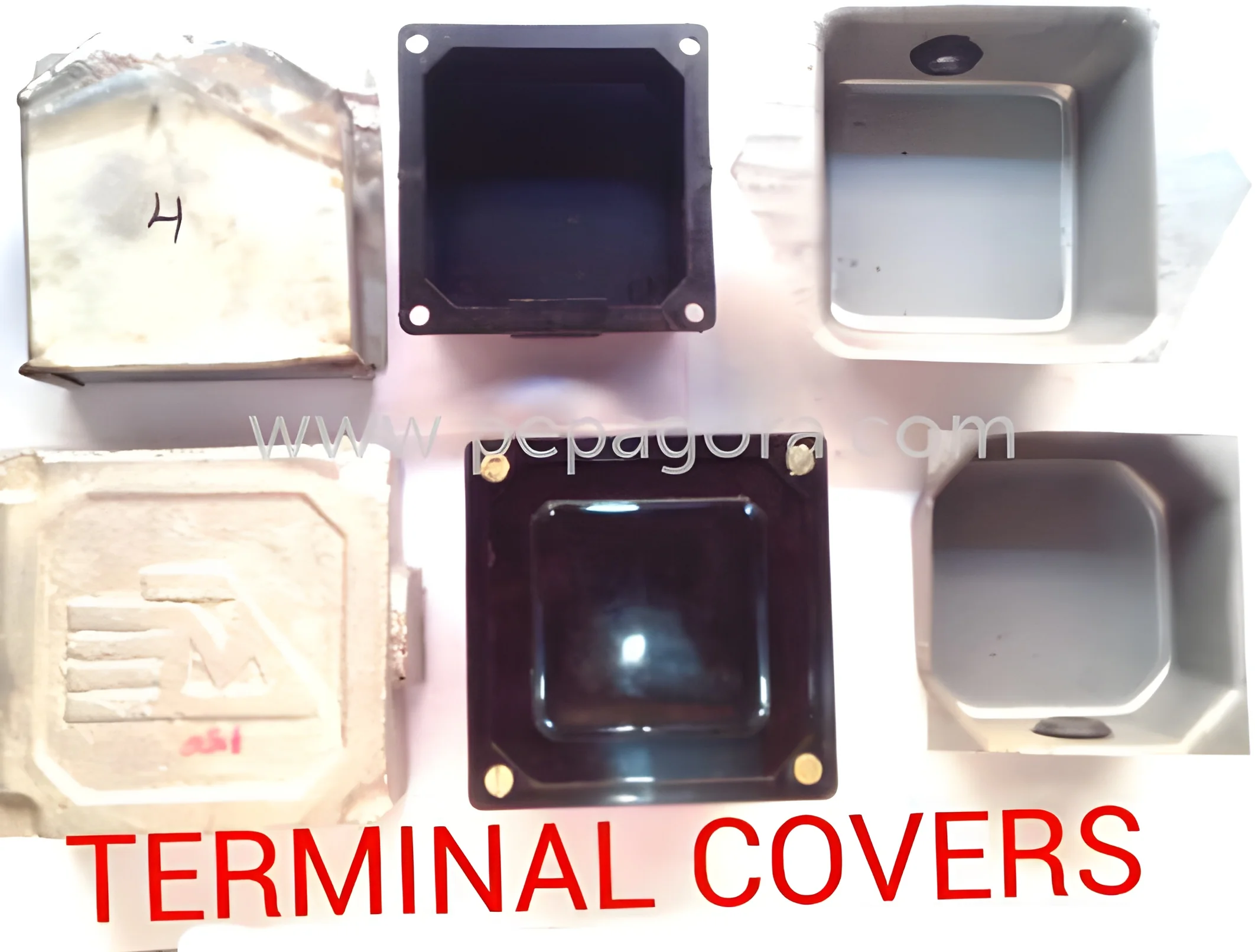
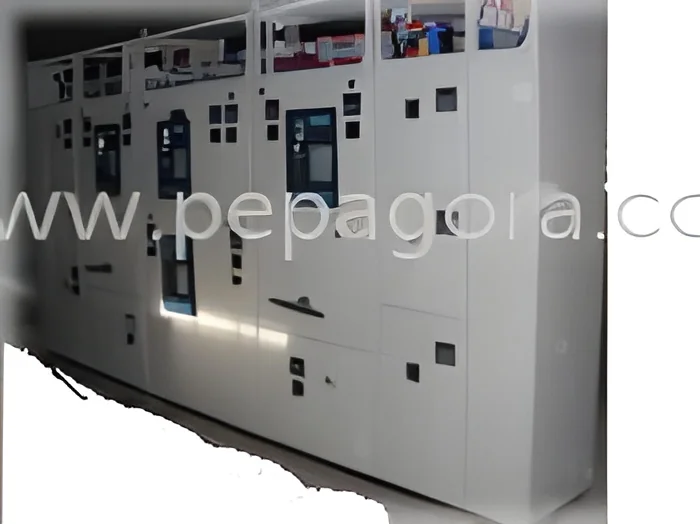
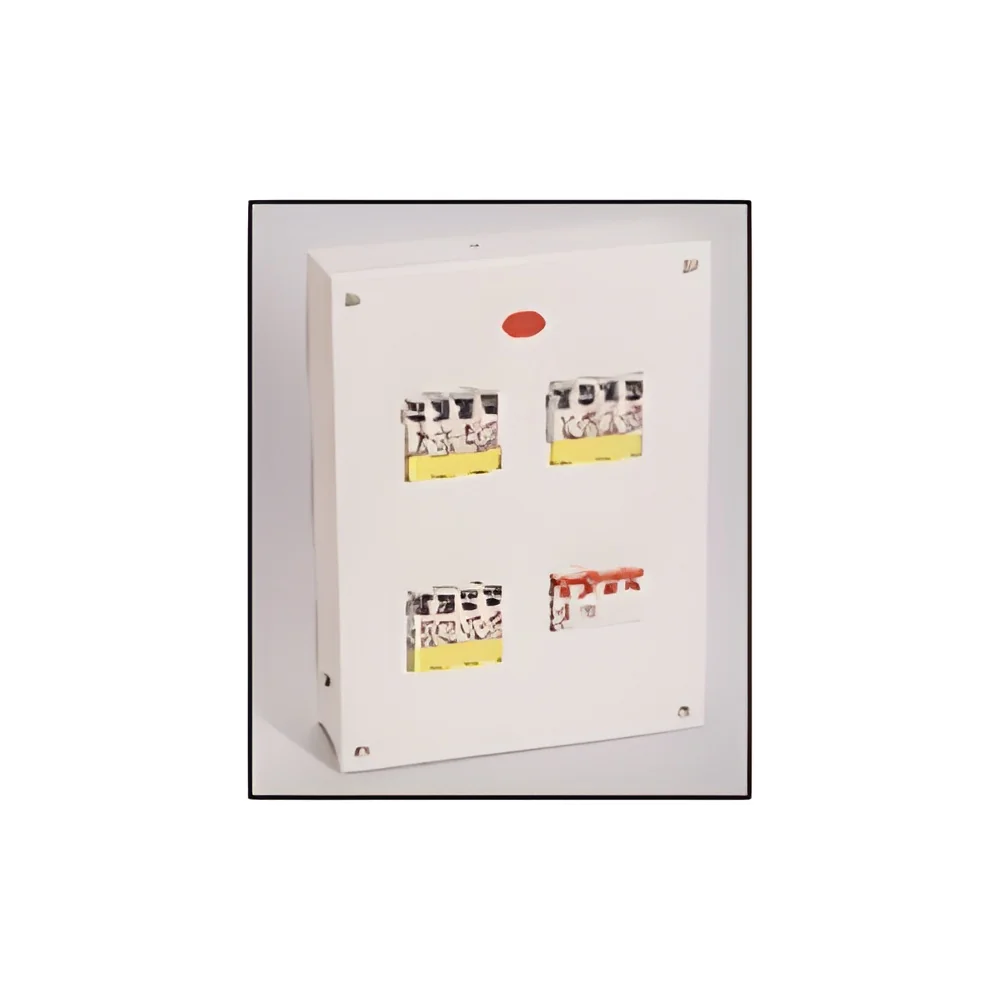
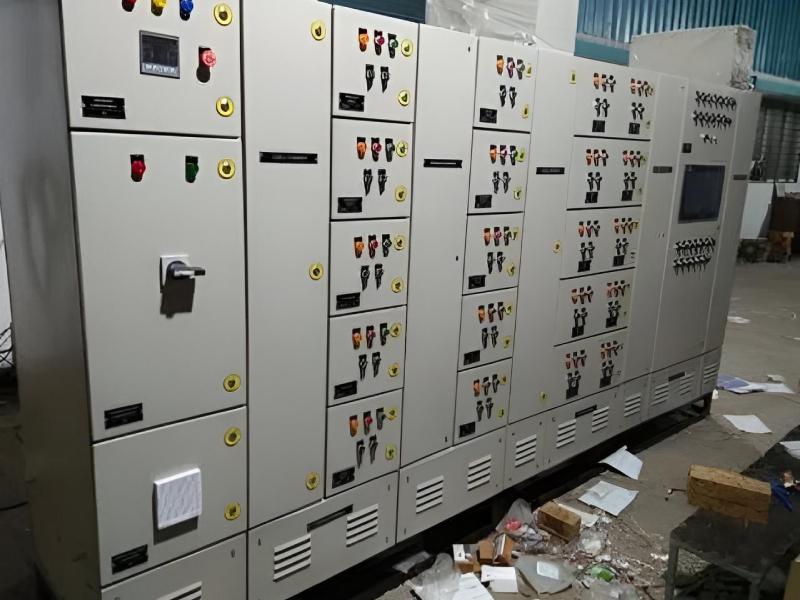
What are Distribution Boards (DBs)?
Distribution Boards (DBs) are essential electrical components used to manage and distribute electrical power across various circuits within a building or facility. They serve as a central point where incoming electrical supply is divided into multiple outgoing circuits, ensuring efficient power distribution. By controlling the flow of electricity, these boards help protect both the electrical system and connected equipment from overloads and faults.
In business applications, Distribution Boards are commonly found in commercial buildings, manufacturing facilities, and industrial plants. They play a critical role in ensuring reliable power supply for lighting, machinery, and other electrical devices. Their design allows for easy access to circuit breakers and fuses for maintenance, which is vital for operational continuity. The growing demand for energy-efficient solutions has led to advancements in DB technology, making them increasingly relevant in today's market.
𝗞𝗲𝘆 𝗙𝗲𝗮𝘁𝘂𝗿𝗲𝘀 𝗮𝗻𝗱 𝗦𝗽𝗲𝗰𝗶𝗳𝗶𝗰𝗮𝘁𝗶𝗼𝗻𝘀
Distribution Boards come with a range of features and specifications that cater to diverse industrial needs. These boards are designed for durability and efficiency, offering enhanced safety and performance. Understanding their specifications is essential for selecting the right DB for your application.
Key specifications include:
1. Construction Material
- Typically made from steel or fiberglass for durability
- Resistance to corrosion and environmental factors
2. Number of Circuits
- Available in various configurations, typically ranging from 4 to 24 circuits
- Customizable options for specific requirements
3. Voltage Rating
- Commonly rated for 230V or 400V AC systems
- Higher ratings available for specialized applications
4. IP Rating
- Ingress Protection ratings from IP40 to IP67
- Ensures suitability for different environmental conditions
5. Busbar Rating
- Standard ratings generally range from 100A to 800A
- Higher ratings available for larger installations
6. Mounting Options
- Floor-mounted or wall-mounted configurations
- Flexibility for installation in various spaces
7. Compliance Standards
- Must adhere to industry standards such as IEC and UL
- Ensures safety and reliability in operation
8. Accessories
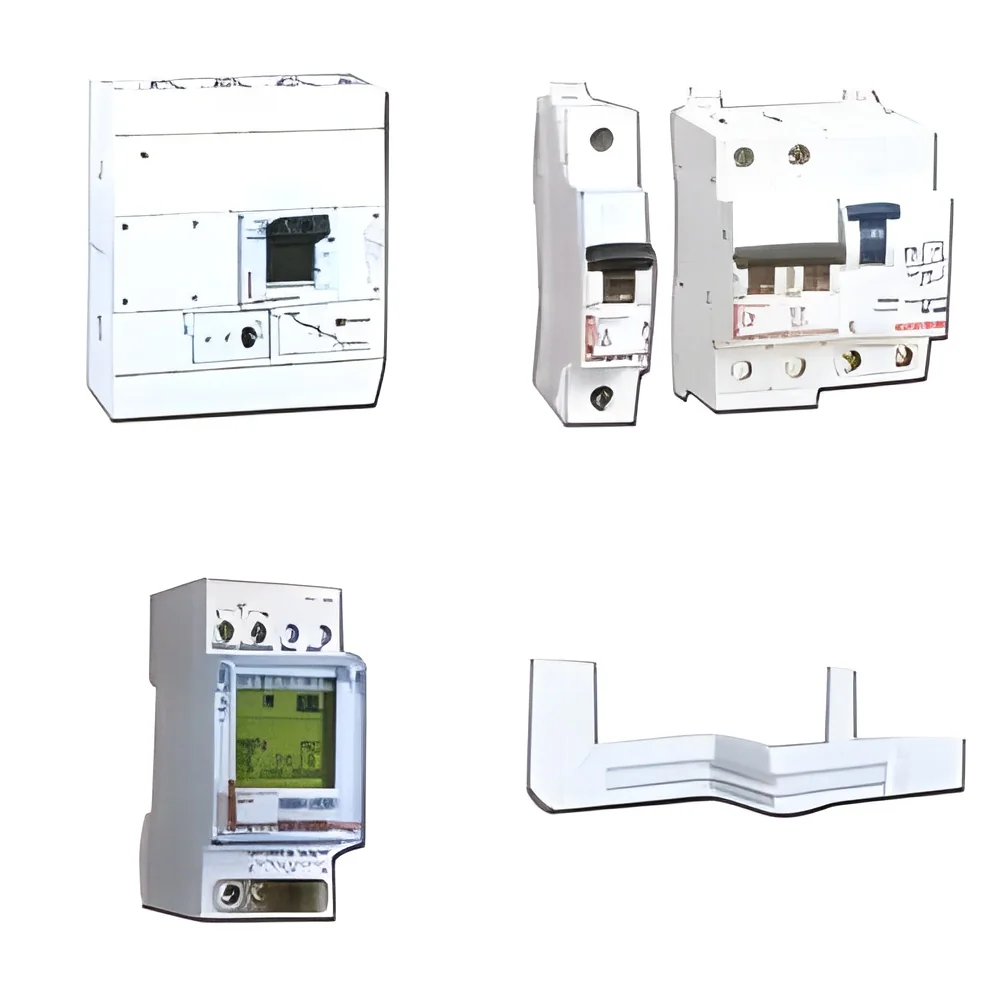
- Often equipped with optional features like surge protection devices
- Monitoring and control systems may be integrated
In summary, the right specifications ensure that Distribution Boards meet the operational needs of any facility while adhering to safety standards.
𝗖𝗼𝗺𝗺𝗼𝗻 𝗔𝗽𝗽𝗹𝗶𝗰𝗮𝘁𝗶𝗼𝗻𝘀 𝗮𝗻𝗱 𝗨𝘀𝗲 𝗖𝗮𝘀𝗲𝘀
Distribution Boards are versatile and find applications across numerous industries. Their ability to manage electrical distribution makes them invaluable in various settings.
1. Manufacturing: Distribution Boards are used to power machinery and equipment, ensuring uninterrupted operations in factories.
2. Commercial Buildings: They are commonly installed in office buildings to supply power for lighting, HVAC systems, and office equipment.
3. Retail: Retail outlets utilize Distribution Boards to manage electrical needs for lighting, security systems, and point-of-sale devices.
4. Healthcare: Hospitals and clinics rely on DBs to ensure a stable power supply for critical medical equipment and emergency systems.
5. Hospitality: Hotels use Distribution Boards to maintain power for guest rooms, kitchens, and common areas, enhancing guest experience.
6. Agriculture: Farms implement DBs for irrigation systems and equipment to ensure efficient operation.
7. Data Centers: They are crucial for distributing power to servers and cooling systems, supporting the data management industry.
𝗣𝗿𝗼𝗱𝘂𝗰𝘁 𝗩𝗮𝗿𝗶𝗮𝗻𝘁𝘀 𝗮𝗻𝗱 𝗦𝘂𝗯𝗰𝗮𝘁𝗲𝗴𝗼𝗿𝗶𝗲𝘀
Distribution Boards are available in various configurations to meet specific operational needs. This diversity allows businesses to choose a DB that best suits their power distribution requirements.
Standard Distribution Boards
These are the most common type, designed for general use in commercial and industrial settings. They offer a range of circuit configurations and are suitable for various applications.
Smart Distribution Boards
Equipped with advanced monitoring and control features, these boards allow for real-time tracking of energy consumption and system performance. They are ideal for businesses looking to optimize energy usage.
Industrial Distribution Boards
Designed for heavy-duty applications, these boards can handle higher loads and are built to withstand harsh environments. They are commonly used in manufacturing and processing facilities.
𝗕𝗲𝗻𝗲𝗳𝗶𝘁𝘀 𝗮𝗻𝗱 𝗔𝗱𝘃𝗮𝗻𝘁𝗮𝗴𝗲𝘀
The use of Distribution Boards provides several advantages for businesses seeking efficient power management. These benefits extend to safety, operational efficiency, and cost savings.
1. Enhanced Safety: Distribution Boards help protect electrical circuits from overloads and short circuits, reducing the risk of electrical fires and equipment damage.
2. Improved Efficiency: By effectively managing power distribution, these boards minimize energy waste and optimize electrical performance across multiple circuits.
3. Simplified Maintenance: Access to circuit breakers and fuses makes troubleshooting and maintenance straightforward, reducing downtime.
4. Scalability: Businesses can easily expand their electrical systems by adding circuits or upgrading existing DBs as their needs grow.
5. Compliance Assurance: Using certified Distribution Boards ensures adherence to regulatory standards, helping businesses avoid legal issues.
6. Cost Savings: Efficient power distribution can lead to lower energy bills and reduced operational costs over time.
𝗕𝘂𝘆𝗶𝗻𝗴 𝗚𝘂𝗶𝗱𝗲 𝗳𝗼𝗿 𝗕𝟮𝗕 𝗕𝘂𝘆𝗲𝗿𝘀
When sourcing Distribution Boards (DBs), it is essential to consider several key factors to ensure you select the right product for your needs.
1. Quality Assessment: Evaluate the materials and construction of the DB to ensure durability and reliability under operational conditions. Look for products that meet relevant safety standards.
2. Supplier Verification: Vet potential suppliers to confirm their credibility and track record. Review customer feedback and request references to gauge their reliability.
3. Pricing and MOQ: Consider the total cost of ownership, including initial pricing and any minimum order quantities (MOQ) set by suppliers. Compare quotes to find competitive pricing.
4. Delivery and Lead Times: Review the supplier's delivery capabilities and lead times. Ensure that their timelines align with your project schedules to avoid delays.
5. Compliance Requirements: Ensure that the Distribution Boards meet all necessary regulatory and safety standards specific to your industry and region.
𝗖𝗼𝗺𝗽𝗹𝗶𝗮𝗻𝗰𝗲 𝗮𝗻𝗱 𝗖𝗲𝗿𝘁𝗶𝗳𝗶𝗰𝗮𝘁𝗶𝗼𝗻𝘀
Compliance with industry standards and certifications is critical for maintaining safety and reliability in electrical systems. Distribution Boards should adhere to relevant quality standards such as ISO 9001, which ensures consistent quality management.
Certifications like CE indicate that the product meets European safety and environmental requirements. Additionally, compliance with safety and testing standards is vital for legal and operational assurance.
Businesses should also consider regional compliance regulations, as different regions may have specific requirements regarding electrical safety and installation practices. Being aware of these standards ensures that companies avoid potential legal issues and maintain operational integrity.
Why Source Distribution Boards (DBs) from Pepagora?
Pepagora offers a trusted platform for sourcing Distribution Boards (DBs) with several key advantages that benefit B2B buyers.
Verified Supplier Network: With a comprehensive vetting process, Pepagora ensures that suppliers meet high standards of quality and reliability. This network allows buyers to source products with confidence.
Streamlined RFQ Process: The platform provides an efficient request for quotation (RFQ) system, making it easy for buyers to obtain competitive quotes from multiple suppliers quickly.
Trade Assurance and Support: Pepagora offers buyer protection services to help mitigate risks in transactions. This support ensures that buyers can engage with suppliers securely.
Regional Coverage: Pepagora serves a wide geographic area, including India, the GCC, and Southeast Asia, making it easier for businesses in these regions to find suitable Distribution Boards that meet their needs.
By choosing Pepagora, businesses can simplify their sourcing process while ensuring access to high-quality Distribution Boards.
Distribution Boards (DBs) are electrical devices that distribute electrical power to various circuits within a building or facility. They serve as the central point for electrical control and protection, housing circuit breakers and fuses to manage power distribution safely.
2
What are the different types of Distribution Boards (DBs)?
There are several types of Distribution Boards (DBs), including single-phase and three-phase boards, as well as main distribution boards, sub-distribution boards, and consumer units. Each type serves a specific purpose based on the electrical load and distribution needs of a facility.
3
How do I choose the right Distribution Boards (DBs)?
Choosing the right Distribution Boards (DBs) involves assessing the electrical load requirements, the type of circuits to be connected, and the available space for installation. It is also important to consider the safety features, compatibility with existing systems, and compliance with local electrical codes.
4
What are the standard specifications for Distribution Boards (DBs)?
Standard specifications for Distribution Boards (DBs) typically include the voltage rating, current rating, number of circuits, and enclosure type. They should comply with national and international standards such as IEC or IS, ensuring safety and reliability in electrical distribution.
5
What is the price range for Distribution Boards (DBs)?
The price range for Distribution Boards (DBs) varies widely based on factors such as type, size, and manufacturer. Generally, prices can range from a few thousand rupees for basic models to significantly higher amounts for specialized or high-capacity boards.
6
What quality standards apply to Distribution Boards (DBs)?
Quality standards for Distribution Boards (DBs) are governed by national and international regulations, including IS (Indian Standards) and IEC (International Electrotechnical Commission) standards. These standards ensure safety, performance, and reliability in electrical installations.
7
Where can I find Distribution Boards (DBs) suppliers in India?
You can find Distribution Boards (DBs) suppliers in India through online marketplaces, electrical supply stores, and manufacturer websites. Platforms like Pepagora.com provide a comprehensive list of verified suppliers and manufacturers, making it easier to source these products.
8
Can Distribution Boards (DBs) be customized?
Yes, Distribution Boards (DBs) can often be customized to meet specific requirements, such as additional circuits, enhanced safety features, or unique dimensions. Customization options depend on the manufacturer and should be discussed prior to ordering.
9
What is the typical minimum order quantity for Distribution Boards (DBs)?
The typical minimum order quantity (MOQ) for Distribution Boards (DBs) can vary by supplier and product type. Generally, MOQs may range from one unit for standard models to larger quantities for customized or bulk orders.
10
What is the typical lead time for Distribution Boards (DBs)?
The typical lead time for Distribution Boards (DBs) can vary based on availability, customization, and supplier processes. Standard products may have a lead time of 1 to 4 weeks, while customized boards may take longer depending on the specifications requested.
Why Businesses Trust Pepagora
Thousands of companies trust Pepagora to source smarter and sell faster
Expand Your Sales Globally
25000+Products listed.Get discovered by global buyers

 IN
IN