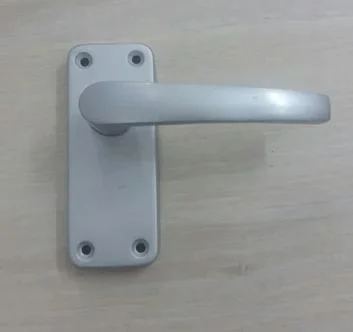
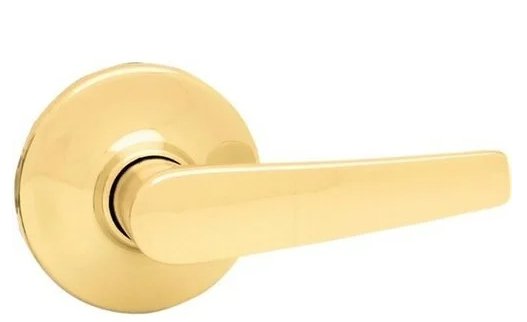
𝗪𝗵𝗮𝘁 𝗮𝗿𝗲 𝗗𝗼𝗼𝗿 𝗟𝗼𝗰𝗸𝘀 & 𝗛𝗮𝗻𝗱𝗹𝗲𝘀?
Door locks and handles are essential hardware components that secure entrances and provide ease of access. They are designed to combine functionality with security, ensuring that doors can be securely locked while allowing authorized individuals to enter and exit with ease. Door locks come in various types, including deadbolts, knob locks, and electronic locks, while handles can range from simple lever designs to more complex push-pull mechanisms.
In the business landscape, door locks and handles are critical in commercial and industrial settings. They play a vital role in maintaining security in offices, warehouses, and manufacturing facilities. The choice of locks and handles can impact not only the safety of personnel and assets but also the overall operational efficiency. Companies often require robust locking systems that can withstand heavy use, making the selection of high-quality products paramount.
The relevance of door locks and handles in the industry is significant as they must meet specific quality standards and security regulations. With an increasing focus on safety and security, the market for these products continues to grow, driven by advancements in technology and the demand for more sophisticated locking mechanisms.
𝗞𝗲𝘆 𝗙𝗲𝗮𝘁𝘂𝗿𝗲𝘀 𝗮𝗻𝗱 𝗦𝗽𝗲𝗰𝗶𝗳𝗶𝗰𝗮𝘁𝗶𝗼𝗻𝘀
When evaluating door locks and handles, buyers should consider several key features and specifications that ensure reliability and efficiency.
Key specifications include:
1. Locking Mechanism Type
- Options include deadbolts, knob locks, and electronic locks.
- Each mechanism offers different levels of security and usability.
2. Material Composition
- Common materials include stainless steel, brass, and zinc alloys.
- The choice of material affects durability and corrosion resistance.
3. Finish Options
- Finishes can vary from polished chrome to matte black.
- Aesthetic choices can complement the design of the building.
4. Security Ratings
- Locks may be rated based on ANSI/BHMA standards.
- Ratings indicate the level of security and durability.
5. Keying Options
- Options include standard key, master key, and keyless entry systems.
- Flexibility in keying enhances control over access.
6. Installation Type
- Options include surface-mounted and mortise installations.
- Installation type impacts ease of use and security.
7. Warranty Period
- Warranty periods can range from one year to a lifetime.
- A longer warranty often indicates product reliability.
8. Compliance Certifications
- Products may have certifications such as CE.
- Compliance ensures adherence to safety and quality standards.
In summary, understanding these features and specifications is crucial for making informed purchasing decisions regarding door locks and handles.
𝗖𝗼𝗺𝗺𝗼𝗻 𝗔𝗽𝗽𝗹𝗶𝗰𝗮𝘁𝗶𝗼𝗻𝘀 𝗮𝗻𝗱 𝗨𝘀𝗲 𝗖𝗮𝘀𝗲𝘀
Door locks and handles find diverse applications across various industries.
1. Commercial Offices: In office buildings, locks and handles secure individual offices and conference rooms while allowing easy access for employees and visitors.
2. Warehouses: In warehouse settings, heavy-duty locks are essential to protect inventory and equipment from unauthorized access.
3. Manufacturing Facilities: These locks help ensure restricted areas are secure while maintaining operational flow for authorized personnel.
4. Retail Stores: Retail environments require both security and ease of access for customers and staff, making the right choice of locks and handles crucial.
5. Educational Institutions: Schools and universities use locks to secure classrooms and administrative offices while facilitating entry for students and staff.
6. Healthcare Facilities: In hospitals and clinics, specialized locks ensure secure access to sensitive areas while providing ease of entry for medical personnel.
7. Hospitality: Hotels and resorts utilize various locking systems to enhance guest security while allowing seamless access.
𝗣𝗿𝗼𝗱𝘂𝗰𝘁 𝗩𝗮𝗿𝗶𝗮𝗻𝘁𝘀 𝗮𝗻𝗱 𝗦𝘂𝗯𝗰𝗮𝘁𝗲𝗴𝗼𝗿𝗶𝗲𝘀
Door locks and handles come in various variants, each designed to meet specific needs and applications.
Mechanical Locks
These locks provide traditional security solutions with options for key or combination access. They are reliable and easy to maintain, suitable for a wide range of applications.
Electronic Locks
Featuring keyless entry and programmable access codes, electronic locks enhance security and convenience. They are ideal for high-traffic areas, such as offices and retail spaces.
Heavy-Duty Locks
Designed for industrial use, these locks offer superior strength and durability. They are often used in warehouses and manufacturing facilities where security needs are heightened.
Smart Locks
Integrating with modern technology, smart locks allow remote access and monitoring. They are becoming popular in both residential and commercial spaces for added convenience.
Deadbolts
These locks provide an extra layer of security, making them ideal for external doors in residential and commercial properties.
𝗕𝗲𝗻𝗲𝗳𝗶𝘁𝘀 𝗮𝗻𝗱 𝗔𝗱𝘃𝗮𝗻𝘁𝗮𝗴𝗲𝘀
Investing in high-quality door locks and handles provides several key benefits.
1. Enhanced Security: Reliable locks deter unauthorized access, protecting valuable assets and personnel.
2. Improved Access Control: Various keying options allow businesses to manage who has access to different areas, enhancing overall security.
3. Increased Durability: Quality materials and construction ensure that locks and handles withstand heavy use and environmental factors.
4. Aesthetic Appeal: A wide range of designs and finishes allows businesses to match hardware with their overall architectural style.
5. Versatility: Different variants cater to diverse applications, making it easier for businesses to find suitable solutions for their specific needs.
6. Compliance Assurance: Many products come with certifications, ensuring they meet industry standards and regulations, providing peace of mind for businesses.
𝗕𝘂𝘆𝗶𝗻𝗴 𝗚𝘂𝗶𝗱𝗲 𝗳𝗼𝗿 𝗕𝟮𝗕 𝗕𝘂𝘆𝗲𝗿𝘀
When sourcing door locks and handles, B2B buyers should consider several critical factors to ensure they make informed purchases.
1. Quality Assessment: Evaluate the material and construction quality to ensure durability and reliability. Look for products that meet industry standards.
2. Supplier Verification: Vet suppliers thoroughly to ensure they have a good reputation and can provide reliable products. Check for customer reviews and industry references.
3. Pricing and MOQ: Understand the price range for the products you are considering and inquire about minimum order quantities. This information can impact budget planning.
4. Delivery and Lead Times: Confirm the expected delivery timelines and ensure they align with your project schedules. Timely delivery is crucial for maintaining operations.
5. Compliance Requirements: Be aware of any regulatory requirements that apply to the products. Ensure the locks and handles comply with local safety standards.
𝗖𝗼𝗺𝗽𝗹𝗶𝗮𝗻𝗰𝗲 𝗮𝗻𝗱 𝗖𝗲𝗿𝘁𝗶𝗳𝗶𝗰𝗮𝘁𝗶𝗼𝗻𝘀
Door locks and handles must meet specific quality and safety standards to ensure reliability and performance.
Relevant quality standards, such as ISO 9001, set guidelines for quality management systems. These standards help manufacturers maintain consistency in product quality.
Industry certifications, like CE, indicate that products have been tested and meet European safety, health, and environmental protection standards. Such certifications assure buyers of the product's compliance.
Safety and testing requirements vary by region and application, often covering aspects such as durability, corrosion resistance, and security features. Buyers should ensure that products they consider have undergone appropriate testing.
Regional compliance considerations may include adherence to local building codes and regulations. Understanding these requirements is essential for businesses operating in multiple regions.
𝗪𝗵𝘆 𝗦𝗼𝘂𝗿𝗰𝗲 𝗗𝗼𝗼𝗿 𝗟𝗼𝗰𝗸𝘀 & 𝗛𝗮𝗻𝗱𝗹𝗲𝘀 𝗳𝗿𝗼𝗺 𝗣𝗲𝗽𝗮𝗴𝗼𝗿𝗮?
Pepagora provides a trusted platform for sourcing door locks and handles, offering several key advantages to B2B buyers.
Verified Supplier Network: Pepagora ensures that all suppliers in its network are thoroughly vetted for quality and reliability. This verification process helps buyers find trustworthy partners.
Streamlined RFQ Process: The request for quotation (RFQ) system simplifies the procurement process, allowing buyers to easily request quotes from multiple suppliers and compare options.
Trade Assurance and Support: Pepagora offers trade assurance to protect buyers' investments. This support provides peace of mind during transactions, ensuring that buyers receive what they ordered.
Regional Coverage: Pepagora's geographic reach spans India, the GCC, and Southeast Asia. This broad coverage enables buyers to access a wide range of products and suppliers tailored to their specific needs.
Door Locks & Handles are mechanical devices used to secure doors and provide access control. They come in various designs and functionalities, ensuring safety and convenience for residential and commercial properties.
2
What are the different types of Door Locks & Handles?
There are several types of Door Locks & Handles, including deadbolts, knob locks, lever handle locks, and electronic locks. Each type has unique features suitable for different security needs and aesthetic preferences.
3
How do I choose the right Door Locks & Handles?
To choose the right Door Locks & Handles, consider factors such as the level of security required, the type of door, and aesthetic preferences. It's also important to assess the durability and material quality to ensure longevity.
4
What are the standard specifications for Door Locks & Handles?
Standard specifications for Door Locks & Handles typically include dimensions, material types (such as brass, steel, or aluminum), and security ratings. Additionally, they may specify the locking mechanism and finish options.
5
What is the price range for Door Locks & Handles?
The price range for Door Locks & Handles can vary widely based on the type, brand, and features. Generally, you can find options ranging from affordable basic locks to high-end electronic locking systems.
6
What quality standards apply to Door Locks & Handles?
Quality standards for Door Locks & Handles often include compliance with ISO certifications and other industry-specific regulations. These standards ensure the products meet safety, durability, and performance requirements.
7
Where can I find Door Locks & Handles suppliers in India?
You can find Door Locks & Handles suppliers in India through online B2B marketplaces, trade exhibitions, and directories. Platforms like Pepagora offer a comprehensive list of manufacturers and suppliers in this category.
8
Can Door Locks & Handles be customized?
Yes, many manufacturers offer customization options for Door Locks & Handles, including specific designs, materials, and finishes. It is advisable to communicate your requirements directly with the supplier.
9
What is the typical minimum order quantity for Door Locks & Handles?
The typical minimum order quantity (MOQ) for Door Locks & Handles can vary by supplier and product type. Generally, MOQs can range from a few pieces to several hundred, depending on the manufacturer's policies.
10
What is the typical lead time for Door Locks & Handles?
The typical lead time for Door Locks & Handles varies based on the supplier and order volume. Generally, it can range from a few days for stock items to several weeks for customized orders.
Why Businesses Trust Pepagora
Thousands of companies trust Pepagora to source smarter and sell faster
Expand Your Sales Globally
25000+Products listed.Get discovered by global buyers

 IN
IN