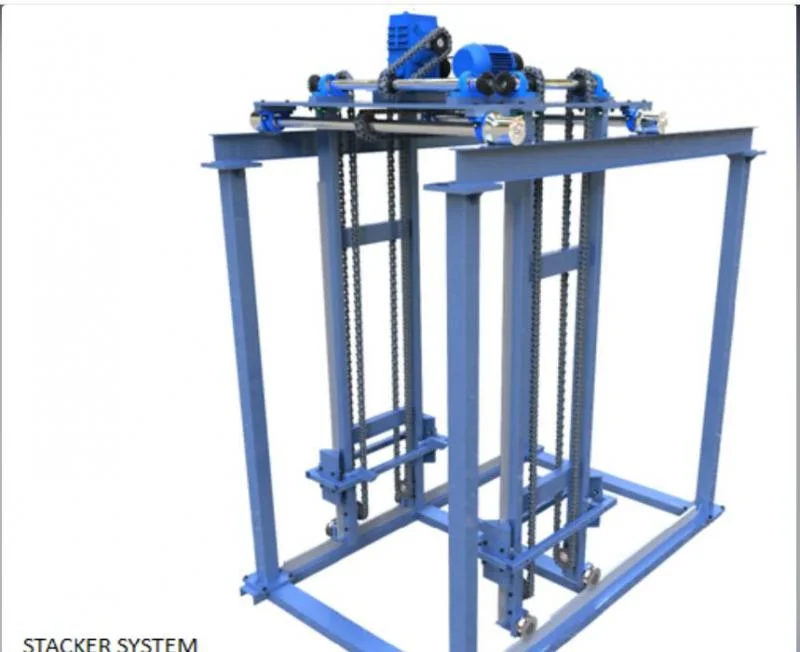
𝗪𝗵𝗮𝘁 𝗮𝗿𝗲 𝗗𝗿𝘂𝗺 𝗛𝗮𝗻𝗱𝗹𝗶𝗻𝗴 𝗘𝗾𝘂𝗶𝗽𝗺𝗲𝗻𝘁?
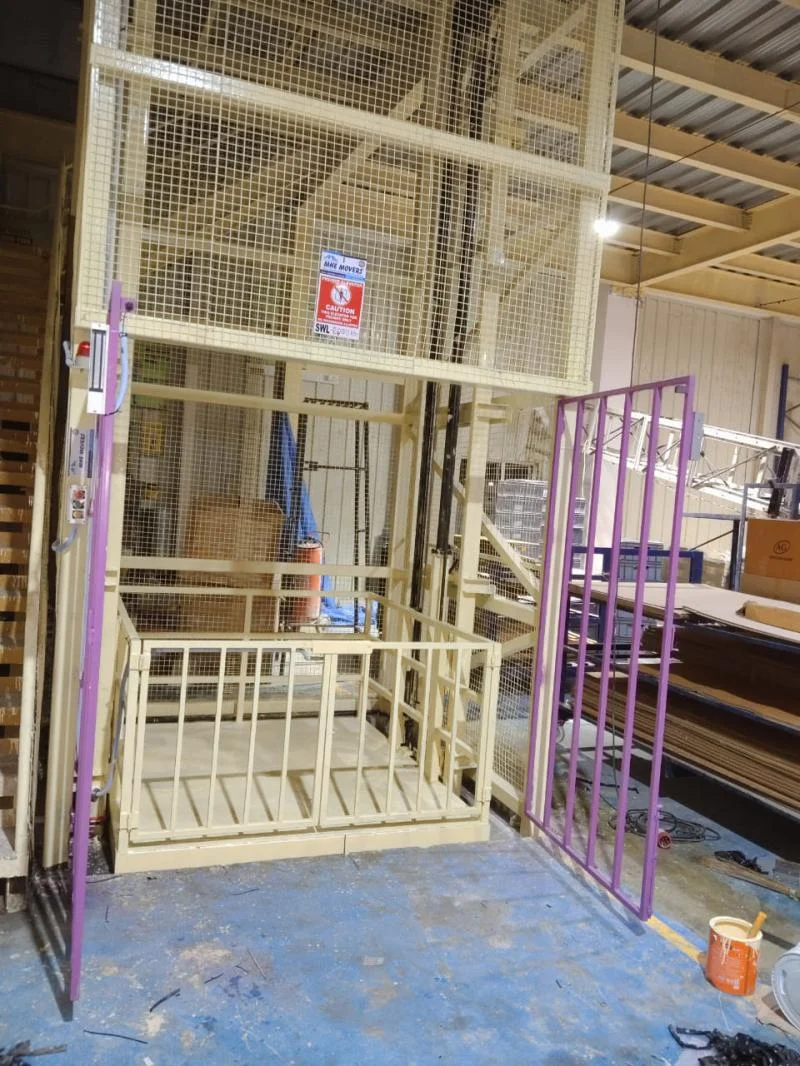
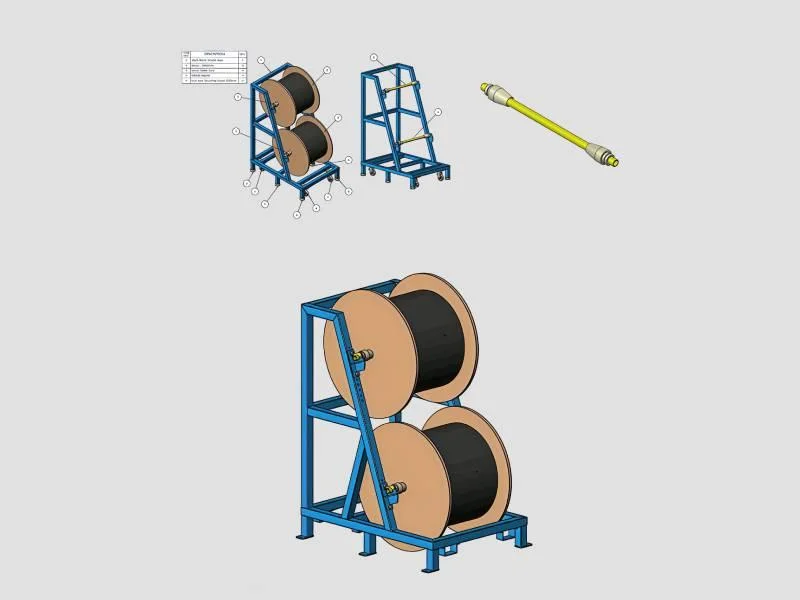
Drum handling equipment refers to a range of tools and machines designed specifically for the safe and efficient movement, transport, and storage of drums. These drums can be filled with various materials including liquids, chemicals, and powders, necessitating specialized equipment for handling. The equipment is engineered to facilitate the lifting, tilting, and pouring of drums, ensuring that safety and ergonomics are prioritized in industrial environments.
The primary uses of drum handling equipment include loading and unloading drums from trucks, moving them within warehouses, and positioning them for filling or dispensing. Businesses across multiple sectors, such as manufacturing, pharmaceuticals, and chemical processing, utilize this equipment to enhance productivity and reduce manual labor risks. The growing emphasis on workplace safety regulations and the increasing volume of materials transported in drums make drum handling equipment a vital component in many industrial operations.
In terms of market relevance, the drum handling equipment industry has seen significant growth due to heightened safety standards and automation trends. As companies strive for efficiency and compliance, the demand for reliable drum handling solutions continues to rise, positioning this equipment as essential for modern industrial practices.
𝗞𝗲𝘆 𝗙𝗲𝗮𝘁𝘂𝗿𝗲𝘀 𝗮𝗻𝗱 𝗦𝗽𝗲𝗰𝗶𝗳𝗶𝗰𝗮𝘁𝗶𝗼𝗻𝘀
Drum handling equipment is characterized by several key features that enhance its functionality and user safety. Understanding these specifications is crucial for businesses looking to invest in such equipment.
Key specifications include:
1. Load Capacity
- The maximum weight the equipment can safely handle.
- Typical ranges are from 200 kg to 1,500 kg, depending on the model.
2. Material Construction
- The type of materials used in manufacturing the equipment.
- Common materials include steel, aluminum, and high-density plastics for durability.
3. Mobility
- The design aspect that determines how easily the equipment can be moved.
- Options include wheeled designs for portability and fixed options for stability.
4. Lifting Mechanism
- The technology used for lifting drums.
- Mechanisms may include hydraulic lifts, electric hoists, or manual cranks.
5. Safety Features
- Integrated safety mechanisms to prevent accidents.
- Features can include automatic brakes, safety locks, and non-slip grips.
6. Ergonomic Design
- Consideration for user comfort and safety during operation.
- Designs often include adjustable heights and user-friendly controls.
7. Compatibility
- The ability to handle different drum sizes and types.
- Equipment is designed to accommodate standard 55-gallon drums and other variations.
8. Certification
- Compliance with industry standards and regulations.
- Many products are CE certified, ensuring adherence to safety and quality standards.
In summary, the specifications of drum handling equipment are designed to maximize safety and efficiency in industrial operations. Businesses should assess these features when selecting the right equipment for their needs.
𝗖𝗼𝗺𝗺𝗼𝗻 𝗔𝗽𝗽𝗹𝗶𝗰𝗮𝘁𝗶𝗼𝗻𝘀 𝗮𝗻𝗱 𝗨𝘀𝗲 𝗖𝗮𝘀𝗲𝘀
Drum handling equipment serves various industries, enhancing safety and efficiency in material handling.
1. Chemical Industry: Drum handling equipment is crucial for safely transporting hazardous chemicals. It minimizes the risk of spills and injuries during loading and unloading processes.
2. Food and Beverage: In this sector, drum handling equipment is used for moving ingredients stored in drums, ensuring compliance with hygiene standards while facilitating efficient operations.
3. Pharmaceutical: Drum handling equipment assists in managing the transport of raw materials and finished products, adhering to strict regulatory requirements for safety and quality.
4. Oil and Gas: This equipment is vital for handling drums containing oil or gas products, ensuring safe transfers and compliance with industry regulations.
5. Manufacturing: In manufacturing environments, drum handling equipment is used to transport bulk materials, improving workflow and reducing manual labor.
6. Warehousing: Drum handling equipment plays a significant role in warehousing operations, aiding in the efficient storage and retrieval of drums.
7. Construction: In construction, this equipment is used for transporting materials stored in drums, enhancing site safety and productivity.
𝗣𝗿𝗼𝗱𝘂𝗰𝘁 𝗩𝗮𝗿𝗶𝗮𝗻𝘁𝘀 𝗮𝗻𝗱 𝗦𝘂𝗯𝗰𝗮𝘁𝗲𝗴𝗼𝗿𝗶𝗲𝘀
Drum handling equipment comes in a variety of forms, each tailored to specific needs and applications.
𝗛𝘆𝗱𝗿𝗮𝘂𝗹𝗶𝗰 𝗗𝗿𝘂𝗺 𝗟𝗶𝗳𝘁𝗲𝗿
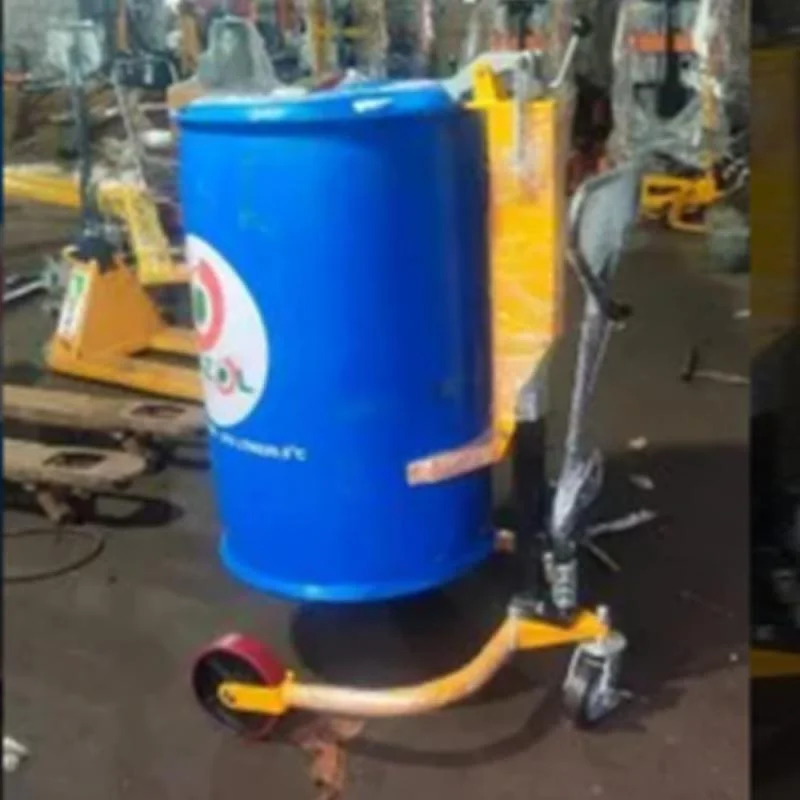
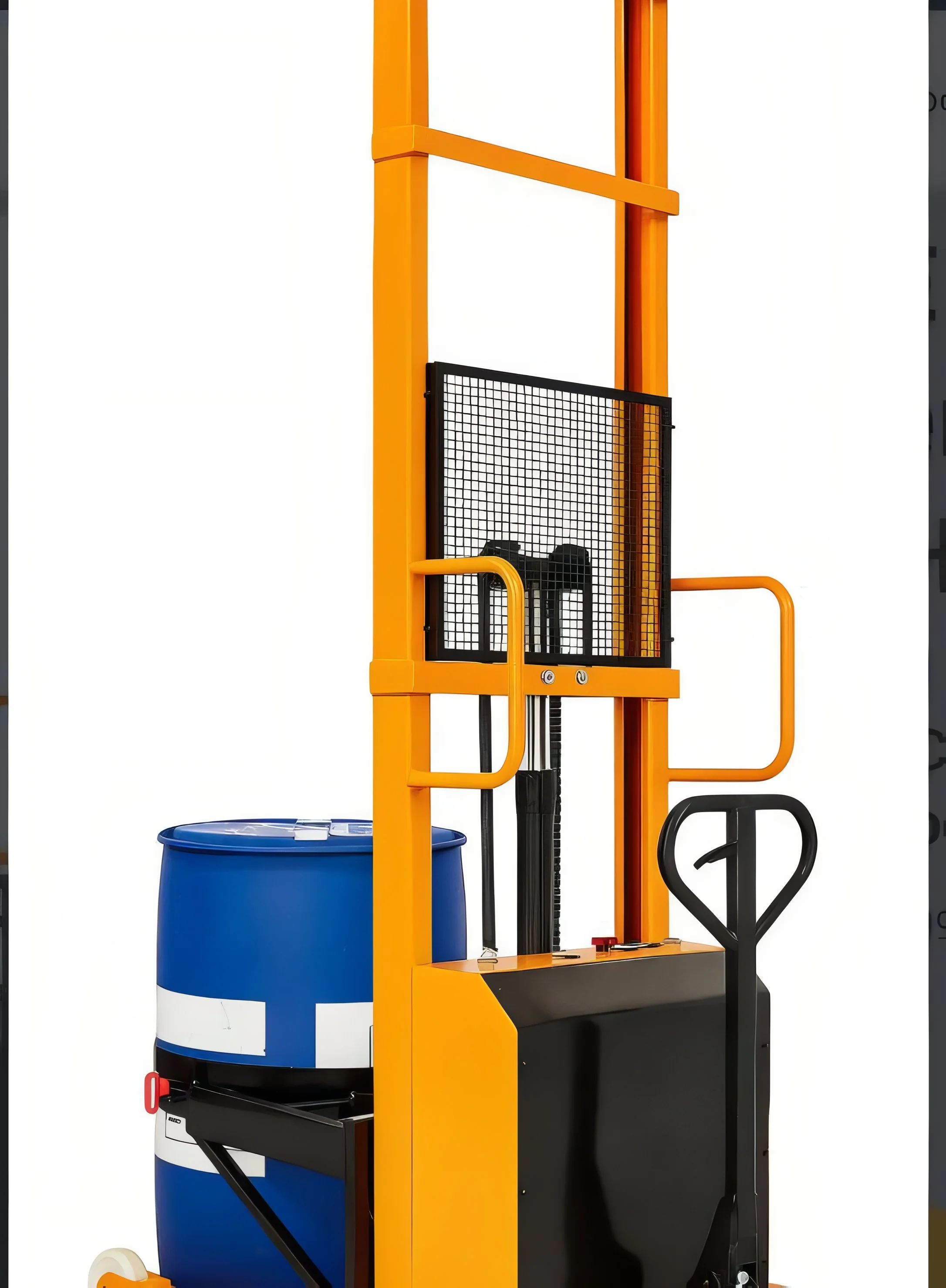
This variant features a hydraulic lifting mechanism that allows for easy elevation of heavy drums. It is ideal for environments where manual lifting is impractical, providing enhanced safety and efficiency.
𝗘𝗹𝗲𝗰𝘁𝗿𝗶𝗰 𝗗𝗿𝘂𝗺 𝗧𝗿𝗼𝗹𝗹𝗲𝘆
This equipment is powered by electricity, making it suitable for moving drums over longer distances with minimal human effort. It is designed for heavy-duty use, often found in large warehouses or manufacturing plants.
𝗠𝗮𝗻𝘂𝗮𝗹 𝗗𝗿𝘂𝗺 𝗖𝗿𝗮𝗱𝗹𝗲
A more straightforward solution, this variant allows operators to manually tilt and pour drums. It is ideal for smaller operations where automation is not necessary but safety remains a priority.
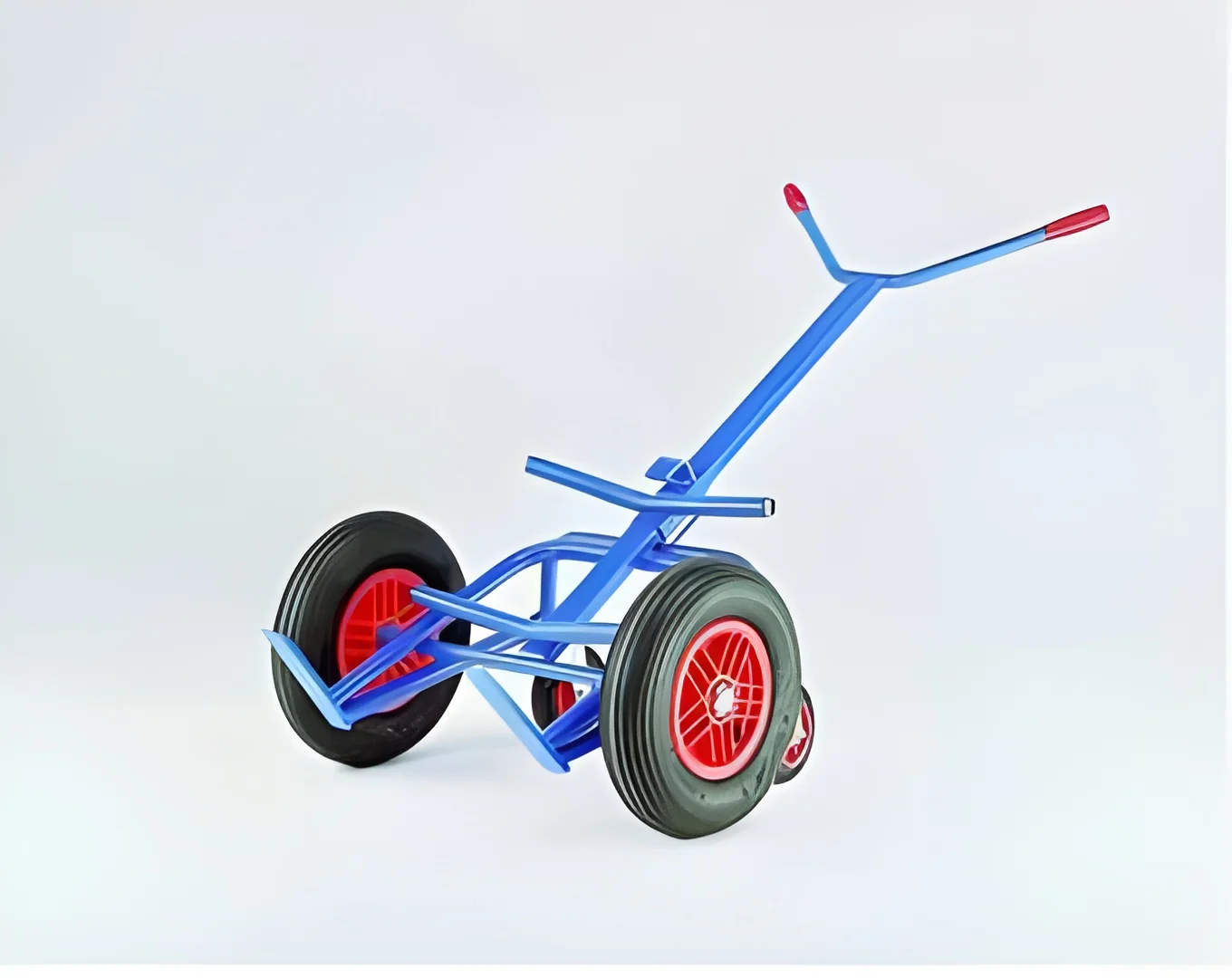
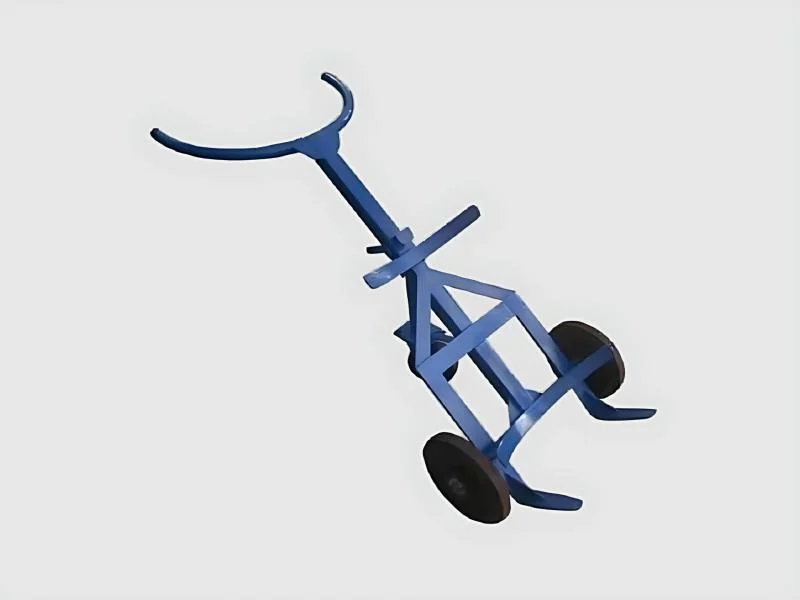
𝗗𝗿𝘂𝗺 𝗥𝗼𝗹𝗹𝗲𝗿
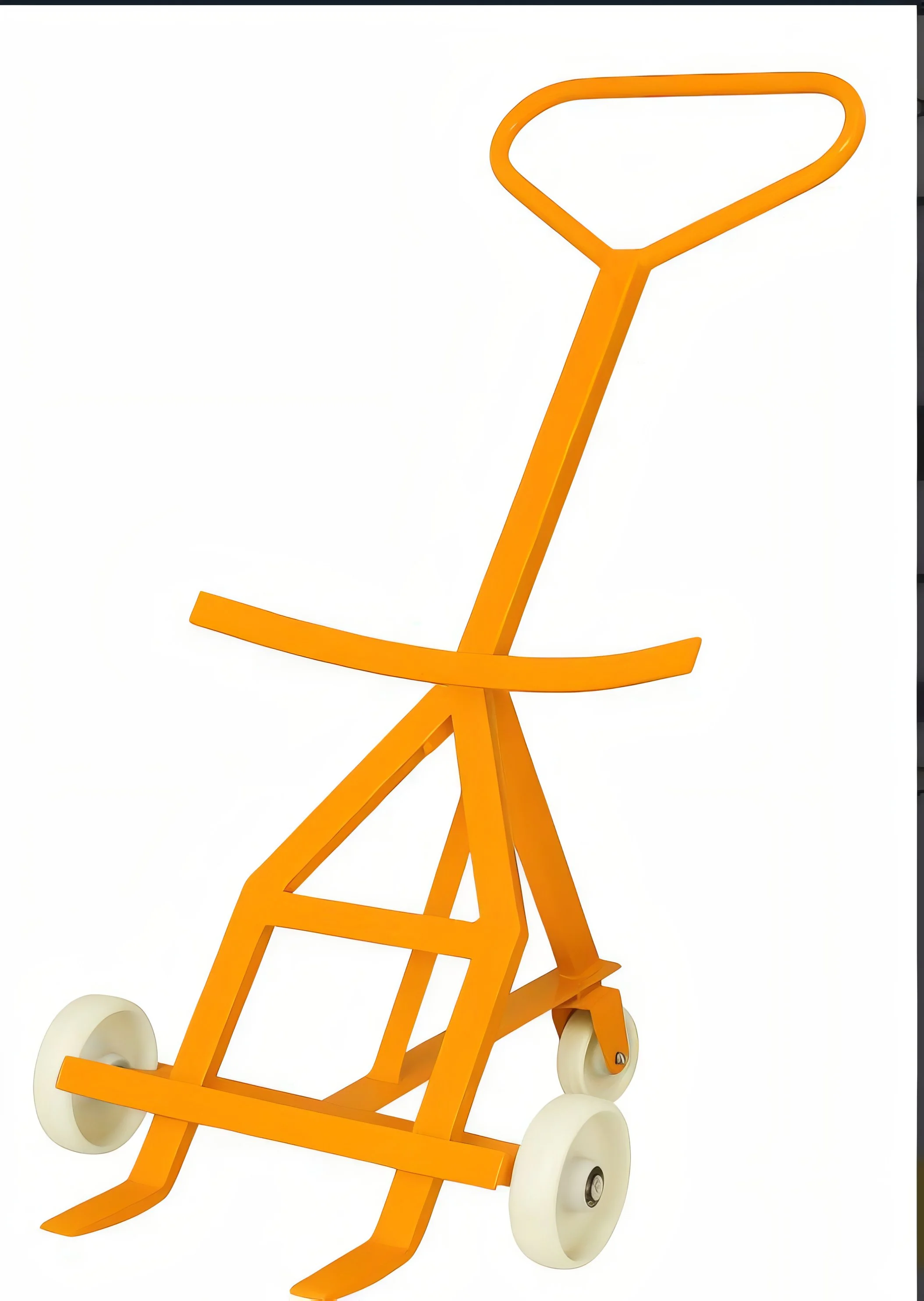
Designed for transporting drums over short distances, this equipment allows for easy movement and positioning. It is particularly useful in manufacturing and warehouse settings.
𝗕𝗲𝗻𝗲𝗳𝗶𝘁𝘀 𝗮𝗻𝗱 𝗔𝗱𝘃𝗮𝗻𝘁𝗮𝗴𝗲𝘀
Investing in drum handling equipment offers numerous benefits that can significantly enhance operational efficiency.
1. Improved Safety: The equipment minimizes the risk of workplace injuries associated with manual lifting and handling of heavy drums.
2. Increased Efficiency: Drum handling equipment streamlines the movement and positioning of drums, allowing for faster workflows and reduced downtime.
3. Enhanced Ergonomics: Designed with user comfort in mind, this equipment reduces strain on workers, promoting a healthier workplace.
4. Compliance with Regulations: Using specialized equipment helps businesses adhere to safety regulations, reducing liability and ensuring safe operations.
5. Versatility: Drum handling equipment can be used across various industries, making it a valuable investment for businesses with diverse needs.
6. Cost-Effectiveness: By reducing manual labor and increasing efficiency, drum handling equipment can lead to significant cost savings over time.
𝗕𝘂𝘆𝗶𝗻𝗴 𝗚𝘂𝗶𝗱𝗲 𝗳𝗼𝗿 𝗕𝟮𝗕 𝗕𝘂𝘆𝗲𝗿𝘀
When sourcing drum handling equipment, it is essential for businesses to consider several key factors to ensure a suitable purchase.
1. Quality Assessment: Evaluate the quality of materials and construction. Look for equipment that meets industry standards and has robust durability for long-term use.
2. Supplier Verification: Vet suppliers for their reputation and reliability. Check for reviews, certifications, and their history in the industry to ensure you are dealing with a trustworthy partner.
3. Pricing and MOQ: Understand the pricing structure and minimum order quantities. Compare prices across different suppliers to find competitive rates without compromising on quality.
4. Delivery and Lead Times: Inquire about logistics and expected delivery times. Timely delivery is crucial to maintain workflow in industrial operations.
5. Compliance Requirements: Ensure that the equipment meets necessary regulatory compliance standards specific to your industry. This includes safety certifications and quality assurance.
𝗖𝗼𝗺𝗽𝗹𝗶𝗮𝗻𝗰𝗲 𝗮𝗻𝗱 𝗖𝗲𝗿𝘁𝗶𝗳𝗶𝗰𝗮𝘁𝗶𝗼𝗻𝘀
Drum handling equipment is subject to various quality standards and certifications that ensure safety and reliability in industrial applications. Many manufacturers adhere to ISO 9001 standards, which focus on quality management systems. This certification ensures that products are consistently produced to meet customer expectations and regulatory requirements.
Additionally, equipment may also comply with HACCP (Hazard Analysis Critical Control Point) and GDP (Good Distribution Practices) standards, especially in industries like food and pharmaceuticals where safety is paramount. Compliance with these standards helps businesses mitigate risks associated with handling hazardous materials.
Moreover, many drum handling equipment products carry the CE certification, indicating that they meet European health, safety, and environmental protection standards. This certification is crucial for businesses operating in or exporting to European markets.
In regional contexts, compliance considerations may vary. Businesses should be aware of local regulations that pertain to equipment safety and handling procedures to ensure full compliance.
𝗪𝗵𝘆 𝗦𝗼𝘂𝗿𝗰𝗲 𝗗𝗿𝘂𝗺 𝗛𝗮𝗻𝗱𝗹𝗶𝗻𝗴 𝗘𝗾𝘂𝗶𝗽𝗺𝗲𝗻𝘁 𝗳𝗿𝗼𝗺 𝗣𝗲𝗽𝗮𝗴𝗼𝗿𝗮?
Pepagora offers a trusted platform for sourcing drum handling equipment, providing several key advantages for businesses seeking quality solutions.
Verified Supplier Network: Pepagora ensures that all listed suppliers undergo a thorough verification process. This guarantees that buyers can connect with credible and reliable manufacturers, reducing the risk of substandard products.
Streamlined RFQ Process: The platform features an efficient Request for Quotation (RFQ) system that allows buyers to easily request quotes from multiple suppliers. This process saves time and enables businesses to compare options quickly.
Trade Assurance and Support: Pepagora provides trade assurance to protect buyers, ensuring that they receive the products as described and within agreed timelines. This support offers peace of mind during the purchasing process.
Regional Coverage: With a strong presence in India, the GCC, and Southeast Asia, Pepagora offers broad geographic reach. This allows businesses from various regions to access quality drum handling equipment tailored to their specific needs.
Drum Handling Equipment refers to a range of tools and devices designed to facilitate the safe and efficient handling, lifting, transporting, and storing of drums, typically used in industrial settings. These equipments are essential for managing heavy drums containing liquids, chemicals, or other materials, ensuring safety and compliance with regulations.
2
What are the different types of Drum Handling Equipment?
The different types of Drum Handling Equipment include drum lifters, drum trolleys, drum trucks, drum dispensers, and drum rollers. Each type serves specific functions, such as lifting, transporting, or dispensing contents from drums, catering to various industrial needs.
3
How do I choose the right Drum Handling Equipment?
Choosing the right Drum Handling Equipment involves assessing the weight, size, and type of drums you will be handling, as well as the specific tasks you need to perform. Consider factors such as the equipment's lifting capacity, maneuverability, and safety features to ensure it meets your operational requirements.
4
What are the standard specifications for Drum Handling Equipment?
Standard specifications for Drum Handling Equipment typically include load capacity, dimensions, material construction, and safety features such as stability and grip. Compliance with relevant safety standards is also crucial to ensure that the equipment is reliable and effective for industrial use.
5
What is the price range for Drum Handling Equipment?
The price range for Drum Handling Equipment can vary widely based on the type, specifications, and manufacturer. Generally, prices may range from a few thousand to several tens of thousands of Indian Rupees, depending on the complexity and features of the equipment.
6
What quality standards apply to Drum Handling Equipment?
Quality standards for Drum Handling Equipment often include compliance with ISO certifications, ensuring durability and safety in industrial applications. Manufacturers may also adhere to specific national and international safety regulations to guarantee that their products meet industry requirements.
7
Where can I find Drum Handling Equipment suppliers in India?
Drum Handling Equipment suppliers can be found through various online B2B marketplaces, trade shows, and industrial supply companies in India. Platforms like Pepagora.com feature listings of reputable manufacturers and suppliers, making it easier to compare options and find suitable products.
8
Can Drum Handling Equipment be customized?
Yes, many manufacturers offer customization options for Drum Handling Equipment to meet specific requirements of businesses. Customization can include modifications in size, load capacity, or additional features tailored to unique operational needs.
9
What is the typical minimum order quantity for Drum Handling Equipment?
The typical minimum order quantity (MOQ) for Drum Handling Equipment can vary by supplier and product type. Generally, it can range from a single unit for standard items to larger quantities for bulk orders, depending on the manufacturer's policies.
10
What is the typical lead time for Drum Handling Equipment?
The typical lead time for Drum Handling Equipment depends on the supplier, the complexity of the order, and whether customization is required. Generally, lead times can range from a few days to several weeks, so it's advisable to confirm with the supplier during the ordering process.
Why Businesses Trust Pepagora
Thousands of companies trust Pepagora to source smarter and sell faster
Expand Your Sales Globally
25000+Products listed.Get discovered by global buyers

 IN
IN