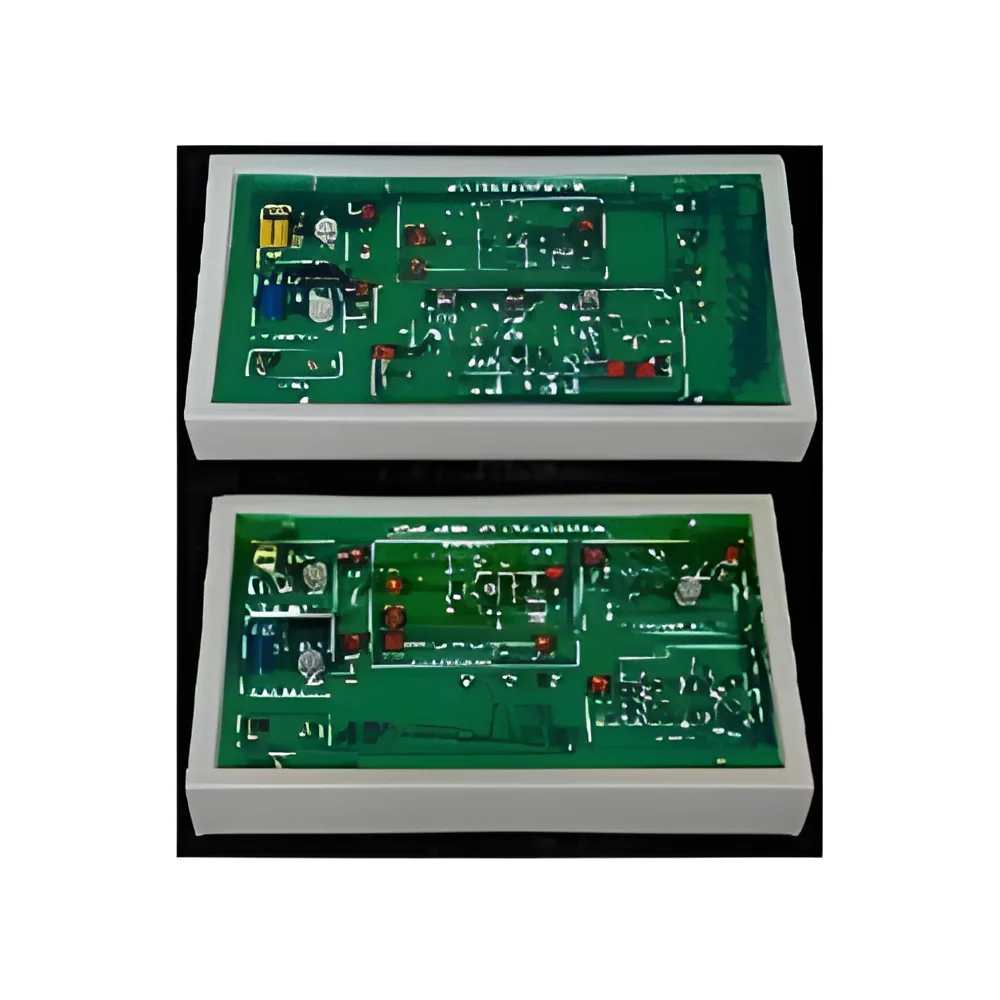
What are Electronic Control Units (ECUs)?
Electronic Control Units, commonly known as ECUs, are essential components in modern vehicles and various industrial applications. These units serve as the brain of the system, managing a wide range of functions by processing information from different sensors and actuators. ECUs are designed to optimize performance, enhance safety, and improve efficiency by controlling various vehicle functions, including engine management, transmission control, and environmental systems.
In business applications, ECUs are utilized across multiple sectors including automotive, aerospace, manufacturing, and automation. Their primary function is to collect data, interpret it, and execute commands based on predefined algorithms. This functionality is crucial for maintaining operational integrity and compliance with industry standards. The relevance of ECUs continues to grow as industries increasingly adopt automation and advanced technologies, driving the demand for sophisticated control systems in a competitive marketplace.
𝗞𝗲𝘆 𝗙𝗲𝗮𝘁𝘂𝗿𝗲𝘀 𝗮𝗻𝗱 𝗦𝗽𝗲𝗰𝗶𝗳𝗶𝗰𝗮𝘁𝗶𝗼𝗻𝘀
Electronic Control Units come equipped with various features that enhance their functionality and reliability. When selecting an ECU, it is important to understand these specifications to ensure they meet application requirements.
Key specifications include:
1. Processing Power
- ECUs typically feature microcontrollers with varying processing speeds to handle complex tasks.
- Common ranges include 16-bit, 32-bit, and 64-bit architectures.
2. Input/Output Interfaces
- These units offer multiple interfaces such as CAN, LIN, and Ethernet for seamless communication.
- Depending on the model, the number of I/O channels can range from a few to several dozen.
3. Operating Temperature
- ECUs are designed to operate within specific temperature ranges, ensuring reliability in diverse conditions.
- Standard temperature ranges are typically between -40°C to 85°C.
4. Memory Capacity
- Varying memory sizes are available, including RAM and flash memory for storing programs and data.
- Capacities can range from kilobytes to several megabytes.
5. Power Supply Requirements
- ECUs require specific voltage levels to function, commonly operating within 12V to 24V systems.
- Some models support low-power operation for energy-efficient applications.
6. Compliance with Standards
- Many ECUs adhere to industry standards such as ISO 26262 for functional safety.
- Compliance with CE certification ensures they meet European safety and environmental requirements.
7. Environmental Protection
- ECUs are often rated for protection against dust and moisture, with common ratings including IP65 and IP67.
- This rating ensures they can withstand harsh environmental conditions.
8. Customization Options
- Many manufacturers offer customizable ECUs to suit specific applications and performance needs.
- Custom features may include tailored firmware and specialized I/O configurations.
The range of features available in ECUs allows businesses to select units that best fit their operational needs and enhance their system performance.
𝗖𝗼𝗺𝗺𝗼𝗻 𝗔𝗽𝗽𝗹𝗶𝗰𝗮𝘁𝗶𝗼𝗻𝘀 𝗮𝗻𝗱 𝗨𝘀𝗲 𝗖𝗮𝘀𝗲𝘀
Electronic Control Units are integral to various industries, enabling automation and improved functionality in numerous applications.
1. Automotive Industry: ECUs are used in engine control, transmission systems, and safety features such as airbags and anti-lock braking systems.
2. Aerospace: In aircraft systems, ECUs manage flight control, navigation, and communication systems, ensuring safety and efficiency.
3. Manufacturing: ECUs play a critical role in automated machinery, handling tasks such as robotics control and production line monitoring.
4. Agriculture: In precision farming, ECUs are utilized in automated tractors and drones for monitoring and optimizing crop production.
5. Healthcare: Medical devices leverage ECUs for monitoring patient conditions and controlling therapeutic systems.
6. Home Automation: Smart home devices use ECUs to manage lighting, HVAC systems, and security features, enhancing convenience and energy efficiency.
7. Renewable Energy: In solar and wind energy systems, ECUs help regulate power output and monitor system health, contributing to sustainable energy solutions.
𝗣𝗿𝗼𝗱𝘂𝗰𝘁 𝗩𝗮𝗿𝗶𝗮𝗻𝘁𝘀 𝗮𝗻𝗱 𝗦𝘂𝗯𝗰𝗮𝘁𝗲𝗴𝗼𝗿𝗶𝗲𝘀
Electronic Control Units come in a variety of configurations to meet different operational needs.
Standard ECU
This variant typically features basic functions suitable for general automotive applications, focusing on engine management and transmission control.
Advanced ECU
These ECUs support more complex functionalities, including adaptive cruise control and advanced driver-assistance systems (ADAS), enhancing vehicle safety and performance.
Telematics ECU
Designed for connected vehicles, telematics ECUs manage data transmission for diagnostics, navigation, and real-time monitoring.
𝗕𝗲𝗻𝗲𝗳𝗶𝘁𝘀 𝗮𝗻𝗱 𝗔𝗱𝘃𝗮𝗻𝘁𝗮𝗴𝗲𝘀
The use of Electronic Control Units in various industries offers numerous advantages.
1. Enhanced Performance: ECUs optimize system functions, improving overall efficiency and productivity.
2. Increased Safety: By managing critical vehicle and machinery functions, ECUs help prevent accidents and ensure compliance with safety standards.
3. Flexibility: Many ECUs can be customized to fit specific needs, offering flexibility for diverse applications.
4. Data Management: ECUs facilitate data collection and analysis, providing insights for better decision-making and operational control.
5. Cost Efficiency: By improving system performance and reducing downtime, ECUs contribute to long-term cost savings.
6. Regulatory Compliance: Many ECUs are designed to meet industry standards and regulations, ensuring that businesses remain compliant.
𝗕𝘂𝘆𝗶𝗻𝗴 𝗚𝘂𝗶𝗱𝗲 𝗳𝗼𝗿 𝗕𝟮𝗕 𝗕𝘂𝘆𝗲𝗿𝘀
When sourcing Electronic Control Units, several factors must be considered to ensure the best fit for your needs.
1. Quality Assessment: Evaluate the quality of ECUs by reviewing manufacturer certifications and industry standards compliance to ensure reliability and performance.
2. Supplier Verification: Conduct thorough vetting of suppliers to ensure they have a proven track record of delivering high-quality products and services.
3. Pricing and MOQ: Understand the cost structure and minimum order quantities to align with your budget and purchasing strategy.
4. Delivery and Lead Times: Confirm logistics details to ensure that delivery timelines align with your project schedules.
5. Compliance Requirements: Make sure the ECUs meet all necessary regulatory and safety requirements relevant to your industry and application.
𝗖𝗼𝗺𝗽𝗹𝗶𝗮𝗻𝗰𝗲 𝗮𝗻𝗱 𝗖𝗲𝗿𝘁𝗶𝗳𝗶𝗰𝗮𝘁𝗶𝗼𝗻𝘀
Electronic Control Units must adhere to various quality and safety standards to ensure their reliability and performance in critical applications. Relevant quality standards include ISO 9001, which focuses on effective quality management systems, and ISO 26262, which specifically addresses functional safety in automotive applications.
Industry certifications such as CE indicate compliance with European health, safety, and environmental protection standards, providing assurance of product quality. Safety and testing requirements often involve rigorous evaluations to verify that ECUs can withstand operational stresses while maintaining functionality.
Regional compliance considerations may vary, necessitating an understanding of local regulations and standards to ensure that products are suitable for specific markets. Businesses should be diligent in sourcing ECUs that meet all necessary compliance criteria to minimize risks.
Why Source Electronic Control Units (ECUs) from Pepagora?
Pepagora offers a reliable platform for sourcing Electronic Control Units with several key advantages.
Verified Supplier Network: Our extensive network of verified suppliers ensures that businesses have access to high-quality ECUs from trusted manufacturers. This network helps minimize risks associated with sourcing and assures product reliability.
Streamlined RFQ Process: The request for quotation (RFQ) process on Pepagora is designed to be efficient and user-friendly, allowing buyers to quickly receive quotes and make informed purchasing decisions.
Trade Assurance and Support: We provide trade assurance and dedicated support to protect buyers throughout their sourcing journey, ensuring a smooth transaction process and addressing any concerns that may arise.
Regional Coverage: With a presence in key markets such as India, the GCC, and Southeast Asia, Pepagora offers extensive geographic reach, facilitating connections between buyers and suppliers across these regions. This coverage helps businesses tap into diverse markets and opportunities.
Electronic Control Units (ECUs) are embedded systems that control various functions in automotive and industrial applications. They process input from sensors and execute commands to manage operations such as engine performance, transmission, and safety systems.
2
What are the different types of Electronic Control Units (ECUs)?
There are several types of Electronic Control Units (ECUs), including Engine Control Units (ECUs), Transmission Control Units (TCUs), Body Control Modules (BCMs), and Safety Control Units (SCUs). Each type is designed to manage specific functions within a vehicle or machinery.
3
How do I choose the right Electronic Control Units (ECUs)?
To choose the right Electronic Control Units (ECUs), consider the application requirements, compatibility with existing systems, and the specific functionalities needed. Additionally, evaluate the manufacturer's reputation and the support they provide for installation and troubleshooting.
4
What are the standard specifications for Electronic Control Units (ECUs)?
Standard specifications for Electronic Control Units (ECUs) typically include operating voltage, communication protocols (such as CAN or LIN), processing speed, and memory capacity. Compliance with industry standards like ISO 26262 for functional safety is also crucial.
5
What is the price range for Electronic Control Units (ECUs)?
The price range for Electronic Control Units (ECUs) can vary greatly depending on the type, complexity, and manufacturer. Generally, prices can start from a few thousand Indian Rupees for basic models and go up to several lakhs for advanced ECUs with specialized features.
6
What quality standards apply to Electronic Control Units (ECUs)?
Electronic Control Units (ECUs) must adhere to various quality standards, including ISO/TS 16949 for automotive quality management and ISO 9001 for general quality assurance. These standards ensure reliability, safety, and performance in critical applications.
7
Where can I find Electronic Control Units (ECUs) suppliers in India?
You can find Electronic Control Units (ECUs) suppliers in India through B2B marketplaces like Pepagora, industry trade shows, and online directories. Researching manufacturers and checking customer reviews can also help identify reputable suppliers.
8
Can Electronic Control Units (ECUs) be customized?
Yes, Electronic Control Units (ECUs) can often be customized to meet specific application requirements. Customization may involve modifications to hardware, software, or both, depending on the needs of the project.
9
What is the typical minimum order quantity for Electronic Control Units (ECUs)?
The typical minimum order quantity (MOQ) for Electronic Control Units (ECUs) varies by manufacturer but is often around 50 to 100 units. Some suppliers may offer lower MOQs for standard models or prototyping purposes.
10
What is the typical lead time for Electronic Control Units (ECUs)?
The typical lead time for Electronic Control Units (ECUs) can range from a few weeks to several months, depending on factors such as the complexity of the unit, customization requirements, and the supplier's production capacity. It is advisable to confirm lead times with the supplier during the ordering process.
Why Businesses Trust Pepagora
Thousands of companies trust Pepagora to source smarter and sell faster
Expand Your Sales Globally
25000+Products listed.Get discovered by global buyers

 IN
IN