𝗪𝗵𝗮𝘁 𝗮𝗿𝗲 𝗘𝗹𝗲𝗰𝘁𝗿𝗼𝗻𝗶𝗰𝘀 𝗔𝘀𝘀𝗲𝗺𝗯𝗹𝘆 𝗔𝘂𝘁𝗼𝗺𝗮𝘁𝗶𝗼𝗻?
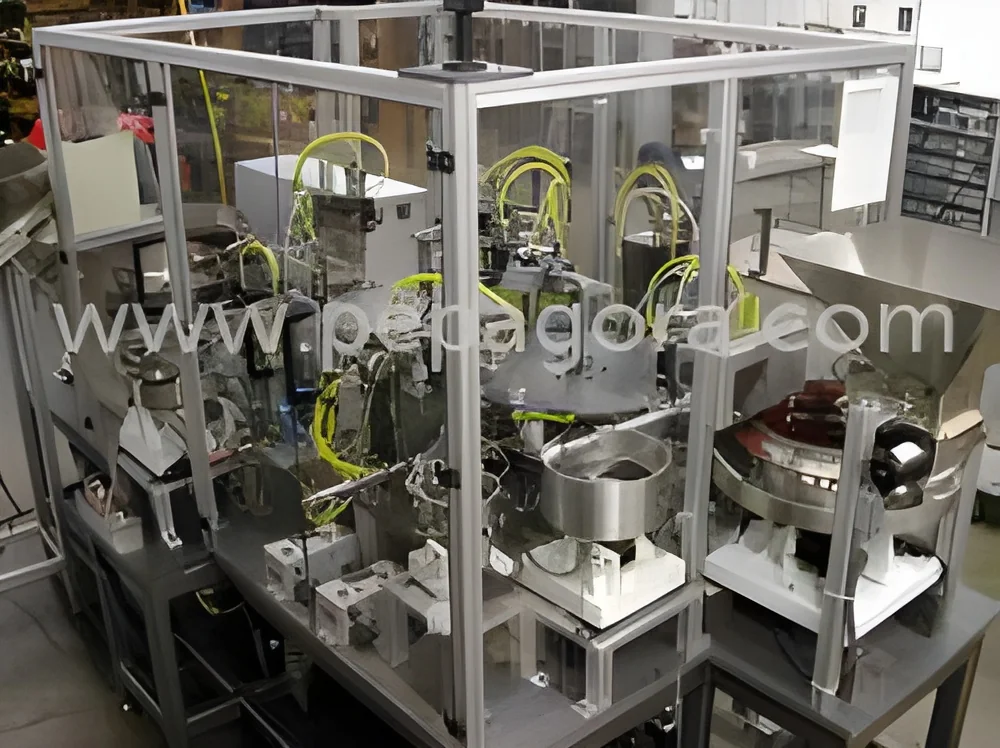
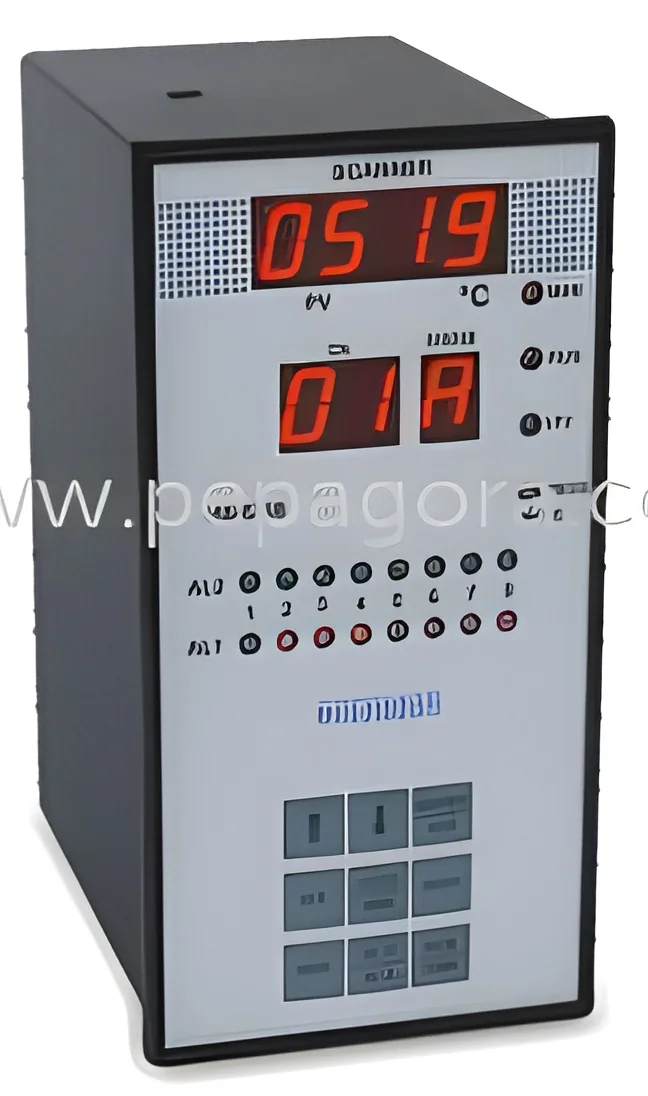
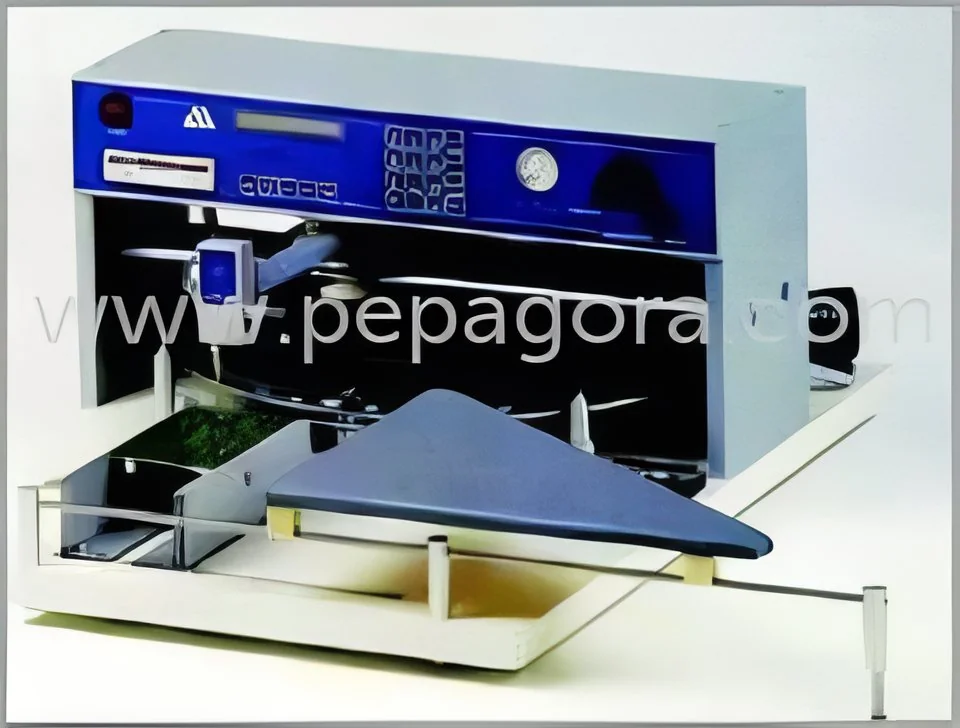
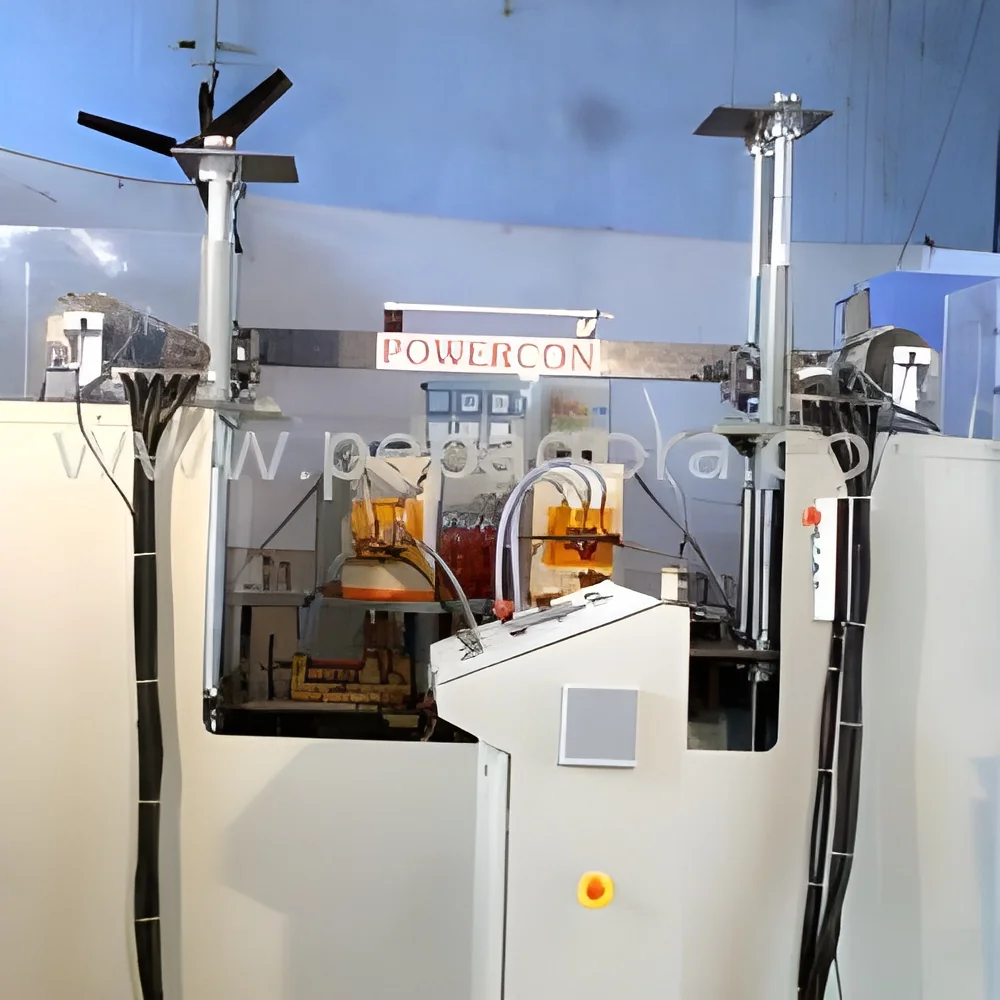
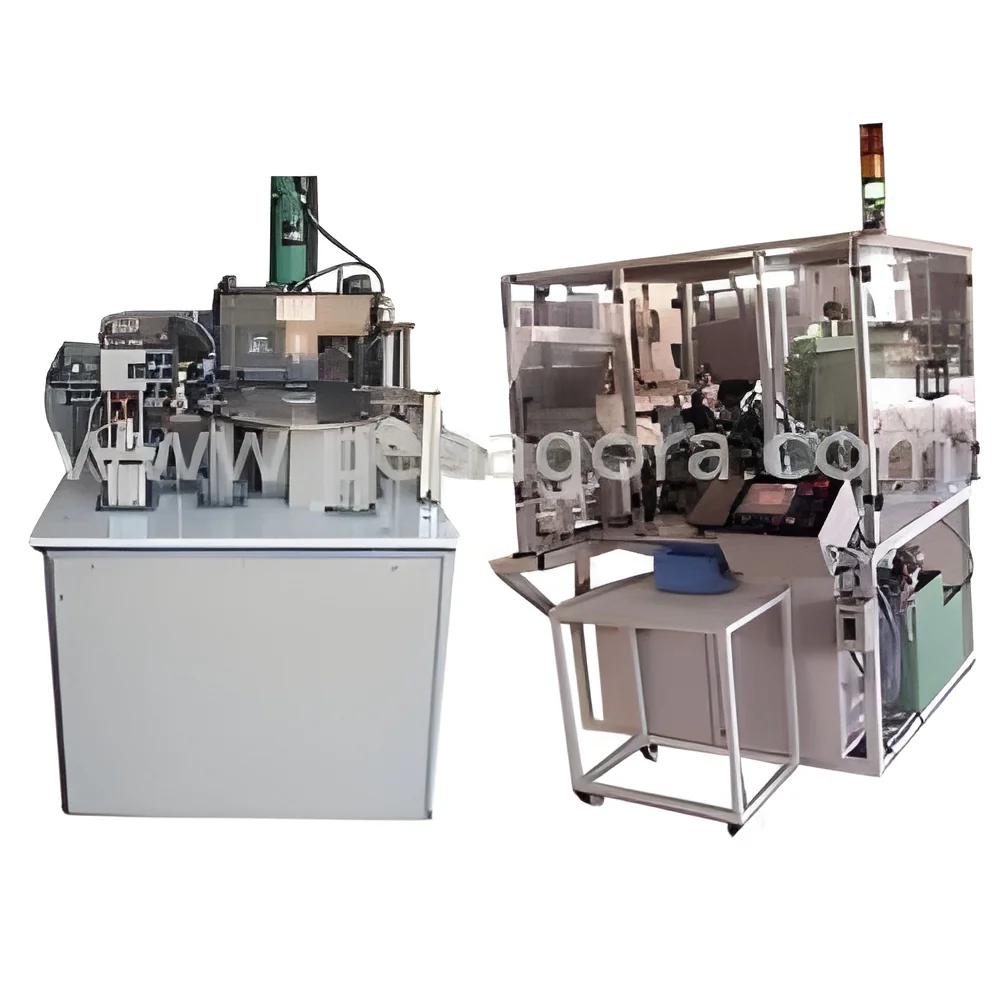
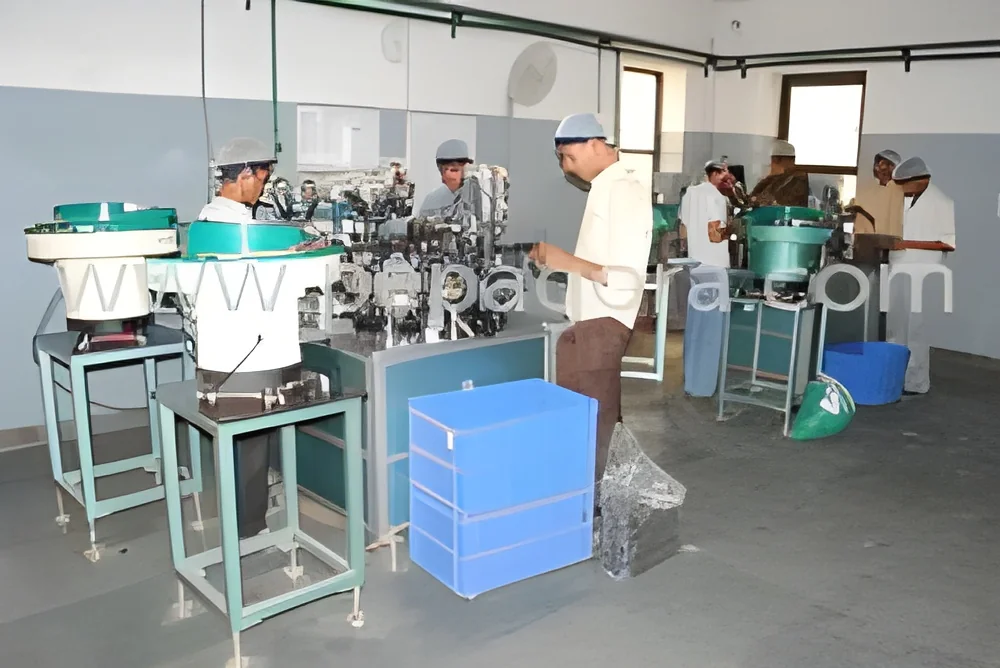
Electronics Assembly Automation refers to the use of automated systems and machines to assemble electronic components and devices. This technology streamlines the manufacturing process, reduces human error, and enhances productivity. By integrating robotics, conveyors, and advanced software, these systems can perform tasks such as soldering, component placement, and testing with high precision and speed.
The primary applications of Electronics Assembly Automation are found in industries such as consumer electronics, telecommunications, and automotive manufacturing. Businesses leverage these systems to improve efficiency and maintain quality while meeting the demands of mass production. The automation of assembly processes helps companies reduce labor costs and increase output, making it a vital component in modern manufacturing practices. With the growing trend towards smart factories and Industry 4.0, the relevance of Electronics Assembly Automation continues to rise, positioning it as a critical driver of innovation and competitiveness in the global market.
𝗞𝗲𝘆 𝗙𝗲𝗮𝘁𝘂𝗿𝗲𝘀 𝗮𝗻𝗱 𝗦𝗽𝗲𝗰𝗶𝗳𝗶𝗰𝗮𝘁𝗶𝗼𝗻𝘀
Electronics Assembly Automation systems offer a variety of features that enhance their functionality and reliability. These features are designed to meet the demands of diverse manufacturing environments.
Key specifications include:
1. Precision Placement
- Ensures accurate positioning of electronic components
- Typically within ±0.01 mm tolerance
2. Speed of Operation
- Capable of conducting multiple assembly tasks in a short timeframe
- Speeds can exceed 10,000 components per hour
3. Flexibility
- Supports various types of components and circuit layouts
- Easily reconfigurable for different product types
4. User Interface
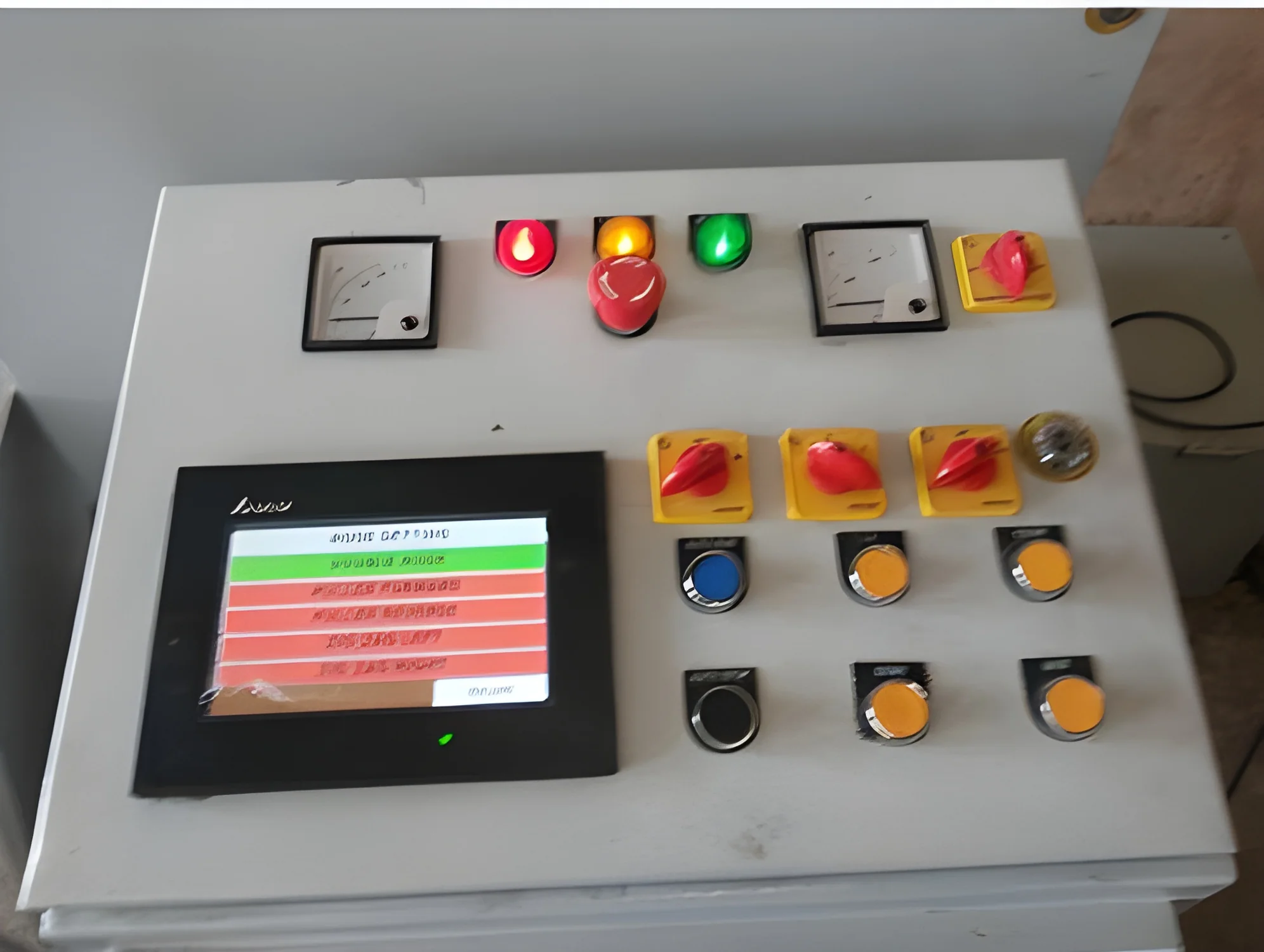
- Intuitive control systems for ease of operation
- Often includes touch-screen capabilities
5. Monitoring Capabilities
- Real-time performance tracking and diagnostics
- Alerts for maintenance needs or errors
6. Compact Design
- Space-efficient structures that fit into smaller production areas
- Modular options available for scalability
7. Energy Efficiency
- Lower energy consumption compared to traditional assembly methods
- Often designed to minimize waste
8. Safety Features
- Incorporates safety mechanisms to protect operators and equipment
- Compliance with industry safety standards
In summary, Electronics Assembly Automation systems combine advanced technology with user-friendly features to optimize production efficiency and accuracy.
𝗖𝗼𝗺𝗺𝗼𝗻 𝗔𝗽𝗽𝗹𝗶𝗰𝗮𝘁𝗶𝗼𝗻𝘀 𝗮𝗻𝗱 𝗨𝘀𝗲 𝗖𝗮𝘀𝗲𝘀
Electronics Assembly Automation is utilized across a wide range of industries. Each sector benefits from the efficiency and precision these systems provide.
1. Consumer Electronics: Used for assembling devices such as smartphones, tablets, and laptops, improving speed and quality in production.
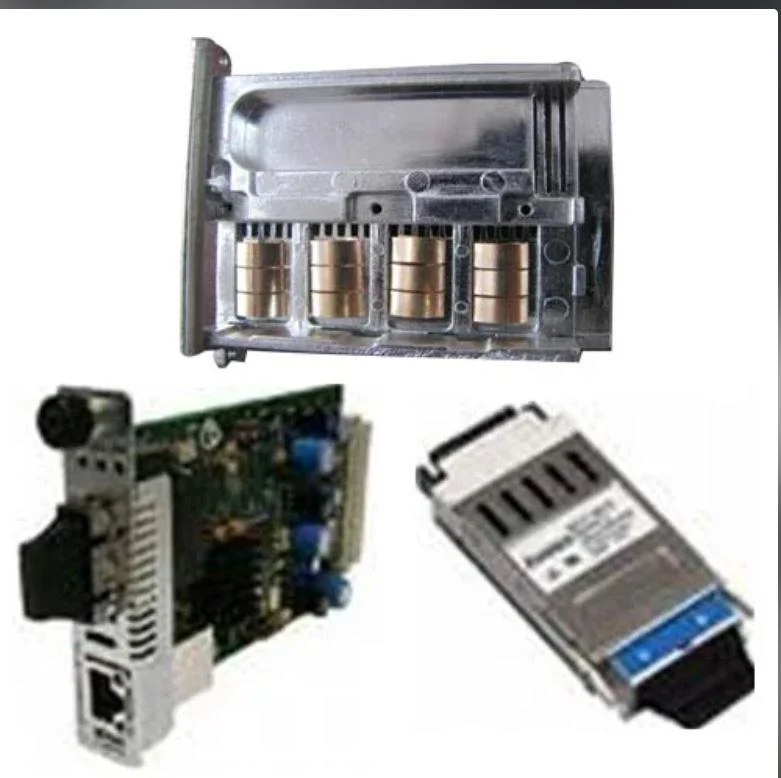
2. Telecommunications: Automated assembly lines create networking equipment and components with high reliability, essential for modern communication systems.
3. Automotive: Supports the production of electronic components in vehicles, such as control units and sensors, ensuring safety and performance standards.
4. Medical Devices: Automates the assembly of critical components in medical equipment, enhancing accuracy and compliance with health regulations.
5. Industrial Equipment: Facilitates the production of electronic controls for machinery, increasing operational efficiency and reducing downtime.
6. Aerospace: Ensures precise assembly of avionics and electronic systems, critical for safety and performance in aviation.
7. Defense: Automates the production of secure and reliable electronics for defense applications, maintaining high standards of quality.
𝗣𝗿𝗼𝗱𝘂𝗰𝘁 𝗩𝗮𝗿𝗶𝗮𝗻𝘁𝘀 𝗮𝗻𝗱 𝗦𝘂𝗯𝗰𝗮𝘁𝗲𝗴𝗼𝗿𝗶𝗲𝘀
Electronics Assembly Automation encompasses a diverse range of products tailored to specific manufacturing needs. Depending on the requirements, various variants are available.
Automated Pick and Place Systems
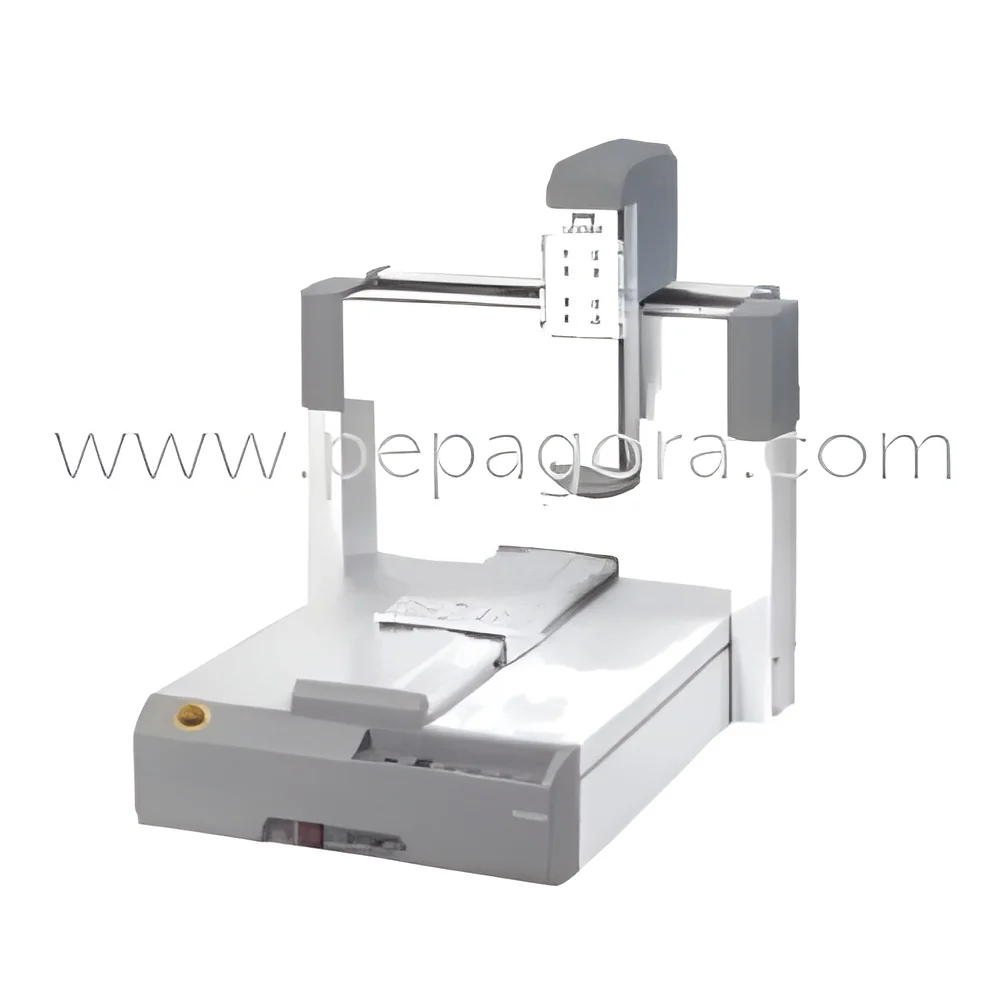
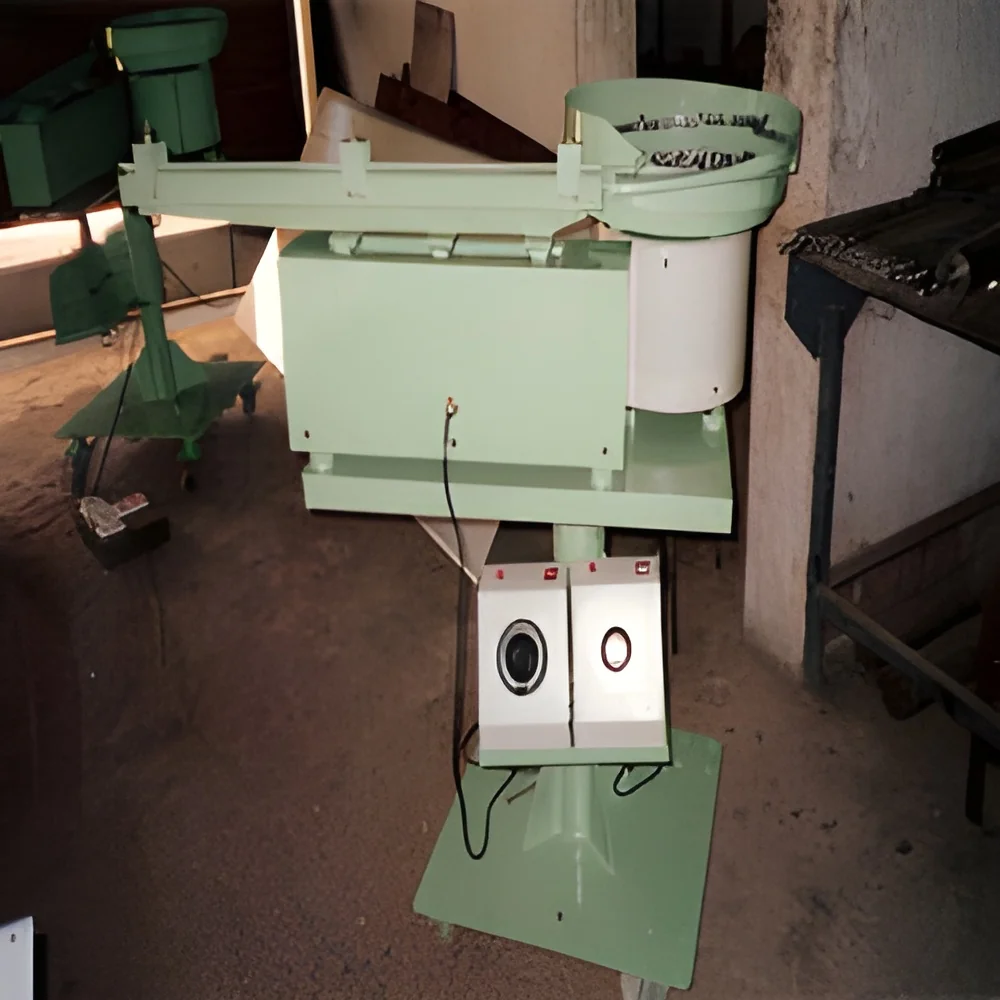
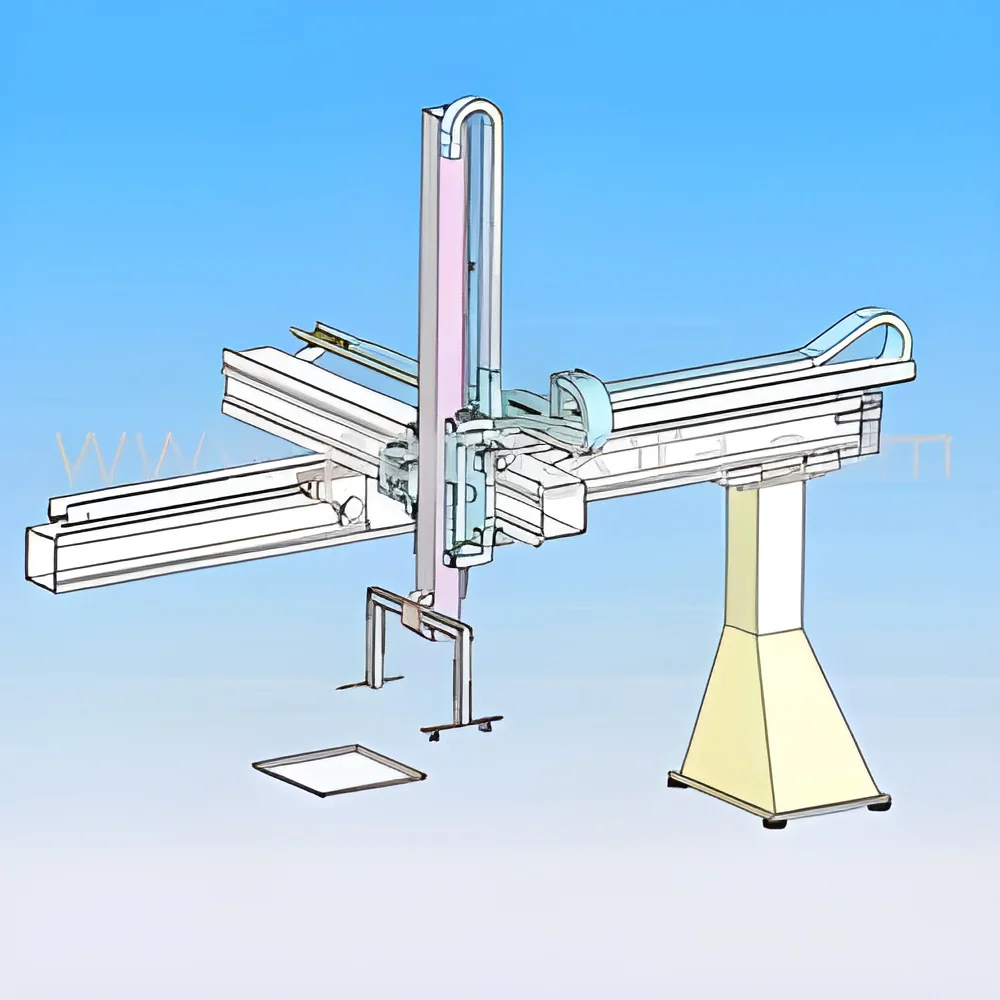
These systems are designed for precise placement of components onto printed circuit boards (PCBs). They feature high-speed operation and flexibility to accommodate different component types, making them ideal for high-volume manufacturing.
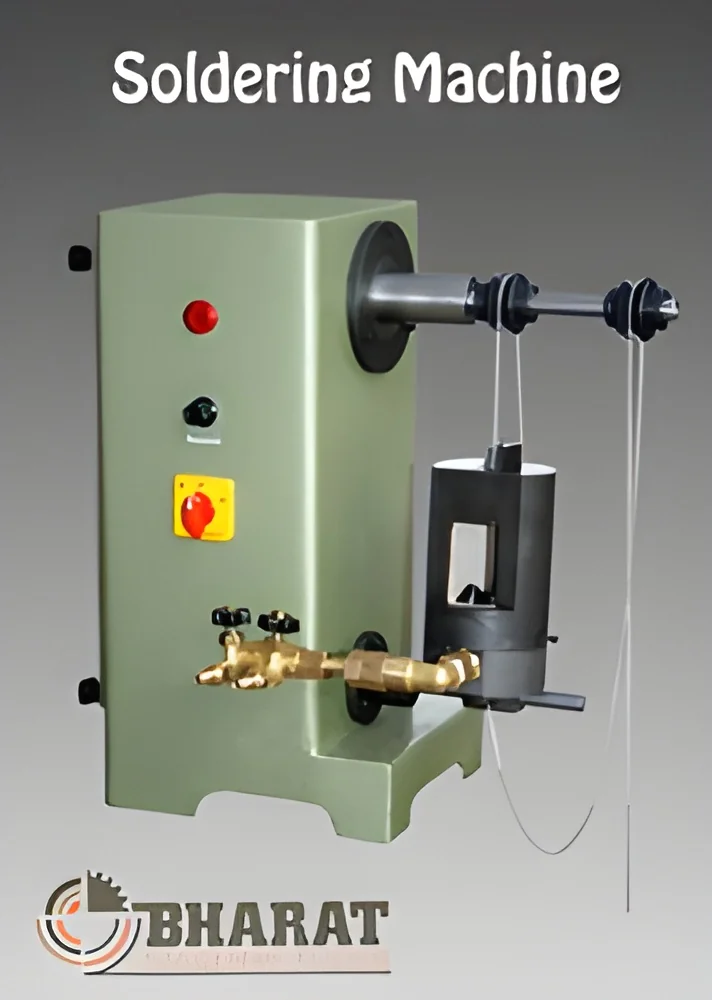
Soldering Robots
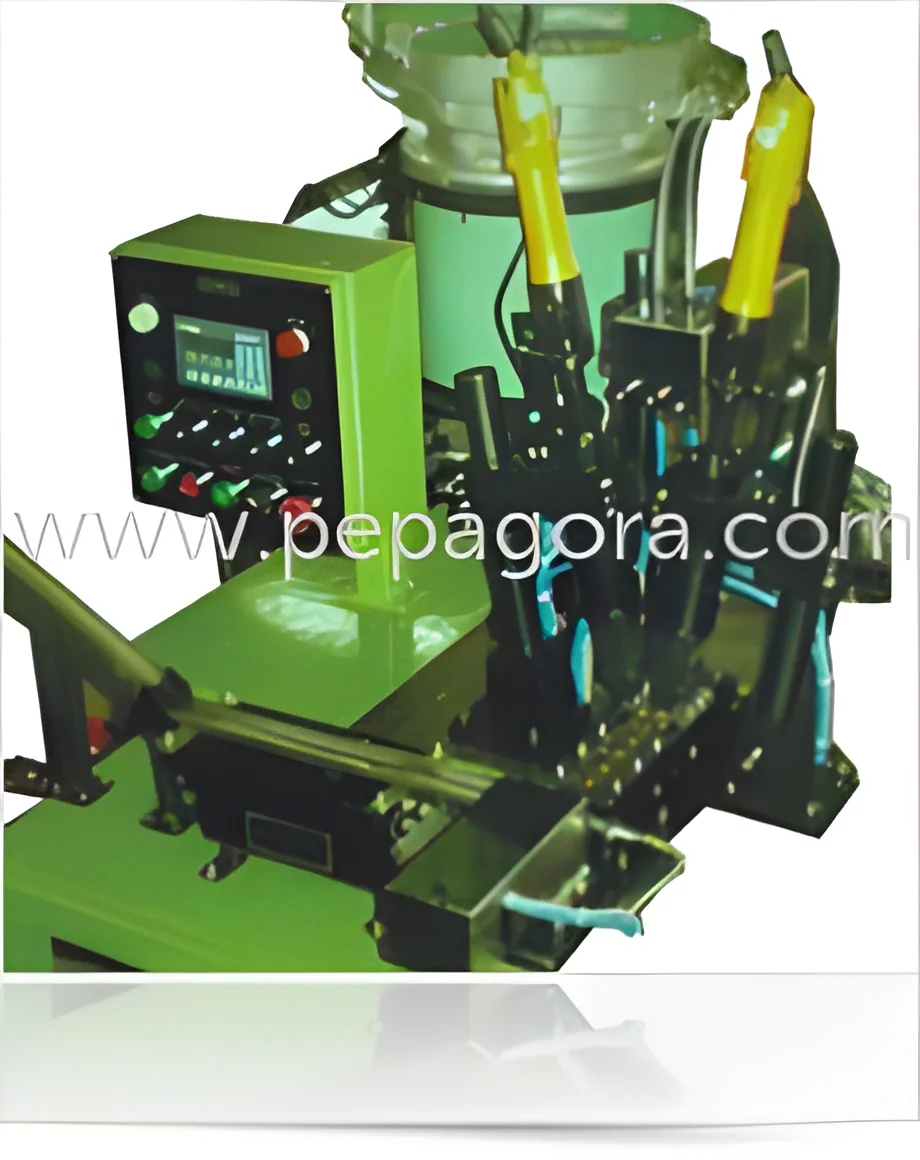
Specialized for soldering tasks, these robots can perform both wave and selective soldering. They ensure consistent quality and reduce the risk of defects in electronic assembly.
Conveyor Systems
Used to transport components and PCBs through different stages of the assembly process. They can be integrated with other automated systems to create a continuous workflow.
𝗕𝗲𝗻𝗲𝗳𝗶𝘁𝘀 𝗮𝗻𝗱 𝗔𝗱𝘃𝗮𝗻𝘁𝗮𝗴𝗲𝘀
The integration of Electronics Assembly Automation offers numerous advantages to businesses.
Key benefits include:
1. Increased Efficiency: Automation significantly speeds up the assembly process, allowing for greater production volumes.
2. Improved Quality: Enhanced precision reduces defects and ensures that electronic products meet quality standards consistently.
3. Cost Reduction: Lower labor costs and minimized waste contribute to overall cost savings in production.
4. Enhanced Flexibility: Automated systems can be reconfigured for different products, catering to changing market demands.
5. Real-time Monitoring: Advanced systems provide insights into production performance, enabling proactive maintenance and quick adjustments.
6. Safety Improvement: Automation reduces the risks associated with manual assembly, protecting workers and equipment.
𝗕𝘂𝘆𝗶𝗻𝗴 𝗚𝘂𝗶𝗱𝗲 𝗳𝗼𝗿 𝗕𝟮𝗕 𝗕𝘂𝘆𝗲𝗿𝘀
When considering Electronics Assembly Automation, several key factors should be taken into account to ensure a successful investment.
1. Quality Assessment: Evaluate the quality standards of the equipment, including reliability and precision. Look for systems that comply with recognized industry standards.
2. Supplier Verification: Vet potential suppliers by checking their credentials, track record, and customer reviews to ensure they are reputable.
3. Pricing and MOQ: Understand the pricing structure and minimum order quantities to align with your budget and production needs.
4. Delivery and Lead Times: Consider logistics and the time frame for delivery to ensure timely implementation in your production line.
5. Compliance Requirements: Be aware of regulatory standards that the equipment must meet, including safety and environmental regulations.
𝗖𝗼𝗺𝗽𝗹𝗶𝗮𝗻𝗰𝗲 𝗮𝗻𝗱 𝗖𝗲𝗿𝘁𝗶𝗳𝗶𝗰𝗮𝘁𝗶𝗼𝗻𝘀
Compliance with industry standards and certifications is essential for Electronics Assembly Automation systems.
Relevant quality standards such as ISO 9001 ensure that manufacturers maintain an effective quality management system. This standard applies to organizations involved in the production of automated assembly equipment.
Additionally, industry certifications like CE demonstrate that the products meet European safety, health, and environmental protection standards. This is crucial for manufacturers aiming to sell their products in the European market.
Safety and testing requirements are also vital, ensuring that the automated systems operate safely and efficiently. Regular testing ensures compliance with operational standards, minimizing risks in production environments.
Finally, regional compliance considerations may vary, so it is important to understand local regulations that apply to automated assembly systems in your specific market.
𝗪𝗵𝘆 𝗦𝗼𝘂𝗿𝗰𝗲 𝗘𝗹𝗲𝗰𝘁𝗿𝗼𝗻𝗶𝗰𝘀 𝗔𝘀𝘀𝗲𝗺𝗯𝗹𝘆 𝗔𝘂𝘁𝗼𝗺𝗮𝘁𝗶𝗼𝗻 𝗳𝗿𝗼𝗺 𝗣𝗲𝗽𝗮𝗴𝗼𝗿𝗮?
Pepagora is a trusted platform for sourcing Electronics Assembly Automation, offering several key advantages to B2B buyers.
Verified Supplier Network: Pepagora connects buyers with a network of verified suppliers, ensuring that you can source quality equipment from reputable manufacturers. This verification process helps mitigate risks associated with sourcing.
Streamlined RFQ Process: The platform features an efficient request-for-quotation (RFQ) system, allowing buyers to receive competitive quotes quickly. This simplifies the sourcing process and saves valuable time.
Trade Assurance and Support: Pepagora provides trade assurance and support to buyers, ensuring that your transactions are secure and that you receive the necessary assistance throughout the purchasing process.
Regional Coverage: With a focus on markets such as India, the GCC, and Southeast Asia, Pepagora offers extensive regional coverage. This allows businesses to access local suppliers while benefiting from a wide variety of options tailored to their specific needs.
Electronics Assembly Automation refers to the use of automated machinery and systems to assemble electronic components and devices. This process enhances efficiency, reduces manual labor, and improves accuracy in the manufacturing of electronic products.
2
What are the different types of Electronics Assembly Automation?
There are several types of Electronics Assembly Automation, including pick-and-place machines, soldering machines, and automated testing equipment. Each type serves a unique function in the assembly process, allowing for streamlined production and increased output.
3
How do I choose the right Electronics Assembly Automation?
When selecting Electronics Assembly Automation, consider factors such as production volume, the complexity of the assembly process, and the types of components involved. Additionally, evaluating the reliability and support offered by the manufacturer can also influence your decision.
4
What are the standard specifications for Electronics Assembly Automation?
Standard specifications for Electronics Assembly Automation may include speed (measured in components per hour), accuracy (such as positioning tolerance), and compatibility with different component sizes and types. It's essential to verify these specifications against your production needs.
5
What is the price range for Electronics Assembly Automation?
The price range for Electronics Assembly Automation can vary widely depending on the complexity and capabilities of the equipment. Generally, prices can start from a few thousand dollars for basic machines and can exceed hundreds of thousands for advanced systems.
6
What quality standards apply to Electronics Assembly Automation?
Quality standards for Electronics Assembly Automation often include ISO 9001 and IPC standards, which ensure that processes and products meet certain quality benchmarks. Compliance with these standards is crucial for maintaining product reliability and safety.
7
Where can I find Electronics Assembly Automation suppliers in India?
Electronics Assembly Automation suppliers in India can be found through online marketplaces like Pepagora.com, industry trade shows, and manufacturer directories. It's advisable to review supplier credentials and customer feedback before making a selection.
8
Can Electronics Assembly Automation be customized?
Yes, many manufacturers offer customization options for Electronics Assembly Automation to meet specific production needs. Customizations can include modifications to the machine's functionality, size, or integration with existing systems.
9
What is the typical minimum order quantity for Electronics Assembly Automation?
The typical minimum order quantity (MOQ) for Electronics Assembly Automation varies by supplier and the type of equipment. It can range from a single unit for standard machines to larger quantities for customized solutions.
10
What is the typical lead time for Electronics Assembly Automation?
The typical lead time for Electronics Assembly Automation can vary based on the manufacturer's production schedule and the complexity of the order. Generally, lead times can range from a few weeks to several months, especially for customized equipment.
Why Businesses Trust Pepagora
Thousands of companies trust Pepagora to source smarter and sell faster
Expand Your Sales Globally
25000+Products listed.Get discovered by global buyers

 IN
IN