𝗪𝗵𝗮𝘁 𝗮𝗿𝗲 𝗘𝗹𝗲𝗰𝘁𝗿𝗼𝘀𝘂𝗿𝗴𝗶𝗰𝗮𝗹 𝗨𝗻𝗶𝘁𝘀?
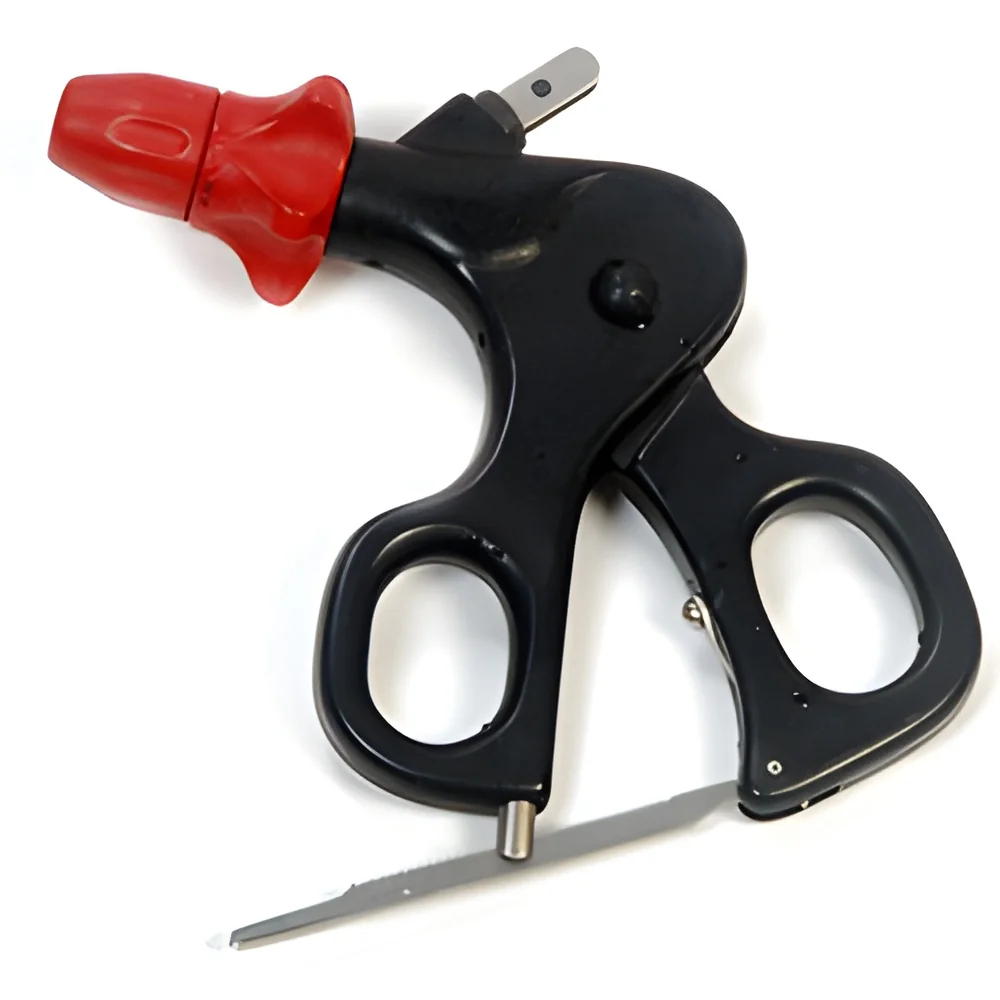
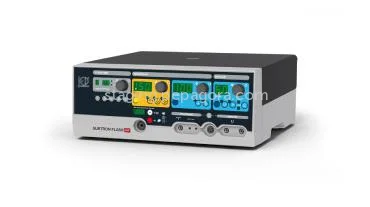
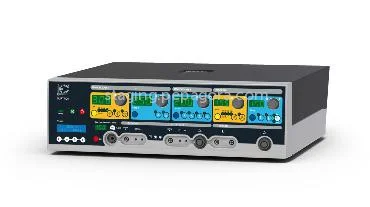
Electrosurgical units (ESUs) are sophisticated medical devices that utilize high-frequency electrical currents to cut, coagulate, or desiccate tissue during surgical procedures. These units convert electrical energy into thermal energy, enabling precise surgical interventions with minimal blood loss and reduced tissue damage. ESUs are essential tools in various medical fields, including general surgery, gynecology, urology, and otolaryngology.
The primary applications of electrosurgical units include surgical cutting, coagulation of blood vessels, and tissue ablation. Surgeons depend on these devices for their efficiency in creating incisions and ensuring hemostasis. By controlling the depth and extent of tissue interaction, ESUs enhance surgical outcomes and improve patient recovery times. The market for electrosurgical units is expanding, driven by advancements in technology and increasing surgical procedures worldwide.
𝗞𝗲𝘆 𝗙𝗲𝗮𝘁𝘂𝗿𝗲𝘀 𝗮𝗻𝗱 𝗦𝗽𝗲𝗰𝗶𝗳𝗶𝗰𝗮𝘁𝗶𝗼𝗻𝘀
Electrosurgical units come with various features that enhance their functionality and usability in the surgical environment. These features vary by model and manufacturer, but key specifications typically include:
1. Output Power
- The maximum output power determines the unit's efficiency in cutting and coagulating tissue.
- Common ranges are from 100 to 500 watts, depending on the surgical application.
2. Modes of Operation
- Electrosurgical units often provide multiple modes such as cut, coagulation, blend, and desiccation.
- This variety allows surgeons to choose the appropriate mode for specific surgical tasks.
3. Frequency
- The operating frequency affects tissue interaction and cutting precision.
- Typical frequencies range from 300 kHz to 3 MHz.
4. Safety Features
- Advanced ESUs include safety mechanisms like automatic shut-off, ground fault interruption, and alerts for faulty connections.
- These features are essential to ensure patient safety during procedures.
5. Display and Controls
- User-friendly interfaces with digital displays facilitate easy operation.
- Controls may include foot pedals or handheld devices for surgical precision.
6. Portability
- Many modern electrosurgical units are designed to be lightweight and portable.
- This is particularly beneficial for surgical teams that require flexibility in different operating rooms.
7. Compatibility
- Electrosurgical units should be compatible with various surgical instruments and accessories.
- This ensures that they can be integrated into existing surgical workflows.
In summary, electrosurgical units are versatile devices that combine advanced technology with essential safety features, making them indispensable in modern surgical practices.
𝗖𝗼𝗺𝗺𝗼𝗻 𝗔𝗽𝗽𝗹𝗶𝗰𝗮𝘁𝗶𝗼𝗻𝘀 𝗮𝗻𝗱 𝗨𝘀𝗲 𝗖𝗮𝘀𝗲𝘀
Electrosurgical units are utilized across a range of medical specialties due to their effectiveness and precision.
1. General Surgery: In general surgical procedures, ESUs are employed for cutting tissue and controlling bleeding, resulting in less postoperative pain and quicker recovery times.
2. Gynecology: Electrosurgical units are commonly used in gynecological surgeries, such as laparoscopic procedures, to remove fibroids or perform hysterectomies with minimal blood loss.
3. Urology: In urology, these units facilitate procedures like kidney stone removal or prostate surgeries, where precise cutting and coagulation are crucial.
4. Dermatology: Electrosurgery is a popular method for removing skin lesions and warts, allowing for quick and effective treatment with minimal scarring.
5. ENT Procedures: In otolaryngology, ESUs assist in surgeries involving the ear, nose, and throat by providing precise tissue cutting and coagulation capabilities.
6. Plastic Surgery: Electrosurgical units are used in cosmetic surgeries to contour and reshape tissues while minimizing the risk of complications.
7. Cardiology: In certain cardiac procedures, these units help in the removal of abnormal tissues or repair of heart structures through precise electrosurgical techniques.
𝗣𝗿𝗼𝗱𝘂𝗰𝘁 𝗩𝗮𝗿𝗶𝗮𝗻𝘁𝘀 𝗮𝗻𝗱 𝗦𝘂𝗯𝗰𝗮𝘁𝗲𝗴𝗼𝗿𝗶𝗲𝘀
Electrosurgical units come in various types to cater to different surgical needs. While specific subcategories may not be available, the diversity in features and applications allows for tailored solutions.
Compact Electrosurgical Units: These models are designed for outpatient settings and smaller surgical procedures. They offer essential features while being space-efficient and portable.
High-Power Electrosurgical Units: Engineered for larger surgeries, these units provide higher wattage and advanced modes of operation, making them suitable for complex surgical tasks.
Multifunctional Electrosurgical Units: These devices combine various surgical functions into one unit, allowing for versatility in the operating room. They often include capabilities for cutting, coagulating, and even laser functions.
𝗕𝗲𝗻𝗲𝗳𝗶𝘁𝘀 𝗮𝗻𝗱 𝗔𝗱𝘃𝗮𝗻𝘁𝗮𝗴𝗲𝘀
Electrosurgical units offer numerous benefits that enhance surgical procedures and outcomes.
1. Precision Cutting: The ability to make exact incisions with minimal collateral damage reduces recovery times and improves patient satisfaction.
2. Reduced Blood Loss: By coagulating blood vessels during cutting, ESUs significantly lower the risk of excessive bleeding, which is critical during surgery.
3. Faster Procedures: The efficiency of electrosurgical units streamlines surgical processes, enabling quicker interventions and shorter overall procedure times.
4. Versatility: With multiple modes of operation, these units can adapt to various surgical needs, making them valuable tools for diverse medical specialties.
5. Improved Safety: Advanced safety features protect both patients and surgical teams, reducing the likelihood of complications during procedures.
6. Cost-Effectiveness: By enhancing surgical efficiency and reducing recovery time, electrosurgical units can lead to lower overall healthcare costs.
𝗕𝘂𝘆𝗶𝗻𝗴 𝗚𝘂𝗶𝗱𝗲 𝗳𝗼𝗿 𝗕𝟮𝗕 𝗕𝘂𝘆𝗲𝗿𝘀
When sourcing electrosurgical units for your medical facility, several factors should be considered to ensure you make an informed purchase.
1. Quality Assessment: Evaluate the quality of the electrosurgical unit based on manufacturer reputation, product reviews, and compliance with industry standards.
2. Supplier Verification: Ensure the supplier has a track record of reliability and quality. Request references or certifications to verify their credibility.
3. Pricing and MOQ: Understand the pricing structure and minimum order quantities (MOQ). Compare costs between different suppliers to find the best value.
4. Delivery and Lead Times: Inquire about delivery schedules and lead times. Timely delivery is crucial for maintaining surgical schedules.
5. Compliance Requirements: Ensure that the electrosurgical units meet regional compliance standards and certifications, such as CE marking, to guarantee safety and efficacy.
𝗖𝗼𝗺𝗽𝗹𝗶𝗮𝗻𝗰𝗲 𝗮𝗻𝗱 𝗖𝗲𝗿𝘁𝗶𝗳𝗶𝗰𝗮𝘁𝗶𝗼𝗻𝘀
Compliance with industry standards and regulations is critical for electrosurgical units. Key quality standards include ISO 9001, which outlines requirements for a quality management system, ensuring consistent product quality and safety.
Additionally, industry certifications such as CE mark indicate that the product meets European health and safety standards. This certification is essential for market acceptance in Europe and other regions.
Safety and testing requirements are also paramount, as electrosurgical units must undergo rigorous testing to ensure they operate safely and effectively in surgical environments. Regional compliance considerations vary, so it is crucial for manufacturers to adhere to local regulations governing medical devices.
𝗪𝗵𝘆 𝗦𝗼𝘂𝗿𝗰𝗲 𝗘𝗹𝗲𝗰𝘁𝗿𝗼𝘀𝘂𝗿𝗴𝗶𝗰𝗮𝗹 𝗨𝗻𝗶𝘁𝘀 𝗳𝗿𝗼𝗺 𝗣𝗲𝗽𝗮𝗴𝗼𝗿𝗮?
Pepagora is an established platform for sourcing electrosurgical units, offering a range of advantages for B2B buyers.
Verified Supplier Network: Pepagora connects buyers with verified suppliers, ensuring that all listed manufacturers meet strict quality and safety standards. This network enhances buyer confidence in sourcing decisions.
Streamlined RFQ Process: The request for quotation (RFQ) process on Pepagora is designed to be user-friendly, allowing buyers to easily compare options and receive competitive pricing from multiple suppliers.
Trade Assurance and Support: Pepagora provides trade assurance, protecting buyers through secure transactions and support. This feature ensures peace of mind when making significant purchases.
Regional Coverage: With a focus on markets in India, the GCC, and Southeast Asia, Pepagora offers extensive regional coverage, making it easy for buyers to find local suppliers that meet their needs.
By choosing Pepagora, buyers can navigate the complex landscape of electrosurgical unit sourcing with confidence and ease.
Electrosurgical Units (ESUs) are medical devices that use high-frequency electrical currents to cut tissue and coagulate blood during surgical procedures. They enhance the precision of surgical operations and minimize bleeding, thereby improving patient outcomes.
2
What are the different types of Electrosurgical Units?
The main types of Electrosurgical Units include monopolar, bipolar, and hybrid systems. Monopolar units use a single active electrode to deliver current, while bipolar units have both the active and return electrodes on the same instrument. Hybrid systems combine features of both types for versatile applications.
3
How do I choose the right Electrosurgical Units?
When selecting an Electrosurgical Unit, consider factors such as the specific surgical applications, the type of procedures performed, and the compatibility with existing instruments. Additionally, evaluate the power output, available modes of operation, and user interface for ease of use.
4
What are the standard specifications for Electrosurgical Units?
Standard specifications for Electrosurgical Units typically include power output range, frequency settings, safety features, and the type of cutting/coagulation modes available. Most units comply with international safety standards to ensure patient and operator safety.
5
What is the price range for Electrosurgical Units?
The price range for Electrosurgical Units can vary significantly based on features and functionality, typically falling between INR 30,000 to INR 5,00,000. It is advisable to compare options from multiple suppliers to find the best fit for your budget and requirements.
6
What quality standards apply to Electrosurgical Units?
Electrosurgical Units must comply with various quality standards, including ISO 13485 for medical devices and IEC 60601 for electrical safety. These standards ensure that the devices are safe, effective, and manufactured under strict quality control measures.
7
Where can I find Electrosurgical Units suppliers in India?
You can find Electrosurgical Units suppliers in India through B2B marketplaces like Pepagora.com, trade shows, and industry directories. It is beneficial to review supplier credentials and customer feedback to ensure reliability.
8
Can Electrosurgical Units be customized?
Yes, many manufacturers offer customization options for Electrosurgical Units to meet specific surgical needs. Customizations can include tailored features, specific power settings, and additional safety mechanisms.
9
What is the typical minimum order quantity for Electrosurgical Units?
The typical minimum order quantity (MOQ) for Electrosurgical Units varies by supplier but often ranges from 1 to 10 units. It's advisable to confirm MOQs directly with the manufacturer or supplier to ensure alignment with your purchasing needs.
10
What is the typical lead time for Electrosurgical Units?
The typical lead time for Electrosurgical Units can range from 2 to 8 weeks, depending on the supplier and any customization requests. It is recommended to discuss estimated delivery timelines during the ordering process.
Why Businesses Trust Pepagora
Thousands of companies trust Pepagora to source smarter and sell faster
Expand Your Sales Globally
25000+Products listed.Get discovered by global buyers

 IN
IN