
 IN
IN₹
Apparel & Fashion
Loading subcategories...
View More
Emergency Stop Systems
13 products available
𝗪𝗵𝗮𝘁 𝗮𝗿𝗲 𝗘𝗺𝗲𝗿𝗴𝗲𝗻𝗰𝘆 𝗦𝘁𝗼𝗽 𝗦𝘆𝘀𝘁𝗲𝗺𝘀?
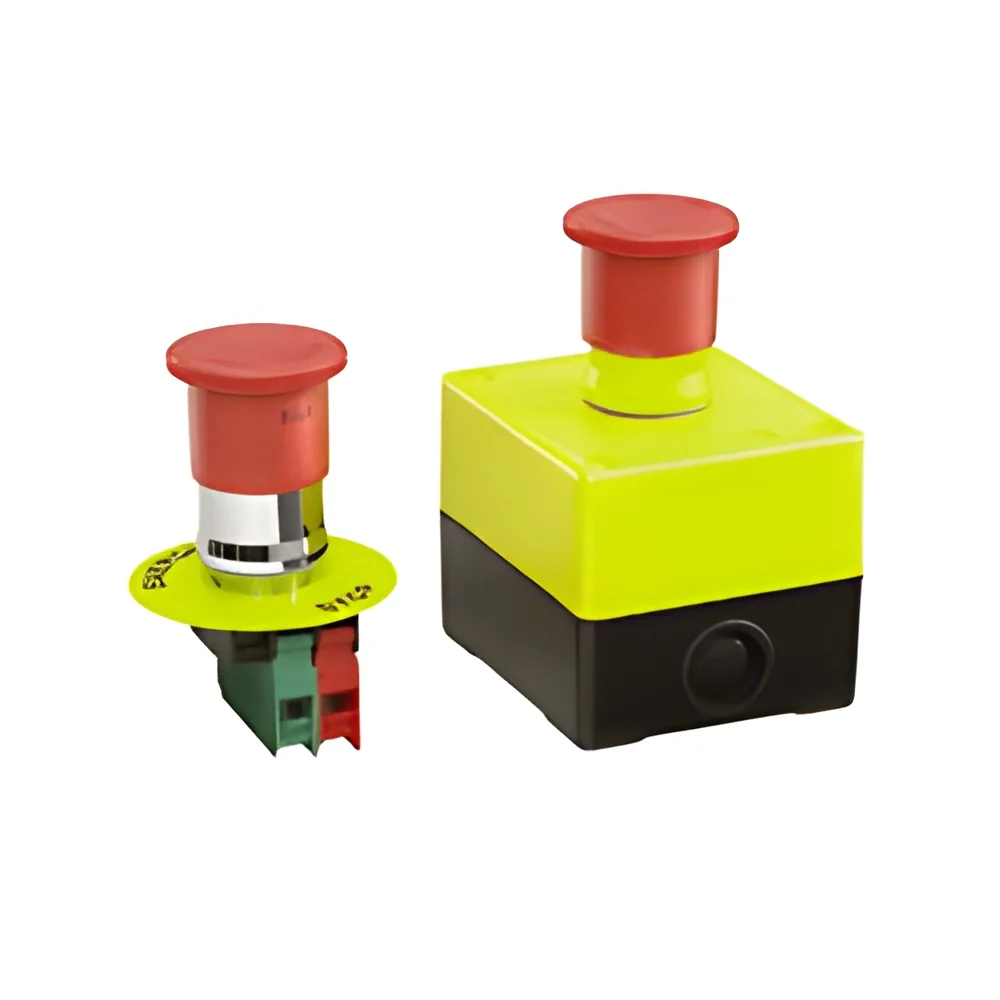
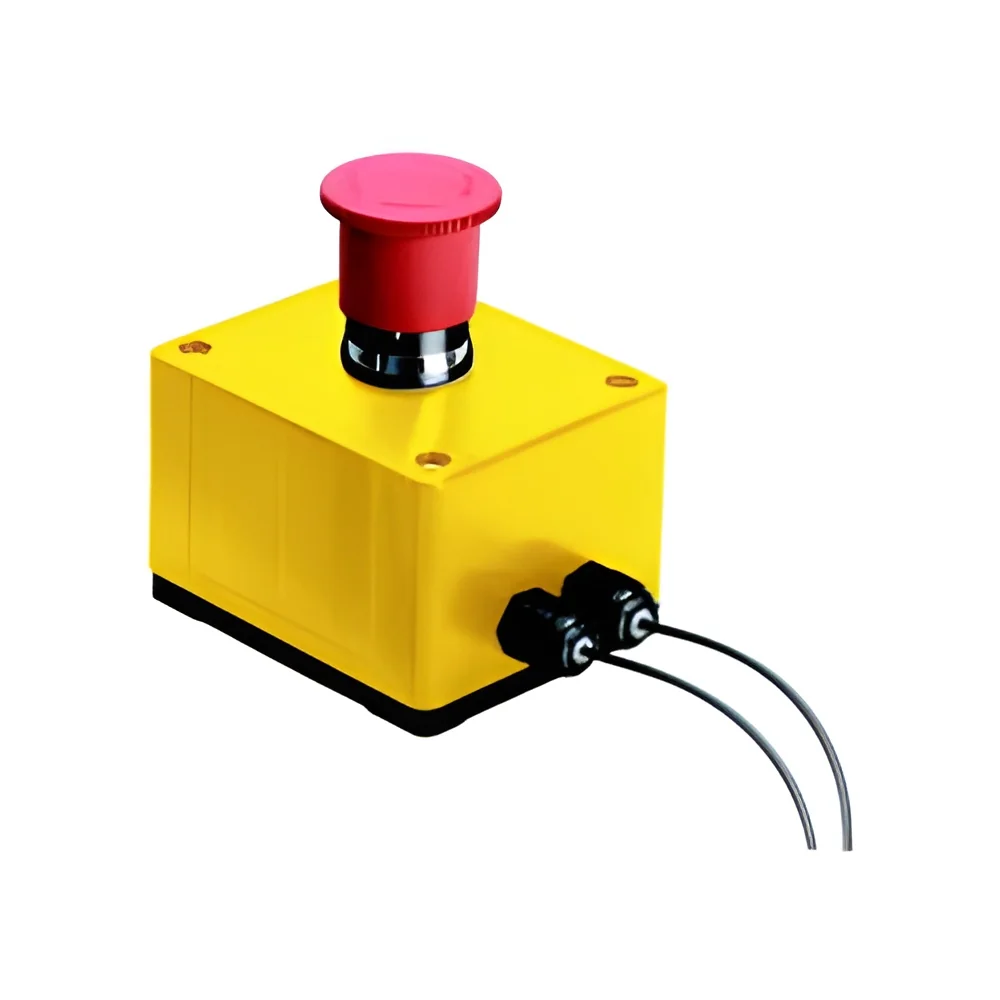
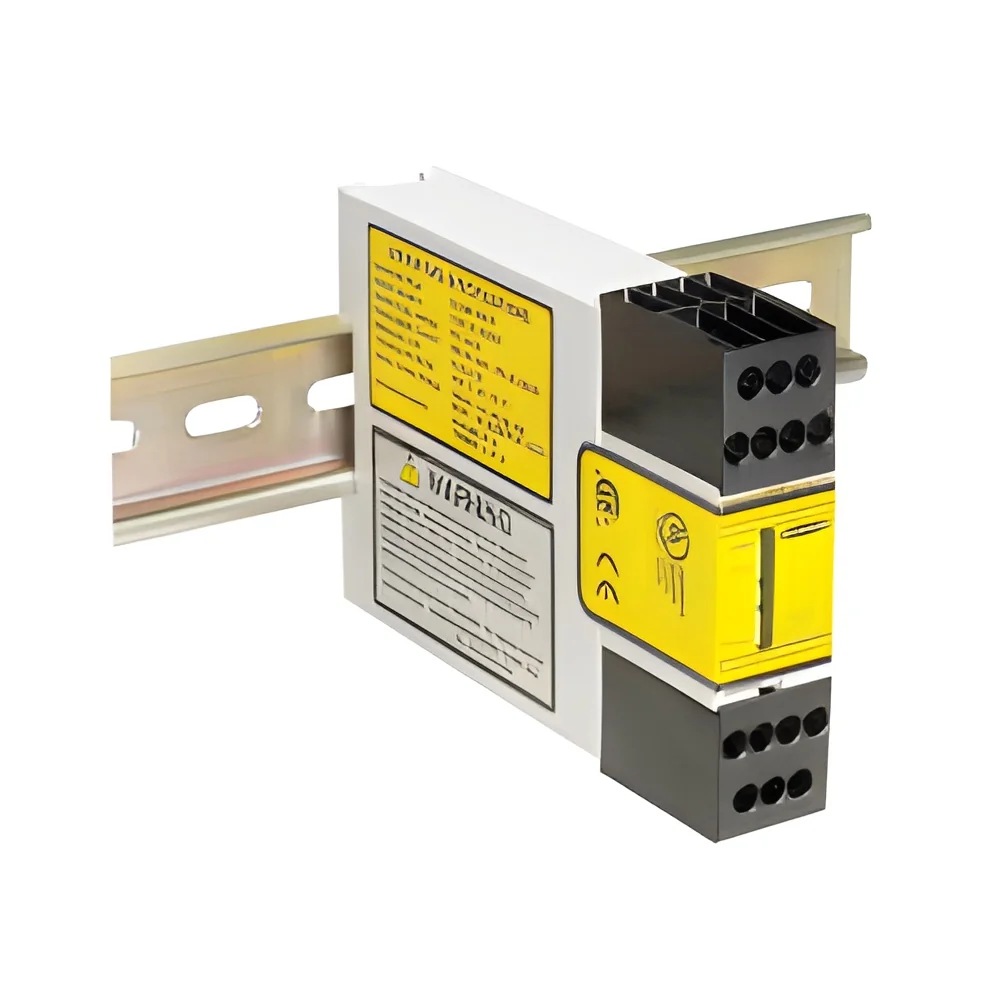
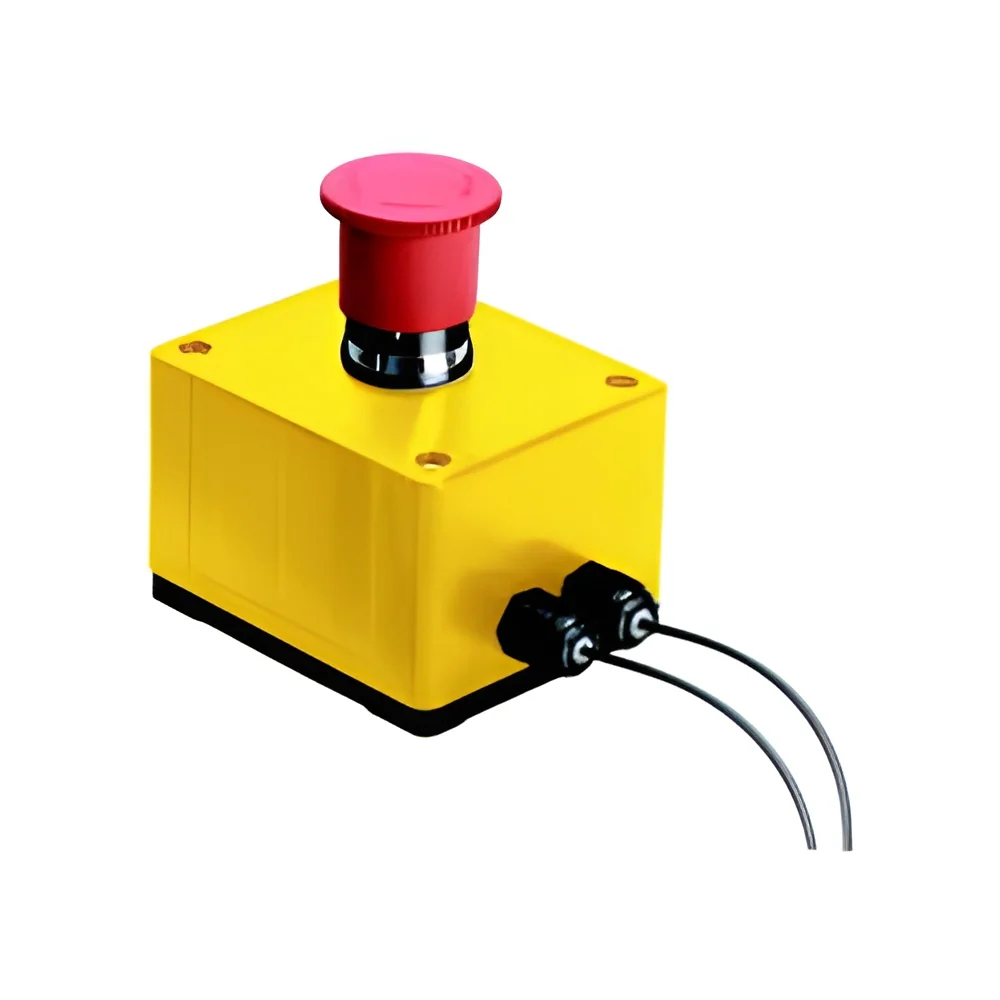
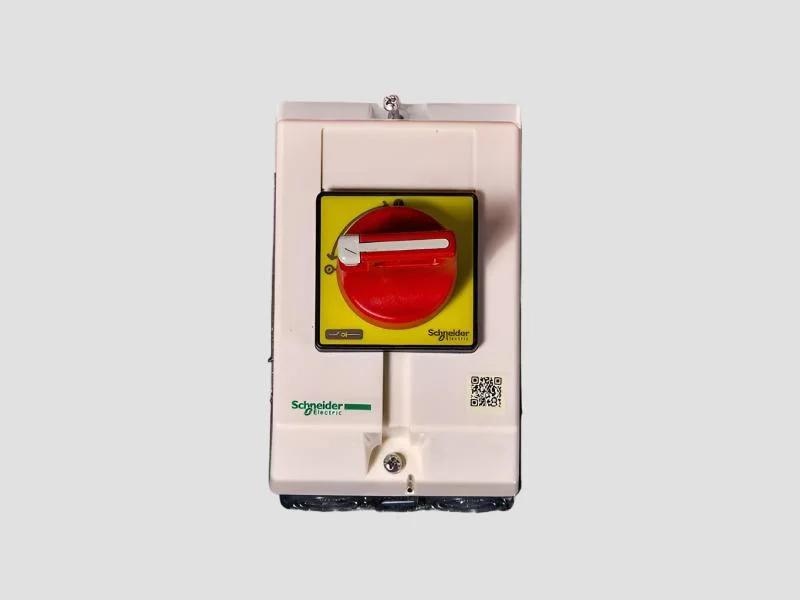
Emergency Stop Systems are critical safety devices designed to halt machinery operation during emergencies. These systems are an essential component in various industrial environments, providing an immediate response mechanism to potential hazards. Typically activated by a manual switch or button, Emergency Stop Systems help ensure operator safety by quickly shutting down equipment to prevent accidents or injuries.
The primary uses of Emergency Stop Systems span across multiple industries, including manufacturing, construction, and automotive. They serve as a vital line of defense against unforeseen incidents that could result in harm to personnel or equipment. Businesses implement these systems not just to comply with safety regulations, but also to foster a culture of safety within their operations. The relevance of Emergency Stop Systems in today's market continues to grow as industries increasingly prioritize safety and risk management.
𝗞𝗲𝘆 𝗙𝗲𝗮𝘁𝘂𝗿𝗲𝘀 𝗮𝗻𝗱 𝗦𝗽𝗲𝗰𝗶𝗳𝗶𝗰𝗮𝘁𝗶𝗼𝗻𝘀
Emergency Stop Systems come equipped with several features that enhance their functionality and reliability. Understanding these specifications is crucial for businesses seeking to implement effective safety measures.
Key specifications include:
1. Activation Type
- Manual activation via push-button or switch.
- Remote activation options available.
2. Response Time
- Rapid response to emergency conditions.
- Typically within milliseconds to ensure immediate safety.
3. Durability
- Designed to withstand harsh industrial environments.
- Resistant to dust, moisture, and temperature variations.
4. Compliance Standards
- Adheres to international safety standards such as CE certification.
- Ensures reliability and safety across different applications.
5. Mounting Options
- Versatile mounting solutions for ease of installation.
- Available in panel-mounted or standalone configurations.
6. Indicator Features
- Visual indicators for operational status.
- Optional audible alarms to enhance awareness.
7. Connectivity
- Options for integration with other safety systems.
- Enables monitoring and control from centralized systems.
8. Size and Design
- Compact designs suitable for limited spaces.
- Ergonomic shapes for ease of use.
In summary, the specifications of Emergency Stop Systems reflect their critical role in enhancing safety and operational efficiency in industrial settings.
𝗖𝗼𝗺𝗺𝗼𝗻 𝗔𝗽𝗽𝗹𝗶𝗰𝗮𝘁𝗶𝗼𝗻𝘀 𝗮𝗻𝗱 𝗨𝘀𝗲 𝗖𝗮𝘀𝗲𝘀
Emergency Stop Systems are employed across a range of industries, each with specific applications that underline their importance.
1. Manufacturing: In manufacturing plants, Emergency Stop Systems are crucial for machinery such as conveyor belts and automated equipment, ensuring safe operations during unexpected situations.
2. Construction: In construction sites, these systems protect workers by allowing quick shutdown of heavy machinery, minimizing risks associated with construction activities.
3. Automotive: In automotive assembly lines, Emergency Stop Systems are used to halt production lines, preventing accidents and ensuring worker safety.
4. Food Processing: In food processing plants, these systems help maintain compliance with safety regulations, allowing for quick action during emergencies.
5. Oil and Gas: In the oil and gas sector, Emergency Stop Systems are vital for emergency shutdowns of drilling equipment and machinery, protecting personnel and the environment.
6. Warehousing: In warehouses, they are implemented to quickly stop conveyor systems and automated storage solutions to safeguard workers.
7. Chemical Manufacturing: In chemical facilities, these systems are critical for stopping processes that might leak hazardous materials, ensuring safety during operation.
𝗣𝗿𝗼𝗱𝘂𝗰𝘁 𝗩𝗮𝗿𝗶𝗮𝗻𝘁𝘀 𝗮𝗻𝗱 𝗦𝘂𝗯𝗰𝗮𝘁𝗲𝗴𝗼𝗿𝗶𝗲𝘀
Emergency Stop Systems are available in various designs and configurations to meet diverse operational needs.
Standard Push Button System
This variant typically features a large, easily accessible button for manual activation. It is designed for straightforward use in high-stress environments and is often utilized in manufacturing and assembly lines.
Remote Emergency Stop System
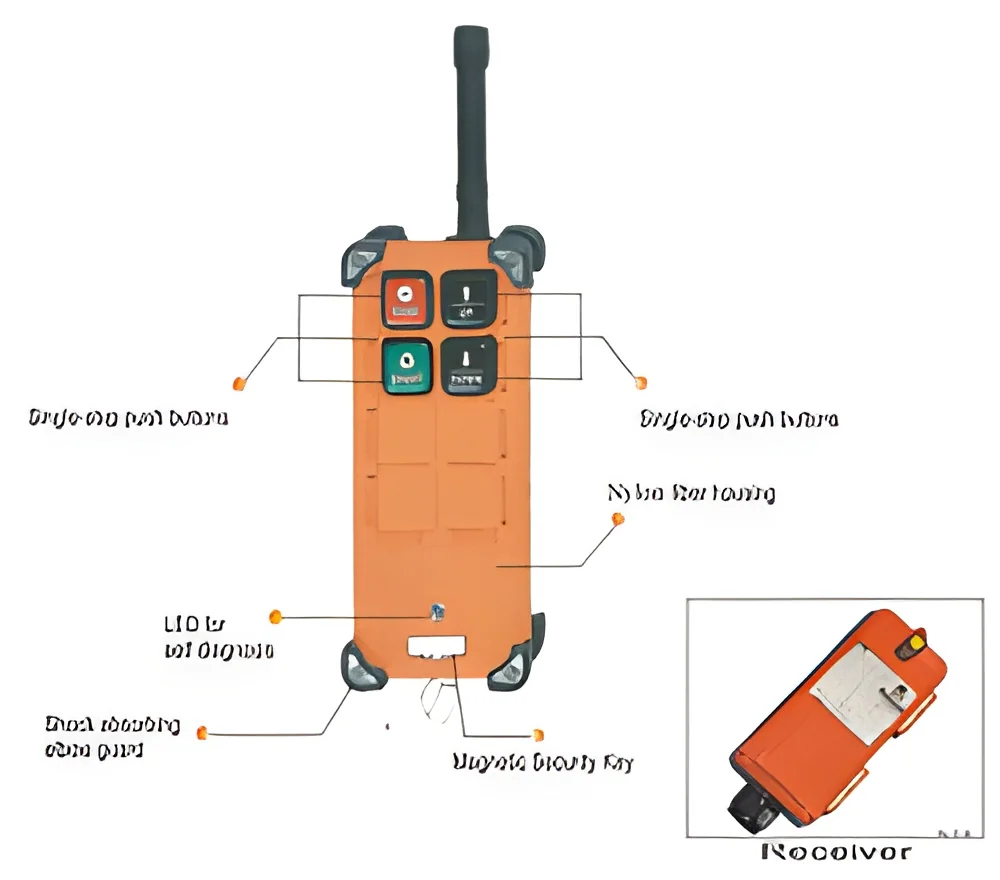
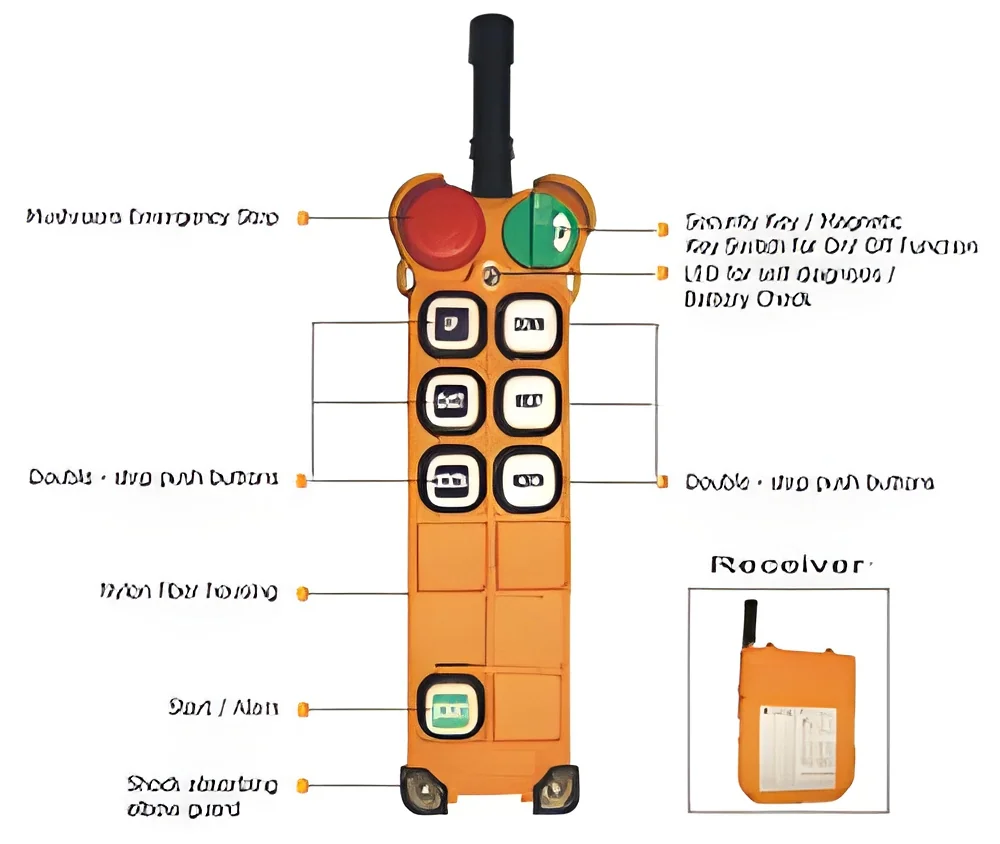
This variant allows operators to activate emergency stops from a distance, enhancing safety in larger operational areas. It is particularly useful in environments where machinery is difficult to access quickly.
Networked Emergency Stop System
This advanced variant integrates with other safety systems and can be monitored remotely. It is ideal for facilities requiring comprehensive safety management and real-time monitoring.
𝗕𝗲𝗻𝗲𝗳𝗶𝘁𝘀 𝗮𝗻𝗱 𝗔𝗱𝘃𝗮𝗻𝘁𝗮𝗴𝗲𝘀
Implementing Emergency Stop Systems in industrial operations offers significant advantages.
1. Enhanced Safety: These systems provide a critical safety feature that can quickly halt machinery, reducing the risk of accidents and injuries.
2. Regulatory Compliance: Emergency Stop Systems help businesses meet safety regulations, avoiding potential fines and liabilities.
3. Increased Operational Efficiency: By minimizing downtime during emergencies, these systems contribute to overall operational efficiency.
4. Worker Confidence: The presence of reliable emergency systems boosts worker confidence, encouraging a safer working environment.
5. Customizability: Many systems can be tailored to meet specific operational needs, enhancing their effectiveness in different environments.
6. Cost-Effectiveness: Investing in Emergency Stop Systems can lead to long-term savings by preventing accidents and associated costs.
𝗕𝘂𝘆𝗶𝗻𝗴 𝗚𝘂𝗶𝗱𝗲 𝗳𝗼𝗿 𝗕𝟮𝗕 𝗕𝘂𝘆𝗲𝗿𝘀
When sourcing Emergency Stop Systems, several factors should be taken into account to ensure the right choice for your business needs.
1. Quality Assessment: Evaluate the quality of the systems by reviewing certifications, material durability, and testing standards that confirm reliability in demanding environments.
2. Supplier Verification: Vet suppliers by checking their reputation, customer reviews, and compliance with industry standards to ensure they provide reliable products.
3. Pricing and MOQ: Consider the pricing structure and minimum order quantity to align with your budget and operational requirements.
4. Delivery and Lead Times: Assess the supplier's ability to meet delivery schedules and lead times, as timely availability is crucial for operational continuity.
5. Compliance Requirements: Ensure that the systems meet necessary compliance standards relevant to your industry, as this can impact operational safety and legality.
𝗖𝗼𝗺𝗽𝗹𝗶𝗮𝗻𝗰𝗲 𝗮𝗻𝗱 𝗖𝗲𝗿𝘁𝗶𝗳𝗶𝗰𝗮𝘁𝗶𝗼𝗻𝘀
Emergency Stop Systems must adhere to several relevant quality standards and certifications to ensure safety and reliability. Certification such as CE signifies compliance with European safety standards, indicating that the products meet essential health and safety requirements.
In addition to CE certification, manufacturers often comply with various industry-specific standards, which may include ISO 9001 for quality management systems and HACCP for food safety. These certifications validate the manufacturers' commitment to maintaining high-quality production processes.
Further, testing requirements for Emergency Stop Systems often include rigorous safety assessments to ensure they function correctly in emergency situations. Additionally, regional compliance considerations may vary, necessitating a thorough understanding of local regulations when sourcing systems for different geographical areas.
𝗪𝗵𝘆 𝗦𝗼𝘂𝗿𝗰𝗲 𝗘𝗺𝗲𝗿𝗴𝗲𝗻𝗰𝘆 𝗦𝘁𝗼𝗽 𝗦𝘆𝘀𝘁𝗲𝗺𝘀 𝗳𝗿𝗼𝗺 𝗣𝗲𝗽𝗮𝗴𝗼𝗿𝗮?
Pepagora provides a trusted platform for sourcing Emergency Stop Systems, offering several key advantages to B2B buyers.
Verified Supplier Network: Pepagora connects buyers with a network of verified suppliers, ensuring that you receive high-quality products from reputable manufacturers. This verification process helps mitigate risks associated with sourcing.
Streamlined RFQ Process: The platform features an efficient Request for Quotation (RFQ) process that simplifies obtaining quotes from multiple suppliers. This allows buyers to compare options easily and make informed purchasing decisions.
Trade Assurance and Support: Pepagora offers buyer protection through trade assurance policies, giving you confidence that your transactions are secure. Additionally, dedicated support is available to assist buyers throughout the sourcing process.
Regional Coverage: With a broad geographic reach across India, the GCC, and Southeast Asia, Pepagora provides access to a diverse range of suppliers and products, ensuring that buyers can find the right Emergency Stop Systems for their specific needs.
Newly Added

Frequently Asked Questions
1
What is Emergency Stop Systems?
Emergency Stop Systems is a product offered by global suppliers on Pepagora.
2
How do I find suppliers for Emergency Stop Systems?
Use Pepagora's search and filter options to find verified suppliers.
3
Can I request a quote for Emergency Stop Systems?
Yes, use the RFQ feature to request quotes from multiple suppliers.
4
Is Emergency Stop Systems available in multiple languages?
Pepagora supports multilingual catalogs for global buyers.
5
What trust signals are available for Emergency Stop Systems?
Look for TruBadge, RFQ, and multilingual support on supplier profiles.
Why Businesses Trust Pepagora
Thousands of companies trust Pepagora to source smarter and sell faster
Expand Your Sales Globally
25000+Products listed.Get discovered by global buyers
Tools to boost visibility
Build your own catalog

Source Smarter,Grow Faster
4000+Active RFQs
100+ Countries served
Easy Sourcing Tools
