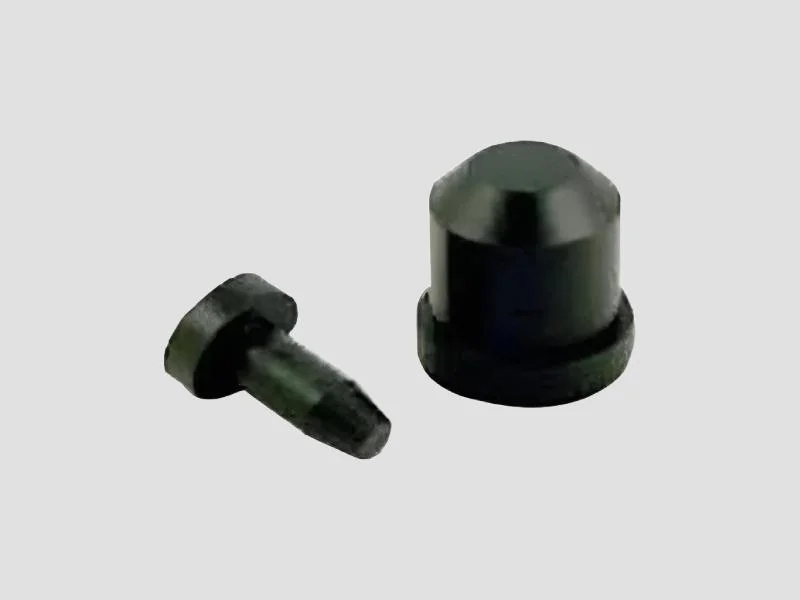
𝗪𝗵𝗮𝘁 𝗮𝗿𝗲 𝗘𝗽𝗱𝗺?
Ethylene Propylene Diene Monomer (EPDM) is a type of synthetic rubber known for its excellent resistance to heat, oxidation, and weathering. This material is composed of ethylene, propylene, and a diene component that provides certain desirable properties. EPDM is characterized by its flexibility and durability, making it suitable for a wide range of industrial applications.
EPDM is predominantly used in roofing, automotive, and sealant applications. In roofing, it serves as a waterproof membrane that provides long-lasting protection against the elements. In the automotive industry, EPDM is utilized for seals, hoses, and gaskets due to its ability to withstand extreme temperatures and environmental conditions. The relevance of EPDM in various industries underscores its versatility and reliability, making it a preferred choice for many businesses.
𝗞𝗲𝘆 𝗙𝗲𝗮𝘁𝘂𝗿𝗲𝘀 𝗮𝗻𝗱 𝗦𝗽𝗲𝗰𝗶𝗳𝗶𝗰𝗮𝘁𝗶𝗼𝗻𝘀
EPDM is recognized for its diverse features and specifications that cater to various industry needs. The material's resilience and adaptability contribute to its popularity among manufacturers and suppliers.
Key specifications include:
1. Temperature Resistance
- EPDM can withstand a wide temperature range, typically from -40°C to 120°C.
- This property makes it suitable for both hot and cold environments.
2. Weather Resistance
- EPDM exhibits excellent resistance to ultraviolet (UV) radiation and ozone.
- This feature ensures longevity and durability when exposed to outdoor conditions.
3. Chemical Resistance
- EPDM resists a variety of chemicals, including acids and alkalis.
- This quality makes it ideal for applications in harsh environments.
4. Flexibility
- The material remains flexible even at low temperatures.
- This property is crucial for applications requiring movement or bending.
5. Low Permeability
- EPDM has low gas permeability, making it effective for sealing applications.
- This characteristic enhances its performance in roofing and automotive uses.
6. Sound Insulation
- EPDM provides good sound-dampening properties.
- This feature is advantageous in applications where noise reduction is necessary.
7. Customizability
- EPDM can be tailored to meet specific requirements.
- Custom formulations can enhance particular properties such as color or hardness.
In summary, EPDM's key features make it a highly sought-after material across various industries, providing solutions that meet stringent performance standards.
𝗖𝗼𝗺𝗺𝗼𝗻 𝗔𝗽𝗽𝗹𝗶𝗰𝗮𝘁𝗶𝗼𝗻𝘀 𝗮𝗻𝗱 𝗨𝘀𝗲 𝗖𝗮𝘀𝗲𝘀
EPDM rubber serves a wide range of industries due to its unique properties and versatility.
1. Construction: EPDM is widely used in roofing systems as a waterproof membrane, providing long-lasting protection against leaks and extreme weather.
2. Automotive: In this sector, EPDM is employed for seals, hoses, and gaskets, ensuring durability and resistance to high temperatures and chemicals.
3. Electrical: EPDM is utilized in electrical insulation applications, providing protection against moisture and environmental factors.
4. HVAC: EPDM components are used in heating, ventilation, and air conditioning systems for sealing and insulation, ensuring energy efficiency.
5. Marine: EPDM is suitable for marine applications where resistance to water and UV exposure is crucial for longevity.
6. Manufacturing: EPDM is found in various industrial products, including conveyor belts and seals, due to its flexibility and durability.
7. Agriculture: The material is used in agricultural applications, such as tubing and seals, where resistance to weathering is essential.
𝗣𝗿𝗼𝗱𝘂𝗰𝘁 𝗩𝗮𝗿𝗶𝗮𝗻𝘁𝘀 𝗮𝗻𝗱 𝗦𝘂𝗯𝗰𝗮𝘁𝗲𝗴𝗼𝗿𝗶𝗲𝘀
EPDM is available in various forms to meet specific application needs. Its diversity allows businesses to select the right variant for their requirements.
Standard EPDM
This is the most common form of EPDM, known for its flexibility and weather resistance. It is used across various industries for roofing, seals, and gaskets.
Reinforced EPDM
This variant includes additional materials that enhance its strength and durability. It is suitable for heavy-duty applications where extra support is required.
Colored EPDM
EPDM can be produced in various colors for aesthetic or functional purposes. This variant is often used in applications where visual appearance is important.
𝗕𝗲𝗻𝗲𝗳𝗶𝘁𝘀 𝗮𝗻𝗱 𝗔𝗱𝘃𝗮𝗻𝘁𝗮𝗴𝗲𝘀
Sourcing EPDM offers numerous benefits that can enhance operational efficiency and product longevity.
1. Durability: EPDM is highly durable, ensuring long service life in various applications, reducing the need for frequent replacements.
2. Cost-Effectiveness: The longevity and low maintenance requirements of EPDM result in reduced overall costs for businesses.
3. Versatility: EPDM can be used in a wide range of applications, making it a flexible choice for manufacturers across different industries.
4. Environmentally Friendly: EPDM is recyclable, contributing to sustainable practices in manufacturing and construction.
5. Easy to Work With: This material can be easily fabricated, molded, or extruded to meet specific design requirements.
6. Excellent Sealing Properties: EPDM provides superior sealing capabilities, enhancing performance in applications where leaks are a concern.
𝗕𝘂𝘆𝗶𝗻𝗴 𝗚𝘂𝗶𝗱𝗲 𝗳𝗼𝗿 𝗕𝟮𝗕 𝗕𝘂𝘆𝗲𝗿𝘀
When sourcing EPDM, it is essential to consider several factors to ensure the best quality and supplier reliability.
1. Quality Assessment: Evaluate the quality of EPDM by checking for certifications and compliance with industry standards. High-quality materials lead to better performance and longevity.
2. Supplier Verification: Vet suppliers to ensure they have a proven track record in providing EPDM products. Look for customer reviews and industry reputation.
3. Pricing and MOQ: Understand the pricing structure and minimum order quantities (MOQ) set by suppliers. This will help in budgeting and inventory management.
4. Delivery and Lead Times: Confirm the delivery timelines and logistics to ensure timely procurement of EPDM for your projects.
5. Compliance Requirements: Ensure that the EPDM sourced meets regional compliance standards. This is critical for applications in regulated industries.
𝗖𝗼𝗺𝗽𝗹𝗶𝗮𝗻𝗰𝗲 𝗮𝗻𝗱 𝗖𝗲𝗿𝘁𝗶𝗳𝗶𝗰𝗮𝘁𝗶𝗼𝗻𝘀
EPDM products often adhere to various quality standards and certifications that ensure safety and performance.
ISO 9001 is a widely recognized quality management standard that ensures consistent quality in manufacturing processes. Companies producing EPDM often seek this certification to demonstrate their commitment to quality.
CE marking indicates compliance with European safety standards, ensuring that EPDM products meet essential health and safety requirements. This certification is crucial for products sold in the European market.
Safety and testing requirements are also vital in the production of EPDM. Manufacturers often conduct rigorous testing to ensure that their products can withstand specific conditions, such as temperature extremes and chemical exposure.
Regional compliance considerations may vary based on local regulations. Businesses should be aware of specific requirements in their regions to ensure compliance and avoid penalties.
𝗪𝗵𝘆 𝗦𝗼𝘂𝗿𝗰𝗲 𝗘𝗽𝗱𝗺 𝗳𝗿𝗼𝗺 𝗣𝗲𝗽𝗮𝗴𝗼𝗿𝗮?
Pepagora provides a trusted platform for sourcing EPDM, offering several key advantages to buyers.
Verified Supplier Network: Pepagora connects businesses with a network of verified suppliers. This ensures that buyers can access high-quality EPDM from reputable manufacturers.
Streamlined RFQ Process: The request for quotation (RFQ) process on Pepagora is designed to be efficient. Buyers can easily submit their requirements and receive competitive quotes from multiple suppliers.
Trade Assurance and Support: Pepagora offers trade assurance to protect buyers throughout the procurement process. This support helps mitigate risks and ensures a smooth transaction.
Regional Coverage: With a strong presence in India, GCC, and Southeast Asia, Pepagora provides comprehensive geographic coverage. This allows businesses to source EPDM locally or regionally, enhancing convenience and reducing shipping costs.
EPDM, or Ethylene Propylene Diene Monomer, is a type of synthetic rubber that is widely used in various applications due to its excellent weather resistance, flexibility, and durability. It is commonly used in roofing, automotive parts, and seals due to its ability to withstand extreme temperatures and environmental conditions.
2
What are the different types of Epdm?
There are several types of EPDM, including standard EPDM, EPDM with improved aging resistance, and EPDM with enhanced electrical properties. Each type is formulated to meet specific performance requirements, making them suitable for various applications such as roofing membranes, gaskets, and automotive components.
3
How do I choose the right Epdm?
Choosing the right EPDM involves considering factors such as the specific application, environmental conditions, and required durability. It is essential to evaluate the performance characteristics needed, such as temperature resistance, flexibility, and resistance to UV exposure when selecting the appropriate EPDM product.
4
What are the standard specifications for Epdm?
Standard specifications for EPDM typically include physical properties such as tensile strength, elongation, and hardness, as well as performance characteristics like ozone resistance and thermal stability. These specifications can vary based on the intended application and the manufacturer's guidelines.
5
What is the price range for Epdm?
The price range for EPDM can vary based on factors such as the type, quality, and quantity ordered. Generally, EPDM prices can range from INR 150 to INR 300 per kilogram, but it is advisable to request quotes from suppliers for specific pricing.
6
What quality standards apply to Epdm?
EPDM must comply with various quality standards depending on its application, such as ASTM, ISO, and specific industry standards. These standards ensure that the EPDM products meet required performance and safety specifications for use in construction, automotive, and other industries.
7
Where can I find Epdm suppliers in India?
You can find EPDM suppliers in India through online B2B marketplaces like Pepagora, trade shows, and industry directories. It is advisable to research and compare suppliers based on their product offerings, quality standards, and customer reviews.
8
Can Epdm be customized?
Yes, EPDM can be customized in terms of formulation, color, and physical properties to meet specific application requirements. Many manufacturers offer customization options to accommodate unique performance criteria and client specifications.
9
What is the typical minimum order quantity for Epdm?
The typical minimum order quantity (MOQ) for EPDM can vary by supplier but generally ranges from 100 kilograms to 1 ton. It is important to check with individual suppliers for their specific MOQs and any bulk purchasing options.
10
What is the typical lead time for Epdm?
The typical lead time for EPDM orders can range from 2 to 6 weeks, depending on the supplier and the complexity of the order. Factors such as customization and current inventory levels may also affect the delivery timeframe.
Why Businesses Trust Pepagora
Thousands of companies trust Pepagora to source smarter and sell faster
Expand Your Sales Globally
25000+Products listed.Get discovered by global buyers

 IN
IN