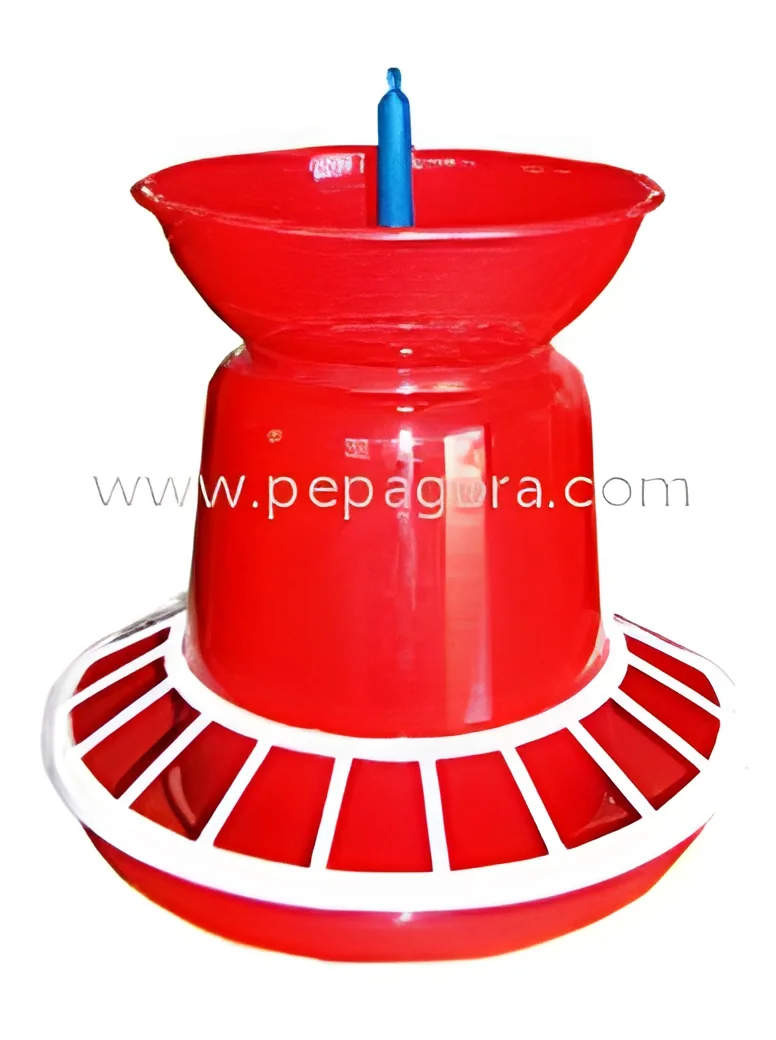
𝗪𝗵𝗮𝘁 𝗮𝗿𝗲 𝗙𝗲𝗲𝗱 𝗧𝗿𝗼𝘂𝗴𝗵𝘀 & 𝗕𝘂𝗻𝗸 𝗙𝗲𝗲𝗱𝗲𝗿𝘀?
Feed troughs and bunk feeders are essential equipment used in agricultural and livestock management to supply feed to animals. These structures are designed to hold various types of feed, including grains, pellets, and silage, ensuring that animals have easy access to nourishment. Feed troughs are typically open containers, while bunk feeders have a more enclosed design that can accommodate larger quantities of feed and multiple animals at once.
These tools are primarily used in settings such as farms, ranches, and feedlots where livestock is raised. They play a critical role in managing animal diets, promoting healthy growth, and optimizing feed usage. Properly designed and placed feeders can reduce waste, improve feeding efficiency, and ensure that all animals have equal access to feed. As the demand for sustainable livestock production grows, the relevance of feed troughs and bunk feeders in the industry is increasingly recognized, contributing to better animal husbandry practices.
𝗞𝗲𝘆 𝗙𝗲𝗮𝘁𝘂𝗿𝗲𝘀 𝗮𝗻𝗱 𝗦𝗽𝗲𝗰𝗶𝗳𝗶𝗰𝗮𝘁𝗶𝗼𝗻𝘀
Feed troughs and bunk feeders come with several important features and specifications that cater to various operational needs. Understanding these key specifications is crucial for businesses looking to invest in these products.
Key specifications include:
1. Material Construction
- Feed troughs and bunk feeders are often made from materials such as galvanized steel, plastic, or fiberglass.
- These materials provide durability and resistance to weather conditions.
2. Size and Capacity
- Available in various sizes to accommodate different livestock types and feeding needs.
- Capacity can range from small troughs for individual animals to large bunk feeders for herds.
3. Design Features
- Some models include sloped bottoms for easy feed access and to minimize waste.
- Features may include feed guards or dividers to keep animals from fighting over feed.
4. Portability
- Options available for stationary or movable designs, allowing for flexible feeding strategies.
- Certain models come with wheels or handles for easy relocation.
5. Hygiene Considerations
- Many feeders are designed to be easy to clean, with smooth surfaces that prevent feed buildup.
- Some models include drainage systems to manage waste and moisture.
6. Customization Options
- Many suppliers offer customization in size, color, and additional features to meet specific operational needs.
- Custom designs can accommodate unique feeding programs or specific animal breeds.
7. Compliance with Safety Standards
- Products often meet relevant safety and quality standards to ensure safe feeding practices.
- Certification such as CE may be applicable, indicating compliance with European safety regulations.
8. Cost Efficiency
- Designed to minimize feed wastage and optimize feed management, leading to cost savings over time.
- Investment in quality feeders can benefit long-term operational efficiency.
In summary, understanding the key features and specifications of feed troughs and bunk feeders helps businesses make informed decisions about which products best suit their operations and livestock management needs.
𝗖𝗼𝗺𝗺𝗼𝗻 𝗔𝗽𝗽𝗹𝗶𝗰𝗮𝘁𝗶𝗼𝗻𝘀 𝗮𝗻𝗱 𝗨𝘀𝗲 𝗖𝗮𝘀𝗲𝘀
Feed troughs and bunk feeders are versatile products with applications across various industries.
1. Agriculture: Farmers use these feeders to provide consistent nutrition to livestock such as cattle, sheep, and goats, thus improving growth rates and overall health.
2. Dairy Operations: Feeders play a vital role in dairy farms by ensuring that dairy cows receive adequate feed, which is crucial for milk production.
3. Poultry Farming: While primarily for larger livestock, certain feeder designs also cater to poultry, allowing for efficient feeding of chickens and turkeys.
4. Equine Care: Horse owners utilize specialized feeders to control portions and prevent waste, ensuring horses maintain a balanced diet.
5. Livestock Feeding Stations: In feedlots, bunk feeders accommodate large groups of animals, promoting efficient feeding practices for fattening livestock.
6. Wildlife Feeding: Outdoor enthusiasts and conservationists use feeders to provide supplemental feed for wildlife, especially during harsh weather conditions.
7. Aquaculture: Some designs are adapted for feeding fish in controlled environments, supporting sustainable fish farming practices.
𝗣𝗿𝗼𝗱𝘂𝗰𝘁 𝗩𝗮𝗿𝗶𝗮𝗻𝘁𝘀 𝗮𝗻𝗱 𝗦𝘂𝗯𝗰𝗮𝘁𝗲𝗴𝗼𝗿𝗶𝗲𝘀
Feed troughs and bunk feeders are available in various designs to meet specific needs and preferences.
Standard Feed Troughs: These are typically open-top structures that allow for easy access for animals. They are suitable for smaller groups and can be used for different types of feed.
Bunk Feeders: These feeders are designed for larger herds and provide a more enclosed feeding area. They are ideal for use in feedlots and can accommodate multiple animals simultaneously.
Portable Feeders: These variants are designed for easy movement and can be relocated as needed. They are often used in rotational grazing systems.
Heavy-Duty Feeders: Constructed from robust materials, these feeders are built to withstand harsh conditions and heavy use, making them ideal for large operations.
𝗕𝗲𝗻𝗲𝗳𝗶𝘁𝘀 𝗮𝗻𝗱 𝗔𝗱𝘃𝗮𝗻𝘁𝗮𝗴𝗲𝘀
Investing in feed troughs and bunk feeders offers several significant benefits for businesses.
1. Improved Feed Efficiency: These feeders help minimize waste by ensuring that feed is easily accessible and reducing spillage.
2. Enhanced Animal Health: By providing consistent access to nutrition, these products support better growth rates and overall animal welfare.
3. Time Savings: Automated or designed feeders reduce the time spent on manual feeding, allowing for more efficient farm management.
4. Customizable Options: Many feeders can be tailored to specific operational needs, accommodating different livestock types and feeding preferences.
5. Durability: High-quality materials ensure longevity, reducing the need for frequent replacements and maintenance.
6. Cost-Effectiveness: Efficient feed management leads to lower feed costs over time, making these products a valuable investment.
𝗕𝘂𝘆𝗶𝗻𝗴 𝗚𝘂𝗶𝗱𝗲 𝗳𝗼𝗿 𝗕𝟮𝗕 𝗕𝘂𝘆𝗲𝗿𝘀
When sourcing feed troughs and bunk feeders, several factors should be taken into account to ensure a successful purchase.
1. Quality Assessment: Evaluate the materials and construction of the feeders to ensure they meet durability and safety standards. Look for reputable suppliers with a history of producing reliable products.
2. Supplier Verification: Conduct thorough research on potential suppliers. Check customer reviews, request references, and confirm their compliance with industry standards.
3. Pricing and MOQ: Understand the price range for different feeders and inquire about minimum order quantities. This will help in budgeting and ensuring that you can meet your operational needs.
4. Delivery and Lead Times: Confirm delivery schedules and lead times to ensure that the feeders arrive when needed. Consider logistics and any potential delays.
5. Compliance Requirements: Be aware of any local or regional regulations that may apply to the feeders. Ensure that the products comply with necessary safety and quality standards.
𝗖𝗼𝗺𝗽𝗹𝗶𝗮𝗻𝗰𝗲 𝗮𝗻𝗱 𝗖𝗲𝗿𝘁𝗶𝗳𝗶𝗰𝗮𝘁𝗶𝗼𝗻𝘀
Compliance and certifications are critical considerations when sourcing feed troughs and bunk feeders. These products should meet relevant quality standards to ensure safety and effectiveness in livestock management.
ISO 9001 is a widely recognized standard that indicates a commitment to quality management systems. Feeders that meet this standard are likely to provide consistent quality and performance.
HACCP (Hazard Analysis Critical Control Point) compliance is essential for food safety, particularly in operations involving animal feed. Having feeders that adhere to HACCP principles ensures that feed is managed safely, reducing the risk of contamination.
CE certification is an important mark for products sold in Europe, confirming that they meet safety and environmental requirements. Businesses sourcing feeders in the European market should prioritize CE-certified options.
Additionally, regional compliance considerations may vary. It is crucial for buyers to be aware of local regulations that could impact the use and sourcing of feed troughs and bunk feeders.
𝗪𝗵𝘆 𝗦𝗼𝘂𝗿𝗰𝗲 𝗙𝗲𝗲𝗱 𝗧𝗿𝗼𝘂𝗴𝗵𝘀 & 𝗕𝘂𝗻𝗸 𝗙𝗲𝗲𝗱𝗲𝗿𝘀 𝗳𝗿𝗼𝗺 𝗣𝗲𝗽𝗮𝗴𝗼𝗿𝗮?
Pepagora offers a trusted platform for sourcing feed troughs and bunk feeders, providing several key advantages for B2B buyers.
Verified Supplier Network: Pepagora connects buyers with a network of verified suppliers, ensuring that businesses can source high-quality products with confidence. This verification process helps mitigate risks associated with supplier reliability.
Streamlined RFQ Process: The request for quotation (RFQ) system simplifies the procurement process. Buyers can easily compare offers from multiple suppliers, making it easier to find the right products at competitive prices.
Trade Assurance and Support: With trade assurance programs, Pepagora provides buyer protection, ensuring that transactions are secure and that buyers receive the products as described.
Regional Coverage: Pepagora has a broad geographic reach, serving markets in India, the GCC, and Southeast Asia. This regional coverage allows buyers to access a diverse range of suppliers and products tailored to their specific needs.
By choosing Pepagora as a sourcing partner, businesses can enhance their procurement experience and ensure they acquire the best feed troughs and bunk feeders for their operations.
Feed troughs and bunk feeders are structures designed to hold and dispense feed for livestock. They are essential in agricultural settings to ensure that animals have access to food in a controlled and efficient manner.
2
What are the different types of Feed Troughs & Bunk Feeders?
There are various types of feed troughs and bunk feeders, including stationary, portable, and covered models. Each type is designed to cater to different livestock needs and farm layouts.
3
How do I choose the right Feed Troughs & Bunk Feeders?
Choosing the right feed troughs and bunk feeders involves considering factors such as the type of livestock, the amount of feed required, and the available space. It's also important to assess the material durability and ease of cleaning.
4
What are the standard specifications for Feed Troughs & Bunk Feeders?
Standard specifications for feed troughs and bunk feeders typically include dimensions, material type, and weight capacity. Most feeders are made from materials like metal, plastic, or concrete, designed to withstand weather conditions.
5
What is the price range for Feed Troughs & Bunk Feeders?
The price range for feed troughs and bunk feeders can vary significantly based on size, material, and features. Generally, they can cost anywhere from a few thousand to several tens of thousands of Indian Rupees.
6
What quality standards apply to Feed Troughs & Bunk Feeders?
Quality standards for feed troughs and bunk feeders relate to material safety, structural integrity, and hygiene. Manufacturers often adhere to local agricultural standards and regulations to ensure their products are safe for livestock.
7
Where can I find Feed Troughs & Bunk Feeders suppliers in India?
You can find suppliers of feed troughs and bunk feeders in India through online marketplaces, agricultural trade shows, and industry directories. Pepagora.com is a useful platform to connect with various manufacturers and suppliers.
8
Can Feed Troughs & Bunk Feeders be customized?
Yes, many manufacturers offer customization options for feed troughs and bunk feeders. Customizations can include size adjustments, material choices, and additional features to meet specific farm requirements.
9
What is the typical minimum order quantity for Feed Troughs & Bunk Feeders?
The typical minimum order quantity (MOQ) for feed troughs and bunk feeders can range from a single unit to several dozens, depending on the supplier. It's advisable to check with the manufacturer for specific MOQ policies.
10
What is the typical lead time for Feed Troughs & Bunk Feeders?
The typical lead time for feed troughs and bunk feeders varies based on the supplier and order size. Generally, it can range from a few days to several weeks, especially if customization is involved.
Why Businesses Trust Pepagora
Thousands of companies trust Pepagora to source smarter and sell faster
Expand Your Sales Globally
25000+Products listed.Get discovered by global buyers

 IN
IN