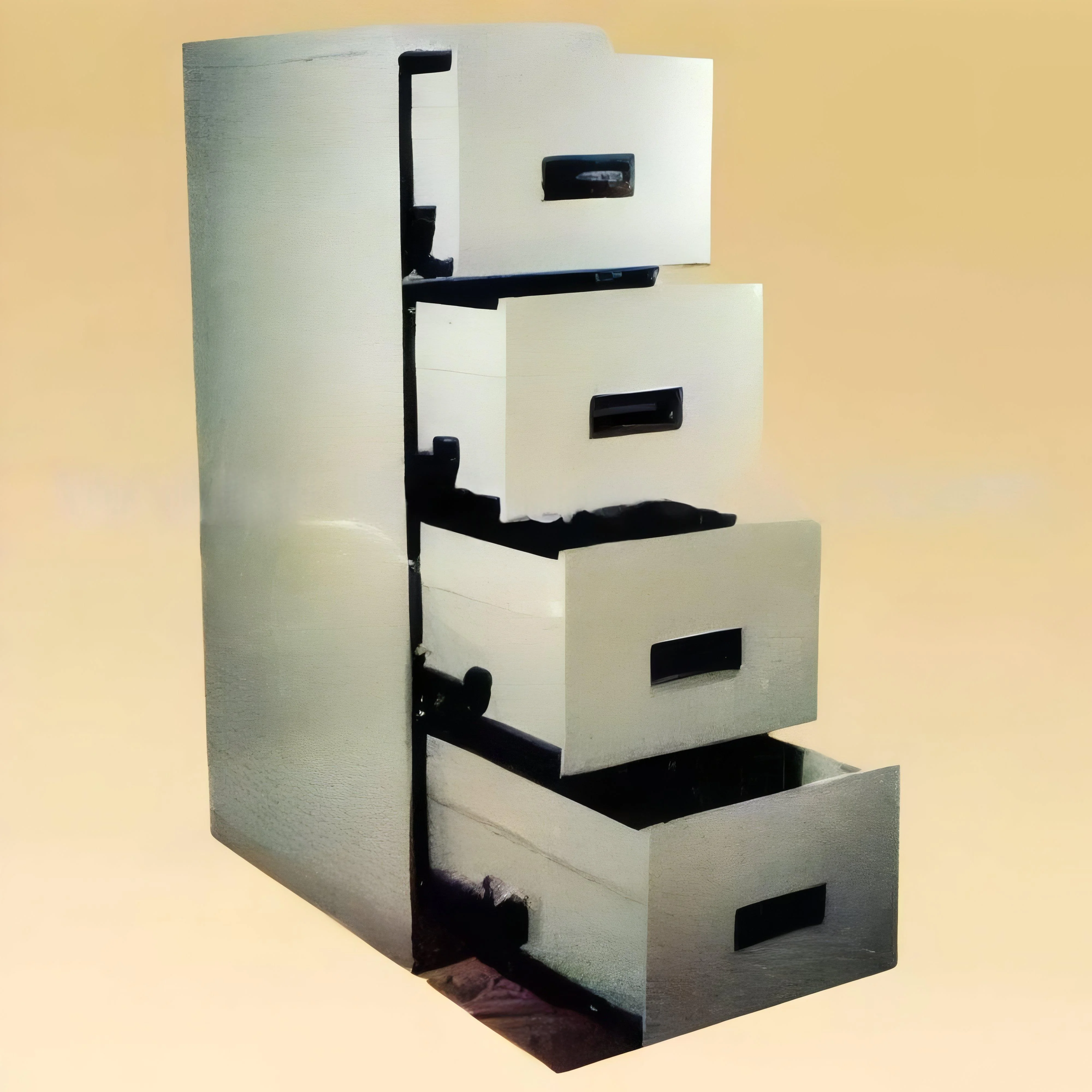
𝗪𝗵𝗮𝘁 𝗮𝗿𝗲 𝗙𝗶𝗹𝗶𝗻𝗴 𝗖𝗮𝗯𝗶𝗻𝗲𝘁𝘀?
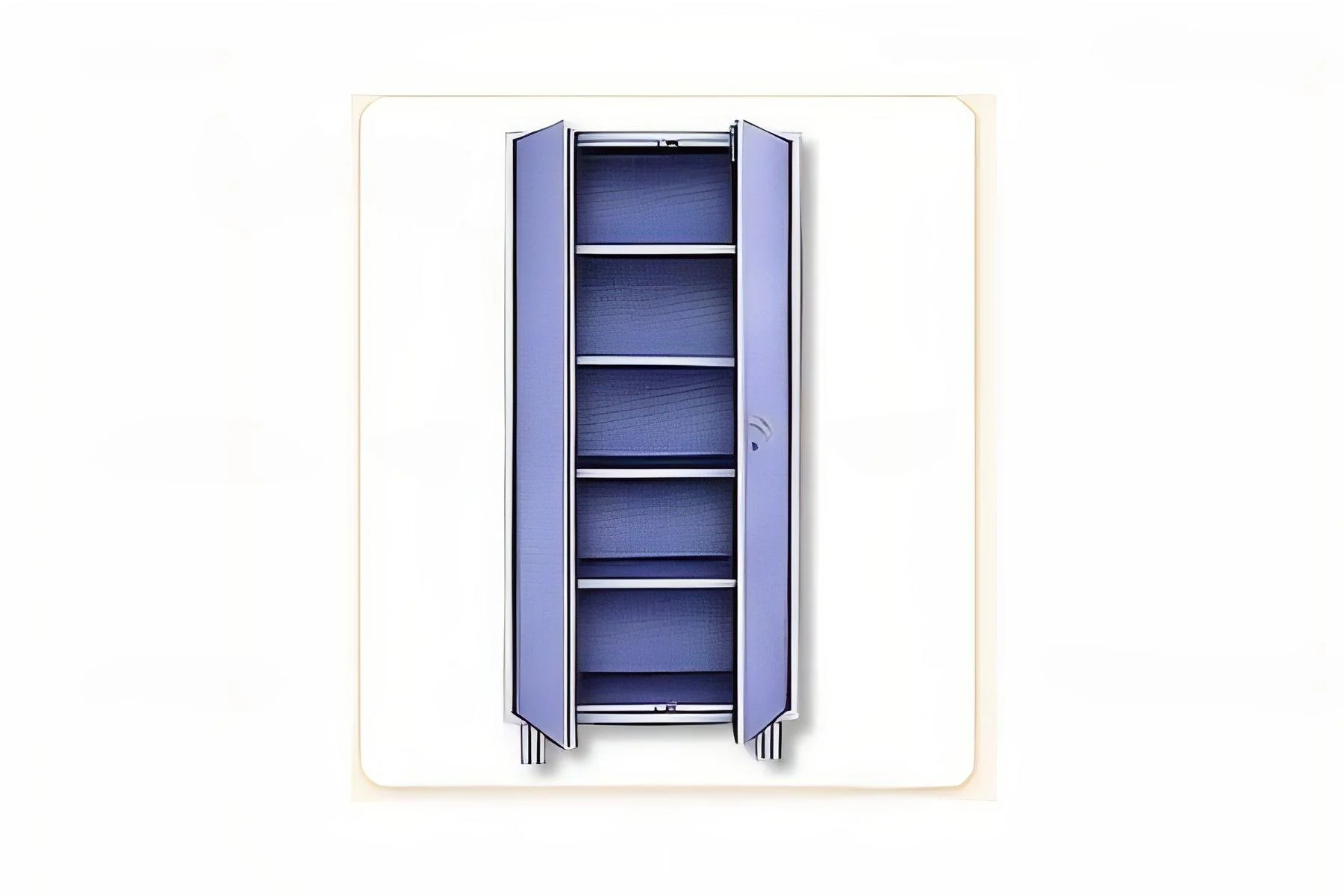
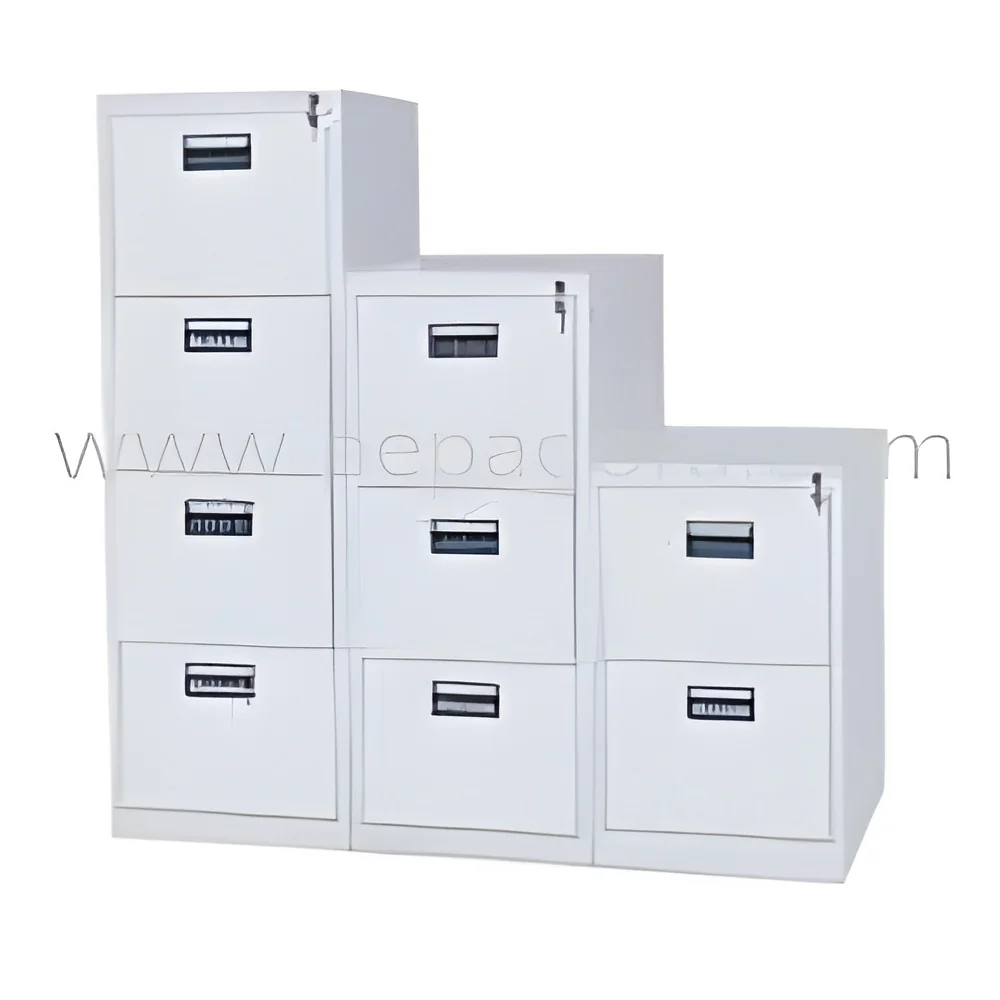
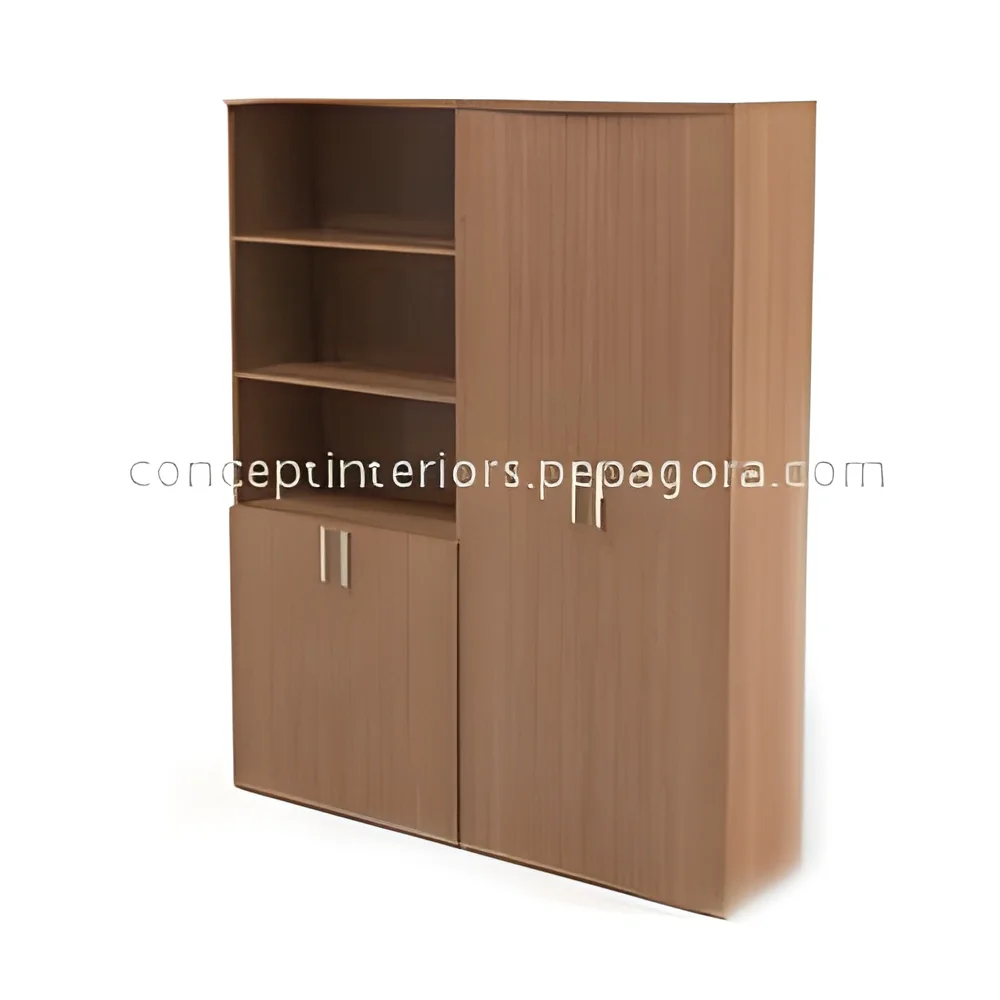
Filing cabinets are essential storage solutions designed for organizing and managing documents in a business environment. Typically made from metal, wood, or a combination of both, these cabinets feature multiple drawers that can accommodate various document sizes. They are engineered to provide easy access to files while ensuring their protection from damage or loss. Filing cabinets can come in different sizes and configurations, making them versatile for various office layouts.
These cabinets are primarily used in office settings, medical facilities, educational institutions, and government agencies. Businesses rely on filing cabinets to maintain organized records, facilitate quick retrieval of information, and ensure compliance with legal and regulatory requirements. With the growing need for efficient information management in today’s fast-paced business world, filing cabinets have become indispensable tools for maintaining order and security in document storage.
The market for filing cabinets is significant, driven by the increasing demand for efficient office organization and the necessity to protect sensitive information. As businesses continue to expand and evolve, the importance of reliable filing systems remains paramount across industries.
𝗞𝗲𝘆 𝗙𝗲𝗮𝘁𝘂𝗿𝗲𝘀 𝗮𝗻𝗱 𝗦𝗽𝗲𝗰𝗶𝗳𝗶𝗰𝗮𝘁𝗶𝗼𝗻𝘀
Filing cabinets come with a variety of features that enhance their functionality and security. Understanding these specifications is crucial for businesses when choosing the right cabinets for their needs.
Key specifications include:
1. Material
- Typically available in steel, wood, or a combination of both
- Steel cabinets offer durability and security, while wooden cabinets provide aesthetic appeal
2. Drawer Configuration
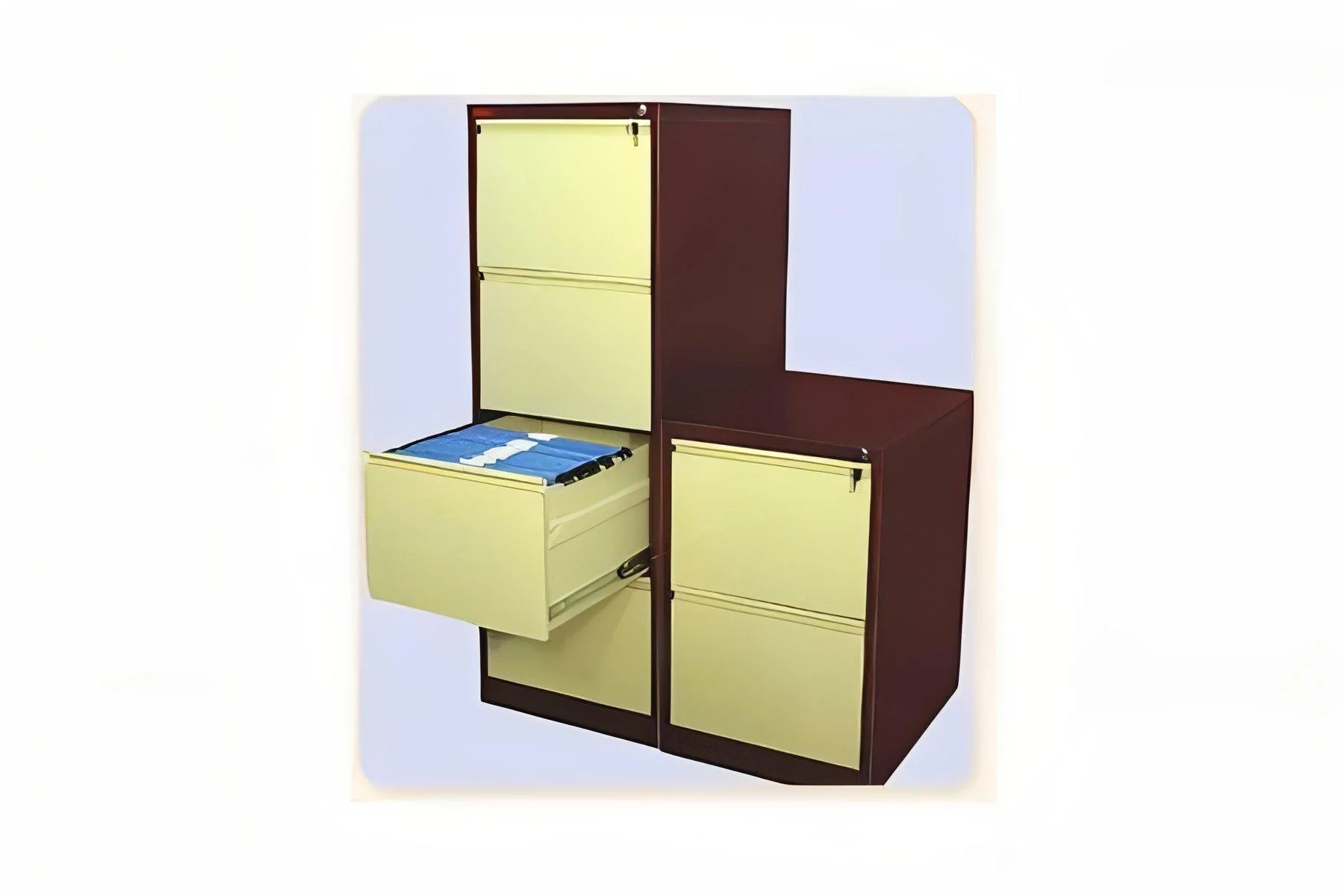
- Common configurations include vertical and lateral styles
- Vertical cabinets typically have two to five drawers, while lateral cabinets offer wider drawers for more file space
3. Locking Mechanism
- Many cabinets feature built-in locks for added security
- Key locks or combination locks are common options to prevent unauthorized access
4. Weight Capacity
- Each drawer generally supports a weight limit of 30 to 75 pounds
- Consideration of weight capacity is essential for storing heavy documents or files
5. Dimensions
- Standard filing cabinets range from 18 to 42 inches in height
- Widths typically vary between 15 to 36 inches, accommodating different space requirements
6. Accessibility
- Some models include full-extension drawers for easy access to files
- Drawers may also feature smooth gliding mechanisms for seamless operation
7. Finish
- Available in various colors and finishes to match office decor
- Powder-coated finishes enhance durability and resistance to scratches
8. Environmental Considerations
- Many filing cabinets are designed with eco-friendly materials
- Compliance with sustainability standards may be a consideration for some buyers
In summary, understanding the features and specifications of filing cabinets helps businesses make informed purchasing decisions that align with their filing needs and office environments.
𝗖𝗼𝗺𝗺𝗼𝗻 𝗔𝗽𝗽𝗹𝗶𝗰𝗮𝘁𝗶𝗼𝗻𝘀 𝗮𝗻𝗱 𝗨𝘀𝗲 𝗖𝗮𝘀𝗲𝘀
Filing cabinets serve various industries, providing essential solutions for document management and organization.
1. Corporate Offices: In corporate environments, filing cabinets are vital for storing employee records, contracts, and project files. They help maintain confidentiality and ensure quick retrieval of critical documents.
2. Healthcare: Medical facilities utilize filing cabinets to keep patient records secure and organized. They ensure compliance with health regulations and protect sensitive patient information.
3. Education: Schools and universities use filing cabinets to manage student records, administrative documents, and faculty files. These cabinets help maintain order in busy educational environments.
4. Legal: Law firms rely on filing cabinets for case files, legal documents, and client information. The cabinets provide a secure and organized way to manage sensitive legal materials.
5. Government: Government offices use filing cabinets to store public records, tax documents, and administrative paperwork. They help ensure compliance with transparency regulations.
6. Non-Profit Organizations: Non-profits use filing cabinets for donor records, grant applications, and program materials. Organized storage helps streamline operations and improve efficiency.
7. Financial Services: Banks and financial institutions utilize filing cabinets for client accounts, transaction records, and regulatory documents. Security and accessibility are key considerations in this industry.
𝗣𝗿𝗼𝗱𝘂𝗰𝘁 𝗩𝗮𝗿𝗶𝗮𝗻𝘁𝘀 𝗮𝗻𝗱 𝗦𝘂𝗯𝗰𝗮𝘁𝗲𝗴𝗼𝗿𝗶𝗲𝘀
Filing cabinets come in a range of variants to suit different business needs and preferences.
Vertical Filing Cabinets
These cabinets are designed to maximize vertical space, with a narrower footprint. They typically feature multiple drawers, making them ideal for tight office spaces. Vertical filing cabinets are commonly used for organizing standard letter-sized documents.
Lateral Filing Cabinets
Lateral cabinets provide wider drawers that allow for side-to-side file organization. They are suitable for storing larger documents and offer more drawer space for extensive filing needs. These cabinets are often used in collaborative office environments.
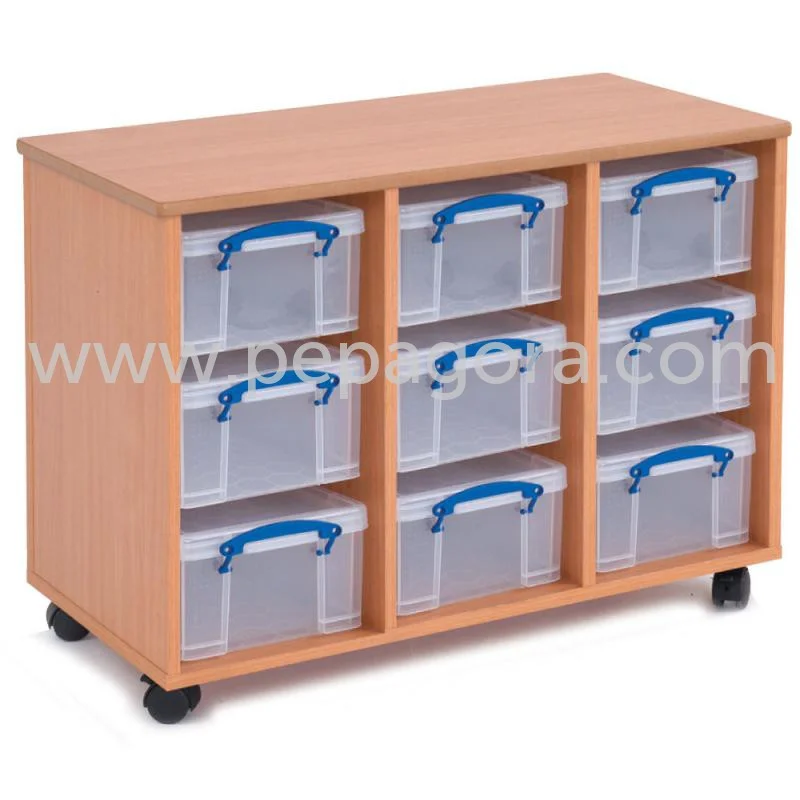
Mobile Filing Cabinets
These cabinets feature wheels for easy movement, making them perfect for dynamic office settings. Mobile filing cabinets can be moved wherever needed, providing flexibility in document storage.
Fireproof Filing Cabinets
These cabinets are designed to protect documents from fire damage. They often come with specialized materials and insulation to safeguard important files in case of emergencies. Fireproof filing cabinets are essential for businesses that handle sensitive information.
𝗕𝗲𝗻𝗲𝗳𝗶𝘁𝘀 𝗮𝗻𝗱 𝗔𝗱𝘃𝗮𝗻𝘁𝗮𝗴𝗲𝘀
Filing cabinets offer numerous benefits that enhance organizational efficiency and document management.
1. Improved Organization: Filing cabinets help businesses maintain order by providing designated spaces for documents, reducing clutter in workspaces.
2. Enhanced Security: With built-in locks and sturdy construction, filing cabinets protect sensitive information from unauthorized access.
3. Easy Accessibility: Filing cabinets are designed for quick retrieval of documents, saving time and increasing productivity.
4. Compliance Support: Many industries have regulations regarding document storage. Filing cabinets help businesses comply with these requirements through secure and organized storage.
5. Space Optimization: Filing cabinets maximize vertical and horizontal office space, allowing for efficient use of available areas.
6. Customization Options: Many filing cabinets come in various sizes, colors, and styles, enabling businesses to choose options that fit their specific needs and office decor.
𝗕𝘂𝘆𝗶𝗻𝗴 𝗚𝘂𝗶𝗱𝗲 𝗳𝗼𝗿 𝗕𝟮𝗕 𝗕𝘂𝘆𝗲𝗿𝘀
When sourcing filing cabinets, several factors should be considered to ensure the right purchase for business needs.
1. Quality Assessment: Evaluate the materials and construction of filing cabinets. Look for durable options that can withstand frequent use and meet your filing requirements.
2. Supplier Verification: It is essential to vet suppliers for reliability and reputation. Check for reviews, certifications, and their history in the industry to ensure quality service.
3. Pricing and MOQ: Understand the cost of filing cabinets and inquire about minimum order quantities. This will help manage budgets and ensure you are making a cost-effective purchase.
4. Delivery and Lead Times: Consider logistics when sourcing filing cabinets. Inquire about delivery schedules and lead times to ensure timely arrival for your project needs.
5. Compliance Requirements: Research any industry-specific regulations regarding document storage and ensure that the filing cabinets meet these compliance standards.
𝗖𝗼𝗺𝗽𝗹𝗶𝗮𝗻𝗰𝗲 𝗮𝗻𝗱 𝗖𝗲𝗿𝘁𝗶𝗳𝗶𝗰𝗮𝘁𝗶𝗼𝗻𝘀
Filing cabinets must adhere to various quality standards and certifications to ensure safety and functionality.
ISO 9001 is a widely recognized standard that indicates a manufacturer’s commitment to quality management systems. Filing cabinets that meet these standards are likely to be reliable and durable.
CE certification is essential for products sold in the European market, indicating conformity with health, safety, and environmental protection standards. Filing cabinets with CE certification ensure compliance with these regulations.
Safety and testing requirements are crucial for filing cabinets, especially those used in environments where sensitive information is stored. Manufacturers should conduct appropriate testing to verify the durability and security features of their cabinets.
Regional compliance considerations may vary depending on local regulations. Businesses should ensure that their filing cabinets meet any specific requirements within their geographic area.
𝗪𝗵𝘆 𝗦𝗼𝘂𝗿𝗰𝗲 𝗙𝗶𝗹𝗶𝗻𝗴 𝗖𝗮𝗯𝗶𝗻𝗲𝘁𝘀 𝗳𝗿𝗼𝗺 𝗣𝗲𝗽𝗮𝗴𝗼𝗿𝗮?
Pepagora provides a trusted platform for sourcing filing cabinets, offering several key advantages for B2B buyers.
Verified Supplier Network: Pepagora connects buyers with a network of verified suppliers, ensuring that businesses can access high-quality filing cabinets from reputable manufacturers.
Streamlined RFQ Process: The platform simplifies the request for quotation process, allowing buyers to easily compare prices and features from multiple suppliers, facilitating informed decision-making.
Trade Assurance and Support: Pepagora offers buyer protection through trade assurance, ensuring that businesses are supported throughout the purchasing process, from inquiry to delivery.
Regional Coverage: With a strong presence in India, the GCC, and Southeast Asia, Pepagora caters to a diverse range of businesses, providing access to filing cabinets that meet specific regional needs and standards.
Filing cabinets are storage units designed to organize and secure documents and files. They typically feature multiple drawers that can hold folders or loose papers, making it easier to keep important information organized and accessible.
2
What are the different types of Filing Cabinets?
Filing cabinets come in various types, including vertical, lateral, mobile, and secure cabinets. Vertical cabinets are tall and narrow, while lateral cabinets are wider and offer more horizontal storage space. Mobile cabinets are on wheels for easy movement, and secure cabinets are designed with locks for added security.
3
How do I choose the right Filing Cabinets?
Choosing the right filing cabinet involves assessing your storage needs, available space, and the type of files you need to store. Consider the size of the cabinet, the number of drawers, and whether you need special features like locking mechanisms or mobile options.
4
What are the standard specifications for Filing Cabinets?
Standard specifications for filing cabinets include dimensions, drawer capacity, material, and weight. Typical dimensions can range from 15 to 30 inches in width and 25 to 60 inches in height, while materials often include steel, wood, or composite materials.
5
What is the price range for Filing Cabinets?
The price of filing cabinets can vary widely based on size, material, and brand. Generally, you can expect to pay anywhere from ₹3,000 to ₹20,000 or more for high-quality cabinets, depending on the features and specifications.
6
What quality standards apply to Filing Cabinets?
Quality standards for filing cabinets typically include durability, stability, and compliance with safety regulations. Many manufacturers adhere to industry standards such as ISO certifications to ensure that their products are reliable and meet safety requirements.
7
Where can I find Filing Cabinets suppliers in India?
You can find filing cabinet suppliers in India through online B2B marketplaces like Pepagora, as well as local furniture stores and office supply retailers. It's advisable to compare multiple suppliers to find the best quality and pricing options.
8
Can Filing Cabinets be customized?
Yes, many manufacturers offer customization options for filing cabinets. You can request features such as specific dimensions, colors, and additional locking mechanisms based on your unique storage needs.
9
What is the typical minimum order quantity for Filing Cabinets?
The minimum order quantity (MOQ) for filing cabinets can vary by manufacturer and product type. Typically, MOQs range from 5 to 50 units, depending on the supplier's policies and the customization options selected.
10
What is the typical lead time for Filing Cabinets?
The lead time for filing cabinets usually ranges from 2 to 6 weeks, depending on the supplier and whether the cabinets are standard or customized. It's best to confirm the expected lead time directly with the supplier at the time of order.
Why Businesses Trust Pepagora
Thousands of companies trust Pepagora to source smarter and sell faster
Expand Your Sales Globally
25000+Products listed.Get discovered by global buyers

 IN
IN