𝗪𝗵𝗮𝘁 𝗮𝗿𝗲 𝗙𝗶𝗿𝗲 𝗗𝗮𝗺𝗽𝗲𝗿𝘀?
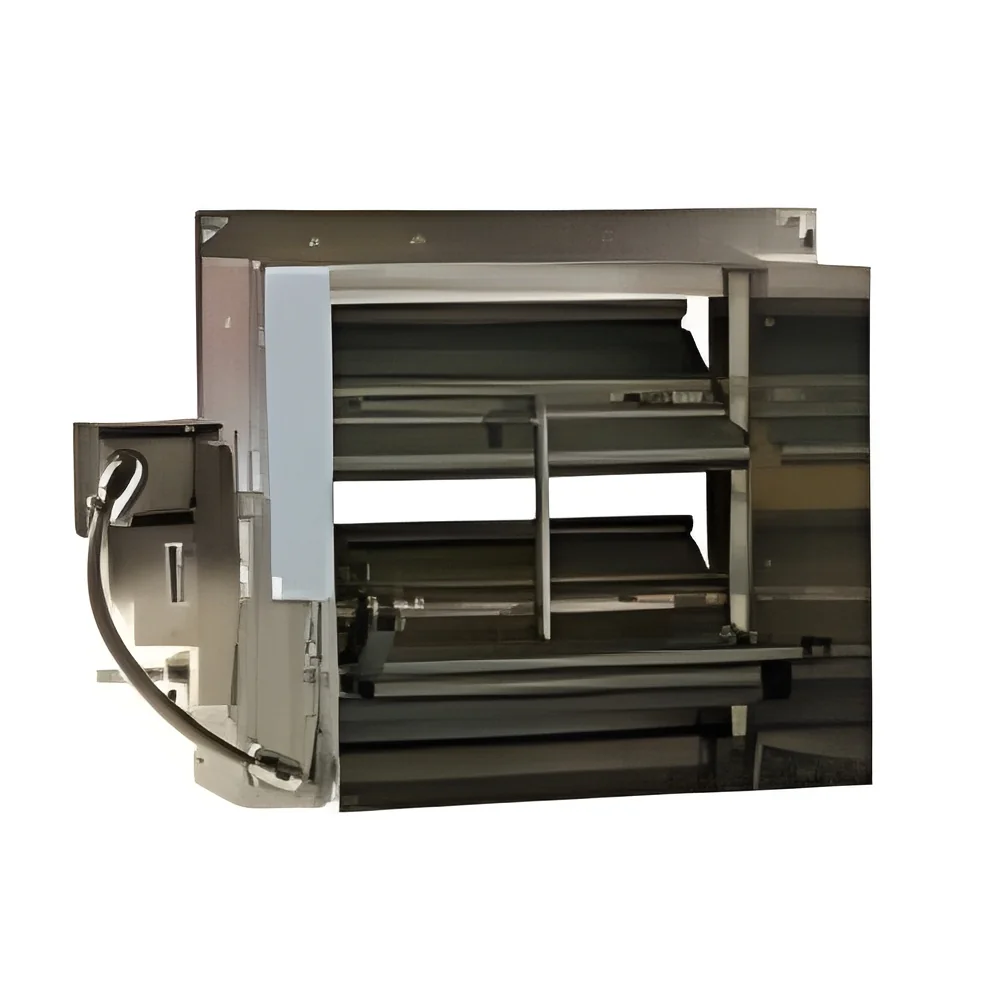
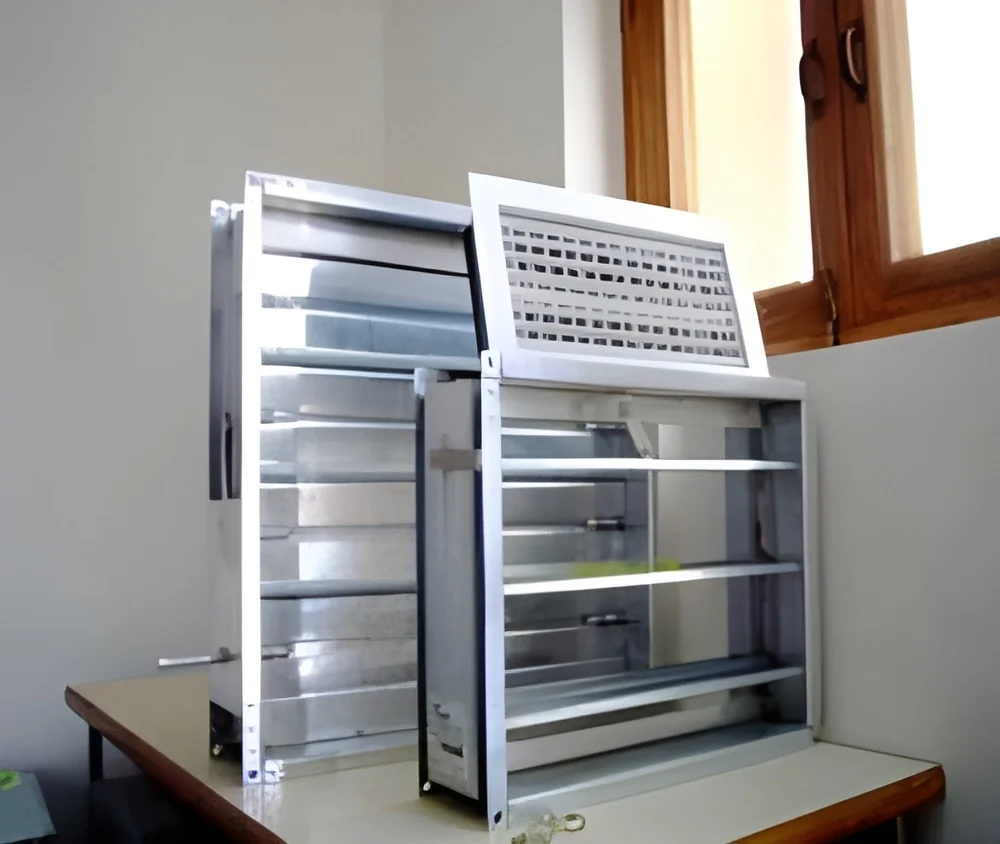
Fire dampers are critical components in building fire protection systems. They are designed to prevent the spread of fire and smoke through air ducts and openings in fire-resistance-rated walls, floors, and ceilings. When a fire occurs, fire dampers automatically close to block the passage of flames and smoke, protecting adjacent areas and maintaining the integrity of fire barriers.
These components are primarily used in commercial and industrial buildings, offering essential protection in facilities such as hospitals, schools, shopping malls, and manufacturing plants. Their application is vital in any structure where air circulation is needed without compromising fire safety. The fire damper industry is significant, as regulations and safety codes increasingly demand advanced solutions to enhance fire protection measures in various environments.
𝗞𝗲𝘆 𝗙𝗲𝗮𝘁𝘂𝗿𝗲𝘀 𝗮𝗻𝗱 𝗦𝗽𝗲𝗰𝗶𝗳𝗶𝗰𝗮𝘁𝗶𝗼𝗻𝘀
Fire dampers come with several key features and technical specifications that ensure their effectiveness in fire prevention. Understanding these specifications is crucial for selecting the right product for specific applications.
Key specifications include:
1. Construction Material
- Typically made from galvanized steel or stainless steel.
- Ensures durability and resistance to corrosion.
2. Temperature Ratings
- Designed to withstand high temperatures during a fire.
- Common ratings include 150°F and 250°F.
3. Actuation Method
- Can be manual or automatic, depending on the application.
- Automatic models often integrate with fire alarm systems.
4. Size Options
- Available in various sizes to accommodate different duct dimensions.
- Common sizes range from 6 inches to 48 inches in diameter.
5. Certification
- Many fire dampers are CE certified.
- Ensures compliance with safety standards and regulations.
6. Installation Type
- Can be installed in vertical or horizontal configurations.
- Suitable for various building layouts.
7. Maintenance Requirements
- Regular inspection and maintenance are needed for optimal function.
- Some models come with maintenance-free features.
8. Airflow Characteristics
- Designed to minimize airflow resistance when open.
- Ensures efficient operation of HVAC systems.
In summary, understanding the features and specifications of fire dampers is essential for ensuring that they meet the safety requirements of your building.
𝗖𝗼𝗺𝗺𝗼𝗻 𝗔𝗽𝗽𝗹𝗶𝗰𝗮𝘁𝗶𝗼𝗻𝘀 𝗮𝗻𝗱 𝗨𝘀𝗲 𝗖𝗮𝘀𝗲𝘀
Fire dampers are used across a variety of industries, providing essential protection in many applications.
1. Healthcare: In hospitals, fire dampers protect sensitive areas like operating rooms and critical care units from smoke and fire hazards.
2. Education: Schools utilize fire dampers to safeguard classrooms and common areas, ensuring a safe environment for students and staff during emergencies.
3. Retail: Shopping malls and large retail spaces employ fire dampers to manage air circulation while preventing fire spread between stores.
4. Manufacturing: Factories and warehouses rely on fire dampers to protect manufacturing areas and storage spaces, reducing risk to valuable equipment and materials.
5. Hospitality: Hotels and resorts use fire dampers to maintain safety in guest areas, dining rooms, and service spaces, enhancing overall guest security.
6. Transportation: Airports and transit hubs incorporate fire dampers in ventilation systems to protect passengers and staff from fire hazards.
7. Data Centers: These facilities implement fire dampers to protect sensitive electronic equipment from smoke damage during a fire incident.
𝗣𝗿𝗼𝗱𝘂𝗰𝘁 𝗩𝗮𝗿𝗶𝗮𝗻𝘁𝘀 𝗮𝗻𝗱 𝗦𝘂𝗯𝗰𝗮𝘁𝗲𝗴𝗼𝗿𝗶𝗲𝘀
Fire dampers come in various types, each designed for specific applications and environments.
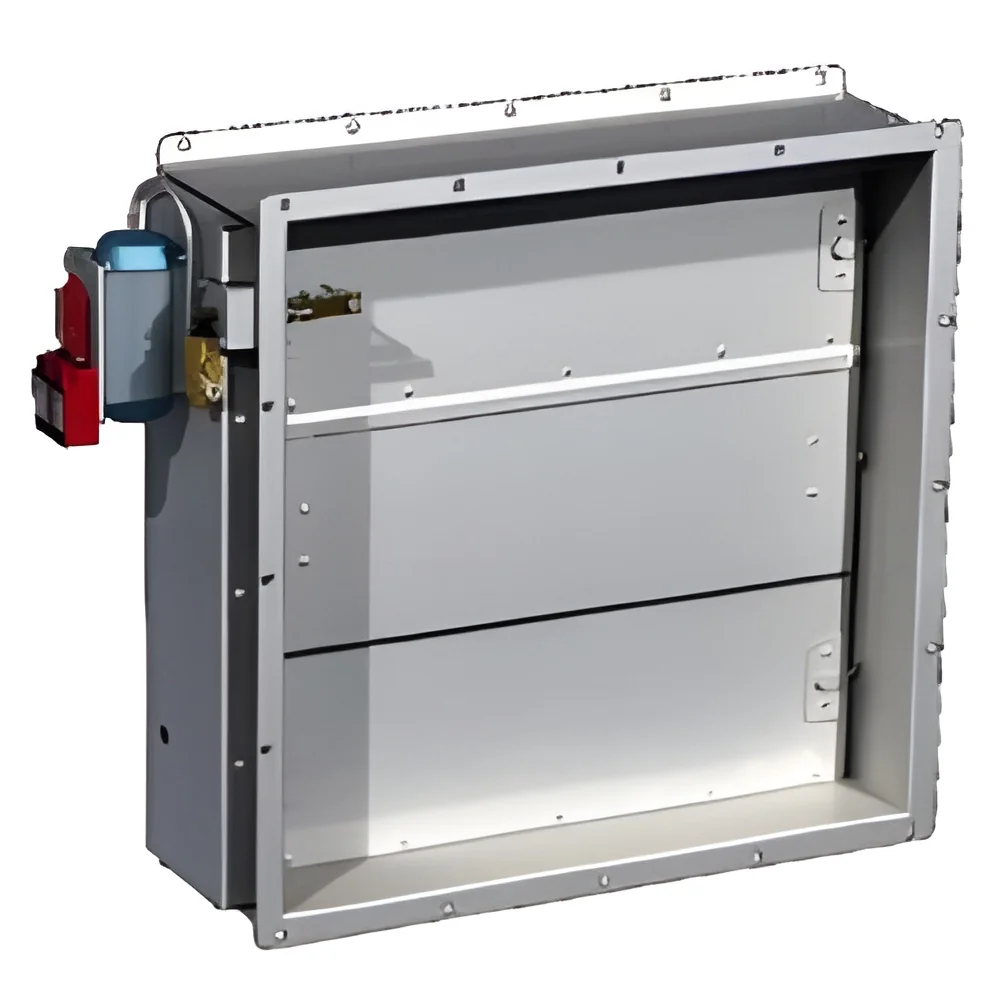
Motorized Fire Dampers: These variants feature automated closing mechanisms that respond to fire alarm systems. They are ideal for large commercial buildings where quick response is crucial.
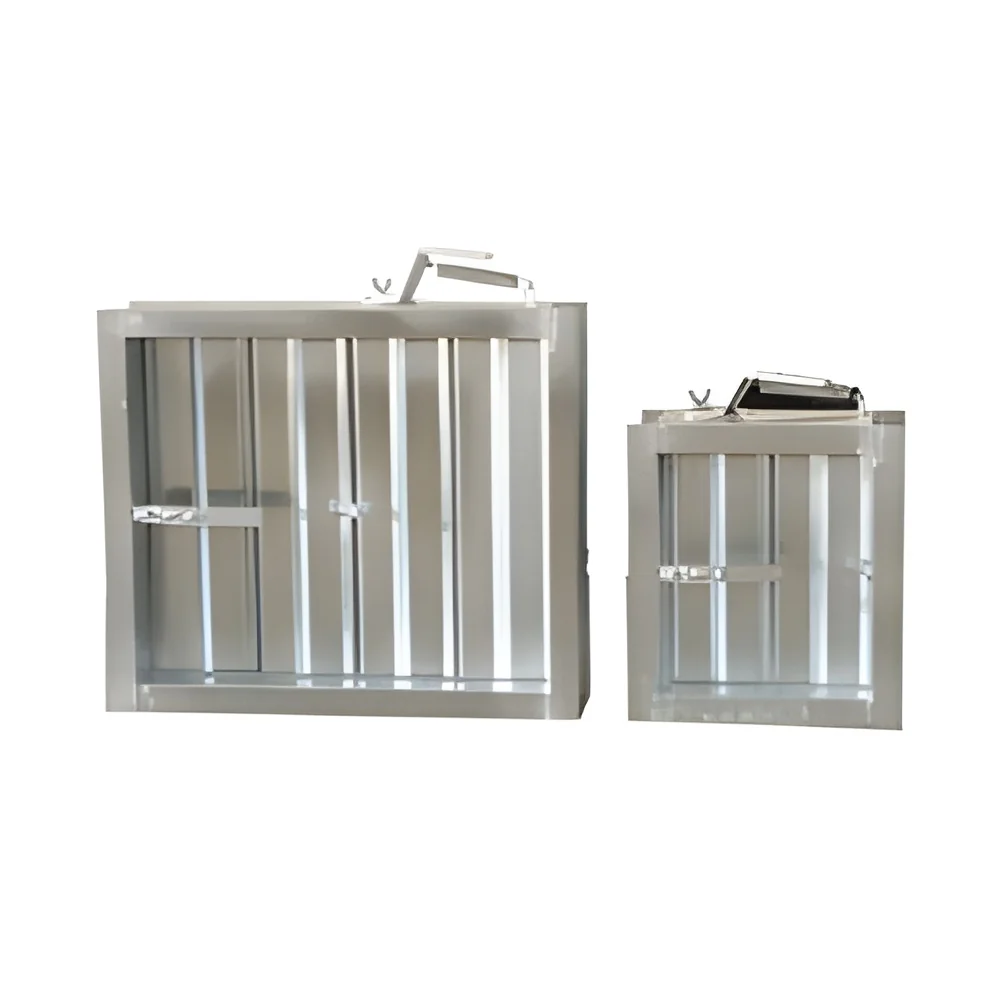
Manual Fire Dampers: Designed for manual operation, these dampers are often used in smaller systems where automatic closure is not necessary. They provide flexibility in airflow management.
Smoke Dampers: These specialized variants are designed to control smoke movement and are commonly used in conjunction with fire dampers. They are essential in buildings where smoke control is a priority.
Combination Fire and Smoke Dampers: These products serve dual purposes, providing both fire and smoke protection in a single unit. They are ideal for complex systems requiring comprehensive safety solutions.
𝗕𝗲𝗻𝗲𝗳𝗶𝘁𝘀 𝗮𝗻𝗱 𝗔𝗱𝘃𝗮𝗻𝘁𝗮𝗴𝗲𝘀
Fire dampers offer numerous benefits that enhance safety in various environments.
1. Fire Protection: They effectively prevent the spread of fire and smoke, protecting lives and property.
2. Compliance: Fire dampers help meet local fire safety regulations, ensuring that buildings adhere to legal requirements.
3. Versatility: With various models available, fire dampers can be tailored to fit different building designs and ventilation needs.
4. Cost-Effectiveness: Investing in fire dampers can reduce potential losses from fire damage, making them a valuable addition to fire safety plans.
5. Improved Air Quality: When properly utilized, fire dampers can help maintain indoor air quality by controlling airflow without compromising safety.
6. Enhanced Peace of Mind: Knowing that effective fire protection systems are in place provides confidence to building occupants and managers.
𝗕𝘂𝘆𝗶𝗻𝗴 𝗚𝘂𝗶𝗱𝗲 𝗳𝗼𝗿 𝗕𝟮𝗕 𝗕𝘂𝘆𝗲𝗿𝘀
When sourcing fire dampers, it is essential to consider several key factors to ensure you make informed decisions.
1. Quality Assessment: Evaluate products against industry standards and specifications. Ensure that fire dampers are CE certified and meet relevant safety requirements.
2. Supplier Verification: Research potential suppliers to confirm their reputation and reliability. Look for reviews, testimonials, and their track record in delivering quality products.
3. Pricing and MOQ: Understand the pricing structure and minimum order quantities. Compare costs among suppliers to ensure you are getting a fair deal.
4. Delivery and Lead Times: Inquire about typical lead times and delivery options. Ensure that suppliers can meet your project timelines.
5. Compliance Requirements: Verify that the products meet local and regional compliance standards. This is critical for ensuring safety and legal adherence.
𝗖𝗼𝗺𝗽𝗹𝗶𝗮𝗻𝗰𝗲 𝗮𝗻𝗱 𝗖𝗲𝗿𝘁𝗶𝗳𝗶𝗰𝗮𝘁𝗶𝗼𝗻𝘀
Fire dampers must adhere to various quality standards and certifications to ensure safety and reliability. One of the most recognized standards is ISO 9001, which addresses quality management systems and ensures a consistent level of quality in manufacturing.
Additionally, fire dampers must often meet CE certification requirements, indicating compliance with European health, safety, and environmental protection standards. This certification is essential for products sold within the European market.
Testing requirements for fire dampers are rigorous, with products often undergoing comprehensive safety tests to ensure functionality during a fire. Manufacturers must also consider regional compliance, which may vary based on local regulations and building codes.
𝗪𝗵𝘆 𝗦𝗼𝘂𝗿𝗰𝗲 𝗙𝗶𝗿𝗲 𝗗𝗮𝗺𝗽𝗲𝗿𝘀 𝗳𝗿𝗼𝗺 𝗣𝗲𝗽𝗮𝗴𝗼𝗿𝗮?
Pepagora offers a reliable platform for sourcing fire dampers with several key advantages that benefit B2B buyers.
Verified Supplier Network: Pepagora maintains a network of verified suppliers, ensuring that buyers can access quality products from reputable manufacturers. This network reduces the risk associated with sourcing materials.
Streamlined RFQ Process: The platform features a straightforward request for quotation process, allowing buyers to obtain competitive quotes quickly. This efficiency helps in making informed purchasing decisions.
Trade Assurance and Support: Pepagora provides trade assurance, protecting buyers by ensuring that products meet agreed-upon specifications and are delivered on time. This level of support adds confidence to the purchasing process.
Regional Coverage: With a strong presence in India, the GCC, and Southeast Asia, Pepagora offers broad geographic reach. This allows buyers from various regions to find suitable fire dampers tailored to their specific needs.
Fire dampers are passive fire protection devices installed in ducts and air transfer openings to prevent the spread of fire and smoke through the HVAC systems. They automatically close when they detect heat from a fire, helping to contain the fire within designated areas.
2
What are the different types of Fire Dampers?
The main types of fire dampers include manual fire dampers, automatic fire dampers, smoke dampers, and combination fire and smoke dampers. Each type serves a specific purpose based on the requirements of the building's fire protection system.
3
How do I choose the right Fire Dampers?
Choosing the right fire dampers involves considering factors such as the type of building, the fire rating required, and the specific application within the HVAC system. Consulting with fire safety professionals or manufacturers can help determine the most suitable options for your needs.
4
What are the standard specifications for Fire Dampers?
Standard specifications for fire dampers include compliance with relevant fire safety codes and standards, such as UL 555 or EN 1366-2. Additionally, they should be rated for the appropriate temperature and pressure conditions based on their intended use.
5
What is the price range for Fire Dampers?
The price range for fire dampers can vary significantly based on type, size, and manufacturer, typically ranging from ₹1,500 to ₹20,000 per unit. It is advisable to obtain quotes from multiple suppliers to find the most competitive pricing.
6
What quality standards apply to Fire Dampers?
Fire dampers must comply with various quality standards, including those set by the National Fire Protection Association (NFPA) and Underwriters Laboratories (UL). These standards ensure that the dampers are effective in preventing fire and smoke spread.
7
Where can I find Fire Dampers suppliers in India?
Fire dampers suppliers in India can be found through online B2B marketplaces like Pepagora.com, industry trade shows, and local construction or HVAC supply companies. It's important to review supplier credibility and product quality before making a purchase.
8
Can Fire Dampers be customized?
Yes, fire dampers can be customized to meet specific requirements such as size, material, and fire rating. Many manufacturers offer customization options to ensure that the dampers fit the unique needs of a project.
9
What is the typical minimum order quantity for Fire Dampers?
The typical minimum order quantity (MOQ) for fire dampers can range from 10 to 50 units, depending on the supplier. It's advisable to check with individual manufacturers or suppliers for their specific MOQ policies.
10
What is the typical lead time for Fire Dampers?
The typical lead time for fire dampers can range from 2 to 6 weeks, depending on the supplier and the complexity of the order. Factors such as customization, availability of materials, and production schedules can also affect lead times.
Why Businesses Trust Pepagora
Thousands of companies trust Pepagora to source smarter and sell faster
Expand Your Sales Globally
25000+Products listed.Get discovered by global buyers

 IN
IN