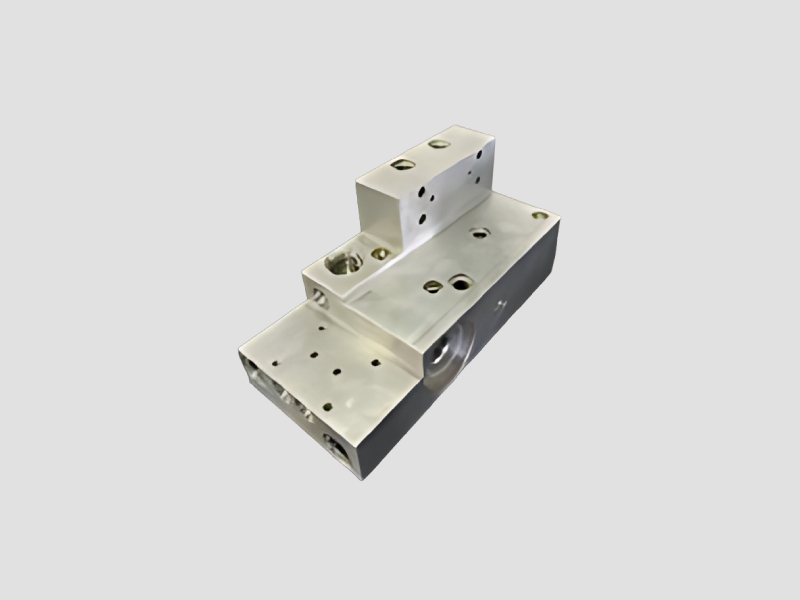
𝗪𝗵𝗮𝘁 𝗮𝗿𝗲 𝗙𝗶𝘅𝘁𝘂𝗿𝗲 𝗣𝗹𝗮𝘁𝗲𝘀 & 𝗝𝗶𝗴𝘀?
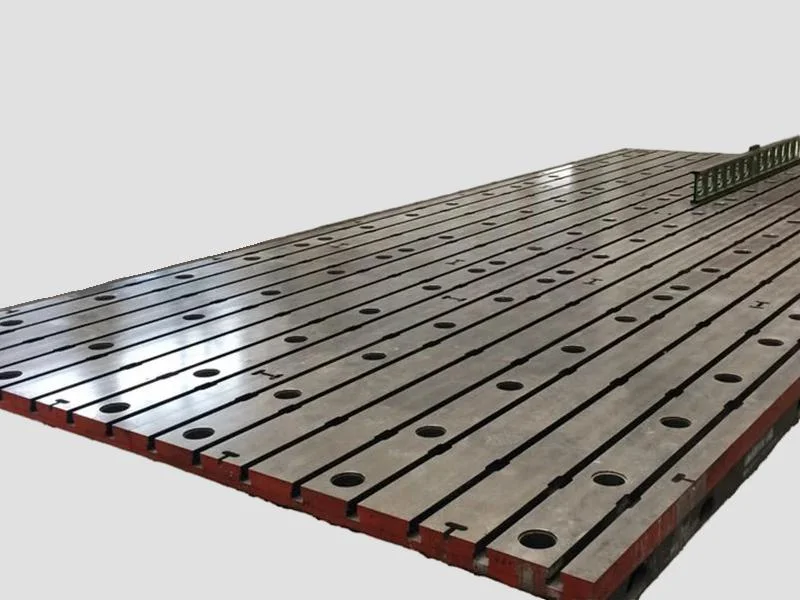
Fixture plates and jigs are essential tools used in manufacturing and assembly processes to ensure precision and accuracy. A fixture plate is a flat platform that serves as a base for holding workpieces securely during machining, assembly, or inspection. Jigs, on the other hand, are devices that guide tools or workpieces to achieve specific operations. Together, these tools enhance productivity by reducing setup times and improving the overall quality of the finished products.
These tools are commonly utilized in various industries, including automotive, aerospace, and electronics. In manufacturing environments, fixture plates and jigs are vital for processes such as drilling, welding, and assembly. They enable manufacturers to maintain tight tolerances and repeatability in their operations, which is crucial for meeting quality standards and customer expectations. The demand for these tools continues to grow as industries seek to enhance efficiency and reduce errors in production.
As businesses increasingly focus on automation and precision engineering, fixture plates and jigs play a significant role in maintaining competitive advantages. They not only improve workflow efficiency but also support the ongoing push for innovation in industrial processes. As such, these tools are integral to modern manufacturing practices and are widely recognized for their contributions to productivity and quality.
𝗞𝗲𝘆 𝗙𝗲𝗮𝘁𝘂𝗿𝗲𝘀 𝗮𝗻𝗱 𝗦𝗽𝗲𝗰𝗶𝗳𝗶𝗰𝗮𝘁𝗶𝗼𝗻𝘀
Fixture plates and jigs come with a variety of key features that are essential for their effective operation. These features can vary based on the specific requirements of different manufacturing processes.
Key specifications include:
1. Material Composition
- Typically made from high-strength materials such as steel or aluminum
- Offers durability and resistance to wear
2. Surface Finish
- Precision ground or coated to reduce friction and ensure smooth operation
- Allows for easy cleaning and maintenance
3. Tolerance Levels
- Designed to maintain precise tolerances, often within a range of 0.001 to 0.005 inches
- Ensures high accuracy in machining and assembly
4. Size Variability
- Available in multiple sizes to accommodate different workpieces
- Custom sizes may be available based on specific needs
5. Mounting Options
- Features multiple mounting holes or slots for securing fixtures
- Allows for flexibility in positioning and setup
6. Customization Options
- Ability to customize features based on specific operational requirements
- Enhances usability in various applications
7. Weight Capacity
- Designed to support significant weight loads, often exceeding 2000 pounds
- Ensures stability during machining or assembly processes
8. Compliance Standards
- Often meets industry standards such as CE certification
- Ensures reliability and safety in operation
In summary, fixture plates and jigs are characterized by their robust material composition, precise tolerances, and various customization options. These features make them invaluable tools in achieving high-quality manufacturing outcomes.
𝗖𝗼𝗺𝗺𝗼𝗻 𝗔𝗽𝗽𝗹𝗶𝗰𝗮𝘁𝗶𝗼𝗻𝘀 𝗮𝗻𝗱 𝗨𝘀𝗲 𝗖𝗮𝘀𝗲𝘀
Fixture plates and jigs are versatile tools applicable across a wide range of industries. Their ability to enhance precision and efficiency makes them essential in many manufacturing processes.
1. Automotive: In the automotive industry, fixture plates are used for holding car components during assembly and machining, ensuring accurate alignment and fitment.
2. Aerospace: Jigs are critical in aerospace manufacturing, where they guide the installation of complex parts, ensuring strict adherence to safety and performance standards.
3. Electronics: Fixture plates are utilized in the electronics sector for testing and assembling circuit boards, facilitating high precision and repeatability.
4. Medical Devices: In the production of medical devices, jigs help in the assembly of intricate components, ensuring that the final products meet stringent regulatory standards.
5. Metal Fabrication: Fixtures are essential in metal fabrication processes, where they secure workpieces for cutting, welding, and finishing operations.
6. Woodworking: Jigs are commonly used in woodworking to guide tools for precise cuts and joinery, improving overall craftsmanship.
7. Tool Manufacturing: Fixture plates are essential in tool manufacturing, where they hold tools securely during grinding and finishing processes.
𝗣𝗿𝗼𝗱𝘂𝗰𝘁 𝗩𝗮𝗿𝗶𝗮𝗻𝘁𝘀 𝗮𝗻𝗱 𝗦𝘂𝗯𝗰𝗮𝘁𝗲𝗴𝗼𝗿𝗶𝗲𝘀
Fixture plates and jigs come in various forms to meet diverse industrial needs. Each variant is designed with specific features that cater to different applications.
Standard Fixture Plates
These are flat plates used for securing workpieces during machining processes. They offer a solid base and can be customized with various mounting options.
Adjustable Jigs
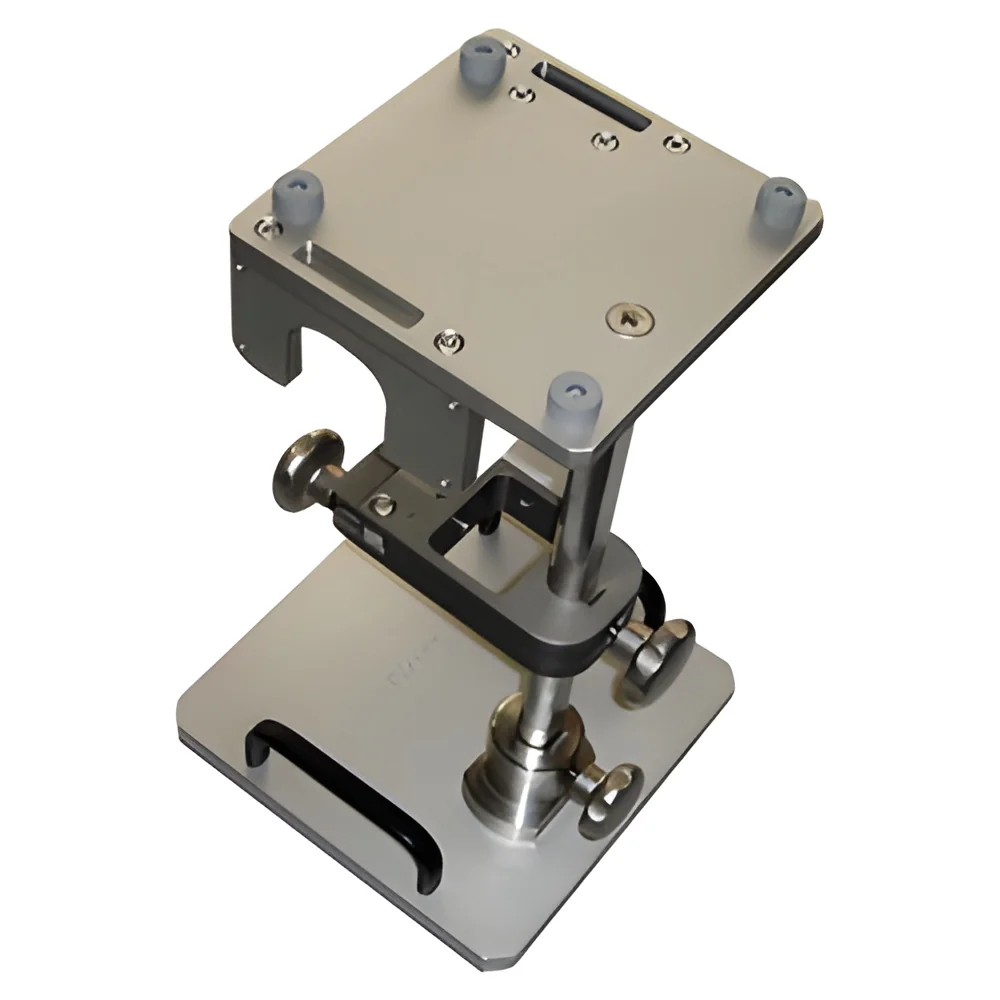
These jigs allow for adjustments in position and angle, making them suitable for complex assembly tasks. Their flexibility enhances usability across different projects.
Specialized Jigs
Designed for specific tasks, these jigs may include features such as built-in guides or clamps to aid in the assembly of particular components, ensuring high precision.
Quick Change Fixture Plates
These plates are engineered for rapid changes between different workpieces, reducing downtime and increasing productivity in manufacturing environments.
𝗕𝗲𝗻𝗲𝗳𝗶𝘁𝘀 𝗮𝗻𝗱 𝗔𝗱𝘃𝗮𝗻𝘁𝗮𝗴𝗲𝘀
Investing in fixture plates and jigs offers numerous benefits to manufacturers seeking to enhance their production processes.
Key benefits include:
1. Improved Precision: These tools ensure high levels of accuracy, reducing errors during machining and assembly.
2. Increased Efficiency: By streamlining setup times and reducing manual adjustments, fixture plates and jigs boost overall operational efficiency.
3. Enhanced Safety: Properly designed fixtures provide stability, reducing the risk of accidents during machining or assembly.
4. Customization Potential: The ability to customize fixtures allows businesses to tailor solutions to their unique operational needs.
5. Cost-Effectiveness: By minimizing waste and errors, fixture plates and jigs contribute to lower production costs over time.
6. Versatility: These tools can be adapted for various applications across multiple industries, making them a valuable investment for diverse manufacturing environments.
𝗕𝘂𝘆𝗶𝗻𝗴 𝗚𝘂𝗶𝗱𝗲 𝗳𝗼𝗿 𝗕𝟮𝗕 𝗕𝘂𝘆𝗲𝗿𝘀
When sourcing fixture plates and jigs, it is essential for businesses to consider several key factors to ensure they make informed purchasing decisions.
1. Quality Assessment: Evaluate materials and manufacturing processes to ensure the products meet required quality standards and durability expectations.
2. Supplier Verification: Conduct thorough research on potential suppliers to confirm their reputation, reliability, and ability to deliver quality products consistently.
3. Pricing and MOQ: Understand the pricing structure and minimum order quantities (MOQ) offered by suppliers to find options that align with budget constraints.
4. Delivery and Lead Times: Consider the logistics of delivery and lead times to ensure that products can be received within required timeframes for production schedules.
5. Compliance Requirements: Ensure that the fixture plates and jigs comply with relevant safety and quality regulations, such as CE certification, to avoid legal issues and ensure product reliability.
𝗖𝗼𝗺𝗽𝗹𝗶𝗮𝗻𝗰𝗲 𝗮𝗻𝗱 𝗖𝗲𝗿𝘁𝗶𝗳𝗶𝗰𝗮𝘁𝗶𝗼𝗻𝘀
Fixture plates and jigs must adhere to various quality standards and certifications to ensure they meet industry requirements. ISO 9001 is a widely recognized quality management standard that emphasizes consistent quality and continuous improvement.
In addition to ISO standards, many manufacturers seek CE certification for their products. This certification indicates that the products meet European safety and environmental protection standards. Compliance with such regulations is crucial for manufacturers looking to expand into international markets.
Safety and testing requirements are also vital, ensuring that the tools can withstand operational stresses while maintaining dimensional accuracy. Regional compliance considerations may vary, so it is essential to be aware of local regulations that apply to specific industries or applications.
𝗪𝗵𝘆 𝗦𝗼𝘂𝗿𝗰𝗲 𝗙𝗶𝘅𝘁𝘂𝗿𝗲 𝗣𝗹𝗮𝘁𝗲𝘀 & 𝗝𝗶𝗴𝘀 𝗳𝗿𝗼𝗺 𝗣𝗲𝗽𝗮𝗴𝗼𝗿𝗮?
Pepagora provides a trusted platform for sourcing fixture plates and jigs, offering several key advantages that benefit B2B buyers.
Verified Supplier Network: Pepagora connects buyers with a network of verified suppliers, ensuring access to high-quality products and reliable service. This network undergoes rigorous vetting to maintain standards.
Streamlined RFQ Process: The Request for Quotation (RFQ) system simplifies the procurement process. Buyers can easily request quotes from multiple suppliers, facilitating comparison and informed decision-making.
Trade Assurance and Support: Buyers are protected by trade assurance policies that ensure fair transactions. Pepagora also offers support throughout the purchasing process, ensuring a smooth experience for buyers.
Regional Coverage: With a focus on markets in India, the GCC, and Southeast Asia, Pepagora provides extensive geographic reach. This makes it easier for buyers to find local suppliers and reduce shipping times and costs.
In conclusion, sourcing fixture plates and jigs through Pepagora offers a comprehensive solution for businesses seeking quality products and reliable suppliers in the industrial sector.
Fixture plates and jigs are specialized tools used in manufacturing and assembly processes. They are designed to hold and support workpieces in a fixed position, ensuring precision and consistency during machining or fabrication operations.
2
What are the different types of Fixture Plates & Jigs?
There are various types of fixture plates and jigs, including modular fixture plates, dedicated jigs, and adjustable jigs. Modular fixture plates allow for flexibility in design, while dedicated jigs are tailored for specific tasks, ensuring maximum accuracy.
3
How do I choose the right Fixture Plates & Jigs?
When selecting fixture plates and jigs, consider factors such as the type of workpiece, the machining process, and the required precision. It's also important to evaluate the material, design, and compatibility with existing machinery.
4
What are the standard specifications for Fixture Plates & Jigs?
Standard specifications for fixture plates and jigs may include dimensions, load capacity, material type, and surface finish. Common materials used include steel, aluminum, and composite materials, each offering different benefits based on the application.
5
What is the price range for Fixture Plates & Jigs?
The price of fixture plates and jigs can vary widely based on size, material, and complexity. Generally, prices may range from a few thousand to several lakhs of Indian Rupees, depending on the specifications and customization requirements.
6
What quality standards apply to Fixture Plates & Jigs?
Fixture plates and jigs are often manufactured to meet industry standards such as ISO, ASTM, and ASME. These standards ensure quality, reliability, and safety in the performance of the tools across various applications.
7
Where can I find Fixture Plates & Jigs suppliers in India?
You can find fixture plates and jigs suppliers in India through online B2B marketplaces like Pepagora, trade fairs, and industry directories. It's advisable to check reviews and certifications to ensure the supplier's credibility.
8
Can Fixture Plates & Jigs be customized?
Yes, fixture plates and jigs can be customized to meet specific requirements. Many manufacturers offer design services to create jigs and plates that cater to unique machining processes and workpiece geometries.
9
What is the typical minimum order quantity for Fixture Plates & Jigs?
The minimum order quantity (MOQ) for fixture plates and jigs can vary based on the manufacturer and complexity of the design. Typically, MOQs can range from a single unit for standard products to larger quantities for custom designs.
10
What is the typical lead time for Fixture Plates & Jigs?
The lead time for fixture plates and jigs generally ranges from a few weeks to several months. This timeframe depends on factors such as customization, manufacturing processes, and the supplier's production capacity.
Why Businesses Trust Pepagora
Thousands of companies trust Pepagora to source smarter and sell faster
Expand Your Sales Globally
25000+Products listed.Get discovered by global buyers

 IN
IN