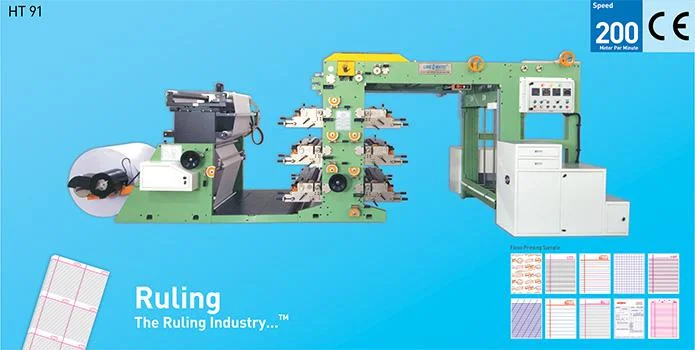
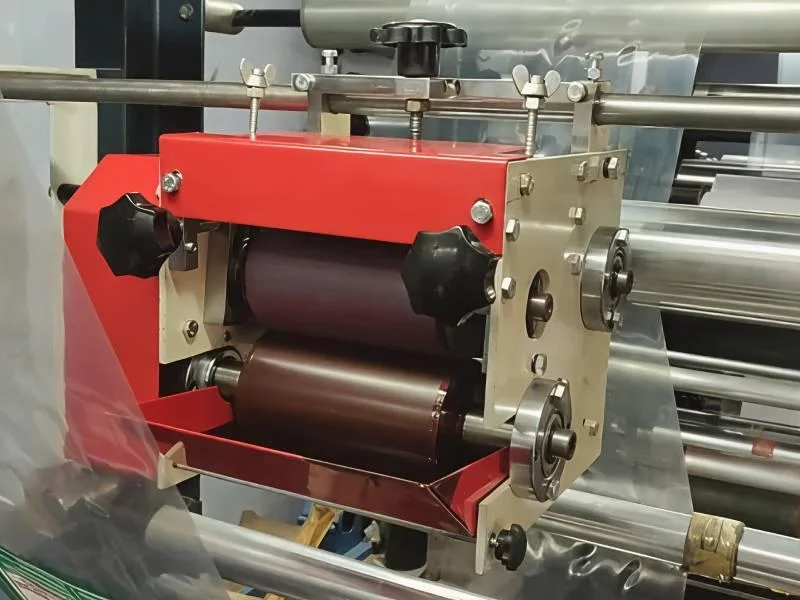
𝗪𝗵𝗮𝘁 𝗮𝗿𝗲 𝗙𝗹𝗲𝘅𝗼𝗴𝗿𝗮𝗽𝗵𝗶𝗰 𝗣𝗿𝗶𝗻𝘁𝗶𝗻𝗴 𝗠𝗮𝗰𝗵𝗶𝗻𝗲𝘀?
Flexographic printing machines are advanced printing devices that utilize flexible relief plates to transfer ink onto a variety of substrates. Unlike traditional printing methods, flexography employs fast-drying inks and can operate at high speeds, making it suitable for large-scale production. The technology is widely recognized for its versatility, supporting various materials such as paper, plastic, and foil.
These machines are primarily used in packaging industries, including labels, flexible packaging, and corrugated containers. They play a crucial role in producing high-quality graphics and text on consumer goods, food packaging, and industrial products. As businesses increasingly emphasize sustainability and efficiency, flexographic printing has gained prominence due to its lower environmental impact compared to other printing technologies. The global market for flexographic printing equipment is expanding, driven by demand for innovative packaging solutions and advancements in printing technology.
𝗞𝗲𝘆 𝗙𝗲𝗮𝘁𝘂𝗿𝗲𝘀 𝗮𝗻𝗱 𝗦𝗽𝗲𝗰𝗶𝗳𝗶𝗰𝗮𝘁𝗶𝗼𝗻𝘀
Flexographic printing machines come equipped with several features that enhance their functionality and efficiency. Understanding these specifications is essential for businesses looking to invest in this technology.
Key specifications include:
1. Printing Speed
- Typically ranges from 100 to 600 meters per minute.
- Determines the overall production capacity of the machine.
2. Print Width
- Varies from 200 mm to 2000 mm.
- Allows for flexibility in the size of printed materials.
3. Number of Colors
- Machines can accommodate up to 10 colors.
- Enables high-quality, multi-color printing.
4. Plate Type
- Utilizes photopolymer or rubber plates.
- Affects the quality and durability of prints.
5. Ink System
- Options for water-based, solvent-based, or UV inks.
- Impacts drying time and environmental considerations.
6. Substrate Compatibility
- Supports a range of materials including paper, film, and foil.
- Essential for diverse printing applications.
7. Automation Features
- Includes options for automated plate changing and ink control.
- Enhances efficiency and reduces downtime.
8. Power Requirements
- Typically operates on 220V to 400V.
- Critical for ensuring compatibility with existing infrastructure.
These specifications contribute to the machine's overall performance, making it vital for businesses to choose a model that aligns with their production needs.
𝗖𝗼𝗺𝗺𝗼𝗻 𝗔𝗽𝗽𝗹𝗶𝗰𝗮𝘁𝗶𝗼𝗻𝘀 𝗮𝗻𝗱 𝗨𝘀𝗲 𝗖𝗮𝘀𝗲𝘀
Flexographic printing machines serve various industries, showcasing their adaptability in multiple applications.
1. Packaging Industry: These machines are extensively used for printing on flexible packaging materials, ensuring high-quality graphics for food, beverages, and consumer goods.
2. Label Printing: Flexographic printers are ideal for producing labels with vibrant colors and intricate designs, catering to both retail and industrial sectors.
3. Corrugated Cardboard: The machines are employed in creating printed corrugated materials, enhancing branding and product visibility during transportation.
4. Textile Printing: Flexography is also utilized in printing designs on fabrics, offering durable and long-lasting results for the fashion industry.
5. Newspapers and Magazines: The speed and efficiency of flexographic printing make it suitable for high-volume print runs of periodicals.
6. Pharmaceutical Packaging: Ensures compliance with labeling regulations while providing clear and precise information on medications.
7. Graphic Arts: Flexographic printers are used for producing various graphic applications, including posters and promotional materials.
𝗣𝗿𝗼𝗱𝘂𝗰𝘁 𝗩𝗮𝗿𝗶𝗮𝗻𝘁𝘀 𝗮𝗻𝗱 𝗦𝘂𝗯𝗰𝗮𝘁𝗲𝗴𝗼𝗿𝗶𝗲𝘀
Flexographic printing machines come in several variants designed to meet specific needs within the printing industry.
Compact Flexographic Printers: These machines are designed for small to medium-sized businesses. They offer ease of use and efficiency in limited spaces, making them suitable for short runs and quick changes.
High-Speed Flexographic Printers: Tailored for large-scale operations, these printers feature advanced technology that increases output while maintaining print quality. They are perfect for businesses focusing on high-volume production.
Multi-Color Flexographic Machines: Designed to accommodate multiple colors in a single pass, these machines streamline the printing process and reduce production time, ideal for brands requiring vibrant packaging.
Digital Flexographic Printers: Combining traditional flexography with digital technology, these printers allow for customization and variable data printing. They are excellent for businesses needing flexibility and rapid prototyping.
𝗕𝗲𝗻𝗲𝗳𝗶𝘁𝘀 𝗮𝗻𝗱 𝗔𝗱𝘃𝗮𝗻𝘁𝗮𝗴𝗲𝘀
Flexographic printing machines provide several advantages that can significantly enhance production capabilities.
1. High Speed: These machines operate at fast speeds, allowing for quick turnarounds and increased productivity.
2. Versatility: Flexographic printers are compatible with various substrates, making them suitable for diverse printing applications.
3. Cost-Effectiveness: The efficiency and reduced waste of flexographic printing lead to lower overall production costs.
4. Eco-Friendly: Flexography uses water-based inks and generates less waste, aligning with sustainability goals.
5. High-Quality Prints: The technology produces sharp images and vibrant colors, ensuring that printed materials stand out.
6. Easy Operation: Many modern flexographic machines come with user-friendly interfaces, simplifying the printing process.
𝗕𝘂𝘆𝗶𝗻𝗴 𝗚𝘂𝗶𝗱𝗲 𝗳𝗼𝗿 𝗕𝟮𝗕 𝗕𝘂𝘆𝗲𝗿𝘀
When sourcing flexographic printing machines, businesses should consider several key factors to ensure a suitable purchase.
1. Quality Assessment: Evaluate the machine's build quality, materials used, and past performance records to ensure it meets production standards.
2. Supplier Verification: It is crucial to vet suppliers by checking their reputation, customer reviews, and certifications to ensure reliability and quality.
3. Pricing and MOQ: Understand the cost structure and minimum order quantities to align with budgetary constraints and operational needs.
4. Delivery and Lead Times: Discuss logistics with suppliers to gauge delivery times and ensure they meet production schedules.
5. Compliance Requirements: Ensure that the machines meet relevant regulations and industry standards to avoid potential legal and safety issues.
𝗖𝗼𝗺𝗽𝗹𝗶𝗮𝗻𝗰𝗲 𝗮𝗻𝗱 𝗖𝗲𝗿𝘁𝗶𝗳𝗶𝗰𝗮𝘁𝗶𝗼𝗻𝘀
Flexographic printing machines must adhere to various compliance and certification standards to ensure quality and safety.
ISO 9001: This standard focuses on quality management systems, ensuring that manufacturers maintain high-quality production processes.
CE Certification: This indicates that the machines meet the safety and health requirements set by the European Union, assuring buyers of their reliability.
Safety Standards: Compliance with safety requirements is crucial, as it protects operators and ensures safe machine operation.
Regional Compliance: Depending on the location, different regulations may apply. It is essential to research and comply with local laws regarding printing technology and materials.
𝗪𝗵𝘆 𝗦𝗼𝘂𝗿𝗰𝗲 𝗙𝗹𝗲𝘅𝗼𝗴𝗿𝗮𝗽𝗵𝗶𝗰 𝗣𝗿𝗶𝗻𝘁𝗶𝗻𝗴 𝗠𝗮𝗰𝗵𝗶𝗻𝗲𝘀 𝗳𝗿𝗼𝗺 𝗣𝗲𝗽𝗮𝗴𝗼𝗿𝗮?
Pepagora is a trusted platform for sourcing flexographic printing machines, offering several key advantages for businesses.
Verified Supplier Network: Pepagora connects buyers with a network of verified suppliers, ensuring that businesses can find quality manufacturers with a proven track record.
Streamlined RFQ Process: The platform simplifies the request for quotation process, allowing buyers to efficiently gather offers from multiple suppliers and compare options.
Trade Assurance and Support: Pepagora provides buyer protection through trade assurance, giving businesses confidence in their purchases and support throughout the sourcing process.
Regional Coverage: With a wide geographic reach, including India, GCC, and Southeast Asia, Pepagora facilitates access to flexographic printing machines tailored to various market needs.
Flexographic Printing Machines are advanced printing devices that utilize a flexible relief plate to transfer ink onto various substrates. They are widely used for printing on materials such as plastic, paper, and film, making them essential in packaging industries.
2
What are the different types of Flexographic Printing Machines?
There are several types of Flexographic Printing Machines, including inline, stack, and central impression (CI) machines. Each type offers distinct advantages depending on the specific printing needs, such as speed, quality, and the type of materials being printed.
3
How do I choose the right Flexographic Printing Machines?
Choosing the right Flexographic Printing Machine involves considering factors such as print volume, substrate type, and desired print quality. It is also essential to evaluate the machine's features, such as its automation level and ink compatibility, to ensure it meets your production requirements.
4
What are the standard specifications for Flexographic Printing Machines?
Standard specifications for Flexographic Printing Machines typically include print width, maximum speed, and the number of colors the machine can handle. Additionally, features like the type of ink system and drying technology are also crucial aspects to consider.
5
What is the price range for Flexographic Printing Machines?
The price range for Flexographic Printing Machines can vary significantly based on the machine's features and capabilities. Generally, prices can start from a few lakhs for basic models and can go up to several crores for high-end, fully automated machines.
6
What quality standards apply to Flexographic Printing Machines?
Flexographic Printing Machines must adhere to various quality standards, including ISO 9001 for quality management systems. Additionally, machines may need to comply with specific industry standards related to print quality, safety, and environmental regulations.
7
Where can I find Flexographic Printing Machines suppliers in India?
You can find Flexographic Printing Machines suppliers in India through B2B marketplaces like Pepagora.com, trade shows, and industry directories. It is advisable to research suppliers' credentials and reviews to ensure they meet your quality and service expectations.
8
Can Flexographic Printing Machines be customized?
Yes, Flexographic Printing Machines can often be customized to meet specific production needs. Customization may include modifications to print width, ink systems, and additional features tailored to optimize performance for particular applications.
9
What is the typical minimum order quantity for Flexographic Printing Machines?
The typical minimum order quantity (MOQ) for Flexographic Printing Machines can vary by manufacturer and model. Generally, the MOQ can range from one unit for standard machines to larger quantities for customized or specialized equipment.
10
What is the typical lead time for Flexographic Printing Machines?
The typical lead time for Flexographic Printing Machines usually ranges from a few weeks to several months, depending on the manufacturer's production capabilities and the customization level requested. It is advisable to confirm lead times with the supplier before placing an order.
Why Businesses Trust Pepagora
Thousands of companies trust Pepagora to source smarter and sell faster
Expand Your Sales Globally
25000+Products listed.Get discovered by global buyers

 IN
IN