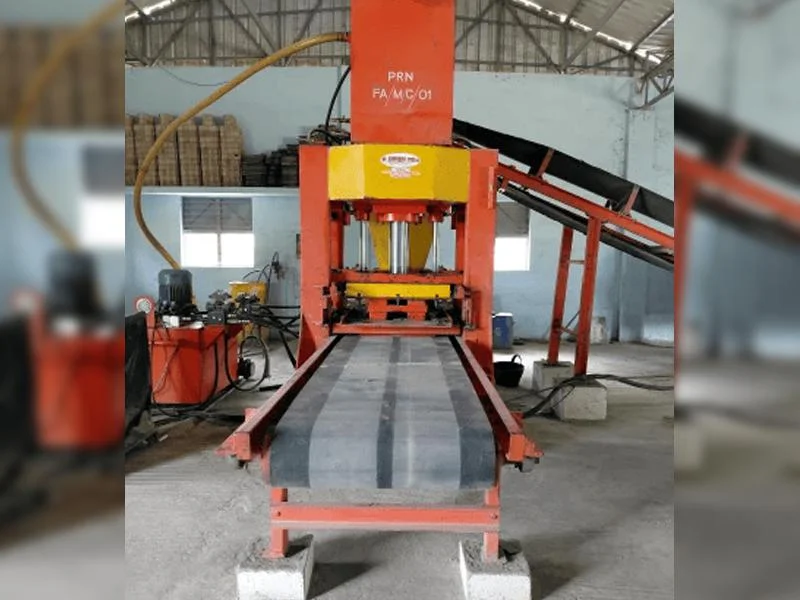
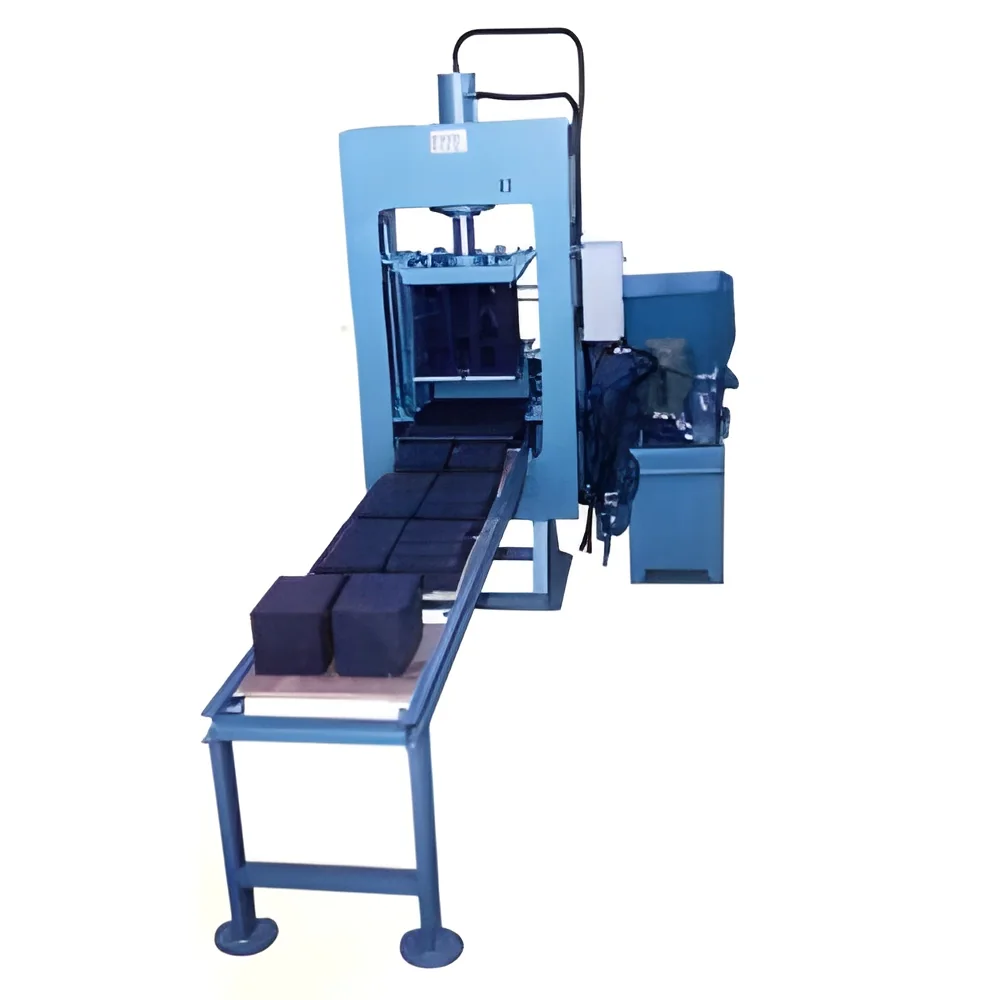
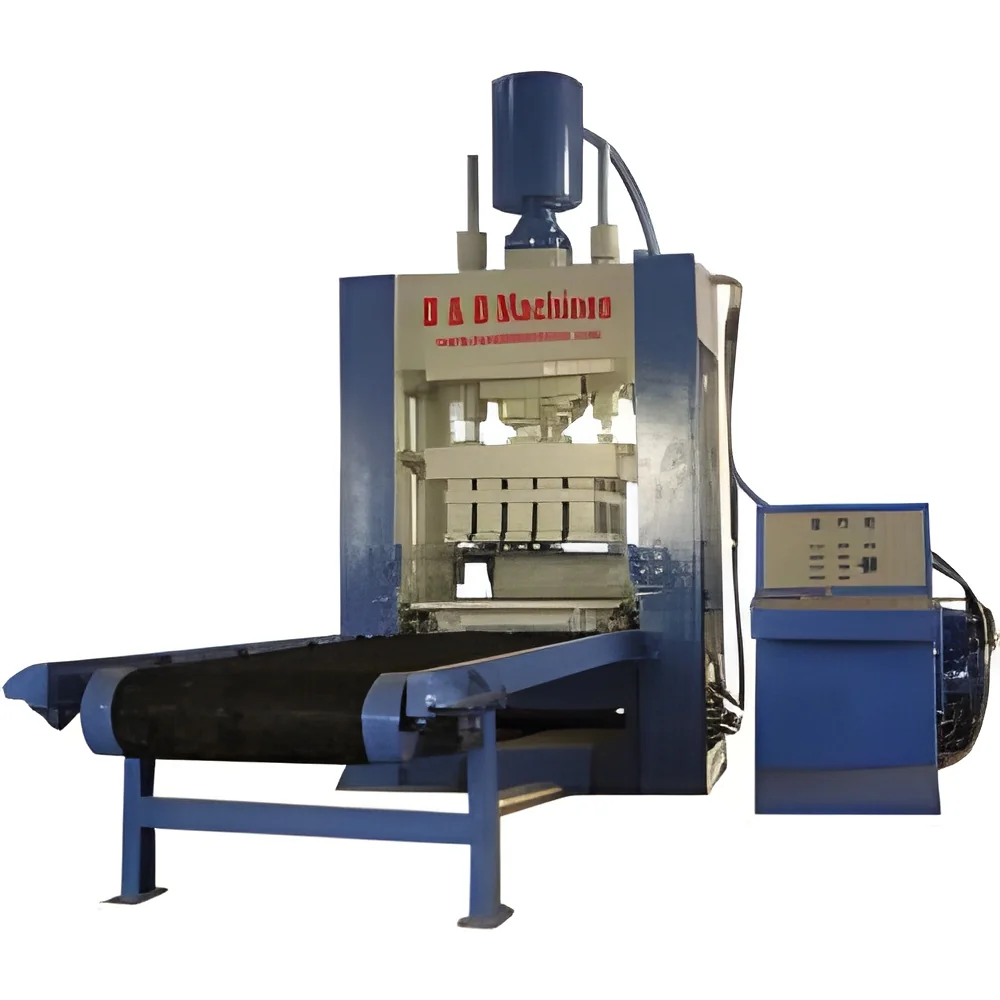
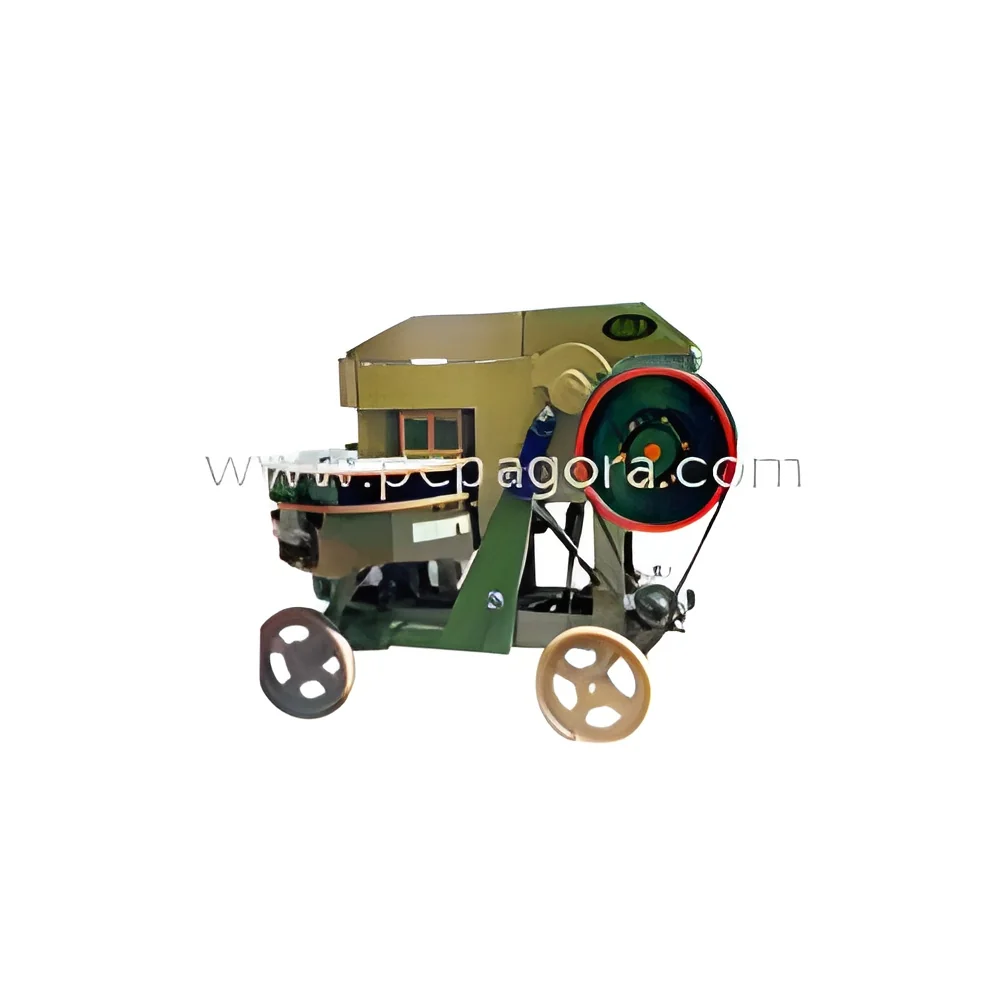
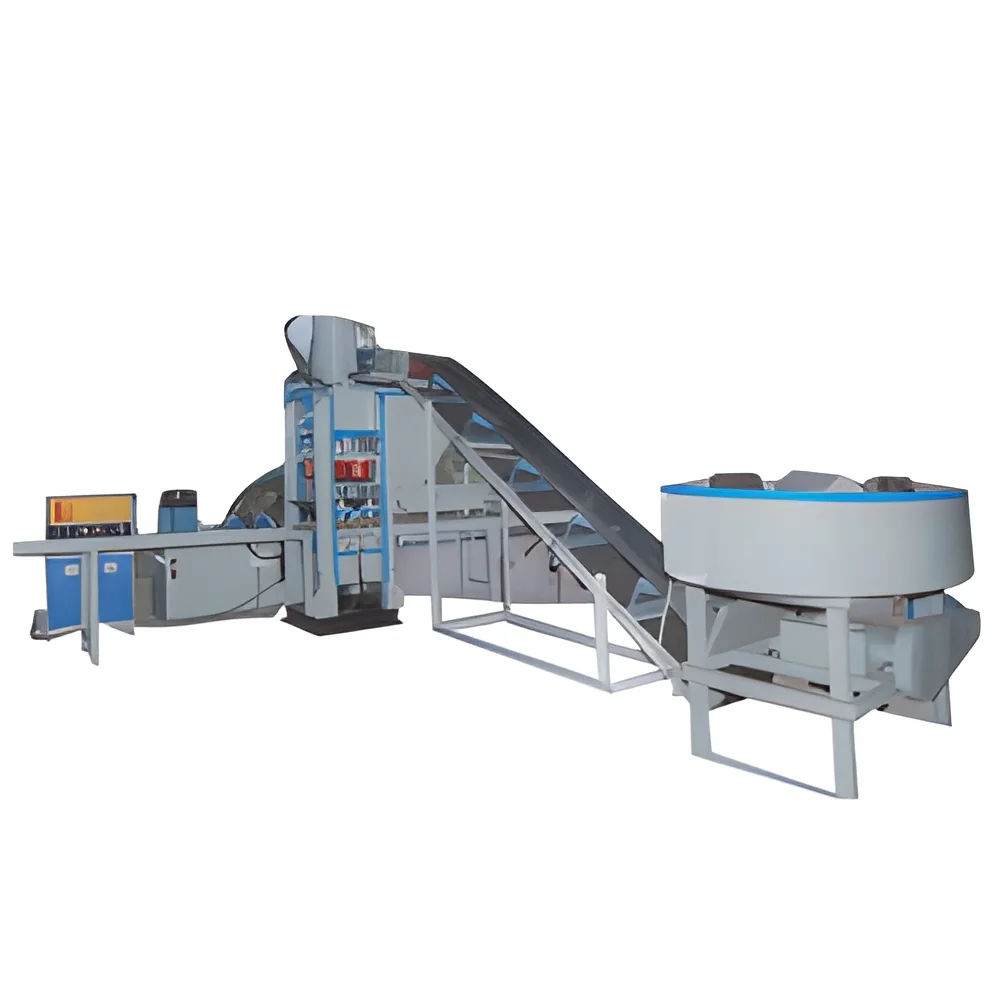
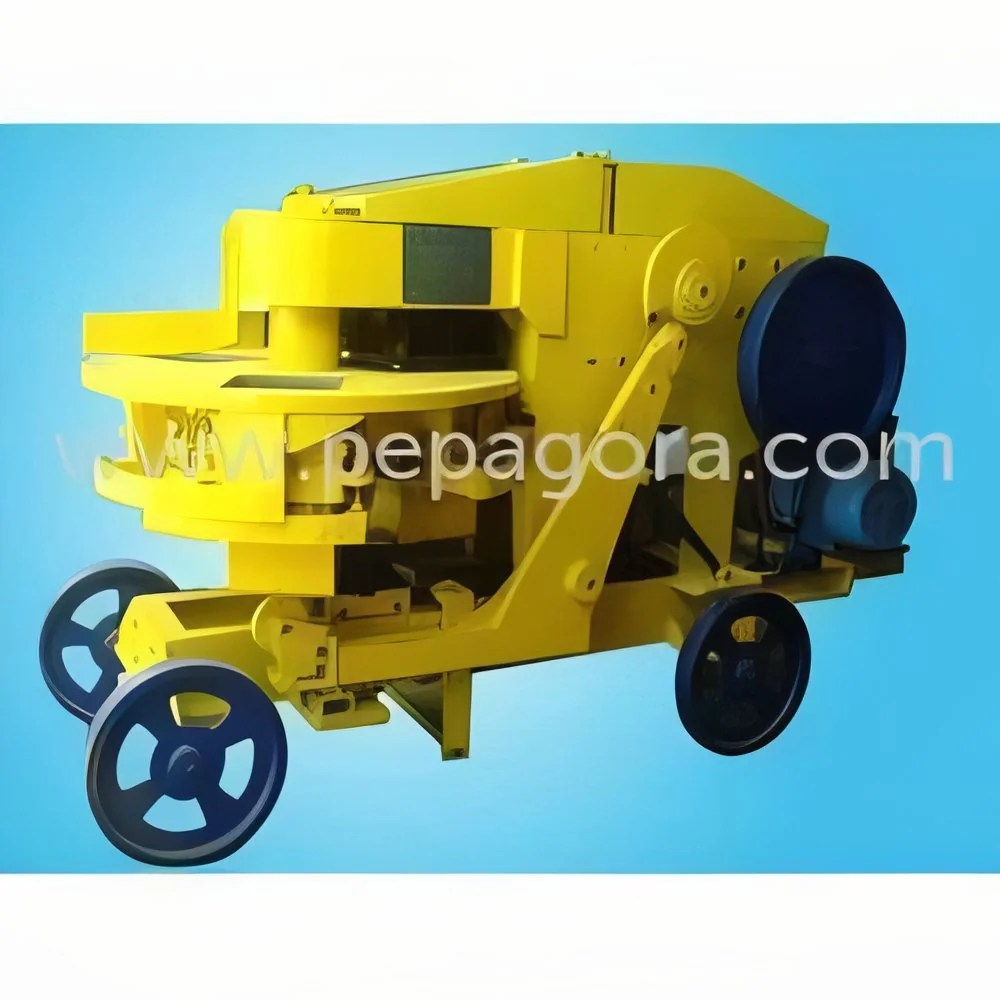
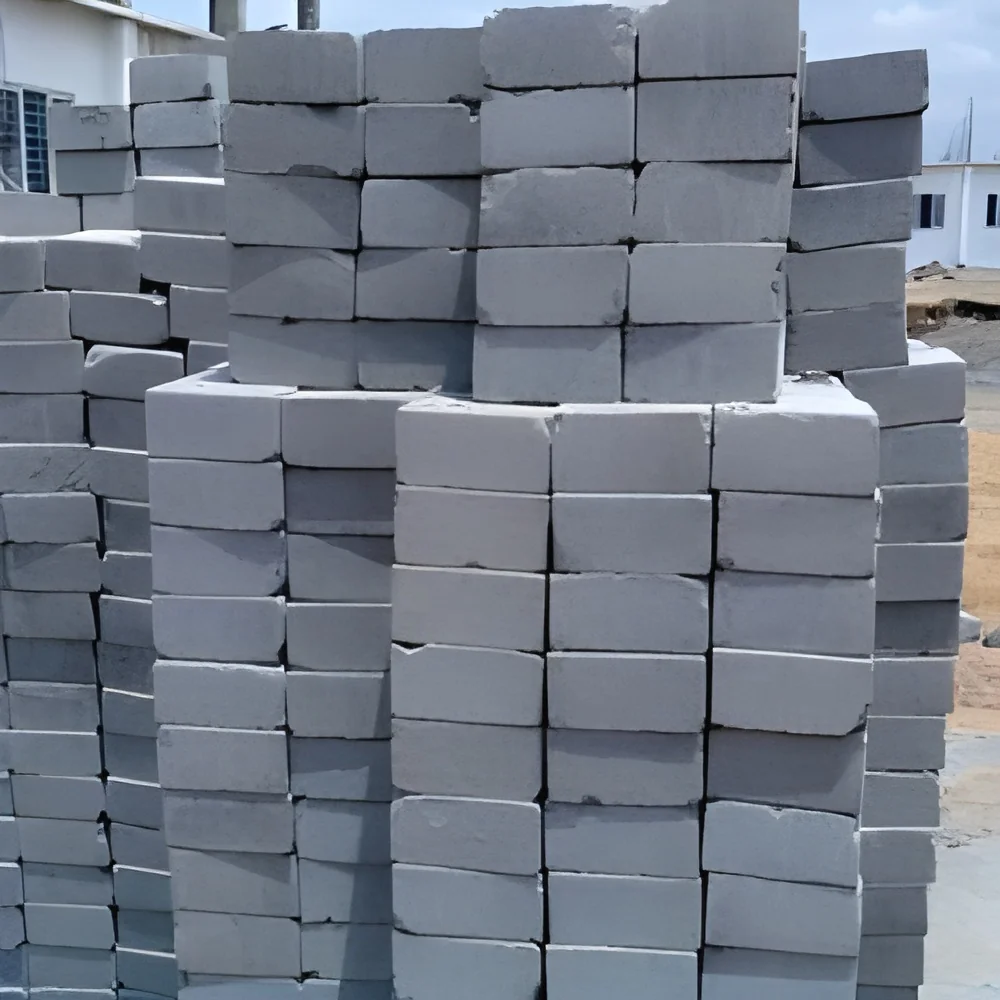
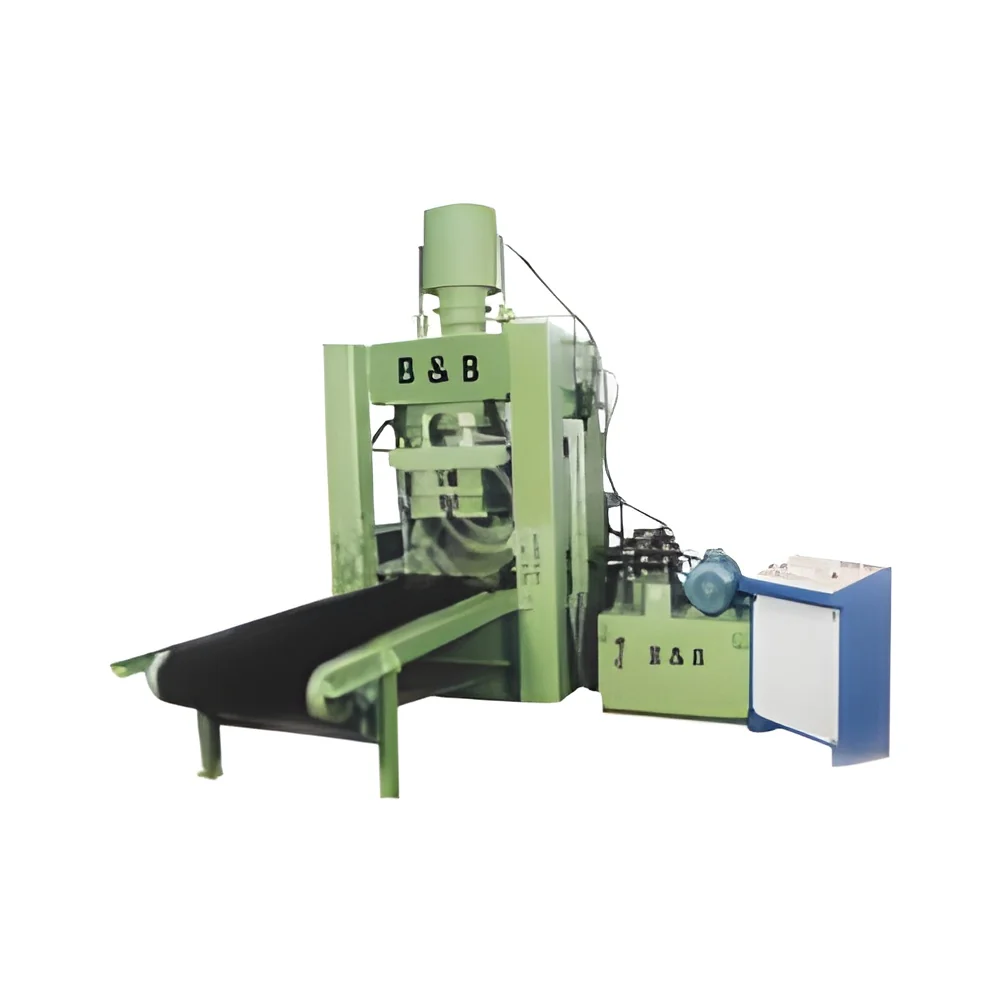
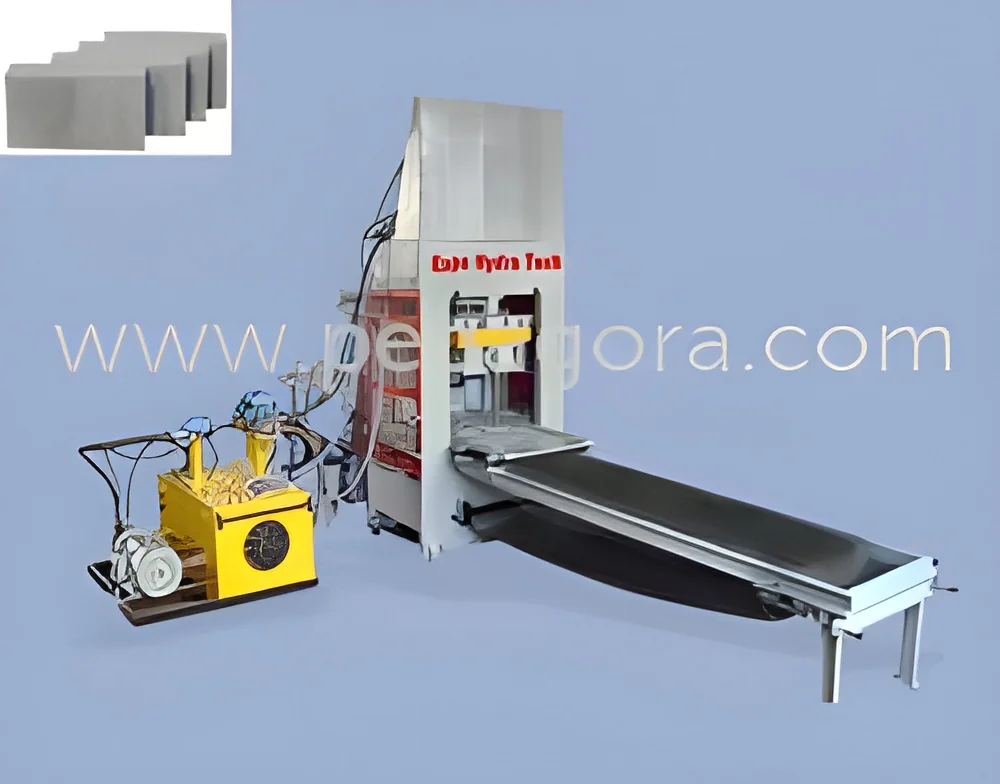
𝗪𝗵𝗮𝘁 𝗮𝗿𝗲 𝗙𝗹𝘆 𝗔𝘀𝗵 𝗕𝗿𝗶𝗰𝗸𝘀?
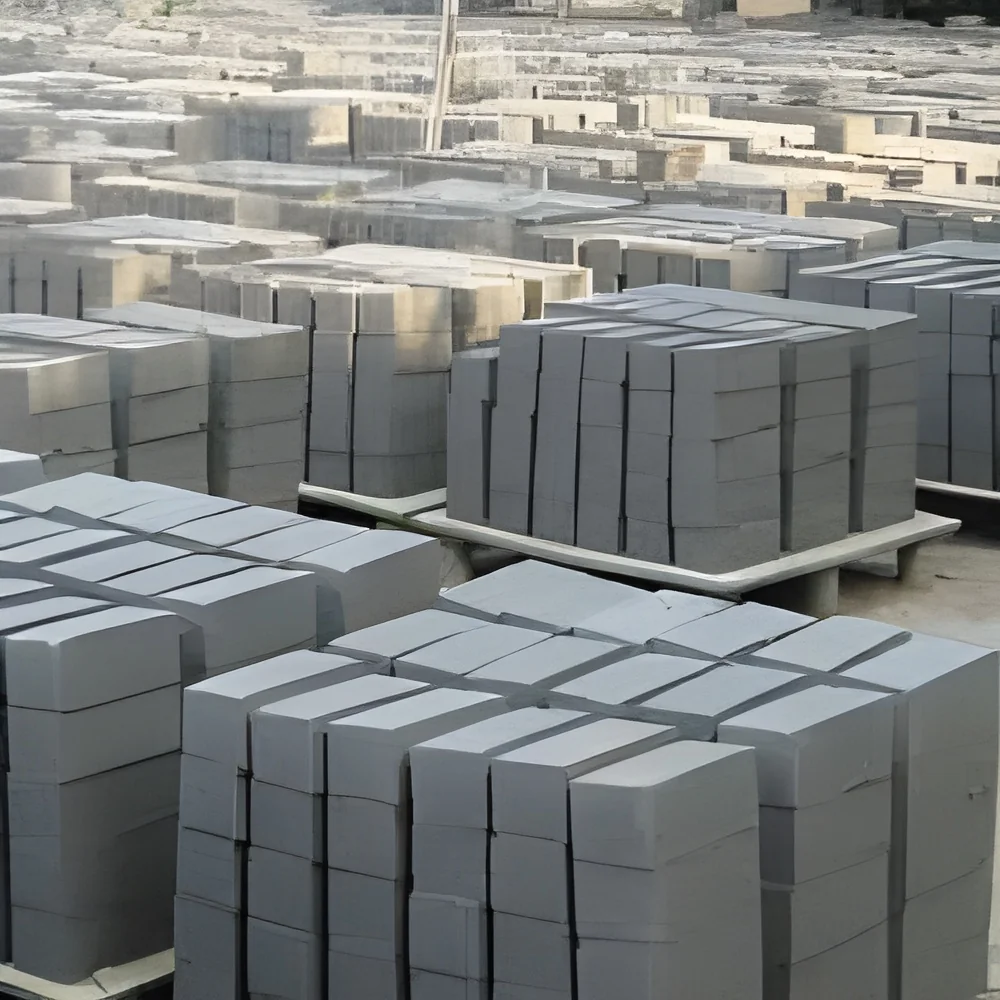
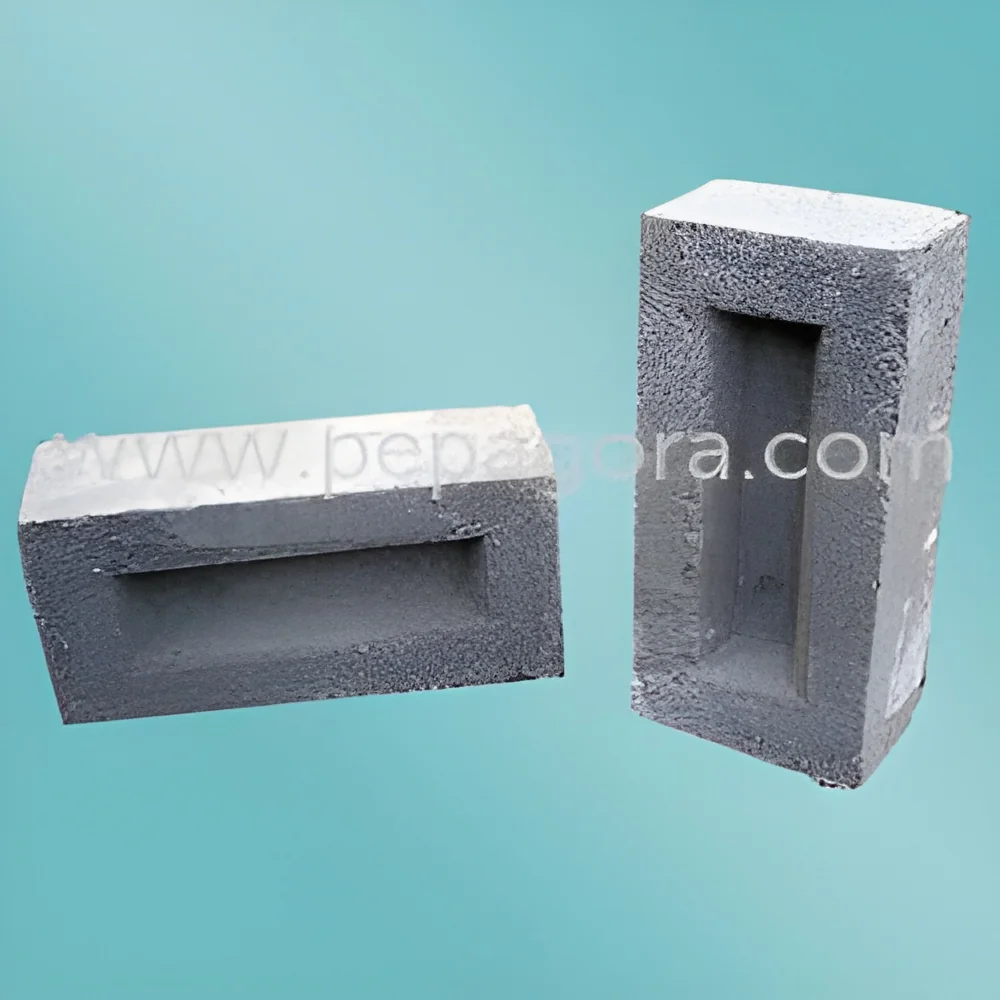
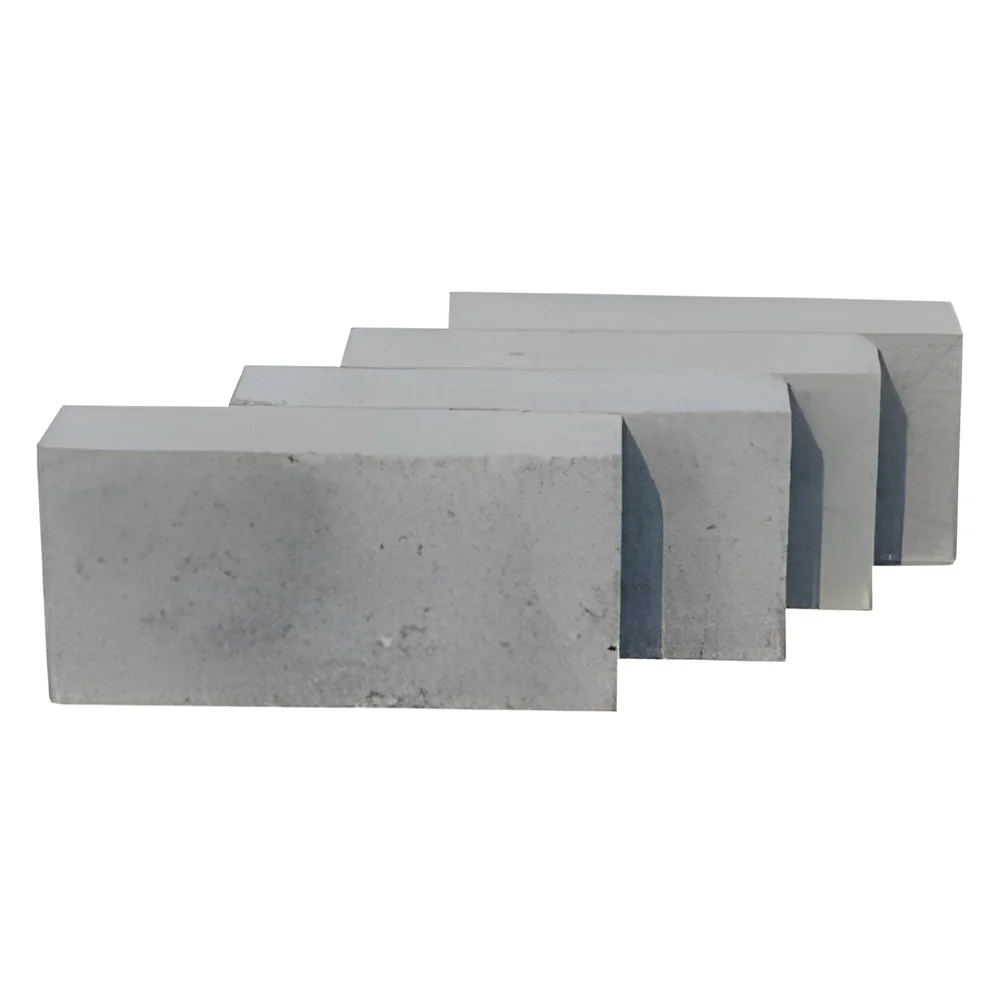
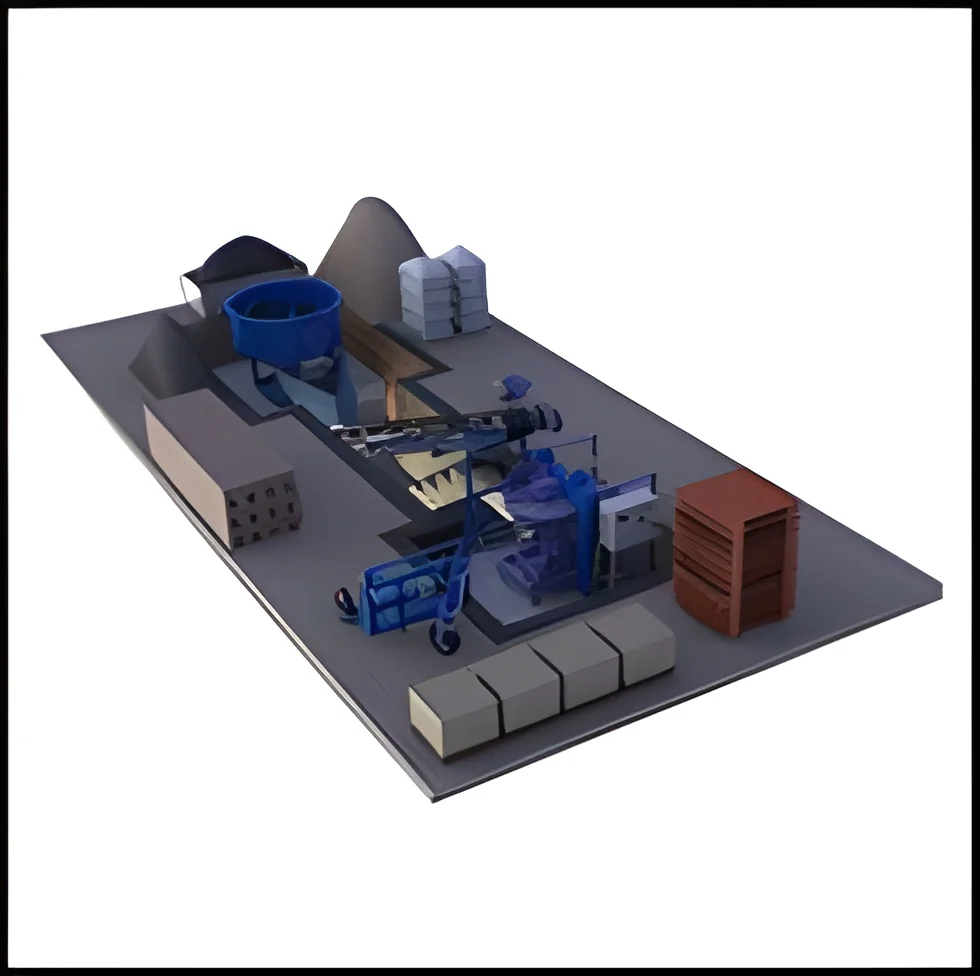
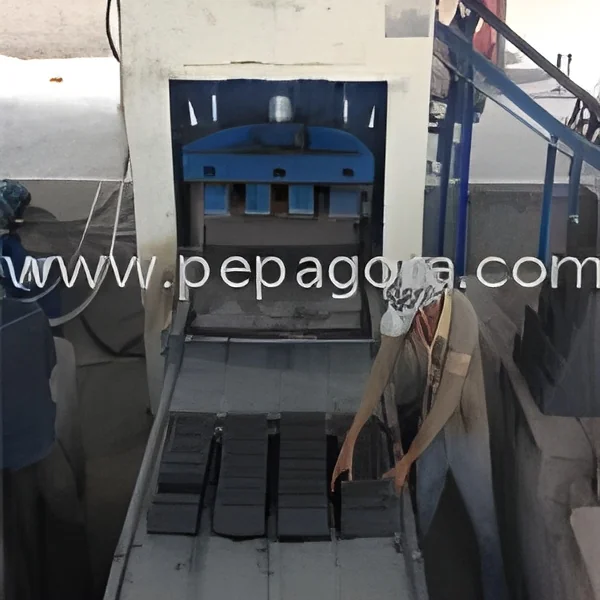
Fly ash bricks are a type of building material made from fly ash, water, and a binding agent. Fly ash is a byproduct of burning pulverized coal in electric power generating plants. The bricks are manufactured through a process of mixing, molding, and curing, resulting in a lightweight yet strong building block. This innovative material is an eco-friendly alternative to traditional clay bricks, as it utilizes waste material and reduces environmental impact.
These bricks are primarily used in construction for residential, commercial, and industrial buildings. They are favored for their high strength, durability, and thermal insulation properties. Fly ash bricks are often used in load-bearing walls, partition walls, and other structural applications. Their resistance to moisture and pests makes them a suitable choice in various climates, enhancing their appeal in the building materials market. Increasing awareness of sustainability in construction has led to a growing demand for fly ash bricks across the globe.
𝗞𝗲𝘆 𝗙𝗲𝗮𝘁𝘂𝗿𝗲𝘀 𝗮𝗻𝗱 𝗦𝗽𝗲𝗰𝗶𝗳𝗶𝗰𝗮𝘁𝗶𝗼𝗻𝘀
Fly ash bricks offer numerous features that make them a preferred choice in the construction industry. Their lightweight nature, combined with strength and insulation properties, contributes to building efficiency. Additionally, they are resistant to fire and pests, making them a safe option for various applications.
Key specifications include:
1. Compressive Strength
- Minimum strength of 3.5 MPa
- Typically ranges from 5 to 10 MPa for higher-grade bricks
2. Water Absorption
- Maximum absorption of 10% by weight
- Ensures durability and resistance to moisture damage
3. Density
- Density typically ranges from 600 to 800 kg/m3
- Lightweight composition aids in reducing overall building weight
4. Size and Dimensions
- Standard size of 230 mm x 110 mm x 75 mm
- Custom sizes available upon request
5. Thermal Conductivity
- Low thermal conductivity rating
- Contributes to energy efficiency in buildings
6. Fire Resistance
- Fire rating of up to 4 hours
- Safe for use in fire-prone areas
7. Eco-friendliness
- Made from recycled materials, reducing landfill waste
- Contributes to LEED certification for sustainable buildings
In summary, fly ash bricks combine strength, durability, and sustainability, making them an essential choice for modern construction projects.
𝗖𝗼𝗺𝗺𝗼𝗻 𝗔𝗽𝗽𝗹𝗶𝗰𝗮𝘁𝗶𝗼𝗻𝘀 𝗮𝗻𝗱 𝗨𝘀𝗲 𝗖𝗮𝘀𝗲𝘀
Fly ash bricks have diverse applications across various industries. Their unique properties make them suitable for a wide range of construction projects.
1. Residential Construction: Fly ash bricks are commonly used in the construction of houses and apartments, offering excellent insulation and reducing energy costs.
2. Commercial Buildings: These bricks are utilized in the construction of offices, retail spaces, and warehouses, providing strength and durability for structural integrity.
3. Infrastructure Projects: Fly ash bricks are ideal for building roads, bridges, and other public infrastructure due to their resistance to environmental factors.
4. Industrial Buildings: Factories and manufacturing units benefit from the fire resistance and strength of fly ash bricks, ensuring safety and longevity.
5. Educational Institutions: Schools and universities use fly ash bricks for buildings, promoting sustainability while providing a conducive learning environment.
6. Hospitals: The moisture resistance of fly ash bricks makes them suitable for healthcare facilities, where hygiene and safety are paramount.
7. Government Projects: Many government initiatives promote the use of eco-friendly materials, making fly ash bricks a preferred choice for public sector construction.
𝗣𝗿𝗼𝗱𝘂𝗰𝘁 𝗩𝗮𝗿𝗶𝗮𝗻𝘁𝘀 𝗮𝗻𝗱 𝗦𝘂𝗯𝗰𝗮𝘁𝗲𝗴𝗼𝗿𝗶𝗲𝘀
Fly ash bricks come in various variants, catering to different construction needs. Each variant is designed to meet specific requirements and enhance building performance.
Standard Fly Ash Bricks
These are the most commonly used variants, known for their strength and durability. They are suitable for a wide range of applications, from residential to commercial buildings.
High-Strength Fly Ash Bricks
These bricks offer increased compressive strength and are ideal for load-bearing walls. They are designed for high-rise buildings and structures requiring robust materials.
Lightweight Fly Ash Bricks
These variants are engineered for reduced weight while maintaining strength. They are perfect for applications where minimizing load is crucial, such as in multi-story buildings.
𝗕𝗲𝗻𝗲𝗳𝗶𝘁𝘀 𝗮𝗻𝗱 𝗔𝗱𝘃𝗮𝗻𝘁𝗮𝗴𝗲𝘀
Fly ash bricks provide numerous benefits that enhance their appeal in the construction industry. Their unique properties contribute to both economic and environmental advantages.
1. Cost-Effectiveness: Fly ash bricks are often more affordable than traditional bricks, reducing material costs for construction projects.
2. Environmental Sustainability: By utilizing industrial waste, fly ash bricks promote recycling and reduce carbon footprints, aligning with green building practices.
3. Energy Efficiency: Their thermal insulation properties help maintain indoor temperatures, leading to lower energy consumption for heating and cooling.
4. Durability: Fly ash bricks are resistant to moisture, pests, and fire, ensuring long-lasting performance in various environmental conditions.
5. Reduced Construction Time: The lightweight nature of fly ash bricks facilitates quicker installation, accelerating project timelines.
6. Versatility: These bricks can be used in various applications, from residential homes to large commercial buildings, making them a versatile choice for builders.
𝗕𝘂𝘆𝗶𝗻𝗴 𝗚𝘂𝗶𝗱𝗲 𝗳𝗼𝗿 𝗕𝟮𝗕 𝗕𝘂𝘆𝗲𝗿𝘀
When sourcing fly ash bricks for construction projects, several factors should be considered to ensure quality and suitability.
1. Quality Assessment: Verify the compressive strength, water absorption, and density of the bricks to ensure they meet project specifications.
2. Supplier Verification: Research potential suppliers to ensure they are reputable and provide high-quality products. Check for certifications and customer reviews.
3. Pricing and MOQ: Understand the pricing structure and minimum order quantity to negotiate favorable terms without compromising quality.
4. Delivery and Lead Times: Discuss logistics with suppliers to ensure timely delivery of materials, which is critical for maintaining project schedules.
5. Compliance Requirements: Ensure that the fly ash bricks comply with relevant industry standards and regulations to avoid legal complications during construction.
𝗖𝗼𝗺𝗽𝗹𝗶𝗮𝗻𝗰𝗲 𝗮𝗻𝗱 𝗖𝗲𝗿𝘁𝗶𝗳𝗶𝗰𝗮𝘁𝗶𝗼𝗻𝘀
Fly ash bricks must adhere to various quality standards and certifications to ensure their reliability and safety in construction. Common standards include ISO 9001, which ensures a consistent quality management system. Compliance with CE certification indicates that the bricks meet European safety, health, and environmental protection requirements.
Safety and testing requirements are essential in evaluating the performance of fly ash bricks. This includes assessments of compressive strength, moisture resistance, and fire ratings to ensure they can withstand environmental challenges.
Regional compliance considerations may vary depending on local regulations. It is crucial for manufacturers and suppliers to stay updated with these requirements to ensure their products are market-ready and meet industry expectations.
𝗪𝗵𝘆 𝗦𝗼𝘂𝗿𝗰𝗲 𝗙𝗹𝘆 𝗔𝘀𝗵 𝗕𝗿𝗶𝗰𝗸𝘀 𝗳𝗿𝗼𝗺 𝗣𝗲𝗽𝗮𝗴𝗼𝗿𝗮?
Pepagora is a trusted platform for sourcing fly ash bricks, offering several key advantages to B2B buyers.
Verified Supplier Network: Pepagora connects buyers with verified suppliers who meet stringent quality standards. This ensures that buyers can trust the products they source.
Streamlined RFQ Process: The request for quotation system simplifies the procurement process, allowing buyers to receive competitive quotes and make informed decisions quickly.
Trade Assurance and Support: Pepagora provides buyer protection through trade assurance, ensuring that transactions are secure and that buyers receive quality products as promised.
Regional Coverage: With a broad network across India, the GCC, and Southeast Asia, Pepagora facilitates access to fly ash bricks in various markets, making it easier for businesses to find the right materials for their projects.
Fly Ash Bricks are construction materials made from fly ash, a byproduct of coal combustion in power plants. These bricks are known for their lightweight, high strength, and eco-friendly properties, making them a popular choice in sustainable construction.
2
What are the different types of Fly Ash Bricks?
There are primarily two types of Fly Ash Bricks: solid and hollow. Solid Fly Ash Bricks are dense and typically used for load-bearing walls, while hollow Fly Ash Bricks are lighter and offer better insulation, making them suitable for non-load-bearing walls.
3
How do I choose the right Fly Ash Bricks?
When selecting Fly Ash Bricks, consider factors such as strength, density, and thermal insulation properties. It's also important to check for certifications and the reputation of the manufacturer to ensure quality.
4
What are the standard specifications for Fly Ash Bricks?
Standard specifications for Fly Ash Bricks typically include dimensions, compressive strength, water absorption, and density. According to IS 12894:2002, Fly Ash Bricks should have a minimum compressive strength of 75 kg/cm².
5
What is the price range for Fly Ash Bricks?
The price of Fly Ash Bricks can vary based on factors such as quality, type, and supplier. Generally, the price ranges from INR 3 to INR 10 per brick, depending on the specifications and market conditions.
6
What quality standards apply to Fly Ash Bricks?
Fly Ash Bricks must comply with various quality standards, including IS 12894 for manufacturing and performance. Additionally, they should meet specifications regarding compressive strength, water absorption, and durability.
7
Where can I find Fly Ash Bricks suppliers in India?
You can find Fly Ash Bricks suppliers in India through online B2B marketplaces like Pepagora.com, local construction material suppliers, and industry trade shows. It is advisable to compare multiple suppliers to ensure competitive pricing and quality.
8
Can Fly Ash Bricks be customized?
Yes, Fly Ash Bricks can be customized in terms of size, shape, and color according to project requirements. However, customization may affect the pricing and lead time, so it is essential to discuss specifications with the manufacturer.
9
What is the typical minimum order quantity for Fly Ash Bricks?
The typical minimum order quantity (MOQ) for Fly Ash Bricks varies by supplier but is generally around 500 to 1,000 bricks. It's advisable to check with specific manufacturers for their MOQ requirements.
10
What is the typical lead time for Fly Ash Bricks?
The typical lead time for Fly Ash Bricks can range from 7 to 21 days, depending on the supplier's inventory and order size. It's recommended to confirm lead times with the supplier during the purchasing process.
Why Businesses Trust Pepagora
Thousands of companies trust Pepagora to source smarter and sell faster
Expand Your Sales Globally
25000+Products listed.Get discovered by global buyers

 IN
IN