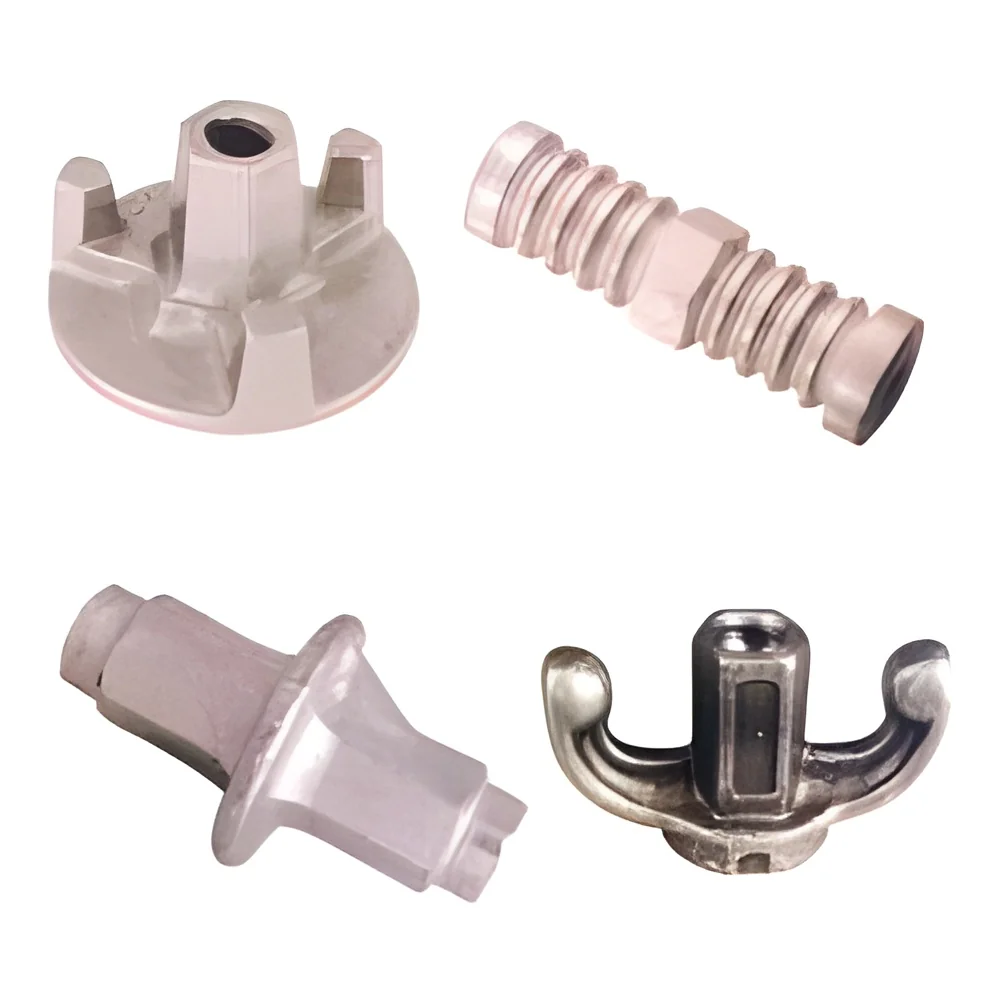
𝗪𝗵𝗮𝘁 𝗮𝗿𝗲 𝗙𝗼𝗿𝗺𝘄𝗼𝗿𝗸 𝗧𝗶𝗲 𝗥𝗼𝗱𝘀 & 𝗡𝘂𝘁𝘀?
Formwork tie rods are structural components used in construction to hold formwork panels in place during the concrete pouring process. These rods are typically made from high-strength steel and are designed to withstand the pressure exerted by the wet concrete. The nuts secure the rods to the formwork, ensuring stability and alignment until the concrete sets and gains sufficient strength.
These components play a crucial role in construction projects, particularly in civil engineering applications such as building foundations, walls, and slabs. Industries that utilize formwork tie rods and nuts include residential, commercial, and infrastructure development. Their reliability and strength make them indispensable for ensuring that formwork remains intact during the curing period. Given the growing demand for safe and efficient construction practices, formwork tie rods and nuts have become essential in the market.
𝗞𝗲𝘆 𝗙𝗲𝗮𝘁𝘂𝗿𝗲𝘀 𝗮𝗻𝗱 𝗦𝗽𝗲𝗰𝗶𝗳𝗶𝗰𝗮𝘁𝗶𝗼𝗻𝘀
Formwork tie rods and nuts come with various features that enhance their performance and usability. Understanding these specifications is vital for making informed purchasing decisions.
Key specifications include:
1. Material Quality
- Typically made from high-strength steel
- Ensures durability and resistance to deformation
2. Diameter Options
- Available in various diameters, commonly ranging from 12 mm to 20 mm
- Allows customization based on specific project requirements
3. Length Variability
- Offered in different lengths, generally from 1 meter to 3 meters
- Flexibility to accommodate various formwork configurations
4. Load Capacity
- Designed to withstand significant loads, typically up to 30 kN
- Provides assurance of structural integrity during concrete pouring
5. Threading Specifications
- Standardized threading for compatibility with various nuts
- Ensures secure fastening and easy assembly
6. Corrosion Resistance
- Often treated or coated to prevent rust and corrosion
- Enhances longevity, especially in outdoor applications
7. Compliance Standards
- Manufactured according to industry standards, such as CE certification
- Ensures adherence to safety and quality benchmarks
These features collectively contribute to the effectiveness and reliability of formwork tie rods and nuts in construction projects.
𝗖𝗼𝗺𝗺𝗼𝗻 𝗔𝗽𝗽𝗹𝗶𝗰𝗮𝘁𝗶𝗼𝗻𝘀 𝗮𝗻𝗱 𝗨𝘀𝗲 𝗖𝗮𝘀𝗲𝘀
Formwork tie rods and nuts find applications across various sectors, enhancing structural integrity and safety.
1. Residential Construction: In residential projects, these components are essential for forming walls and foundations, providing the necessary support during concrete setting.
2. Commercial Buildings: Used extensively in commercial construction, tie rods and nuts help in erecting large structures, ensuring that formwork remains stable under the weight of concrete.
3. Infrastructure Projects: In road and bridge construction, these components are crucial for creating stable forms that can withstand heavy loads and pressures.
4. Industrial Facilities: Used in the construction of factories and warehouses, tie rods help in maintaining the shape and stability of large concrete structures.
5. Water Retaining Structures: Essential in building reservoirs and tanks, they ensure that heavy concrete forms are securely held in place.
6. Temporary Structures: Often utilized in temporary scaffolding systems, providing necessary support during construction activities.
7. Retaining Walls: These components help in forming retaining walls that need to withstand significant lateral pressures from soil and water.
𝗣𝗿𝗼𝗱𝘂𝗰𝘁 𝗩𝗮𝗿𝗶𝗮𝗻𝘁𝘀 𝗮𝗻𝗱 𝗦𝘂𝗯𝗰𝗮𝘁𝗲𝗴𝗼𝗿𝗶𝗲𝘀
Formwork tie rods and nuts are available in various configurations to meet specific construction needs.
Standard Tie Rods
These are the most commonly used type, designed for general construction purposes. They offer a balance of strength and flexibility, making them suitable for a wide range of applications.
Heavy-Duty Tie Rods
These variants are engineered for high-load applications, where greater strength is required. They are ideal for use in large-scale infrastructure projects.
Quick-Release Tie Rods
Designed for ease of installation and removal, these tie rods enable faster assembly and disassembly of formwork, improving overall project efficiency.
𝗕𝗲𝗻𝗲𝗳𝗶𝘁𝘀 𝗮𝗻𝗱 𝗔𝗱𝘃𝗮𝗻𝘁𝗮𝗴𝗲𝘀
Using formwork tie rods and nuts provides several key benefits that enhance construction processes.
1. Structural Stability: They ensure that formwork remains stable during concrete pouring, reducing the risk of failures.
2. Customization: Available in various sizes and specifications, they can be tailored to meet specific project requirements.
3. Cost-Effectiveness: Their durability and reusability contribute to lower overall project costs, minimizing the need for frequent replacements.
4. Enhanced Safety: By securing formwork effectively, they help prevent accidents related to formwork collapse during the curing process.
5. Easy Installation: The standard threading makes them easy to install and remove, saving valuable time on the job site.
6. Compliance Assurance: Manufactured to meet industry standards, they provide confidence in safety and quality for construction projects.
𝗕𝘂𝘆𝗶𝗻𝗴 𝗚𝘂𝗶𝗱𝗲 𝗳𝗼𝗿 𝗕𝟮𝗕 𝗕𝘂𝘆𝗲𝗿𝘀
When sourcing formwork tie rods and nuts, several factors should be taken into account to ensure a successful purchase.
1. Quality Assessment: Look for products made from high-strength materials that meet recognized industry standards, ensuring reliability during use.
2. Supplier Verification: Vet suppliers to confirm their credibility and track record in providing quality construction materials. Check for customer reviews and certifications.
3. Pricing and MOQ: Understand the pricing structures and minimum order quantities to align with your project budget and requirements.
4. Delivery and Lead Times: Consider logistics and the expected lead times for delivery to ensure materials arrive when needed to avoid project delays.
5. Compliance Requirements: Verify that the products comply with necessary standards and regulations in your region to ensure safety and quality.
𝗖𝗼𝗺𝗽𝗹𝗶𝗮𝗻𝗰𝗲 𝗮𝗻𝗱 𝗖𝗲𝗿𝘁𝗶𝗳𝗶𝗰𝗮𝘁𝗶𝗼𝗻𝘀
Formwork tie rods and nuts are subject to various quality standards and certifications that ensure their reliability and safety in construction applications.
Many manufacturers adhere to ISO 9001 standards, which outline requirements for a quality management system. This certification indicates a commitment to consistent quality in production processes.
CE certification is also common for these products, signifying compliance with European health, safety, and environmental protection standards.
Safety and testing requirements are crucial in the manufacturing process, often including stress tests to verify load capacities.
In addition, regional compliance considerations may vary, so it is essential to check local regulations that could affect the use of these components in construction projects.
𝗪𝗵𝘆 𝗦𝗼𝘂𝗿𝗰𝗲 𝗙𝗼𝗿𝗺𝘄𝗼𝗿𝗸 𝗧𝗶𝗲 𝗥𝗼𝗱𝘀 & 𝗡𝘂𝘁𝘀 𝗳𝗿𝗼𝗺 𝗣𝗲𝗽𝗮𝗴𝗼𝗿𝗮?
Pepagora offers a reliable and efficient platform for sourcing formwork tie rods and nuts, providing several key advantages to B2B buyers.
Verified Supplier Network: Pepagora connects buyers with a network of verified suppliers, ensuring that only reputable manufacturers are featured. This reduces the risk of purchasing substandard products.
Streamlined RFQ Process: The platform facilitates a streamlined request-for-quotation process, allowing buyers to easily compare prices and specifications from multiple suppliers, ensuring they get the best deal.
Trade Assurance and Support: Pepagora offers trade assurance and support, providing buyers with protection in their transactions. This includes assistance in case of disputes or issues with orders.
Regional Coverage: With a strong presence in India, the GCC, and Southeast Asia, Pepagora ensures that buyers have access to a diverse range of products and suppliers, making it easier to meet their construction needs across regions.
Formwork tie rods and nuts are essential components used in concrete formwork systems. They provide stability and support to the formwork, ensuring that it maintains its shape and integrity during the pouring and curing of concrete.
2
What are the different types of Formwork Tie Rods & Nuts?
There are several types of formwork tie rods and nuts, including adjustable tie rods, fixed tie rods, and wing nuts. Each type serves different purposes and is chosen based on the specific requirements of the formwork system.
3
How do I choose the right Formwork Tie Rods & Nuts?
Choosing the right formwork tie rods and nuts involves considering the type of formwork being used, the load-bearing requirements, and the environmental conditions. It's essential to consult with suppliers or manufacturers for recommendations tailored to your project needs.
4
What are the standard specifications for Formwork Tie Rods & Nuts?
Standard specifications for formwork tie rods and nuts typically include dimensions, load capacity, and material properties. Common materials used are steel and galvanized steel, which provide strength and durability under load.
5
What is the price range for Formwork Tie Rods & Nuts?
The price range for formwork tie rods and nuts can vary widely based on material, size, and quantity. On average, prices may range from a few hundred to several thousand Indian Rupees per unit.
6
What quality standards apply to Formwork Tie Rods & Nuts?
Quality standards for formwork tie rods and nuts often include compliance with IS (Indian Standards) and ASTM (American Society for Testing and Materials) specifications. Ensuring that products adhere to these standards ensures safety and performance.
7
Where can I find Formwork Tie Rods & Nuts suppliers in India?
You can find formwork tie rods and nuts suppliers in India through various online B2B marketplaces, construction supply stores, and trade exhibitions. Pepagora.com is a reliable platform to connect with manufacturers and suppliers.
8
Can Formwork Tie Rods & Nuts be customized?
Yes, formwork tie rods and nuts can be customized to meet specific project requirements. Customization options may include variations in length, diameter, and load capacity, depending on the manufacturer.
9
What is the typical minimum order quantity for Formwork Tie Rods & Nuts?
The typical minimum order quantity (MOQ) for formwork tie rods and nuts can range from 50 to 100 units, but this may vary by supplier. It's advisable to check with the manufacturer for their specific MOQ policies.
10
What is the typical lead time for Formwork Tie Rods & Nuts?
The typical lead time for formwork tie rods and nuts is generally between 2 to 4 weeks, depending on the supplier's inventory and manufacturing capabilities. It's best to confirm lead times with the supplier when placing an order.
Why Businesses Trust Pepagora
Thousands of companies trust Pepagora to source smarter and sell faster
Expand Your Sales Globally
25000+Products listed.Get discovered by global buyers

 IN
IN