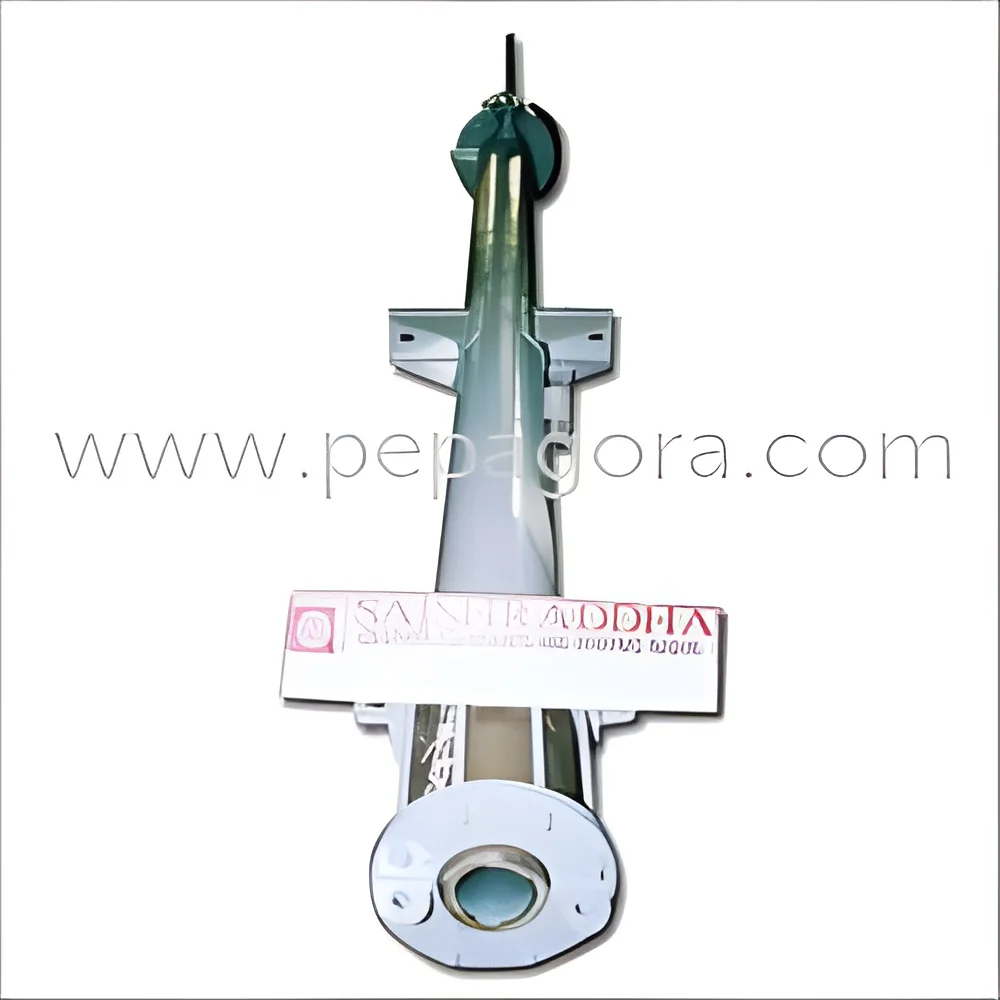
𝗪𝗵𝗮𝘁 𝗮𝗿𝗲 𝗚𝗮𝘀 𝗔𝗯𝘀𝗼𝗿𝗯𝗲𝗿𝘀?
Gas absorbers are specialized devices used to remove specific gases from a mixture through a physical or chemical process. They operate by allowing a gas to pass through a liquid or a solid medium that selectively absorbs certain components. The process can be driven by various mechanisms, including diffusion, chemical reaction, or adsorption. Gas absorbers play a critical role in controlling emissions, improving air quality, and ensuring compliance with environmental regulations.
These devices find primary applications across several industries, including chemical processing, pharmaceuticals, and environmental management. In chemical plants, gas absorbers are used to capture harmful gases before they are released into the atmosphere. In the pharmaceutical industry, they help in maintaining the purity of the air during production processes. Their relevance extends to industries focused on sustainability and pollution control, where the demand for effective gas management solutions continues to grow.
As industries evolve and environmental standards become more stringent, the market for gas absorbers is expanding. Businesses are increasingly investing in these technologies to enhance operational efficiency and reduce their environmental footprint. The ongoing advancements in materials and technology further position gas absorbers as essential tools for modern industrial applications.
𝗞𝗲𝘆 𝗙𝗲𝗮𝘁𝘂𝗿𝗲𝘀 𝗮𝗻𝗱 𝗦𝗽𝗲𝗰𝗶𝗳𝗶𝗰𝗮𝘁𝗶𝗼𝗻𝘀
Gas absorbers come equipped with various features that enhance their performance and application versatility. Understanding the key specifications is crucial for selecting the right product for specific needs.
Key specifications include:
1. Absorption Efficiency
- The percentage of gas removed from the mixture
- Typically ranges from 85% to 99%
2. Operating Pressure Range
- The pressure levels within which the absorber operates effectively
- Commonly between 1 to 10 bar
3. Temperature Range
- The temperature limits for optimal operation
- Data not available
4. Material of Construction
- The materials used in the construction of the absorber
- Options may include stainless steel, carbon steel, and various polymers
5. Dimensions and Weight
- Physical dimensions and weight specifications for ease of installation
- Varies based on design and application requirements
6. Inlet/Outlet Configurations
- Types of connections available for gas and liquid flow
- Standard configurations include flanged and threaded connections
7. Maintenance Requirements
- Frequency and ease of upkeep needed for optimal operation
- Regular checks recommended to ensure efficiency
8. Certification
- Compliance with industry standards for safety and performance
- Most units carry CE certification
These features are vital for ensuring the gas absorbers meet operational demands and regulatory compliance.
𝗖𝗼𝗺𝗺𝗼𝗻 𝗔𝗽𝗽𝗹𝗶𝗰𝗮𝘁𝗶𝗼𝗻𝘀 𝗮𝗻𝗱 𝗨𝘀𝗲 𝗖𝗮𝘀𝗲𝘀
Gas absorbers are utilized in diverse industries, each with specific applications that highlight their importance.
1. Chemical Processing: Gas absorbers are essential in removing toxic gases from chemical reactions, ensuring a safer working environment and compliance with regulatory standards.
2. Pharmaceutical Manufacturing: In this industry, gas absorbers help maintain clean air standards during production, preventing contamination and ensuring product quality.
3. Wastewater Treatment: These devices are used to capture volatile organic compounds (VOCs) released during wastewater processing, helping to protect the environment.
4. Food Processing: Gas absorbers are employed to remove unwanted odors and gases from production areas, ensuring a safe and pleasant working environment.
5. Oil and Gas: In this sector, gas absorbers assist in extracting harmful gases from natural gas streams, enhancing safety and efficiency.
6. Environmental Protection: Gas absorbers play a role in air quality management by capturing pollutants from industrial emissions, supporting sustainability initiatives.
7. Power Generation: They are utilized to control emissions from power plants, ensuring compliance with environmental regulations.
𝗣𝗿𝗼𝗱𝘂𝗰𝘁 𝗩𝗮𝗿𝗶𝗮𝗻𝘁𝘀 𝗮𝗻𝗱 𝗦𝘂𝗯𝗰𝗮𝘁𝗲𝗴𝗼𝗿𝗶𝗲𝘀
Gas absorbers come in various configurations, each designed to address specific needs and applications.
Standard Gas Absorber
This variant is designed for general use across multiple industries. It features high absorption efficiency and is built to handle a range of gases, making it versatile for various applications.
High-Performance Gas Absorber
This variant is engineered for industries with stringent gas removal requirements. It offers enhanced efficiency and may incorporate advanced materials for better performance in extreme conditions.
Compact Gas Absorber
Ideal for space-constrained environments, this variant is designed to occupy minimal space while maintaining effective gas absorption capabilities, suitable for smaller facilities.
Customized Gas Absorber
Some manufacturers offer tailored solutions to meet specific client needs. These absorbers can be modified in terms of size, materials, and performance characteristics.
𝗕𝗲𝗻𝗲𝗳𝗶𝘁𝘀 𝗮𝗻𝗱 𝗔𝗱𝘃𝗮𝗻𝘁𝗮𝗴𝗲𝘀
Gas absorbers provide numerous benefits that make them integral to various industrial processes.
1. Improved Air Quality: By effectively removing harmful gases, gas absorbers contribute to cleaner air in industrial settings, promoting health and safety.
2. Regulatory Compliance: Utilizing gas absorbers helps businesses adhere to environmental regulations, avoiding potential fines and legal issues.
3. Enhanced Operational Efficiency: These devices can increase productivity by ensuring that gas emissions are controlled, leading to smoother operations.
4. Cost Savings: By preventing the release of harmful gases, businesses can save on potential cleanup costs and regulatory penalties.
5. Versatility: Gas absorbers are adaptable to different applications and industries, making them suitable for a wide range of operational needs.
6. Increased Safety: By capturing toxic gases, these devices significantly reduce the risk of accidents and health hazards in the workplace.
𝗕𝘂𝘆𝗶𝗻𝗴 𝗚𝘂𝗶𝗱𝗲 𝗳𝗼𝗿 𝗕𝟮𝗕 𝗕𝘂𝘆𝗲𝗿𝘀
When sourcing gas absorbers, it is essential to consider several key factors to ensure a successful purchase.
1. Quality Assessment: Buyers should evaluate the quality of gas absorbers by reviewing manufacturer certifications and testing results. Products should meet industry standards to ensure reliability.
2. Supplier Verification: Vetting suppliers is crucial. Look for established companies with a proven track record and verifiable customer references to ensure they can deliver quality products.
3. Pricing and MOQ: Understand the pricing structure and minimum order quantity (MOQ) requirements. This information is important for budgeting and negotiating terms with suppliers.
4. Delivery and Lead Times: Assess the logistics involved, including expected delivery times and shipping options. Timely delivery is critical for maintaining operations.
5. Compliance Requirements: Ensure that the gas absorbers meet any relevant regulatory standards. This may include environmental compliance and safety certifications.
𝗖𝗼𝗺𝗽𝗹𝗶𝗮𝗻𝗰𝗲 𝗮𝗻𝗱 𝗖𝗲𝗿𝘁𝗶𝗳𝗶𝗰𝗮𝘁𝗶𝗼𝗻𝘀
Gas absorbers must adhere to various quality standards and regulations to ensure safety and reliability. Compliance with ISO 9001 standards is essential, as it indicates a commitment to quality management systems in manufacturing processes.
In addition to ISO certifications, gas absorbers may also require HACCP compliance, especially in food-related industries, to ensure that they do not compromise product safety. CE certification is another important mark, as it signifies that the product meets European health, safety, and environmental protection standards.
Safety testing is also a critical consideration. Gas absorbers should undergo rigorous testing to evaluate their performance under various conditions. Regional compliance may vary, so it is essential for businesses to be aware of local regulations governing gas emissions and environmental safety.
𝗪𝗵𝘆 𝗦𝗼𝘂𝗿𝗰𝗲 𝗚𝗮𝘀 𝗔𝗯𝘀𝗼𝗿𝗯𝗲𝗿𝘀 𝗳𝗿𝗼𝗺 𝗣𝗲𝗽𝗮𝗴𝗼𝗿𝗮?
Pepagora provides a trusted platform for sourcing gas absorbers, offering several key advantages that cater to B2B buyers.
Verified Supplier Network: Pepagora boasts a network of verified suppliers, ensuring that buyers have access to high-quality gas absorbers. This network is built on trust and reliability, allowing buyers to source products with confidence.
Streamlined RFQ Process: The request for quotation (RFQ) system at Pepagora simplifies the procurement process. Buyers can easily submit their requirements and receive competitive quotes from multiple suppliers, saving time and effort.
Trade Assurance and Support: Pepagora offers trade assurance, providing buyers with protection throughout the purchasing process. This support enhances buyer confidence and encourages successful transactions.
Regional Coverage: With a focus on key markets such as India, the GCC, and Southeast Asia, Pepagora ensures that buyers can find suitable suppliers in their region. This geographic reach facilitates quicker deliveries and better customer service.
By choosing Pepagora, businesses can effectively navigate the complexities of sourcing gas absorbers while ensuring they meet their operational needs and compliance requirements.
Gas absorbers are equipment designed to remove specific gases from a mixture through a physical or chemical process. They are widely used in various industries such as chemical processing, environmental control, and HVAC systems to improve air quality and comply with environmental regulations.
2
What are the different types of Gas Absorbers?
Gas absorbers can be categorized into several types, including packed bed absorbers, tray absorbers, and membrane absorbers. Each type utilizes different mechanisms for gas removal, making them suitable for specific applications and gas types.
3
How do I choose the right Gas Absorbers?
Choosing the right gas absorber involves considering factors such as the type of gas to be removed, the concentration levels, and the required efficiency. Additionally, the flow rate, operating conditions, and space constraints should also be evaluated to ensure optimal performance.
4
What are the standard specifications for Gas Absorbers?
Standard specifications for gas absorbers include parameters such as absorption efficiency, flow rate capacity, material of construction, and operating pressure and temperature. These specifications vary based on the application and the specific design of the absorber.
5
What is the price range for Gas Absorbers?
The price range for gas absorbers can vary significantly based on factors such as type, size, and manufacturer. Generally, prices can range from a few thousand to several lakhs of Indian Rupees, depending on the complexity and specifications required.
6
What quality standards apply to Gas Absorbers?
Gas absorbers are typically manufactured according to international quality standards such as ISO 9001. Compliance with industry-specific regulations and standards, such as those set by environmental protection agencies, is also important to ensure reliable performance.
7
Where can I find Gas Absorbers suppliers in India?
You can find gas absorber suppliers in India through various channels, including B2B marketplaces, industry trade shows, and manufacturer directories. Online platforms like Pepagora.com also provide listings of reputable gas absorber manufacturers and suppliers.
8
Can Gas Absorbers be customized?
Yes, many manufacturers offer customization options for gas absorbers to meet specific operational needs. Customizations may include alterations in size, material, and design features to enhance performance for particular applications.
9
What is the typical minimum order quantity for Gas Absorbers?
The typical minimum order quantity (MOQ) for gas absorbers varies by manufacturer and product type. Generally, MOQs can range from one unit for custom orders to larger quantities for standard products, depending on production capabilities.
10
What is the typical lead time for Gas Absorbers?
The lead time for gas absorbers can vary based on factors such as customization, order size, and manufacturer workload. Typically, lead times can range from a few weeks to several months, so it is advisable to confirm with the supplier during the ordering process.
Why Businesses Trust Pepagora
Thousands of companies trust Pepagora to source smarter and sell faster
Expand Your Sales Globally
25000+Products listed.Get discovered by global buyers

 IN
IN