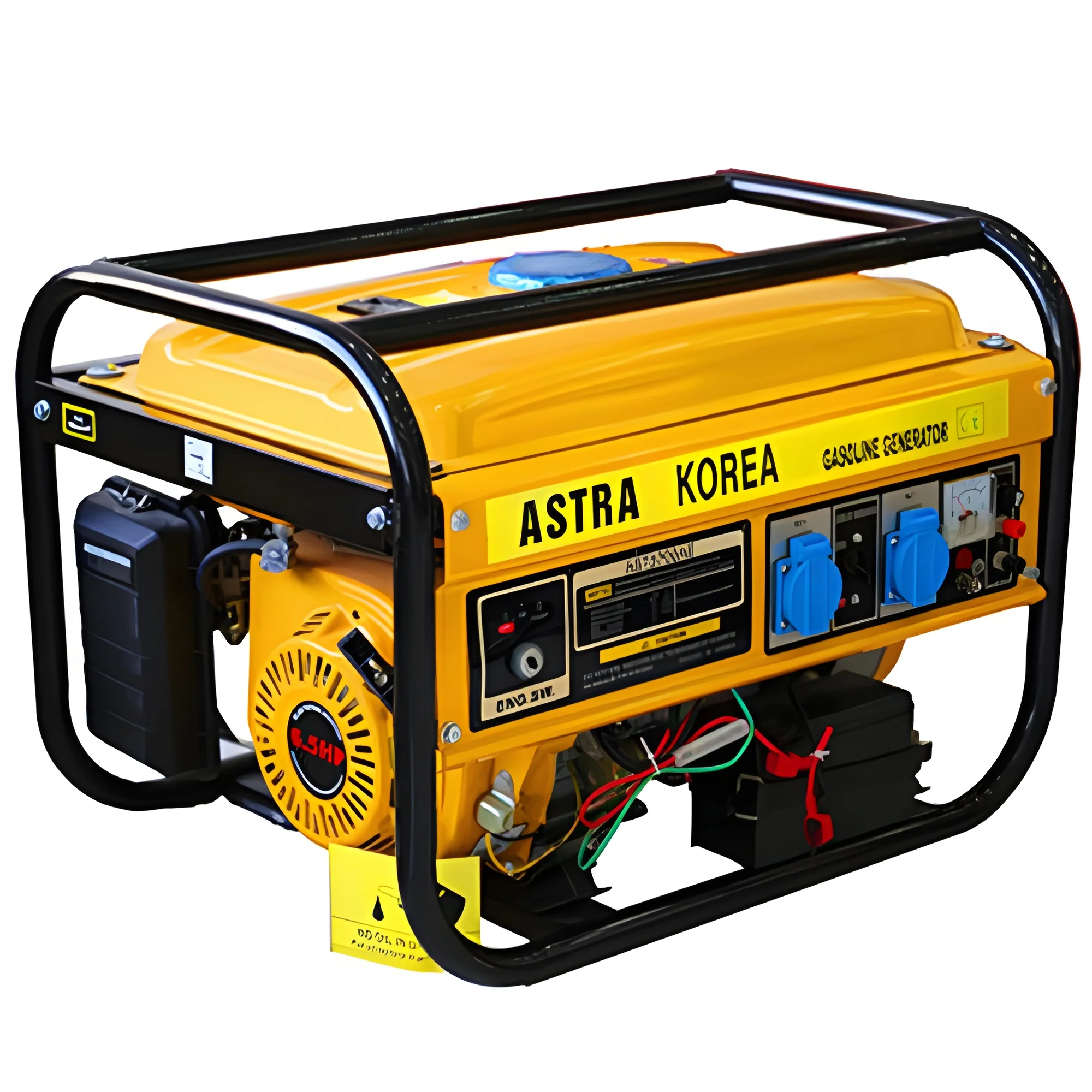
𝗪𝗵𝗮𝘁 𝗮𝗿𝗲 𝗚𝗮𝘀 𝗚𝗲𝗻𝗲𝗿𝗮𝘁𝗼𝗿𝘀?
Gas generators are devices that convert gas fuel into electrical energy. They are commonly used to provide backup power in emergencies, offer a reliable source of energy in remote locations, and support various industrial applications. These generators typically operate using natural gas, propane, or biogas, making them a versatile option for many businesses.
The primary uses of gas generators include powering critical equipment, supporting construction sites, and providing energy in agricultural settings. They are essential for industries such as healthcare, data centers, and manufacturing, where uninterrupted power supply is crucial. With an increasing demand for clean and efficient energy solutions, gas generators play a significant role in the energy landscape, offering a lower carbon footprint compared to traditional diesel generators.
As markets evolve, the relevance of gas generators continues to grow. Many organizations seek sustainable energy solutions to meet regulatory requirements and corporate sustainability goals. This trend is expected to drive innovation in gas generator technology and expand their applications across various sectors.
𝗞𝗲𝘆 𝗙𝗲𝗮𝘁𝘂𝗿𝗲𝘀 𝗮𝗻𝗱 𝗦𝗽𝗲𝗰𝗶𝗳𝗶𝗰𝗮𝘁𝗶𝗼𝗻𝘀
Gas generators come equipped with a variety of features that enhance their performance and usability. Understanding these specifications is crucial for businesses looking to invest in reliable power solutions.
Key specifications include:
1. Power Output
- The amount of electricity generated, typically measured in kilowatts (kW).
- Ranges from small units providing a few kW to large industrial generators offering several megawatts (MW).
2. Fuel Type
- Common fuels include natural gas, propane, and biogas.
- Choice of fuel can impact operational costs and emissions.
3. Noise Level
- Measured in decibels (dB), indicating how loud the generator operates.
- Important for applications in noise-sensitive environments.
4. Run Time
- Duration the generator can operate on a full fuel tank.
- Varies by model and load conditions.
5. Starting Mechanism
- Includes manual start, electric start, or automatic start systems.
- Automatic starters are beneficial for emergency applications.
6. Control System
- Advanced models feature digital control panels for monitoring and operation.
- Some may include remote monitoring capabilities.
7. Emission Standards
- Compliance with environmental regulations, such as emissions limits.
- Important for sustainability and regulatory adherence.
8. Dimensions and Weight
- Size and weight can affect installation and transport.
- Smaller portable units are available alongside larger stationary models.
In summary, understanding the key features and specifications of gas generators can help businesses select the right model for their specific needs.
𝗖𝗼𝗺𝗺𝗼𝗻 𝗔𝗽𝗽𝗹𝗶𝗰𝗮𝘁𝗶𝗼𝗻𝘀 𝗮𝗻𝗱 𝗨𝘀𝗲 𝗖𝗮𝘀𝗲𝘀
Gas generators serve various industries with different energy needs and applications.
1. Healthcare: Gas generators provide uninterrupted power to hospitals, ensuring life-saving equipment remains operational during outages.
2. Construction: On construction sites, gas generators supply power for tools, lighting, and equipment, enabling work to continue without disruptions.
3. Agriculture: Farmers use gas generators for irrigation systems, refrigeration, and other equipment in remote locations where grid power might be unreliable.
4. Data Centers: Gas generators ensure that data centers maintain operations during power failures, protecting critical data and IT infrastructure.
5. Telecommunications: These generators support communication towers, providing the necessary power to keep networks operational.
6. Events and Entertainment: Temporary power solutions for concerts, festivals, and outdoor events rely on gas generators for lighting and sound systems.
7. Manufacturing: Gas generators support machinery and production lines, minimizing downtime and keeping production on schedule.
𝗣𝗿𝗼𝗱𝘂𝗰𝘁 𝗩𝗮𝗿𝗶𝗮𝗻𝘁𝘀 𝗮𝗻𝗱 𝗦𝘂𝗯𝗰𝗮𝘁𝗲𝗴𝗼𝗿𝗶𝗲𝘀
Gas generators come in a variety of configurations and specifications to meet diverse business needs.
Portable Gas Generators
These units are designed for mobility and ease of transport. They are ideal for construction sites and outdoor events, providing power where it's needed most.
Stationary Gas Generators
Stationary models are typically used for permanent installations in facilities. They offer higher power outputs and are often integrated into existing energy systems for continuous operation.
High-Efficiency Gas Generators
These generators are designed to maximize fuel efficiency and minimize emissions. They are suitable for businesses seeking to reduce operational costs and meet environmental standards.
𝗕𝗲𝗻𝗲𝗳𝗶𝘁𝘀 𝗮𝗻𝗱 𝗔𝗱𝘃𝗮𝗻𝘁𝗮𝗴𝗲𝘀
Gas generators offer numerous advantages for businesses looking for reliable power solutions.
1. Cost-Effective: Gas generators often have lower fuel costs compared to diesel options, leading to long-term savings on energy expenses.
2. Environmentally Friendly: Using natural gas or propane can significantly reduce emissions, aligning with corporate sustainability initiatives.
3. Reliability: Gas generators provide a dependable power source, minimizing the risk of outages that could disrupt operations.
4. Versatility: They can be used in various applications, from backup power to primary energy sources, making them suitable for many industries.
5. Low Maintenance: Gas generators typically require less maintenance than diesel generators, reducing downtime and service costs.
6. Quick Start-Up: Many gas generators can start quickly, ensuring power is available immediately when needed.
𝗕𝘂𝘆𝗶𝗻𝗴 𝗚𝘂𝗶𝗱𝗲 𝗳𝗼𝗿 𝗕𝟮𝗕 𝗕𝘂𝘆𝗲𝗿𝘀
When sourcing gas generators, it is important for B2B buyers to consider several key factors to ensure they make informed decisions.
1. Quality Assessment: Evaluate the build quality and reliability of the generator. Look for models from reputable manufacturers with a history of performance and durability.
2. Supplier Verification: Research suppliers to ensure they are credible and can provide necessary support. Check for customer reviews and industry reputation.
3. Pricing and MOQ: Understand the pricing structure and minimum order quantities. Compare offers from different suppliers to ensure competitive pricing.
4. Delivery and Lead Times: Inquire about delivery timelines and logistics. Ensure that the supplier can meet your scheduling needs.
5. Compliance Requirements: Verify that the generators meet local and international compliance standards, including emissions regulations and safety requirements.
𝗖𝗼𝗺𝗽𝗹𝗶𝗮𝗻𝗰𝗲 𝗮𝗻𝗱 𝗖𝗲𝗿𝘁𝗶𝗳𝗶𝗰𝗮𝘁𝗶𝗼𝗻𝘀
Compliance and certification are critical aspects of gas generators. These devices often need to adhere to various quality standards to ensure safety and performance.
Relevant quality standards may include ISO 9001 for quality management systems, which ensures that manufacturers maintain high-quality production processes. Additionally, industry certifications such as CE mark indicate compliance with European health, safety, and environmental protection standards.
Safety and testing requirements are also essential. Generators must pass rigorous testing to ensure they operate safely under various conditions. It is crucial for buyers to confirm that the generators meet these safety standards to avoid potential hazards.
Regional compliance considerations should also be taken into account, as different regions may have specific regulations regarding emissions and safety standards. Understanding these requirements can help businesses make compliant and responsible purchasing decisions.
𝗪𝗵𝘆 𝗦𝗼𝘂𝗿𝗰𝗲 𝗚𝗮𝘀 𝗚𝗲𝗻𝗲𝗿𝗮𝘁𝗼𝗿𝘀 𝗳𝗿𝗼𝗺 𝗣𝗲𝗽𝗮𝗴𝗼𝗿𝗮?
Pepagora provides a trusted platform for sourcing gas generators, offering several key advantages to buyers.
Verified Supplier Network: Pepagora connects buyers with a network of verified suppliers. Each supplier undergoes a thorough vetting process, ensuring reliability and quality.
Streamlined RFQ Process: The quotation system on Pepagora simplifies the process of obtaining competitive offers from multiple suppliers. This saves time and helps buyers make informed decisions.
Trade Assurance and Support: Pepagora offers buyer protection with trade assurance, ensuring that transactions are secure and that support is available throughout the purchasing process.
Regional Coverage: Pepagora has a strong geographic presence, serving regions including India, the GCC, and Southeast Asia. This broad coverage allows businesses to find local suppliers while ensuring efficient logistics and support.
By choosing Pepagora, businesses can confidently source gas generators tailored to their specific needs while benefiting from a seamless purchasing experience.
Gas generators are devices that convert fuel gas into electrical energy through the process of combustion. They are commonly used for backup power, remote power generation, and in applications where electricity is necessary but not readily available.
2
What are the different types of Gas Generators?
Gas generators can be categorized into various types based on the fuel used, such as natural gas generators, propane generators, and biogas generators. Additionally, they can be classified by their application, including portable generators for temporary use and stationary generators for permanent installations.
3
How do I choose the right Gas Generators?
To select the right gas generator, consider factors such as power output requirements, fuel type availability, and intended application. Additionally, evaluate the generator's features, efficiency ratings, and maintenance needs to ensure it meets your specific requirements.
4
What are the standard specifications for Gas Generators?
Standard specifications for gas generators typically include power output measured in kilowatts (kW), fuel consumption rate, noise level, and dimensions. Other important specifications may include starting method, cooling system, and emissions standards compliance.
5
What is the price range for Gas Generators?
The price range for gas generators can vary significantly depending on factors such as power capacity, brand, and additional features. Generally, small portable models may start from a few thousand rupees, while larger, more advanced generators can cost several lakhs.
6
What quality standards apply to Gas Generators?
Gas generators are subject to various quality standards, including ISO certifications and emissions regulations specific to the region. Compliance with these standards ensures the generators operate efficiently and meet environmental safety requirements.
7
Where can I find Gas Generators suppliers in India?
You can find gas generator suppliers in India through B2B marketplaces, trade shows, and online directories. Websites like Pepagora.com provide a platform to connect with reputable manufacturers and suppliers of gas generators.
8
Can Gas Generators be customized?
Yes, many manufacturers offer customization options for gas generators to meet specific customer requirements. Customizations may include modifications in power output, fuel compatibility, and additional features such as soundproofing or mobility enhancements.
9
What is the typical minimum order quantity for Gas Generators?
The typical minimum order quantity (MOQ) for gas generators can vary by supplier and model. Generally, MOQs may range from one unit for smaller models to several units for larger, commercial-grade generators.
10
What is the typical lead time for Gas Generators?
The typical lead time for gas generators can vary based on the manufacturer and order quantity. Generally, standard orders may take anywhere from 2 to 6 weeks for delivery, while customized orders may require additional time.
Why Businesses Trust Pepagora
Thousands of companies trust Pepagora to source smarter and sell faster
Expand Your Sales Globally
25000+Products listed.Get discovered by global buyers

 IN
IN