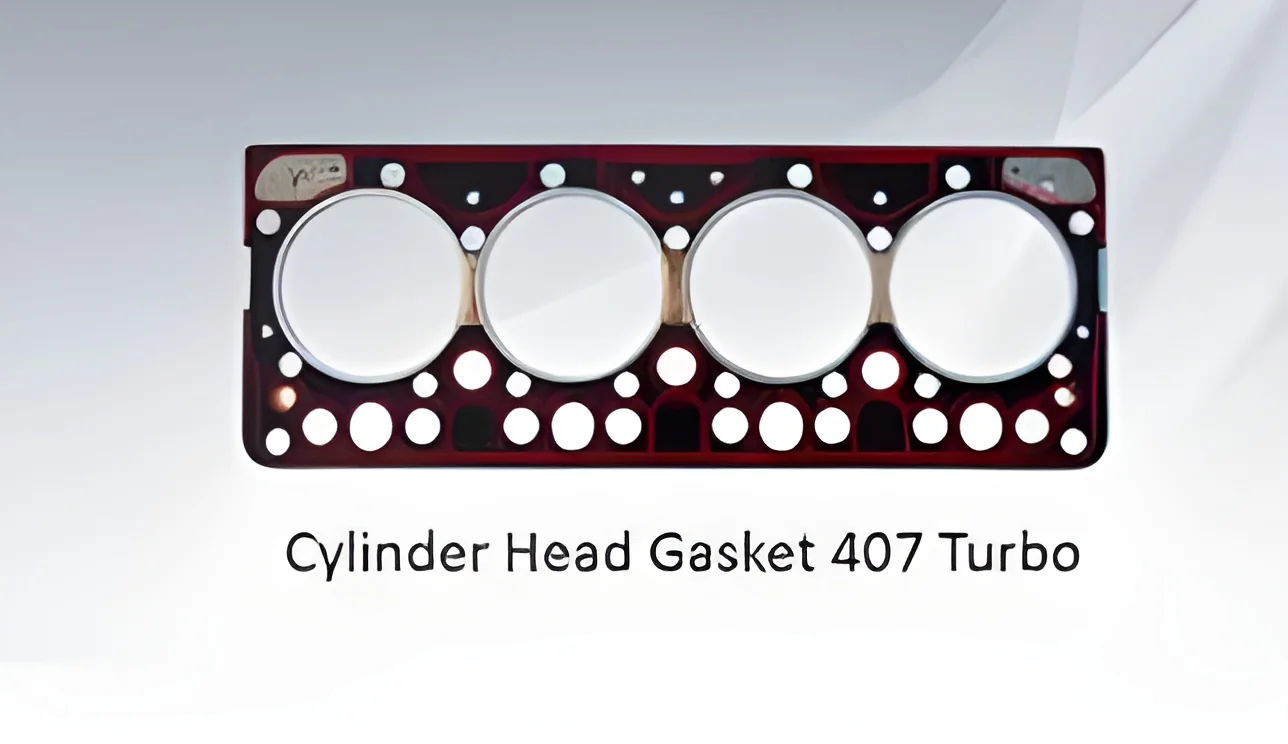
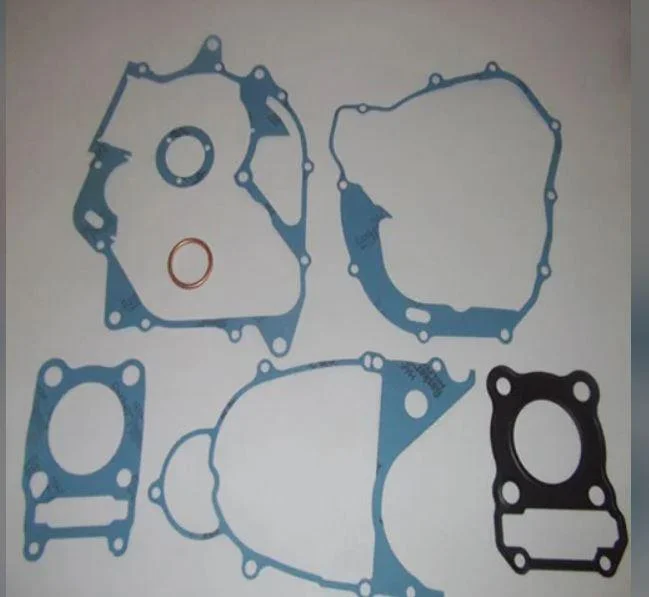
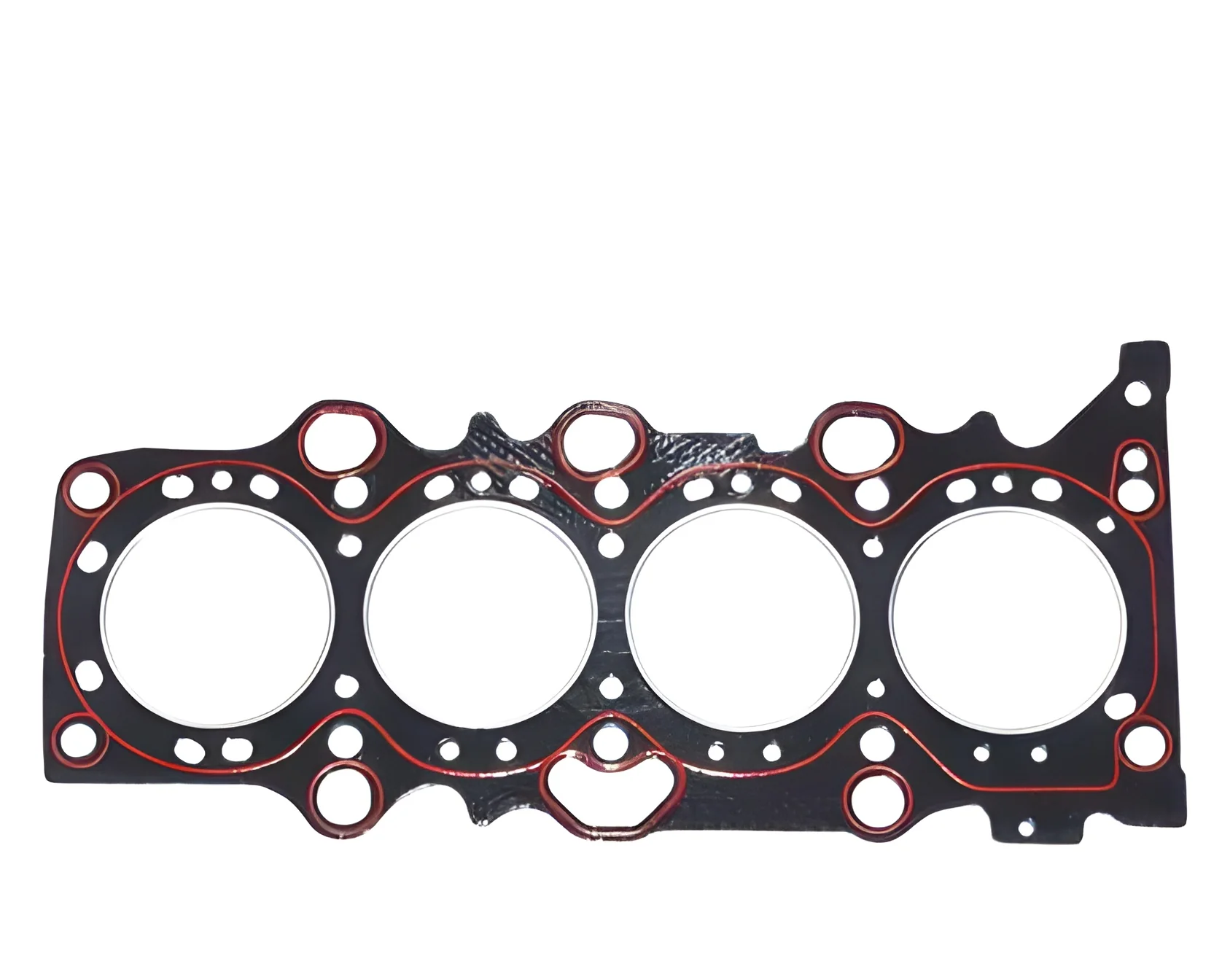
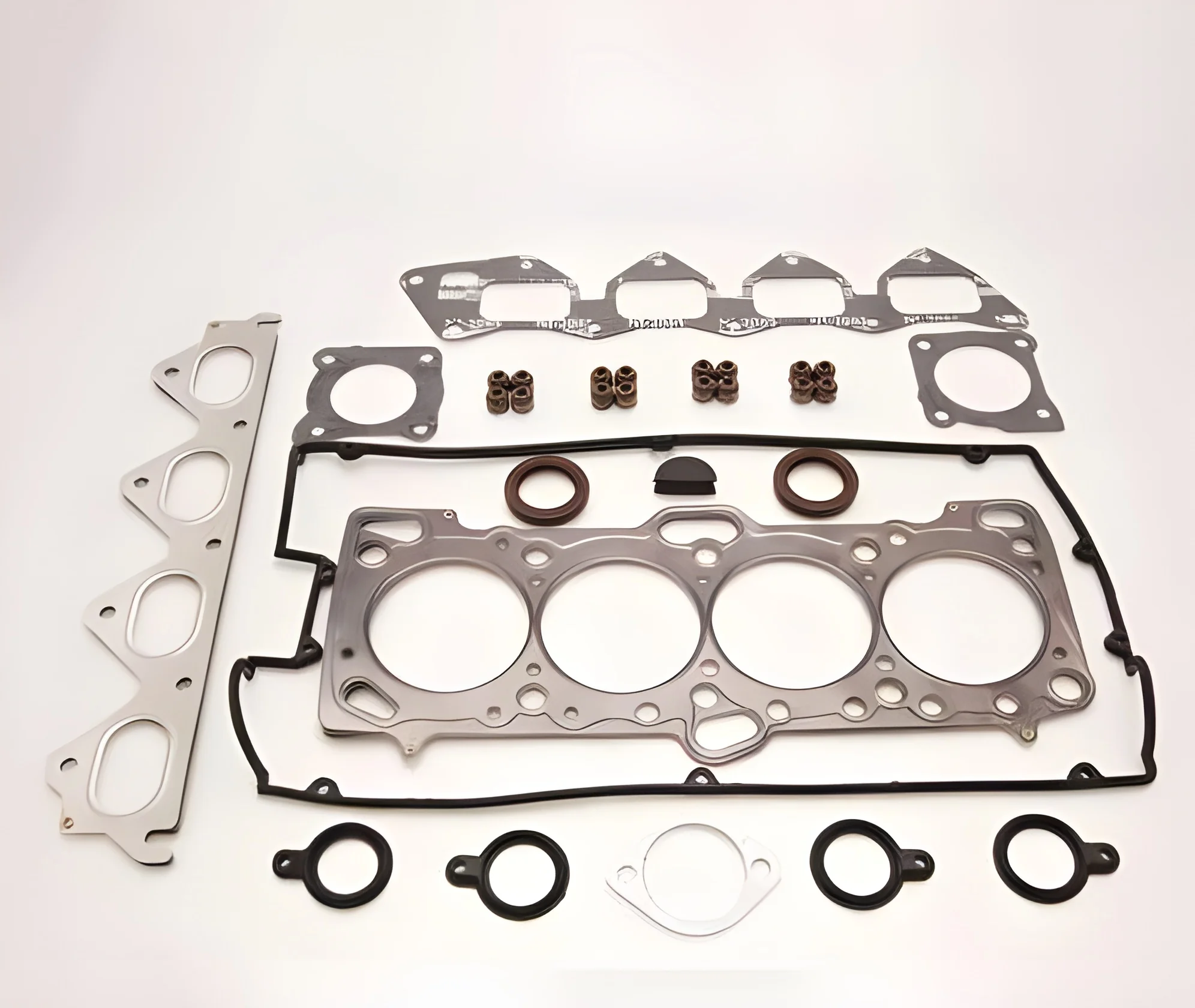
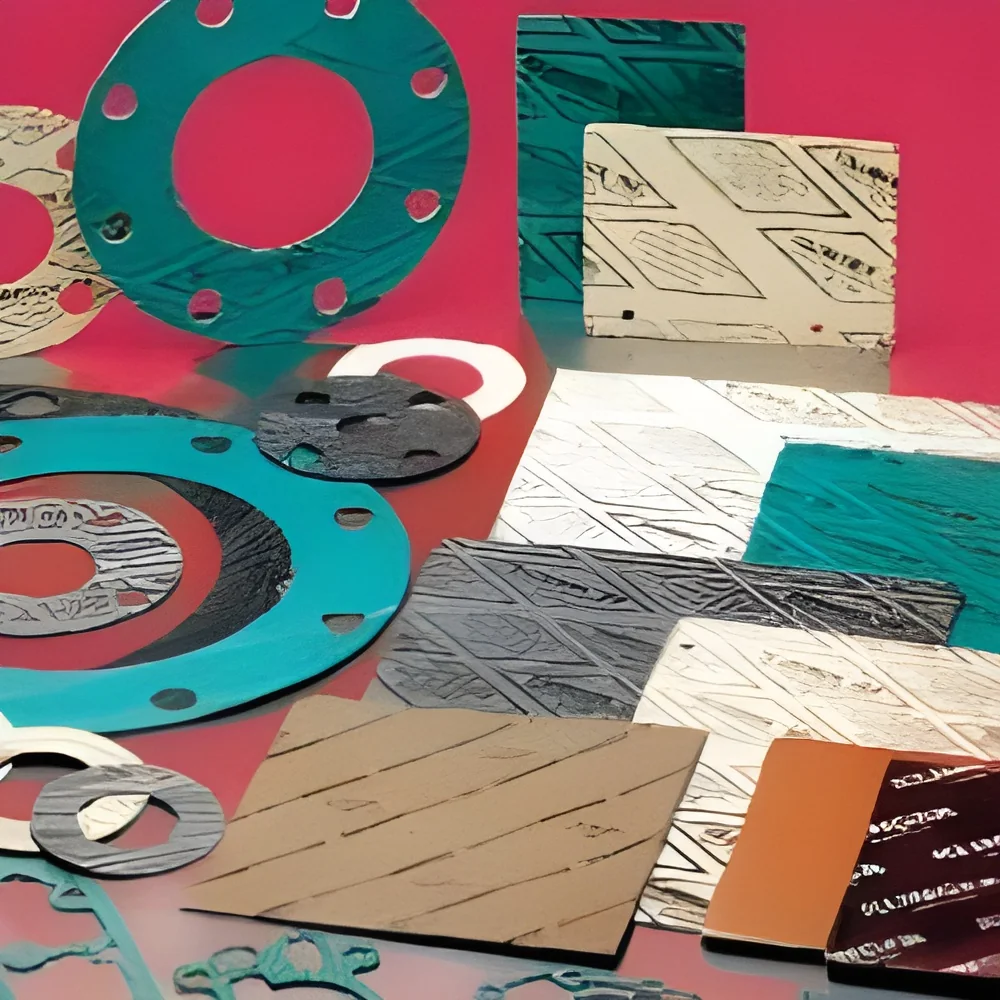
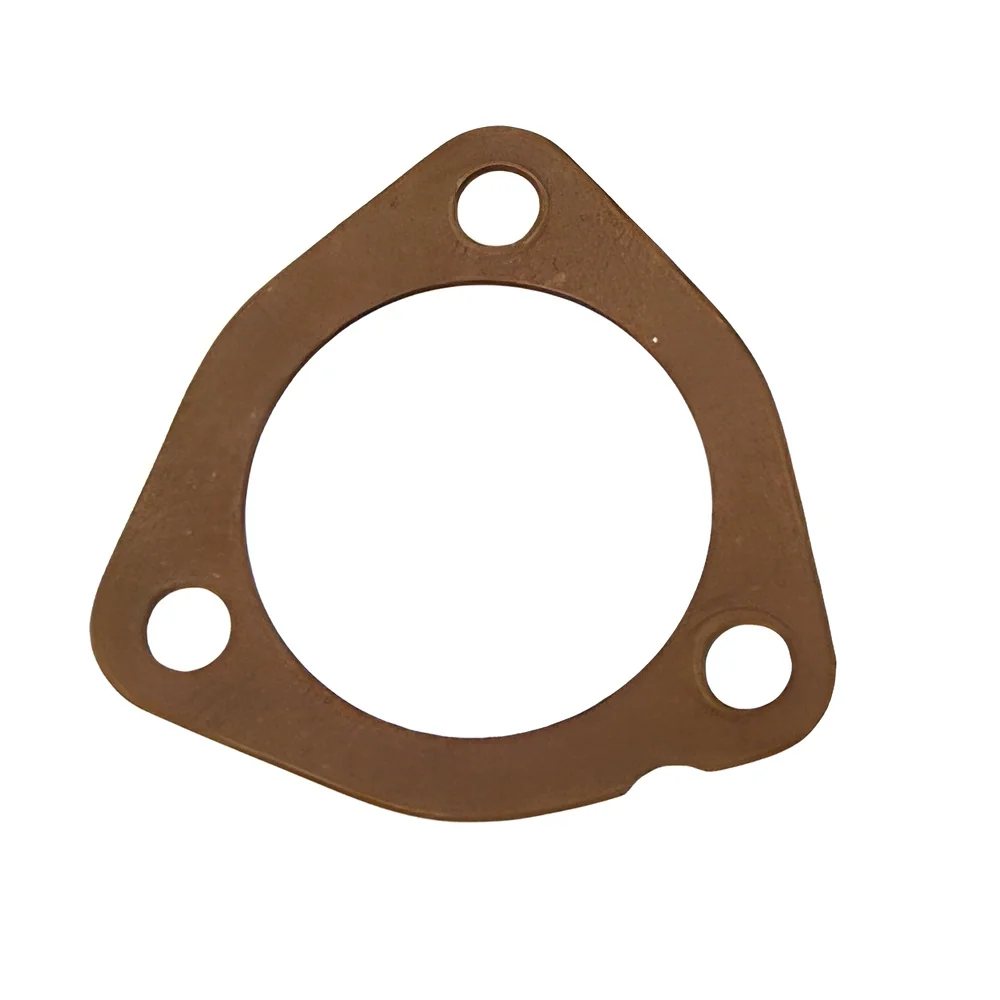
𝗪𝗵𝗮𝘁 𝗮𝗿𝗲 𝗚𝗮𝘀𝗸𝗲𝘁𝘀 & 𝗦𝗲𝗮𝗹𝘀?
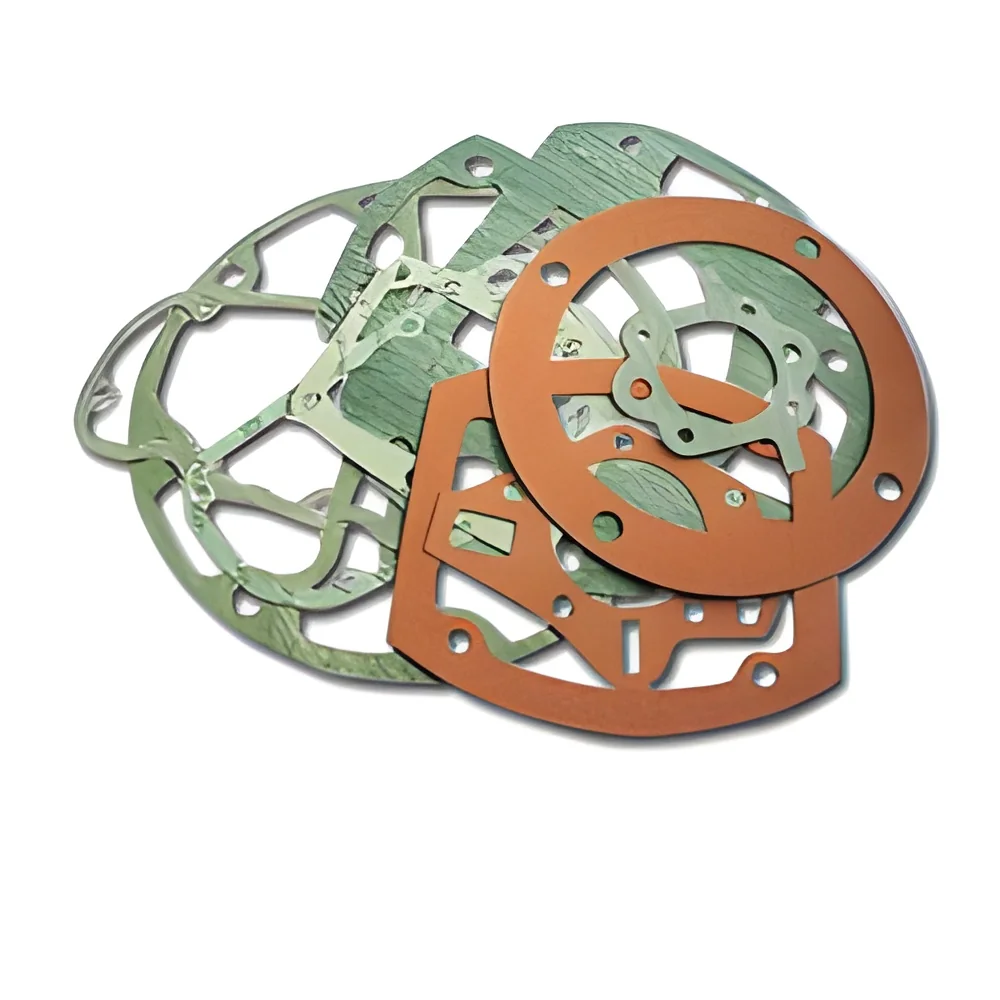
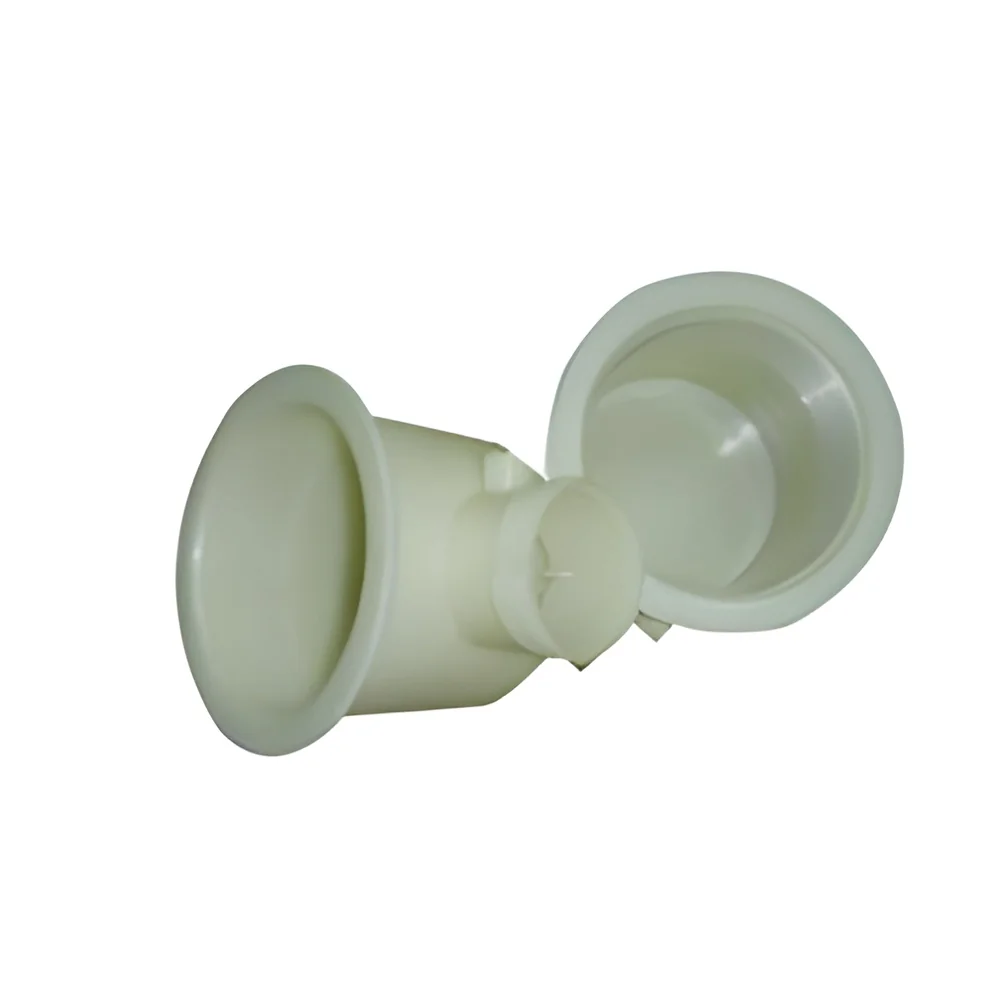
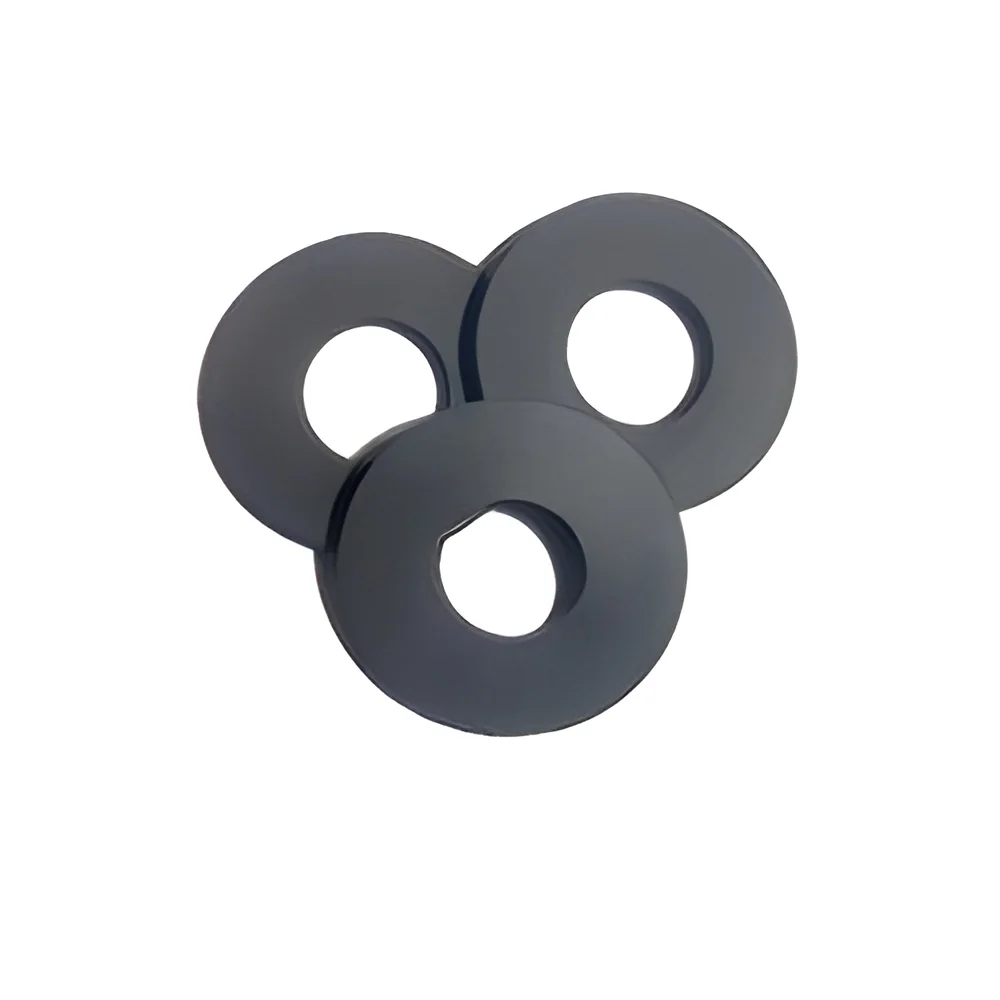
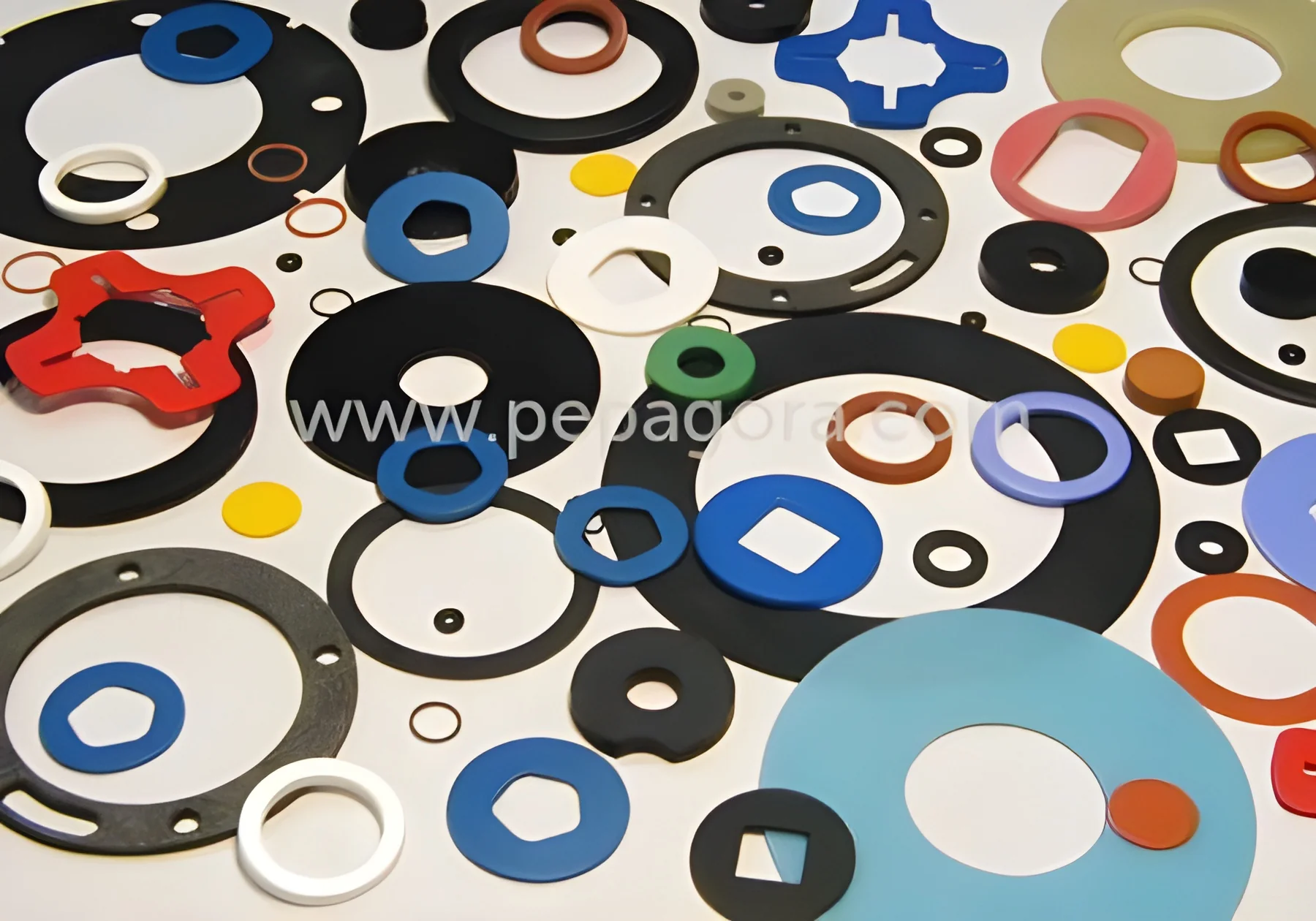
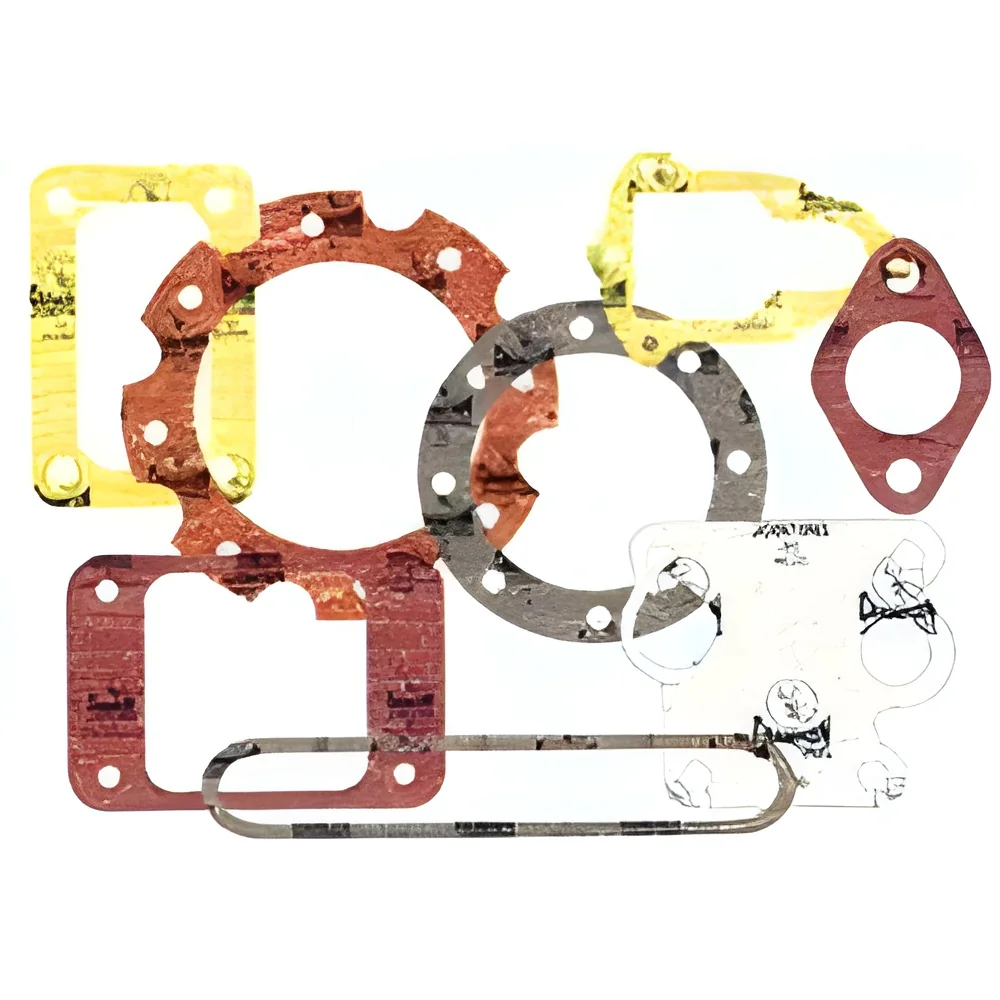
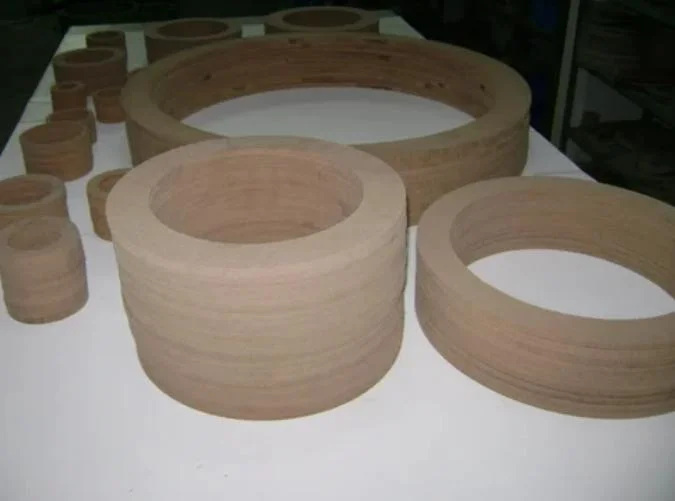
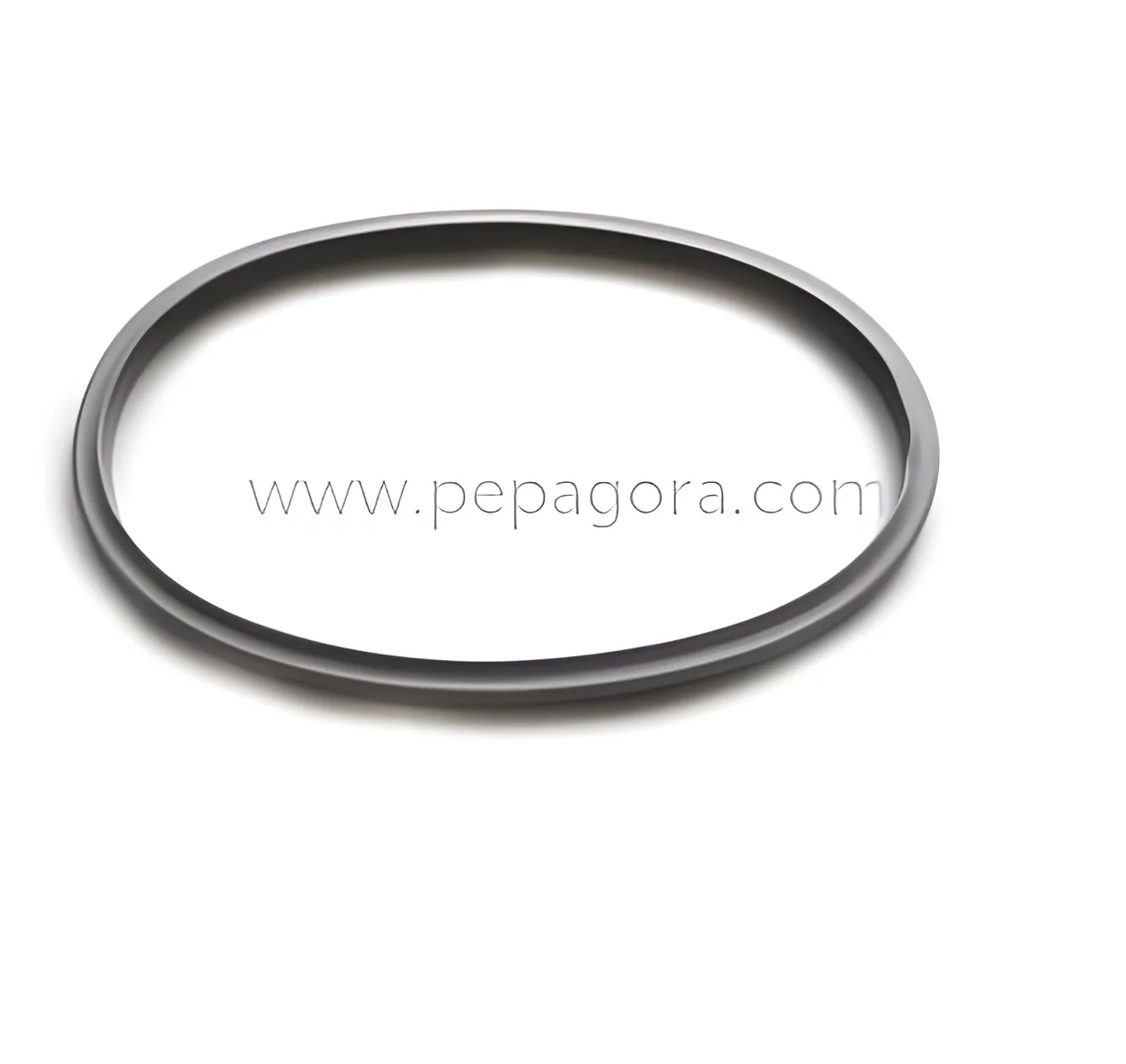
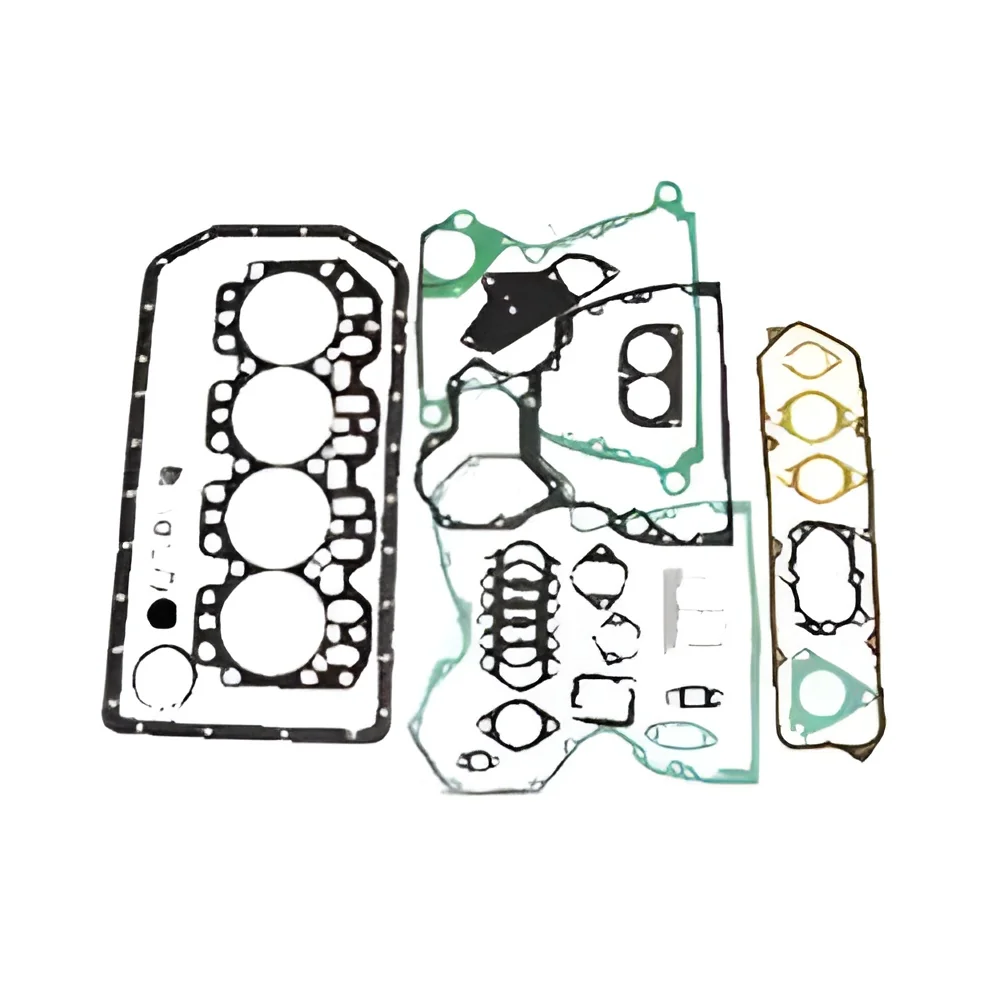
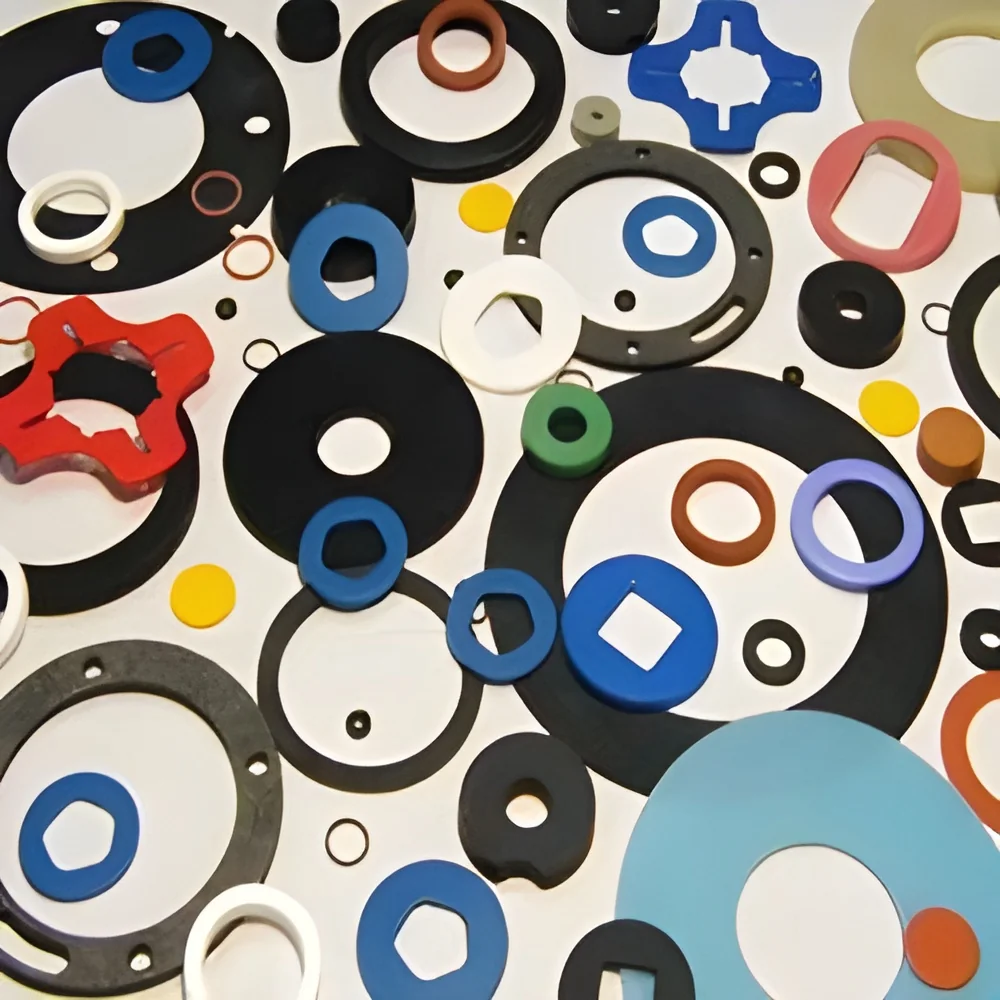
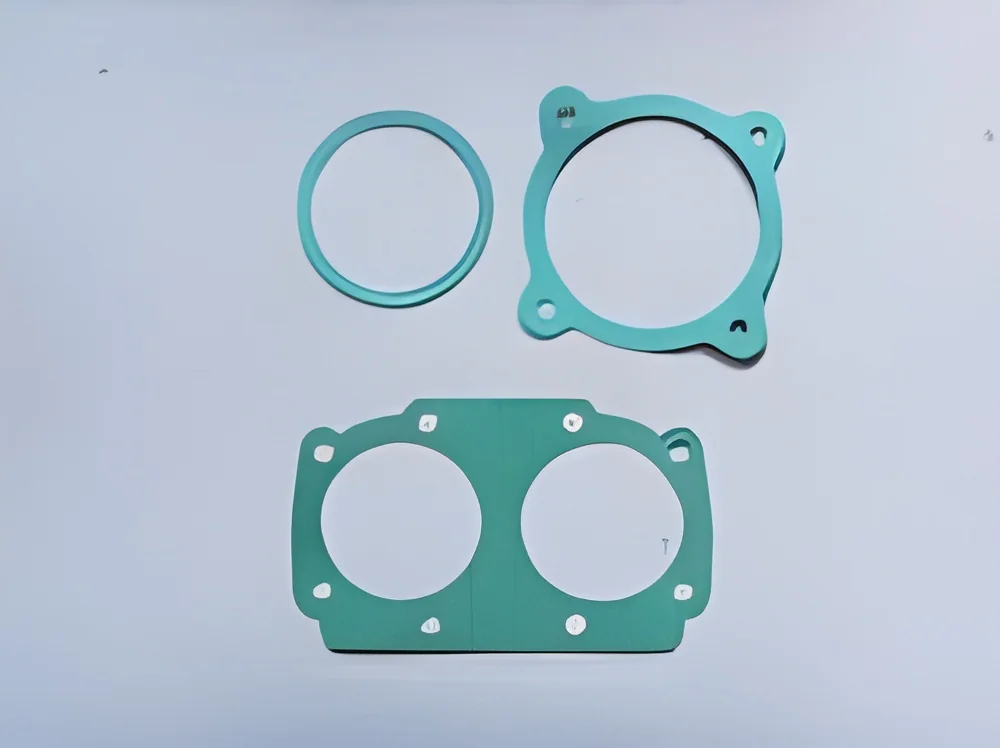
Gaskets and seals are essential components used in various industrial applications to prevent leakage and ensure the integrity of assemblies. A gasket typically sits between two surfaces to create a tight seal under compression, while seals are often used to fill spaces or gaps and provide a barrier against fluids or contaminants. Both products are critical for maintaining operational efficiency and safety in machinery and equipment.
The primary uses of gaskets and seals include automotive, aerospace, and manufacturing industries, where they are employed in engines, pumps, and valves. They are designed to withstand various environmental conditions, including temperature fluctuations and exposure to chemicals. As industries continue to evolve, the demand for high-quality gaskets and seals remains strong, driven by the need for reliability and performance in equipment and machinery.
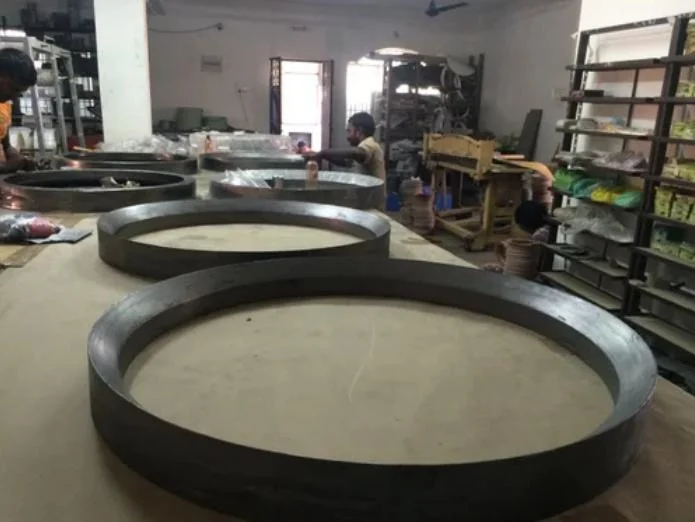
The market for gaskets and seals is significant, with a growing emphasis on innovation and material development. As companies seek to enhance their operational efficiencies, the role of these components becomes increasingly vital. Industry players are focusing on developing advanced materials that offer better resistance to wear and tear, further solidifying the importance of gaskets and seals in modern industrial applications.
𝗞𝗲𝘆 𝗙𝗲𝗮𝘁𝘂𝗿𝗲𝘀 𝗮𝗻𝗱 𝗦𝗽𝗲𝗰𝗶𝗳𝗶𝗰𝗮𝘁𝗶𝗼𝗻𝘀
Gaskets and seals come with a variety of features and specifications that cater to different industrial needs. Understanding these specifications is crucial for selecting the right type for specific applications.
Key specifications include:
1. Material Composition
- Common materials include rubber, silicone, metal, and fiber.
- Each material has unique properties such as temperature resistance and chemical compatibility.
2. Thickness Options
- Available in various thicknesses to suit different applications.
- Thickness affects compressibility and sealing performance.
3. Temperature Range
- Designed to perform effectively in high and low-temperature environments.
- Specific temperature ranges depend on the material used.
4. Pressure Ratings
- Capable of withstanding varying pressure levels.
- Pressure ratings are critical for applications in high-pressure systems.
5. Chemical Resistance
- Resistance to various chemicals is essential for longevity and effectiveness.
- Different materials are better suited for specific chemical exposures.
6. Customization
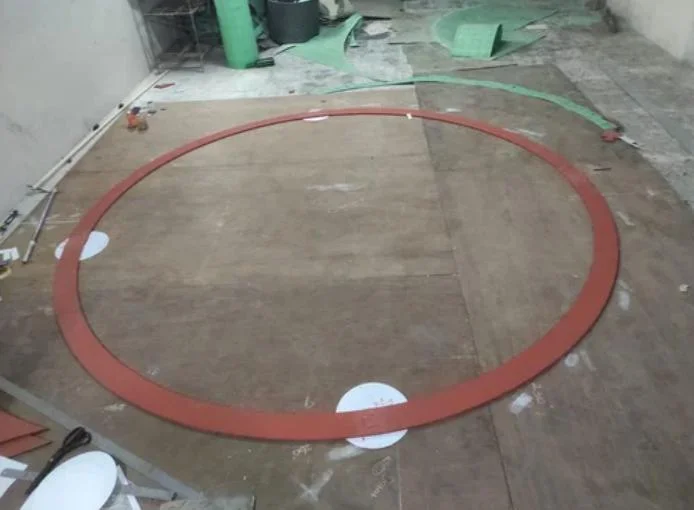
- Options for custom sizes and shapes are available based on client needs.
- Custom solutions enhance compatibility with unique applications.
7. Compliance Standards
- Adherence to industry standards such as CE marks ensures product reliability.
- Compliance with regulatory requirements is essential for safety and effectiveness.
8. Warranty and Lifespan
- Many manufacturers offer warranties that reflect product durability.
- Lifespan can vary based on usage conditions and material properties.
In summary, selecting the right gasket or seal requires an understanding of these specifications to ensure optimal performance and reliability.
𝗖𝗼𝗺𝗺𝗼𝗻 𝗔𝗽𝗽𝗹𝗶𝗰𝗮𝘁𝗶𝗼𝗻𝘀 𝗮𝗻𝗱 𝗨𝘀𝗲 𝗖𝗮𝘀𝗲𝘀
Gaskets and seals are versatile components utilized across multiple industries, each with specific applications that highlight their importance.
1. Automotive Industry: Gaskets and seals are critical for engines, transmissions, and fuel systems, preventing leaks and ensuring optimal performance.
2. Aerospace Sector: Used in engines and hydraulic systems, these components must meet stringent safety and reliability standards.
3. Oil and Gas Industry: Seals are essential for pipelines and drilling equipment, protecting against leaks and maintaining operational integrity.
4. Manufacturing: Gaskets in machinery help minimize downtime due to leaks, improving overall efficiency in production processes.
5. Chemical Processing: Seals and gaskets provide barriers against corrosive substances, ensuring equipment safety and longevity.
6. Food and Beverage: Compliance with hygiene standards makes high-quality seals essential for processing equipment.
7. HVAC Systems: Gaskets and seals in heating and cooling systems ensure energy efficiency and prevent air leaks.
𝗣𝗿𝗼𝗱𝘂𝗰𝘁 𝗩𝗮𝗿𝗶𝗮𝗻𝘁𝘀 𝗮𝗻𝗱 𝗦𝘂𝗯𝗰𝗮𝘁𝗲𝗴𝗼𝗿𝗶𝗲𝘀
Gaskets and seals come in a diverse range of products tailored to meet specific industrial needs. This diversity allows businesses to find solutions that fit their particular applications.
Rubber Gaskets
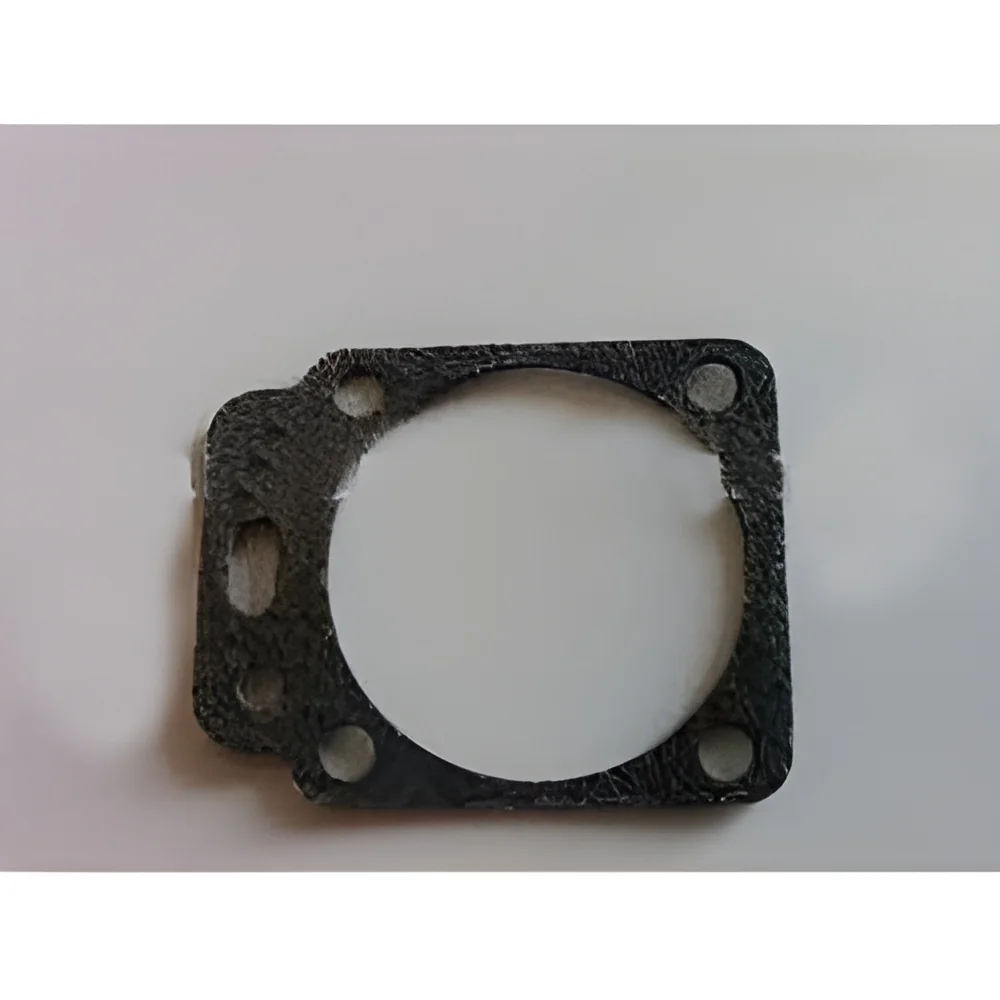
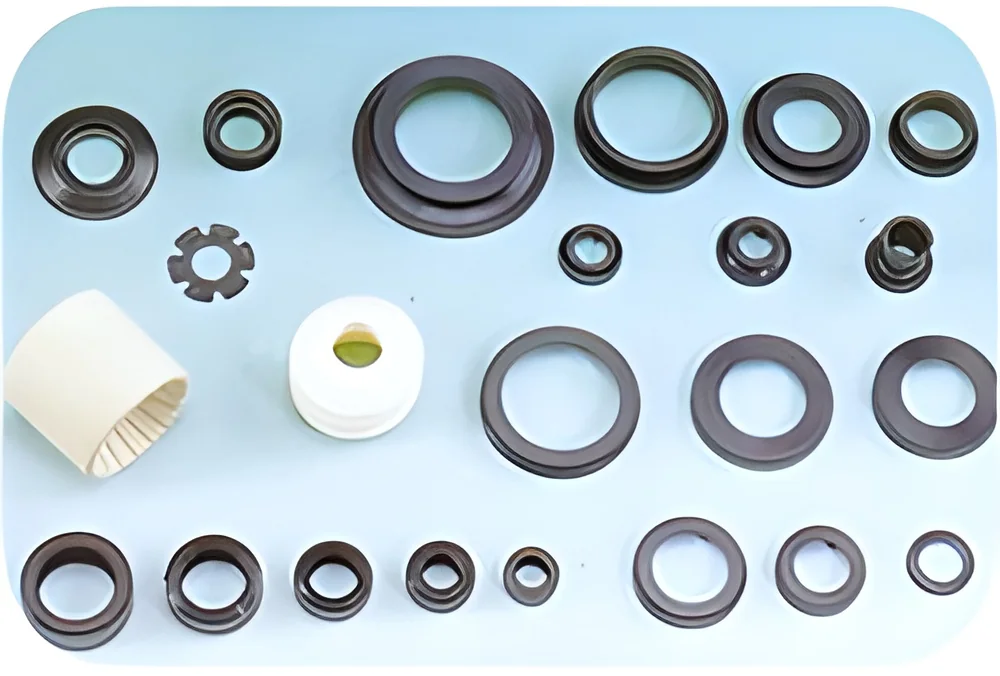
These gaskets are made from various rubber compounds and are known for their flexibility and excellent sealing properties. They are commonly used in automotive and plumbing applications.
Metal Seals
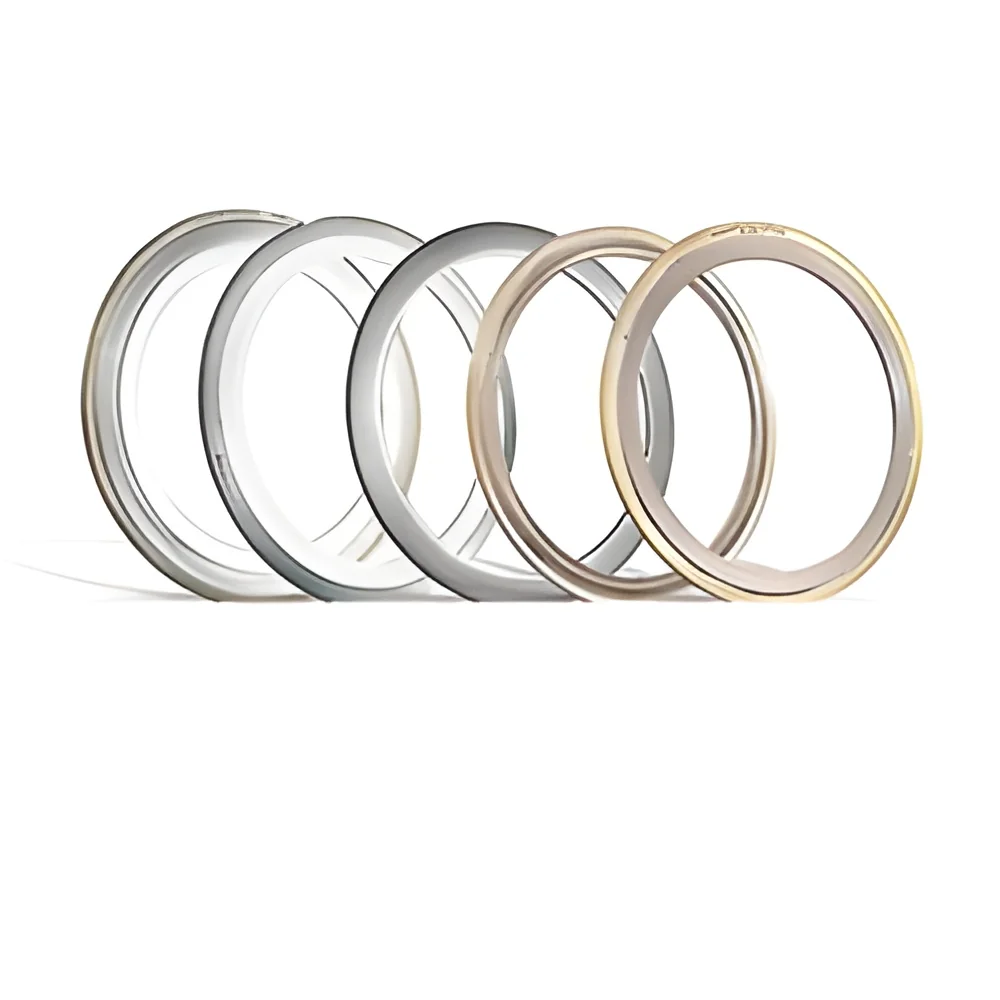
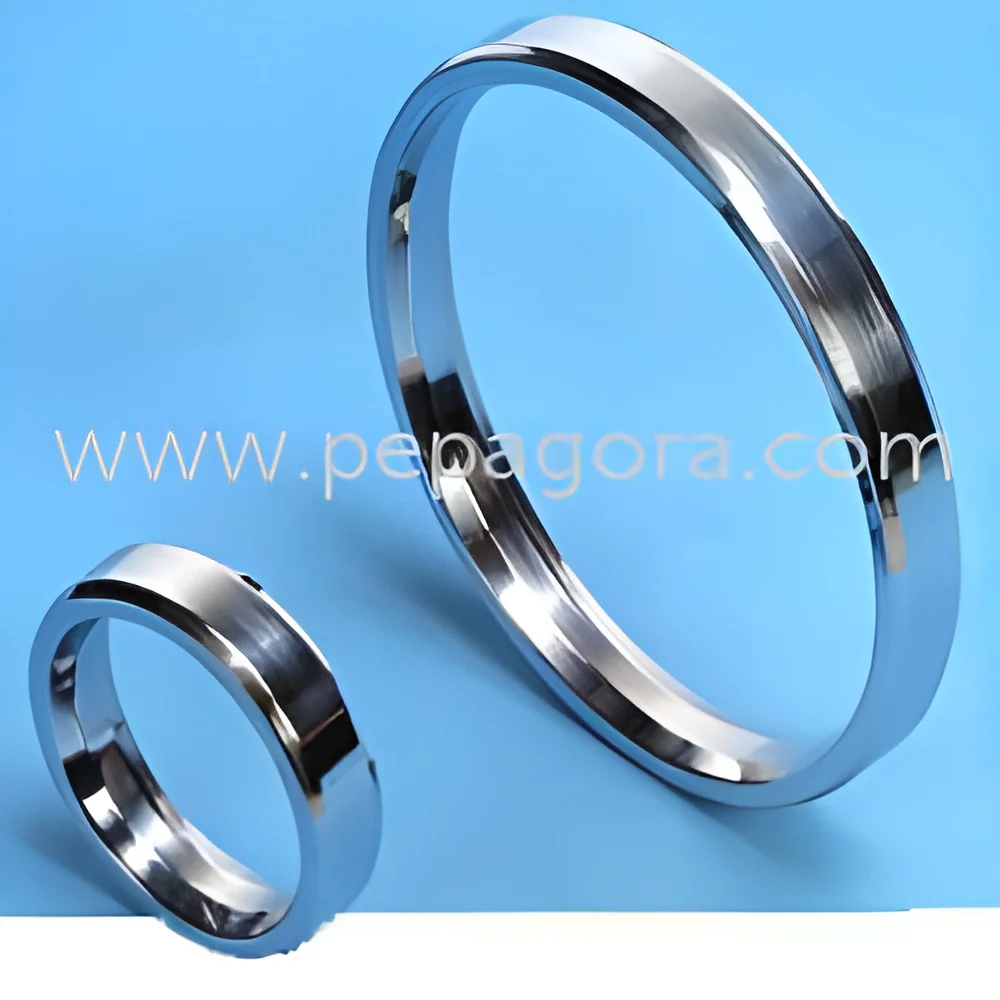
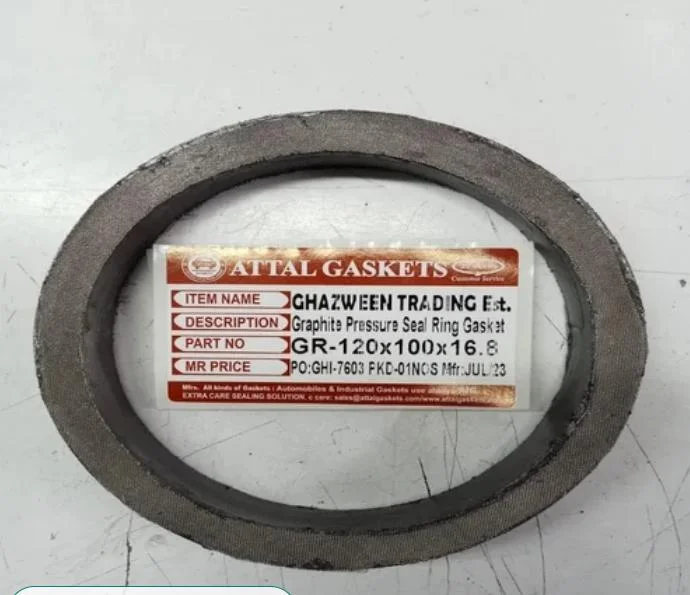
Metal seals provide high durability and resistance to extreme temperatures and pressures. They are often used in aerospace and heavy machinery applications.
Non-Asbestos Gaskets
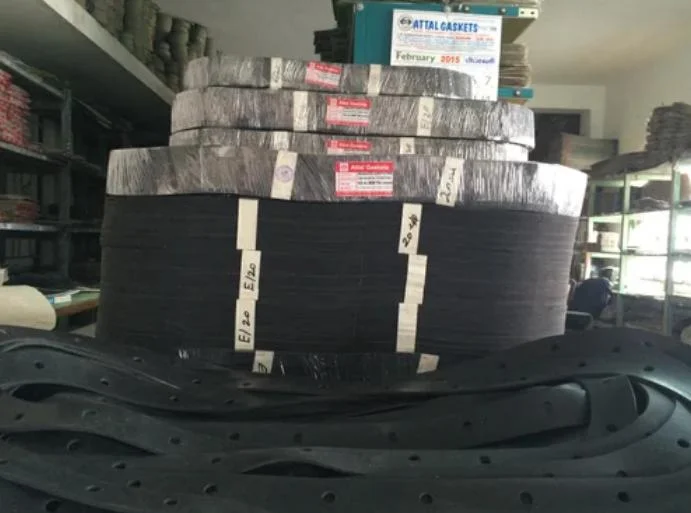
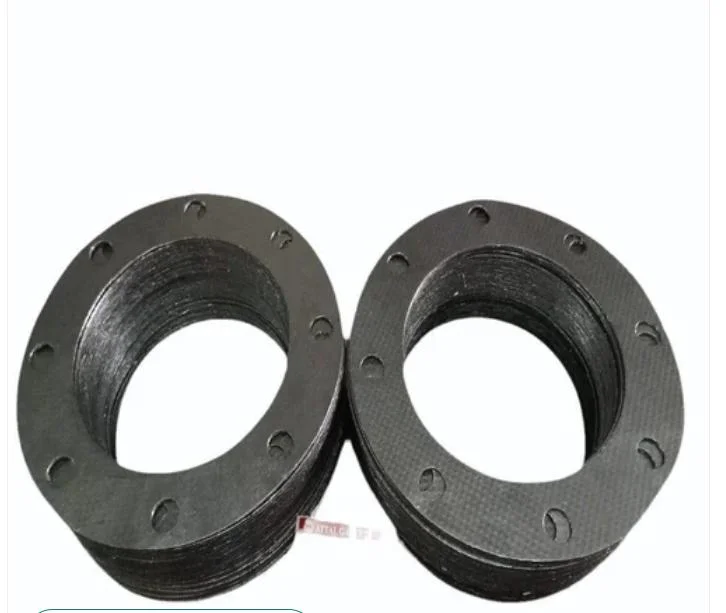
These gaskets are designed for high-temperature applications without the health risks associated with asbestos. They are suitable for use in steam and chemical pipelines.
Spiral Wound Gaskets
Constructed from metal and filler material, spiral wound gaskets offer excellent resilience and sealing capability. They are ideal for high-pressure applications in oil and gas industries.
𝗕𝗲𝗻𝗲𝗳𝗶𝘁𝘀 𝗮𝗻𝗱 𝗔𝗱𝘃𝗮𝗻𝘁𝗮𝗴𝗲𝘀
The use of gaskets and seals brings numerous benefits that enhance operational efficiency and safety in industrial applications.
Key benefits include:
1. Leak Prevention: Gaskets and seals effectively prevent leaks, minimizing the risk of equipment failure and environmental hazards.
2. Enhanced Equipment Lifespan: Proper sealing reduces wear and tear on machinery, extending its operational life and reducing maintenance costs.
3. Energy Efficiency: Effective seals improve energy efficiency by preventing air and fluid leaks, leading to lower operational costs.
4. Versatility: Gaskets and seals can be used in a wide range of applications across various industries, providing flexible solutions for different needs.
5. Customization: Many manufacturers offer customization options, allowing businesses to find the perfect fit for their specific requirements.
6. Compliance Assurance: Sourcing from certified suppliers ensures that products meet industry standards, enhancing safety and reliability.
𝗕𝘂𝘆𝗶𝗻𝗴 𝗚𝘂𝗶𝗱𝗲 𝗳𝗼𝗿 𝗕𝟮𝗕 𝗕𝘂𝘆𝗲𝗿𝘀
When sourcing gaskets and seals, it is essential for B2B buyers to consider several critical factors to ensure they make informed decisions.
1. Quality Assessment: Evaluating the quality of materials used and manufacturing processes is crucial for performance and reliability. Look for suppliers that adhere to industry standards.
2. Supplier Verification: Vetting suppliers for reliability and reputation can prevent issues down the line. Check for certifications and customer reviews.
3. Pricing and MOQ: Understanding pricing structures and minimum order quantities helps in budgeting and determining feasibility for projects.
4. Delivery and Lead Times: Assessing logistics capabilities and lead times is vital for planning and ensuring timely project execution.
5. Compliance Requirements: Familiarize yourself with relevant regulations and standards to ensure the gaskets and seals sourced meet necessary compliance.
𝗖𝗼𝗺𝗽𝗹𝗶𝗮𝗻𝗰𝗲 𝗮𝗻𝗱 𝗖𝗲𝗿𝘁𝗶𝗳𝗶𝗰𝗮𝘁𝗶𝗼𝗻𝘀
Gaskets and seals must adhere to various quality standards and certifications to ensure they are safe and effective. ISO 9001 is a well-known standard that indicates quality management systems in manufacturing processes.
Many products also carry CE certification, confirming their compliance with European safety and environmental requirements. This certification is particularly important in industries where safety is paramount.
Moreover, manufacturers often follow strict safety and testing requirements to guarantee their products perform as intended. Regional compliance considerations are also vital, as regulations can differ significantly from one area to another, impacting product selection and sourcing.
𝗪𝗵𝘆 𝗦𝗼𝘂𝗿𝗰𝗲 𝗚𝗮𝘀𝗸𝗲𝘁𝘀 & 𝗦𝗲𝗮𝗹𝘀 𝗳𝗿𝗼𝗺 𝗣𝗲𝗽𝗮𝗴𝗼𝗿𝗮?
Pepagora provides a trusted platform for sourcing gaskets and seals, with several key advantages that set it apart from competitors.
Verified Supplier Network: Pepagora connects buyers with a network of verified suppliers, ensuring that all products meet high-quality standards. This network helps buyers find reliable partners for their needs.
Streamlined RFQ Process: The platform features a streamlined Request for Quotation (RFQ) process that simplifies price comparisons and supplier communication, making it easier for buyers to get the best deals.
Trade Assurance and Support: Pepagora offers trade assurance and support, providing buyers with protection throughout the purchasing process. This support helps instill confidence in transactions and supplier selections.
Regional Coverage: With a strong presence in India, the GCC, and Southeast Asia, Pepagora offers extensive regional coverage, making it a convenient choice for businesses looking for gaskets and seals in these markets. This geographic reach allows for efficient sourcing and logistics management.
Gaskets & Seals are mechanical components used to prevent the leakage of fluids and gases between two surfaces. They are essential in various industries, including automotive, aerospace, and manufacturing, to ensure tight seals under pressure and temperature variations.
2
What are the different types of Gaskets & Seals?
There are several types of Gaskets & Seals, including flat gaskets, O-rings, spiral wound gaskets, and rubber seals. Each type is designed for specific applications and offers different properties, such as resistance to chemicals, temperature, and pressure.
3
How do I choose the right Gaskets & Seals?
To choose the right Gaskets & Seals, consider factors such as the material compatibility, operating temperature, pressure requirements, and the specific application. It is also important to consult with manufacturers or suppliers to ensure the selected gasket meets industry standards.
4
What are the standard specifications for Gaskets & Seals?
Standard specifications for Gaskets & Seals typically include material type, thickness, temperature range, and pressure rating. Common industry standards are outlined by organizations such as ASTM, ASME, and ISO, which provide guidelines for performance and quality.
5
What is the price range for Gaskets & Seals?
The price range for Gaskets & Seals varies widely based on factors such as material, size, and manufacturing process. Generally, prices can range from a few rupees for simple gaskets to several thousand rupees for specialized or custom seals.
6
What quality standards apply to Gaskets & Seals?
Quality standards for Gaskets & Seals include compliance with industry specifications such as ISO 9001 for quality management systems and ASTM standards for material performance. Manufacturers often conduct rigorous testing to ensure their products meet these standards.
7
Where can I find Gaskets & Seals suppliers in India?
You can find Gaskets & Seals suppliers in India through online B2B marketplaces like Pepagora, industry trade shows, and local manufacturing directories. It is advisable to verify the suppliers' credentials and product quality before making a purchase.
8
Can Gaskets & Seals be customized?
Yes, Gaskets & Seals can be customized to meet specific requirements, including size, shape, and material composition. Many manufacturers offer customization services to cater to unique applications and enhance performance.
9
What is the typical minimum order quantity for Gaskets & Seals?
The typical minimum order quantity (MOQ) for Gaskets & Seals varies by supplier and product type. MOQs can range from a single piece for standard items to larger quantities for custom or specialized gaskets.
10
What is the typical lead time for Gaskets & Seals?
The typical lead time for Gaskets & Seals can range from a few days to several weeks, depending on factors such as the complexity of the order, stock availability, and manufacturing processes. It is advisable to consult with the supplier for accurate lead time estimates.
Why Businesses Trust Pepagora
Thousands of companies trust Pepagora to source smarter and sell faster
Expand Your Sales Globally
25000+Products listed.Get discovered by global buyers

 IN
IN