𝗪𝗵𝗮𝘁 𝗮𝗿𝗲 𝗛𝗮𝗹𝗮𝗹 & 𝗛𝗔𝗖𝗖𝗣 𝗖𝗲𝗿𝘁𝗶𝗳𝗶𝗲𝗱 𝗠𝗲𝗮𝘁 𝗘𝘅𝗽𝗼𝗿𝘁𝗲𝗿𝘀?
Halal and HACCP certified meat exporters are businesses that adhere to specific religious and safety standards when processing and exporting meat products. The term "Halal" refers to food that is permissible under Islamic law, ensuring that the meat is sourced and slaughtered according to prescribed guidelines. HACCP, which stands for Hazard Analysis and Critical Control Points, is a systematic preventive approach to food safety that addresses potential biological, chemical, and physical hazards in production processes.
These exporters cater to a diverse range of clients, including retailers, wholesalers, and food service companies that require meat products meeting both Halal and HACCP standards. The combination of these certifications allows businesses to meet the needs of a growing consumer base that prioritizes food safety and ethical sourcing. As the demand for Halal meat continues to rise globally, particularly in regions with significant Muslim populations, the role of certified exporters becomes increasingly vital to ensure compliance with both religious and health regulations.
The relevance of Halal and HACCP certifications extends beyond compliance; they serve as a testament to quality assurance and trustworthiness in the meat supply chain. As consumers become more conscious of food sourcing and safety, businesses that partner with certified exporters can enhance their market reputation and open up new avenues for growth in international markets.
𝗞𝗲𝘆 𝗙𝗲𝗮𝘁𝘂𝗿𝗲𝘀 𝗮𝗻𝗱 𝗦𝗽𝗲𝗰𝗶𝗳𝗶𝗰𝗮𝘁𝗶𝗼𝗻𝘀
When evaluating Halal and HACCP certified meat exporters, several key features and specifications come into play. These specifications ensure that the products not only align with religious practices but also meet stringent safety standards essential for consumer health.
Key specifications include:
1. Halal Certification
- Certification by recognized religious authorities
- Compliance with Islamic dietary laws
2. HACCP Certification
- Adherence to a systematic risk management approach
- Implementation of critical control points in production
3. Quality Assurance
- Regular audits and inspections to maintain standards
- Traceability of meat products from source to consumer
4. Temperature Control
- Maintenance of optimal refrigeration during processing and transport
- Prevention of spoilage and contamination
5. Packaging Standards
- Use of food-safe, compliant materials
- Proper labeling indicating Halal and HACCP status
6. Supply Chain Transparency
- Documentation of sourcing and processing practices
- Clear communication of product origins
7. Compliance with Local Regulations
- Adherence to health and safety laws in export destinations
- Understanding of regional food safety requirements
8. Export Readiness
- Familiarity with international shipping standards
- Capacity to handle customs and documentation processes
In summary, these specifications not only define the quality of meat products but also reinforce the integrity of the supply chain, ensuring that businesses can trust in the products they receive.
𝗖𝗼𝗺𝗺𝗼𝗻 𝗔𝗽𝗽𝗹𝗶𝗰𝗮𝘁𝗶𝗼𝗻𝘀 𝗮𝗻𝗱 𝗨𝘀𝗲 𝗖𝗮𝘀𝗲𝘀
Halal and HACCP certified meat exporters serve a variety of industries, reflecting the broad demand for safe and ethically sourced meat products.
1. Food Retail: Grocery stores and supermarkets require certified meat to cater to diverse consumer bases, ensuring compliance with dietary restrictions.
2. Food Service: Restaurants and catering services rely on certified meat to meet the expectations of customers seeking Halal options or concerned about food safety.
3. Wholesale Distribution: Distributors benefit from sourcing certified products to assure clients of quality and compliance, enabling them to expand their market reach.
4. Export Markets: Businesses engaged in international trade leverage certifications to navigate regulatory requirements in different countries, facilitating smoother transactions.
5. Institutional Catering: Schools, hospitals, and government facilities prioritize Halal and HACCP certified meat to meet dietary guidelines and health standards.
6. Online Grocery: E-commerce platforms selling meat products can enhance consumer trust by offering certified options, appealing to health-conscious and ethically-minded shoppers.
7. Specialty Stores: Shops focusing on organic or ethical products find value in sourcing certified meat, aligning with their brand ethos and consumer expectations.
𝗣𝗿𝗼𝗱𝘂𝗰𝘁 𝗩𝗮𝗿𝗶𝗮𝗻𝘁𝘀 𝗮𝗻𝗱 𝗦𝘂𝗯𝗰𝗮𝘁𝗲𝗴𝗼𝗿𝗶𝗲𝘀
Halal and HACCP certified meat exporters offer a range of product variants to meet diverse customer needs. Their offerings can include various cuts and types of meat, ensuring that businesses can find the right products for their specific applications.
Beef Products
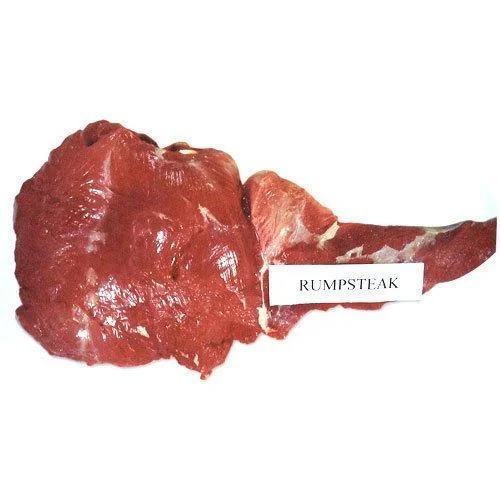
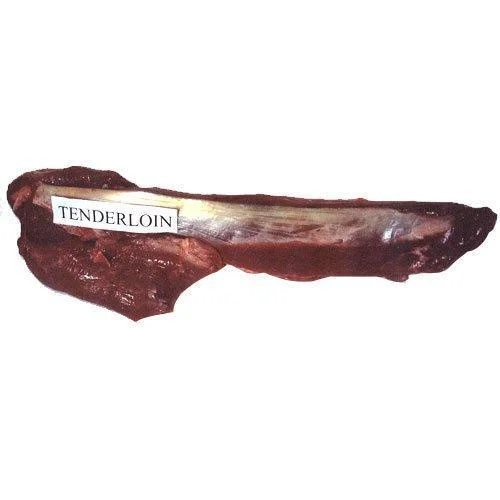
These may include various cuts such as steaks, ground beef, and roasts. Each product is certified Halal and adheres to HACCP standards, ensuring quality and safety.
Poultry Products
Chicken and turkey options are available in whole or cut formats. These products meet both Halal certification and HACCP compliance, making them suitable for various culinary applications.
Lamb and Goat Products
Specialty meats like lamb and goat are also offered, providing options for ethnic cuisines and specific customer preferences while maintaining certified standards.
Processed Meat Products
Items such as sausages and ready-to-eat meals are produced under strict guidelines to ensure both Halal and HACCP compliance, catering to convenience-oriented consumers.
𝗕𝗲𝗻𝗲𝗳𝗶𝘁𝘀 𝗮𝗻𝗱 𝗔𝗱𝘃𝗮𝗻𝘁𝗮𝗴𝗲𝘀
Sourcing from Halal and HACCP certified meat exporters provides numerous advantages for businesses.
Key benefits include:
1. Consumer Trust: Certification enhances credibility, assuring customers of safe and ethically sourced products.
2. Market Access: Certified products can penetrate a broader range of markets, especially those with specific dietary requirements.
3. Quality Assurance: Compliance with rigorous standards ensures consistent quality and reduces the risk of contamination.
4. Risk Management: HACCP principles help mitigate potential hazards, ensuring safe food handling and production practices.
5. Brand Differentiation: Offering certified meat products allows businesses to stand out in a competitive market.
6. Regulatory Compliance: Partnering with certified exporters simplifies adherence to local and international food safety regulations.
𝗕𝘂𝘆𝗶𝗻𝗴 𝗚𝘂𝗶𝗱𝗲 𝗳𝗼𝗿 𝗕𝟮𝗕 𝗕𝘂𝘆𝗲𝗿𝘀
When sourcing Halal and HACCP certified meat exporters, several key factors should be considered to ensure quality and reliability in the supply chain.
1. Quality Assessment: Evaluate the exporter’s adherence to quality standards and certifications. Look for documented proof of compliance with Halal and HACCP requirements.
2. Supplier Verification: Conduct thorough research to ensure the exporter is reputable. This may include checking references and previous client feedback.
3. Pricing and MOQ: Understand pricing structures and minimum order quantities (MOQ) to ensure they align with your business needs and budget.
4. Delivery and Lead Times: Discuss logistics and expected lead times for product delivery to ensure timely supply for your operations.
5. Compliance Requirements: Be aware of local and international regulatory requirements that may affect sourcing and distribution of meat products.
𝗖𝗼𝗺𝗽𝗹𝗶𝗮𝗻𝗰𝗲 𝗮𝗻𝗱 𝗖𝗲𝗿𝘁𝗶𝗳𝗶𝗰𝗮𝘁𝗶𝗼𝗻𝘀
Halal and HACCP certifications are critical in ensuring that meat products are safe and meet specific dietary requirements. HACCP certification involves a rigorous evaluation of production processes to identify and manage potential hazards. This systematic approach helps businesses prevent contamination and ensure food safety.
In addition to HACCP, obtaining CE (Conformité Européenne) certification can further enhance a supplier's credibility, especially in European markets. This certification indicates that the exporter meets essential health, safety, and environmental protection standards.
Safety and testing requirements are also paramount. Regular testing for pathogens and contaminants is essential to ensure product integrity. Regional compliance considerations may vary, so understanding local regulations is crucial for exporters to ensure their products meet all necessary legal standards.
𝗪𝗵𝘆 𝗦𝗼𝘂𝗿𝗰𝗲 𝗛𝗮𝗹𝗮𝗹 & 𝗛𝗔𝗖𝗖𝗣 𝗖𝗲𝗿𝘁𝗶𝗳𝗶𝗲𝗱 𝗠𝗲𝗮𝘁 𝗘𝘅𝗽𝗼𝗿𝘁𝗲𝗿𝘀 𝗳𝗿𝗼𝗺 𝗣𝗲𝗽𝗮𝗴𝗼𝗿𝗮?
Pepagora provides a trusted platform for sourcing Halal and HACCP certified meat exporters, offering several key advantages to B2B buyers.
Verified Supplier Network: Pepagora has established a network of verified suppliers, ensuring that businesses can connect with trustworthy exporters who meet the highest standards of quality and compliance.
Streamlined RFQ Process: The platform simplifies the request for quotation (RFQ) process, allowing buyers to efficiently request information and negotiate terms with multiple suppliers in one place.
Trade Assurance and Support: Pepagora offers trade assurance measures to protect buyers, ensuring that they receive the products as promised and providing support throughout the transaction process.
Regional Coverage: With a broad geographic reach, including India, GCC countries, and Southeast Asia, Pepagora connects buyers with exporters who can meet their specific logistical and regulatory needs, facilitating smoother international trade.
Halal & HACCP Certified Meat Exporters are companies that supply meat products which adhere to Islamic dietary laws (Halal) and meet the Hazard Analysis and Critical Control Point (HACCP) standards for food safety. These certifications ensure that the meat is processed, handled, and transported in a manner that complies with specific religious and safety guidelines.
2
What are the different types of Halal & HACCP Certified Meat Exporters?
Different types of Halal & HACCP Certified Meat Exporters include those specializing in beef, poultry, lamb, and processed meat products. Each exporter may focus on specific meat types and may offer various cuts, packaging options, and additional services tailored to customer needs.
3
How do I choose the right Halal & HACCP Certified Meat Exporters?
Choosing the right Halal & HACCP Certified Meat Exporters involves evaluating their certifications, production methods, and product range. It's important to look for exporters with a strong reputation, positive reviews, and a commitment to quality and compliance with Halal and HACCP standards.
4
What are the standard specifications for Halal & HACCP Certified Meat Exporters?
Standard specifications for Halal & HACCP Certified Meat Exporters include compliance with Halal slaughtering practices, proper handling and storage of meat, and adherence to HACCP principles for ensuring food safety. Additionally, exporters must maintain traceability of their products throughout the supply chain.
5
What is the price range for Halal & HACCP Certified Meat Exporters?
The price range for Halal & HACCP Certified Meat Exporters can vary widely based on factors such as the type of meat, quality, and volume. Generally, prices are influenced by market demand, supply chain costs, and specific exporter practices.
6
What quality standards apply to Halal & HACCP Certified Meat Exporters?
Quality standards for Halal & HACCP Certified Meat Exporters include compliance with international food safety regulations, proper hygiene practices, and adherence to specific Halal certification requirements. Regular audits and inspections are typically conducted to ensure ongoing compliance.
7
Where can I find Halal & HACCP Certified Meat Exporters suppliers in India?
You can find Halal & HACCP Certified Meat Exporters suppliers in India through online B2B marketplaces, trade directories, and industry expos dedicated to meat products. Additionally, networking within industry associations can help identify credible exporters.
8
Can Halal & HACCP Certified Meat Exporters be customized?
Yes, many Halal & HACCP Certified Meat Exporters offer customization options such as specific cuts, packaging sizes, and tailored processing methods. Customization typically depends on the exporter’s capabilities and the buyer's requirements.
9
What is the typical minimum order quantity for Halal & HACCP Certified Meat Exporters?
The typical minimum order quantity (MOQ) for Halal & HACCP Certified Meat Exporters can vary depending on the exporter and the type of meat. It is common for MOQs to range from a few hundred kilograms to several tons, based on the product and supplier.
10
What is the typical lead time for Halal & HACCP Certified Meat Exporters?
The typical lead time for Halal & HACCP Certified Meat Exporters can vary based on order size and product availability. Generally, lead times can range from a few days to several weeks, depending on the complexity of the order and shipping logistics.
Why Businesses Trust Pepagora
Thousands of companies trust Pepagora to source smarter and sell faster
Expand Your Sales Globally
25000+Products listed.Get discovered by global buyers

 IN
IN

 India
India