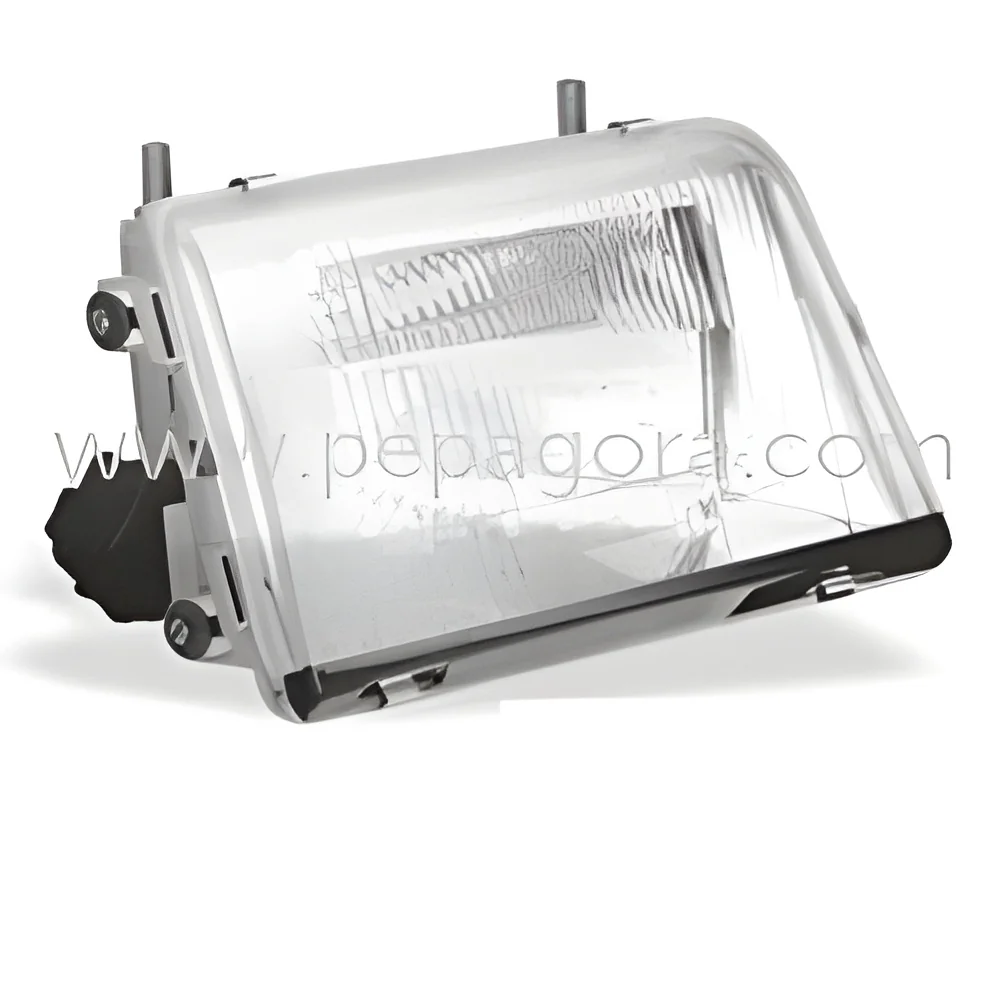
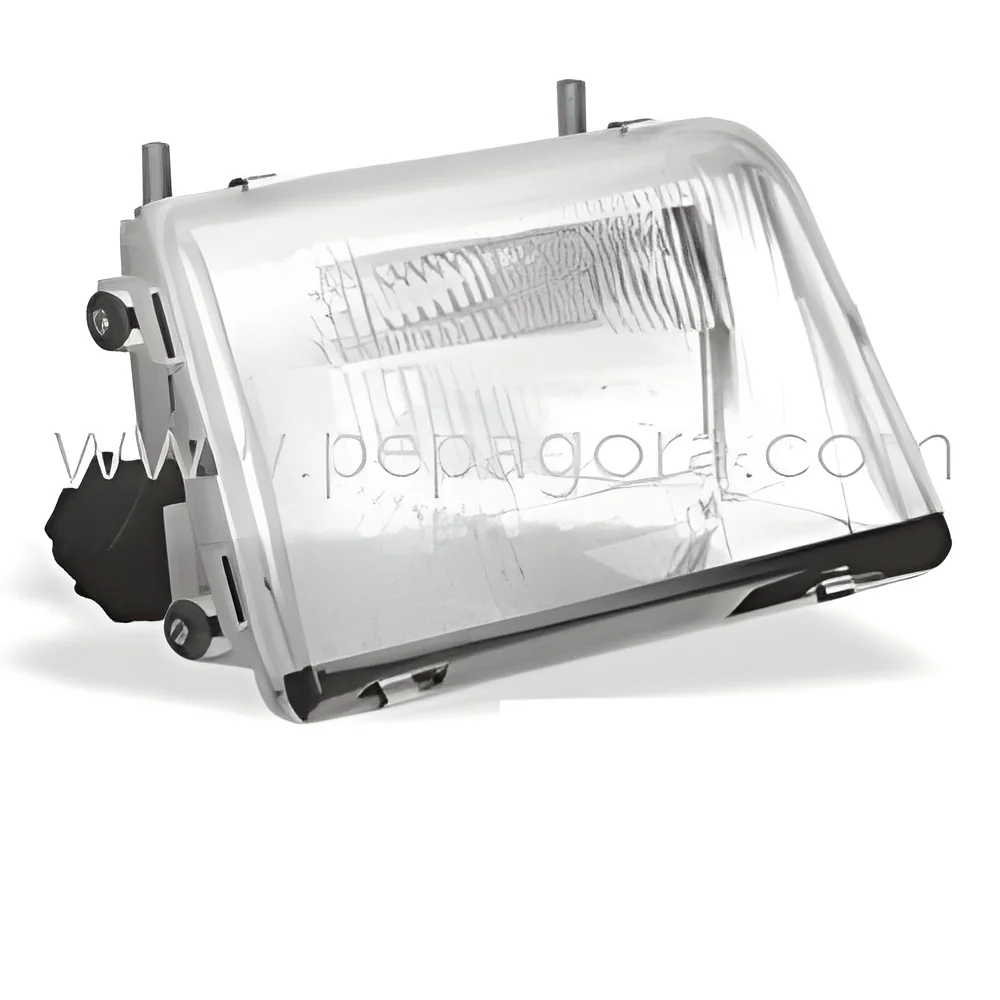
𝗪𝗵𝗮𝘁 𝗮𝗿𝗲 𝗛𝗲𝗮𝗱𝗹𝗶𝗴𝗵𝘁𝘀?
Headlights are essential lighting components used in various vehicles and equipment to improve visibility and safety during nighttime or low-light conditions. These devices provide focused illumination ahead of the vehicle, enabling clear visibility of the road and surroundings. Headlights are commonly integrated into automobiles, trucks, motorcycles, and industrial machinery, serving both functional and regulatory purposes.
In business applications, headlights are critical for transportation and logistics, as they enhance safety for drivers and pedestrians alike. They help reduce accidents by illuminating the path ahead and making the vehicle more visible to others. Additionally, in industrial settings, headlights are used in machinery and equipment to ensure operators can work safely in dimly lit environments. The growing focus on safety regulations and enhanced visibility in various industries underscores the importance of high-quality headlights in today’s market.
As industries continue to evolve, the demand for reliable and efficient headlights is on the rise. Manufacturers are innovating to produce headlights with advanced features, ensuring compliance with safety standards and meeting the needs of diverse applications. The market for headlights is expected to expand as more businesses recognize the importance of safety and visibility in their operations.
𝗞𝗲𝘆 𝗙𝗲𝗮𝘁𝘂𝗿𝗲𝘀 𝗮𝗻𝗱 𝗦𝗽𝗲𝗰𝗶𝗳𝗶𝗰𝗮𝘁𝗶𝗼𝗻𝘀
Headlights come with various features and specifications that enhance their performance and usability. Understanding these specifications is crucial for businesses looking to invest in high-quality headlights for their operations.
Key specifications include:
1. Lumens Output
- Indicates the brightness level of the headlights
- Typically ranges from 800 to 3000 lumens depending on the type
2. Power Consumption
- Measures the energy efficiency of the headlights
- Usually specified in watts, ranging from 20W to 50W
3. Color Temperature
- Refers to the color of the light emitted
- Measured in Kelvin, typically between 3000K (warm white) to 6000K (cool white)
4. Beam Pattern
- Describes how light is distributed
- Options include flood, spot, and combination patterns
5. Operating Voltage
- Indicates the voltage required for the headlights to function
- Commonly ranges from 12V to 24V
6. Lifespan
- Refers to how long the headlights can be expected to last
- Generally ranges from 20,000 to 50,000 hours
7. Material and Durability
- Highlights the construction quality
- Made from materials such as polycarbonate or glass for impact resistance
8. Certification
- Indicates compliance with safety standards
- Common certifications include CE marking for European markets
Overall, these specifications help businesses select the right headlights that align with their operational needs and safety requirements.
𝗖𝗼𝗺𝗺𝗼𝗻 𝗔𝗽𝗽𝗹𝗶𝗰𝗮𝘁𝗶𝗼𝗻𝘀 𝗮𝗻𝗱 𝗨𝘀𝗲 𝗖𝗮𝘀𝗲𝘀
Headlights are utilized across various industries, each with specific applications that enhance safety and efficiency.
1. Automotive: In the automotive industry, headlights are crucial for vehicles, providing necessary illumination during night driving and adverse weather conditions.
2. Construction: Construction equipment often features headlights to ensure visibility on job sites, allowing operators to work safely in low-light conditions.
3. Aviation: Aircraft use specialized headlights for runway lighting and ground operations, enhancing safety during takeoff and landing.
4. Marine: Boats and ships incorporate headlights to improve visibility on the water, aiding navigation and ensuring safety against collisions.
5. Emergency Services: Emergency vehicles rely on powerful headlights to respond effectively during nighttime operations, ensuring they are visible to other road users.
6. Agriculture: Tractors and farm machinery are equipped with headlights to facilitate work during nighttime hours or in poorly lit areas.
7. Mining: Mining equipment uses headlights to illuminate work areas, ensuring safety for operators in dark environments.
𝗣𝗿𝗼𝗱𝘂𝗰𝘁 𝗩𝗮𝗿𝗶𝗮𝗻𝘁𝘀 𝗮𝗻𝗱 𝗦𝘂𝗯𝗰𝗮𝘁𝗲𝗴𝗼𝗿𝗶𝗲𝘀
Headlights come in various forms to meet the specific needs of different applications. Each variant offers unique features tailored to diverse operational requirements.
LED Headlights
LED headlights are known for their energy efficiency and long lifespan. They provide bright illumination while consuming less power, making them ideal for modern vehicles and industrial equipment.
Halogen Headlights
Halogen headlights have been a traditional choice for many vehicles. They offer good brightness and are relatively easy to replace, making them a popular option among automotive manufacturers.
Xenon Headlights
Xenon headlights produce a bright white light and are often used in high-end vehicles. Their advanced technology allows for enhanced visibility while consuming moderate energy.
𝗕𝗲𝗻𝗲𝗳𝗶𝘁𝘀 𝗮𝗻𝗱 𝗔𝗱𝘃𝗮𝗻𝘁𝗮𝗴𝗲𝘀
Investing in high-quality headlights offers numerous benefits that can significantly enhance safety and operational efficiency.
1. Improved Visibility: Headlights provide essential illumination, increasing safety for drivers and pedestrians in low-light conditions.
2. Enhanced Safety: Well-functioning headlights reduce the risk of accidents by ensuring that vehicles are visible to others on the road.
3. Energy Efficiency: Modern headlights, especially LED variants, consume less power while delivering high brightness, resulting in cost savings.
4. Longevity: High-quality headlights are designed to last longer, reducing replacement frequency and associated costs.
5. Compliance: Many headlights meet safety certifications, ensuring that businesses comply with industry regulations and standards.
6. Versatility: Headlights are available in various designs and specifications, enabling customization for specific applications and environments.
𝗕𝘂𝘆𝗶𝗻𝗴 𝗚𝘂𝗶𝗱𝗲 𝗳𝗼𝗿 𝗕𝟮𝗕 𝗕𝘂𝘆𝗲𝗿𝘀
When sourcing headlights, businesses should consider several important factors to ensure they make informed purchasing decisions.
1. Quality Assessment: Evaluate the quality of headlights based on materials, construction, and performance specifications. High-quality products are essential for safety and longevity.
2. Supplier Verification: Conduct thorough research to verify suppliers. Look for established companies with a track record of providing reliable products and good customer service.
3. Pricing and MOQ: Compare pricing from different suppliers and be aware of minimum order quantities (MOQs). This helps in budgeting and ensures that the purchase aligns with operational needs.
4. Delivery and Lead Times: Understand the logistics involved in the delivery process. Check lead times to ensure that headlights arrive when needed to avoid operational delays.
5. Compliance Requirements: Be aware of any regulatory compliance requirements specific to your industry. Ensure that the headlights meet necessary safety and quality standards.
𝗖𝗼𝗺𝗽𝗹𝗶𝗮𝗻𝗰𝗲 𝗮𝗻𝗱 𝗖𝗲𝗿𝘁𝗶𝗳𝗶𝗰𝗮𝘁𝗶𝗼𝗻𝘀
Headlights must adhere to various quality standards and certifications to ensure safety and reliability.
Relevant quality standards include ISO 9001, which ensures that manufacturers maintain consistent quality in their processes. Compliance with these standards is critical for businesses aiming to deliver safe and dependable products.
Industry certifications are essential for ensuring that headlights meet specific safety requirements. The CE marking is a common certification in Europe, indicating that the products conform to health, safety, and environmental protection standards.
Safety and testing requirements may vary by region, necessitating that manufacturers conduct thorough testing to verify that headlights perform safely under various conditions. Additionally, regional compliance considerations are important, as different areas may have specific regulations governing automotive lighting.
𝗪𝗵𝘆 𝗦𝗼𝘂𝗿𝗰𝗲 𝗛𝗲𝗮𝗱𝗹𝗶𝗴𝗵𝘁𝘀 𝗳𝗿𝗼𝗺 𝗣𝗲𝗽𝗮𝗴𝗼𝗿𝗮?
Pepagora provides a trusted platform for sourcing headlights, offering several key advantages for businesses.
Verified Supplier Network: Pepagora connects buyers with a network of verified suppliers, ensuring that businesses can source high-quality headlights from reputable manufacturers.
Streamlined RFQ Process: The platform features a streamlined request for quotation (RFQ) process, making it easy for buyers to receive competitive quotes and compare options quickly.
Trade Assurance and Support: Pepagora offers trade assurance and support to protect buyers during transactions, ensuring that they receive the products as promised.
Regional Coverage: With a strong presence in India, the GCC, and Southeast Asia, Pepagora provides extensive regional coverage, allowing businesses to source headlights from local suppliers efficiently.
Headlights are essential components of vehicles that provide illumination for the road ahead during low-light conditions. They enhance visibility for drivers and help others see the vehicle, thereby improving overall safety on the road.
2
What are the different types of Headlights?
The main types of headlights include halogen, LED, and HID (High-Intensity Discharge) headlights. Each type has distinct advantages in terms of brightness, energy efficiency, and longevity, making it important for buyers to consider their specific needs.
3
How do I choose the right Headlights?
Choosing the right headlights involves considering factors such as the type of vehicle, desired brightness, energy efficiency, and personal preferences regarding aesthetics. It is also advisable to check compatibility with your vehicle's electrical system.
4
What are the standard specifications for Headlights?
Standard specifications for headlights typically include wattage, lumens (brightness), color temperature, and beam pattern. These specifications can vary based on the type of headlight and manufacturer, so it's important to review these details when making a selection.
5
What is the price range for Headlights?
The price range for headlights can vary widely based on the type and brand, generally starting from around INR 1,000 and going up to INR 15,000 or more. Factors influencing price include technology used, features, and whether the headlights are OEM or aftermarket.
6
What quality standards apply to Headlights?
Quality standards for headlights often include compliance with automotive safety regulations, such as those set by the Bureau of Indian Standards (BIS). Additionally, many manufacturers adhere to international standards such as ECE and SAE to ensure product reliability and safety.
7
Where can I find Headlights suppliers in India?
You can find headlights suppliers in India through online B2B marketplaces like Pepagora, trade shows, and automotive parts exhibitions. It's advisable to compare multiple suppliers to find those that offer quality products at competitive prices.
8
Can Headlights be customized?
Yes, headlights can often be customized to meet specific requirements, including design, color, and functionality. Many manufacturers offer customization options to suit the preferences of individual clients or vehicle specifications.
9
What is the typical minimum order quantity for Headlights?
The typical minimum order quantity (MOQ) for headlights can vary by supplier, but it usually ranges from 10 to 100 units. It's best to check with specific suppliers for their MOQ policies and any flexibility they may offer.
10
What is the typical lead time for Headlights?
The typical lead time for headlights can range from 1 to 4 weeks, depending on the supplier's inventory and the customization required. It is advisable to confirm lead times at the time of placing an order to manage expectations.
Why Businesses Trust Pepagora
Thousands of companies trust Pepagora to source smarter and sell faster
Expand Your Sales Globally
25000+Products listed.Get discovered by global buyers

 IN
IN